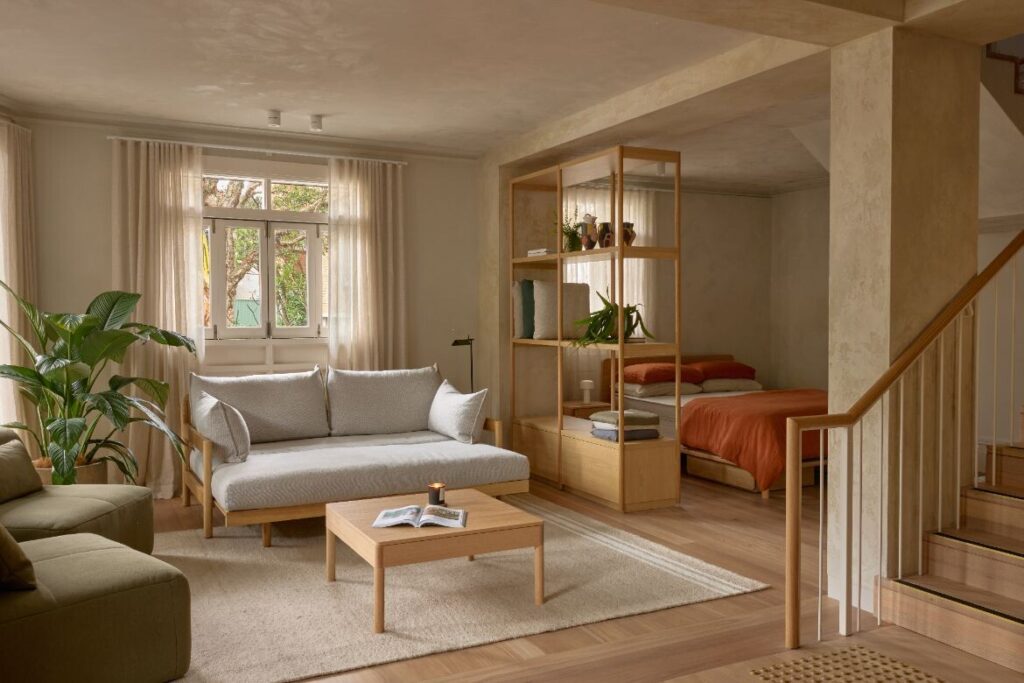
No matter how tall a building gets — whether it’s two storeys, or 22 — there is a case to be made for maintaining a strong connection to the ground. Whether by channeling the slate tones of a rock face, or the rich auburn hues of soil, façade materials that feature some geographical connection convey a reassuring sense of strength. Here are 10 options that tap into the raw beauty of rugged nature.
Concrete & Composites
1
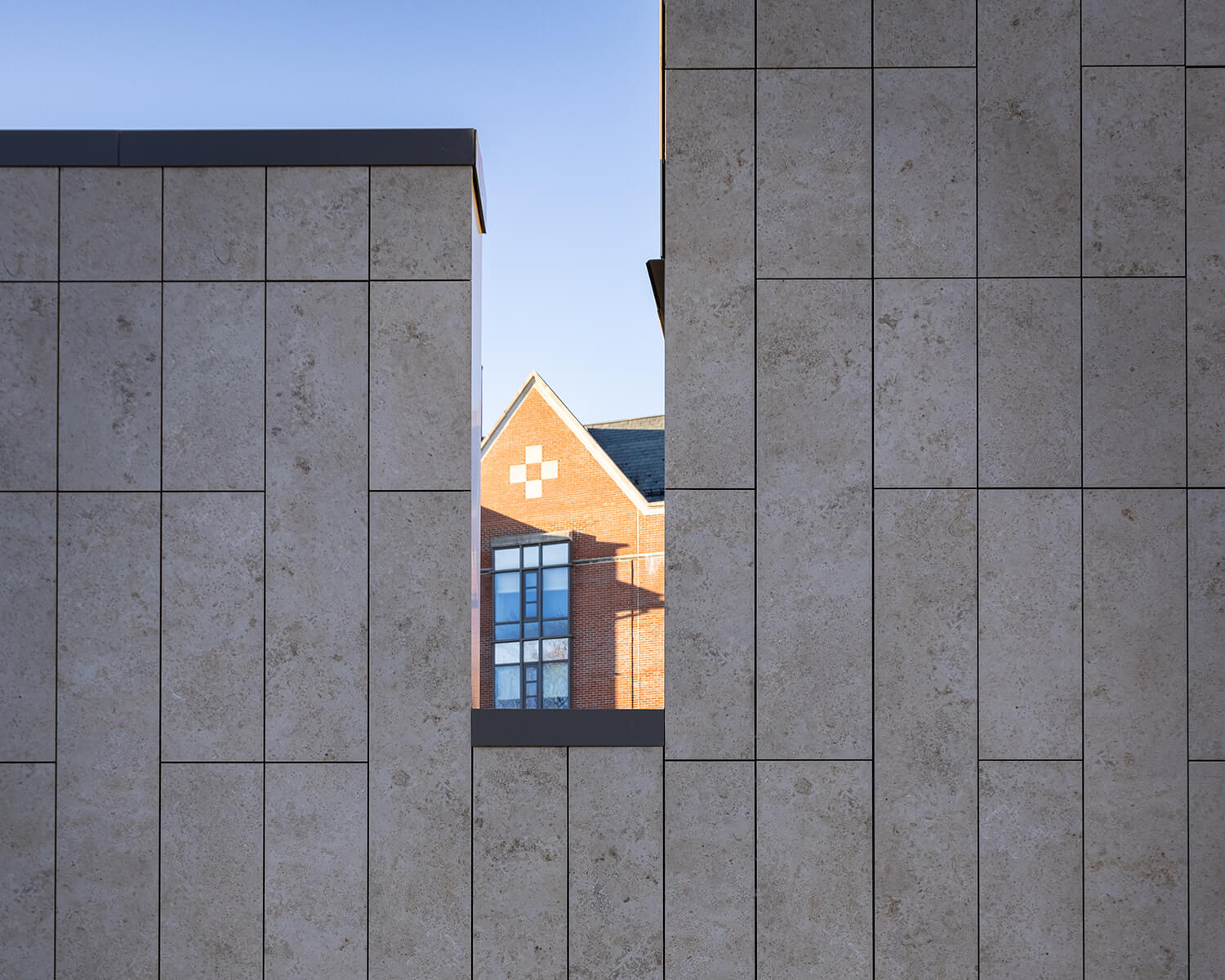
Jura Stone by NeoLith
For a new student residence at the University of Connecticut, Sasaki and Newman Architects (working with Cladding Concepts) leveraged a custom version of ’s which is able to stand up to the Northeast’s freeze–thaw cycles. Each lightweight, six-millimetre-thick panel was reinforced with a mesh backing and aluminum rails, then hung on
J-channels for streamlined installation.
2
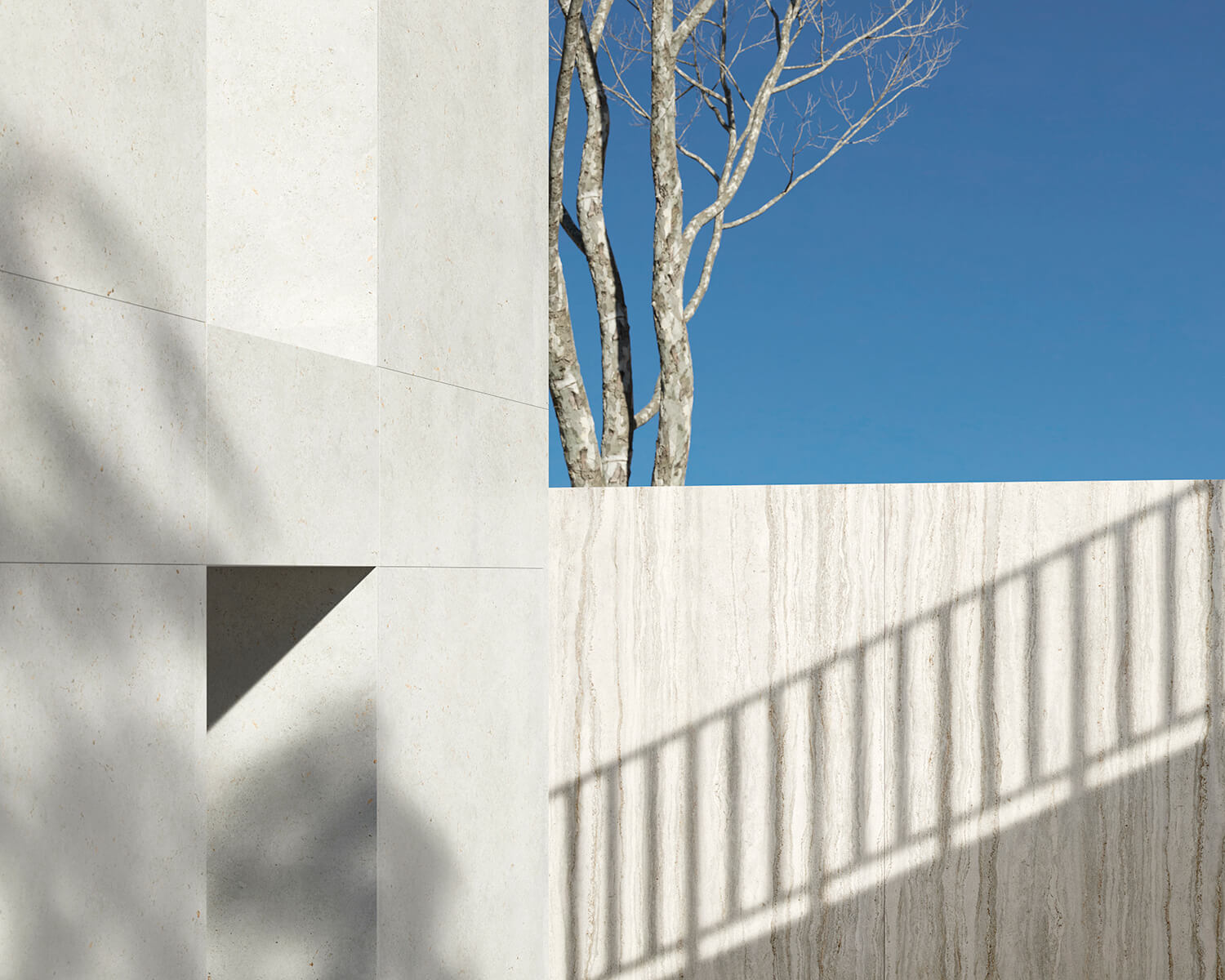
Pietra Edition Exterior by Dekton
’s from designer Daniel Germani encourages mix-and-match combinations of different patterns, all taking
inspiration from natural stone. Here, the subtle veining of Polar (shown at
left) complements the more expressive travertine-like Trevi (right).
3
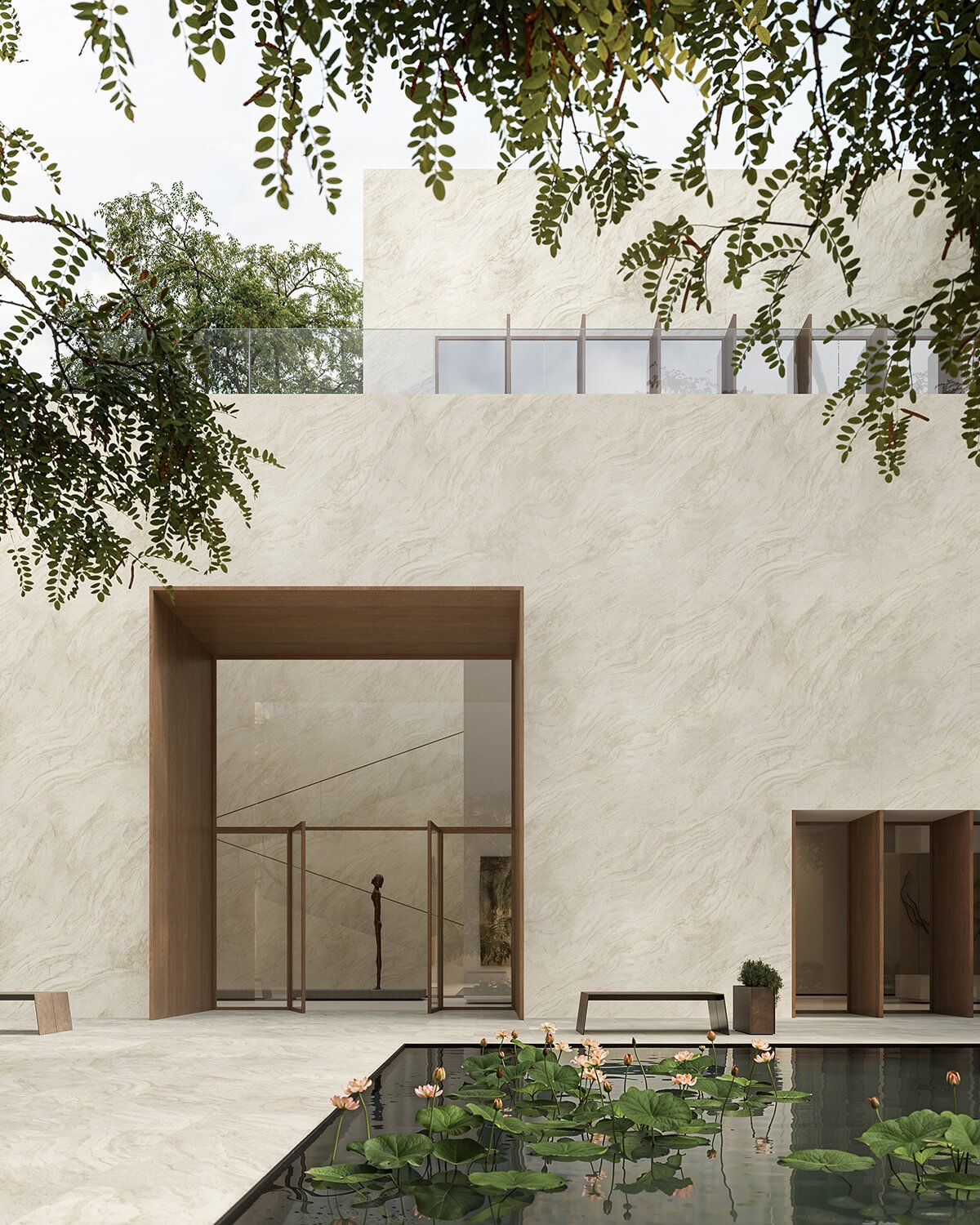
Marvel T by Atlas Concorde
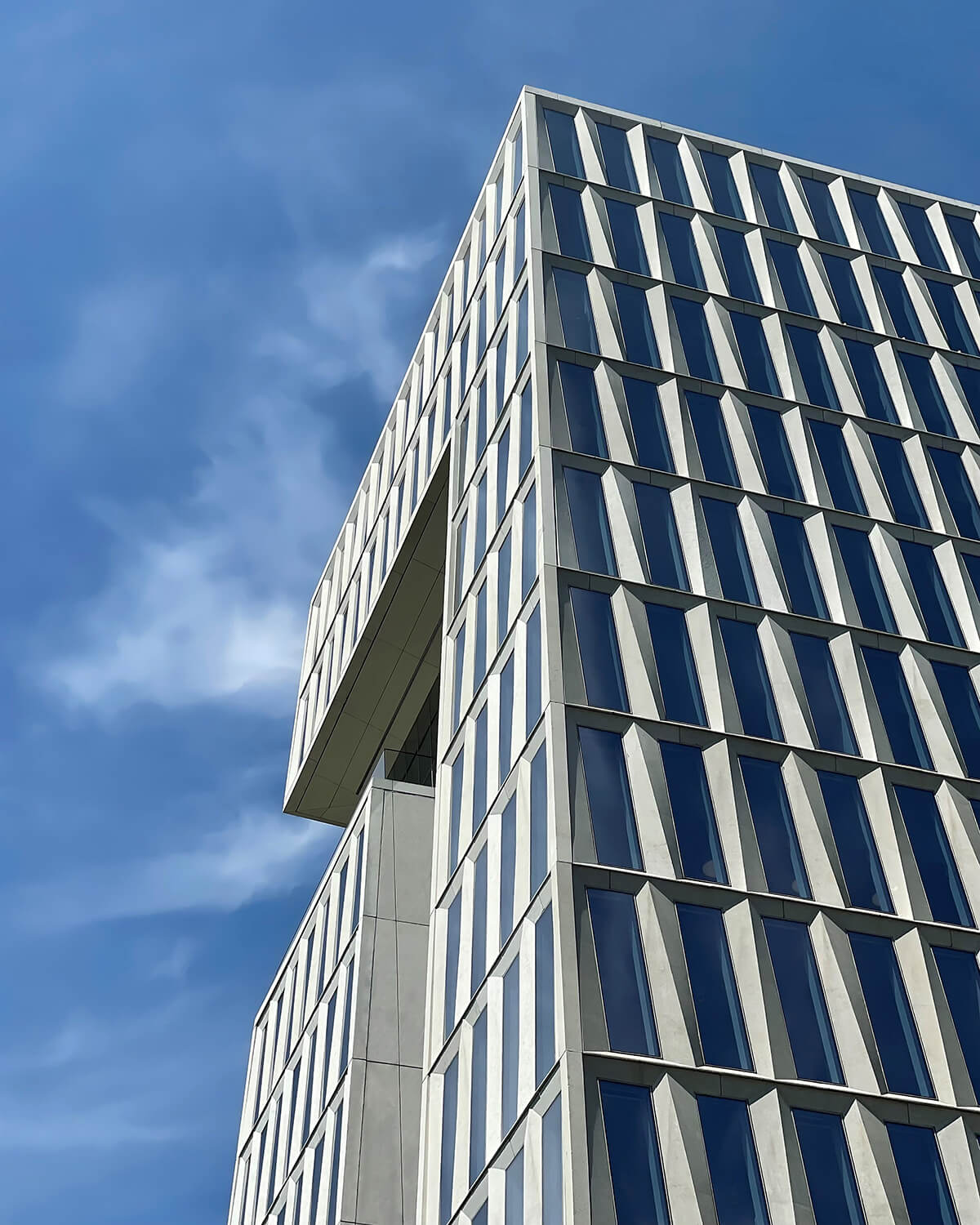
Continuing its ongoing collaboration with global hospitality firm HBA, developed this new range of travertine-style porcelain designs that set out to bring an airy ambiance to indoor or outdoor environments with soft, tone-on-tone veining. The includes four patterns and seven colours.
4
Concrete Skin by Rieder
Weiss/Manfredi Architecture and Teeple Architects worked with (through Sound Solutions) to produce the precast glass-fibre-reinforced concrete that define the facade of the at the University of Toronto. The panels shown here were fabricated in the manufacturer’s Cotton colour, with a discreet terrazzo texture.
5
Lab325 by ABK Stone
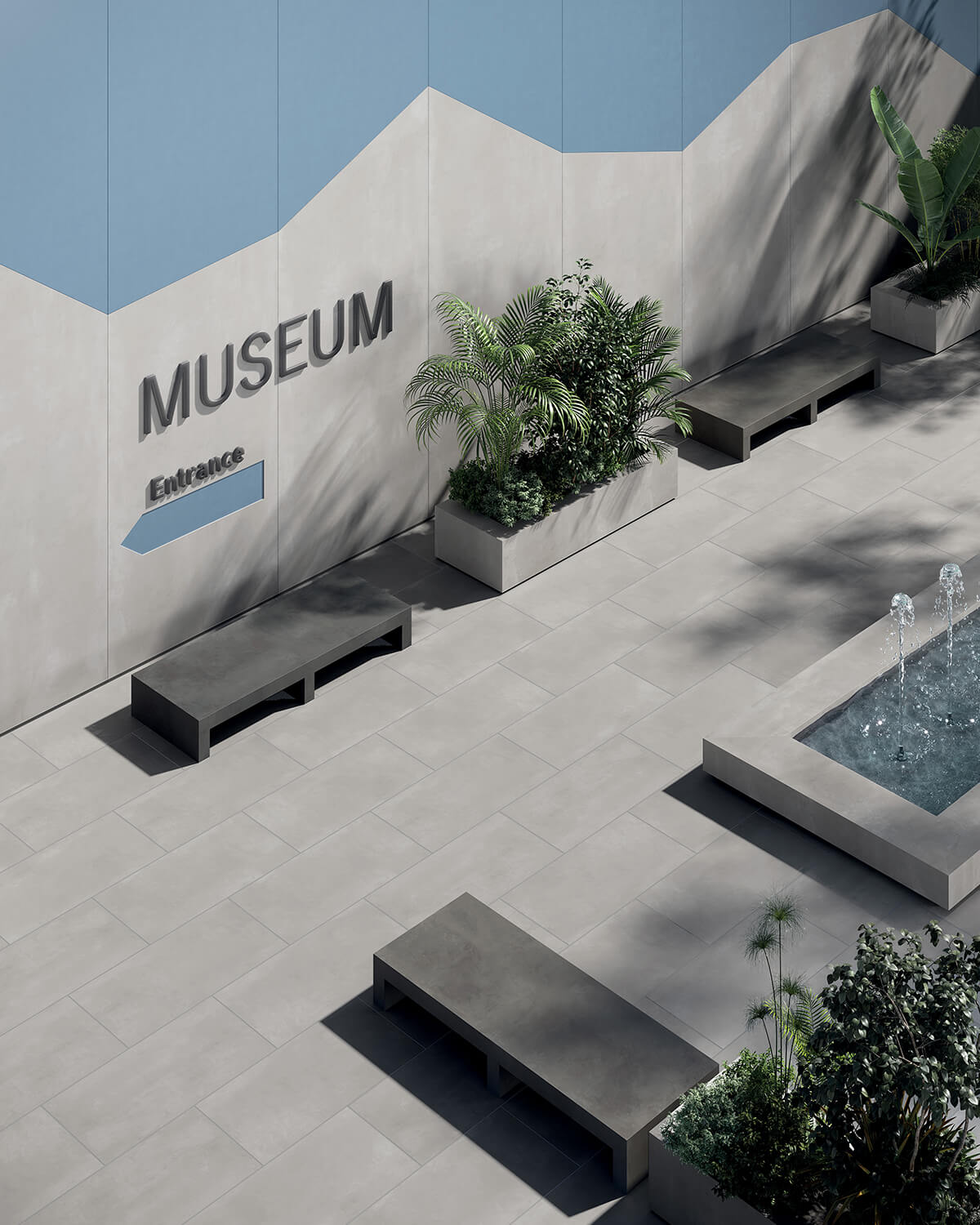
’s porcelain offer a realistic alternative to concrete cement for ventilated facades. Here, 1.6-by-3.2-metre wall slabs in the Base Ash colourway join matching floor tiles (both measuring six millimetres thick), as well as planters and benches clad in a combination of Base Ash and Base Pepper slabs.
Terracotta & Metal
1
A2 by Stacbond
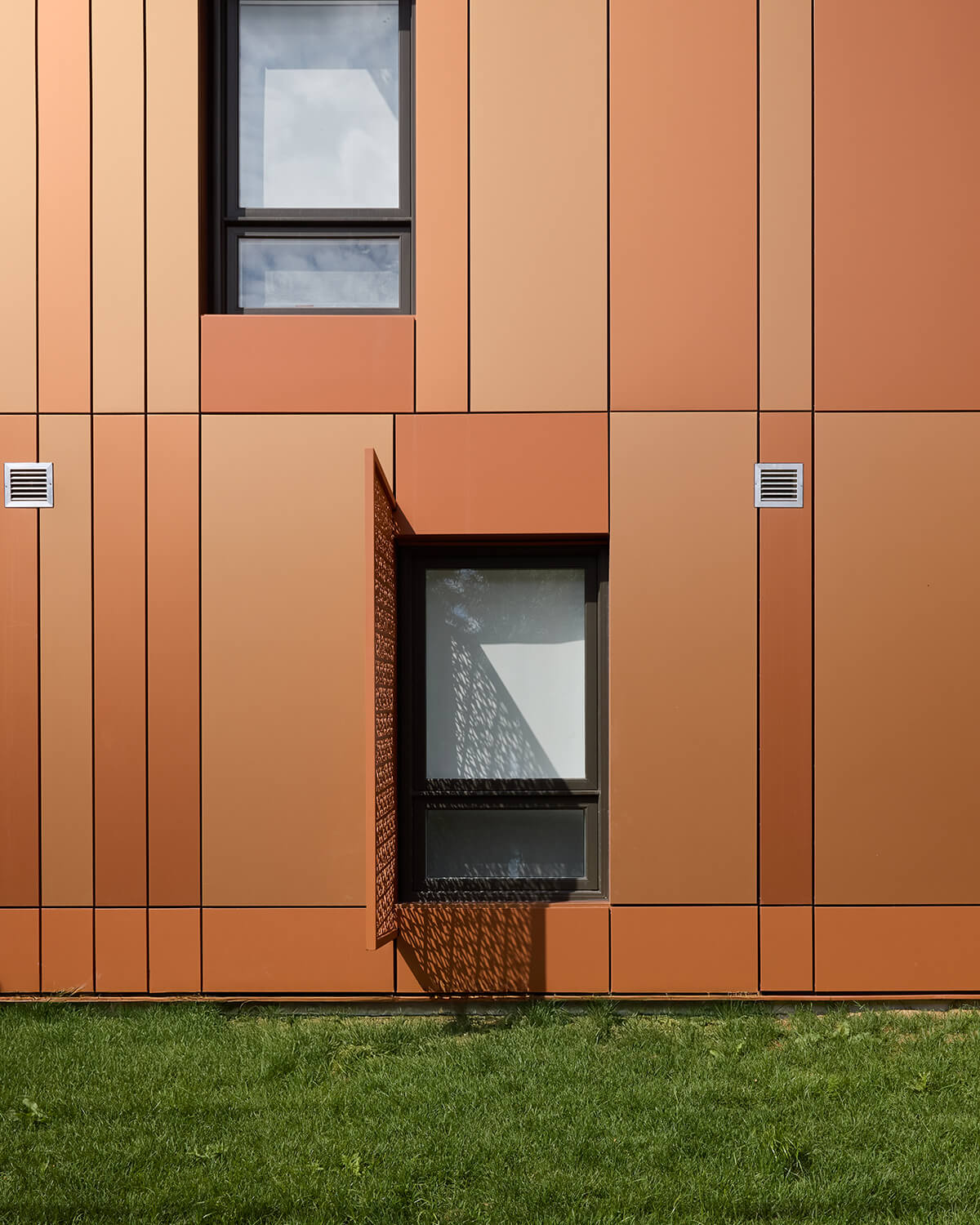
Non-profit developer St. Clare’s Multifaith Housing Society built the structure for , a mass-timber supportive housing project in Toronto, in just 17 days. Design firms Smart Density and mcCallumSather accented ’s aluminum composite with custom floral-patterned metal screens designed by artist Leo Krukowski. Variations in the colour, finish and size of the cladding add to the project’s dynamic spirit.
2
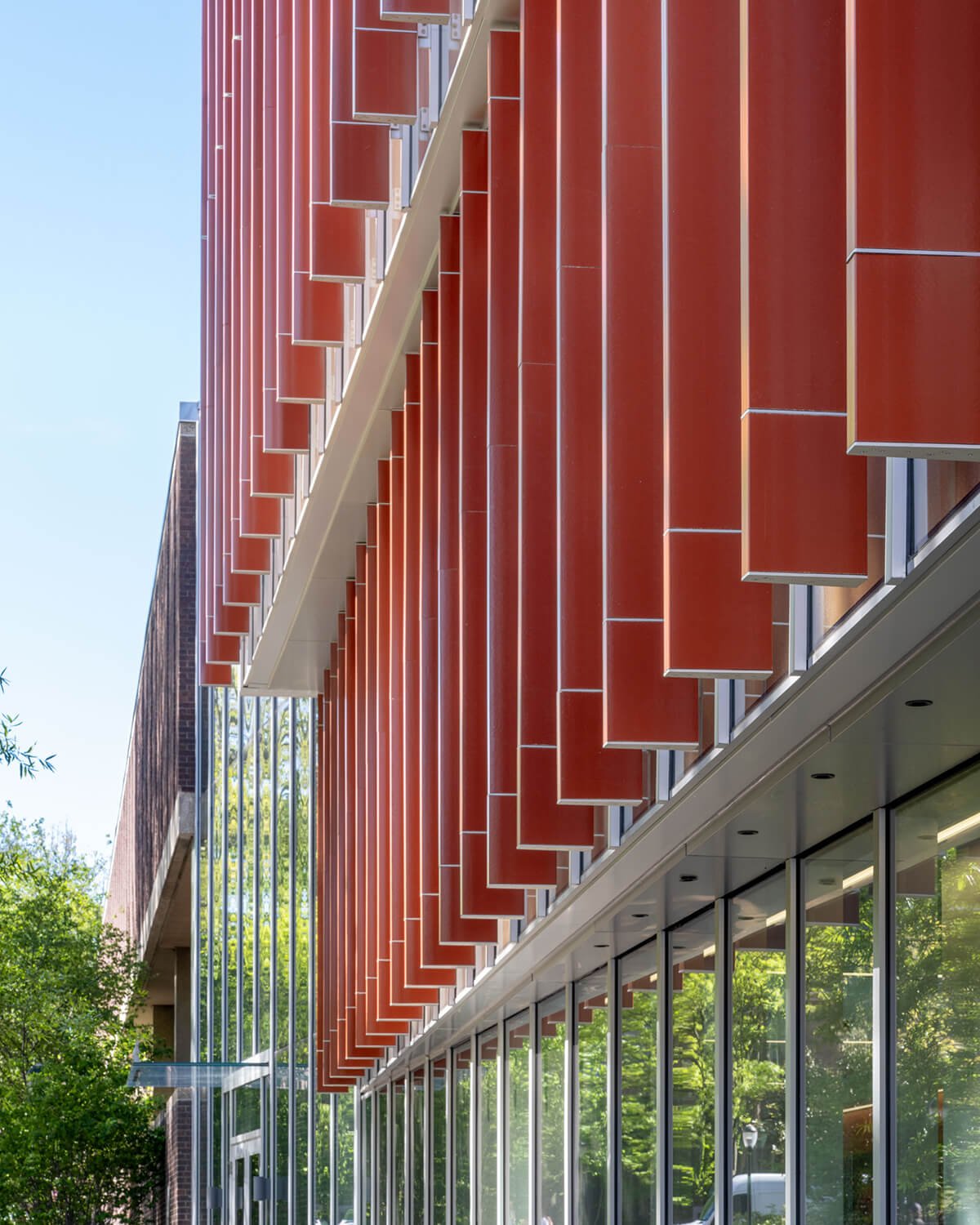
TerraClad by Boston Valley
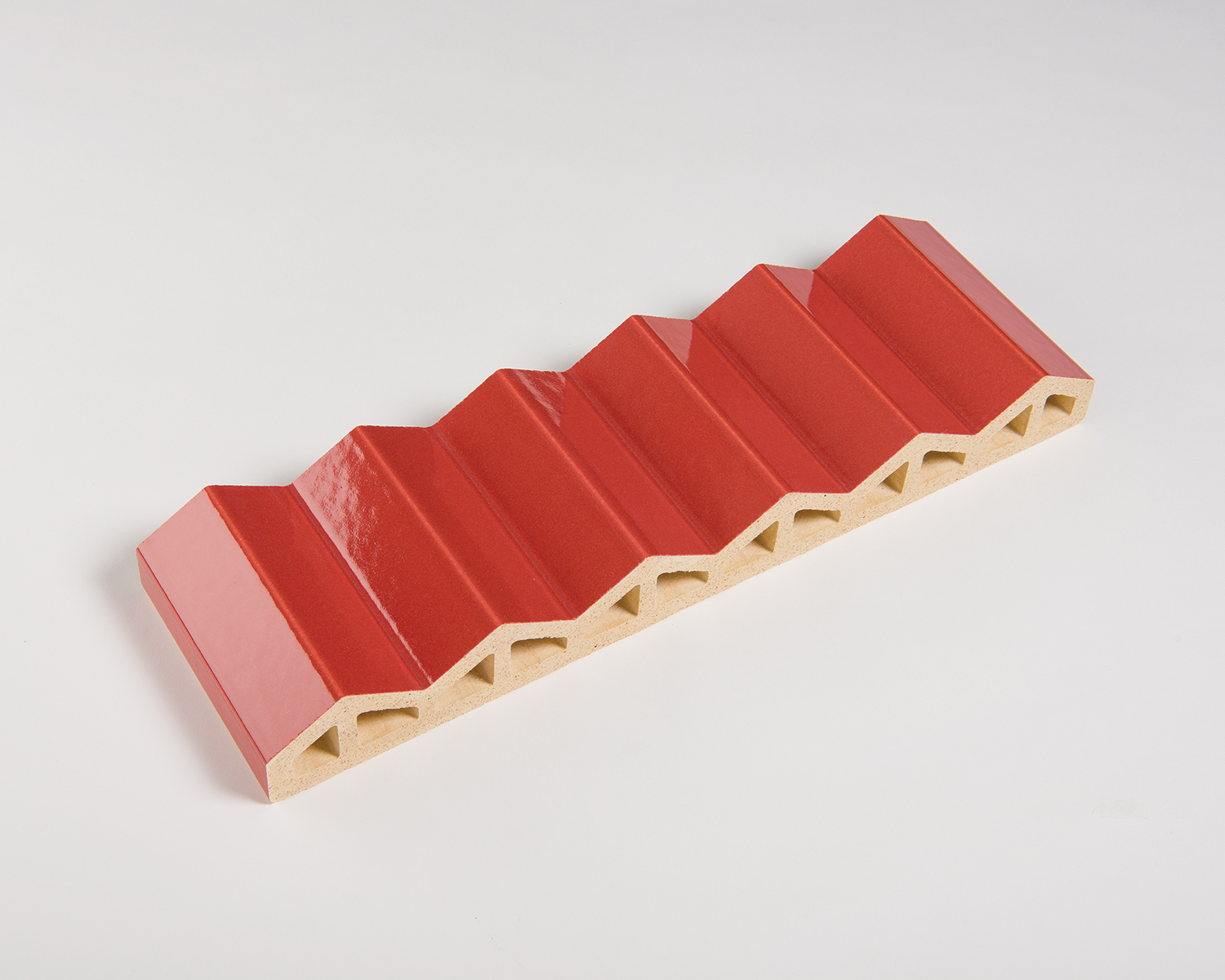
For Cannady Hall, a new facility for the School of Architecture at Houston’s Rice University, Zurich-based Karamuk Kuo developed a rainscreen system built from three different profiles of ’s . Their
red colour and sculptural, undulating shape offered a good match to the brickwork and decorative friezes found on neighbouring structures.
3
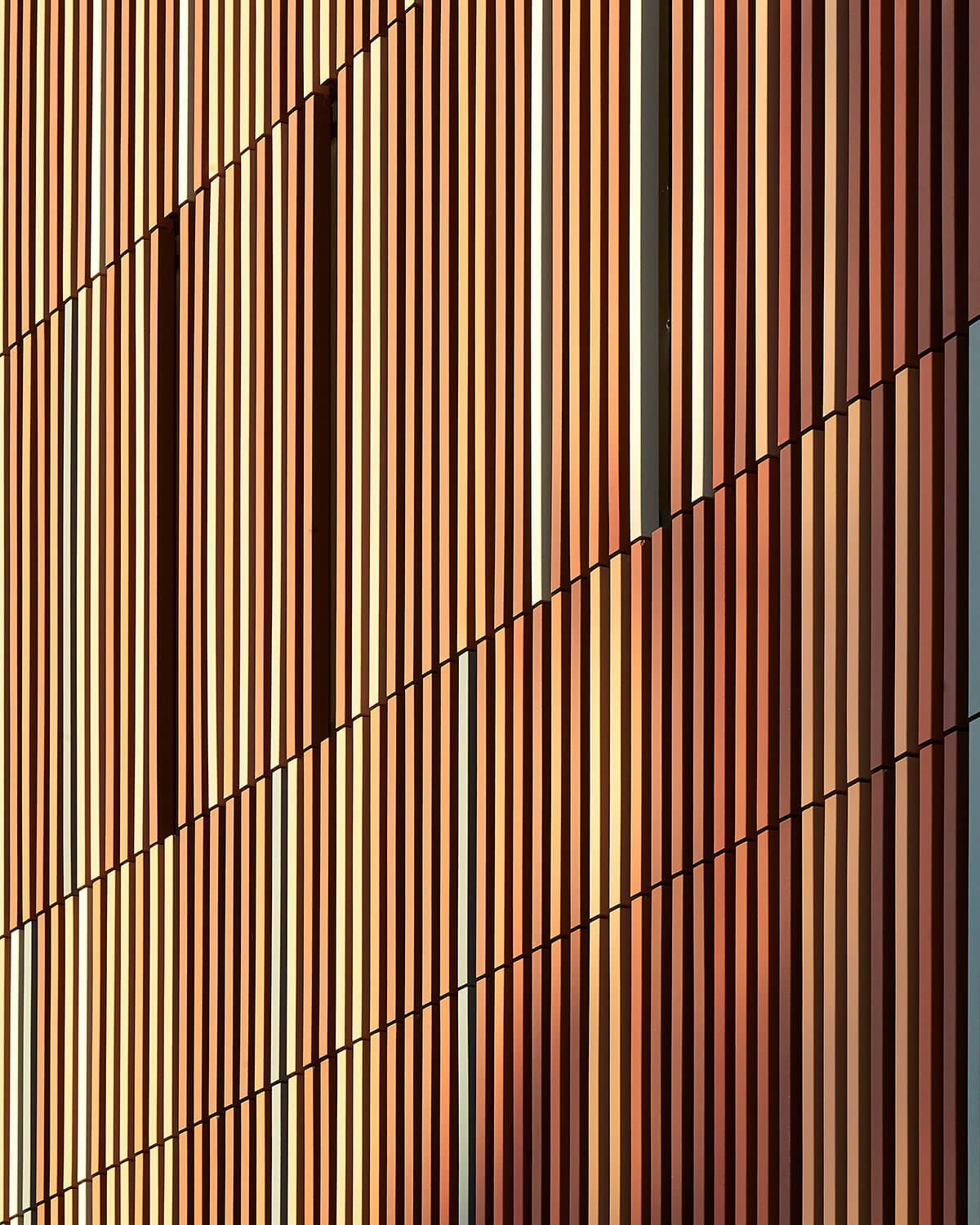
Terrart by NBK Architectural Terracotta
FaulknerBrowns Architects combined a range of coppery tones in this cluster of vertically mounted (from ), which wraps around the second storey of the University of Portsmouth’s Ravelin Sports Centre. The building’s efficient shell helped it earn a BREEAM Outstanding rating.
4
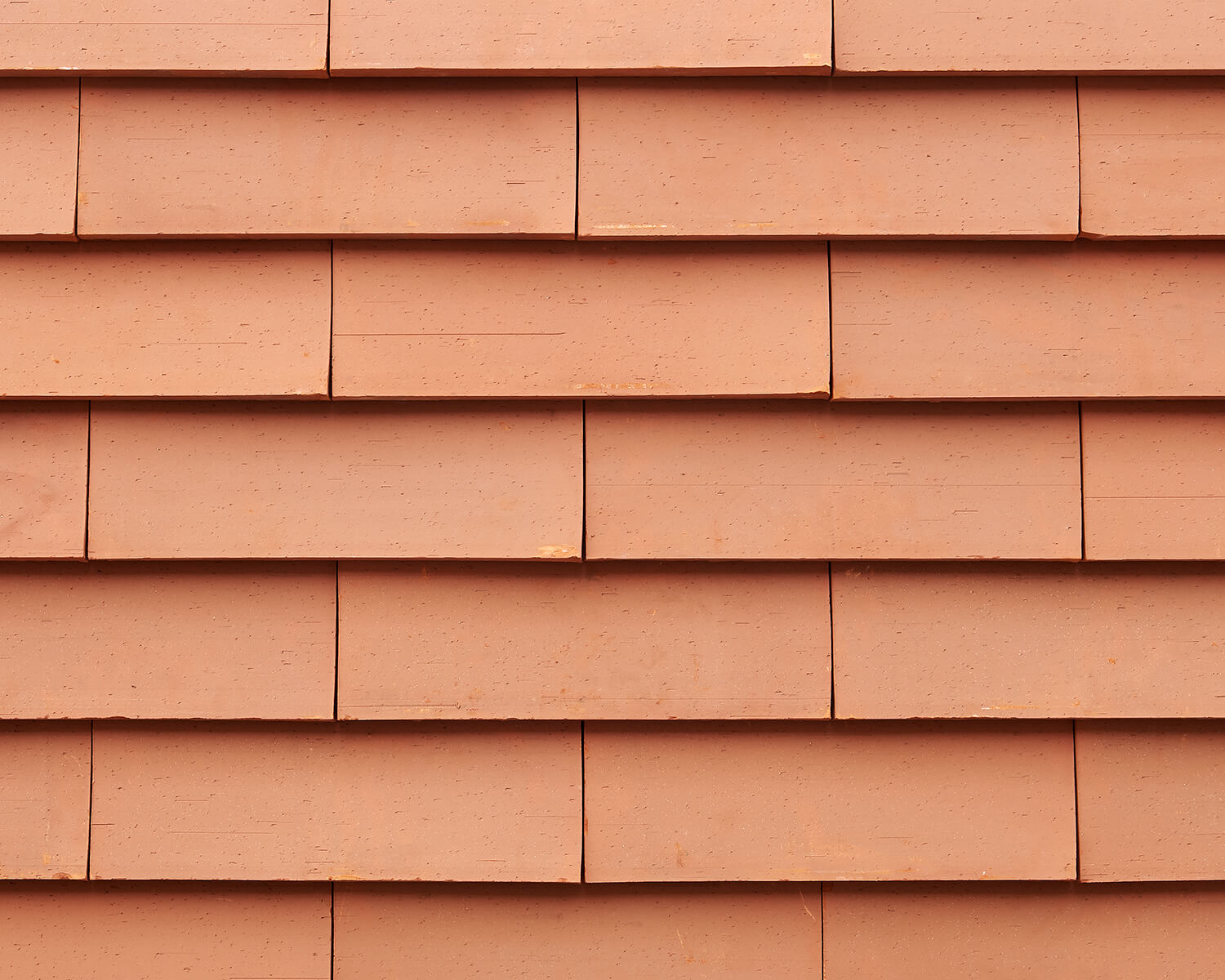
Baguette by Shildan
’s terracotta sunscreen fins wrap a four-storey addition to the University of Pennsylvania Graduate School of Education designed by Annum Architects, creating a modern complement to the adjacent red-brick wing. are available for both horizontal and vertical applications.
5
SK1N by Glen-Gery
Delivering a contemporary take on traditional brickwork, ’s new made-in-Italy offering for residential construction is non-combustible, colourfast and ready to stand up to the elements. Even better, it emits no VOCs and is fully recyclable. A rear-ventilated rainscreen system boosts thermal performance and air circulation. Choose from seven nature-inspired colours.
The post appeared first on .
Related Posts