Design, at its best, is not just about making something new; it’s about re-seeing what’s already there. In Charu, a chair designed by Harry Noble M under the mentorship of Sweety Taur, material, memory, and meaning converge into a form that does far more than offer a place to sit. It raises a quiet but powerful question: who has been allowed to sit, how, and why?
Historically, chairs have never been neutral. From thrones to office seats, they’ve marked status and reinforced hierarchy. The colonial planter’s chair, its wide, sprawling arms designed for leisure, was once a symbol of patriarchal power and colonial dominance. Charu draws directly from this legacy, not to continue it, but to subvert it. Its form echoes the past, but its voice is unmistakably contemporary.
Designer:

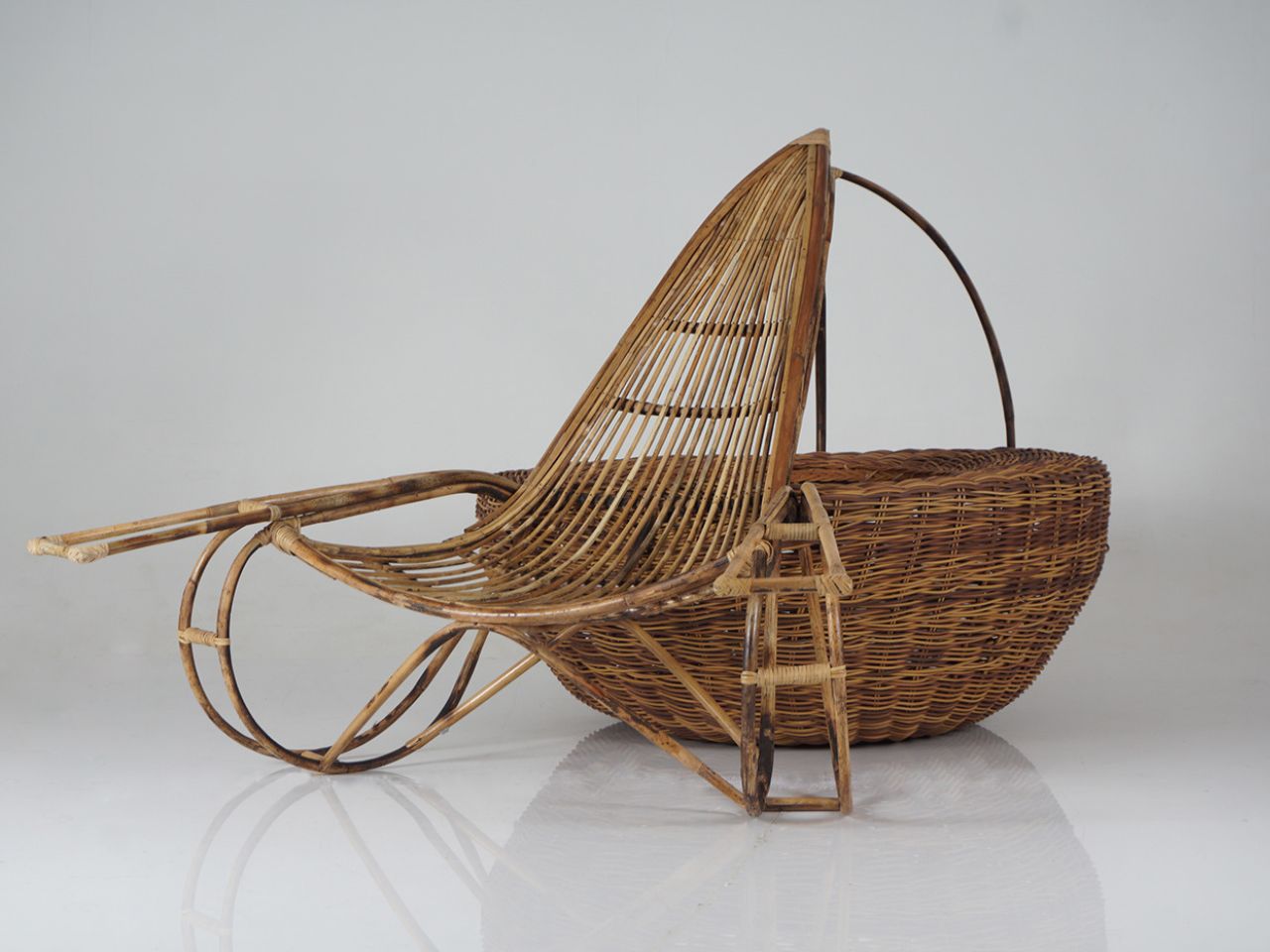
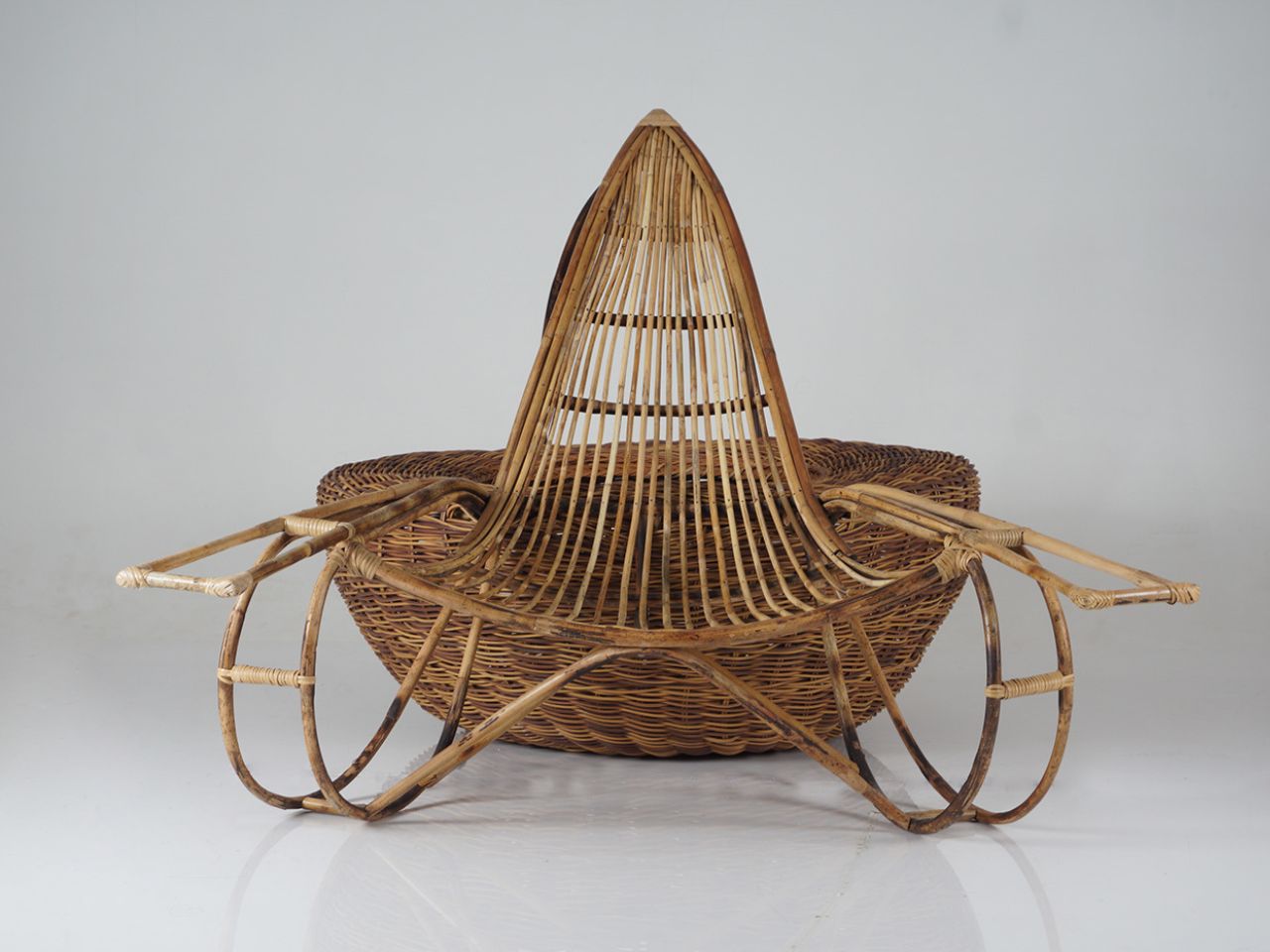
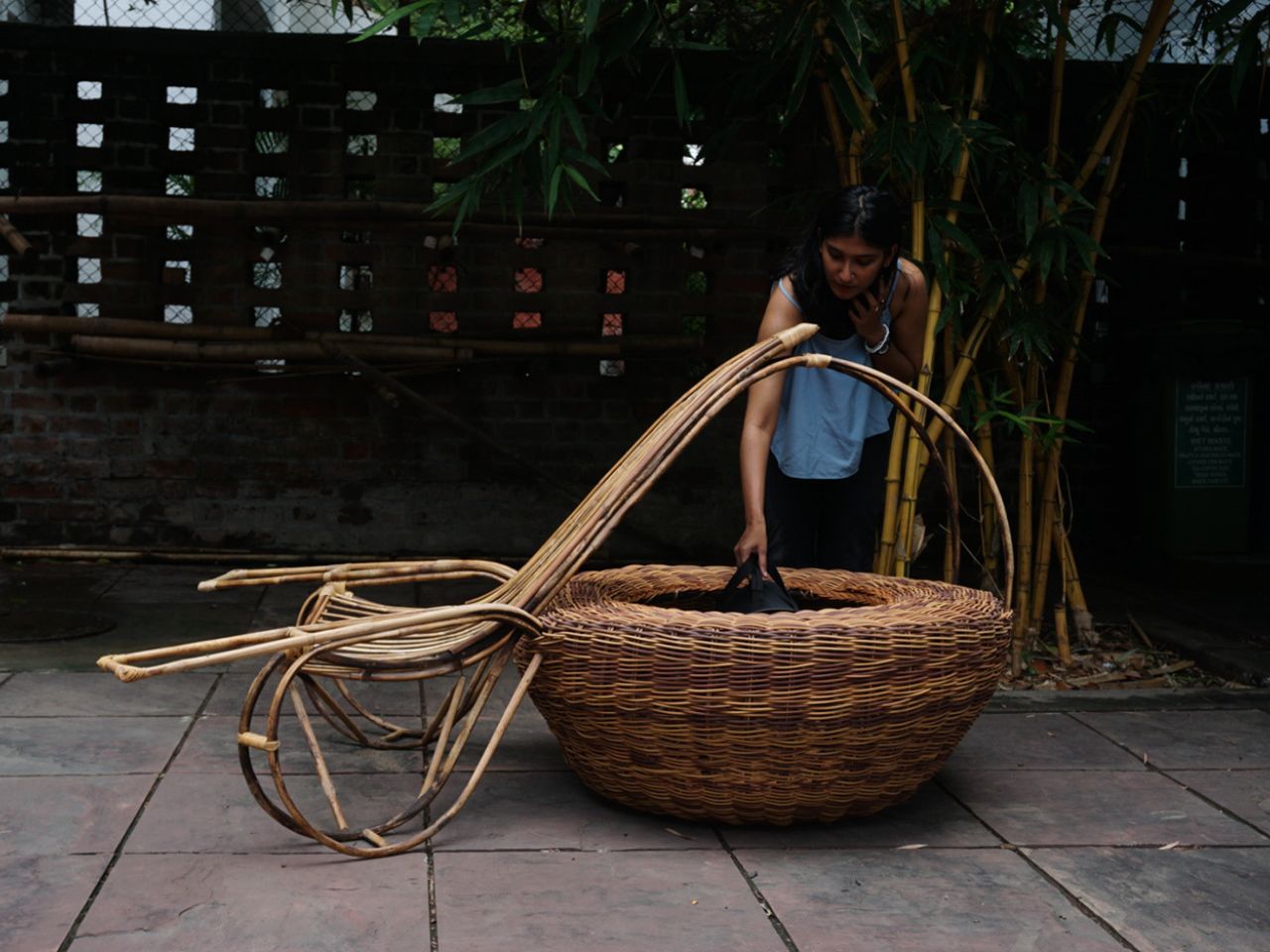
Crafted in cane by traditional artisans in Ahmedabad, Charu mimics the shape of the planter’s chair only to unravel its symbolism. Its structure exaggerates space, not to glorify “manspreading,” but to critique it. The gaps between the armrests turn posture into protest. Before anyone even sits, the chair begins to speak.
This isn’t just furniture. It’s storytelling through design. Inspired by a deeply personal memory of sitting beside a Charu Kasera, a short stool traditionally used in Indian households, Menon extends this recollection into a wider inquiry: What histories are embedded in the objects we take for granted? How do caste, class, and gender shape the ways we sit and the spaces we’re allowed to occupy?

The making of Charu was rooted in cultural anthropology and human-centered research. Mask-making exercises explored object symbolism; media archives and user surveys uncovered how the planter’s chair, once a colonial relic, found new meaning in domestic settings. Voices across regions and backgrounds mapped the chair’s transformation from a status object to a relic of inherited bias.
Design references were wide-ranging. Case studies included Laurel’s chair, which visually resists patriarchal form, and Anna’s, which encourages inclusive posture. Charu builds on this lineage, grounding itself in local craft while raising globally resonant questions about ownership, space, and comfort.
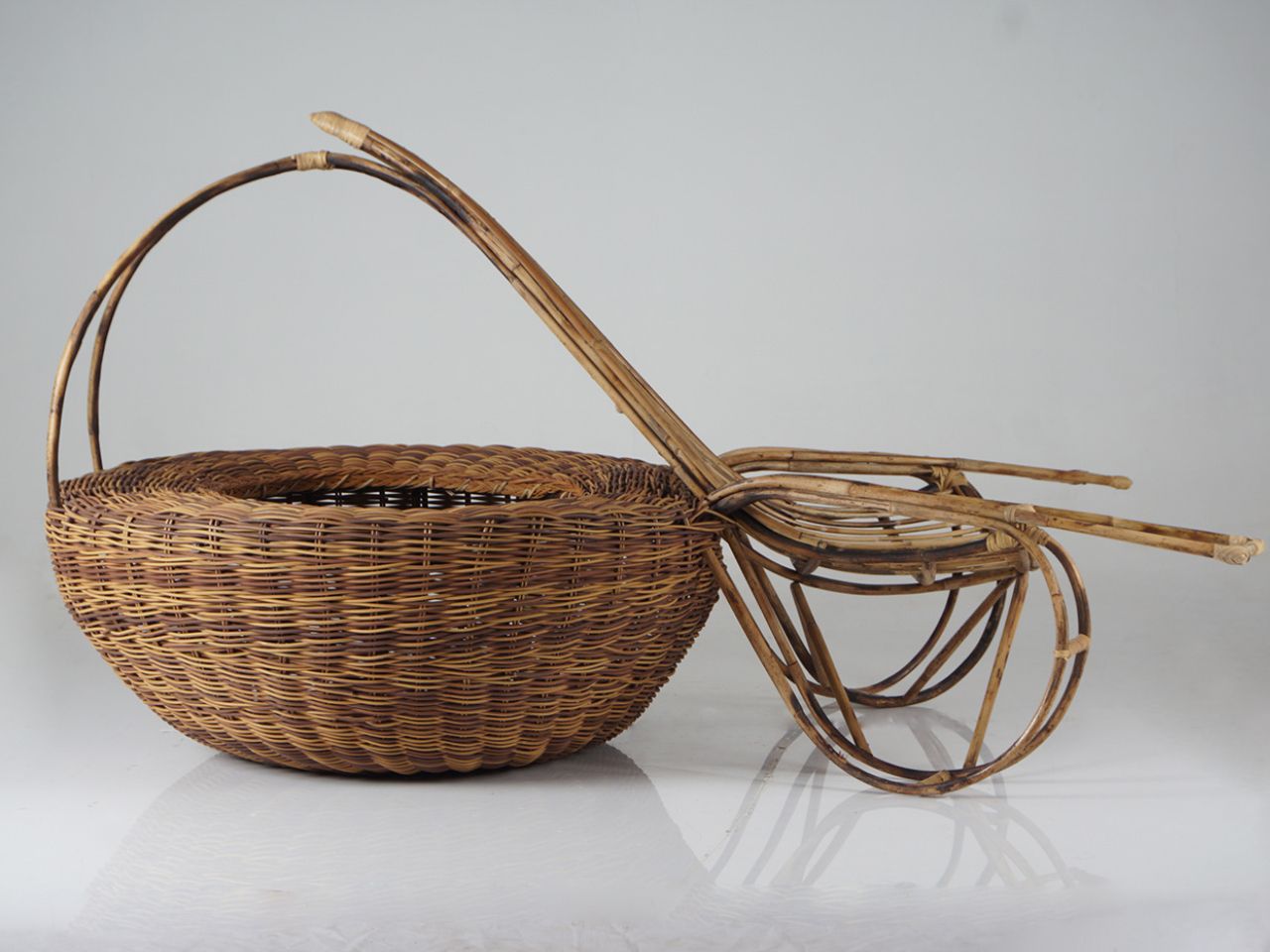
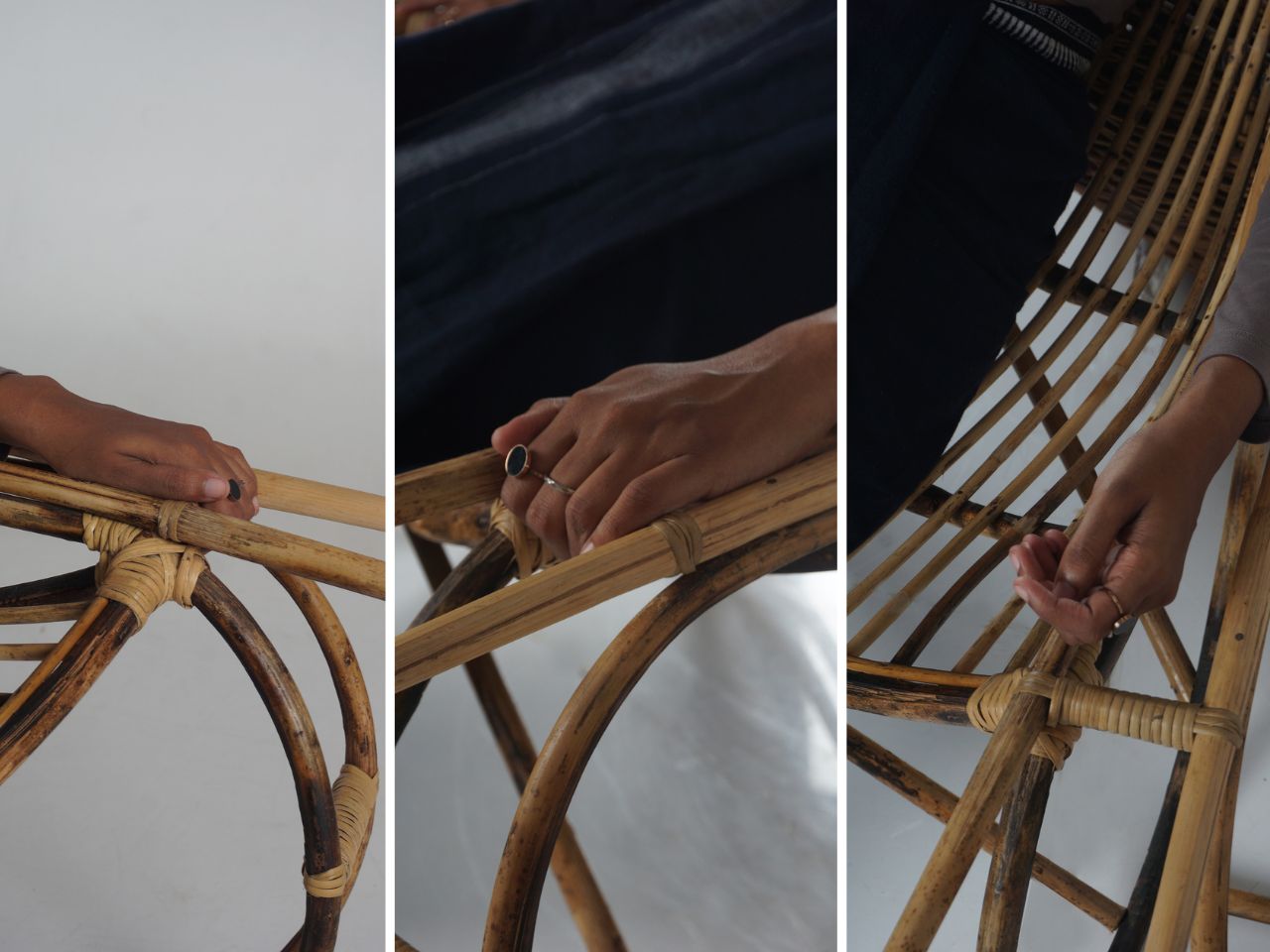
Menon’s ergonomic approach was equally radical. A body-storming session with peers revealed that true comfort doesn’t come from mimicking Western ergonomic standards, but from rethinking them. Supporting the mid-thoracic region, not just the shoulders, encourages longer and more natural sitting. The downward-sloped seat, angled armrests, and gentle curves avoid strain while rejecting entitlement. The very form denies slouching, it demands intention.

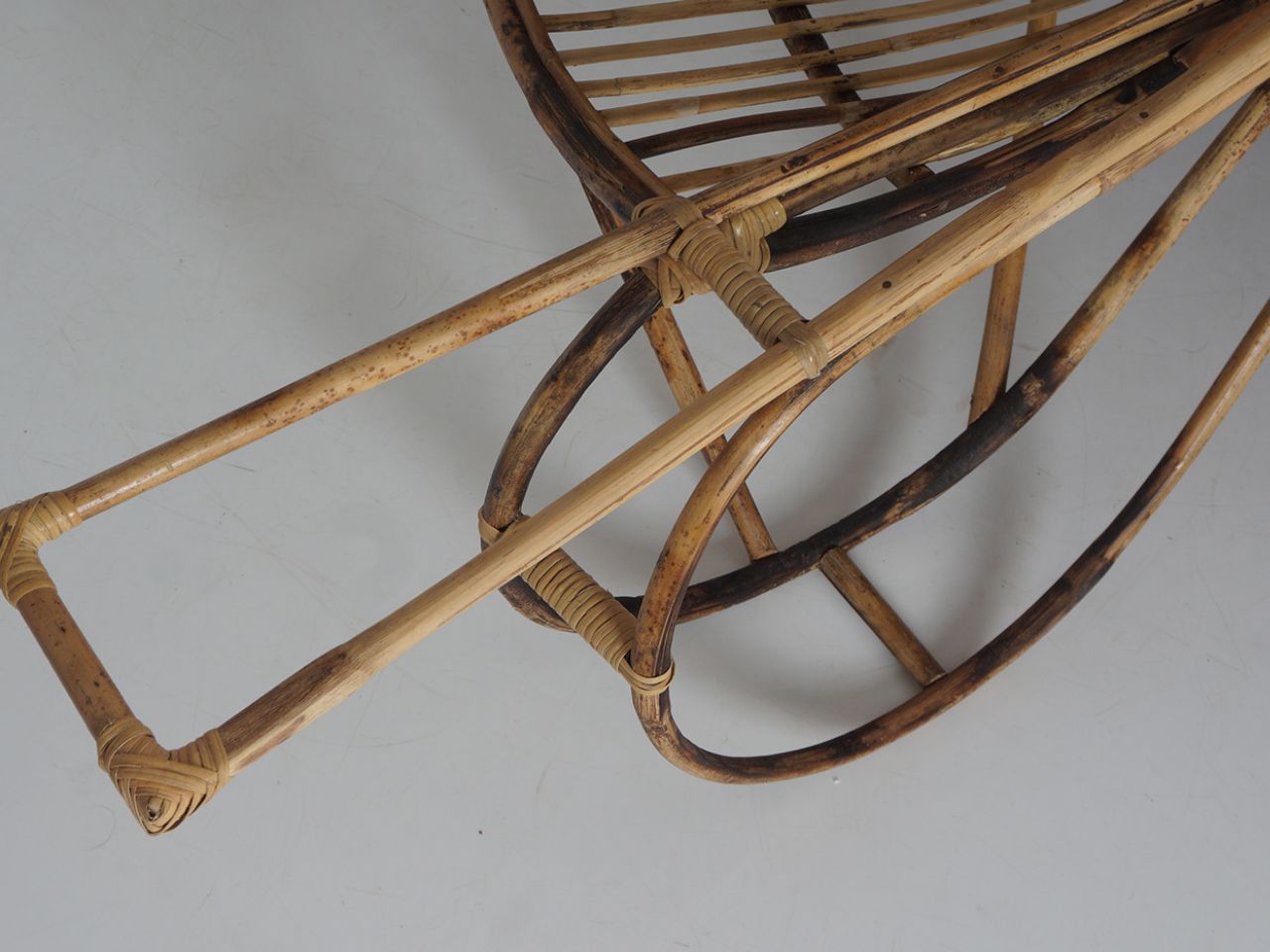
Materials mattered. While bamboo was more accessible, it lacked the pliability needed for the chair’s sculptural arcs. Cane, symbolically elite, regionally relevant, and artisan-friendly, was the natural choice. Even as material costs complicated the woven storage element, the final build stayed honest to its conceptual clarity.
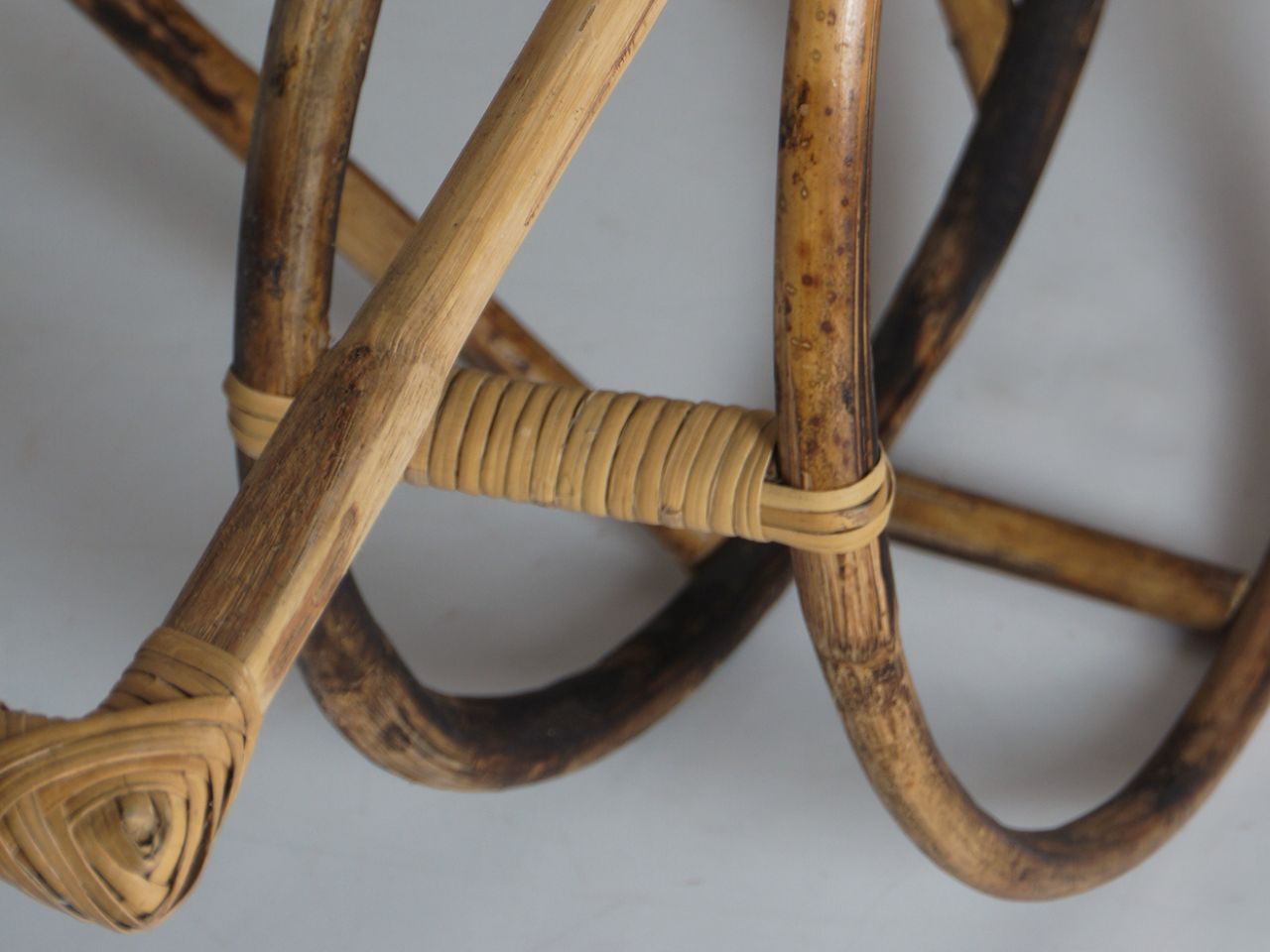
The process moved from sketches and scaled models to full-size prototypes. Final fabrication, led by Hussain Bhai in Ahmedabad, infused the chair with a sense of pride and regional authenticity, anchoring the project in lived craft rather than industrial detachment.
Visually, Charu is part sculpture, part artifact. Shaped like an oversized basket, it blends the rustic and the refined. The bowl-like base offers a generous welcome; the high back curves into a pointed, leaf-like peak; the rocking silhouette evokes both tradition and tenderness. From the side, it could be mistaken for a farmer’s harvest basket, except it holds critique instead of grain.
This adaptability allows Charu to slip seamlessly across settings. It would feel at home in a breezy coastal villa or a sunlit porch, in a boutique resort or a mindful co-living space. Even modern interiors looking for warmth, tactility, or a story could find in Charu a compelling anchor.
And while this edition stands as a flagship concept, akin to a fashion showstopper, its journey doesn’t end here. Menon envisions future iterations: simplified arcs for scalability, extended seating for calf support, and thoughtful additions like cup holders or textural inlays for daily use. It’s a living form, not a fixed one.
The post first appeared on .
Related Posts