Walk down almost any street in an American city without your headphones in, and you will notice how little of that walk actually belongs to you sonically. The traffic has its own noise, the storefronts have their looped playlists, and if you want communal music, you generally have to buy a ticket, walk into a bar, or wait for a permitted block party. Public space in this country is loud, but it is rarely shared, and shared sound almost always costs something.
That is the quiet problem sitting underneath Mariami Kurtishvili’s graduate thesis at Berlin’s Universität der Künste. Public sound, whether staged in ancient amphitheaters, Renaissance opera houses with their tiered balconies of privilege, or today’s private venues, has always been organized around who gets to listen and who pays to host the listening. In ancient amphitheaters, the best seats were reserved outright for the political and religious elite, a hierarchy of hearing built directly into the architecture. Building anything permanent on a public street, meanwhile, means permits, city approval, drilled holes, and money most students and artists simply do not have. So how do you hand a city communal sound without owning a wall, renting a stage, or damaging a single streetlamp?
Designer:
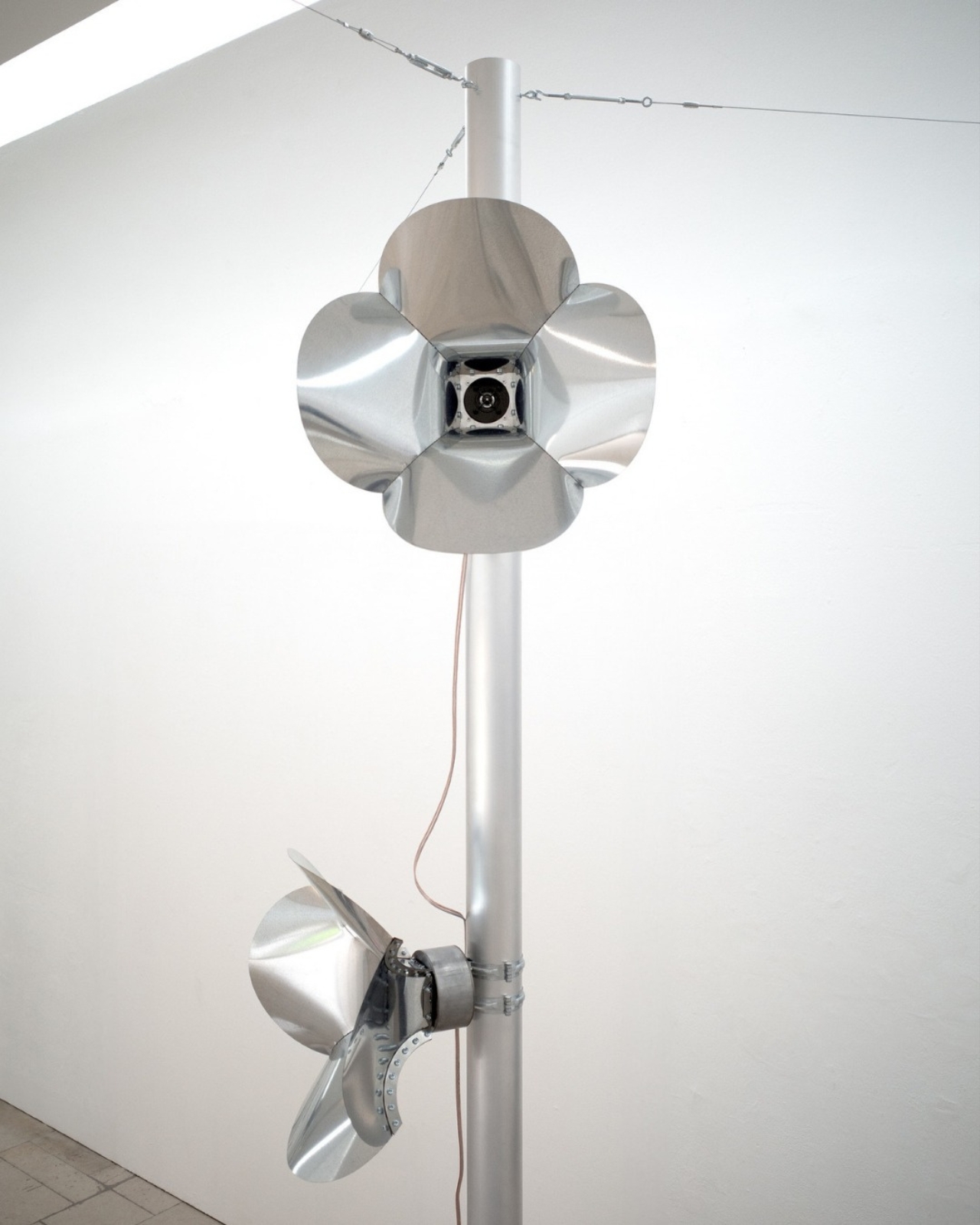
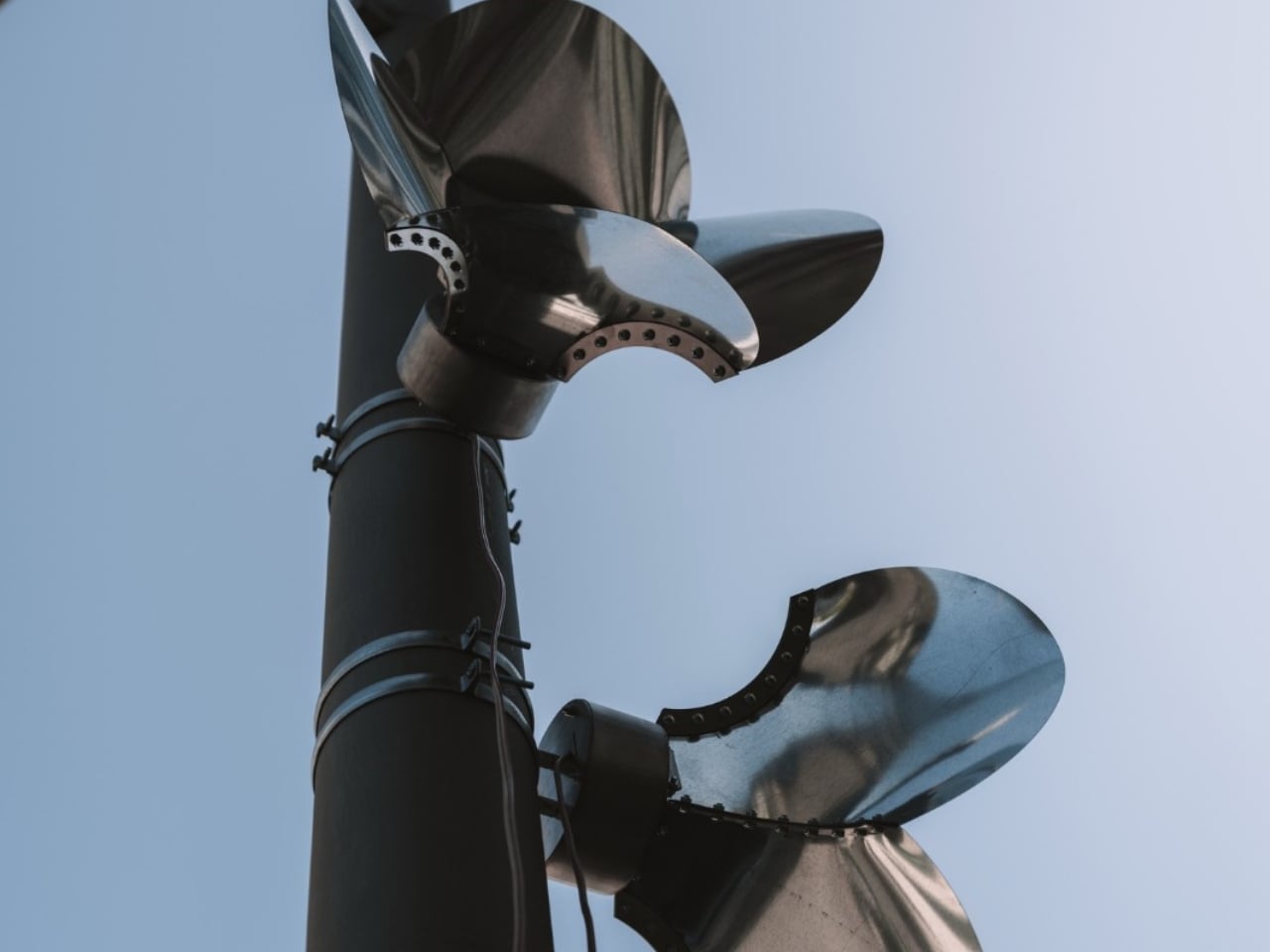
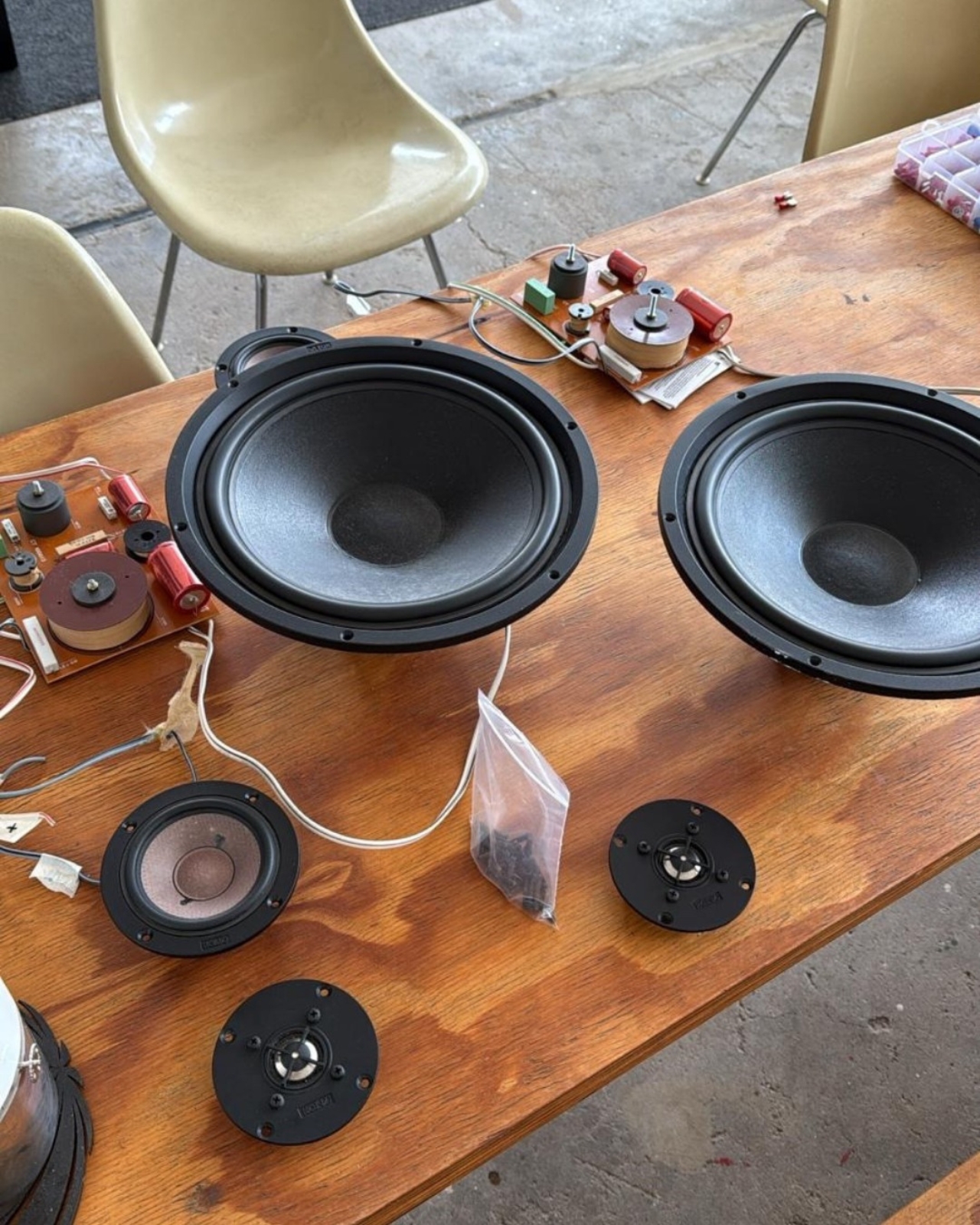
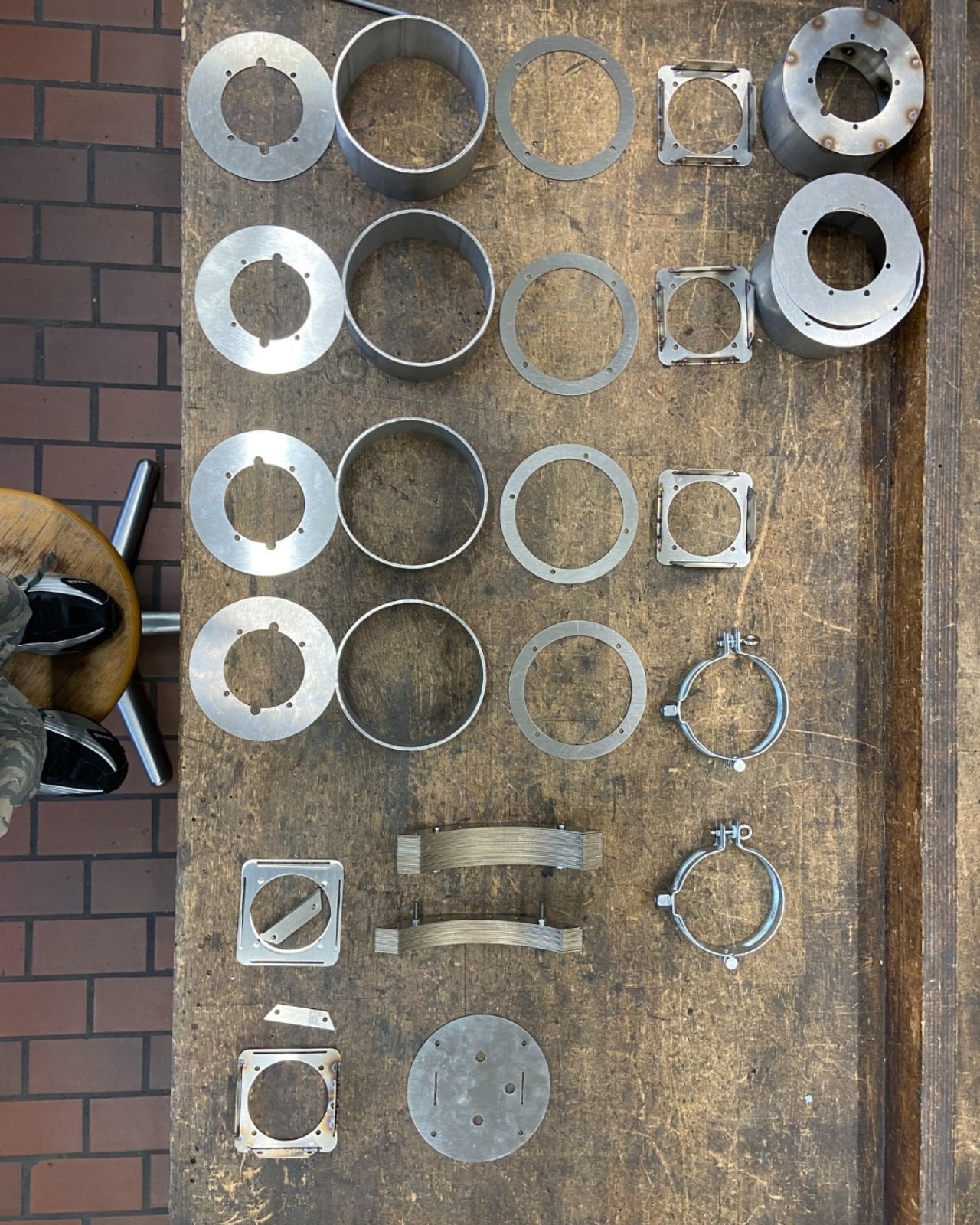
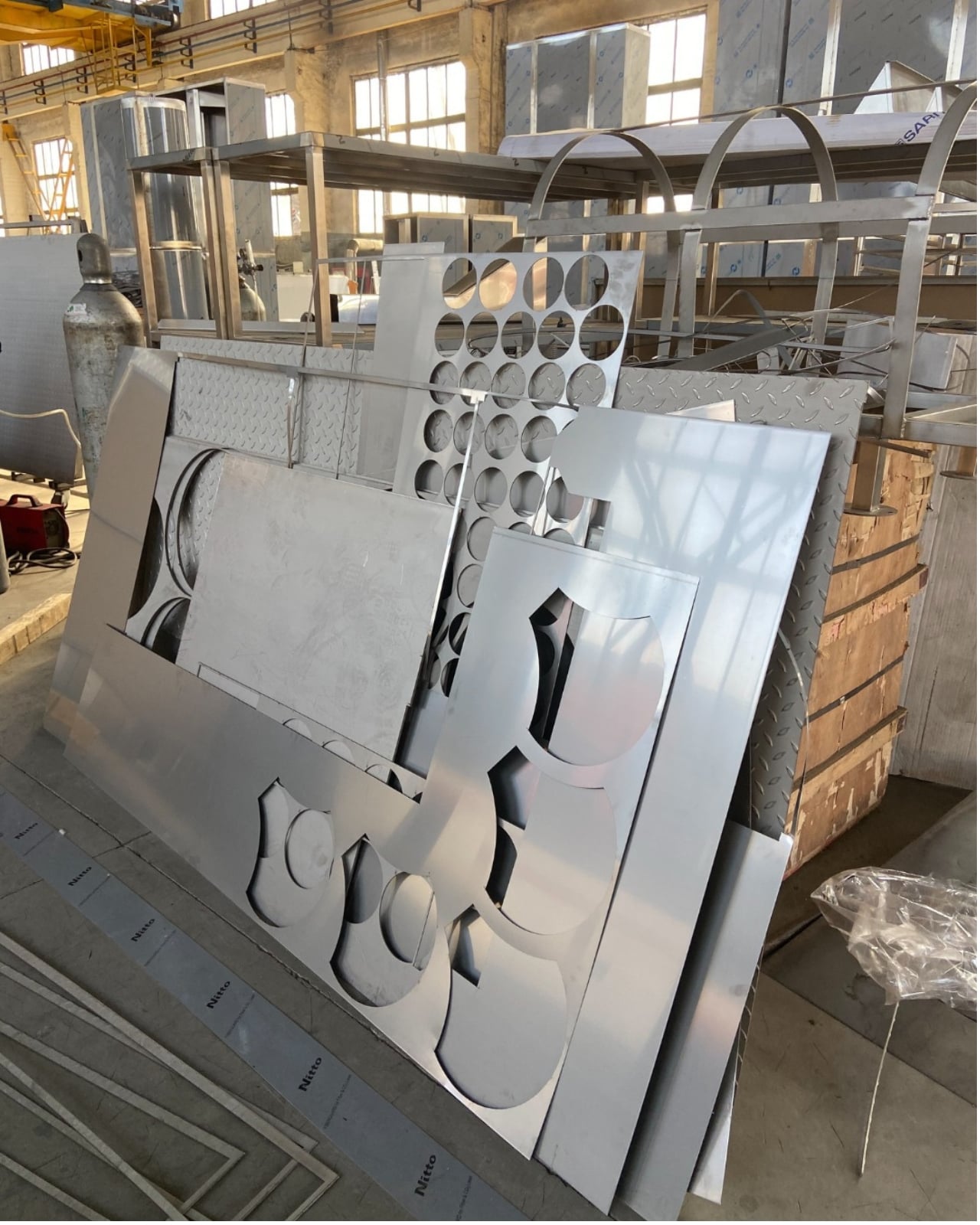
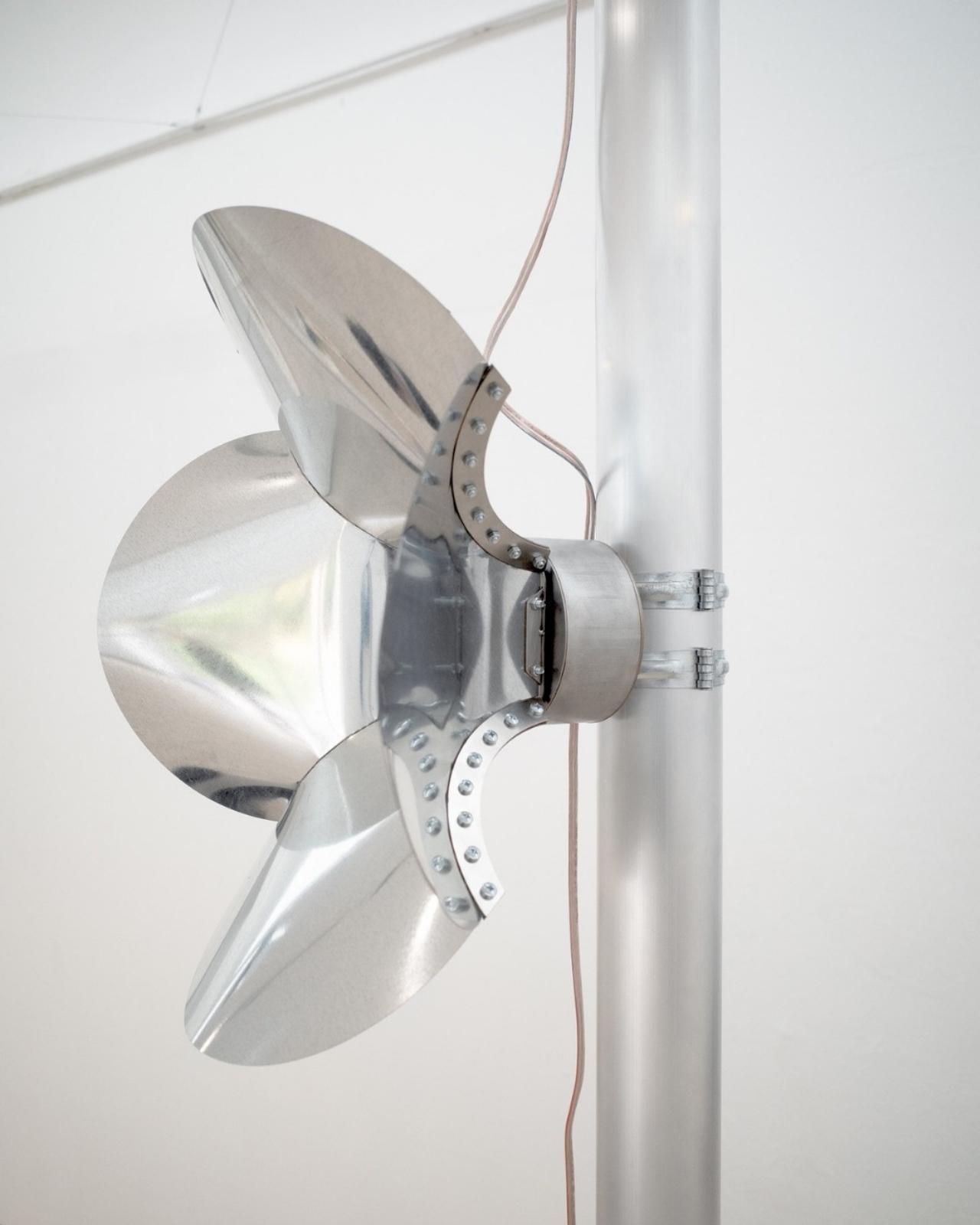
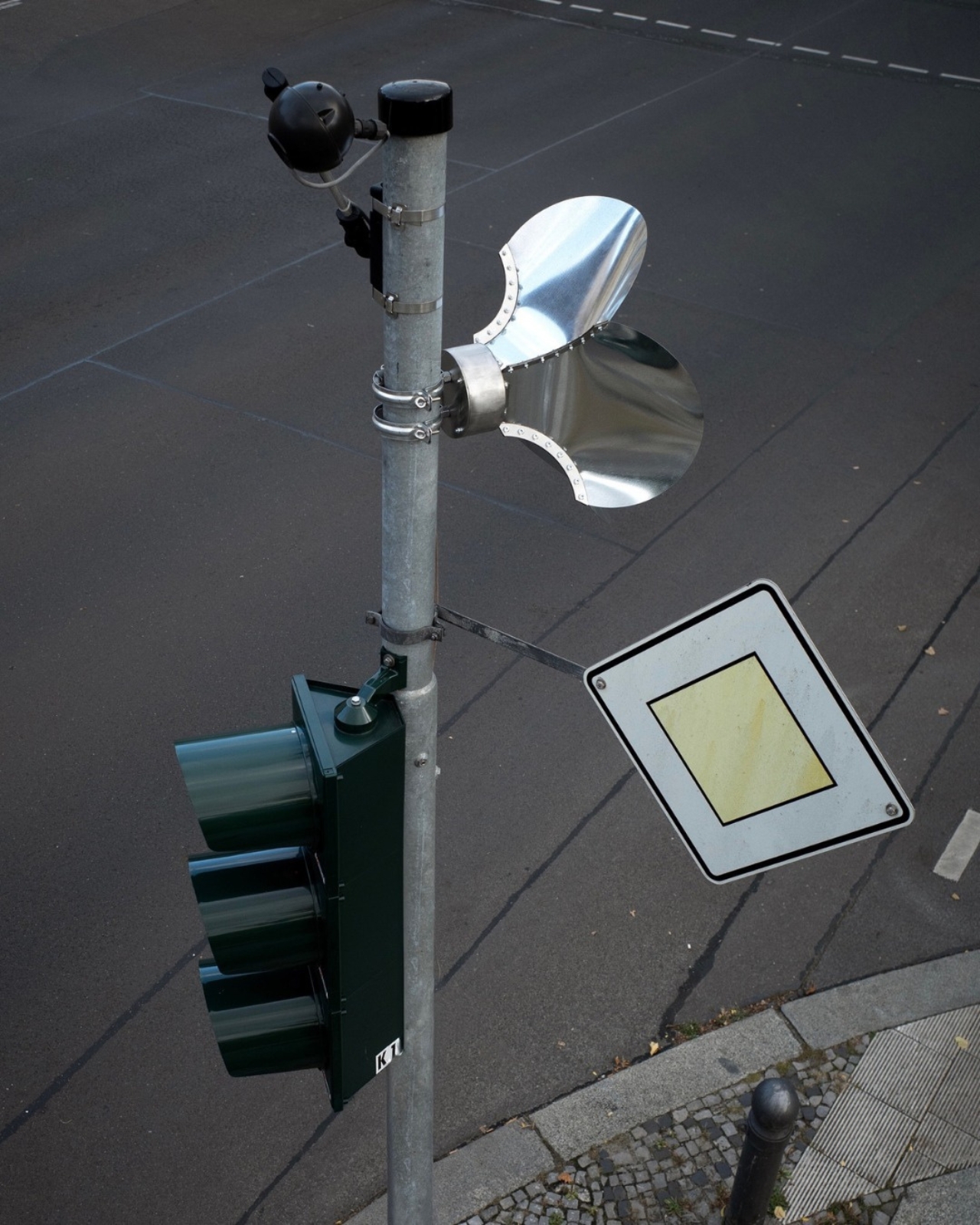
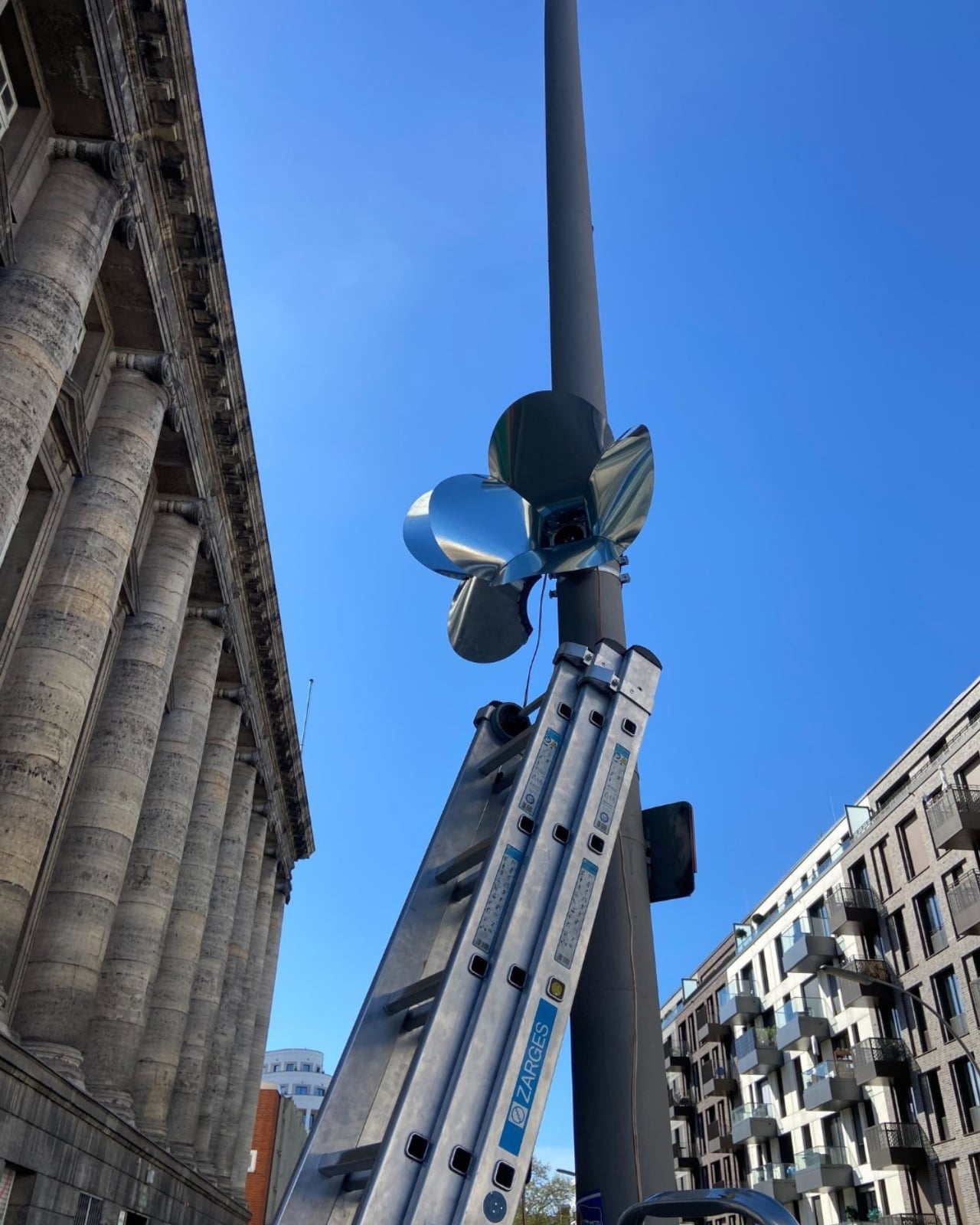
Kurtishvili’s answer, developed under architect Gustav Düsing at UdK Berlin, is the Orchid Sound System, a set of stainless steel high frequency horns clipped onto galvanized steel buckles, the same kind used to hold together scaffolding or shipping crates. She presented the project, titled “Sound Systems: Building Sonic Territories,” as her master’s thesis in the design-build track this past October, advised by Düsing alongside Dr. Susanne Hauser and Julian Schubert. Instead of speakers bolted into walls or drilled onto poles, these horns wrap around whatever the city already has standing, light poles, traffic signal posts, exposed pipes, and hold on without a single screw or drill mark. When the installation ends, the pole looks exactly as it did before anyone arrived.
The name is not decorative. Epiphytic orchids grow on trees but never draw nutrients from them the way a parasite would; they simply use the tree as a place to exist, giving nothing back but their presence. Kurtishvili’s horns behave the same way toward a city’s infrastructure. They borrow a pole’s height and stability for a few hours, and in exchange they hand back sound, message, and a kind of temporary meaning to a piece of street furniture nobody usually looks at twice.
I like that the project refuses to be monumental. It would have been easy to design a sculptural, permanent object meant to announce itself as art. Instead, the horns are meant to disappear once the show ends, and the listening sessions Kurtishvili staged around Berlin worked because of that restraint. People did not gather to admire an object. They gathered because sound had, briefly, become public property again, attached to a pole a few dozen strangers happened to already be standing near, and that shared presence is exactly what she says the project was chasing.
Americans already understand a version of this instinct, the boombox on a stoop, the car stereo at a cookout, the speaker someone drags to the park. What Kurtishvili adds is intention, plus an actual design solution to the cost and damage those informal gestures usually require once you try to scale them into something organized. Nobody has to own the pole. Nobody has to rent a venue. The horns simply attach, perform for an evening, and disappear.
Whether the Orchid Sound System ever leaves the thesis stage for actual manufacturing is still an open question, and student design-build projects rarely make that leap cleanly. But the underlying claim, that a city’s existing bones can host culture without a single new structure being poured or permanently bolted down, is worth borrowing regardless of who eventually builds it. Public space keeps getting more commercial and more watched. A speaker that clips onto a lamppost, plays for a night, and vanishes without a trace is a small, hopeful answer to that drift.
The post first appeared on .
Related Posts