Timber is unmatched in construction when it comes to environmental benefits. Both in growth and in use, timber is a low-impact material which can be reliably and sustainably sourced from around the world. Wood is a carbon sink, meaning that more carbon is absorbed from the atmosphere during its growth than is released.
American hardwoods are widely known for their variety, distinctive grain patterns and aesthetic qualities. This, combined with both an evolving need for sustainable construction approaches and advances in timber technology, has seen American hardwoods become increasingly specified for structural applications. Hardwood CLT and glulam are two technological developments that are fuelling this interest.
Cross-Laminated Timber
Cross-Laminated Timber (CLT), is becoming an increasingly popular method of timber construction which has transformed the structural use of timber. It has an outstanding capacity for prefabrication, has remarkable structural benefits due to its strength, and is an environmentally-friendly material with the timber panels acting as long-term carbon stores.
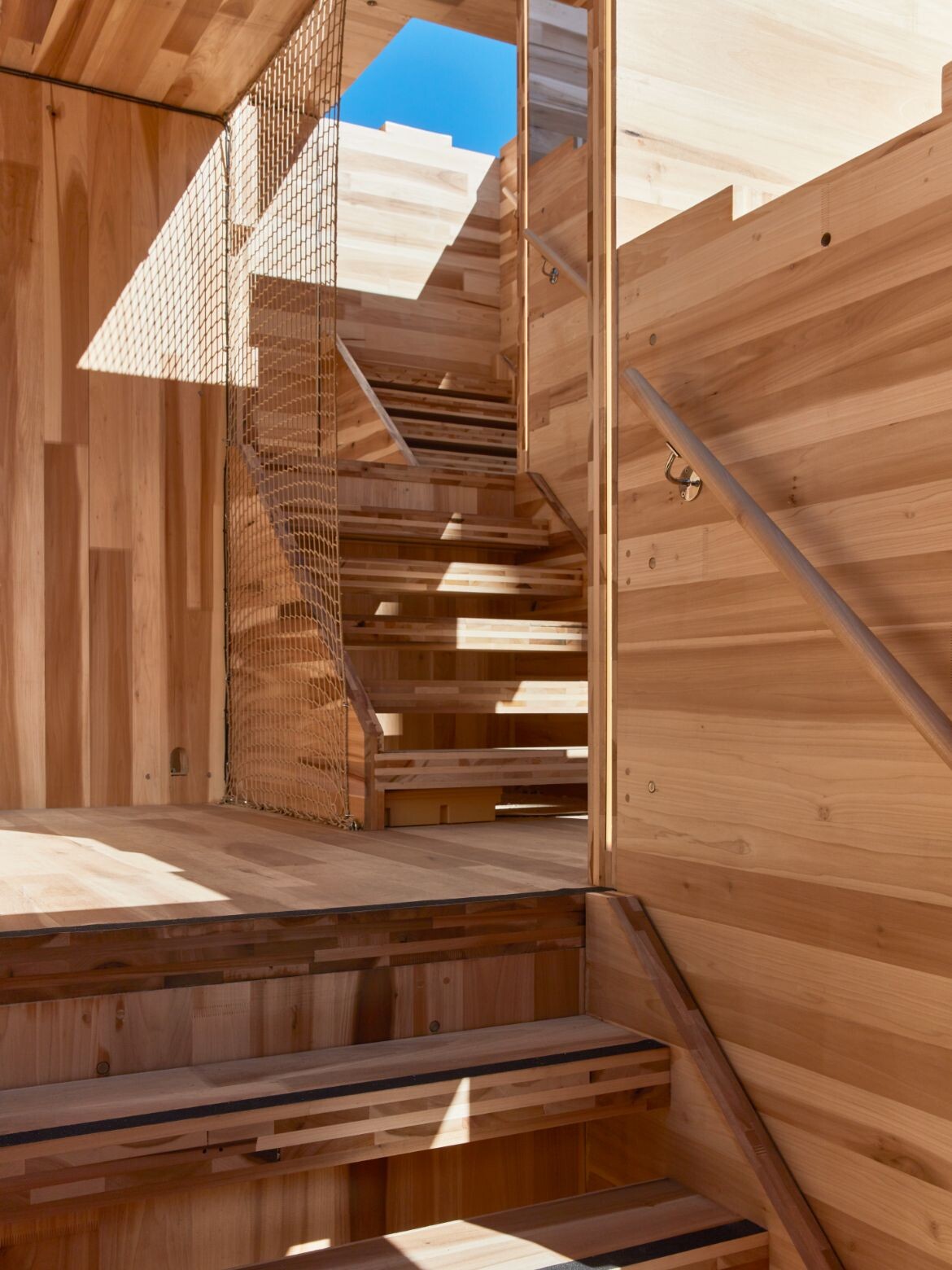
Previously the domain of softwood species, hardwood CLT is broadening horizons, allowing more experimental, innovative building designs to take shape. For over a decade, AHEC – in conjunction with engineering consultants ARUP – have pioneered research into the use of American tulipwood in CLT. An exceptional strength to weight ratio means that relatively thin panels of CLT have a higher strength and stiffness when compared with softwood. They also provide architects with a more appealing visual impact.
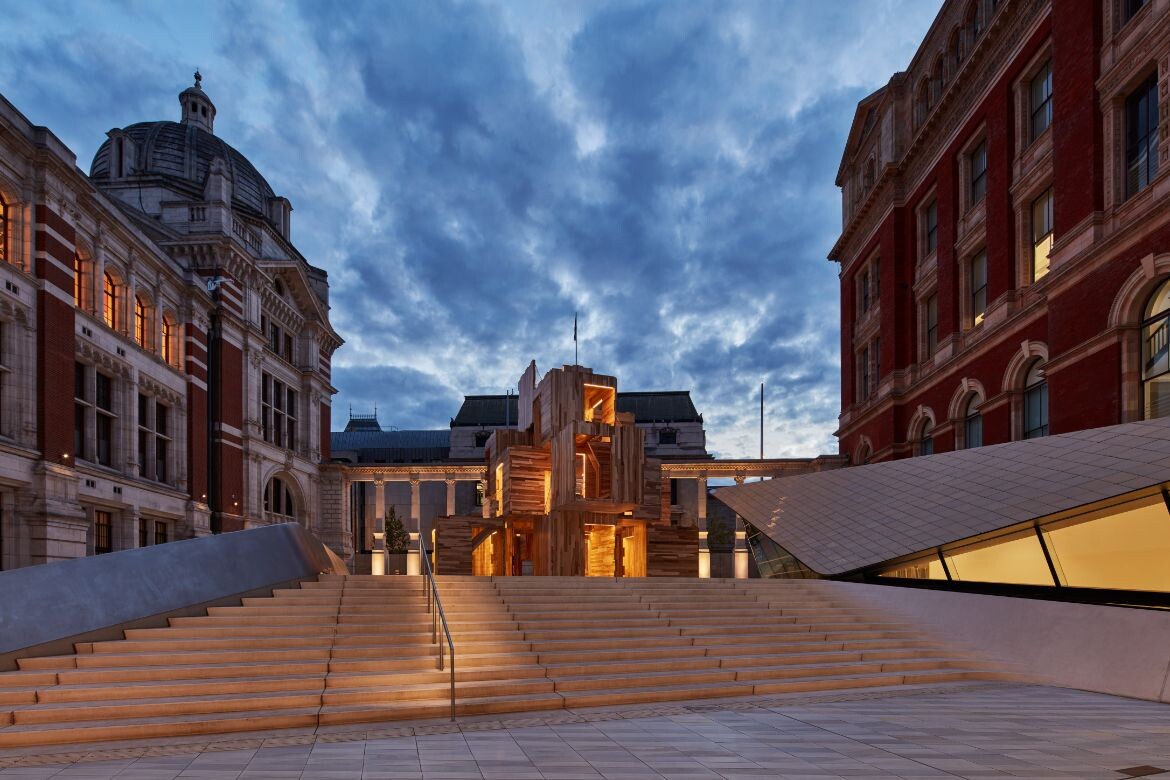
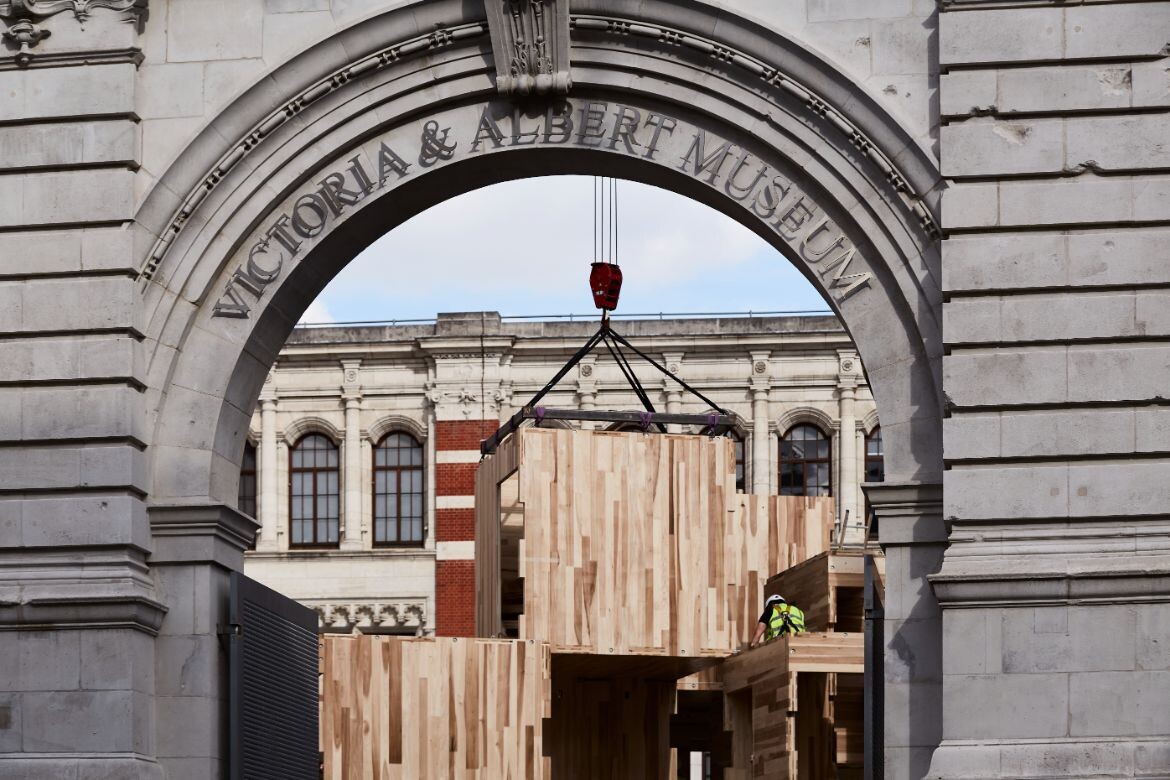
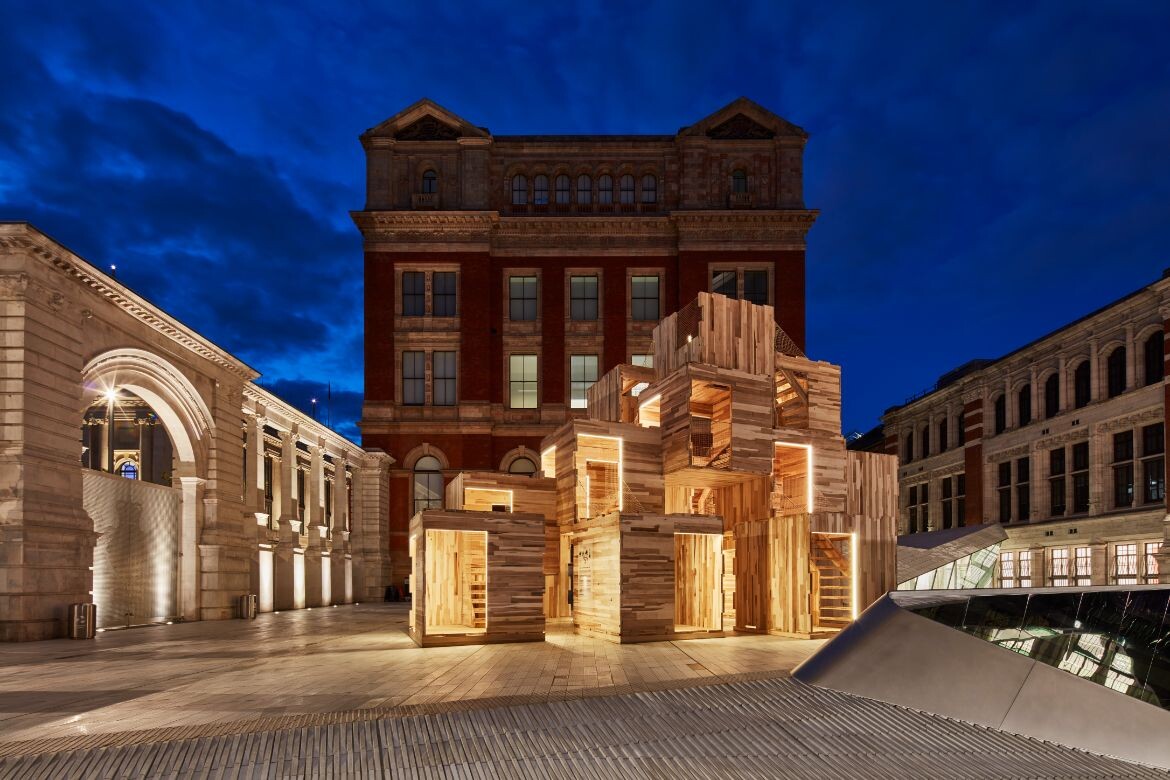
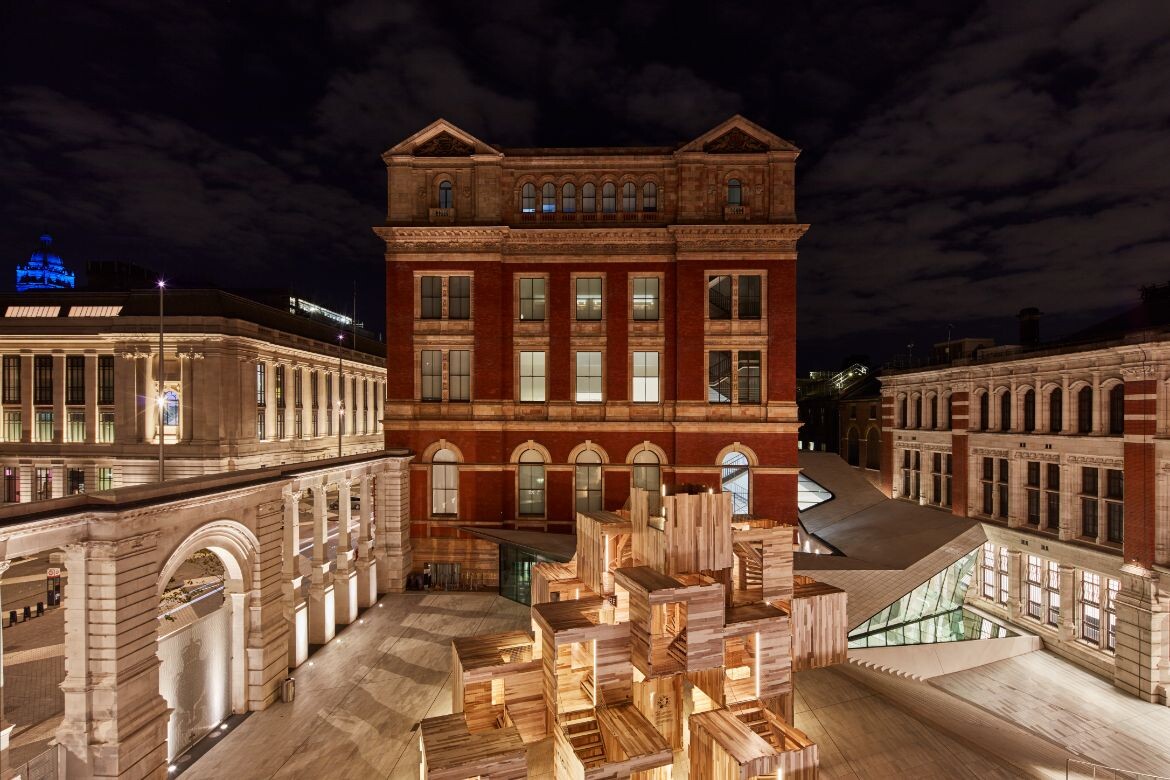
Multiply – a collaboration between AHEC, Waugh Thistleton Architects, SEAM and Arup – provides the perfect example of how hardwood CLT enables architects to break boundaries using sustainable American tulipwood and innovative construction methods.

Glued Laminated Timber
Glued laminated timber (glulam) has been in-use around the world since the 1890s. As the demand for sustainability becomes more urgent, glulam finds itself at the forefront of the world’s leading construction materials. It is created using layers of laminated timber which have been planed and glued together under pressure and heat.
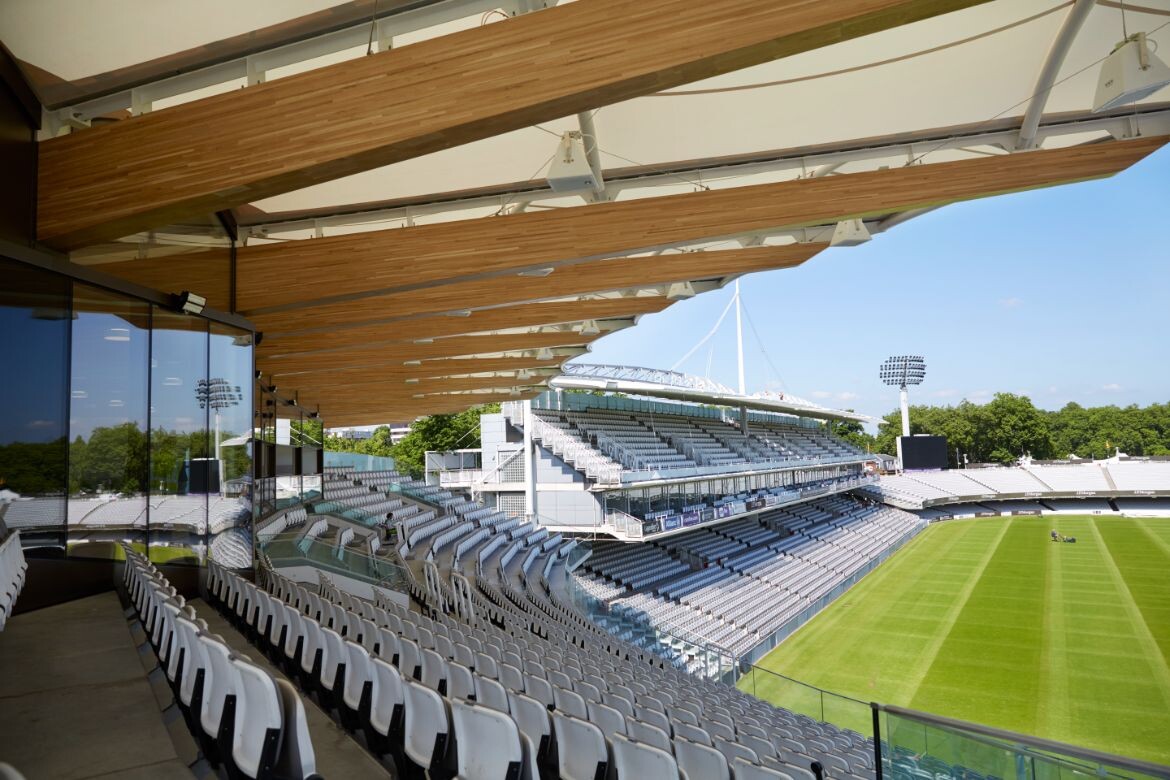
The process of laminating allows for small pieces of timber to be finger jointed and glued together under pressure, creating much longer beams with the strength to support heavier loads than concrete and steel. Hardwood glulam can be twice the strength of softwood beams and, therefore, is ideal for projects which require greater structural integrity. In addition, hardwood glulam cross sectional dimension beams can be much smaller than softwood – yet they achieve the same strength.
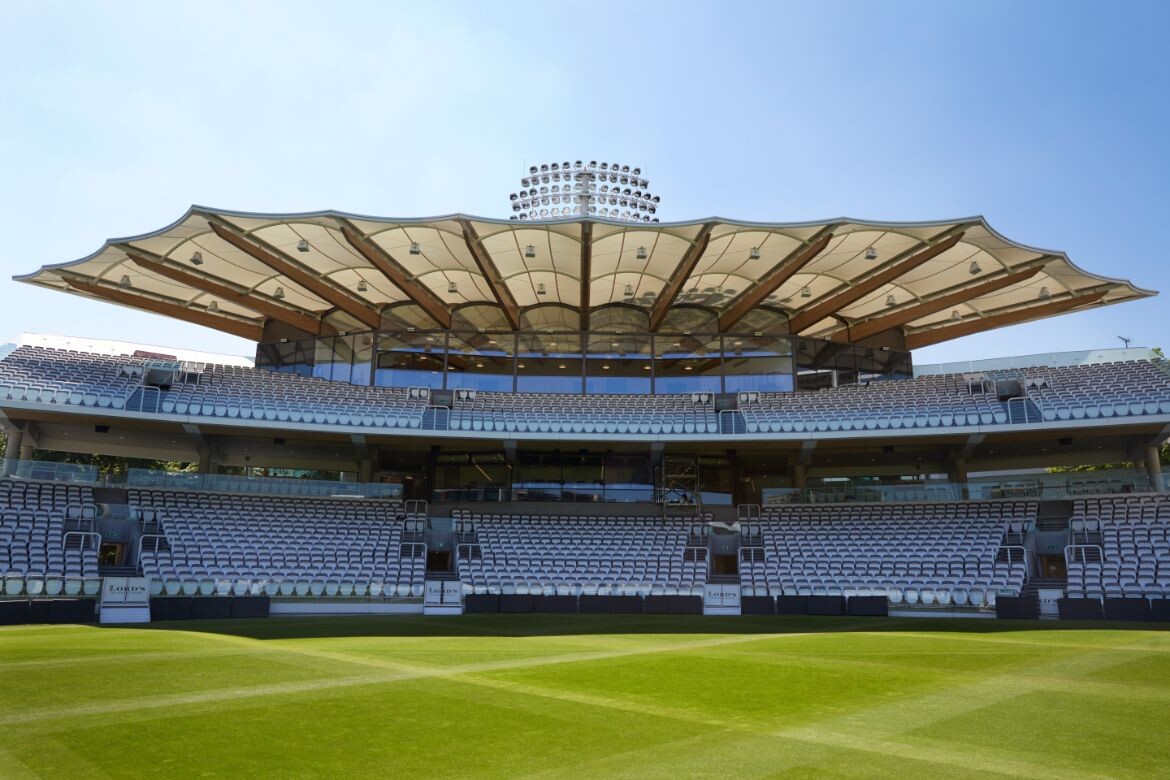
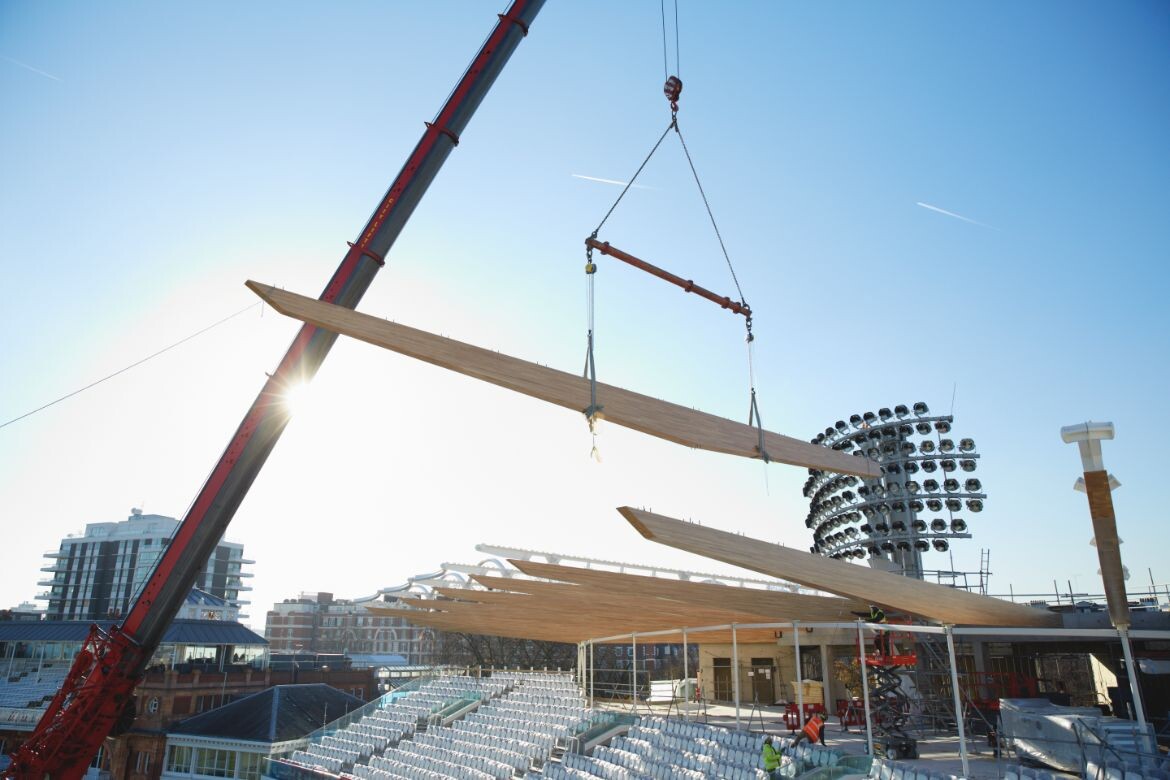
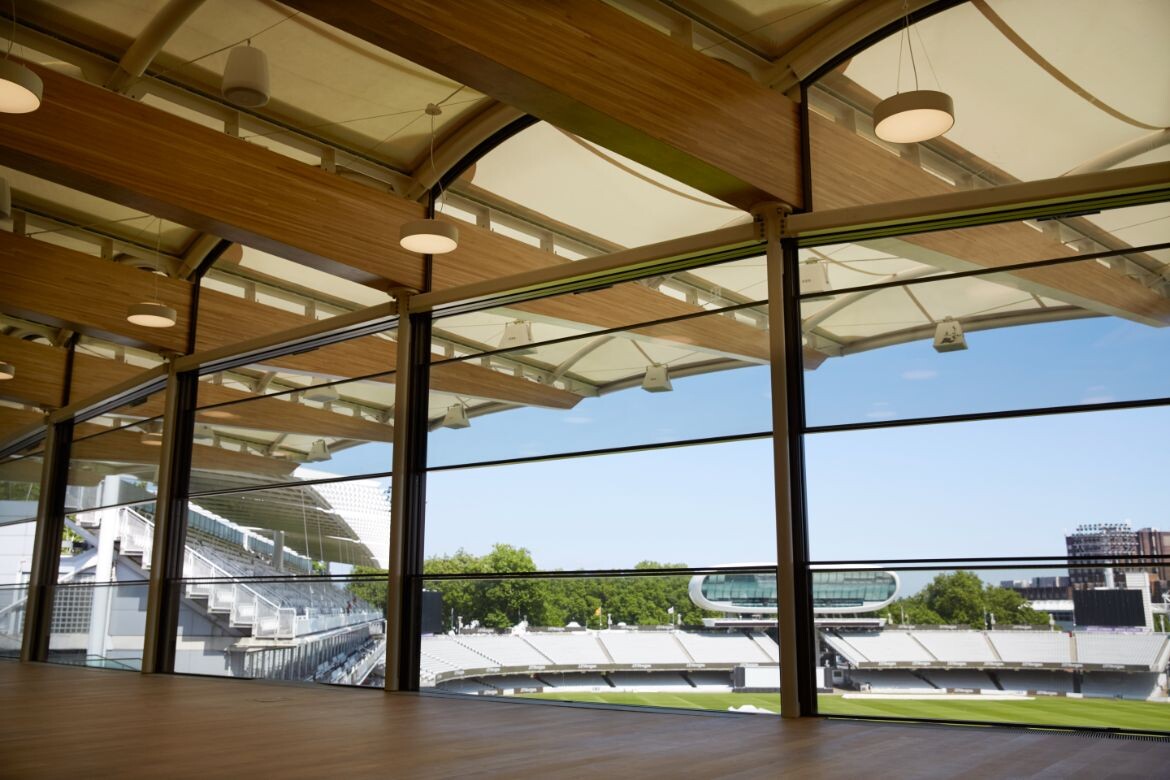
The Warner Stand at the world-renowned Lord’s Cricket Ground in London features 11 cantilevered glued laminated American white oak beams, a breathtaking design choice which includes the longest hardwood glulam beams ever to be manufactured in Europe at a staggering 23.4 metres in length.
For more information on innovation in the world of timber technology, visit the AHEC website .


The post appeared first on .
Related Posts