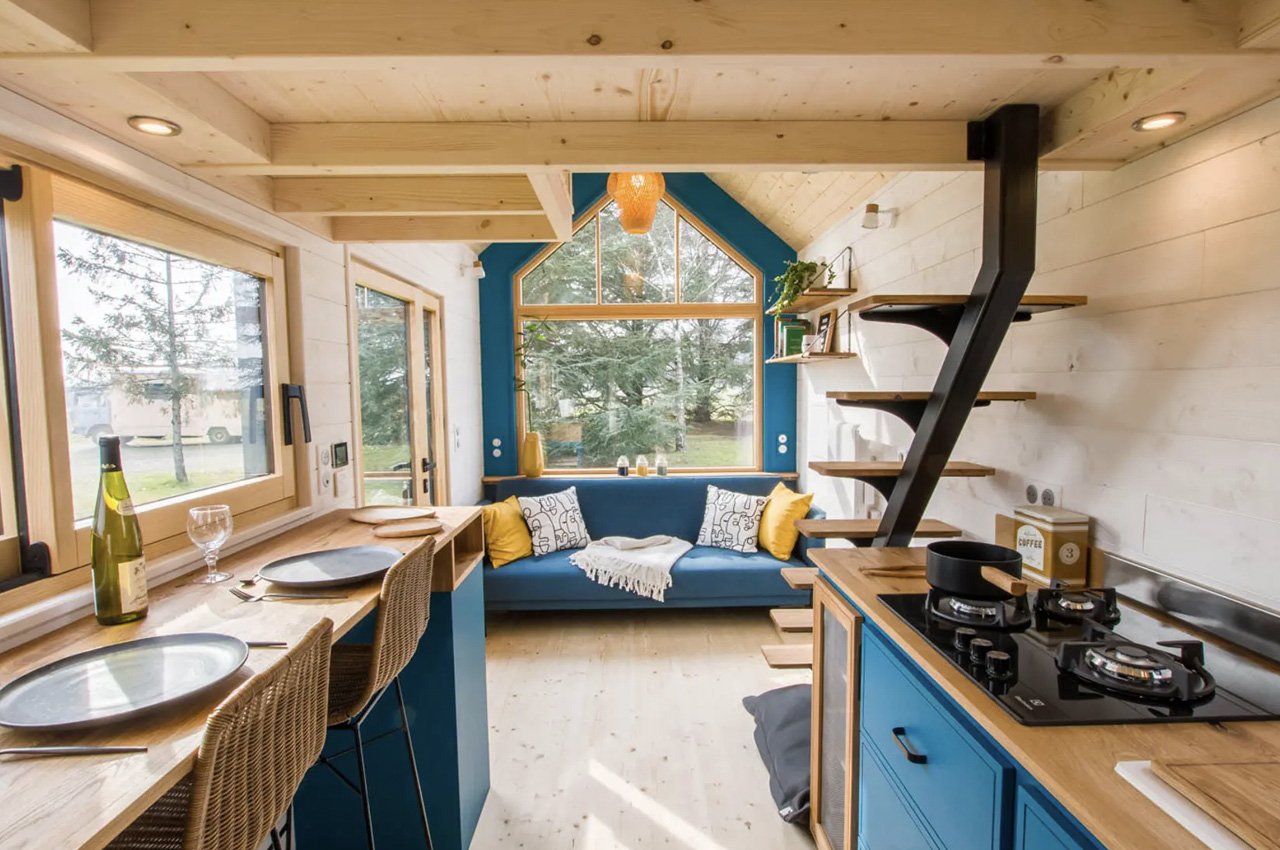
Bringing video production into a residential living space often creates unexpected visual noise. When desktop stands, bulky ring lights, and tangle-prone power cords creep into a bedroom or living area, a home quickly begins to feel like a warehouse rather than a restful sanctuary. A minimal home studio solves this tension by pairing intentional interior design with restraint in equipment choices. By focusing on quiet aesthetics and functional simplicity, you can record crisp video without sacrificing the calm of your daily living environment.
Minimalism in the home is never about owning nothing; it is about keeping only what serves an honest purpose and storing items with care. When you treat video creation as an integrated part of your domestic lifestyle rather than an industrial intrusion, your space stays adaptable. A tidy table surface can transition smoothly from morning coffee to an afternoon recording session and back to an evening reading spot without prolonged teardown routines.
Choosing a Balanced Location within Your Floor Plan
Finding the right place to film starts with evaluating natural light patterns and general household movement throughout the day. A quiet alcove away from main hallways often works best because it allows you to leave essential backdrops relatively undisturbed. Look for flat walls painted in neutral tones, which reflect soft daylight and provide a clean backdrop that does not distract viewers. Corners adjacent to north-facing or east-facing windows provide steady illumination that eliminates the need for harsh artificial lighting towers.
If you have already spent time , you know that thoughtful spatial boundaries make all the difference between feeling overwhelmed and staying productive. The same logic applies to an at-home production nook. Positioning your desk perpendicular to a window keeps glare off monitors while illuminating your face evenly. Soft floor coverings, such as flat-weave wool rugs or textured runners, reduce echo and room reverberation while adding tactile warmth to the room design.
Selecting Streamlined Gear That Blends into the Room
Bulky studio accessories and sprawling tripods often clash with a clean aesthetic. The modern design approach favors compact hardware that can mount directly to a desk edge or rest quietly on a small shelf when idle. Choosing versatile tools that handle multiple tasks prevents the slow accumulation of specialized gadgets that collect dust. For example, a single compact LED panel with a built-in diffuser provides ample illumination while occupying only a fraction of the space required by traditional photographic umbrellas.
Camera bodies present a similar opportunity for reduction. Rather than investing in oversized studio rigs with cumbersome battery attachments and external monitors, many creators lean toward compact mirrorless units or pocket-sized recording devices. Before purchasing any bulky gear, consider researching compact devices on independent review hubs like to compare compact hardware designed specifically for handheld or desktop recording. Selecting lightweight gear with straightforward controls ensures that your setup remains quick to assemble and easy to stow away inside an ordinary desk drawer.
Audio equipment should follow the exact same visual restraint. A low-profile dynamic microphone attached to a slim boom arm can swing into place during recording and fold flat against a wall when not in use. Wireless lapel microphones offer another discreet alternative, clipping onto clothing without trailing wires across the carpet. Prioritizing compact audio tools keeps your desktop free for handwritten notes and clean visual composition during filming.
Budgeting and Tracking Creative Equipment Expenses
Expanding a hobby or creative pursuit can easily lead to spontaneous spending on unnecessary accessories. Adopting a mindful approach to home projects means establishing clear financial boundaries before browsing equipment catalogs. Rather than upgrading hardware whenever a new model arrives, evaluate whether your current setup meets your creative goals. Investing in one durable, multipurpose item generally brings more satisfaction and less domestic clutter than accumulating several cheaper, single-use alternatives over time.
Maintaining order in your finances supports a calm mindset, especially when your home doubles as a base for personal side projects. Managing equipment purchases responsibly requires keeping close track of your personal budget, and browsing digital finance portals like can offer helpful context on emerging financial tools and online budgeting platforms. Digital tracking tools and modern banking dashboards make it simple to monitor hardware costs, project software, and small recurring fees without mixing creative expenditures with basic household utility bills.
Organizing Accessories and Taming Cable Chaos
Cables are the quickest path to visual disorder in any home workspace. When power cords, charging lines, and audio leads drape across table legs, a peaceful room quickly looks cluttered. Implementing a concealed cable pathway keeps your workspace inviting. Undermount cable trays, channel guides along table legs, and reusable hook-and-loop straps collect loose cords into neat bundles that sit entirely out of sight. A single multi-outlet strip hidden under the desktop can power lights, chargers, and camera gear from one wall outlet.
To maintain a clutter-free studio nook between video sessions, adopting a few structured habits keeps everyday gear organized:
- Store loose memory cards, lens cloths, and small adaptors inside a shallow, divided drawer tray.
- Coil charging cables loosely after every session using fabric ties to prevent kinks and tangles.
- Place desktop lights on articulated desk clamps rather than freestanding floor tripods.
- Designate a woven lidded basket or closed cupboard shelf for microphone boxes and extra lenses.
- Wipe down desk surfaces and clear stray props immediately after turning off the camera.
Harmonizing Lighting and Sound with Domestic Decor
A common mistake in home recording is installing heavy foam soundproofing panels across walls, which often makes a living room look unfinished or sterile. Residential decor naturally absorbs unwanted audio reflection when chosen with intent. Bookshelves filled with varied paperbacks break up sound waves, while heavy linen curtains soften harsh outdoor noise and diffuse incoming daylight. Incorporating textured throw blankets, upholstered chairs, and potted greenery adds character to your video frame while gently dampening room echo.
Lighting can also merge organically with domestic interior design. Instead of relying solely on stark photographic lighting, balance your setup with warm ambient table lamps placed in the background. A ceramic lamp with a linen shade introduces depth and a welcoming residential mood to your frame without overpowering the primary subject. Dimmable bulbs allow you to calibrate background brightness to complement your foreground light, resulting in a balanced, intentional image that feels authentic to a modern home environment.
Building a personal video space inside a home should enhance your lifestyle rather than disrupt it. By choosing multipurpose furnishings, streamlining your hardware choices, and maintaining orderly storage habits, you can create high-quality visual work from a tranquil setting. A thoughtful studio nook respects the architectural flow of your house and preserves a calm atmosphere for evening unwinding. When design simplicity guides your decisions, creative productivity and domestic peace live happily side by side.
The post appeared first on .
Related Posts