The spare room is a luxury. Most of us know this, even if we pretend otherwise. We squeeze guests onto pull-out sofas, loan them our beds and sleep on the couch ourselves, or simply apologize and point them toward the nearest hotel. It’s one of the quiet embarrassments of modern city living, that for all our carefully curated interiors, we often can’t offer the people we love a dignified place to sleep. French designer Thélonious Goupil and Italian brand Campeggi would like to change that, and they’ve done it with what is essentially a box.
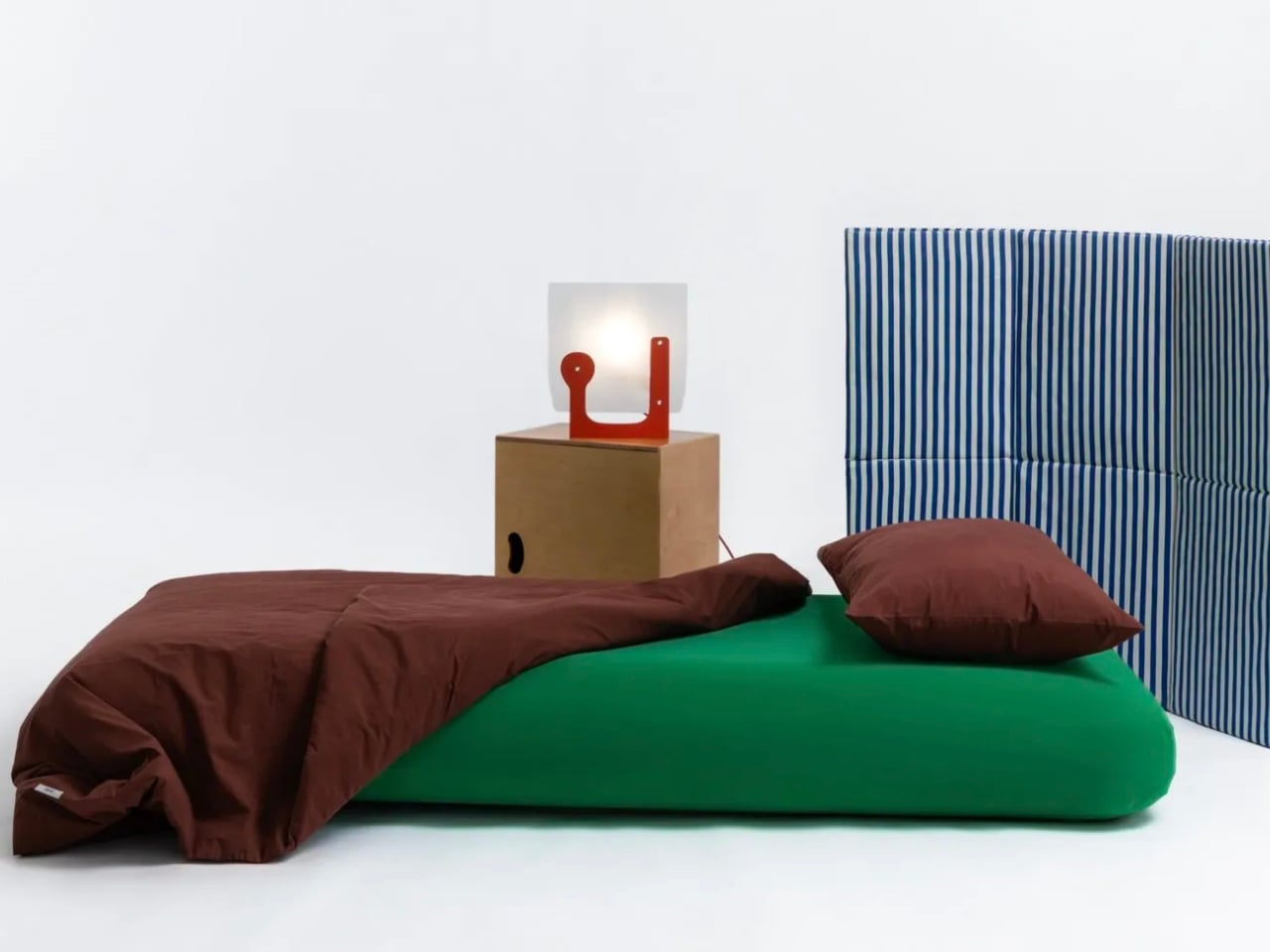
Bienvenue, which debuted at Salone del Mobile 2026 in Milan, is a compact shell made from stained birch plywood. In its resting state, it doubles as a stool or a side table, sitting quietly in a corner, minding its own business. Open it up, however, and it reveals an inflatable mattress 25 centimeters thick and a foldable headboard. Pull everything out and unfold it, and what you have is a proper sleeping space, a micro-architecture of hospitality that Campeggi describes as a temporary room rather than just a piece of furniture.
Designers:
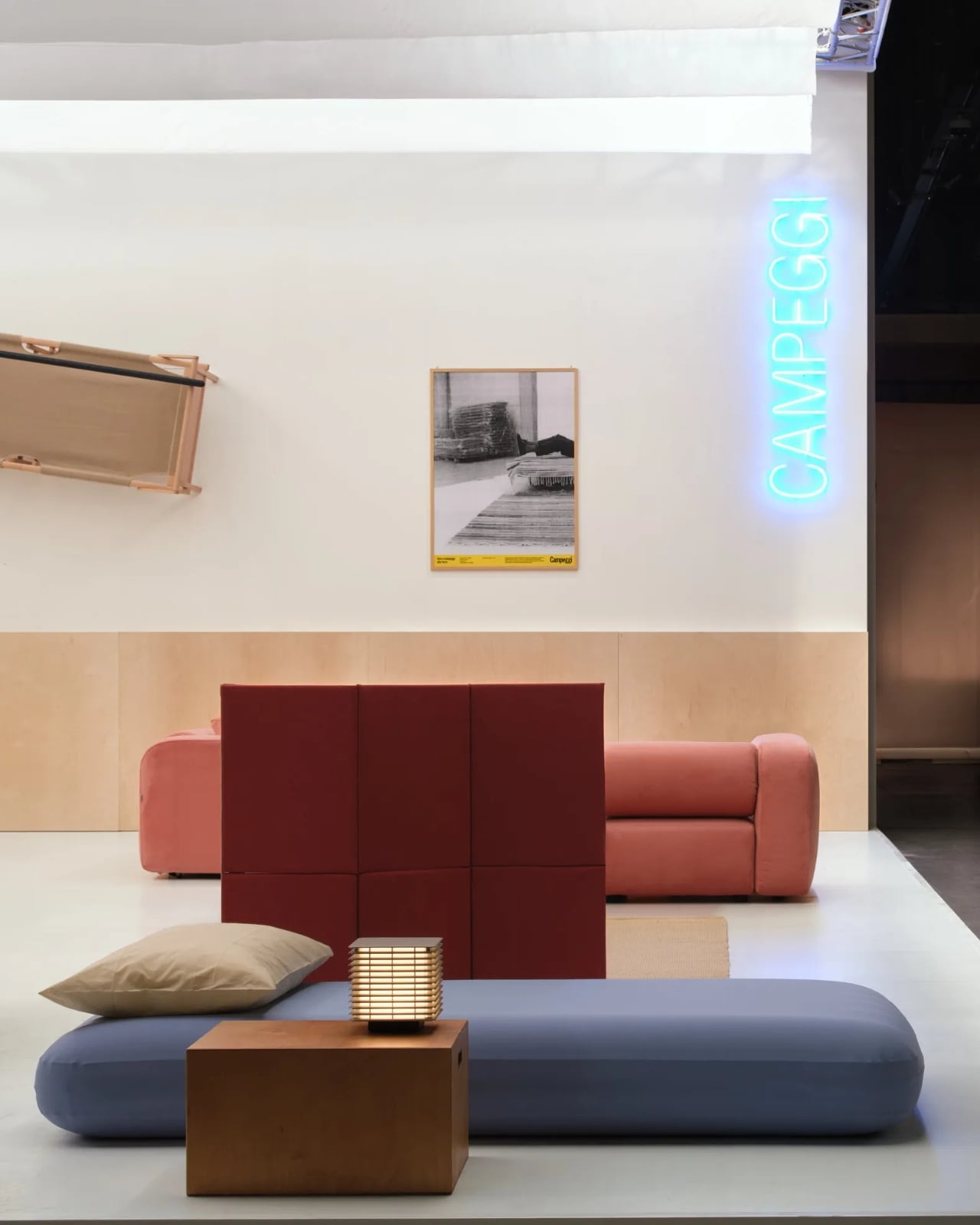
The name says everything. Bienvenue means “welcome” in French, and the choice feels intentional in a way that most product names rarely manage to be. The object is literally called welcome. It is not a storage unit that also sleeps two. It is not a sofa with a hidden secret. It is, from the beginning, defined by its purpose: to receive someone well.
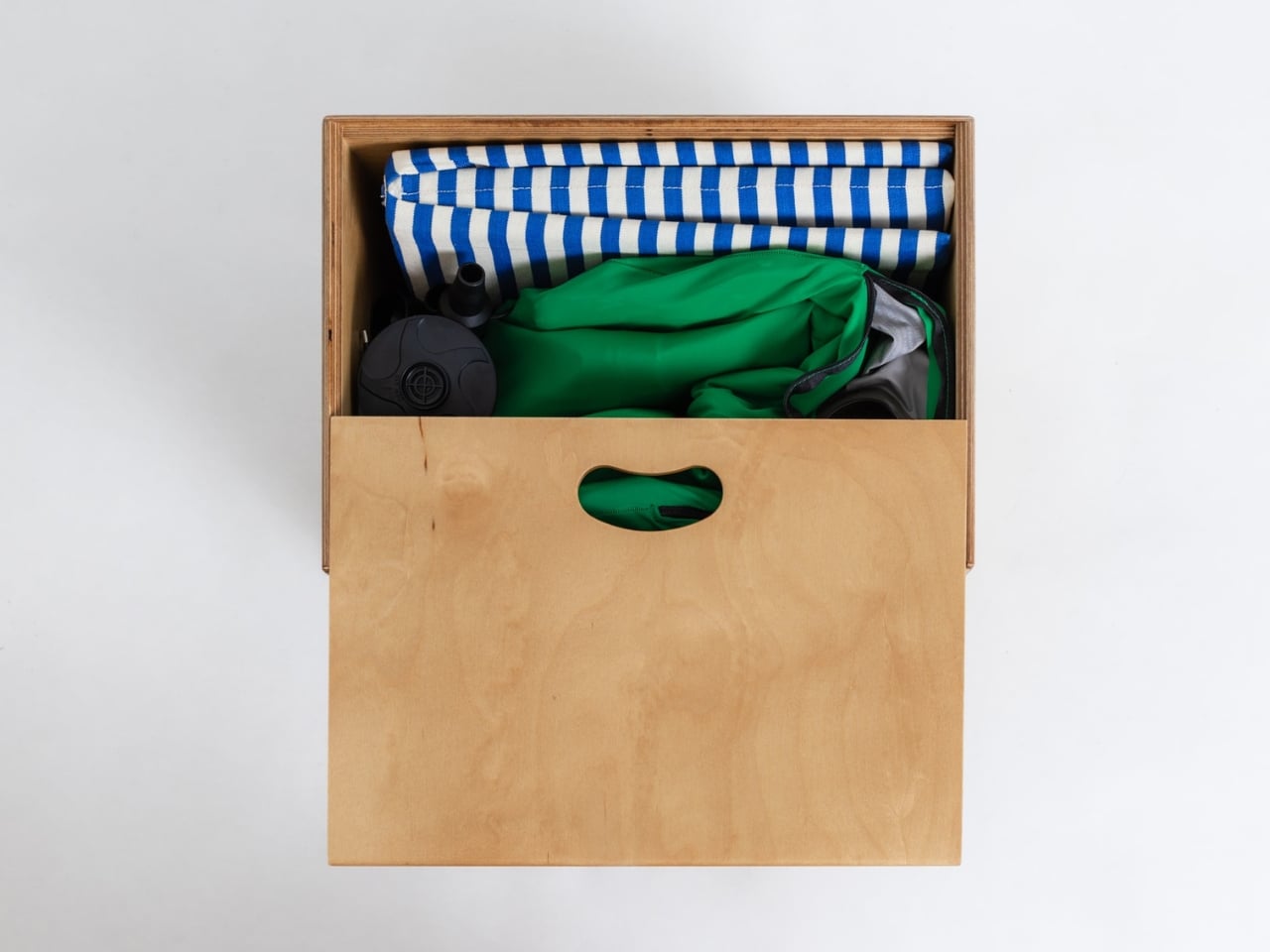
Goupil, who is based in Paris and trained at the studios of Ransmeier Inc. and Jasper Morrison before founding his own practice in 2018, has built a reputation around objects that are, in his own words, “expressive and freed from conventional ideas of beauty.” Bienvenue fits that ethos without breaking a sweat. The birch plywood is humble but warm. The construction is honest, without pretension. And the whole thing, when folded back up, doesn’t announce itself as a bed or scream “I have compromised here.” It simply exists as furniture, unassuming and well-made.
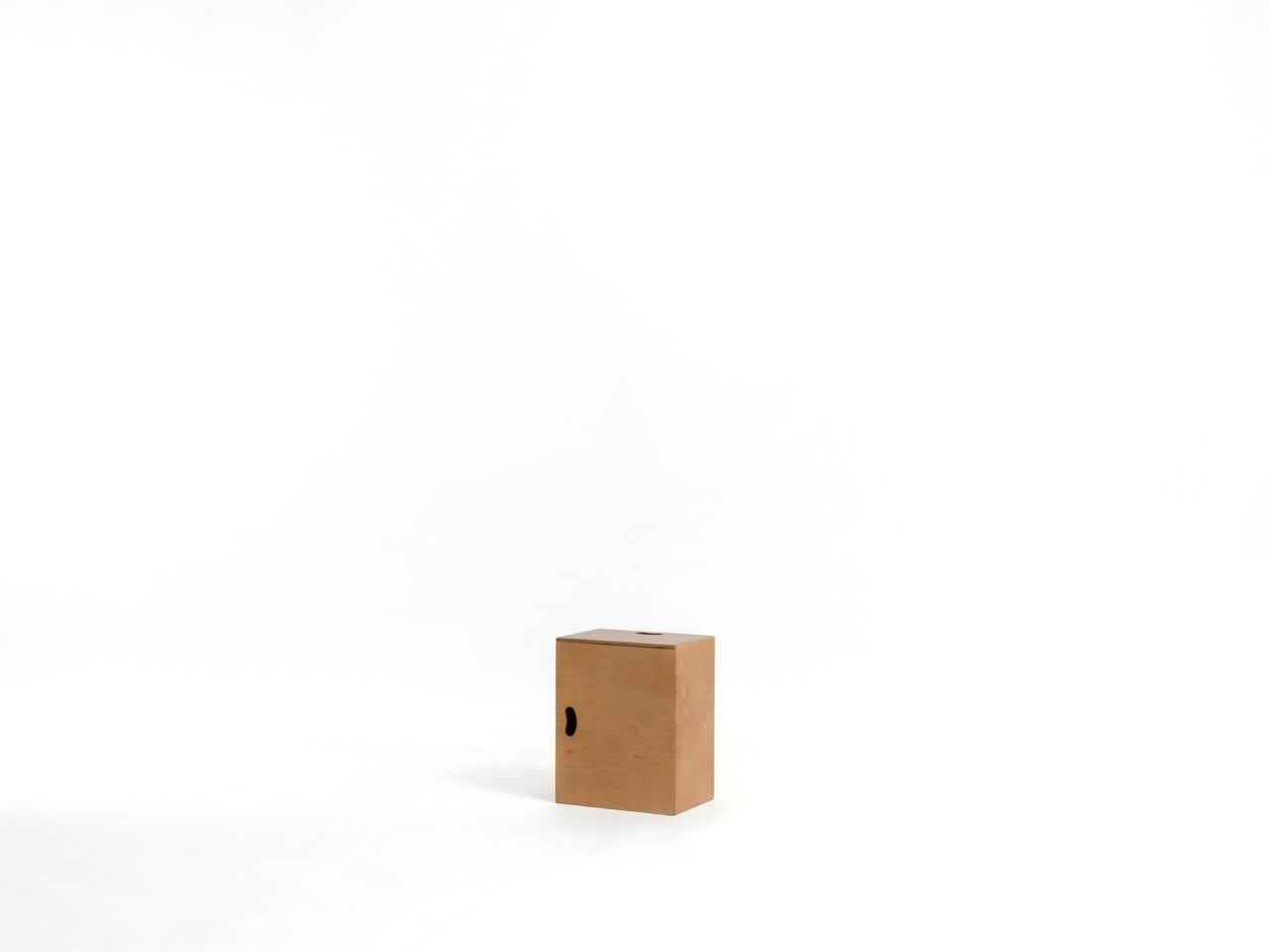
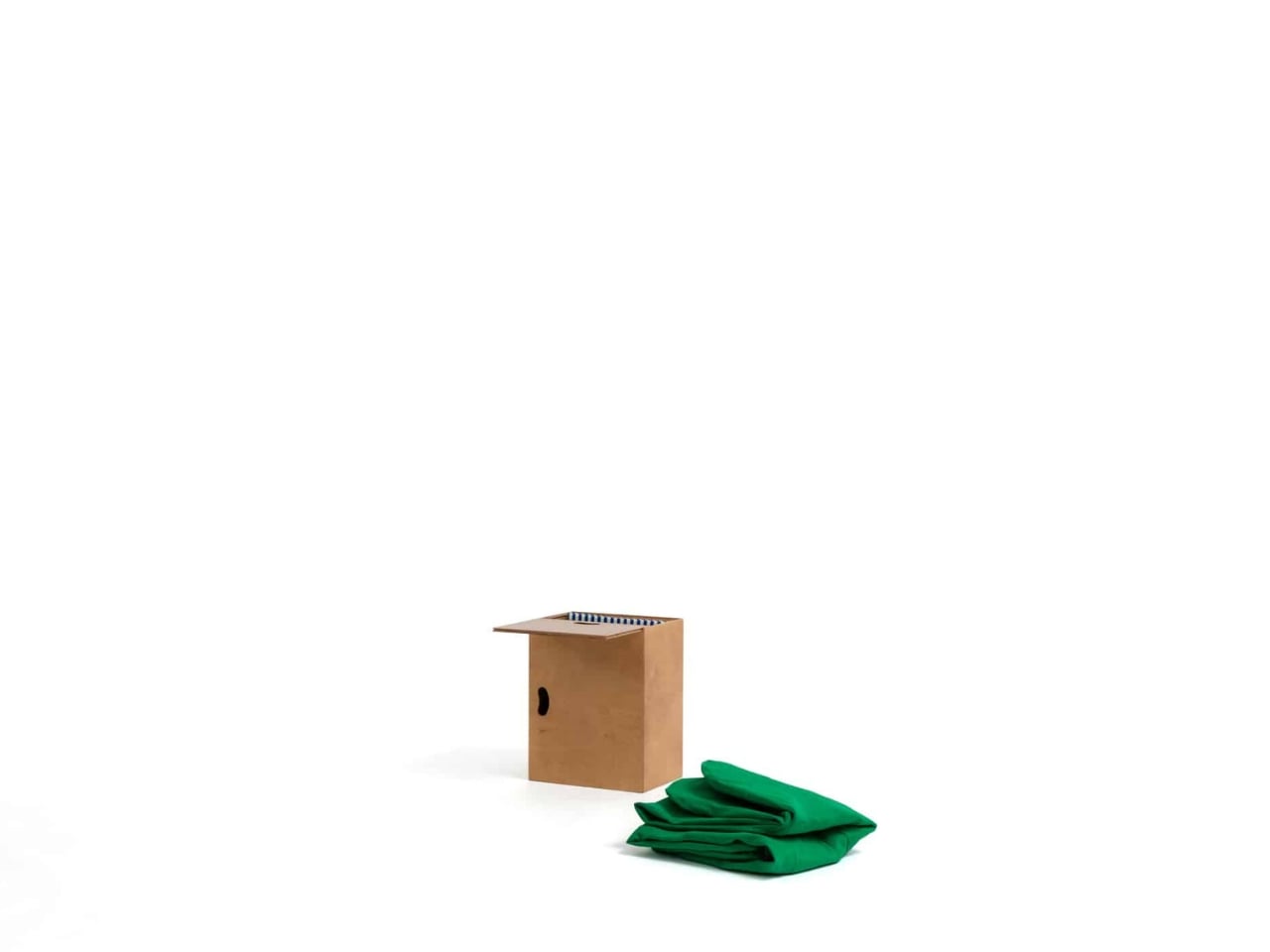
The collaboration with Campeggi makes obvious sense. The Italian brand has spent decades perfecting the art of transformable furniture, particularly around sleeping and hospitality, and they understand that the best multifunctional objects are the ones that don’t look desperate to be two things at once. Bienvenue succeeds because it commits to each of its forms fully. As a stool, it’s just a stool. As a guest room, it’s actually a guest room, not a sorry approximation of one.
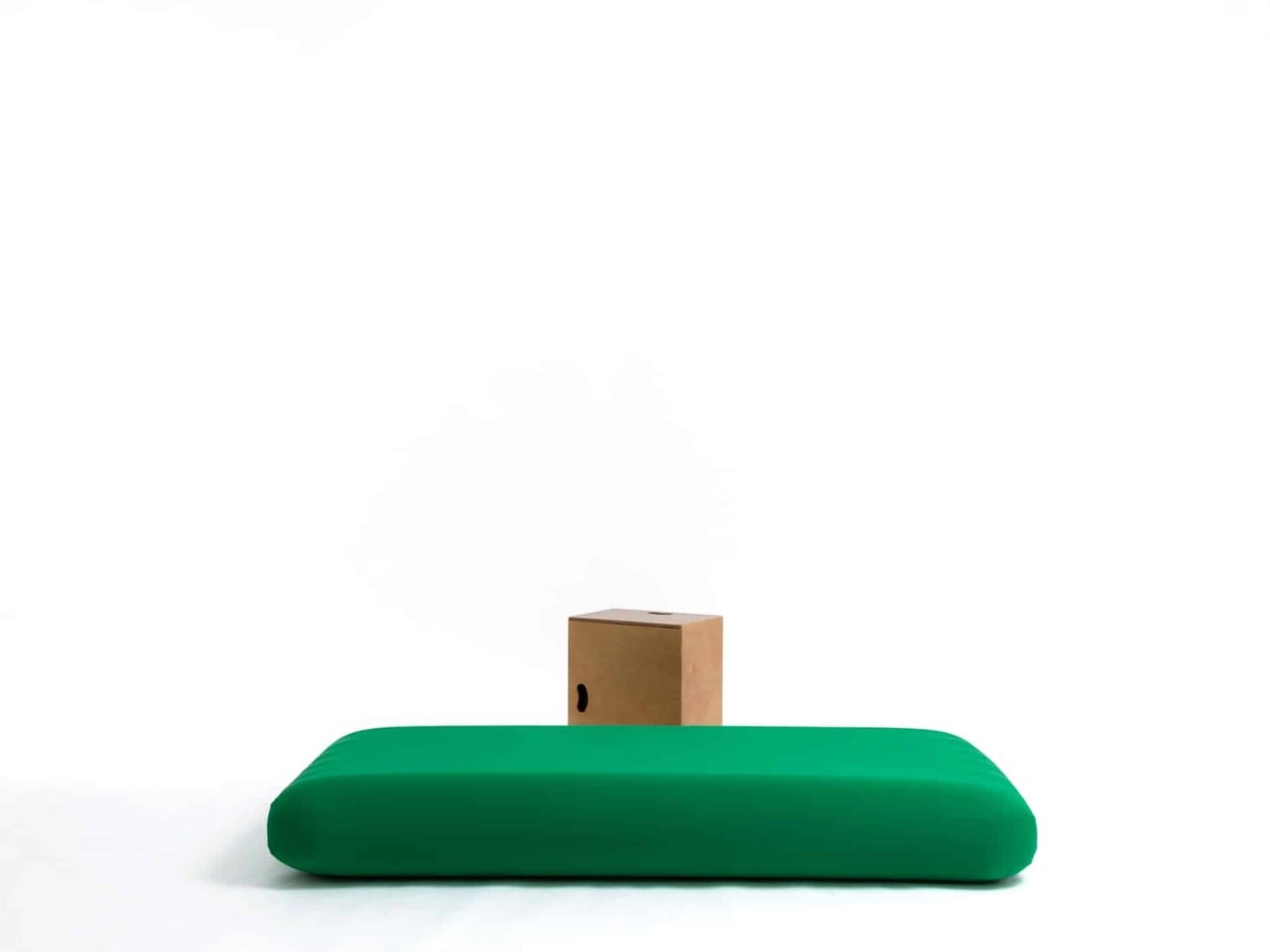
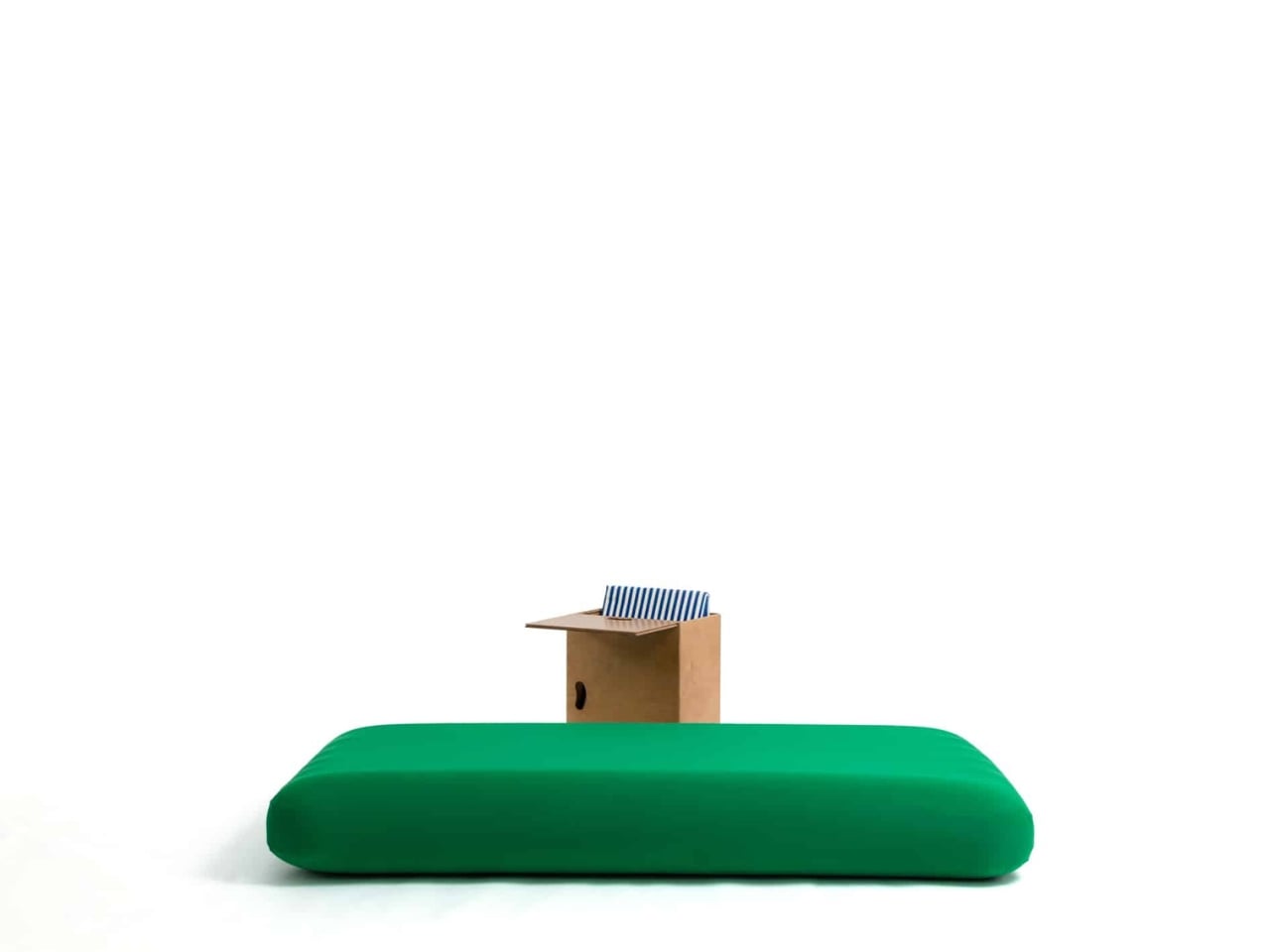
I’ll admit that my first reaction to seeing this was skepticism. We’ve all encountered the promises of space-saving design before: the folding chair that’s awkward to use, the Murphy bed that requires a contractor to install, the loveseat that technically converts but does so in a way that makes everyone involved feel slightly ashamed. Bienvenue doesn’t feel like any of those things. The approach is genuinely straightforward: store the hospitality, deploy it when needed, pack it back up when it’s done. No apologies, no assembly instructions, no three hours of confused labor at midnight.
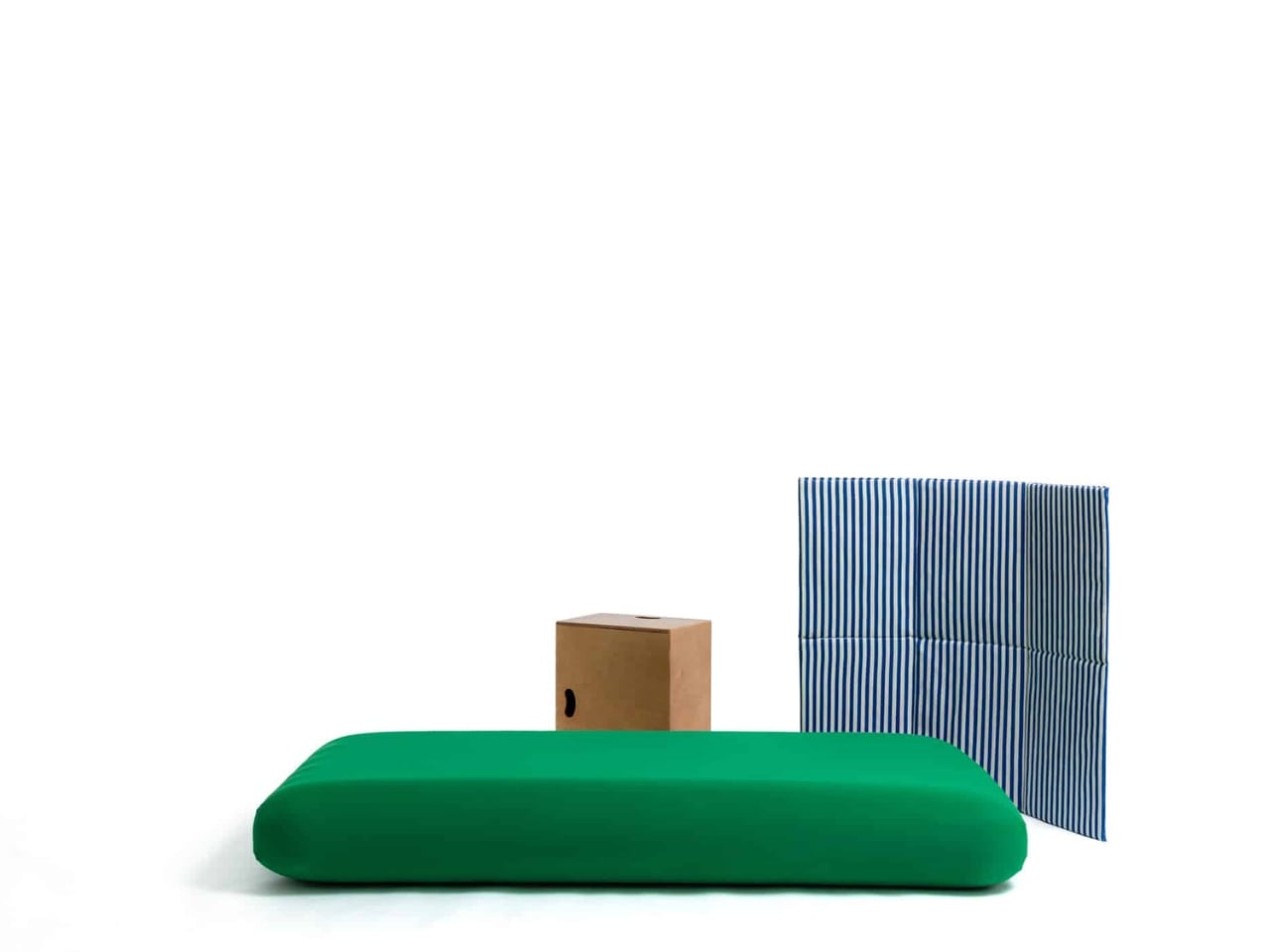
What makes this piece feel relevant right now is not just the engineering, clever as it is. It’s the acknowledgment that the way we live has changed and that good design should keep pace with that reality. Apartments are smaller. Lease agreements restrict renovations. Nomadic lifestyles mean that home is sometimes only a temporary address. Against all of that, Bienvenue offers a quiet kind of generosity: the ability to welcome someone properly, regardless of what your floor plan has to say about it.
Furniture has always been a reflection of how we want to live. A dining table says something. A bar cart says something. A compact plywood box that unfolds into a guest room says that you still believe hospitality matters, even when space doesn’t cooperate. Right now, that feels like exactly the right thing to be arguing for.
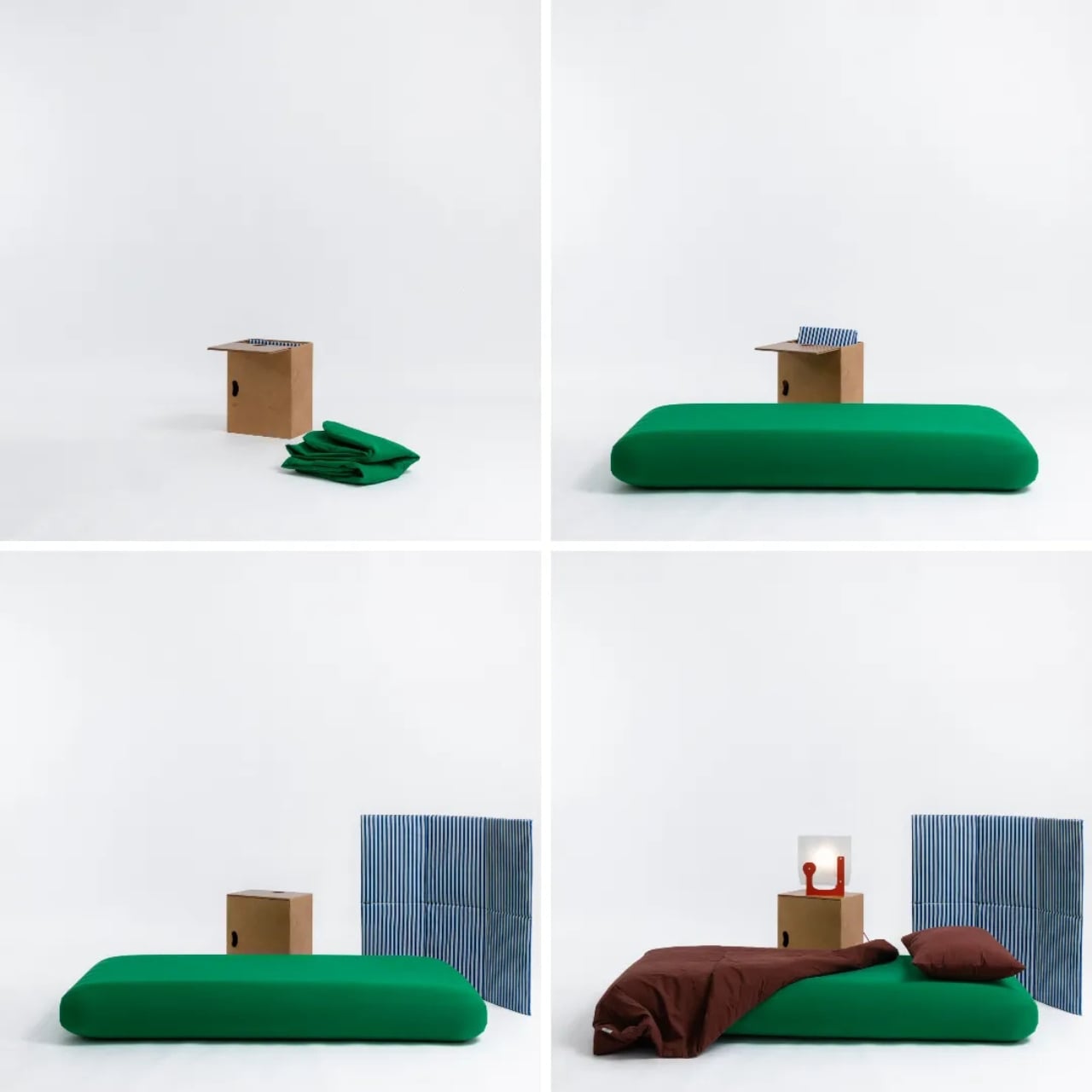
The post first appeared on .
Related Posts