If you’ve ever hosted a dinner party and counted chairs two hours before guests arrived, you know the panic. Do you have enough? Do you have too many? Will you end up dragging that awkward stool from the kitchen that nobody actually wants to sit on? It’s a problem so mundane that most designers don’t even try to solve it elegantly anymore. German industrial designer Peter Otto Vosding did.
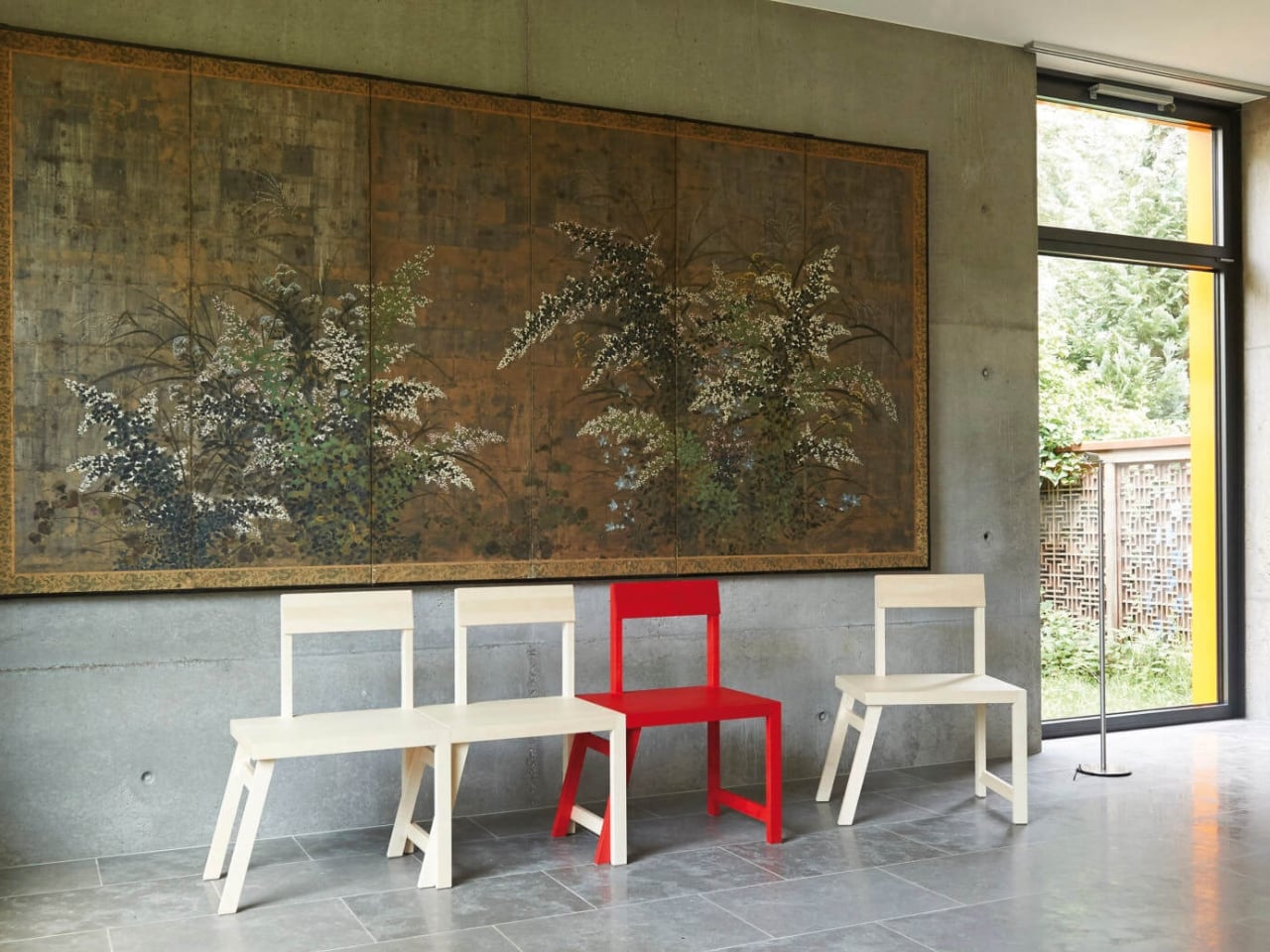
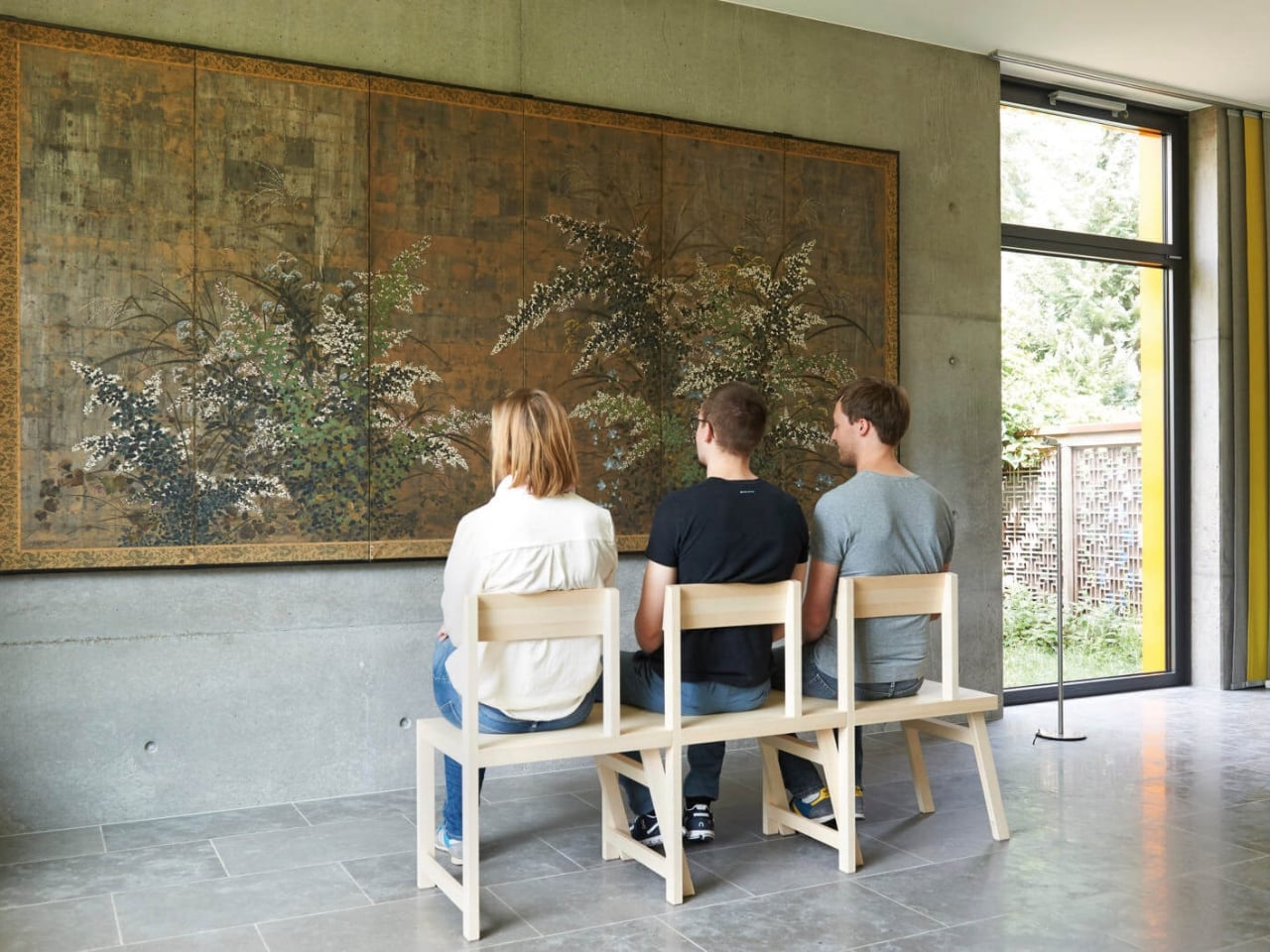
His concept, Spielbein, is a chair that quietly rethinks how seating works in small and midsize rooms. Named after the German word for the free, relaxed leg in soccer (as opposed to the Standbein, the weight-bearing leg), the chair’s whole identity lives in asymmetry. One side has two vertical legs. The other has two legs angled outward. At first glance, it reads like a design quirk. Once you understand why, it reads like a small act of genius.
Designer:
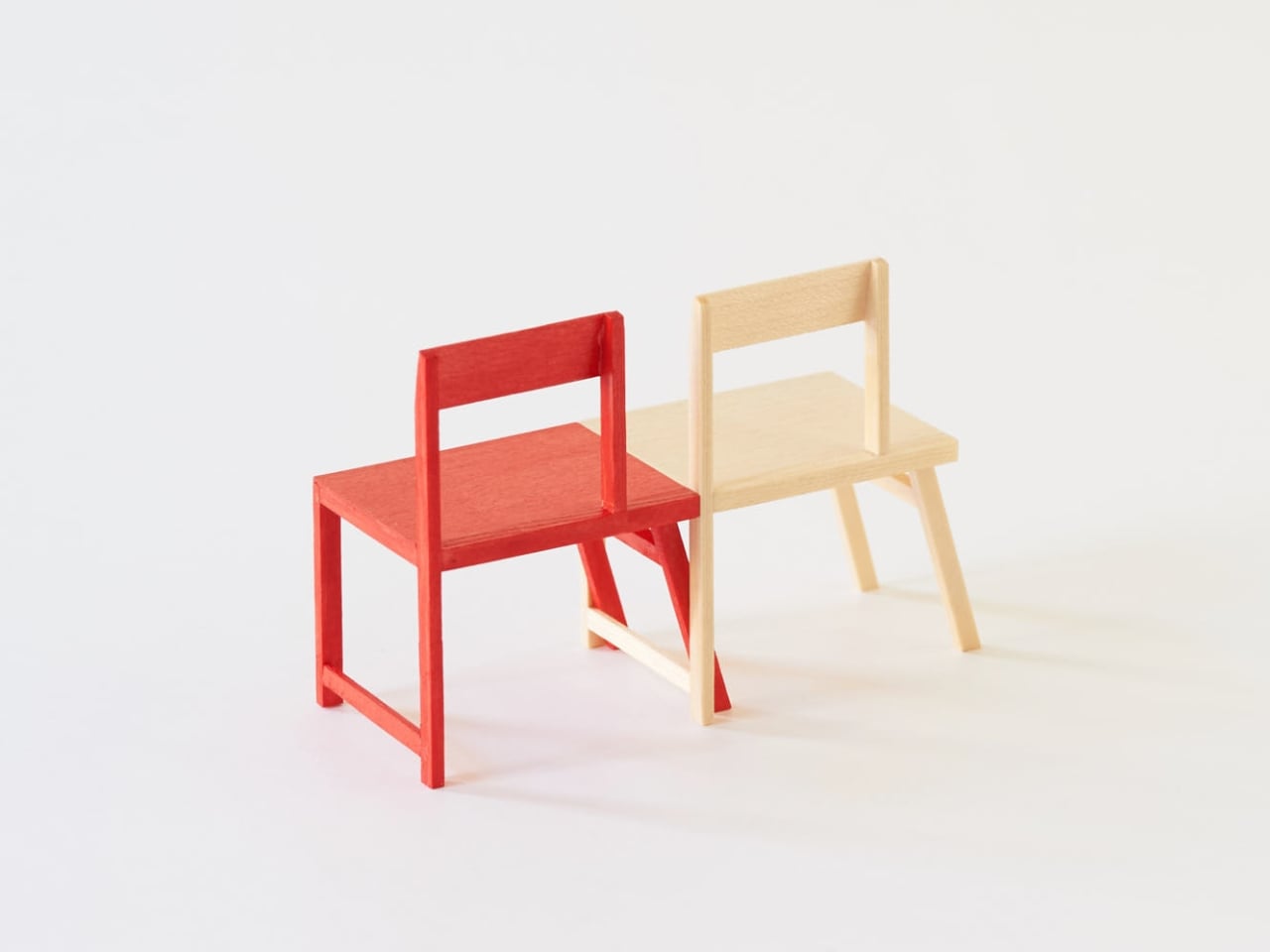
The tilted legs aren’t just aesthetic. They’re the mechanism. When you place two Spielbein chairs side by side, those angled legs slide right between the vertical ones of the next chair, locking them into a seamless row. What started as individual seats begins to look and function like a bench, with no connectors, no hardware, no fuss. Separate them again, and you’re back to individual chairs. The flexibility is baked into the form itself, which is exactly how good design is supposed to work.
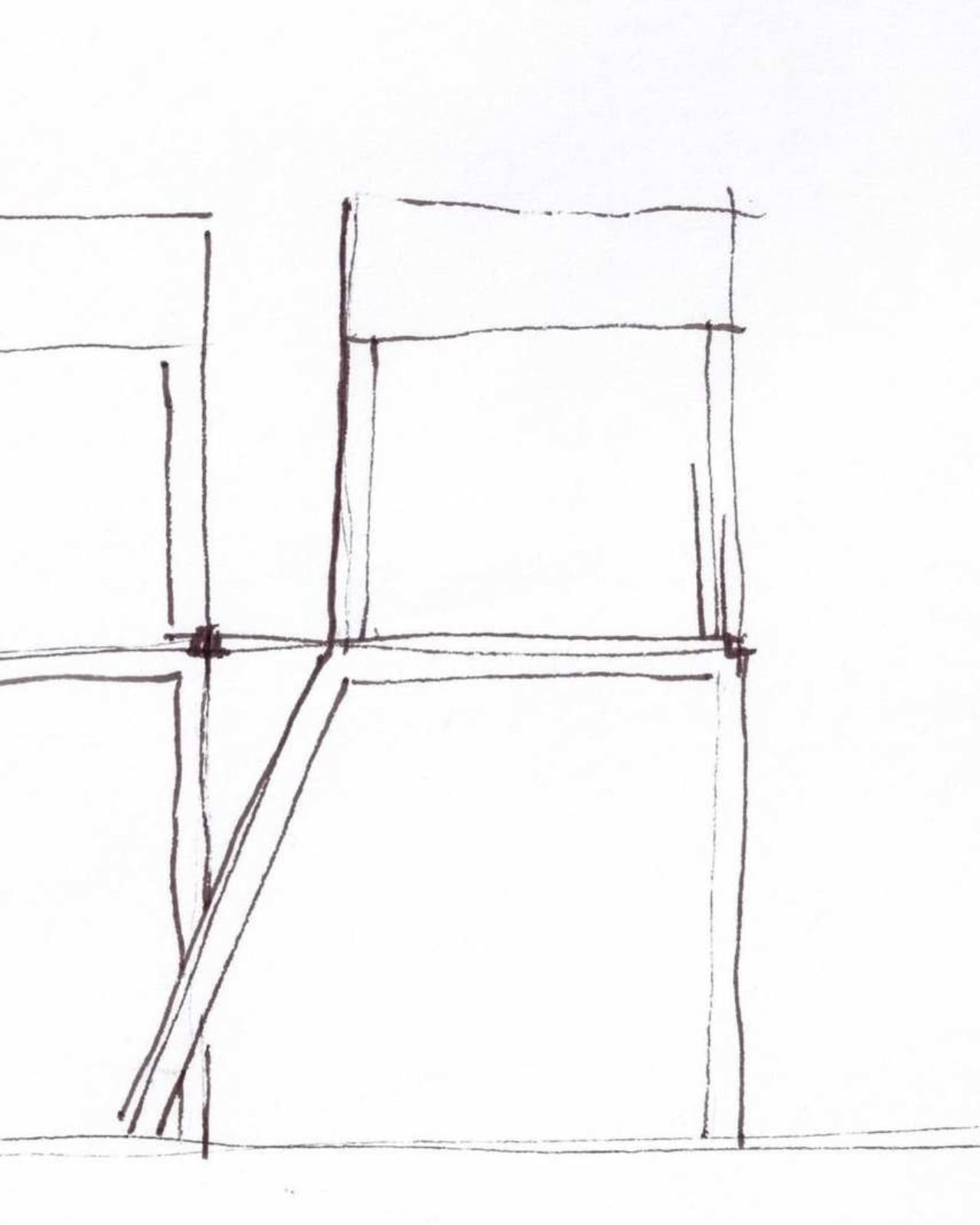
Vosding describes the shape as being reminiscent of someone standing in a relaxed posture, one leg planted, the other loosely angled out. When chairs are linked in a row, the visual effect is of people sitting cross-legged, the kind of casual, easy body language you’d see at a café or a gallery opening. I find that detail genuinely poetic. The chair isn’t just furniture. It carries the posture of human comfort right there in its silhouette.
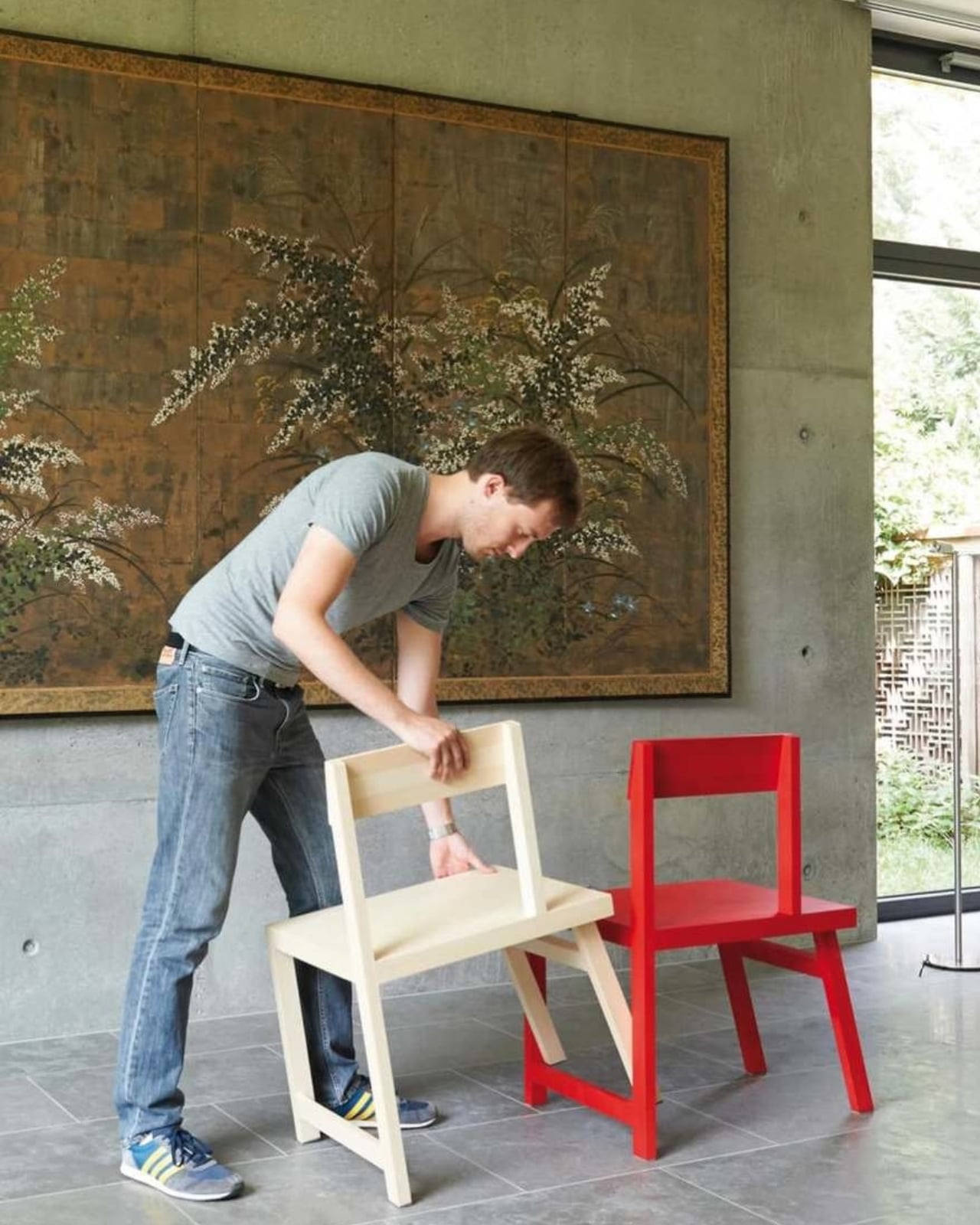
The soccer reference also holds up conceptually. In football, the Spielbein is the leg with all the flair, the one doing the work that creates something unexpected. The Standbein is steady, structural, dependable. Vosding essentially built both into a single object: one side stable, one side dynamic. That kind of layered thinking, where the name, the metaphor, and the function all align, is rarer than it should be in industrial design.
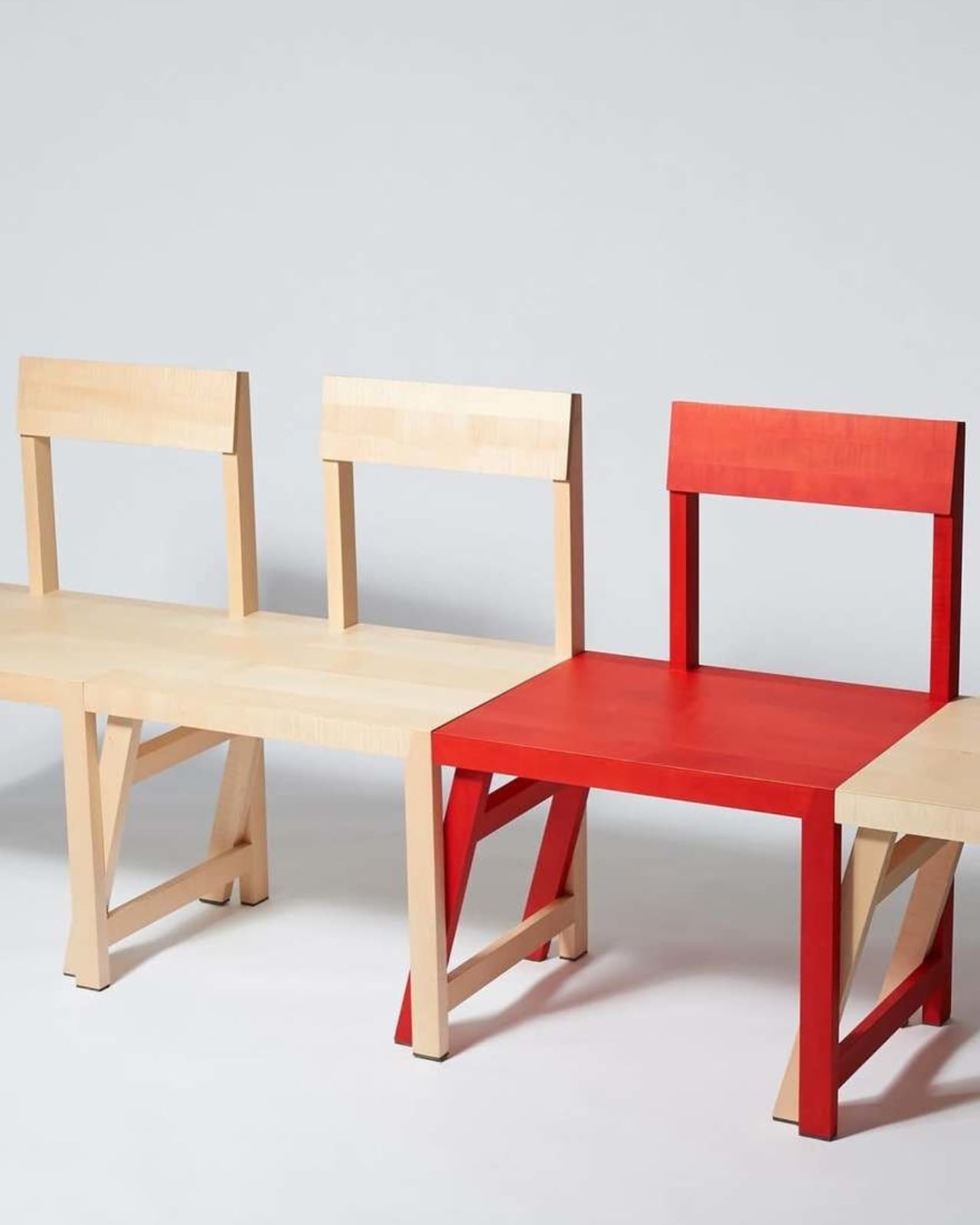
Now, Spielbein is still a concept. It’s been looking for a producer since 2015, which is a little heartbreaking when you look at it, because the furniture market is flooded with chairs that are beautiful but solve absolutely nothing new. This one solves a real problem: flexible capacity seating for rooms that shift between different uses and different numbers of people. Offices, waiting rooms, gallery spaces, small event venues, even a well-appointed home. The use case writes itself, which makes it more puzzling that it hasn’t found a manufacturer yet.
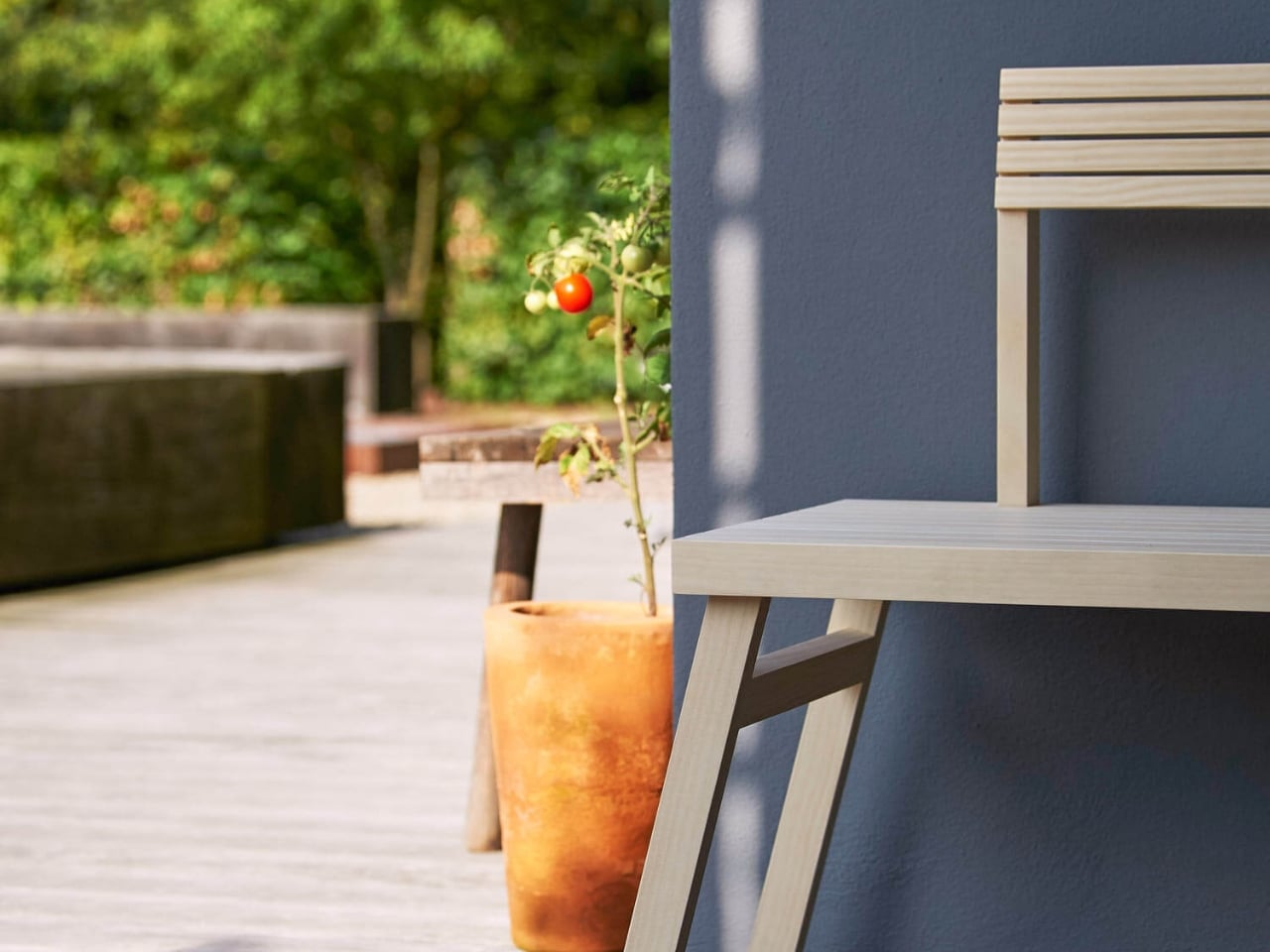
I’ll be honest: the asymmetrical leg design might be a harder sell to consumers who prioritize visual symmetry. We’ve been conditioned to expect furniture that looks balanced in the traditional sense, four legs, all equal. Spielbein asks you to let that go. It asks you to trust that balance can be dynamic, that it can live in the relationship between one object and another, rather than within a single form. Some people will love that immediately. Others will need to see it as a linked row first, before the logic clicks into place.
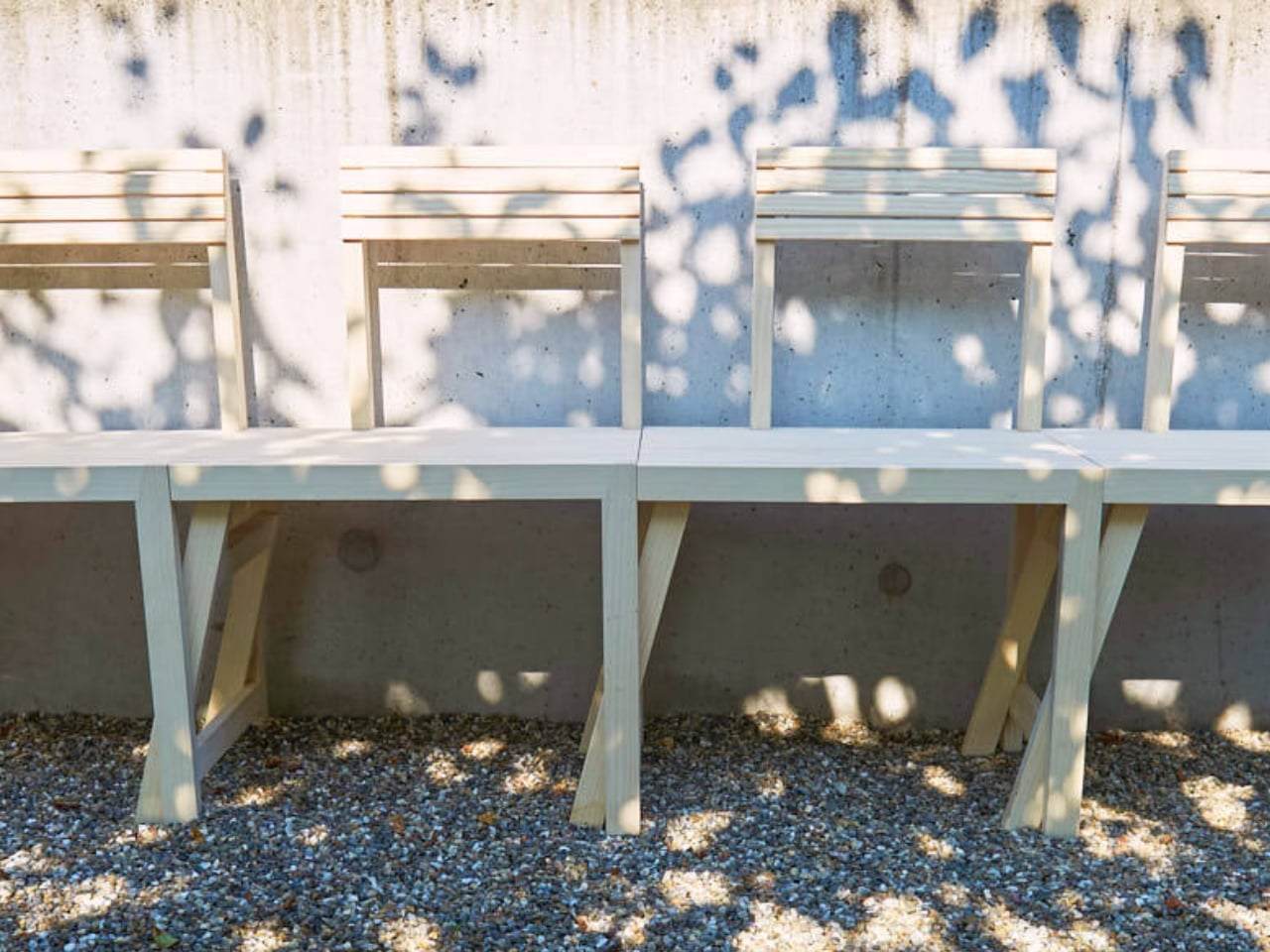
But that’s also exactly what makes it interesting. It’s a piece that teaches you something the moment you understand it. You see the legs, you learn the word, you picture the footballer shifting weight on a pitch, and suddenly a chair becomes a small lesson in how borrowed language from completely unrelated disciplines can unlock something genuinely fresh in design. Spielbein may still be waiting for its moment in production, but as a concept, it already does what the best design does: it makes you feel like the solution was obvious all along, even though nobody thought of it quite like this before.
The post first appeared on .
Related Posts