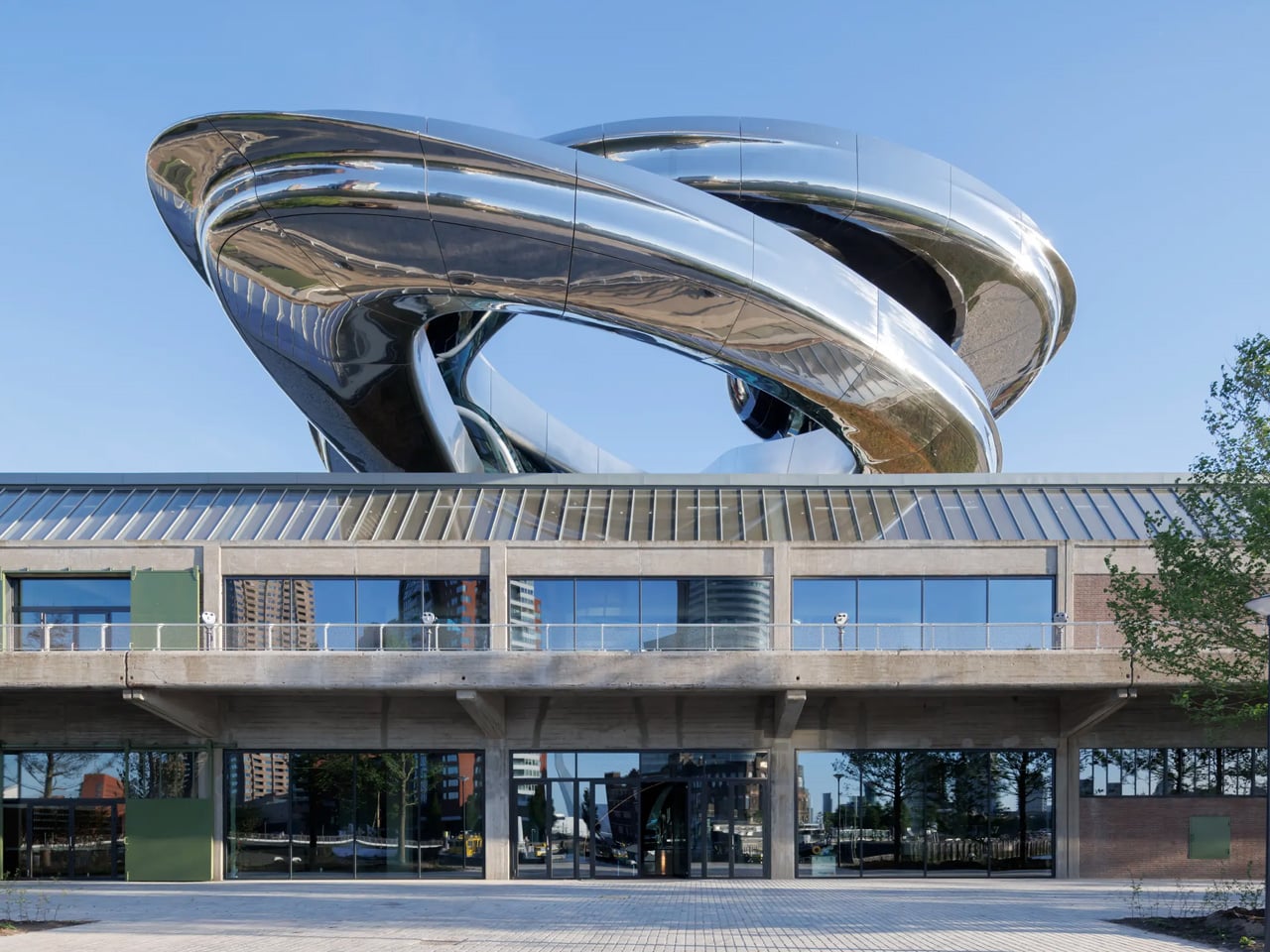
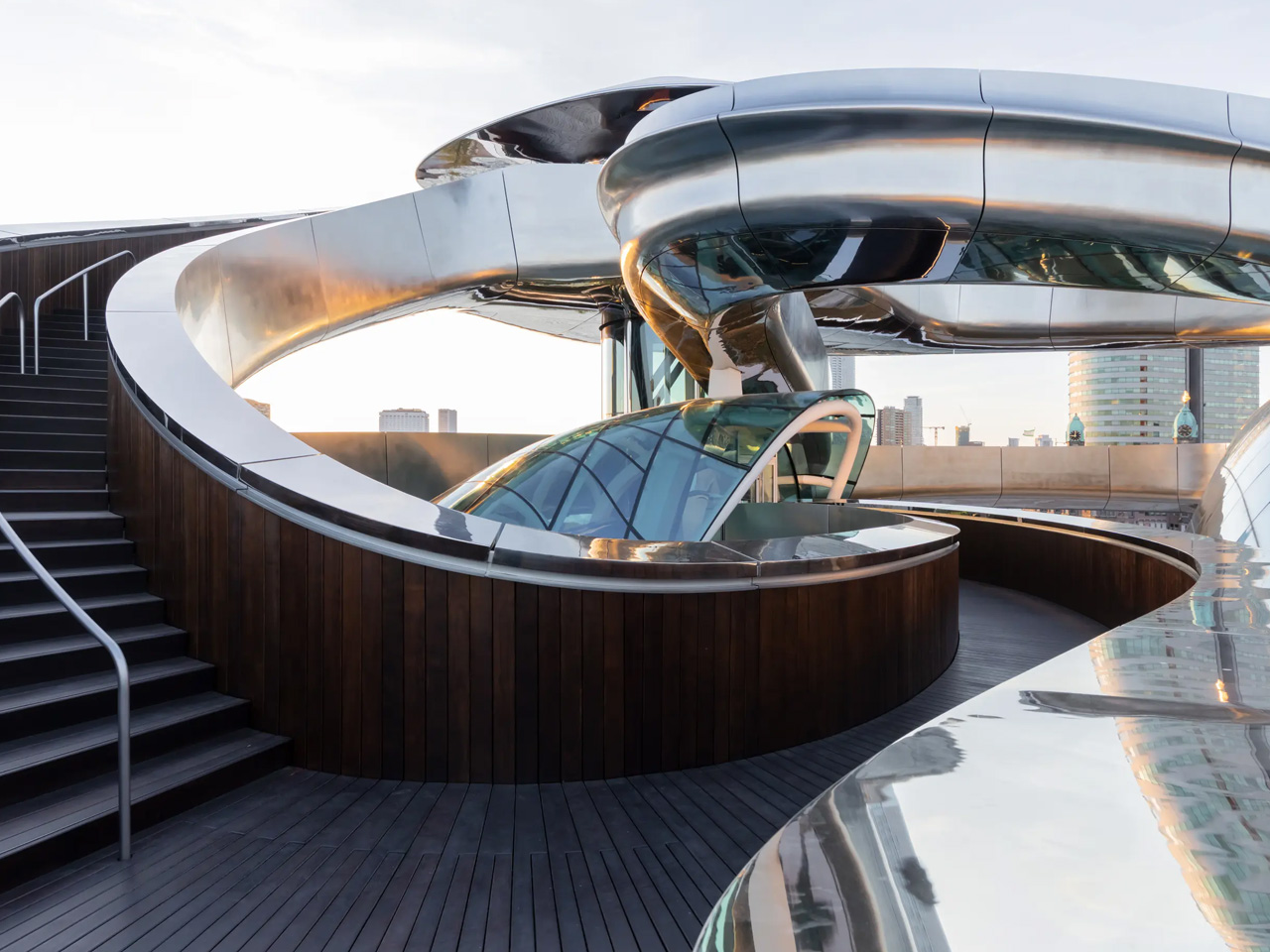
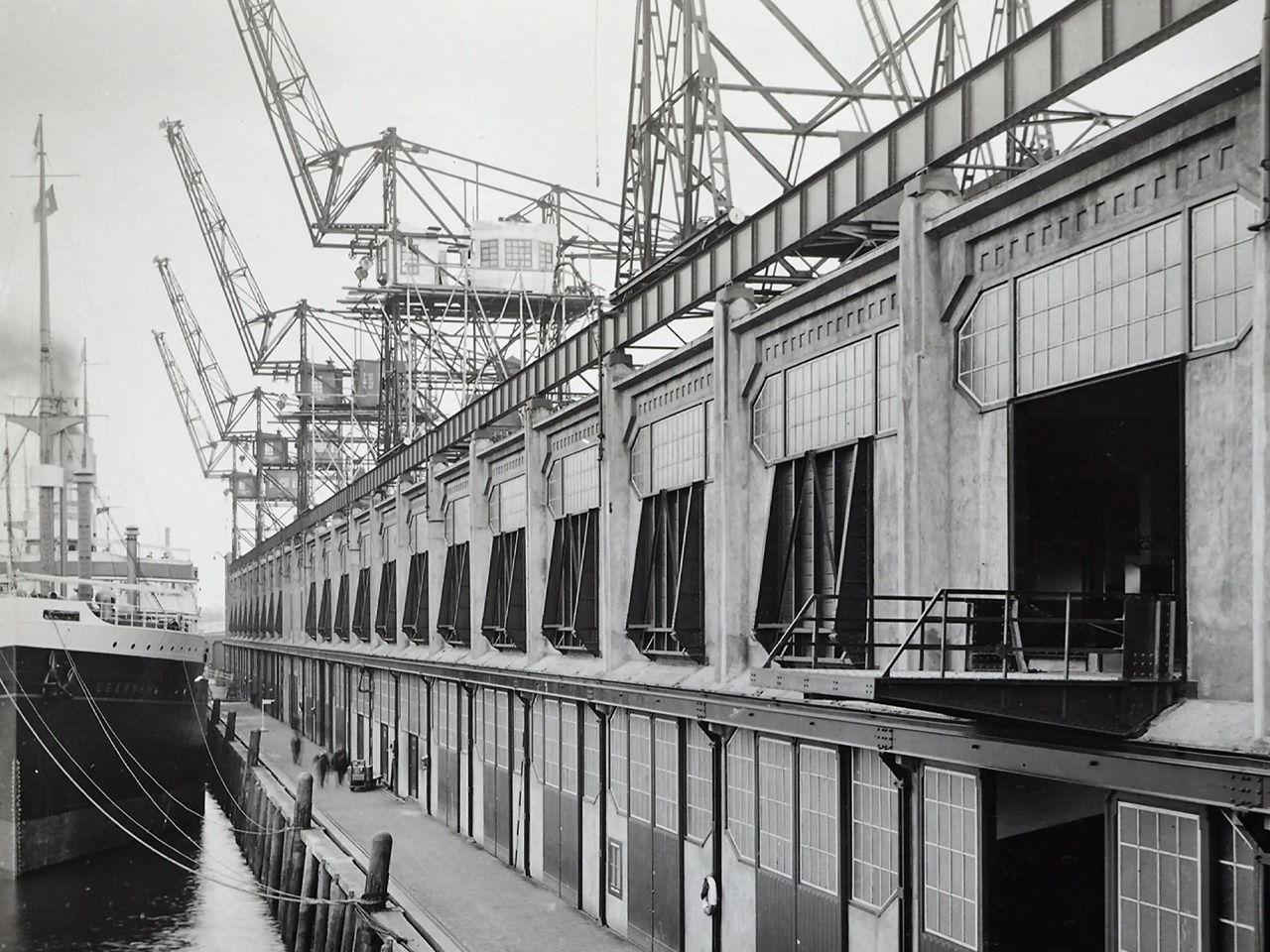
A century-old warehouse on Rotterdam’s Katendrecht peninsula has found new life as the Fenix Museum of Migration, designed by MAD Architects. The transformation of this 1923 structure into a vibrant museum addresses both the city’s multicultural history and today’s need for resilient, energy-conscious buildings. With its double-helix “Tornado” staircase spiraling to a rooftop platform, Fenix is more than an architectural showpiece—it’s a statement about how heritage buildings can adapt to contemporary urban needs.
The Fenix project demonstrates that historic architecture need not remain frozen in time. Instead, layers of history are preserved alongside new interventions, combining exposed concrete and original walls with the luminous, reflective staircase. By retaining much of the warehouse’s industrial character, the design honors the building’s past while introducing elements that support modern life, like new public gathering spaces and efficient infrastructure.
Designer:
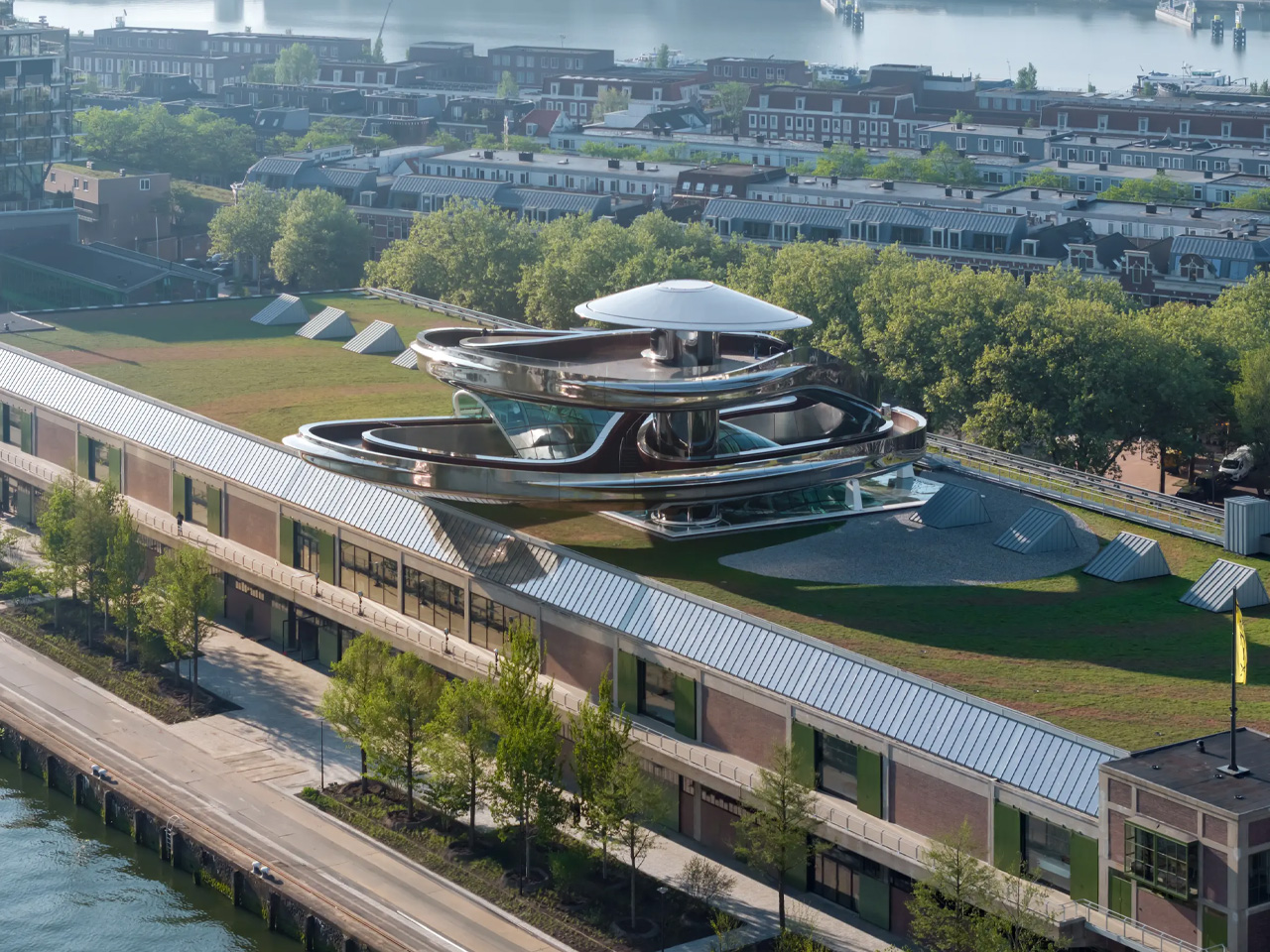
Energy efficiency and sustainability are increasingly essential in urban redevelopment, and Fenix responds with thoughtful adaptation. Adaptive reuse avoids the significant emissions and waste generated by demolition and new construction. The museum’s design leverages the existing structure, reducing the project’s ecological footprint while integrating up-to-date systems for lighting, climate, and accessibility. This approach shows how old buildings can be part of a city’s sustainable future. It also features a thermal energy system with a heat pump, as well as a lovely green roof.
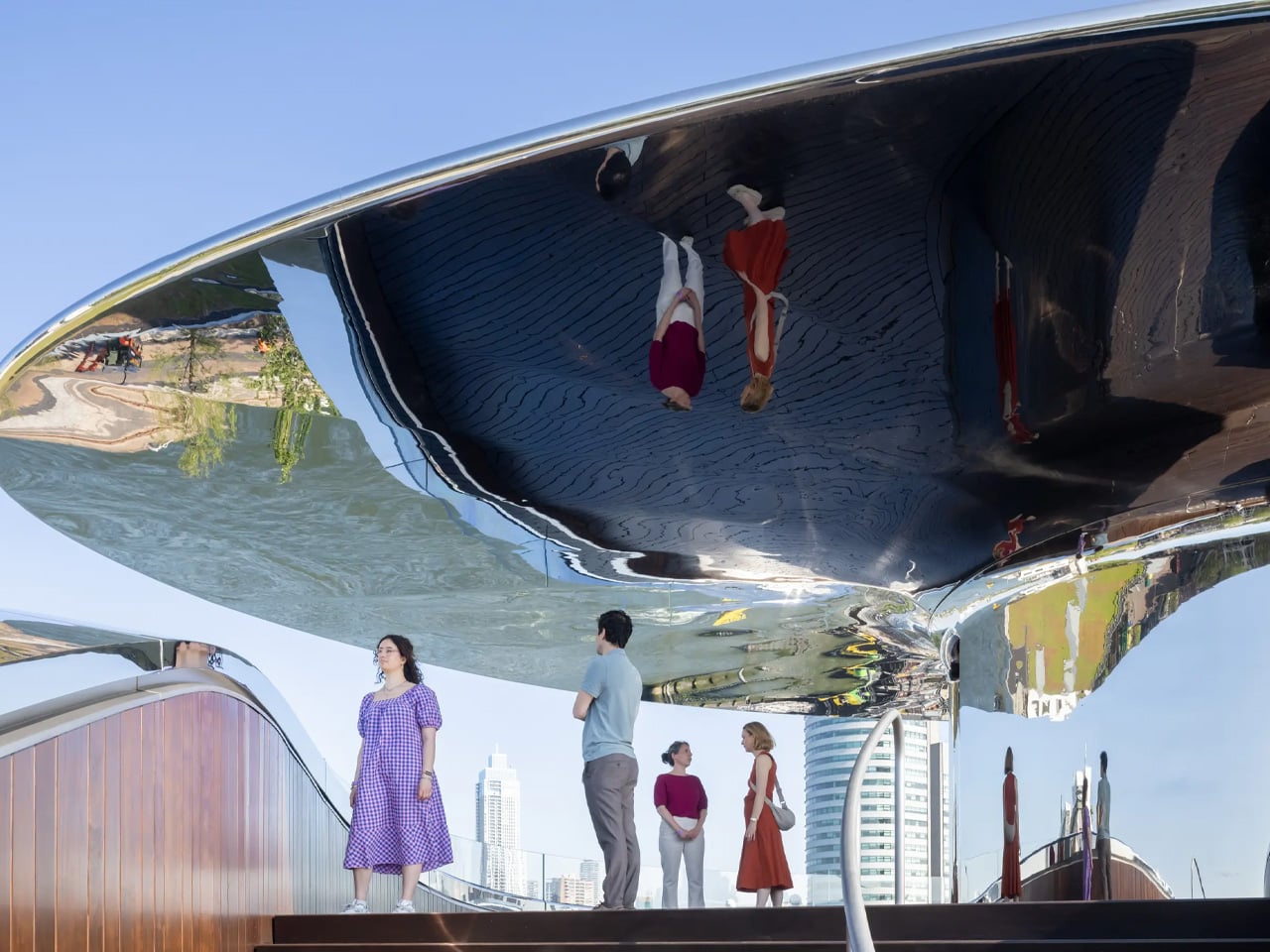
MAD Architects’ intervention doesn’t simply layer new atop old; it weaves the story of migration and movement into every visitor’s journey. The Tornado staircase, with its mirrored skin, reflects both the Rotterdam skyline and the people who ascend it, making visitors conscious of their role in the ongoing story of migration. The rooftop platform offers a literal and metaphorical vantage point, connecting past departures to present-day arrivals.
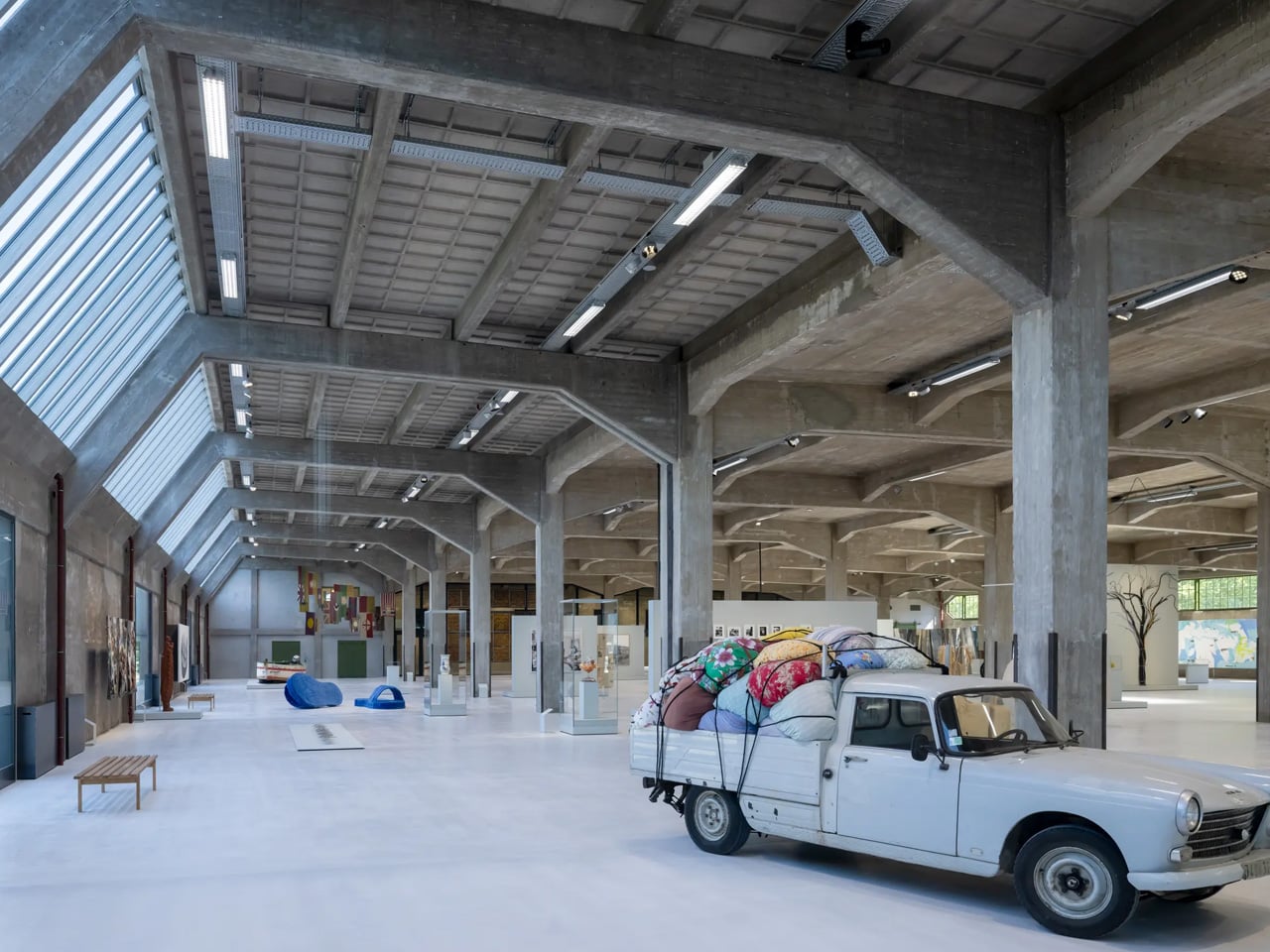
The ground floor, conceived as an indoor city square, brings a sense of openness and connection that’s rare in former industrial sites. Fenix’s inclusion of cafes, bakeries, and community spaces shows that these projects are about more than preserving bricks and mortar—they’re about making places where people want to gather, learn, and interact. In doing so, the museum becomes a civic anchor, inviting Rotterdammers of every background to engage with their city’s layered history.
The transformation of Fenix also brings new opportunities for education and engagement around sustainability. Visitors encounter stories of migration and also learn how thoughtful renovations can reduce environmental impact and extend the lifespan of existing buildings. By showcasing modern systems discreetly woven into the historic fabric, the museum offers a living example of how energy efficiency and heritage preservation can go hand in hand. This approach encourages both architects and the public to see old structures as valuable resources for creative, sustainable city-making.
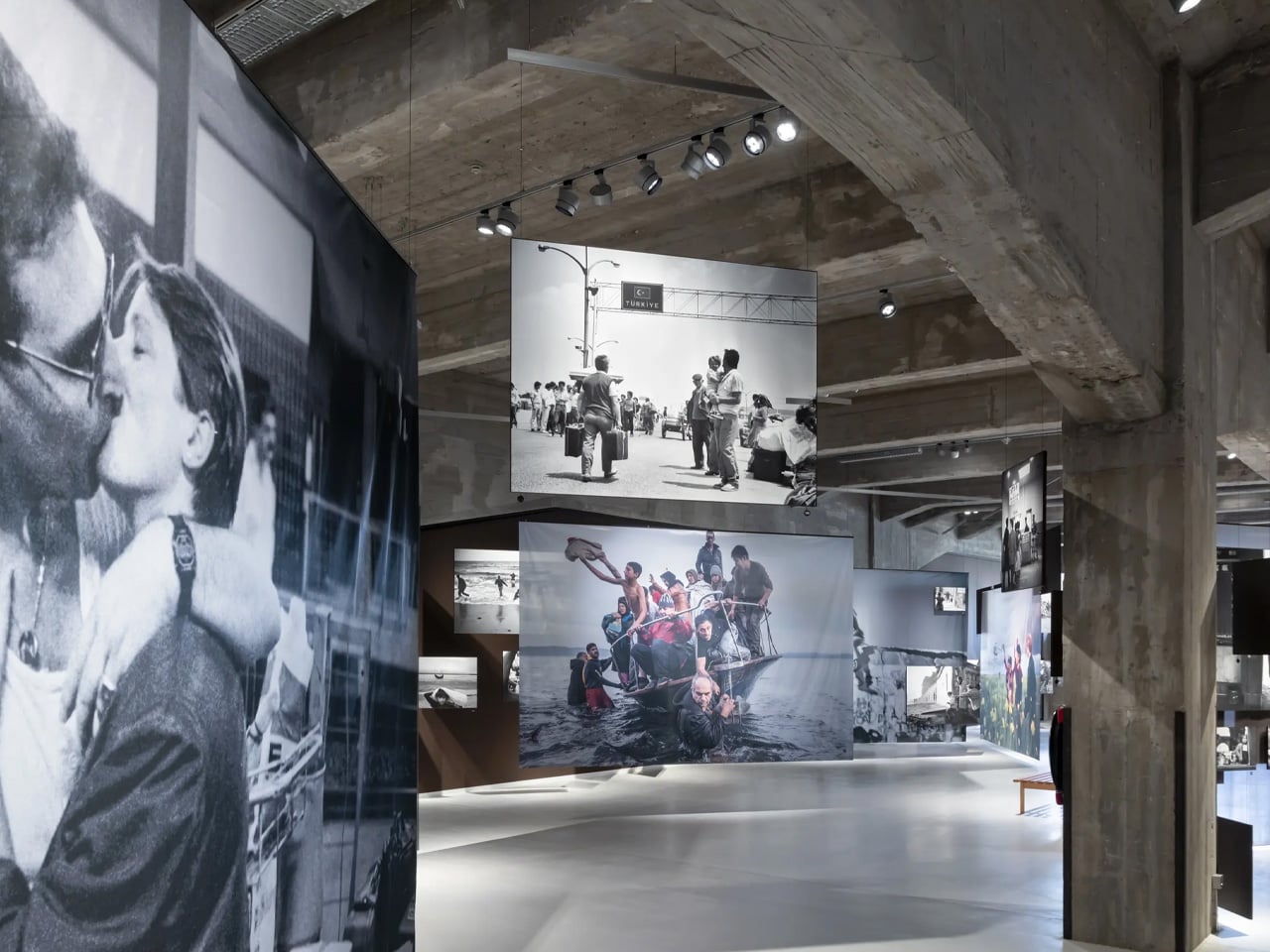
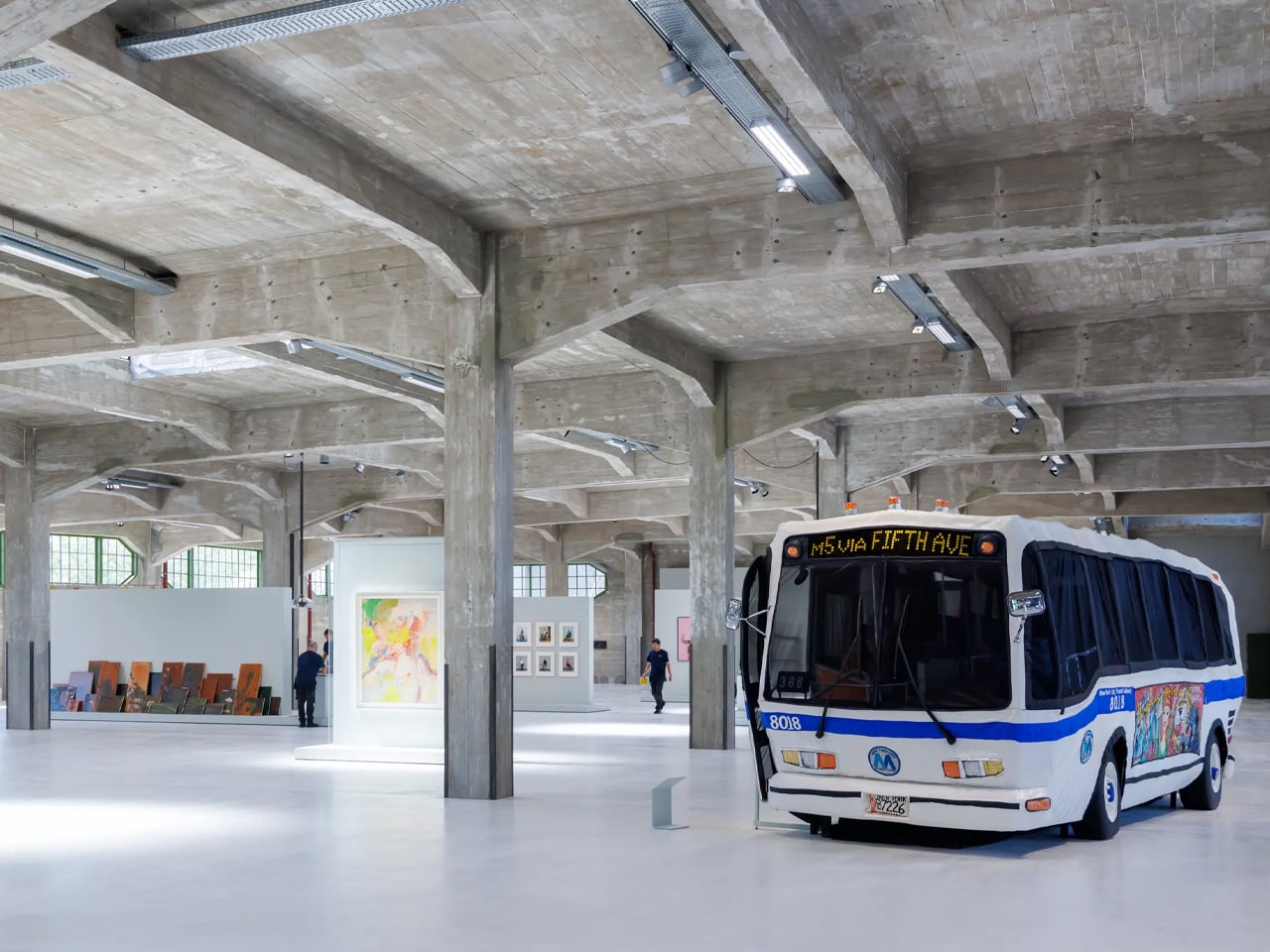
Fenix’s transformation signals a broader trend in how cities approach their architectural heritage. Instead of viewing aging buildings as obstacles to progress, projects like this show how they can become catalysts for social and environmental renewal. Through careful design, technical upgrades, and public programming, the Fenix Museum of Migration is both a reminder of the journeys that shaped Rotterdam and a model for the ways historic spaces can support thriving, sustainable urban life.
The post first appeared on .
Related Posts