Windows have long been the weak link in building design, bleeding energy while creating uncomfortable glare for city dwellers. Professor Hong Chul Moon’s team at KAIST has developed RECM technology that transforms this fundamental architectural element into an active climate control system. The Reversible Electrodeposition and Electrochromic Mirror system operates through three distinct modes, each responding to electrical signals with the precision that modern architecture demands. The system completely reinvents how windows function within the built environment.
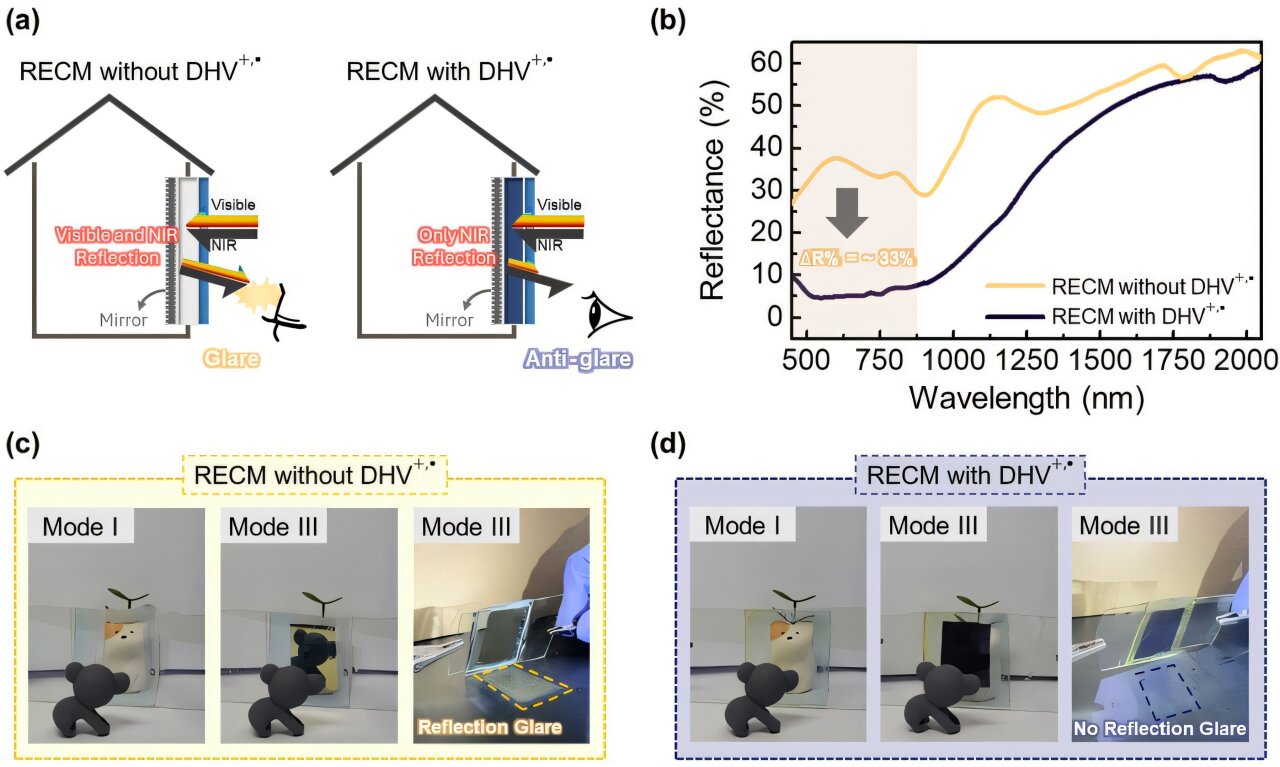
The technology’s three-mode operation reveals its sophisticated functionality. Transparent mode allows full light and heat transmission. Colored mode transforms the glass into a deep blue filter, absorbing light while controlling heat transfer for privacy and temperature regulation. Deposition mode creates a reflective surface that blocks both light and heat while eliminating the harsh glare that plagues urban environments. Each transition happens through electrical control, offering the kind of responsive functionality that minimal design principles celebrate. It can reduce indoor temperatures by 27.2°C, making it a true energy-conscious design.
Designer: Professor Hong Chul Moon & team at
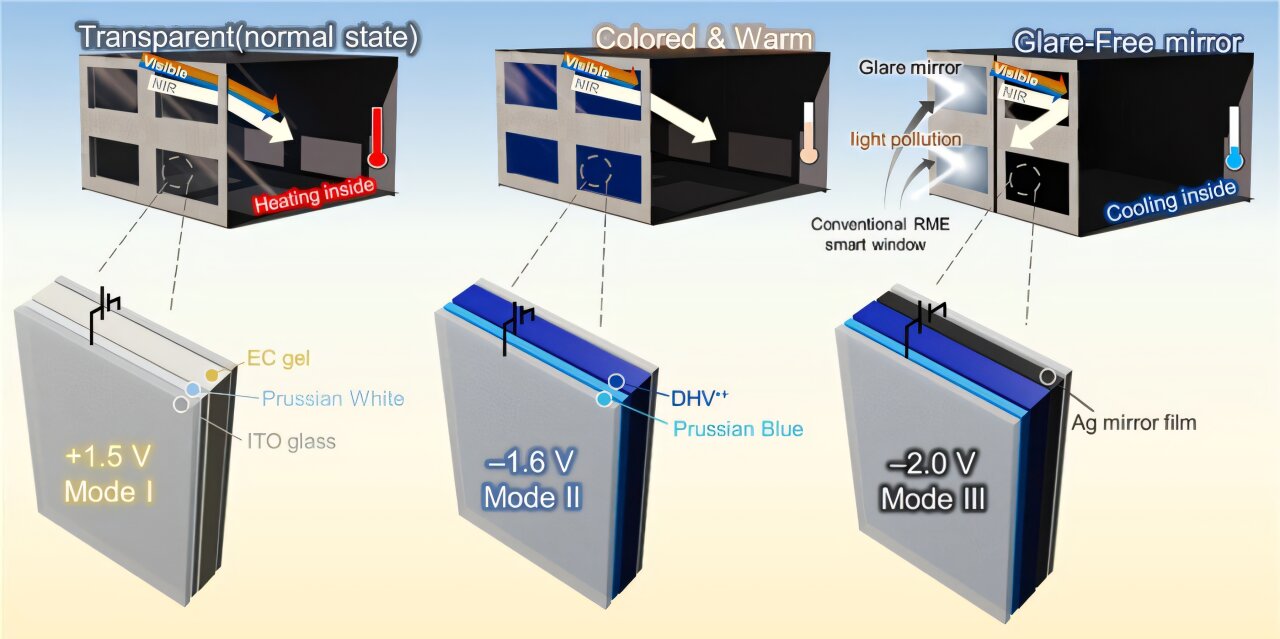
Testing reveals the system’s impressive efficiency in real-world applications. Standard glass windows pushed indoor temperatures to 58.7°C within 45 minutes, while RECM technology maintained a comfortable 31.5°C under identical conditions. The reduction in reflected light intensity addresses the urban glare problem that has long compromised pedestrian safety and comfort. This dual functionality—indoor climate control paired with exterior urban consideration is a true specimen of thoughtful architectural design.
RECM’s integration potential extends beyond static building applications. Transportation environments, from urban vehicles to rail systems, benefit from the same light and heat control capabilities. The technology’s electrical signal operation means seamless integration with building management systems, allowing for programmed responses to seasonal changes, time of day, and specific user preferences.
FAQs
1. What is smart window technology?
Smart window technology refers to advanced glazing systems that actively control the amount of light and heat passing through a window. Unlike traditional glass, these systems use electrically responsive materials—such as the Reversible Electrodeposition and Electrochromic Mirror (RECM) developed by Professor Hong Chul Moon’s team—to switch between transparent, colored, and reflective modes. This allows windows to function as dynamic climate control elements, reducing energy loss, minimizing glare, and enhancing comfort in both residential and urban environments.
2. How do smart windows work?
Smart windows operate by changing their optical properties in response to electrical signals. The RECM system, for example, features three modes as mentioned. Transitions between these modes are triggered by electrical input, enabling the window to adapt instantly to changing conditions or user preferences.
3. What are the disadvantages of smart glass?
While smart glass technologies like RECM offer benefits, there are some drawbacks to consider as well:
- Smart windows require electrical power to switch modes, which means they consume energy and may not function during outages.
- Installation costs are typically higher than for traditional windows, due to advanced materials and integration requirements.
- Integration with building management systems and ensuring seamless operation can add complexity to design and maintenance.

The post first appeared on .
Related Posts