Last Updated on March 12, 2026 by
Mold and mildew in the attic often result from moisture buildup, poor ventilation, and insulation issues. Identifying these problems early can prevent costly damage to your home. Look for signs like musty odors, water stains, or frost accumulation during cold weather. Addressing attic mold and mildew requires improving airflow, managing humidity levels, and ensuring proper insulation. By taking preventative steps, you can protect your attic from long-term structural issues caused by moisture-related challenges.
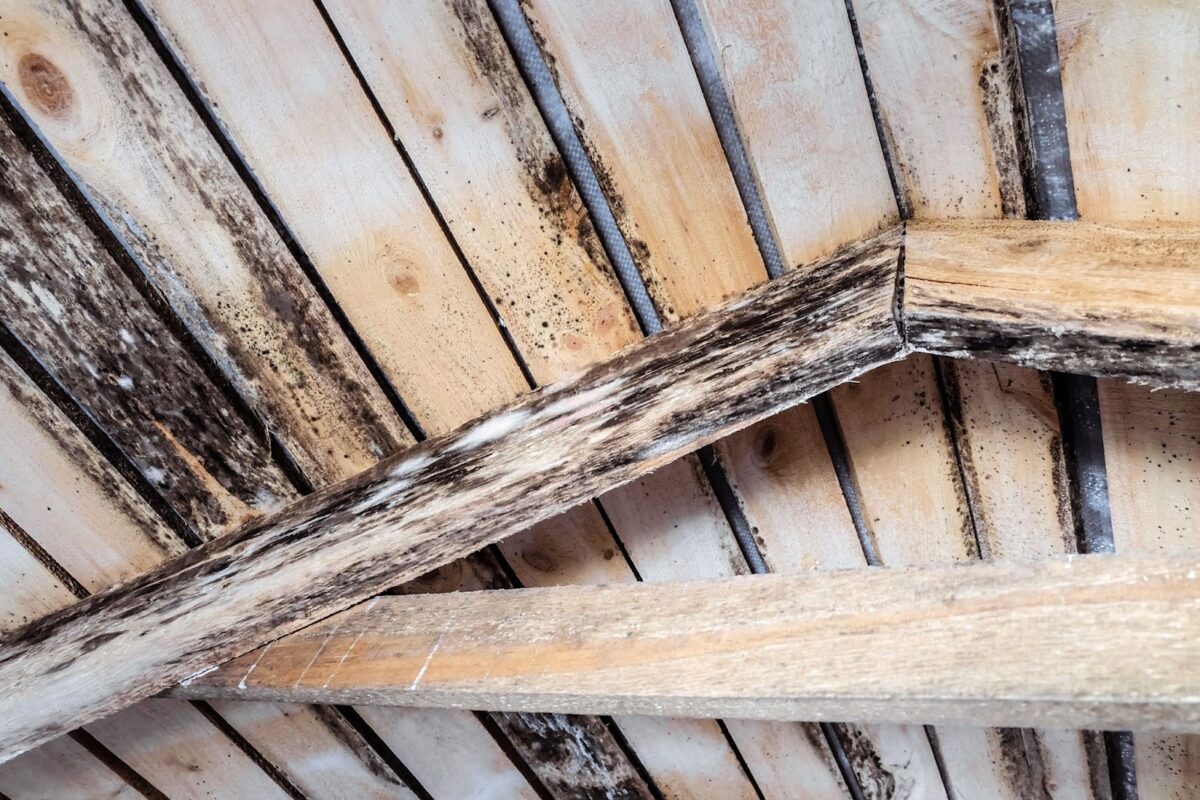
Table of Contents
- Understanding Attic Mold and Mildew: Causes and Risks
- Signs of Mold and Mildew Growth in Your Attic
- Steps to Address Existing Mold and Mildew Problems
- Final Thoughts on Protecting Your Attic from Mold and Mildew
Mold and mildew in attics are more than just unsightly problems – they can lead to significant structural damage and health concerns if left unaddressed. These issues often arise when moisture accumulates due to poor ventilation, inadequate insulation, or humidity escaping from living spaces. Over time, this trapped moisture creates the perfect environment for mold and mildew to thrive, compromising both air quality and your home’s integrity.
For homeowners, understanding the causes of attic mold and mildew is the first step toward prevention. Proper attic ventilation plays a critical role in managing moisture levels, as highlighted by specialists offering . By addressing these underlying issues, you can protect your property from long-term damage while improving energy efficiency.
Understanding Attic Mold and Mildew: Causes and Risks
is often a symptom of deeper issues related to moisture and ventilation. These problems can escalate quickly, especially in regions with cold climates where frost accumulation and attic condensation are common. Understanding the causes and risks associated with attic mold and mildew is essential for preventing long-term damage to your home.
Common Causes of Attic Mold and Mildew
Several factors contribute to the development of mold and mildew in attics. Below are the primary culprits:
- Moisture Buildup: Excess humidity from daily activities like cooking, showering, or laundry can rise into the attic if not properly vented.
- Poor Ventilation: Insufficient airflow allows warm, moist air to become trapped, creating an ideal environment for mold spores to thrive.
- Insulation Issues: Gaps or improper insulation can lead to temperature imbalances, causing condensation on surfaces.
- Frost Accumulation: In colder climates, frost forms when warm air meets freezing attic temperatures. When this frost melts, it adds moisture to the space.
Risks of Ignoring Attic Mold and Mildew
Ignoring these issues can lead to significant consequences, both structural and health-related:
- Structural Damage: Prolonged exposure to moisture weakens wooden beams, roof structures, and ceiling materials, potentially leading to costly repairs.
- Health Concerns: Mold spores can spread through the air, aggravating allergies, asthma, and other respiratory conditions for occupants.
- Energy Inefficiency: Moisture-laden insulation loses its effectiveness, forcing HVAC systems to work harder and increasing utility bills.
By addressing these root causes early, homeowners can mitigate risks and maintain a healthier, more energy-efficient living environment.
Signs of Mold and Mildew Growth in Your Attic
Detecting mold and mildew early is crucial to preventing further damage. These issues often develop silently, but there are clear indicators that can help homeowners identify them before they escalate. By staying vigilant and knowing what to look for, you can address moisture-related problems promptly and protect your home.
Visual Indicators of Mold and Mildew
Mold and mildew leave behind physical signs that are often easy to spot if you know where to look. Below are some common visual cues:
- Discoloration on Wood or Insulation: Black, green, or brown spots on wooden beams, insulation, or other surfaces indicate mold growth.
- Water Stains on Ceilings: Yellowish or brownish stains suggest past or ongoing moisture infiltration.
- Frost Accumulation: In colder climates, frost buildup on attic surfaces can melt and create damp conditions, leading to mold.
- Peeling or Buckling Paint: This may signal underlying moisture issues causing structural damage.
Odor and Air Quality Changes
Mold and mildew produce distinct odors and impact indoor air quality. Pay attention to these sensory signs:
- Musty Smell: A persistent earthy or musty odor in the attic or upper levels of your home is a strong indicator of mold.
- Increased Humidity Indoors: Excessive moisture in the air can be a precursor to attic condensation and mold growth.
Structural and Functional Signs
Beyond visual and sensory clues, certain functional issues can also point to mold and mildew:
- Dripping Water or Moisture: During temperature fluctuations, melting frost may cause water to drip from attic surfaces.
- Damaged Insulation: Wet or compacted insulation loses its effectiveness and creates an environment conducive to mold spores.
Addressing these signs promptly can prevent further complications. For instance, improving attic ventilation and managing moisture levels are key steps in mitigating mold risks.
Steps to Address Existing Mold and Mildew Problems
If mold and mildew have already taken hold in your attic, it’s important to act quickly to prevent further damage. Addressing these issues involves a combination of removing existing growth, identifying the root cause, and implementing long-term solutions. Below is a step-by-step guide to help you tackle this challenge effectively.
Step 1: Assess the Extent of the Problem
Before taking action, evaluate the severity of the mold and mildew growth:
- Inspect Affected Areas: Check for visible mold on surfaces like wood beams, insulation, and ceiling panels.
- Identify Moisture Sources: Look for signs of water infiltration, such as leaks, condensation, or frost accumulation.
- Consider Professional Help: For extensive mold growth or structural damage, consulting specialists in attic moisture control can provide a comprehensive assessment.
Step 2: Remove Mold and Mildew Safely
Proper removal is critical to prevent health risks and make sure thorough cleaning:
- Wear Protective Gear: Use gloves, masks, and goggles to protect yourself from mold spores during cleanup.
- Clean Affected Surfaces: Use a mixture of water and vinegar or a non-toxic cleaning solution to scrub mold off hard surfaces. Avoid harsh chemicals that may damage materials.
- Replace Damaged Insulation: If insulation is waterlogged or heavily contaminated, it should be removed and replaced to restore energy efficiency.
Step 3: Address Underlying Causes
Removing mold alone won’t solve the problem if the root cause isn’t addressed:
- Upgrade Ventilation Systems: Install or improve intake and exhaust vents to promote airflow and reduce moisture buildup.
- Seal Air Leaks: Inspect and seal gaps in the attic floor or ceiling to prevent warm, moist air from escaping into the attic.
- Redirect Bathroom Fans: Make sure bathroom and kitchen fans vent directly outside rather than into the attic to avoid introducing excess humidity.
Step 4: Prevent Future Recurrence
Once the immediate issue is resolved, focus on long-term prevention strategies:
- Monitor Humidity Levels: Use a hygrometer to track attic humidity and maintain levels below 60% to discourage mold growth.
- Schedule Regular Inspections: Periodic checks can help identify and address potential problems before they escalate.
By following these steps, homeowners can not only resolve current mold and mildew issues but also create a more resilient attic environment.
Final Thoughts on Managing Attic Mold and Mildew Effectively
Addressing attic mold and mildew requires a combination of early detection, proper ventilation, and preventative measures. By understanding the causes – such as moisture buildup and poor airflow – homeowners can take proactive steps to protect their attics from damage.
Upgrading insulation, sealing air leaks, and guaranteeing adequate roof vents are all critical strategies to maintain a healthy attic environment. With attention to these details, you can prevent attic mold and mildew issues, preserving both your home’s structural integrity and indoor air quality for the long term.
Related Posts