Storing massive amounts of data in the modern world is a lot more complicated and expensive than it would seem, given the persistence of the internet, which now dates back . Hard disk drives are relatively easy to break due to regular usage, and they only last an average of five years before becoming inoperable – making the information stored within disappear forever. Keeping the internet alive over the years requires a ton of electricity, and not just in terms of manufacturing and shipping new storage drives. Simply operating the massive arrays of computers where data is stored creates a tremendous , contributing significantly to .
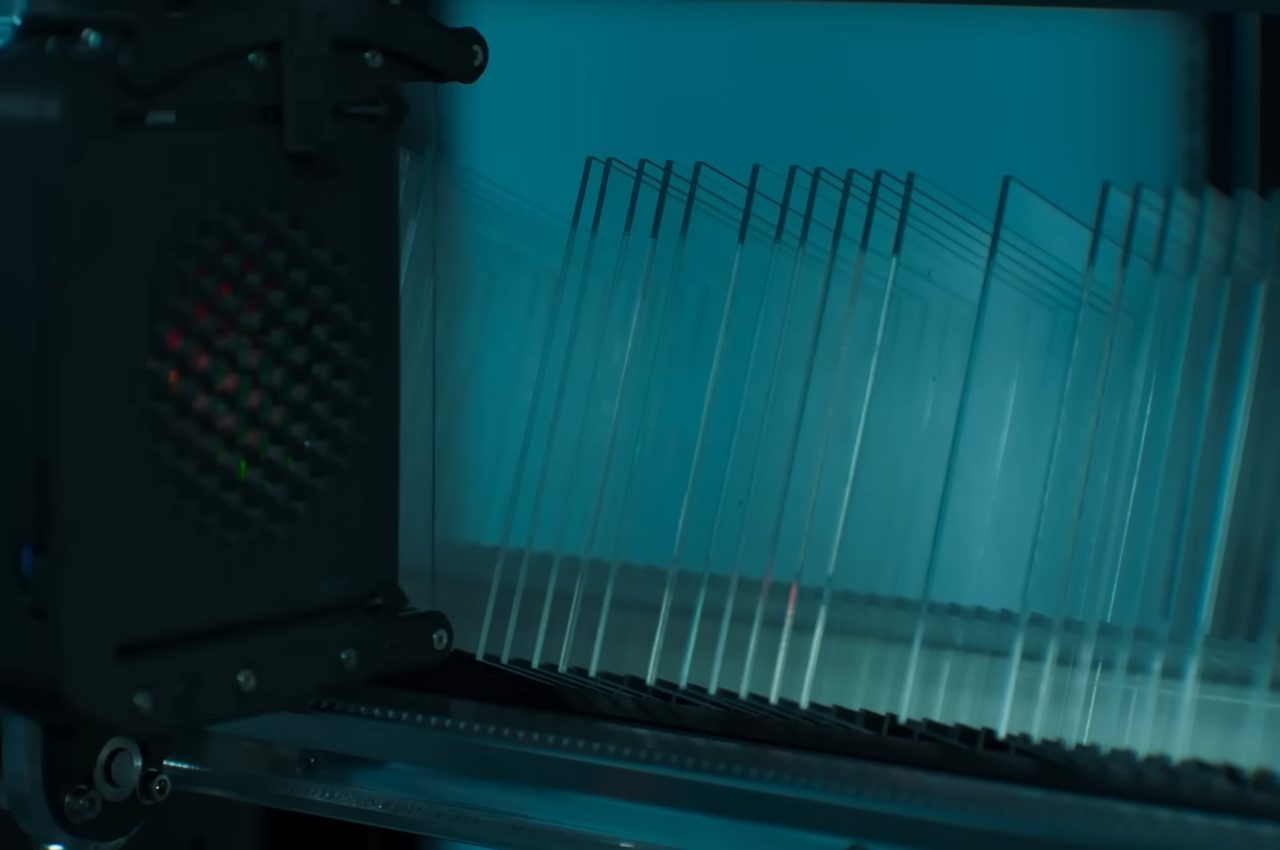
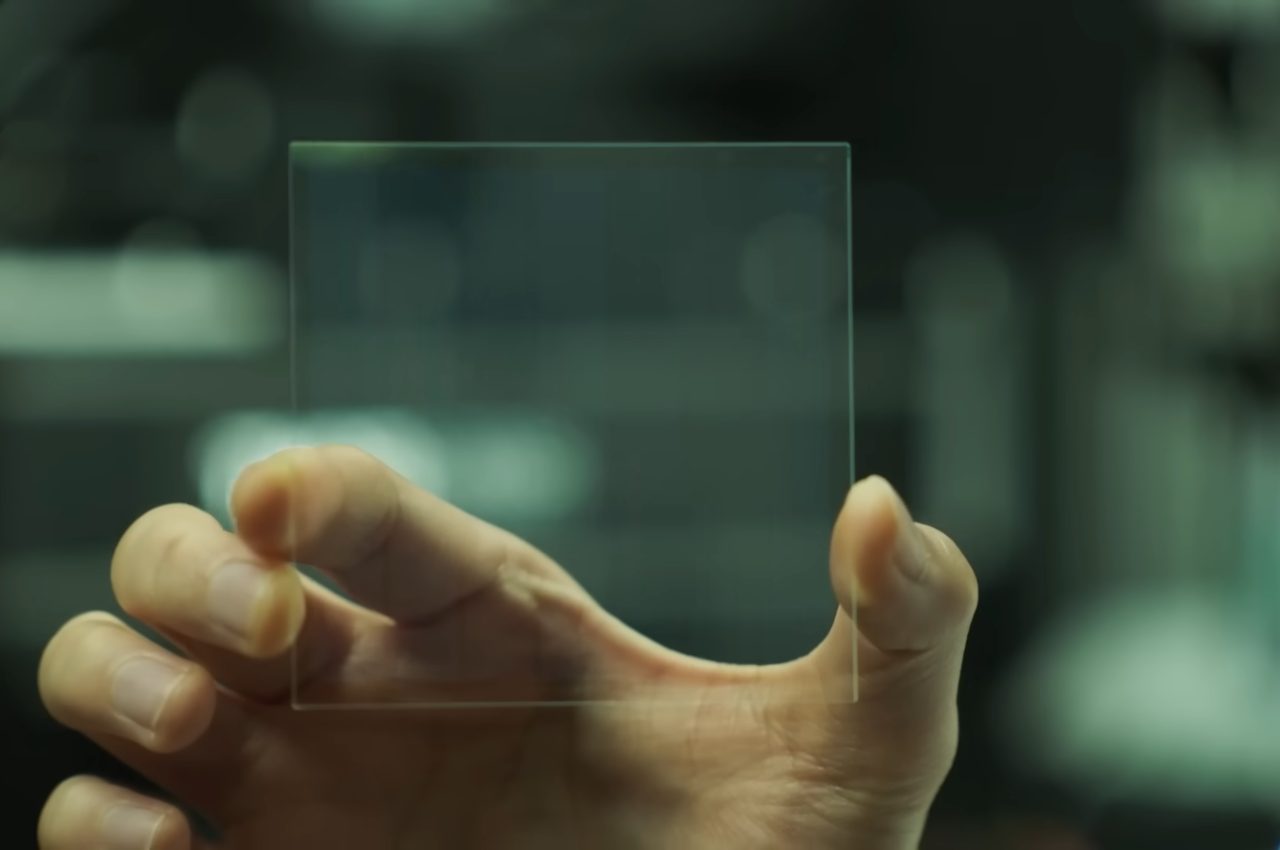
Microsoft’s wants to solve one piece of that puzzle: data archival. The team behind Project Silica has been busy figuring out how to archive impressive quantities of data away in a physical vault that requires minimal amounts of electricity to maintain. In the automated vault, shelves of individual glass sheets storing up to 7 terabytes each (that’s over 1.75 million songs, according to Microsoft) are accessible by robotic servos that can track down a given sheet, then bring it back to a physical reader that transmits the data inside over the cloud. The only catch: once data is written to a glass sheet, that sheet can never be written over again.
Designer:
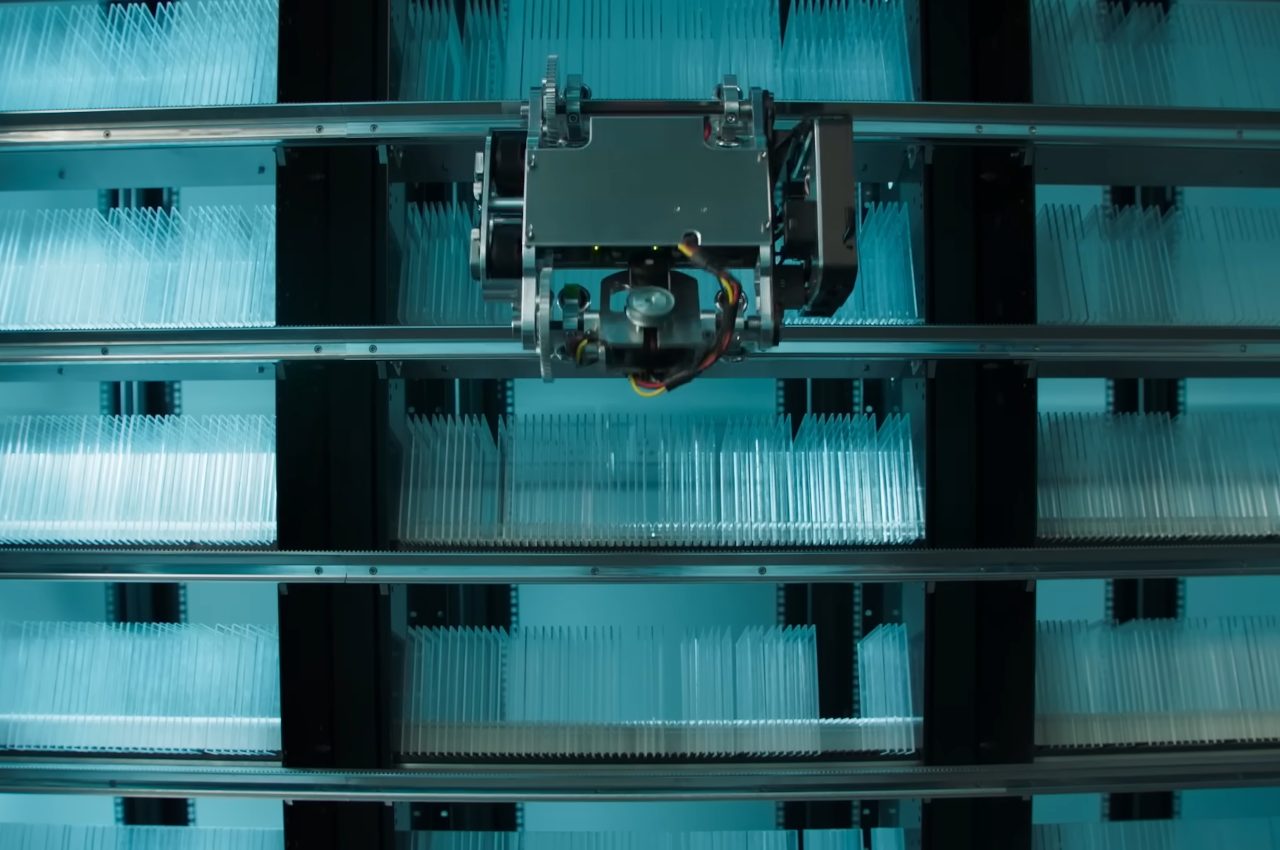
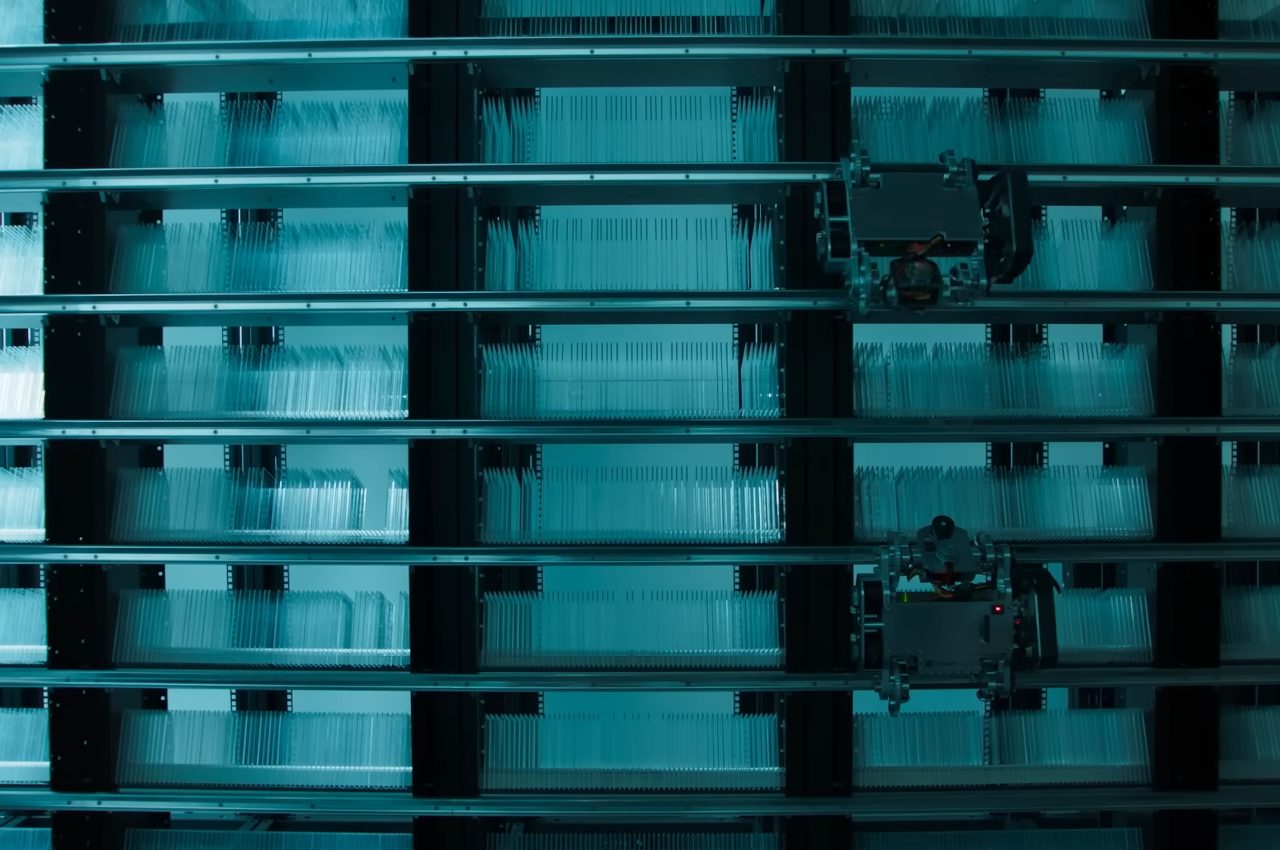
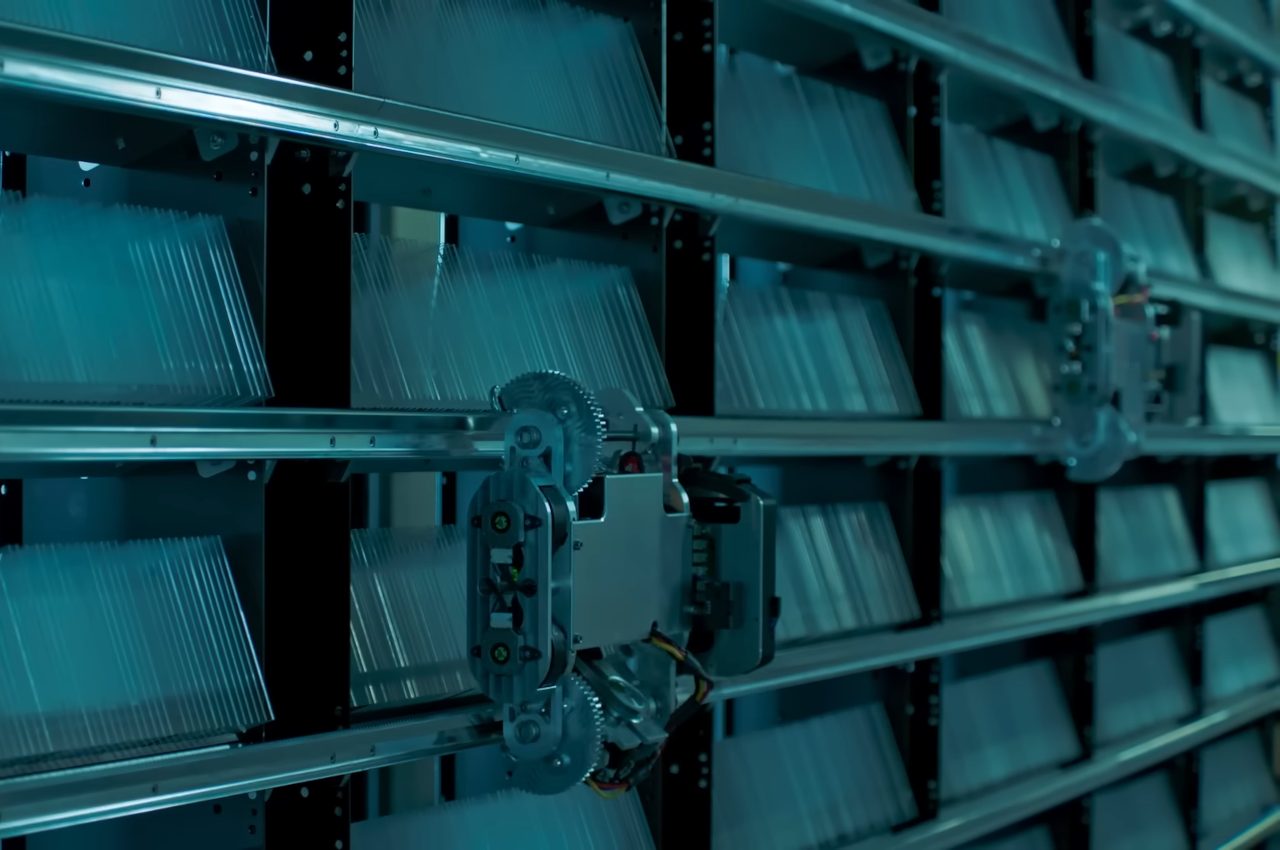
An “ultrafast femtosecond laser” modifies the shape of the glass plates as it writes, storing information in – 3D pixels that can store volumetric information. These voxels are encoded into the body of the glass, and can only be read with a quick-moving microscope that works similarly to a CD or DVD reader albeit at a much larger scale. Somewhere between those two interactions, robotic servos shuffle up and down steel rows, storing data away on shelves that look straight out of the Minority Report or The Expanse.
The entire four-step process is powered by Microsoft Azure AI, which makes sense given how complex it must be to make a foolproof automated system integrating digital and physical interactions, which is exactly what’s going on inside of the Project Silica library. Its robotic servos “climb the shelves, fetch the glass, and then zip back to the reader” before stopping to self-charge.
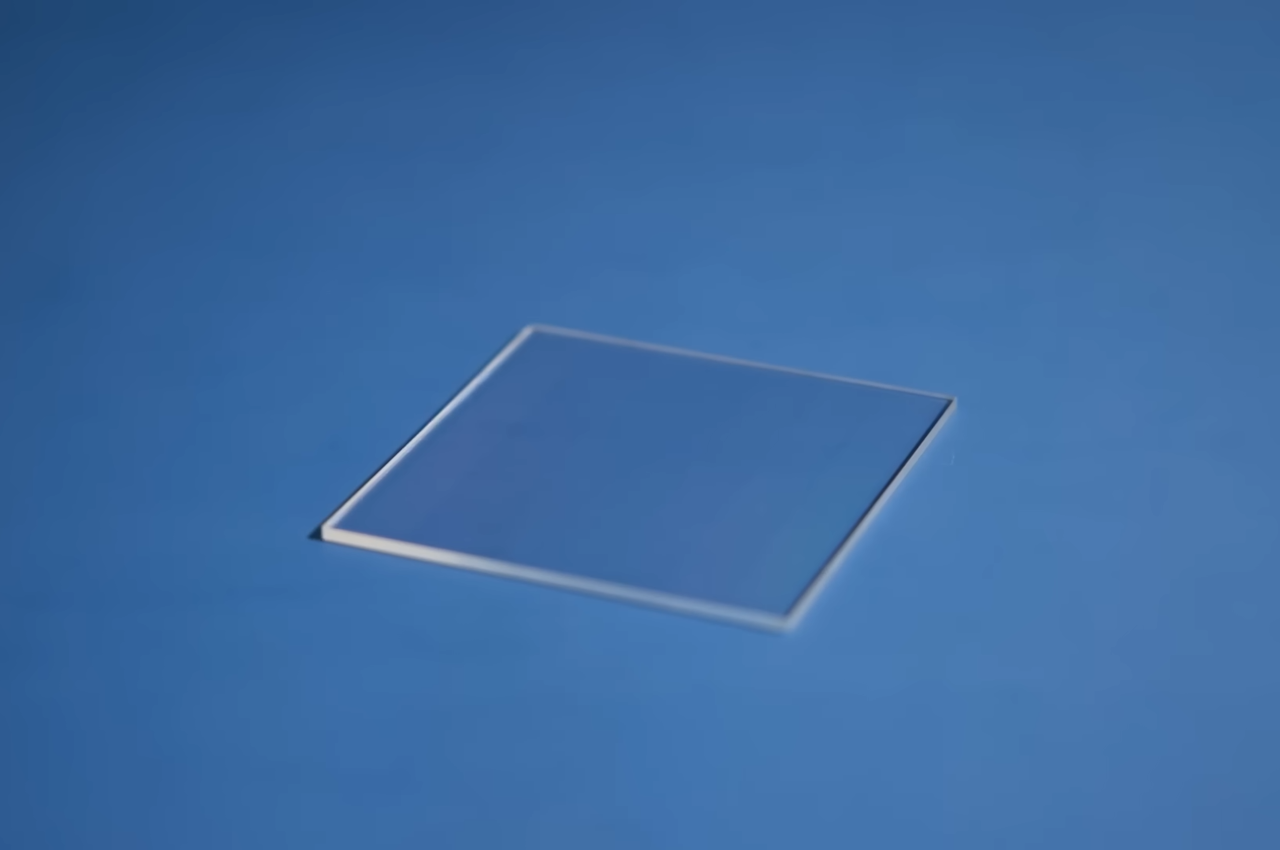

Each glass slab is designed to last for 10,000 years, which is evidently twice as long as it’s been since humanity’s oldest recorded writing was created about 5000 years ago. Even more shockingly, the entire library is “passive, with no electricity in any of the storage units” according to Microsoft.
Elire is already collaborating with Project Silica to store music in the , but the technology isn’t quite ready for widespread use. Microsoft says there are about “3-4 more developmental stages” before these glass-based libraries become the norm for long-term data storage on a commercial level, but the benefits are clear. Project Silica could represent a massive step forward in minimizing humanity’s carbon footprint while ensuring its achievements live on through the ages.
The post first appeared on .
Related Posts