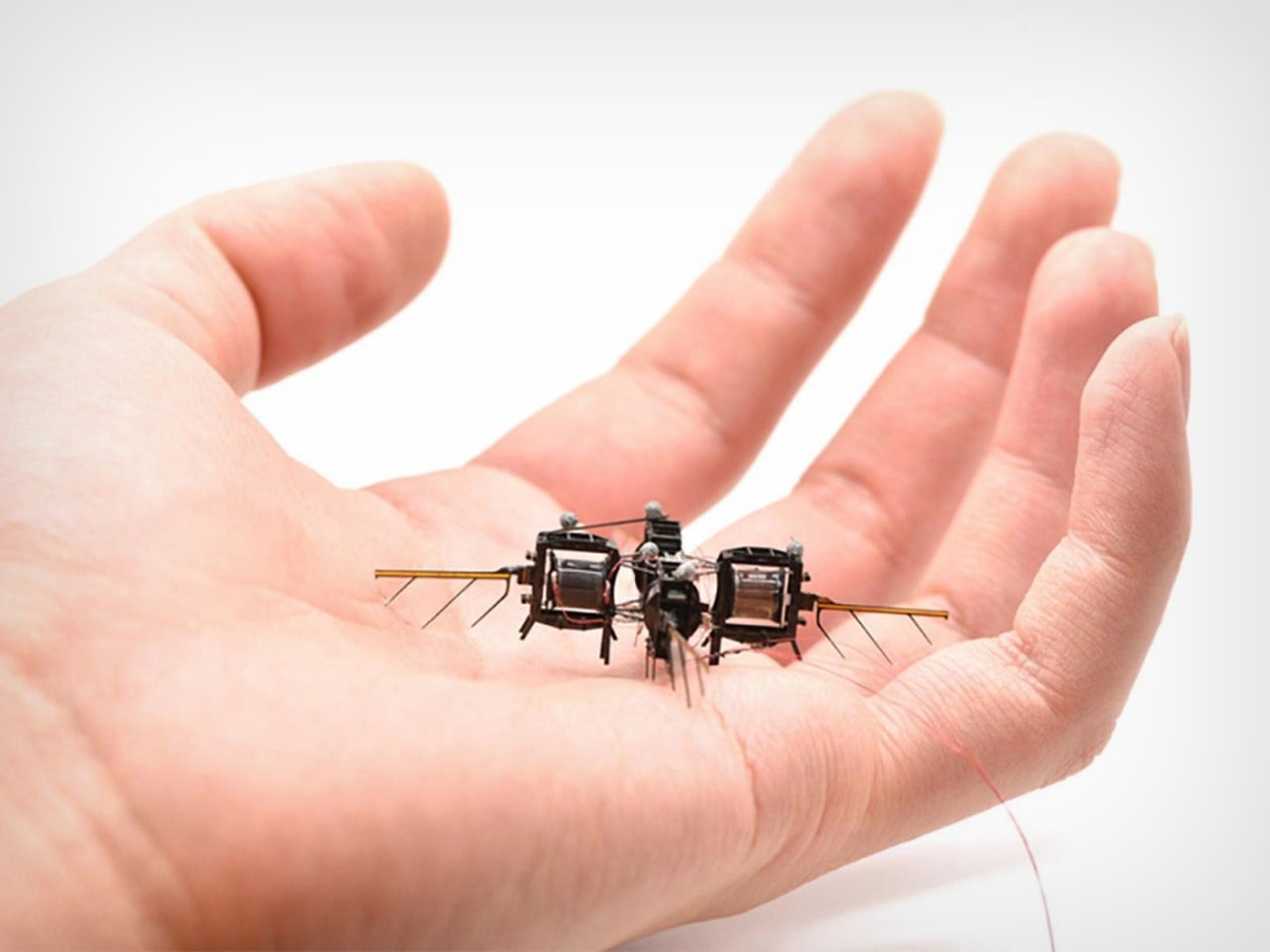
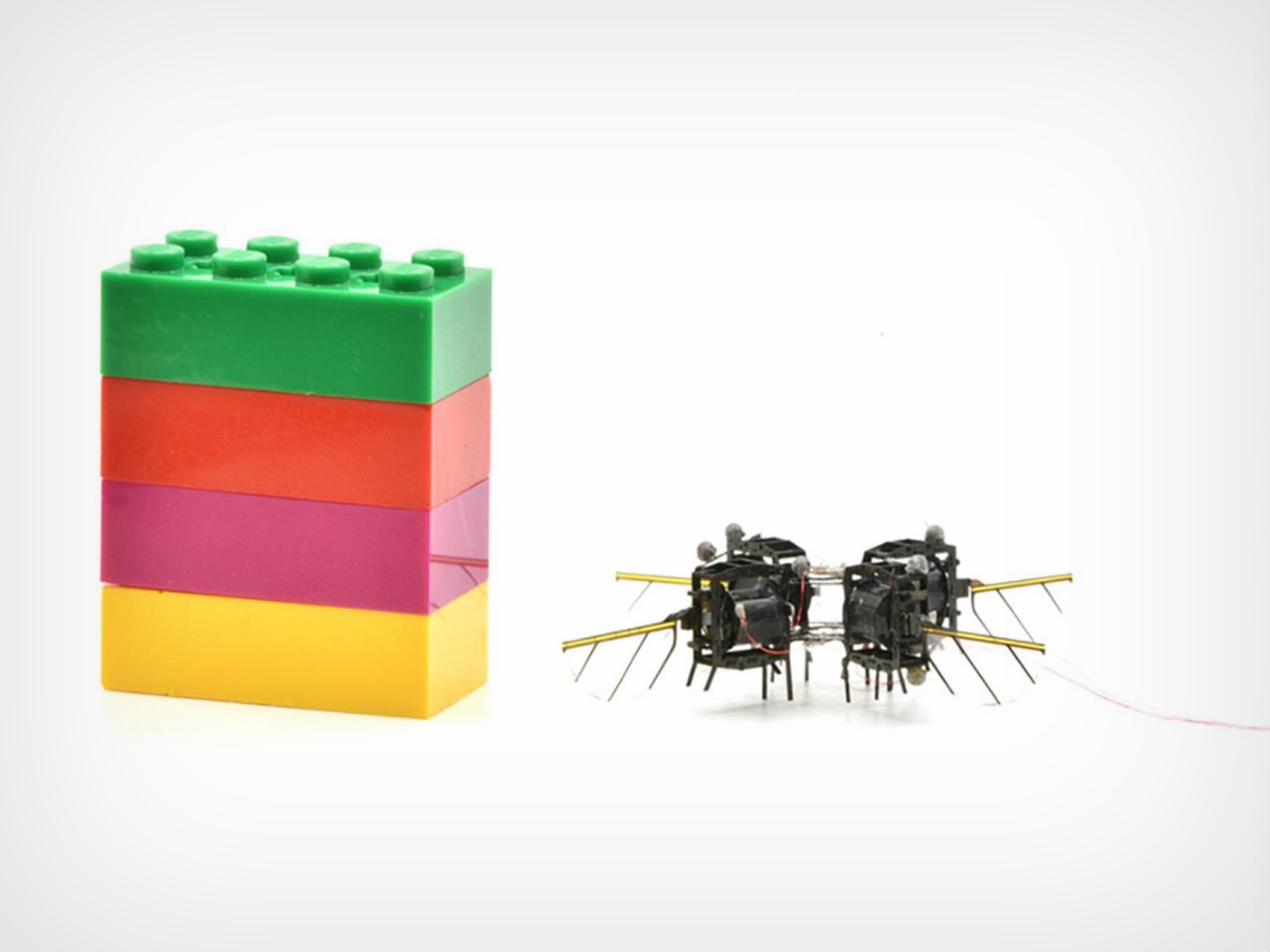
Nature has always been the best engineer. From the aerodynamics of birds to the swarm intelligence of ants, evolution has solved problems in ways that human technology is still trying to replicate. MIT’s latest creation—an insect-sized flying robot with an unprecedented 17-minute flight time—brings us a step closer to mastering the physics of nature. Weighing less than a gram and modeled after bees, these microbots are reshaping what’s possible in robotics, with implications that extend far beyond the lab.
Traditional micro-drones have long struggled with a fundamental problem: energy efficiency. The challenge isn’t just making them small and light; it’s about sustaining flight long enough for them to be useful. Until now, most insect-sized bots had a flight time measured in seconds, not minutes. MIT’s solution was a complete redesign of the wing system. By cutting the number of wings from eight to four and improving the actuators that power them, researchers reduced wasted energy and improved overall stability. The result? A bot that moves faster than a fruit fly and can perform complex maneuvers like somersaults and controlled loops—all while staying airborne for nearly 1,000 seconds.
Designer: Massachusetts Institute of Technology
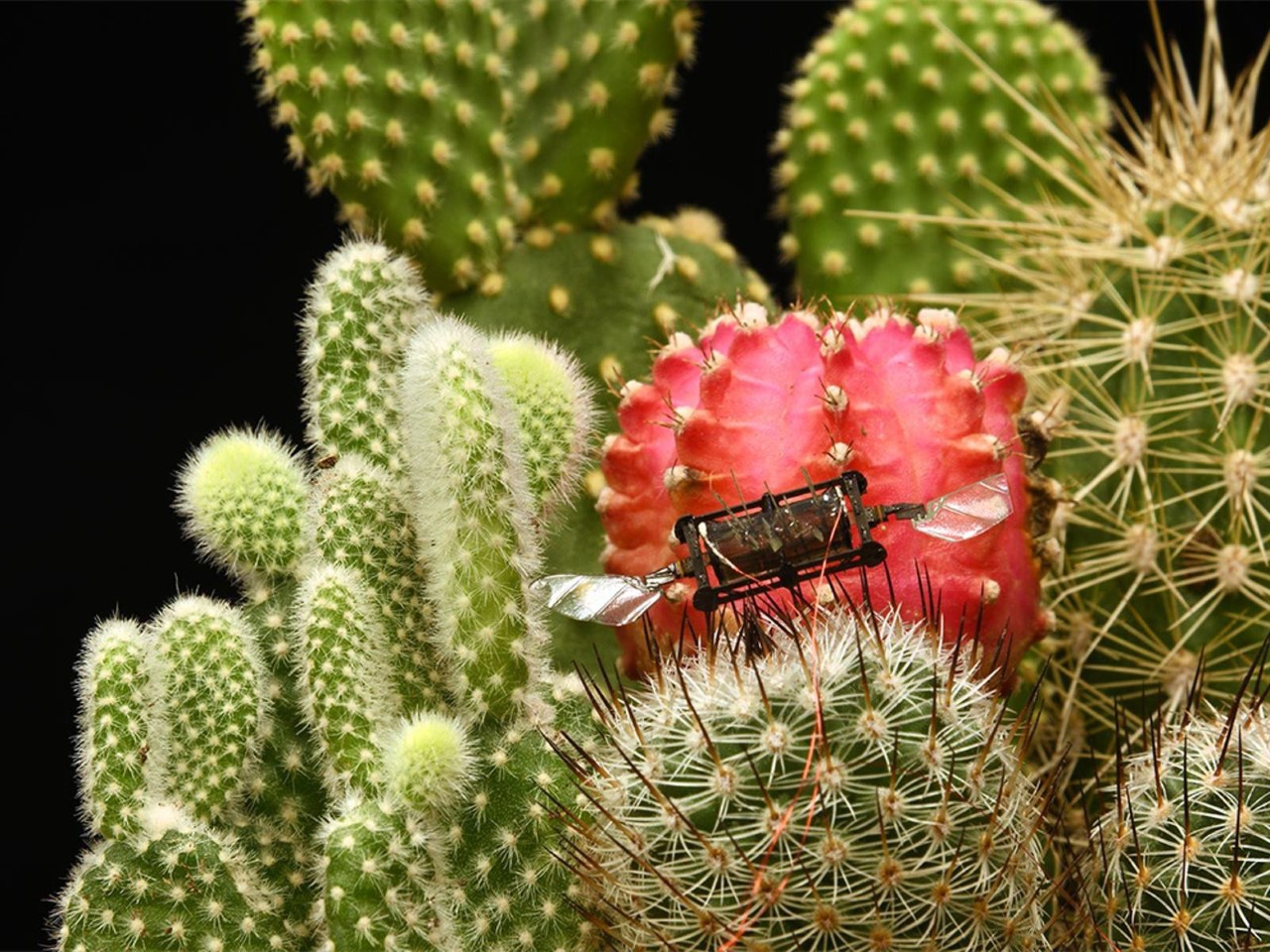
This breakthrough could reshape the future of micro-drones, particularly in environments where conventional UAVs fall short. Precision pollination is one of the most immediate applications. Bee populations worldwide are in steep decline, with commercial beekeepers reporting losses of more than 50% in recent years. Without natural pollinators, agriculture faces a major crisis. These tiny, autonomous flying machines could offer a backup plan, ensuring crops are pollinated even in the absence of bees. Vertical farms—where space efficiency is key—could also benefit from fleets of these bots, navigating between plants in multilevel structures without the need for large open fields.
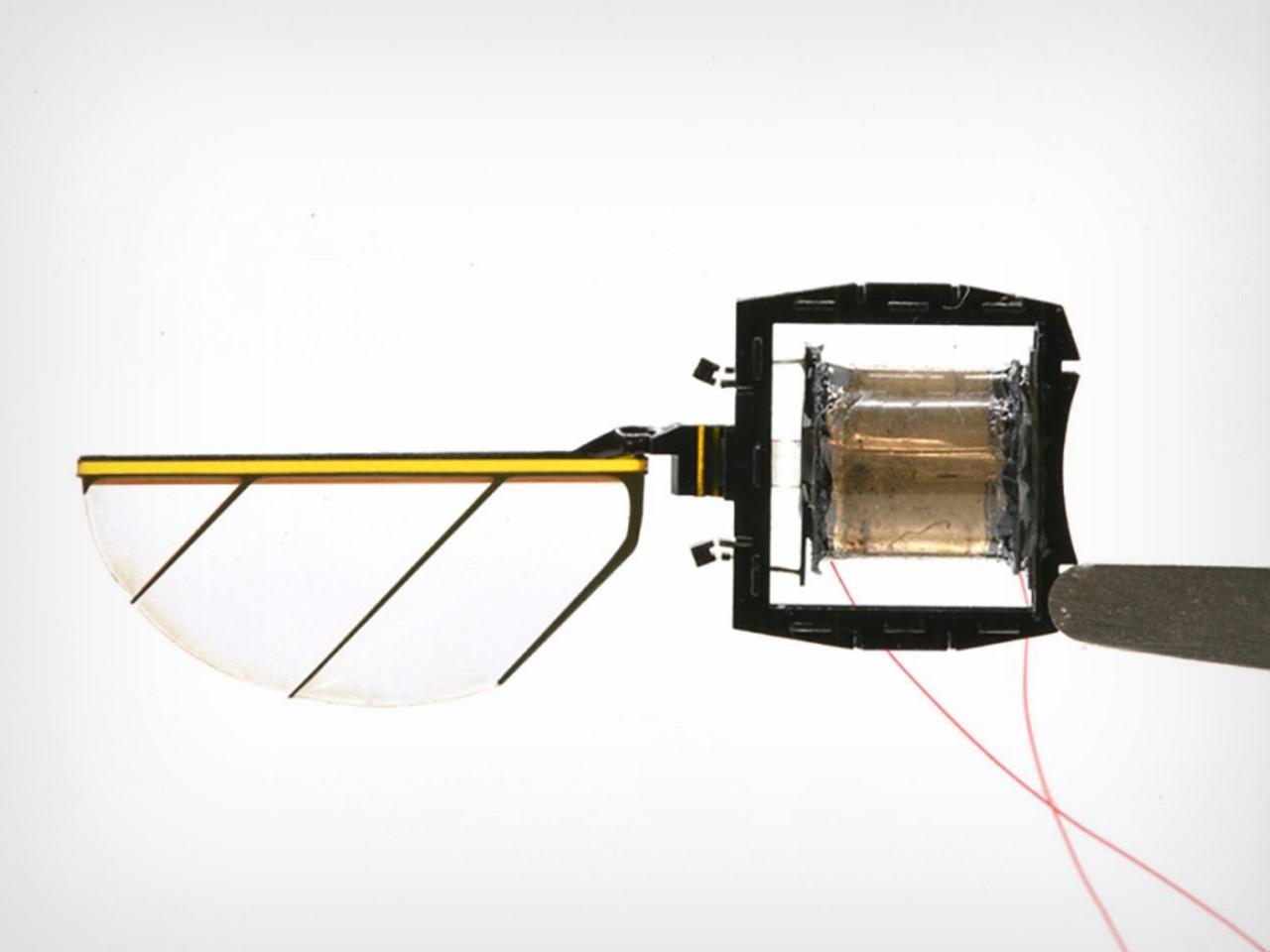
Close-up of the insect-inspired wing structure
But the real potential of MIT’s innovation lies in what it means for the broader field of drone technology. Today’s consumer and commercial drones are fundamentally limited by battery life. Most small drones struggle to stay airborne for more than 30 minutes, constrained by the weight of their lithium-ion batteries. MIT’s research suggests an alternative path: instead of just improving battery technology, what if drones were designed to be far more energy-efficient in the first place? The principles used to extend the flight time of these microbots—optimized wing design, better actuator efficiency, and reduced energy loss—could be applied to larger drones. Imagine a surveillance drone capable of flying for hours instead of minutes, or a delivery drone that doesn’t need to land and recharge as frequently.
This kind of efficiency is also critical for search-and-rescue operations. In disaster zones, drones are often deployed to locate survivors, assess damage, and map hazardous areas. A drone that can remain airborne for extended periods without requiring frequent returns to base would be invaluable. MIT’s findings could enable a new generation of ultra-light, ultra-efficient aerial robots designed for long-duration missions.

Beyond practical applications, the evolution of micro-drones brings up ethical and security concerns. Autonomous flying bots capable of operating in swarms could be used for surveillance, espionage, or even military applications. Miniaturized drones with extended flight times could gather intelligence undetected or perform reconnaissance in environments that are inaccessible to human operators. As with any emerging technology, regulation and oversight will be critical in ensuring these advancements are used responsibly.
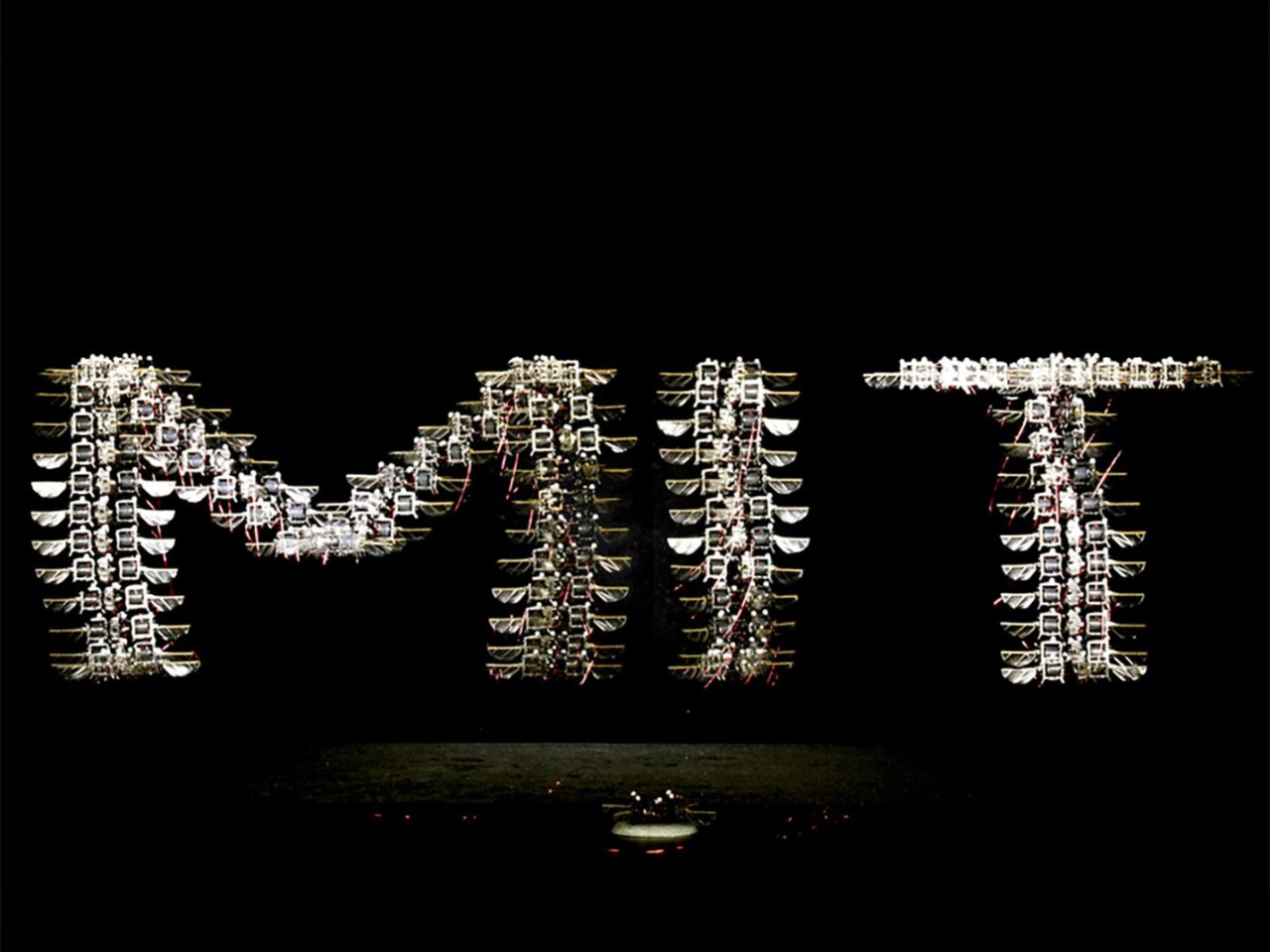
For now, MIT’s research is focused on refining the technology even further. The next steps involve integrating onboard sensors and possibly even tiny batteries to extend flight time to an astonishing 10,000 seconds. Researchers are also working on improving landing precision, so these bots can autonomously land on flowers and recharge, mimicking real bees.
The post first appeared on .
Related Posts