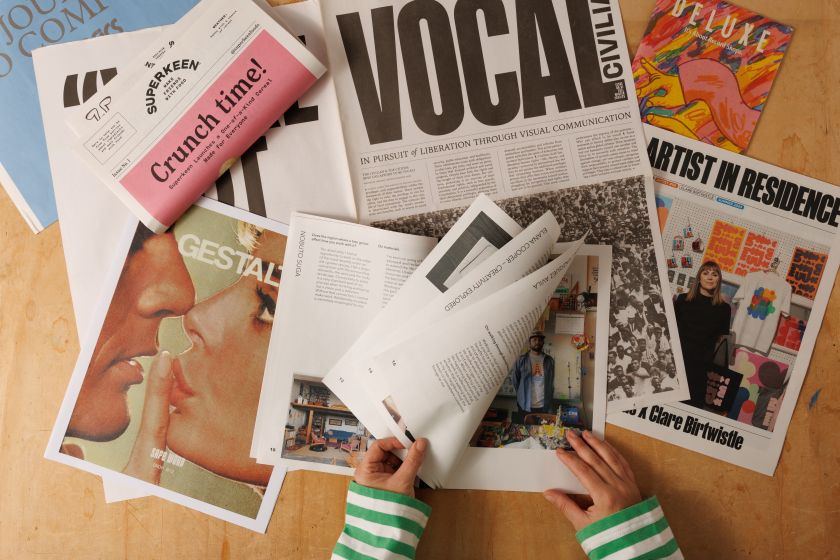
The midi sits between magazine and newspaper, making creative print publishing faster, cheaper and more accessible than ever.
The is a company that helps you print your own newspapers. They make it easy for anyone, from illustrators to design studios, to get work off the screen and into print, with no need for traditional print runs or knowledge of production.
Why would you want to? Well, think about it. Your Instagram grid looks decent. Your portfolio PDF is comprehensive. But when did you last hold your own work in your hands?
More broadly, there’s something awkward about how we publish creative work now. We spend hours perfecting layouts on a 20-inch monitor, then send people a link they’ll open on the bus. Or we consider a proper magazine, realise the minimum run is 500 copies, and quietly forget the idea. Newspaper Club’s new is designed to close that gap.
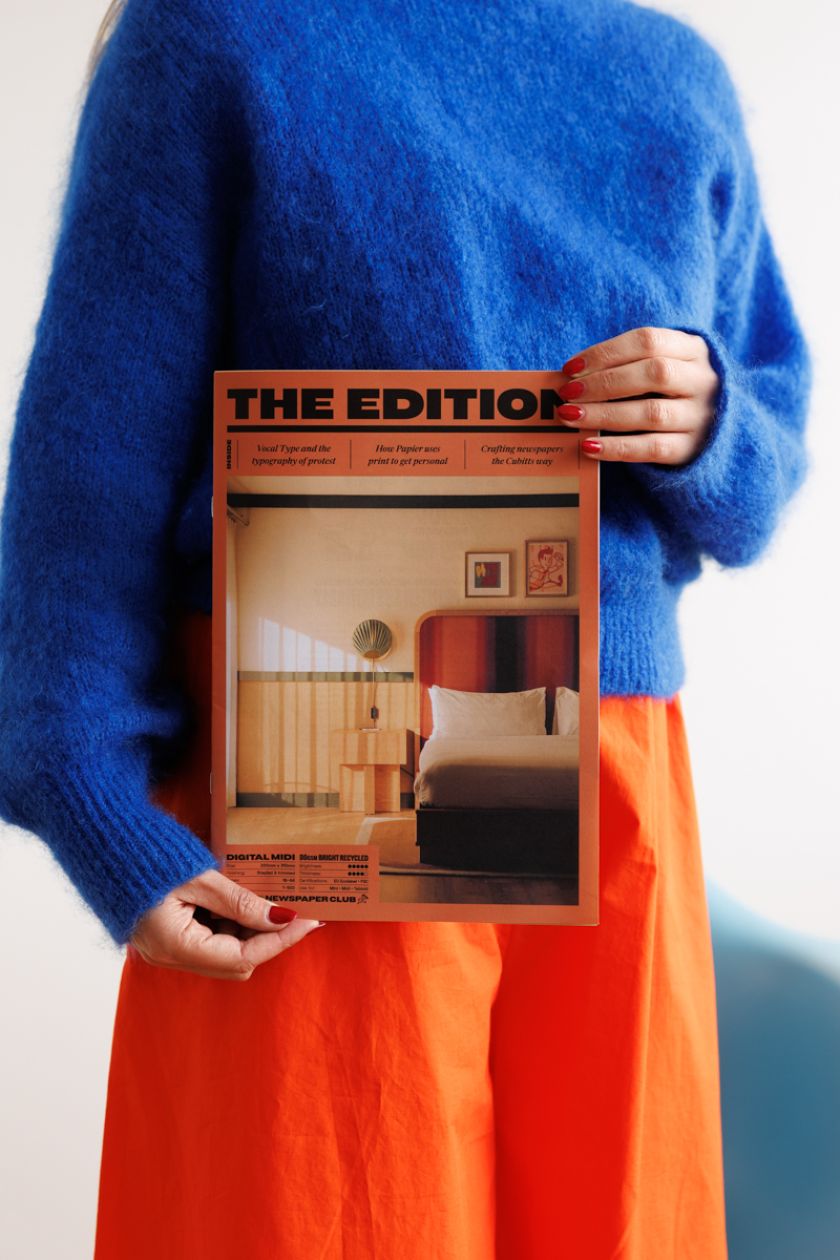
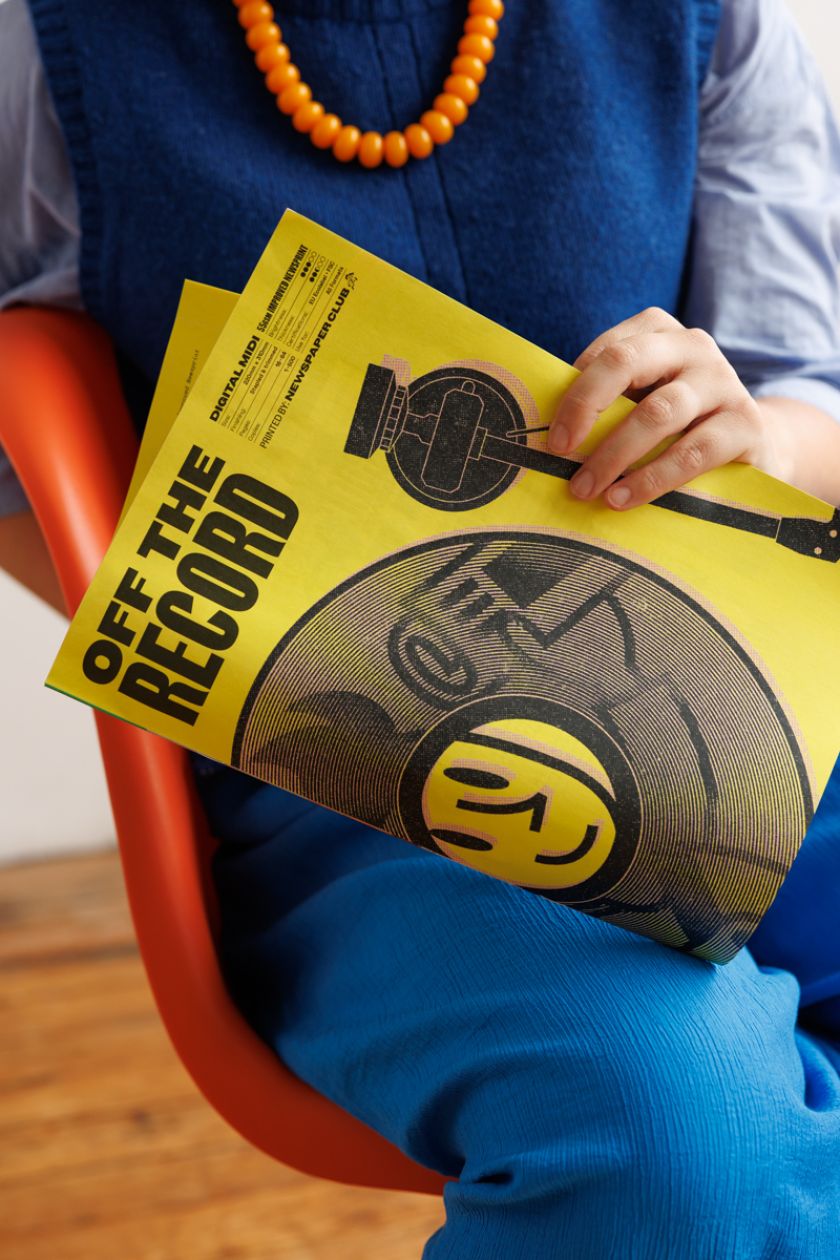
The midi is slightly bigger than A4, with 16 to 64 pages stapled down the spine. You can order one copy or a thousand. It arrives trimmed and finished, ready to hand out or post.
Think of it as a magazine that doesn’t require magazine economics. Or a newspaper that doesn’t unfold across someone’s kitchen table. It basically occupies the middle ground between the two, which is precisely where many creative projects sit.
Why it matters
Print is coming back into fashion right now, as something deliberate. When someone gives you something printed, they’re saying: this matters enough to exist physically. But most of us can’t justify traditional magazine production. The costs, the minimum quantities, the lead times… they’re built for established publishers, not someone testing an idea.
The midi acknowledges that most creative work doesn’t need perfect binding and coated stock. It just needs to exist outside someone’s Instagram feed.
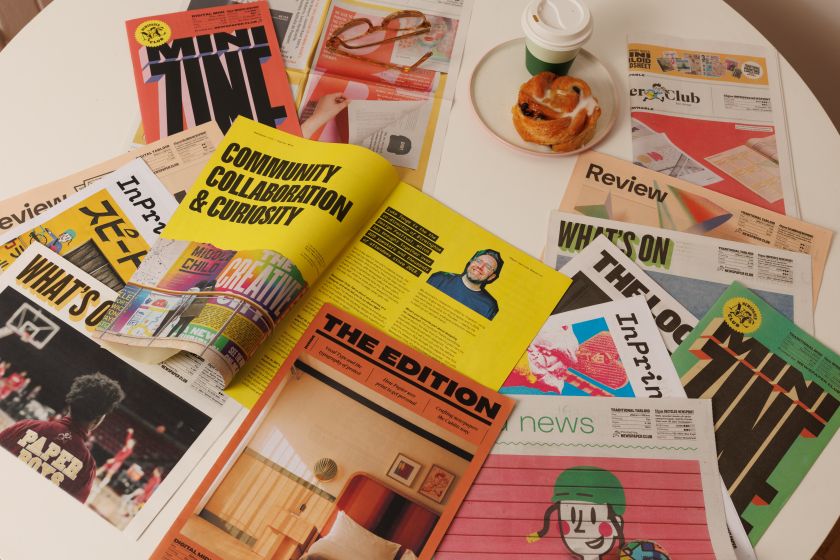
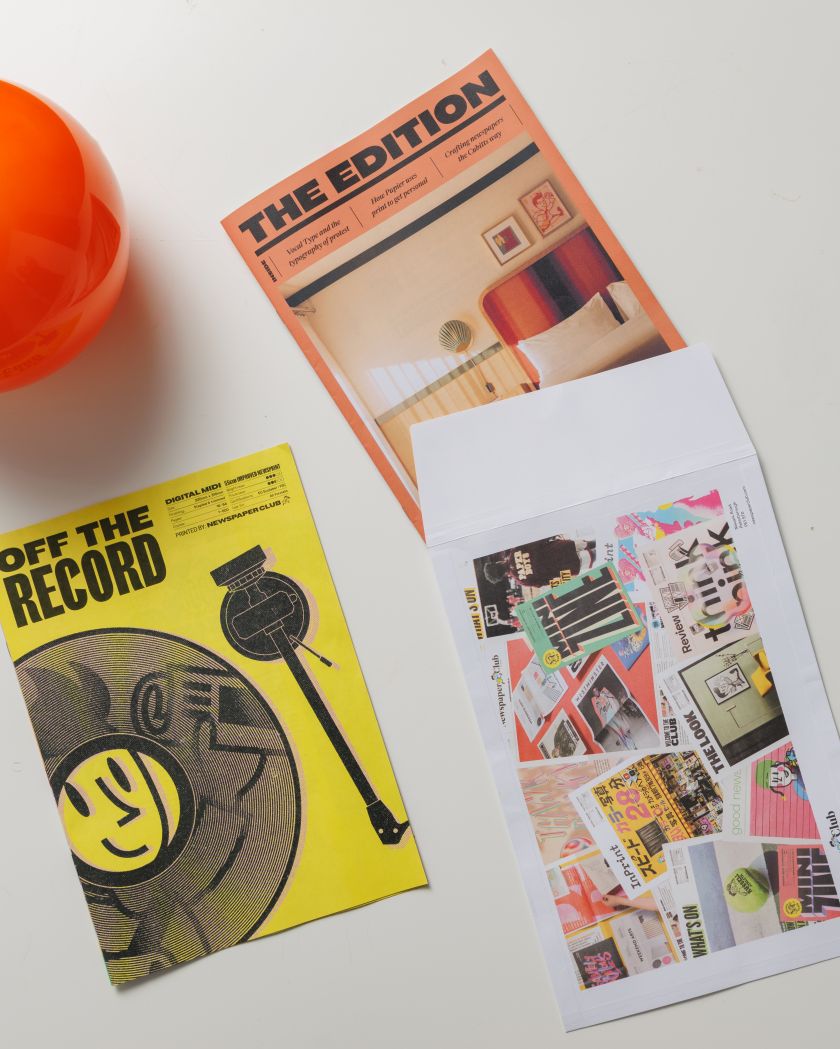
You can design for the midi in Canva or InDesign using free templates. The lighter paper option—55gsm newsprint—works for projects where rawness suits the content. The heavier 80gsm recycled stock gives you brightness for photography or design work that needs more presence.
The contrast between the two is significant. The lighter stock feels urgent and temporary, while the heavier recycled paper feels more considered. Choosing between them is choosing how your work should feel in someone’s hands. Both, meanwhile, are FSC-certified. Turnaround is two to seven working days.
Newsprint has a texture that coated papers lack. It absorbs ink in a way that softens hard edges and gives photography a particular quality. For some work, this is exactly wrong. For other work, it’s perfect.
Who needs this?
So who might need this? Well, potentially, photographers who need a tangible portfolio. Designers who want to test editorial layouts. Small brands building lookbooks without agency budgets.
This format could work for community projects where print still carries authority: local histories, event programmes, campaign materials—the kind of work where a URL doesn’t carry the same weight as something people can hold.
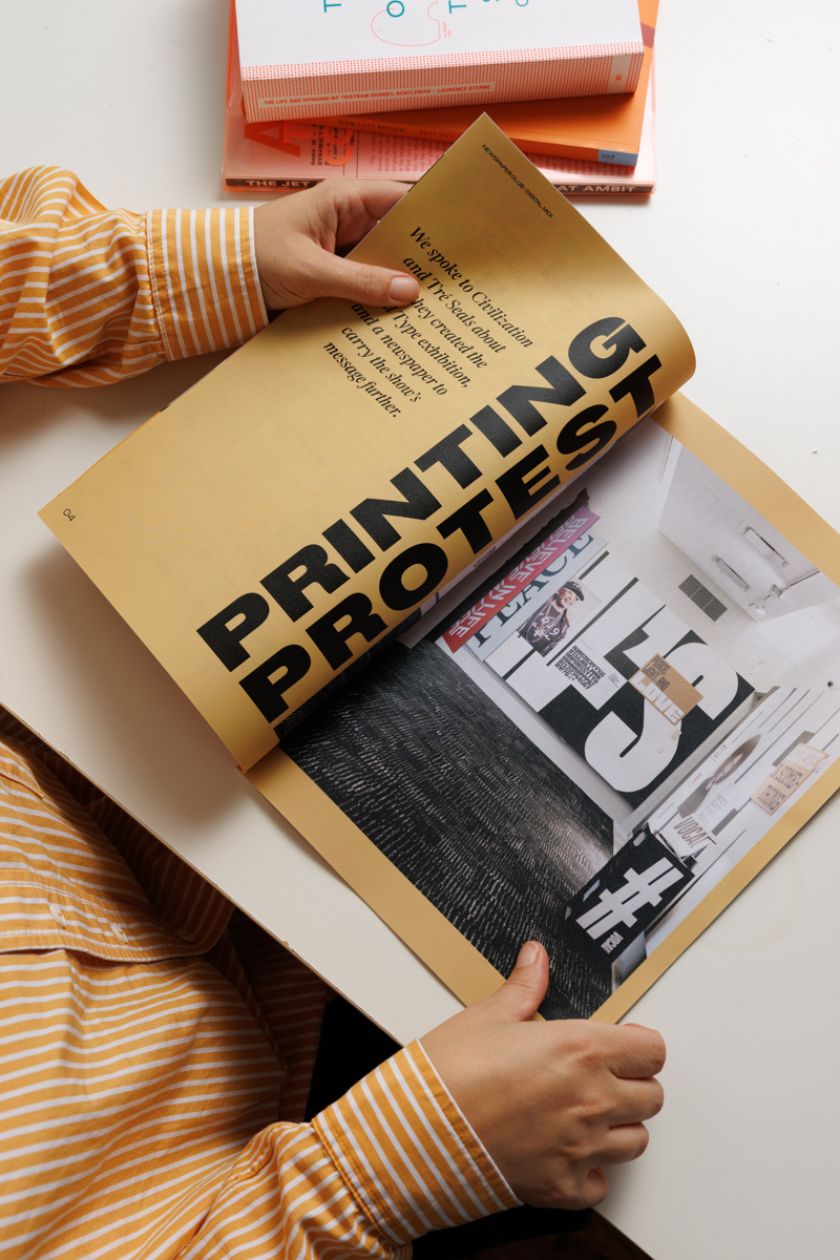
Students, too, could benefit. Because traditionally, the gap between what they learn to make and what they can afford to produce has been awkward, the midi lets them print their work at a scale that matches their projects, not their overdrafts.
Getting started
Creative projects die in the gap between intention and action. If printing requires learning new technical skills or navigating complex specifications, many people won’t bother.
The midi removes that barrier without removing creative control. You still make all the design decisions. You just don’t have to become a print production expert first. And the templates mean you can start today.
Newspaper Club has printed over 40 million newspapers since 2009. The midi continues that work of making print more accessible. It’s not a replacement for anything. It’s an addition that fills a space that was previously empty.
Whether that space needed filling depends on whether you have projects that exist only on screen, because printing them properly seemed too complicated or expensive. If you do, this could be for you.
Related Posts