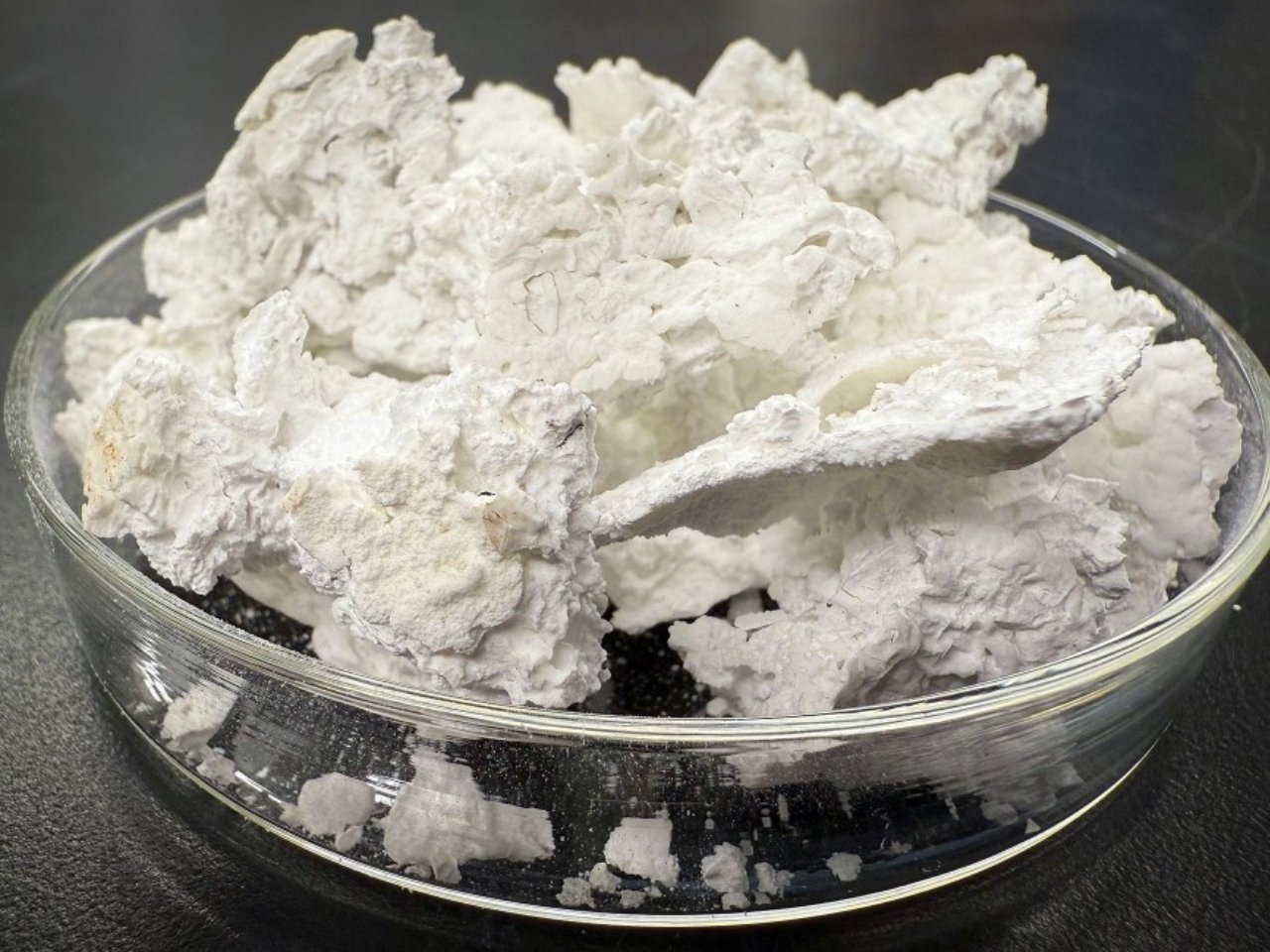
One of the, if no the most widely used artificial material in the world right now is concrete. We keep building things so we need to have this as a basic foundation for most structures among other things. However, the production of concrete is also one of the worst polluting processes that hurts our planet. The basic material used for it is sand which also contributes to the destruction of coasts, seafloors, and riverbeds. Good thing we have scientists working on finding an alternative to this and a solution to the problem.
Designer: Northwestern University
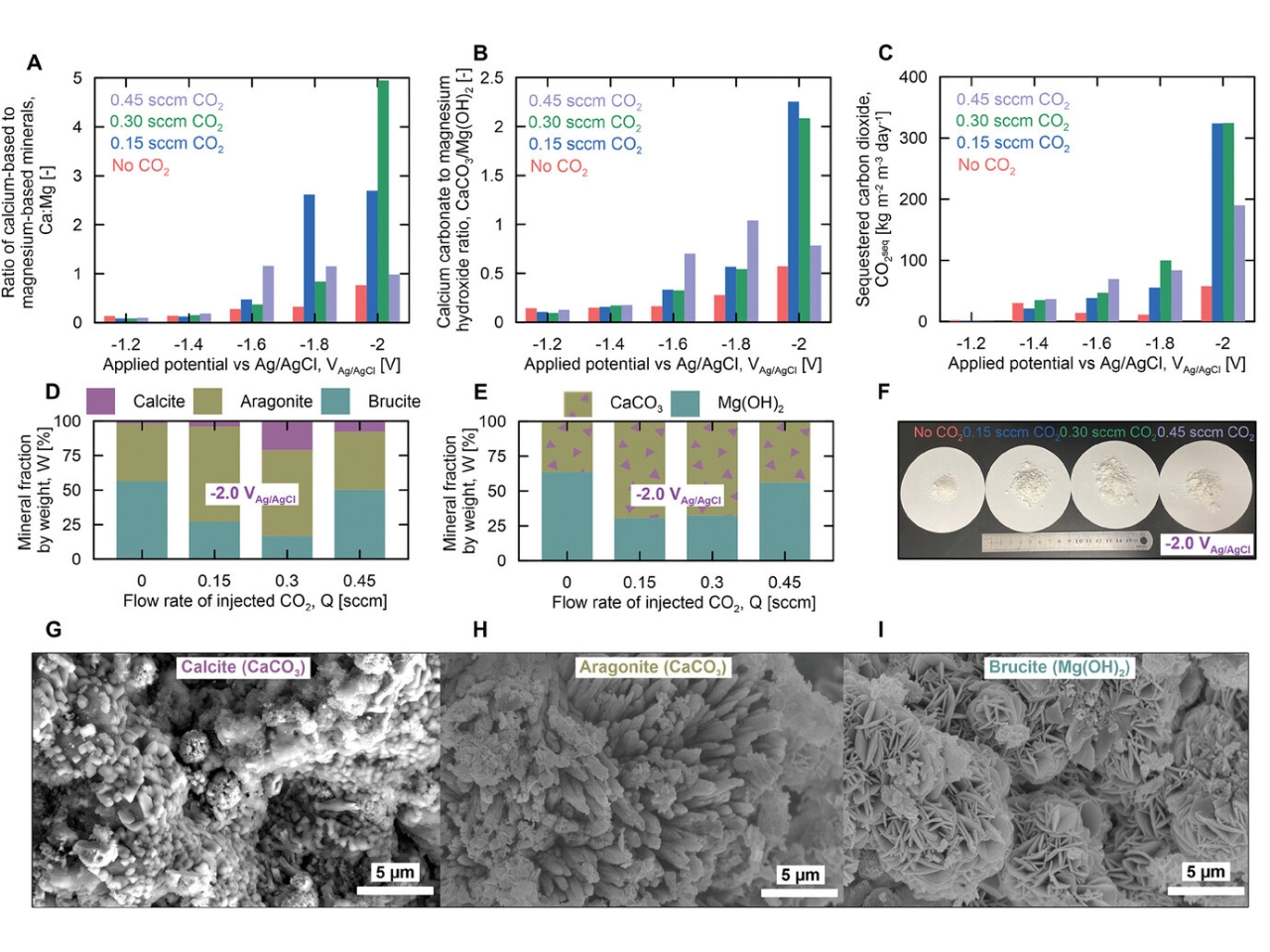
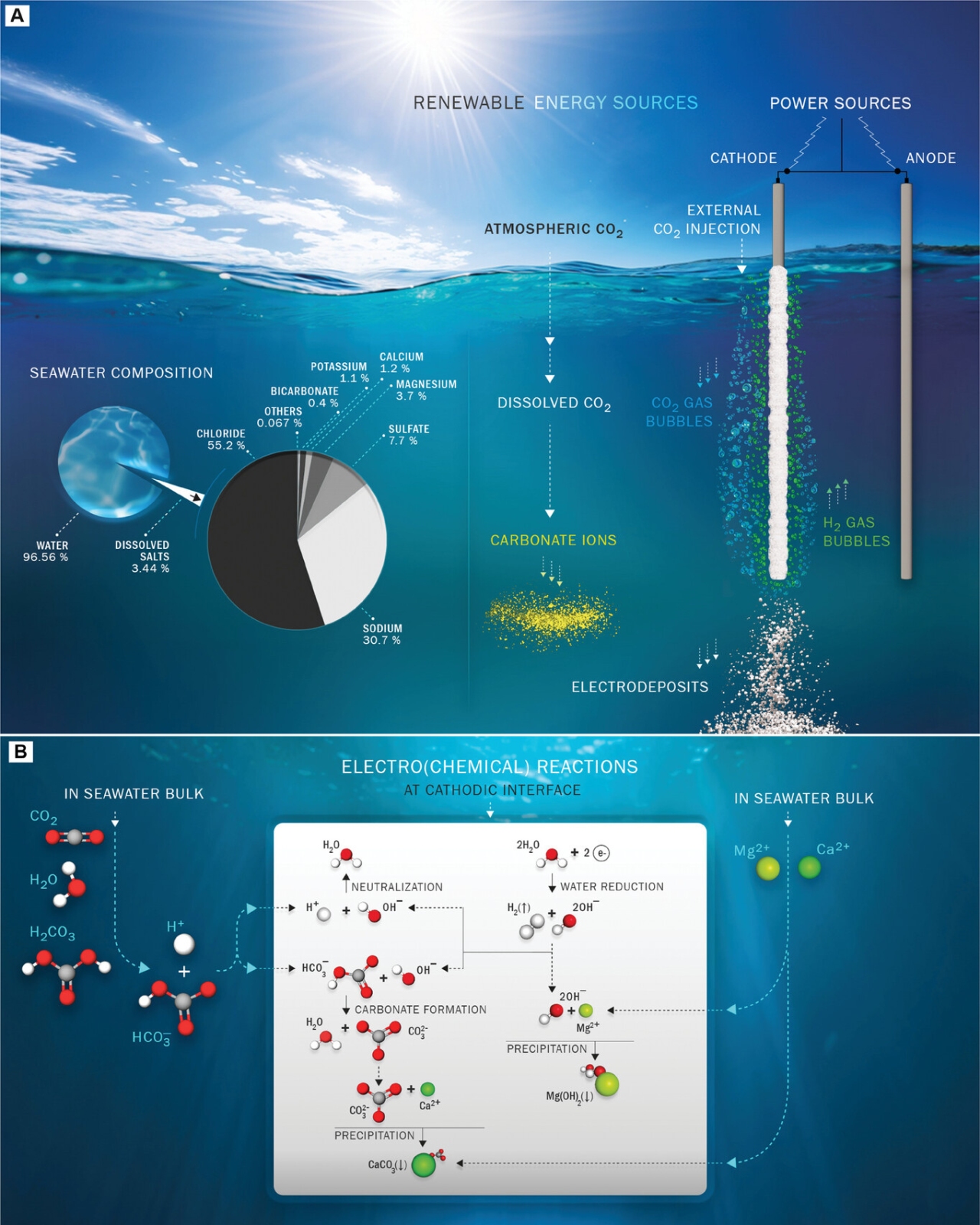
Scientists at the Northwestern University are experimenting with a new cement sand substitute that only uses three main elements: seawater, electricity, and CO2. This eliminates the need to strip mine sand from its natural environment which affects the ecosystem. Harmful gaseous byproducts are also removed from the process and the only one left is hydrogen, which can be turned into clean fuel. Even the CO2 used could come from the emissions from regular cement production, adding a greener cycle to the process.
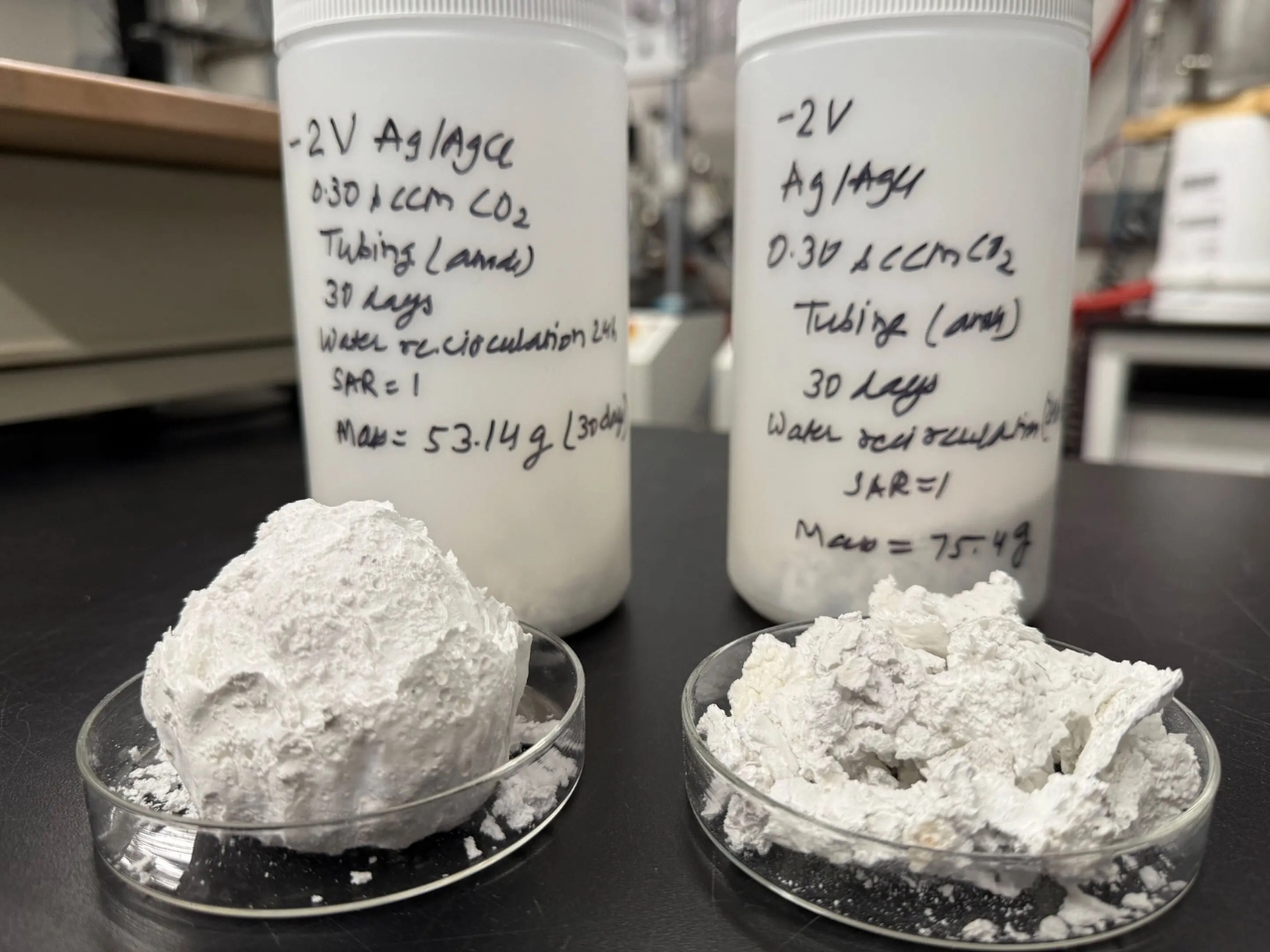
So how does this actually work? The simple explanation is that the process involves zapping seawater with electricity and bubbling CO2 through it, resulting in solid minerals. The more detailed explanation is that you put two electrodes in a tank to emit an electrical current that splits the molecules into hydrogen gas and hydroxide ions. Then add CO2 to increase the levels of bicarbonate ions. It then produces solid minerals at the electrodes and the result is a white material that can replace sand or gravel in cement. It can also be a foundational powder for other materials like plaster and paint.
The material’s properties can be adjusted by modifying the flow rate, timing, and duration of the CO2 and seawater, as well as the voltage and current of the electricity. This level of control over the material’s properties opens up a vast array of potential applications, from customized concrete mixes for specific building needs to specialized plasters and paints with enhanced durability. Moreover, the modular nature of the process allows for decentralized production, potentially placing these reactors near existing cement plants, creating a closed-loop system where emissions are directly captured and repurposed. Ultimately, this innovation represents more than just a new building material. It’s a paradigm shift in how we approach construction, moving away from resource-intensive practices towards a circular economy that prioritizes sustainability.
The post first appeared on .
Related Posts