© Paul Thompson
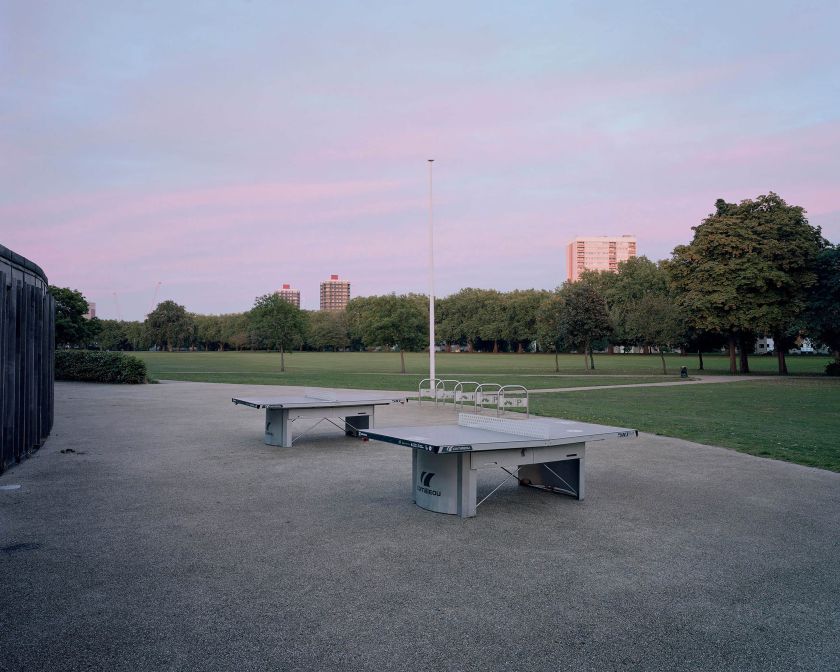
Empty table tennis tables take on a different meaning in Play, a new series of images by photographer , which turns them into symbols of interactions just waiting to happen.
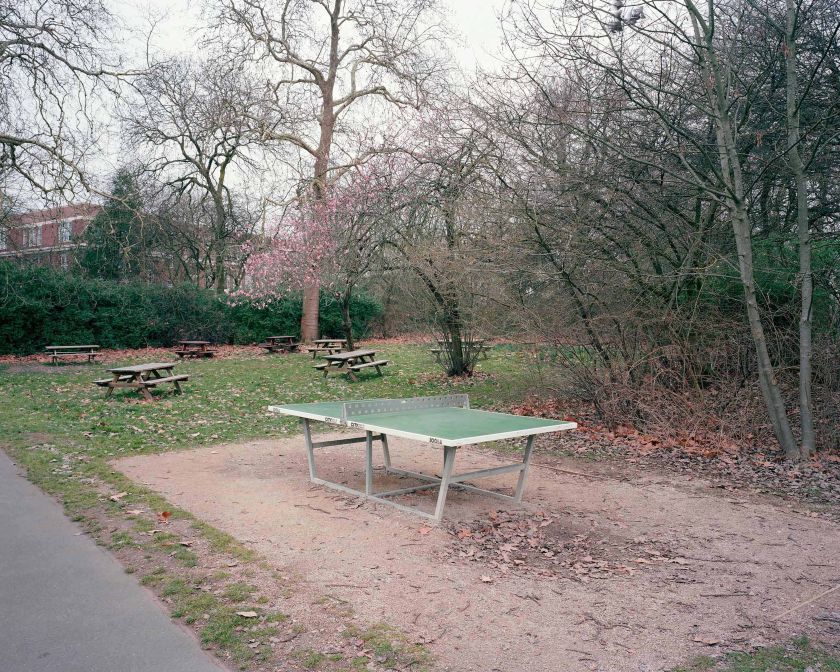
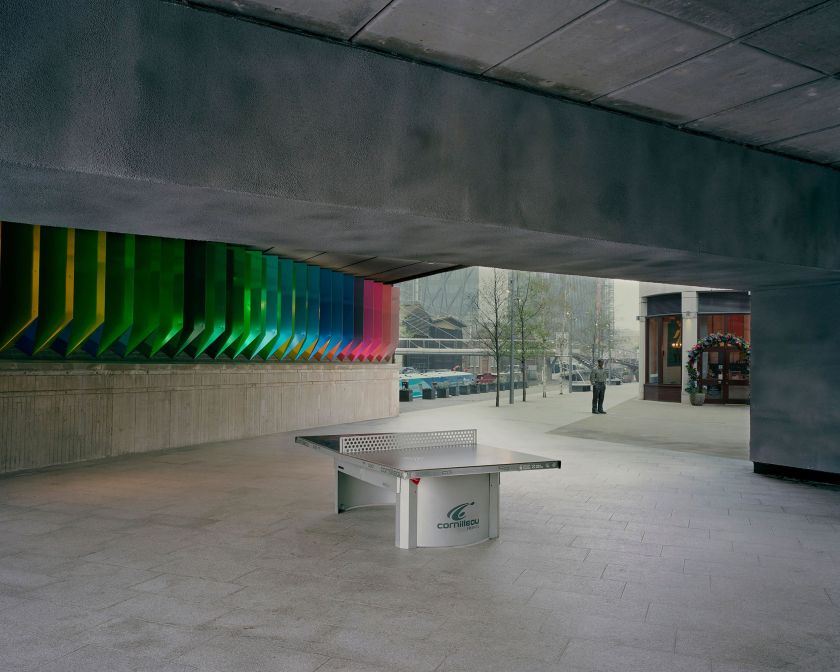
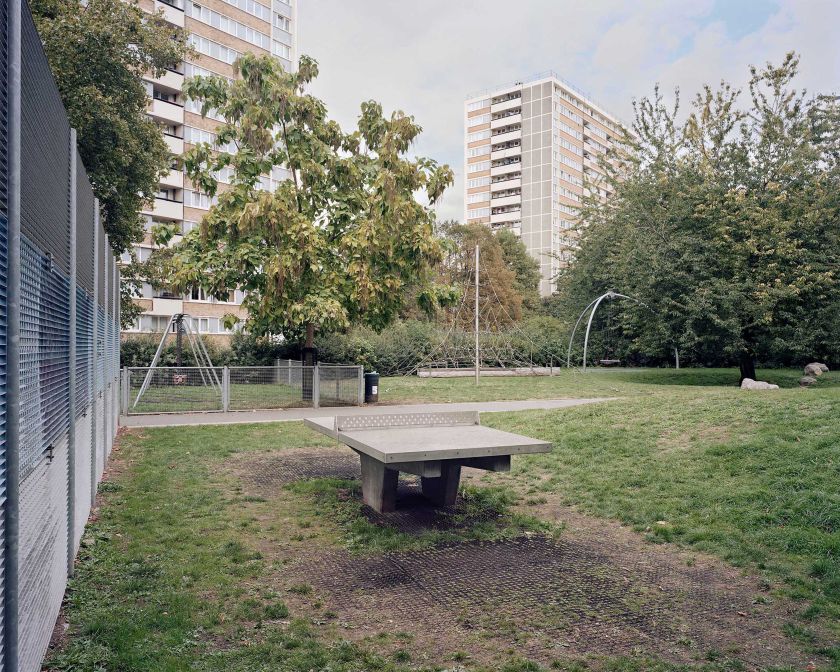
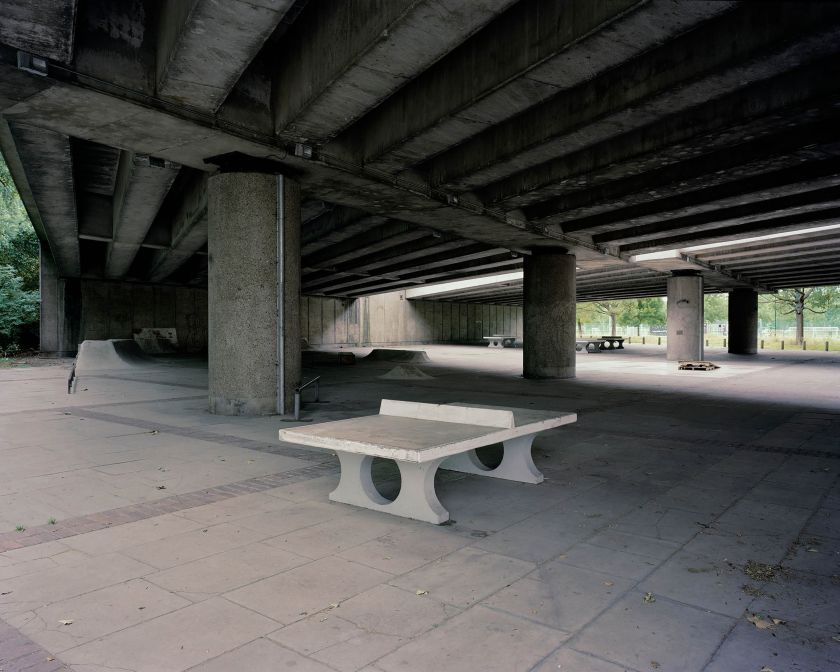
It’s easy to miss them. Nestling in the corners of parks, on riversides and even under an overpass, London’s table tennis tables have a habit of blending into their surroundings when they’re not being used. But it’s this dormant state that attracted Paul Thompson to photograph them shortly before the pandemic struck.
Waking up at four o’clock in the morning, Paul would hop on his bicycle, strap on his bulky 4×5 film camera, and travel for up to an hour to snap these familiar tables in the soft light of dawn. “I prefer the stillness of these early hours when the tables are empty and waiting to be played,” he tells Creative Boom.
© Paul Thompson
© Paul Thompson
© Paul Thompson
The images recently displayed online at London’s have drawn comparisons to the New Topographics photographers of the 1970s, who documented seemingly banal structures of urban life. But whereas they captured industrial sites like warehouses and parking lots, Paul turned his lens to recreation.
Described by Paul as a formal study of tables in London, Play definitely shares some similarities with this movement. “I’ve become obsessed with a subject others generally ignore,” he explains. “These are empty places, devoid of people – much like those stark industrial parks in the 1970s.”
But whereas the New Topographics were concerned with picturing a modern suburban world that had lost its innocence, Paul reveals that he is looking for moments and environments that do the exact opposite and transport him back in time.
© Paul Thompson
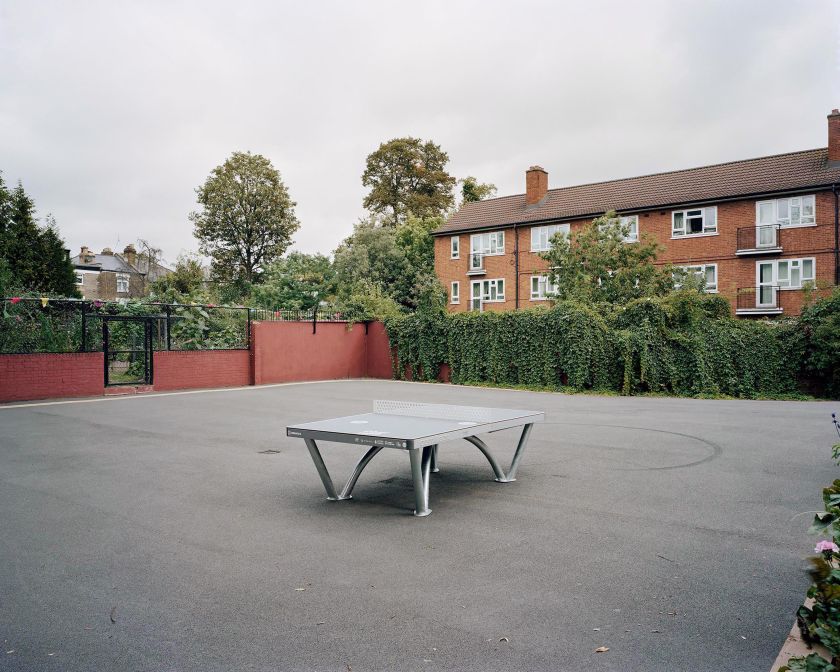
© Paul Thompson
“In these London tables, I find relics of a bygone era,” he explains. “In an age when the average adult can spend most of their waking hours staring at a screen, these tables strike me as anachronisms. They represent a time when children and families spent their days outdoors, playing face-to-face.
“As I’ve learned, these tables aren’t nearly as ‘anonymous’ or ’empty’ as they might seem at first glance. It’s sometimes difficult for me to catch them when they’re unoccupied by players, and in some cases, they’ve blended completely into the fabric of the city. I find them in parks, but I also find them under busy motorways.”
Besides acting as a reminder of how we used to live, these tables also helped Paul better understand his surroundings. “In East London, for example, where I am based and where many other artists live, the tables seem more creative,” he says. “In the West, they’re more modern, spare, and minimal. I find traces of history in these unlikely monuments, and although they all seem the same, their differences capture my attention.”
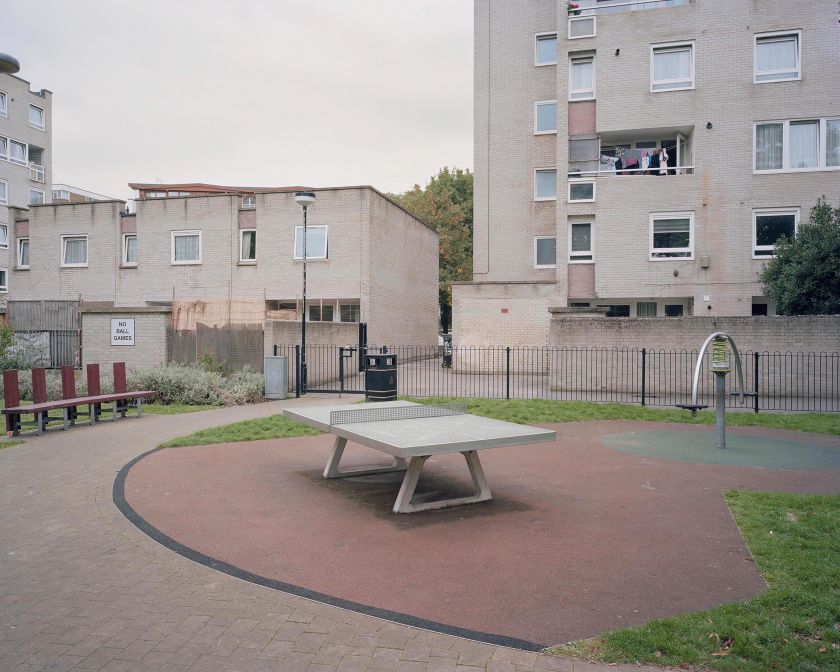
© Paul Thompson
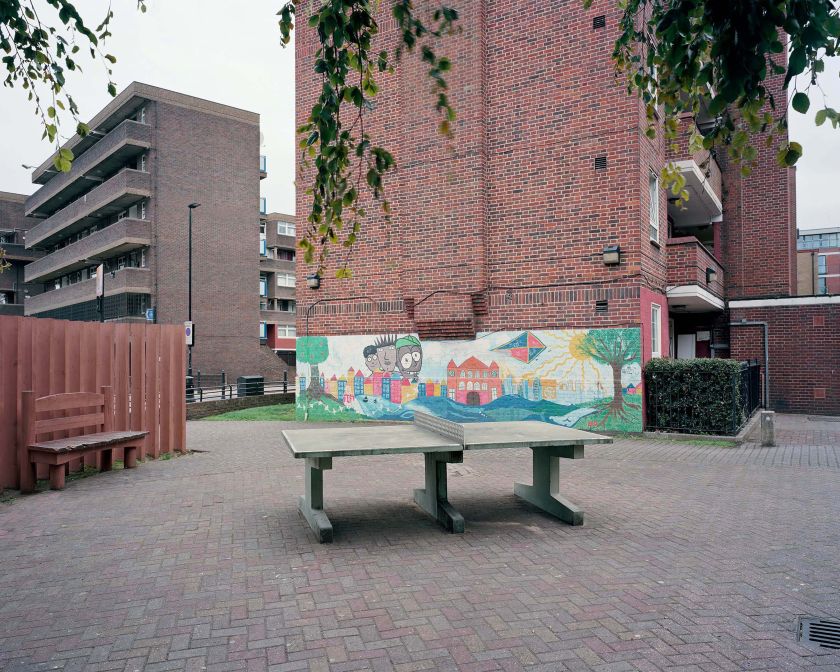
© Paul Thompson
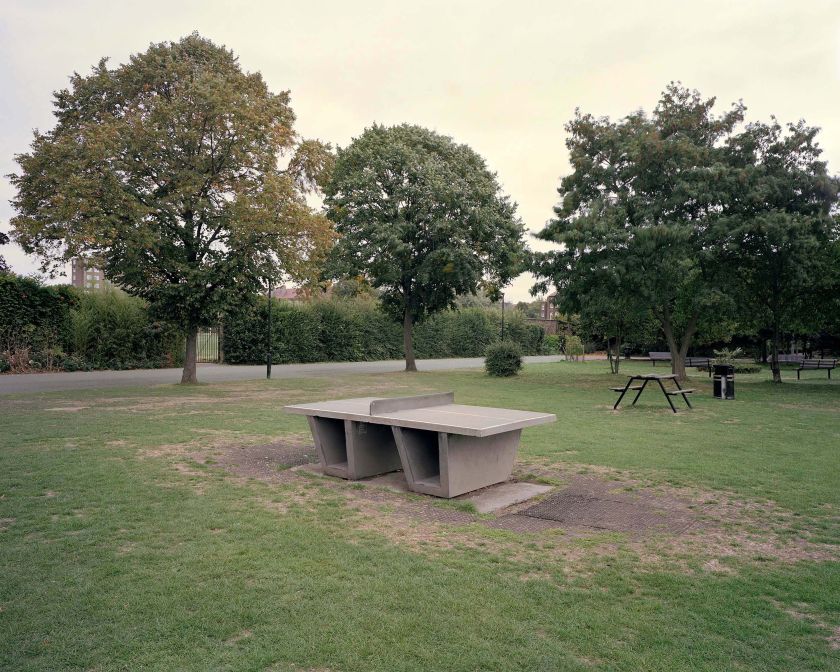
© Paul Thompson
Strangely enough, despite going to great lengths to photograph them, Paul does not play on the tables himself. Instead, he prefers to scout the locations, take one exposure, and keep moving. On occasion, people approach him to ask what he is doing, but for the most part, he keeps to himself. “I haven’t introduced myself to any of the players, nor has it occurred to me to do so.”
This doesn’t mean that Play is a portrait of loneliness, though. Quite the opposite. By presenting the tables as ready and waiting, Paul argues that they are about the possibility, and promise, of connection. After all, it only takes two people to transform these tables into a game and a hub of interactivity.
“Maybe I’m too hasty in thinking screen time, and isolation are the way of the future,” he concludes. “Maybe the New Topographics photographers were, too, when they assumed something similar all those years ago. I don’t know who put these tables here or why, but people return to them day after day, even in the bitter winter snow.
I don’t stick around long enough to witness the rush of players arriving after work to see their friends and catch up over a game, but I know it will come after I’m gone. That knowledge drives me to get out of bed, lug around my heavy camera, and ride my bike until my legs are sore. It’s anticipation – not wistfulness – that runs through my veins on those dark and solitary mornings.”
Related Posts