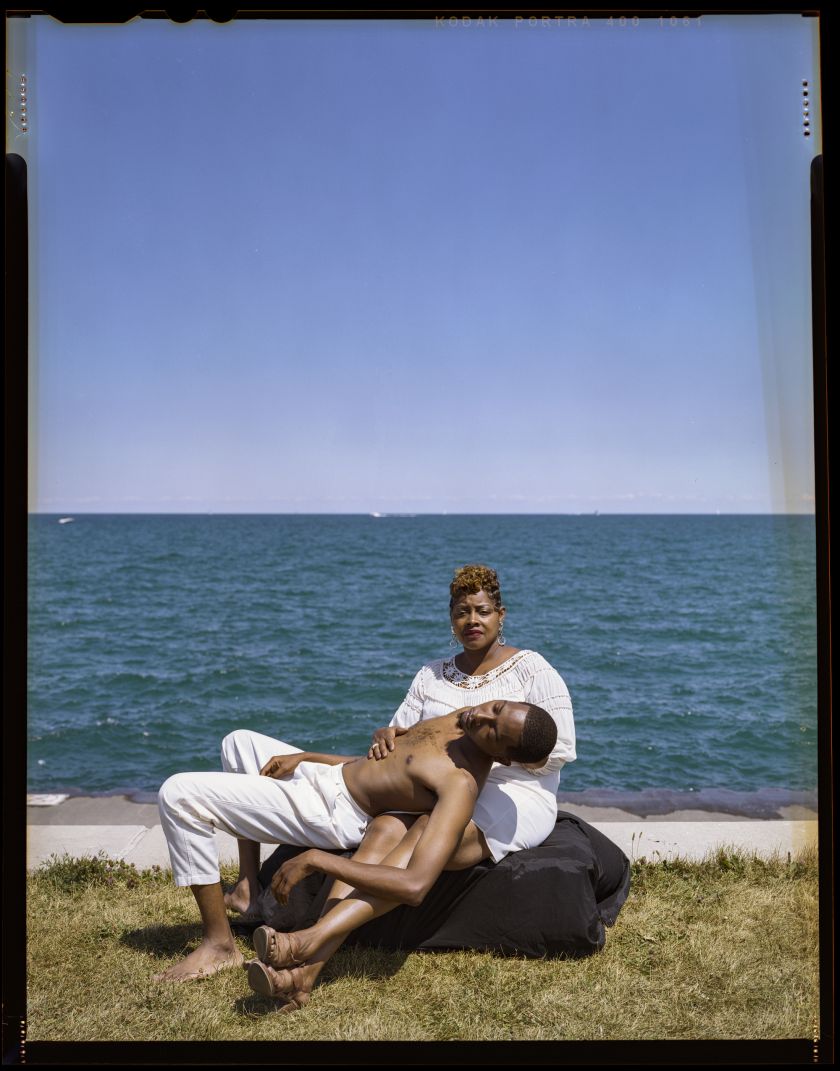
Untitled 13, Groveland Park, IL
A collection of photographs of mothers reflects on the idea of absence and the issues of grief, trauma and healing in the US’ African American community today.
Jon Henry’s new photography book, Stranger Fruit, has an obvious reference point in its title: the timelessly chilling, evocative song Strange Fruit, first written in 1937 but most famous through the voice of Billy Holiday with her 1939 recording and live renditions. The song became a powerful beacon within the civil rights movement. The decision to reference it in this photography series is deliberate, given its themes of Black motherhood and manhood.
Born in Queens, New York, and now based in Brooklyn, Henry is a visual artist working with photography and text whose work examines themes such as family, sociopolitical issues, grief, trauma and healing within the African American community. Henry has become known for making images inherently imbued with a sense of cultural activism, and this new body of work is no exception.
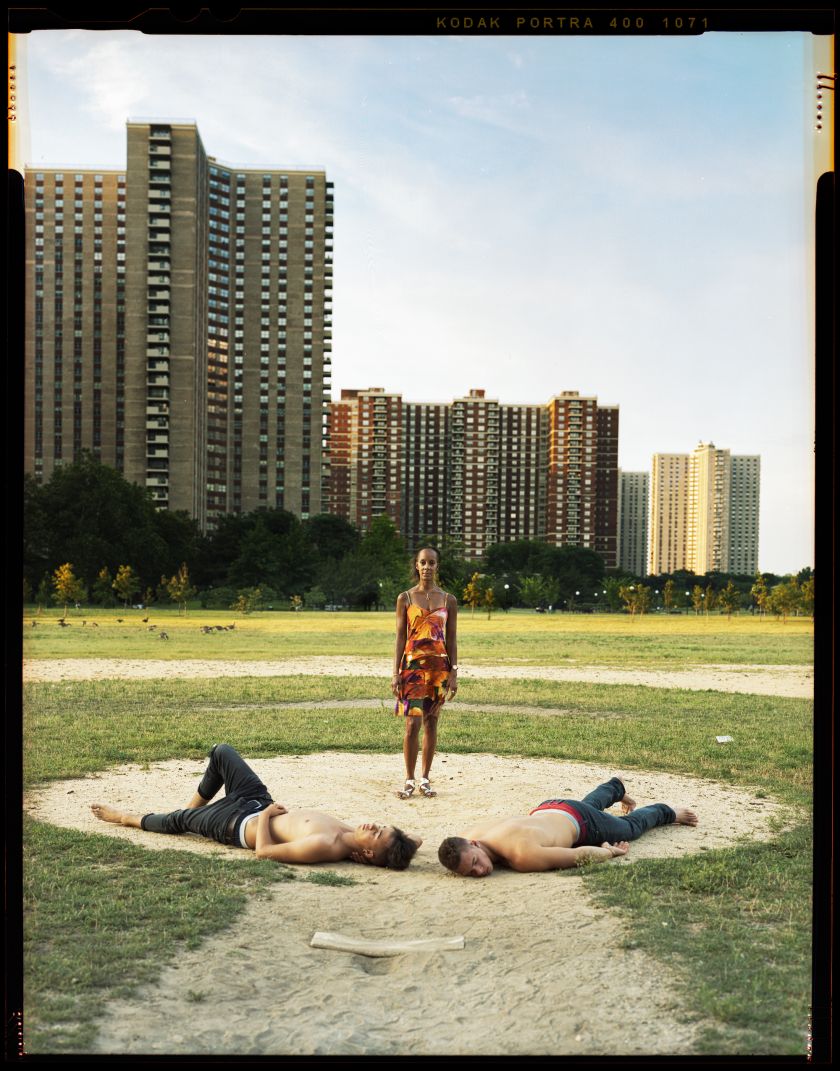
Untitled 1, Co-Op City, NY
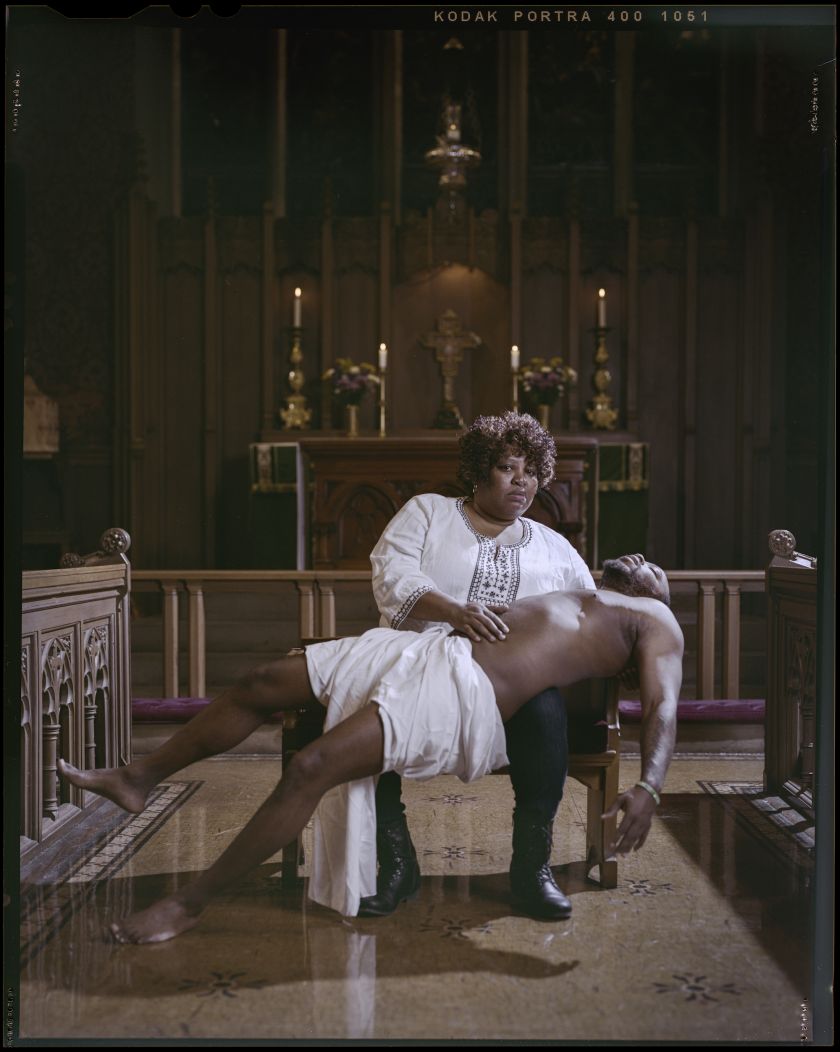
Untitled 10, Flushing, NY
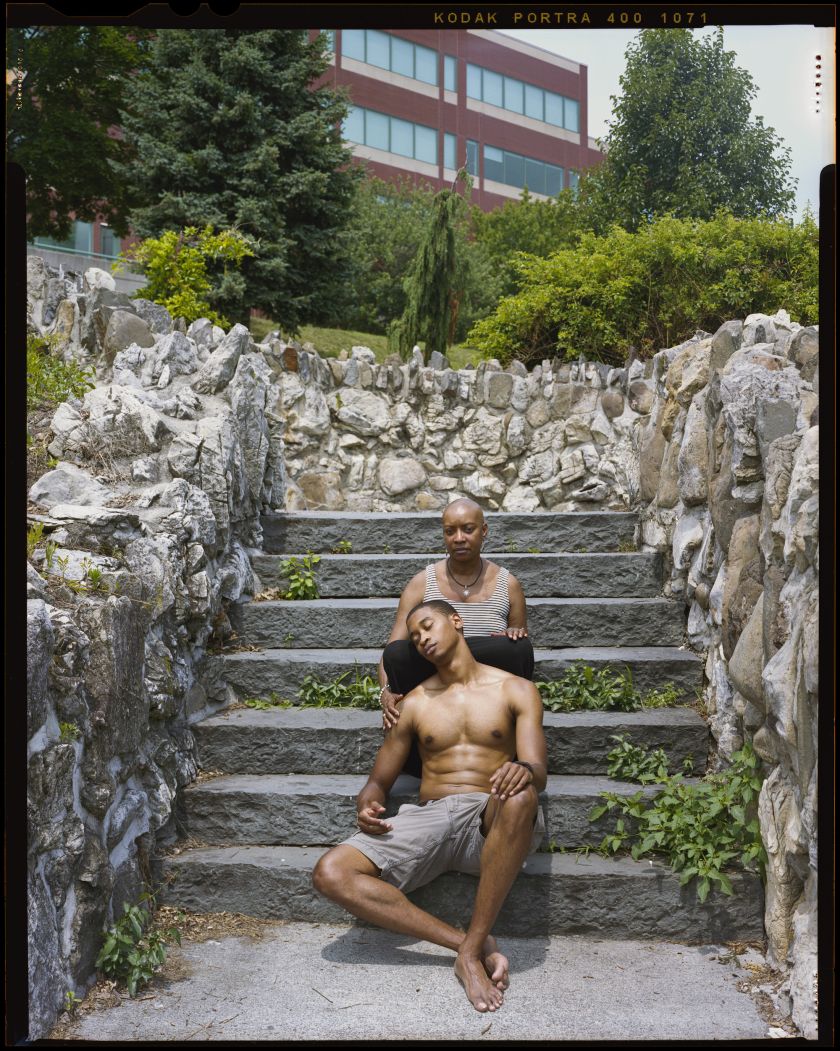
Untitled 9, Newburgh,NY
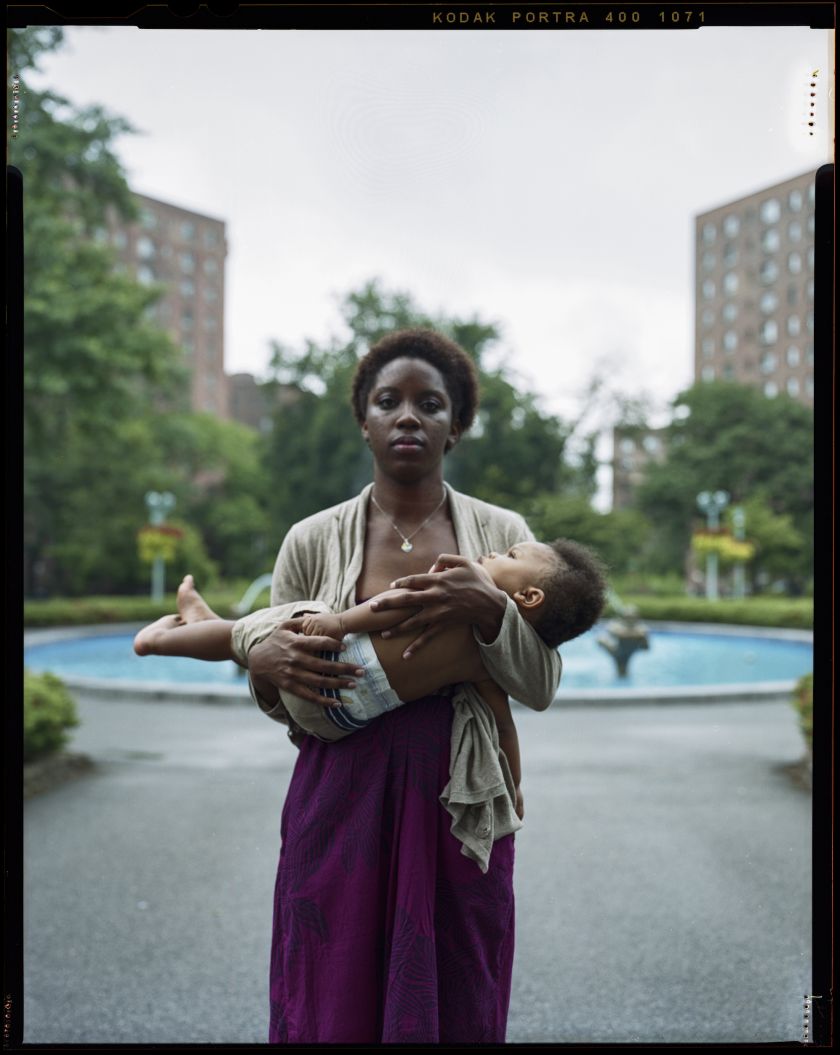
Untitled 5, Parkchester, NY
The portraits shown in Stranger Fruit depict American movers who live in fear of their sons dying. “I set out to photograph mothers with their sons in their environment, reenacting what it must feel like to endure this pain. The mothers in the photographs have not lost their sons but understand the reality that this could happen to their family,” Henry explains. “The mother is also photographed in isolation, reflecting on the absence. When the trials are over, the protesters have gone home, and the news cameras are gone, it is the mother left. Left to mourn, to survive.”
The images that make up the Stranger Fruit series were shot in 26 different cities across the US. Some show mothers holding their sons; others are leaning over them. Some of the most powerful images feature the mothers alone, seemingly deep in thought.
The subjects are sometimes quoted in text next to their portrait. One reads: “That one moment can define the rest of your life. When I wake up and before I sleep at night, my son is the one person that’s always on my mind – I want to know that he’s safe. I feel hurt, anguish, and emotional turmoil. I recognise that this was only for a moment in time, but that’s actually a depiction of life – every second is a moment in time.”
“As I was gradually pulled into the scene and told about the pose, it began to make me think of my daily thoughts about my son,” reads another. “I have thoughts of love, change, determination, growth and encouragement. I also have concerns regarding his health and safety as it relates to the growing conditions across this nation with African American males. There needs to be immediate attention to stop the killing of black males and suffering of mothers.”
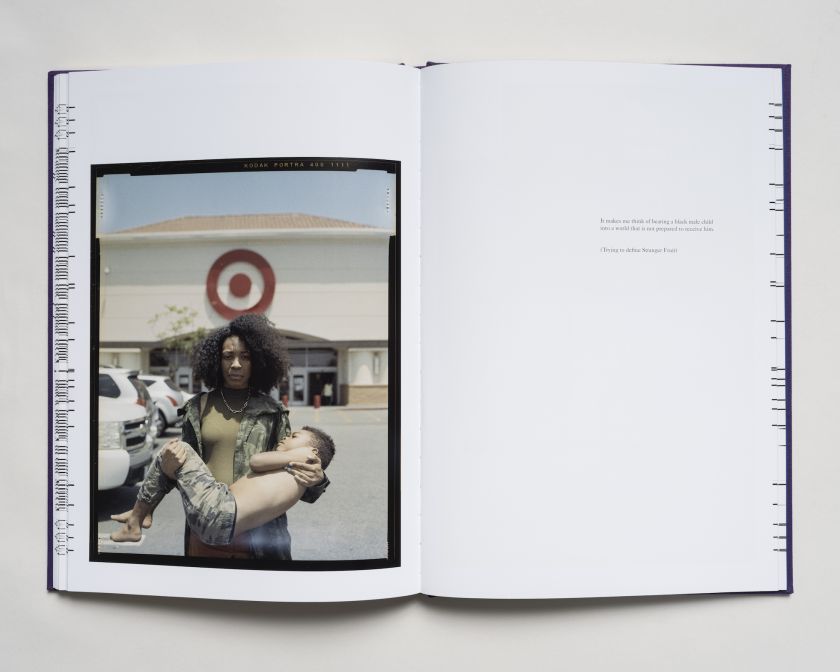
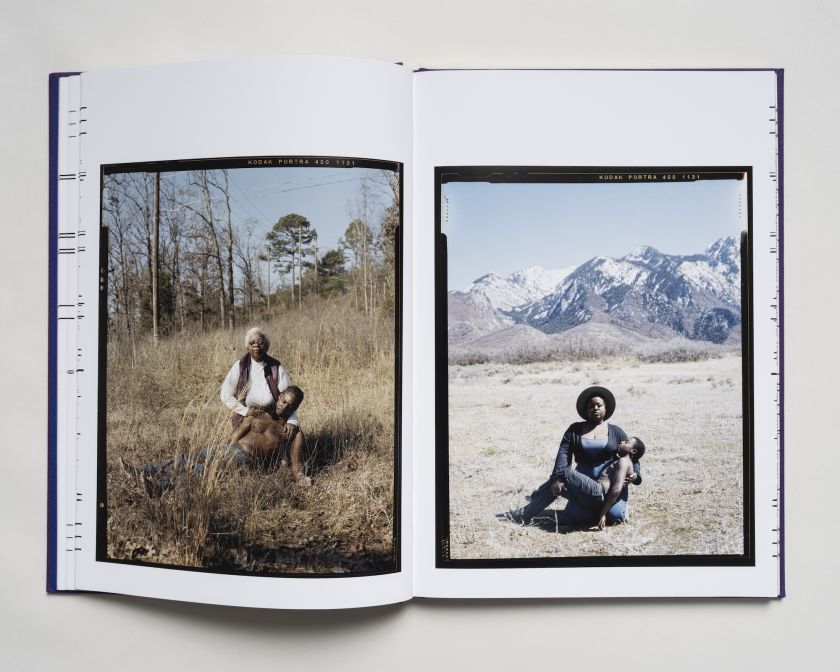
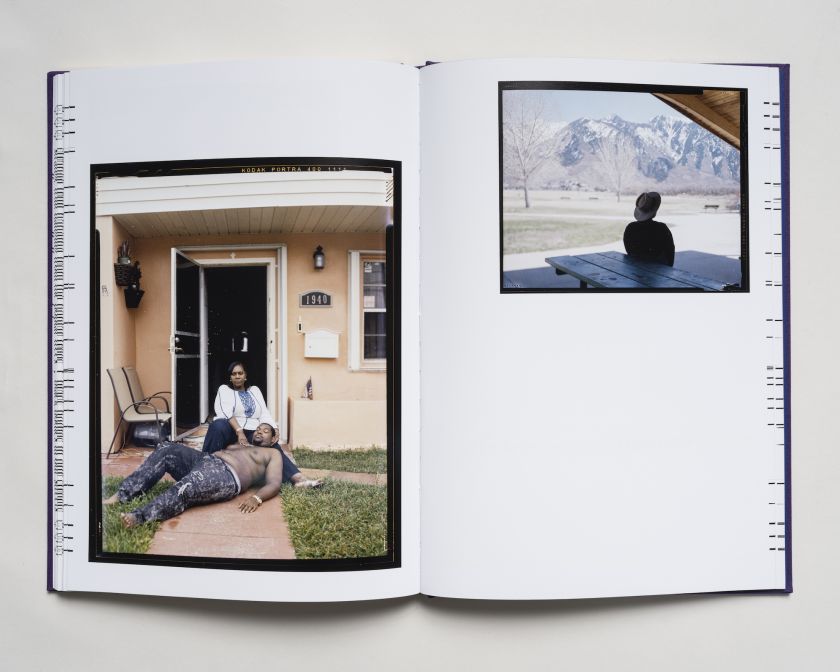
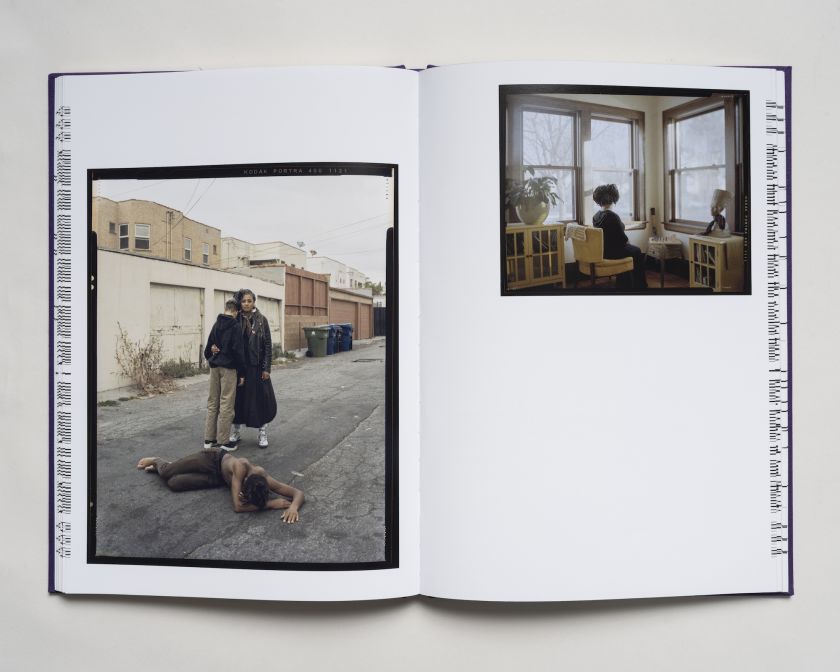
Stranger Fruit was designed by Caleb Cain Marcus, who heads up Brooklyn-based design studio and features an essay by writer and arts administrator Sabrina Greig. In her essay, Greig discusses the (intentional) art-historical references and symbolism in the various poses throughout the series. The images, she writes, negate “stereotypical expressions of African-American life to instead introduce more complex narratives and imagery”.
She lists reference points, including the style of Italian Renaissance’ pietà’ images – a style of depicting the Virgin Mary holding Jesus following the crucifixion dating to the 14th century. The images in Stranger Fruit modernise this idea of the ‘pietà’, she writes, “by recasting the iconic figures of the Madonna and Child as everyday African Americans in regal poses”. Greig continues, “Each portrait gives contemporary viewers new insight into understanding racial terror and white supremacy by humanising the experiences, emotions, and overall plight of Black motherhood and manhood.”
The book’s titular song reference point is made manifest with a selection of its lyrics printed on the fore-edge. According to the publishers, the addition of these emphasises “that while 86 years have passed since the song was published, America is still reckoning with this pattern and history, and Black families are still living within layers of fear and grief”. Henry echoes this in his afterword for the book, asking, “How are we supposed to move on when this cloud hangs over us perpetually?”
Stranger Fruit is published by Monolith Editions and is available .
Related Posts