The mini map has been a staple of racing and open-world games for decades, teaching us to navigate virtual cities with quick glances at a corner of the screen. A developer has now made that experience tangible, building a GPS-based mini map system for actual driving that recreates the look and feel of Need for Speed Underground 2. What everyone said was impossible on an ESP32 microcontroller is now working smoothly in a real car, tracking position, displaying waypoints, and making everyday drives feel unexpectedly game-like.
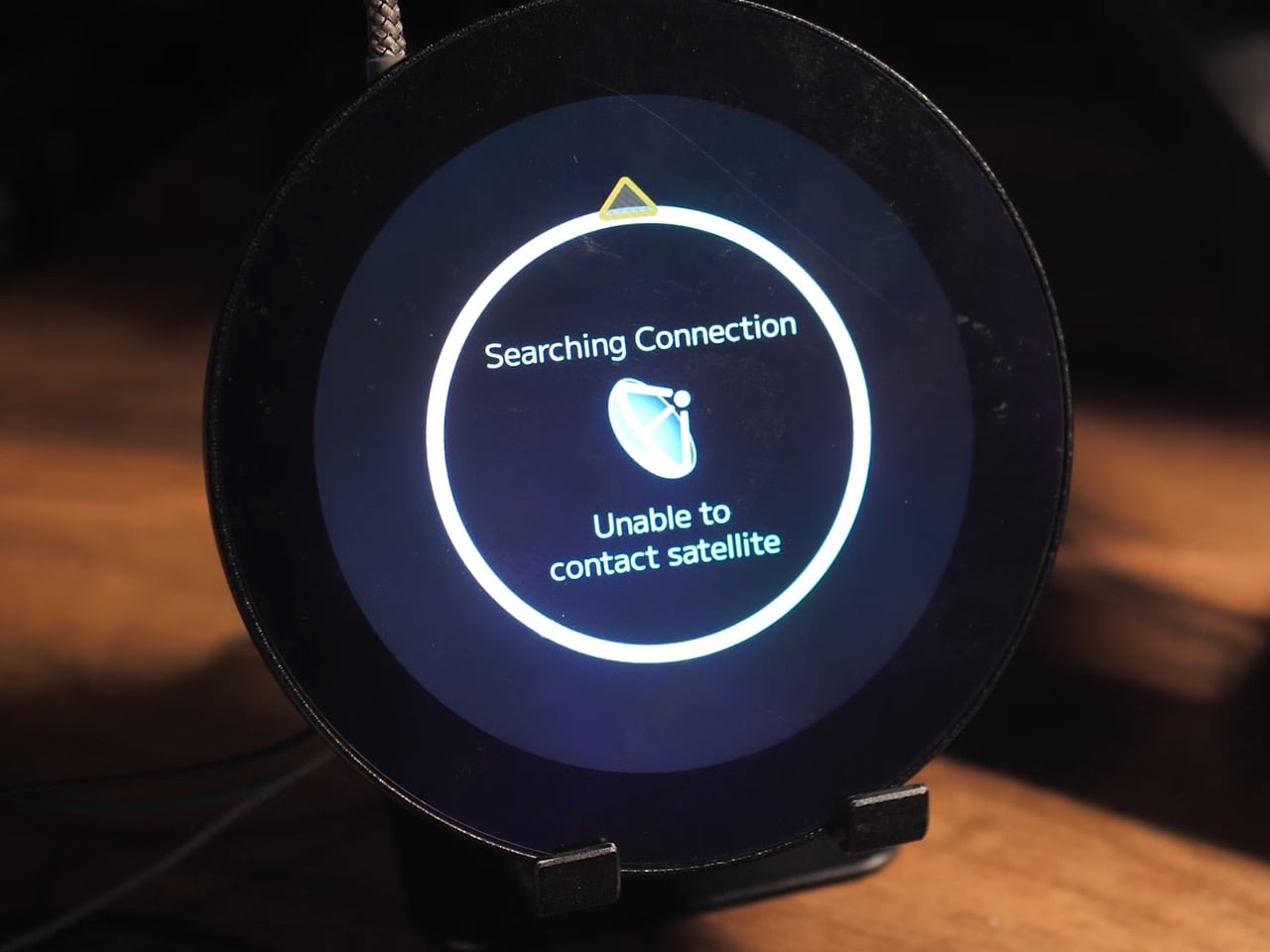
Getting this to work on a $20 microcontroller meant processing the entire UK into 2.5 million map tiles, totaling 236GB of data stored on an SD card. The ESP32 loads them dynamically based on your heading, only pulling in new tiles from the direction you’re traveling because each one takes a tenth of a second to load. We’re talking weeks of optimization just to get map tiles loading fast enough, clever tricks to avoid tanking the frame rate, and some creative compromises that make the whole thing feel polished despite running on hardware that costs less than takeaway for two. What’s particularly cool is that all the code is open-source, meaning you could theoretically generate tiles for your own city styled after whatever game you’re nostalgic for.
Designer: Garage Tinkering
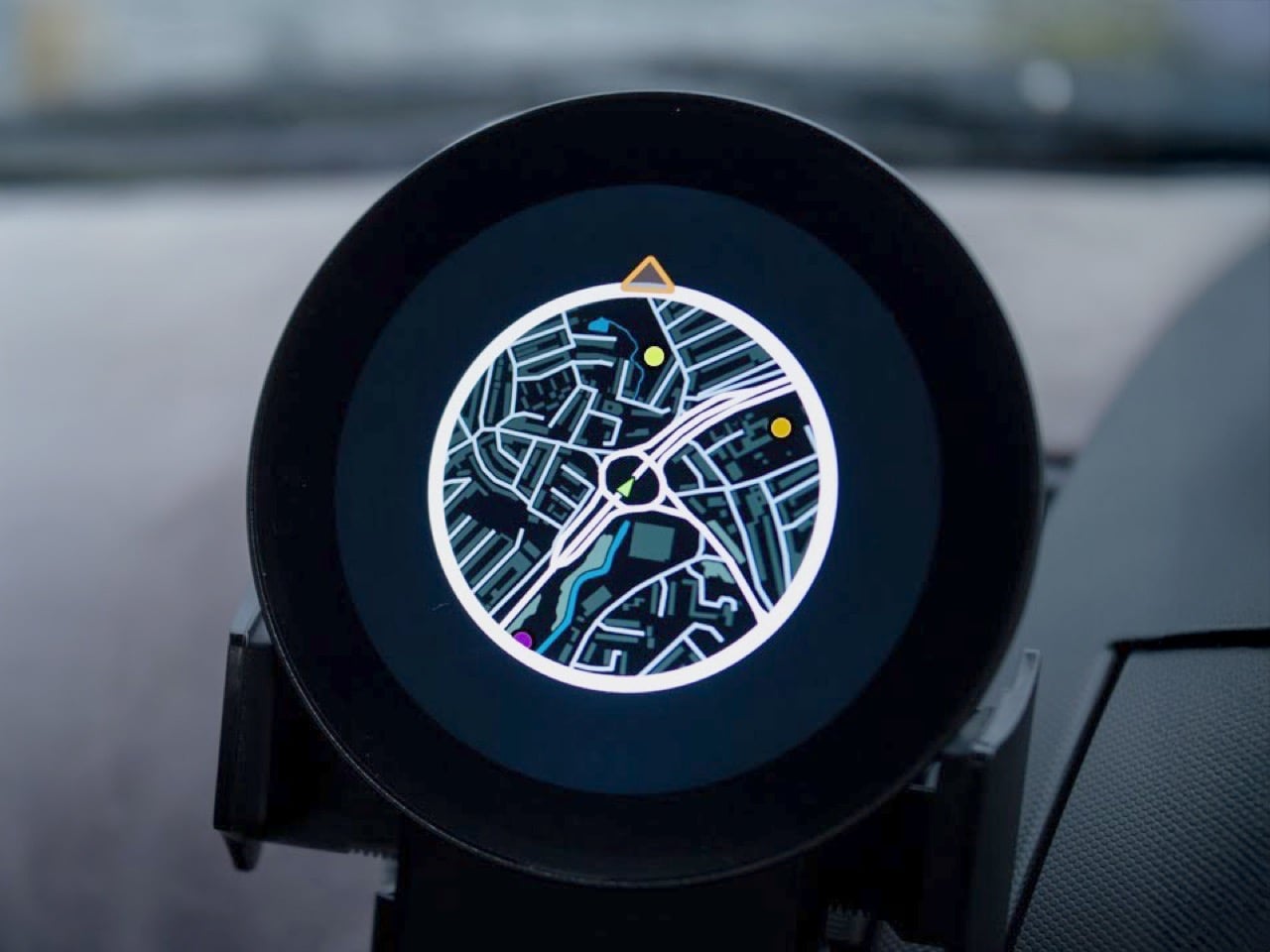
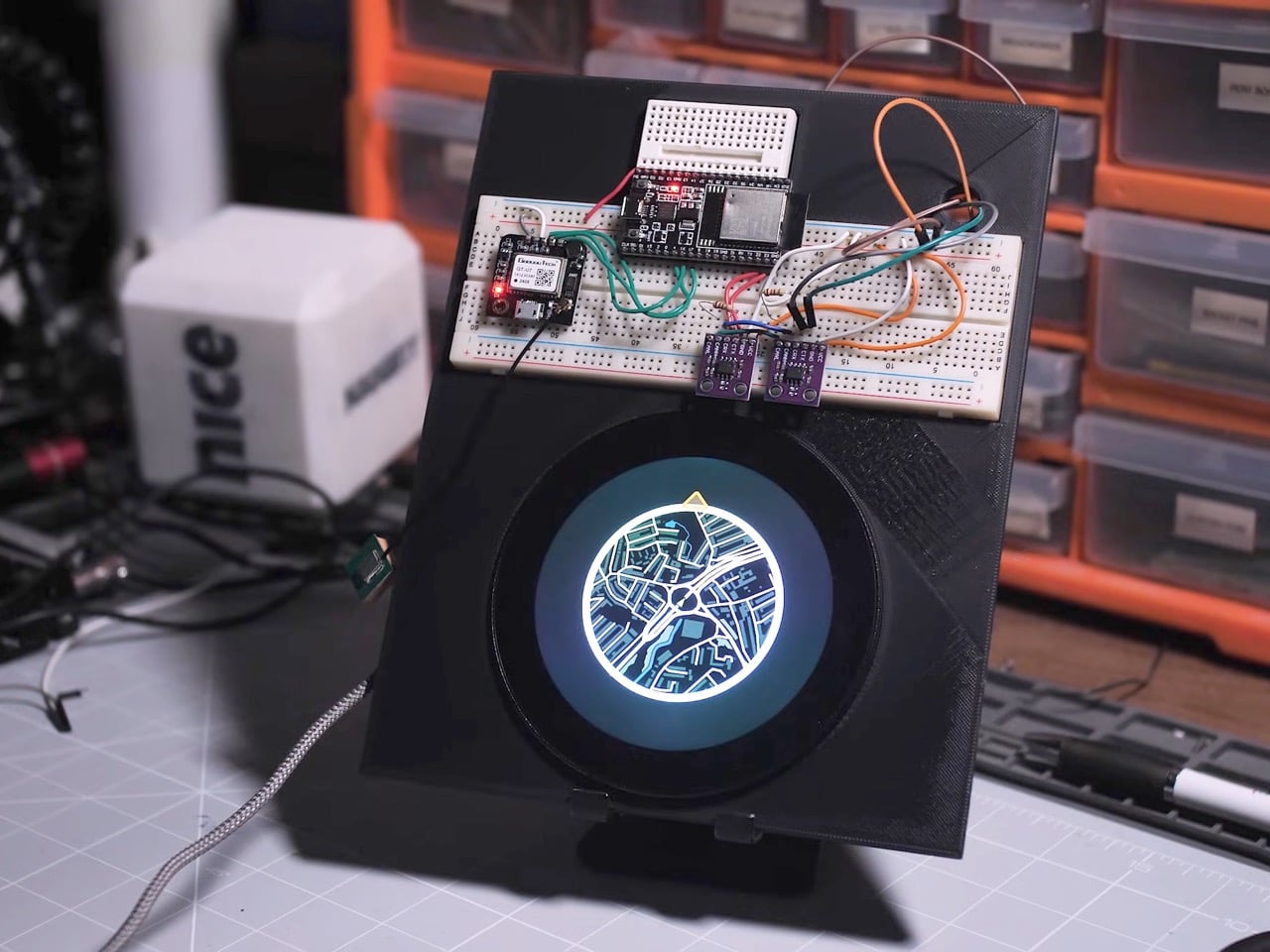
The project runs on an ESP32-P4, the flagship chip in the ESP32 family, paired with a 3.4-inch 800×800 pixel WaveShare display. If it couldn’t work on this combination, it wasn’t going to work on any ESP32, which is exactly why the developer chose it. The alternative would have been admitting defeat before even starting, and where’s the fun in that?
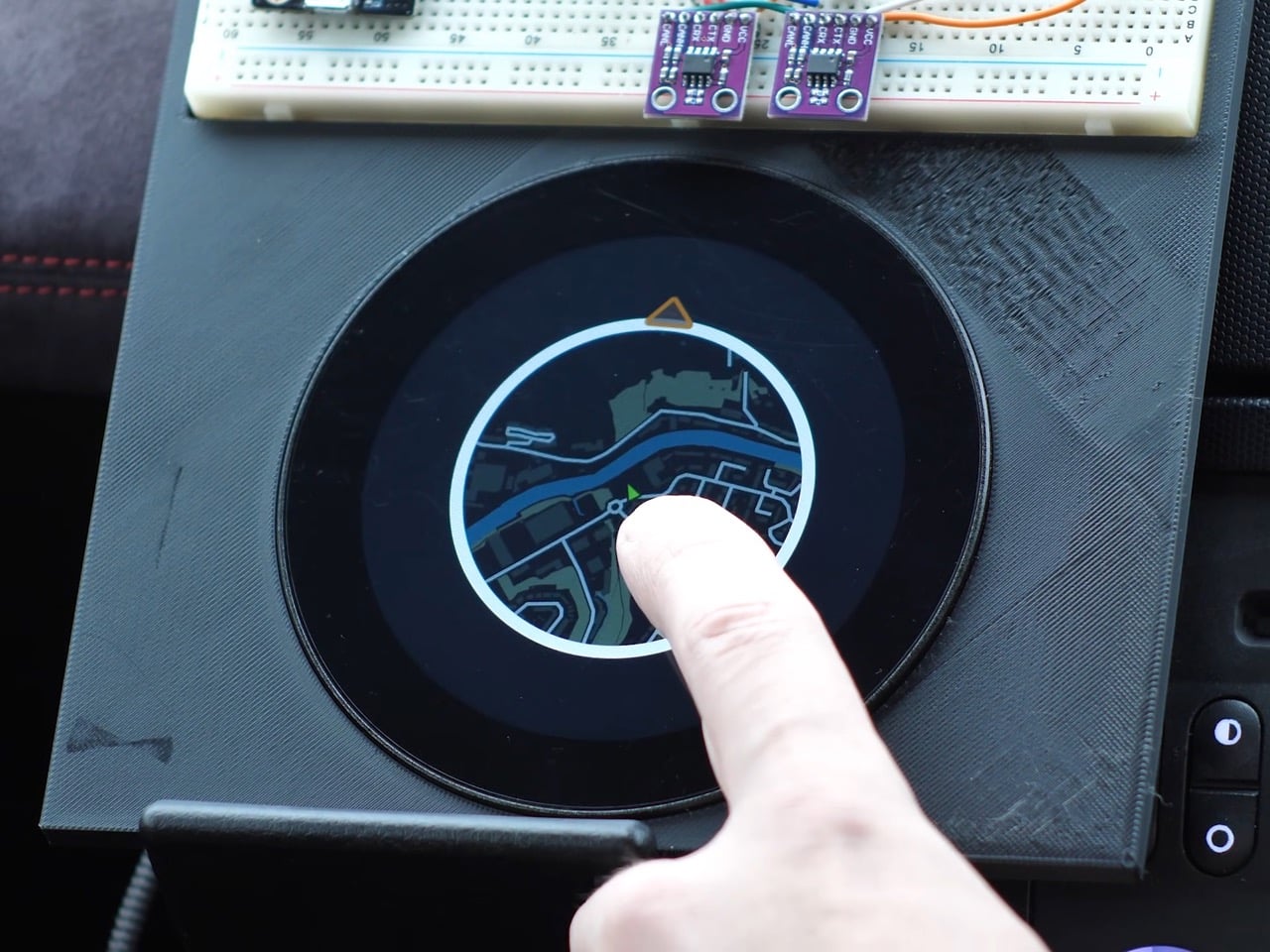
The map generation process alone is wonderfully excessive. Using QGIS, a geospatial mapping tool, the developer pulled road data from Ordnance Survey, transportation waypoints from the UK Department of Transportation, and petrol stations from Open Street Maps via a custom Python script that parsed through a 2GB dataset looking for anything tagged with “amenity=fuel.” The result was 2.5 million map tiles covering the entire UK at zoom level 16, totaling 236GB of data. Processing took 35 hours. Converting those tiles to a format the ESP32 could read took another 18 hours. Transferring everything to an SD card took 22 more hours. This is the kind of project where you start things running before bed and hope they’re done by morning.
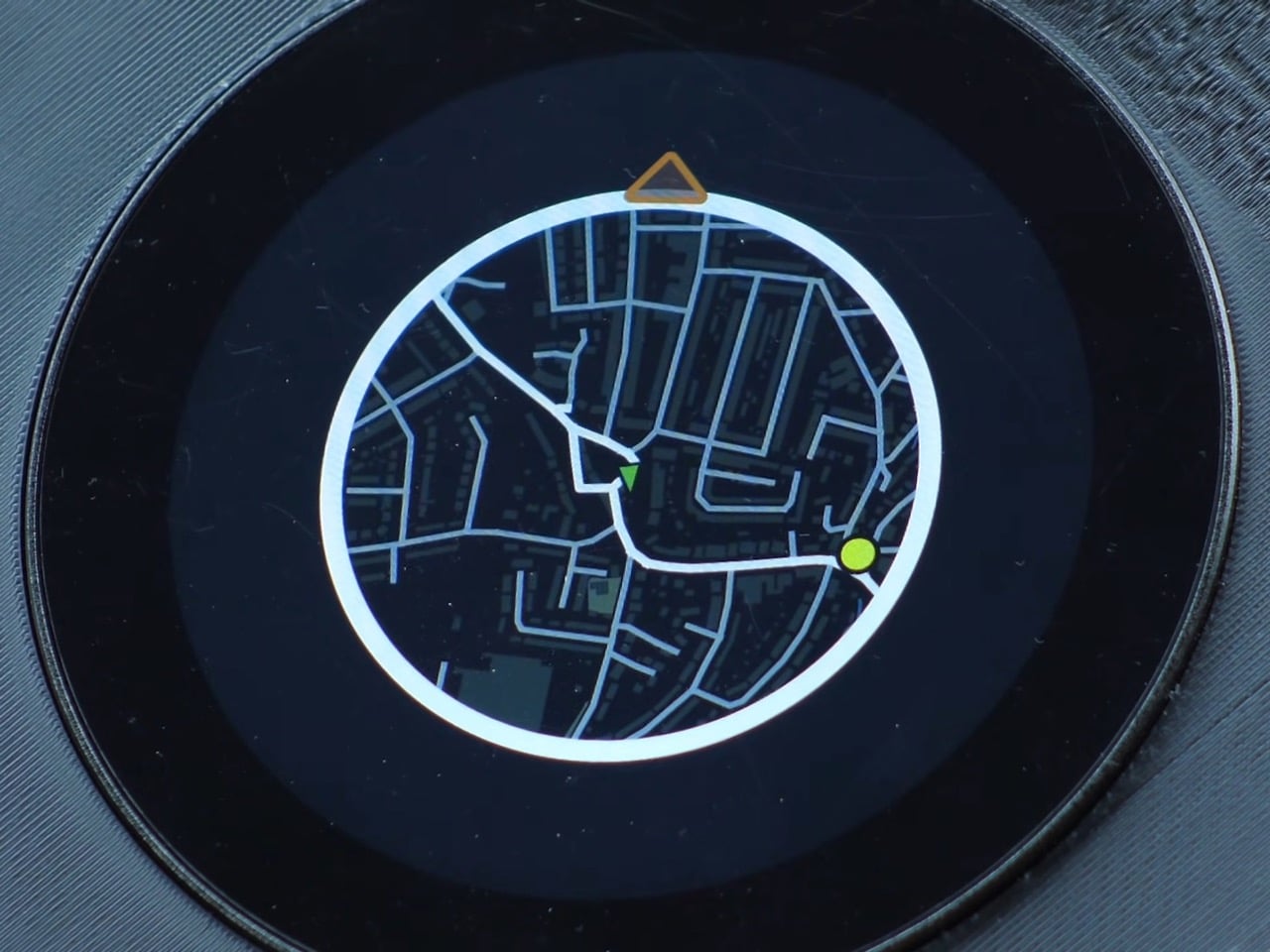
Getting smooth performance meant rethinking how traditional GPS navigation works. Each tile takes roughly 0.1 seconds to load from the SD card, which sounds fast until you realize how many tiles you’d need if you loaded everything around you constantly. The solution was directional loading. If you’re heading north, only load new tiles coming in from the top. The tiles on the sides and bottom don’t need refreshing because you’re moving away from them. Just shuffle the existing data around in memory and you’ve saved yourself a bunch of unnecessary SD card reads.
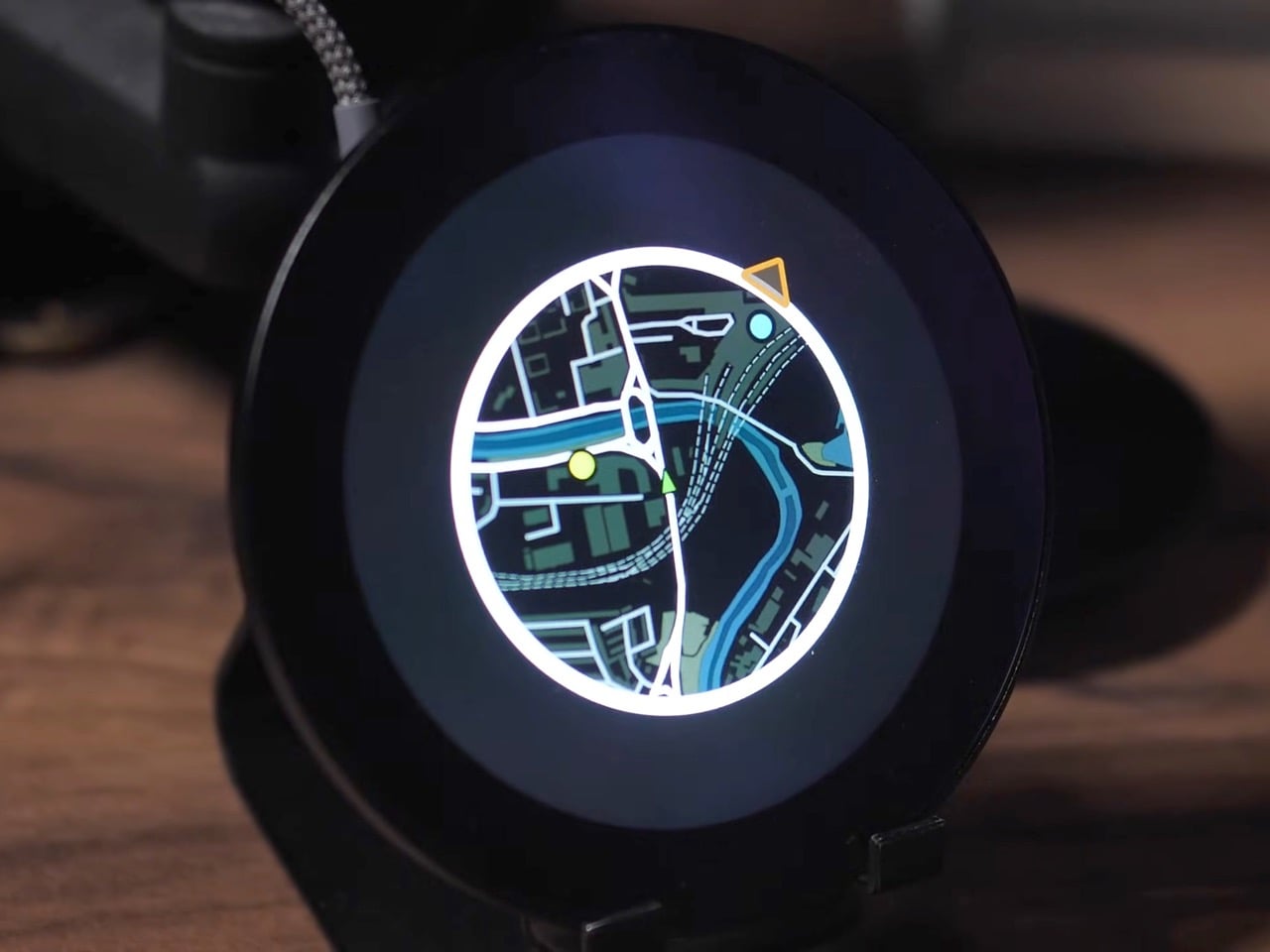
The other big performance win came from abandoning authenticity. The original plan was to rotate the entire map grid so it moved like it does in Need for Speed, with the car always pointing up. Turns out rotating large image grids on an ESP32 makes everything stuttery and unpleasant. The fix was keeping the map oriented north and rotating just the car icon to show your heading. It’s less true to the game but infinitely smoother in practice, which matters more when you’re actually using the thing.
The current prototype isn’t exactly plug-and-play elegant though. The GPS module sits on a breadboard outside the main device, creating a larger footprint than the sleek circular display suggests. It’s functional but definitely looks like a dev setup rather than a finished product. Still, the developer plans to integrate everything into a full Need for Speed inspired dashboard for their Nissan 350Z, which should clean up the form factor considerably. And since all the code is open-source and free to use, anyone with the patience for multi-day processing times can adapt it for their own area and preferred game aesthetic.
The post first appeared on .
Related Posts