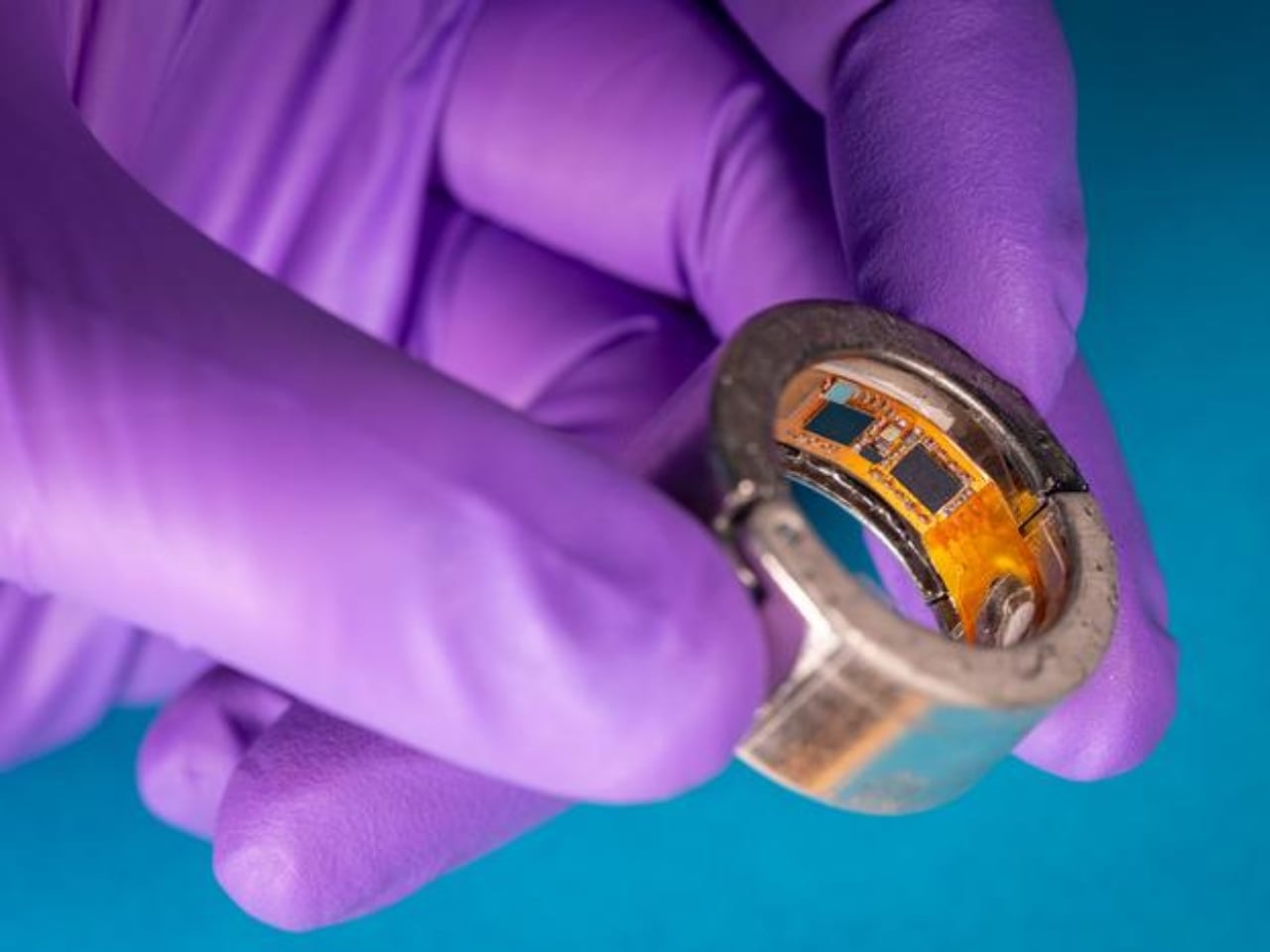
The smart ring market has had a good run on heart rate and sleep tracking. Oura, Samsung Galaxy Ring, and their growing circle of competitors have made it genuinely useful to wear a small device on your finger all day. But if you’ve been waiting for wearable health tech to go deeper than pulse and REM cycles, engineers at UC San Diego may have just drawn the roadmap.
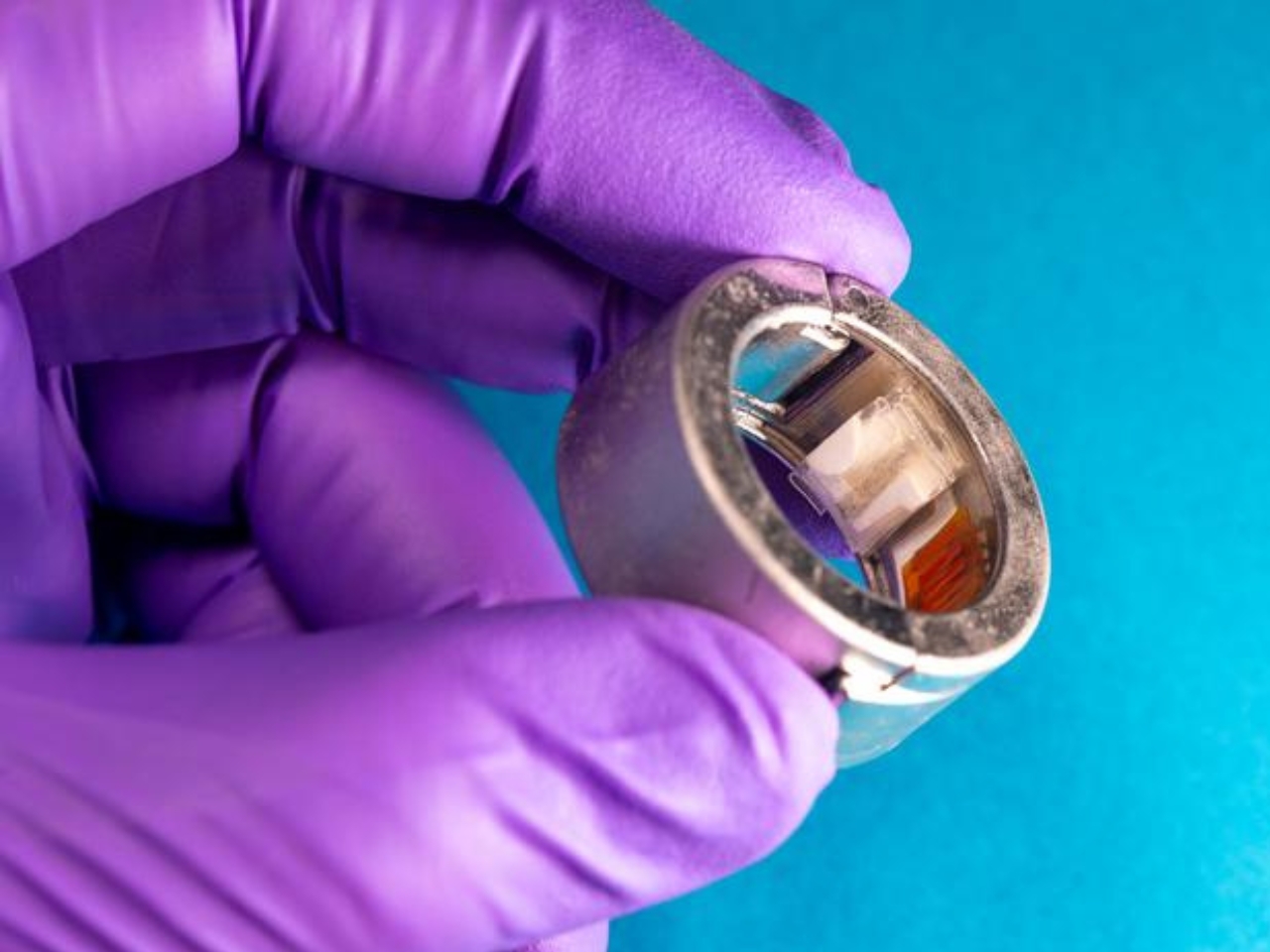
Their prototype, called CHARM (Continuous Health Analyzing Ring Module), doesn’t check your heart. It reads your sweat. Specifically, the microscopic amount of sweat that your fingers naturally produce throughout the day, no gym session required. Through a built-in osmotic hydrogel that draws moisture out passively, the ring collects and analyzes up to four chemical biomarkers at a time: glucose, ketones, vitamin C, uric acid, lactate, and alcohol. It then sends that data wirelessly to a smartphone.
Designer: UC San Diego engineers
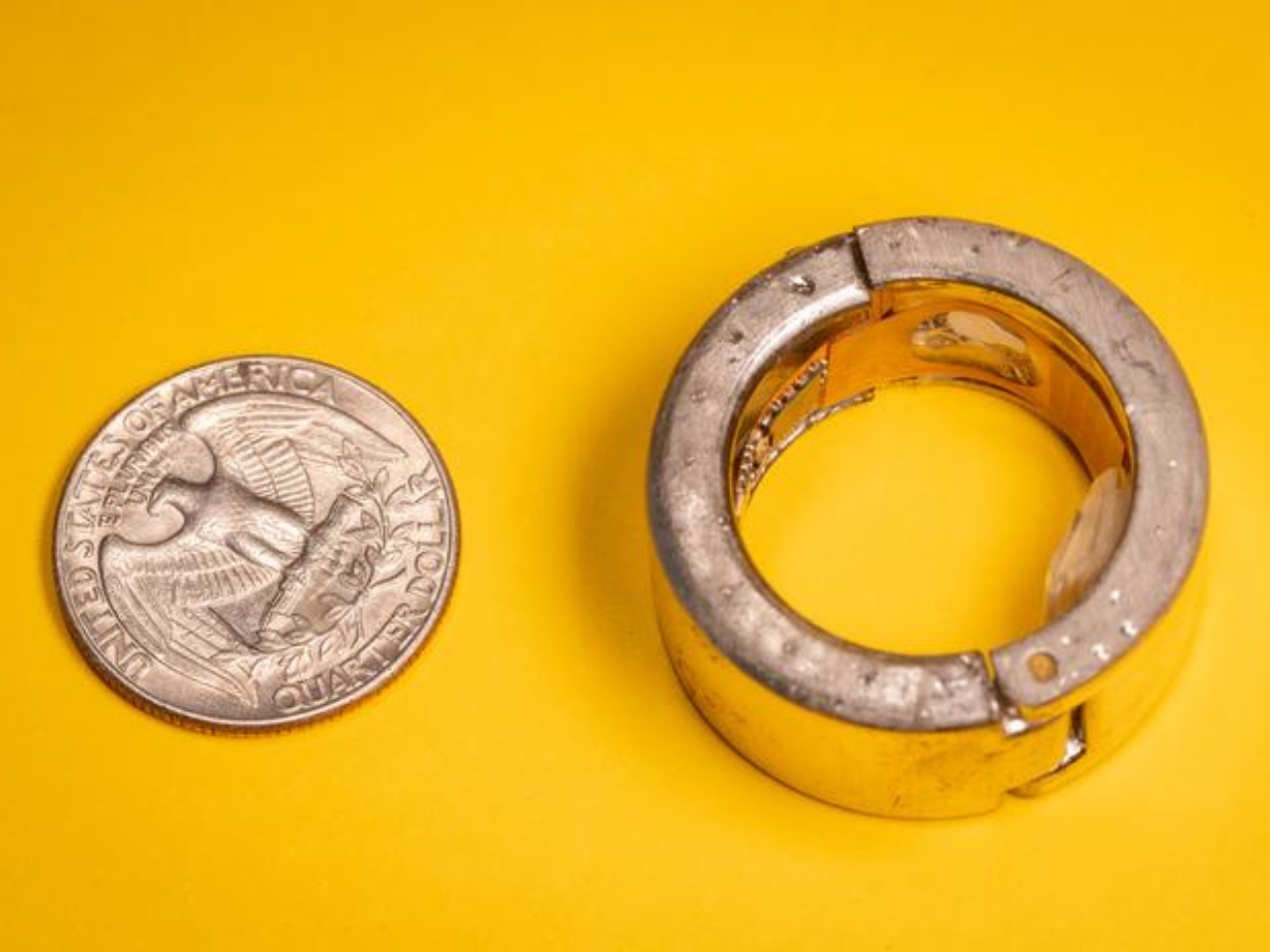
That list of biomarkers is worth sitting with for a moment. Glucose and ketones tell you about your metabolic state and how your body is processing energy. Lactate relates to physical exertion and muscle activity. Uric acid is linked to inflammation and conditions like gout. Vitamin C reflects dietary intake. Alcohol levels speak for themselves. Getting any one of these readings from a non-invasive wearable is already impressive. Getting all of them simultaneously, continuously, and without drawing a single drop of blood, is something else entirely.
The research, published in Nature Communications and led by postdoctoral researcher Tamoghna Saha in the lab of Joseph Wang at UC San Diego, has already passed some important early tests. In trials with participants both with and without Type 1 diabetes, CHARM’s sweat-based glucose readings closely matched results from a standard continuous glucose monitor. Its ketone data similarly aligned with readings from a traditional blood meter. For a prototype, that’s a meaningful validation and a strong signal that the underlying science holds up outside of a lab setting.
What makes this feel like a genuine step forward, rather than just another research headline, is how clearly it names the gap in current wearable technology. As Saha put it, commercial rings only provide biophysical information but lack the molecular data that offers deeper insights into an individual’s health. That is a polite way of saying that knowing your resting heart rate is useful, but it doesn’t tell you whether you’re running low on vitamin C or how your body actually responded to what you ate for lunch.
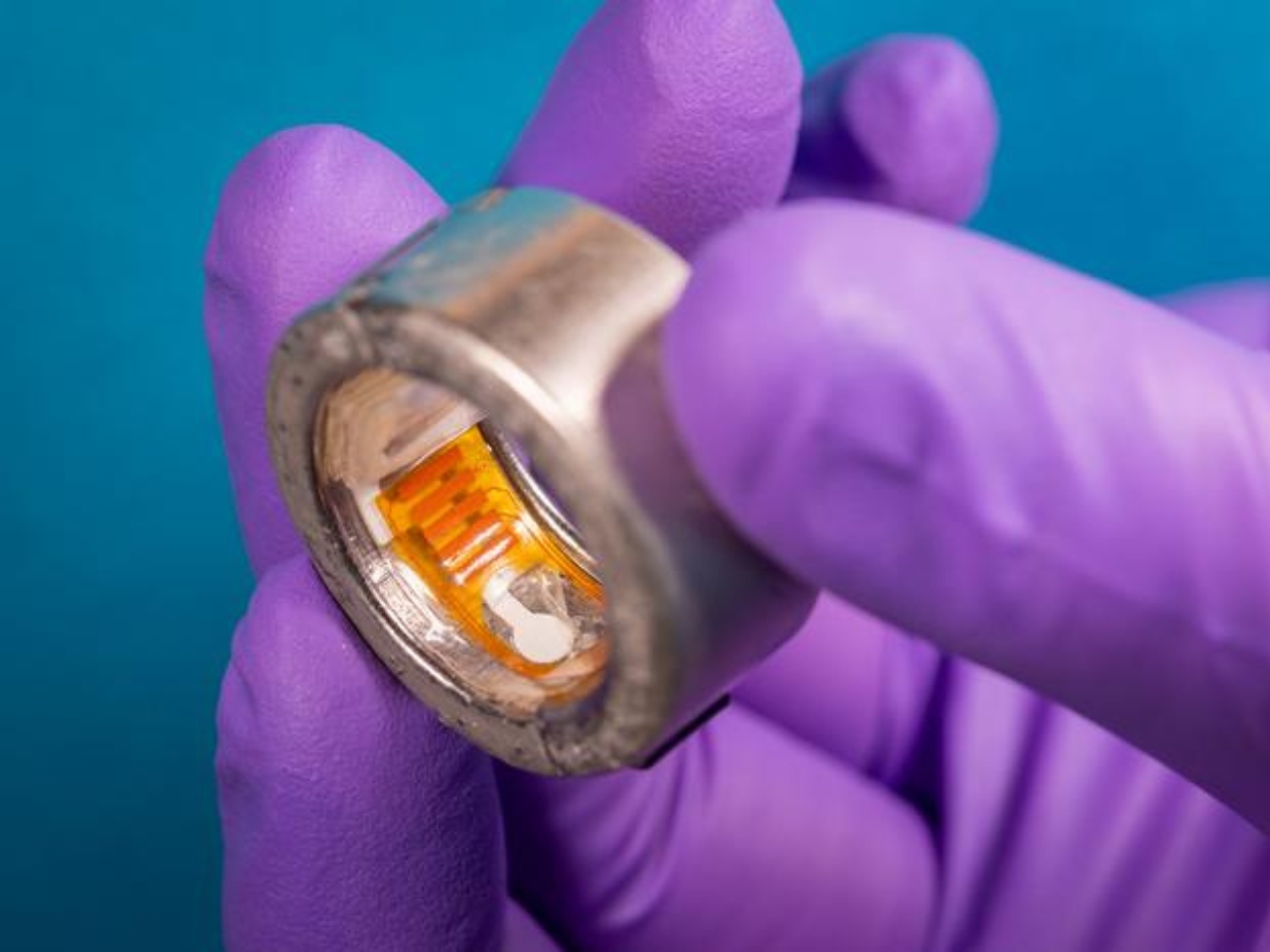
The design challenge here is real, and I think it deserves more credit than the flashier headline about sweat gets it. Cramming accurate chemical sensors, a hydrogel layer, data processing, and wireless connectivity into a ring-shaped form factor is not a small engineering problem. The current prototype, which clamps around a finger, is still a long way from the slim, polished bands we’ve grown used to slipping on without thinking. Getting it there, while keeping the sensor accuracy intact and the battery life practical, will be the hard part. But that is exactly the kind of design and miniaturization problem that tends to get solved once the underlying science is proven. The history of consumer health tech is basically a series of “we figured out the science, now let’s make it wearable” moments.
The smart ring category has felt a little flat lately, if I’m being direct. The differences between most devices come down to software features and companion app design, not any fundamental leap in what they can actually detect. CHARM points toward a version of the smart ring that is genuinely measuring your body’s chemistry in real time, the kind of data that has historically required a clinic visit or a prescription-grade device. Putting that on a finger, passively, all day, changes what personal health monitoring can realistically mean.
It’s still early. CHARM is a prototype, the paper is fresh, and a consumer version is nowhere near announced. But the direction is right, and the science backs it up. If biochemical monitoring eventually becomes a standard feature of smart rings rather than a research novelty, this prototype will be one of the moments worth pointing back to.
The post first appeared on .
Related Posts