For millions of people with visual impairments, daily navigation presents constant challenges that most of us take for granted. Simple tasks like walking down a street, identifying objects, or finding specific locations can become frustrating experiences that diminish independence and self-assurance. While asking for assistance is a natural solution for many, it often comes with a psychological cost for visually impaired individuals who value their autonomy and wish to move through the world on their own terms.
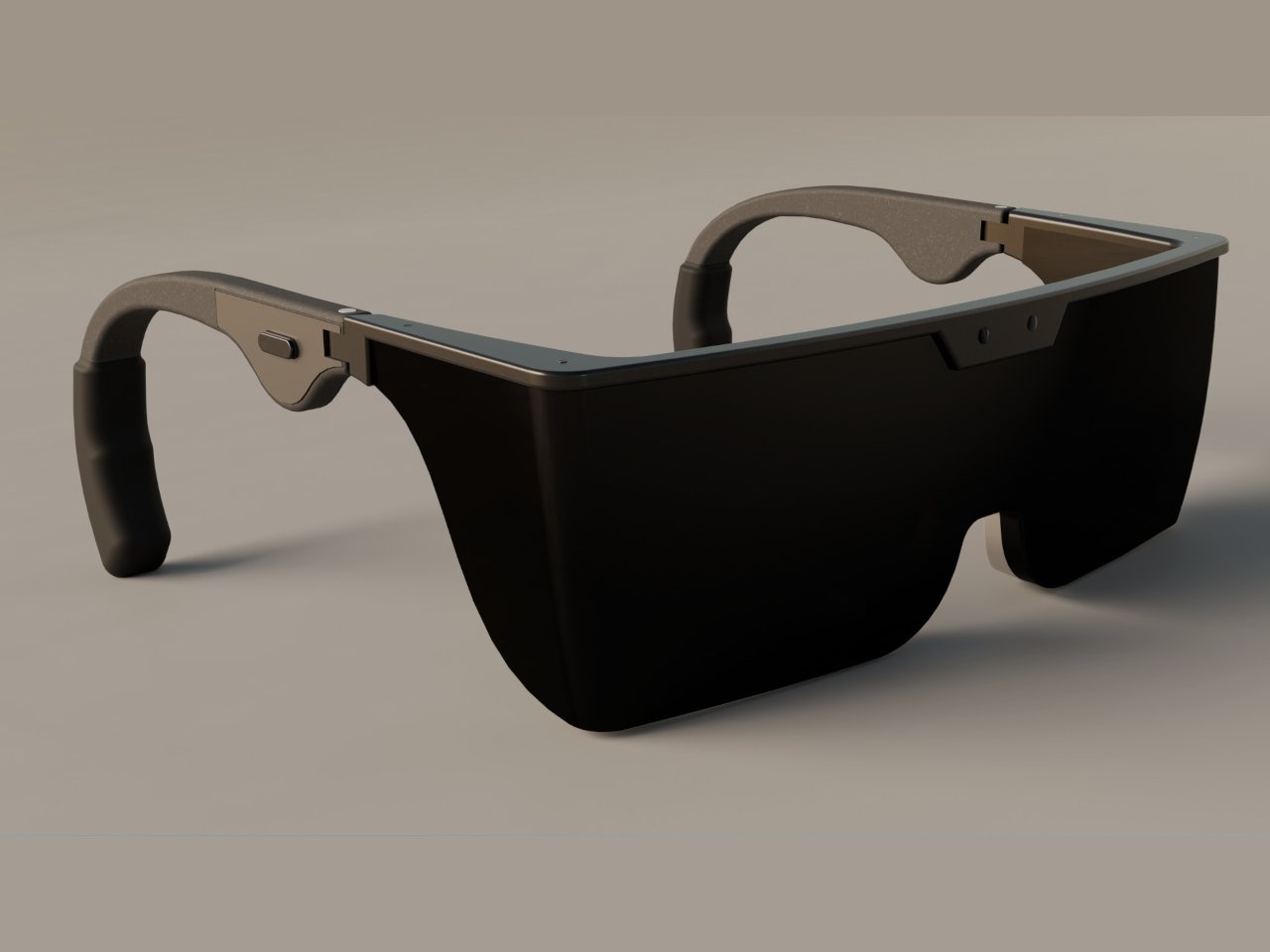
The Vision Aid smart visor concept represents a thoughtful application of cutting-edge technology to address these challenges in a way that respects dignity and enhances independence. By reimagining how visually impaired people interact with their surroundings, this innovative device transforms existing technologies from mere conveniences into powerful tools for accessibility. Rather than developing entirely new systems, the concept cleverly repurposes established technologies to create a wearable solution that feels both familiar and revolutionary.
Designer:
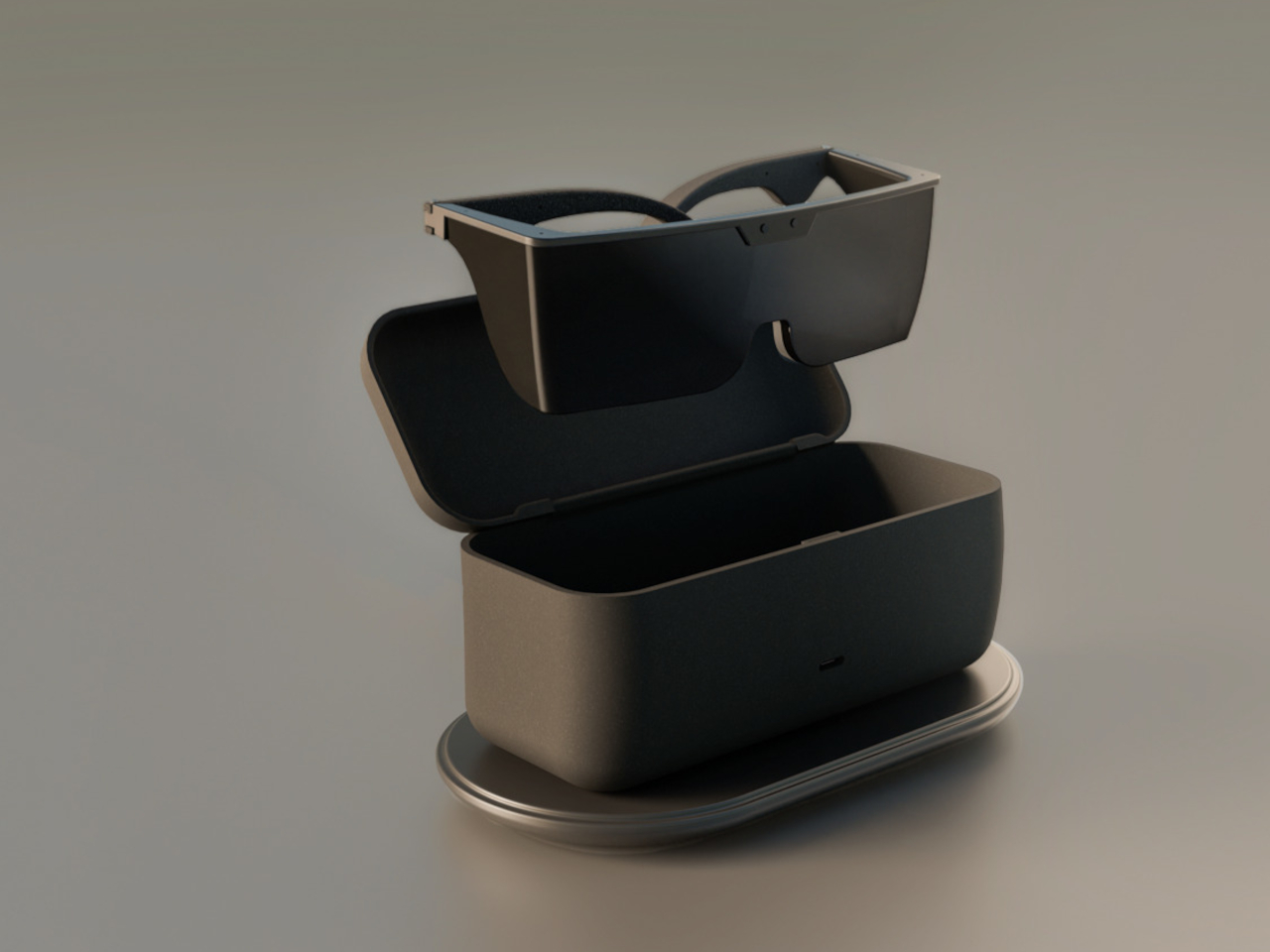
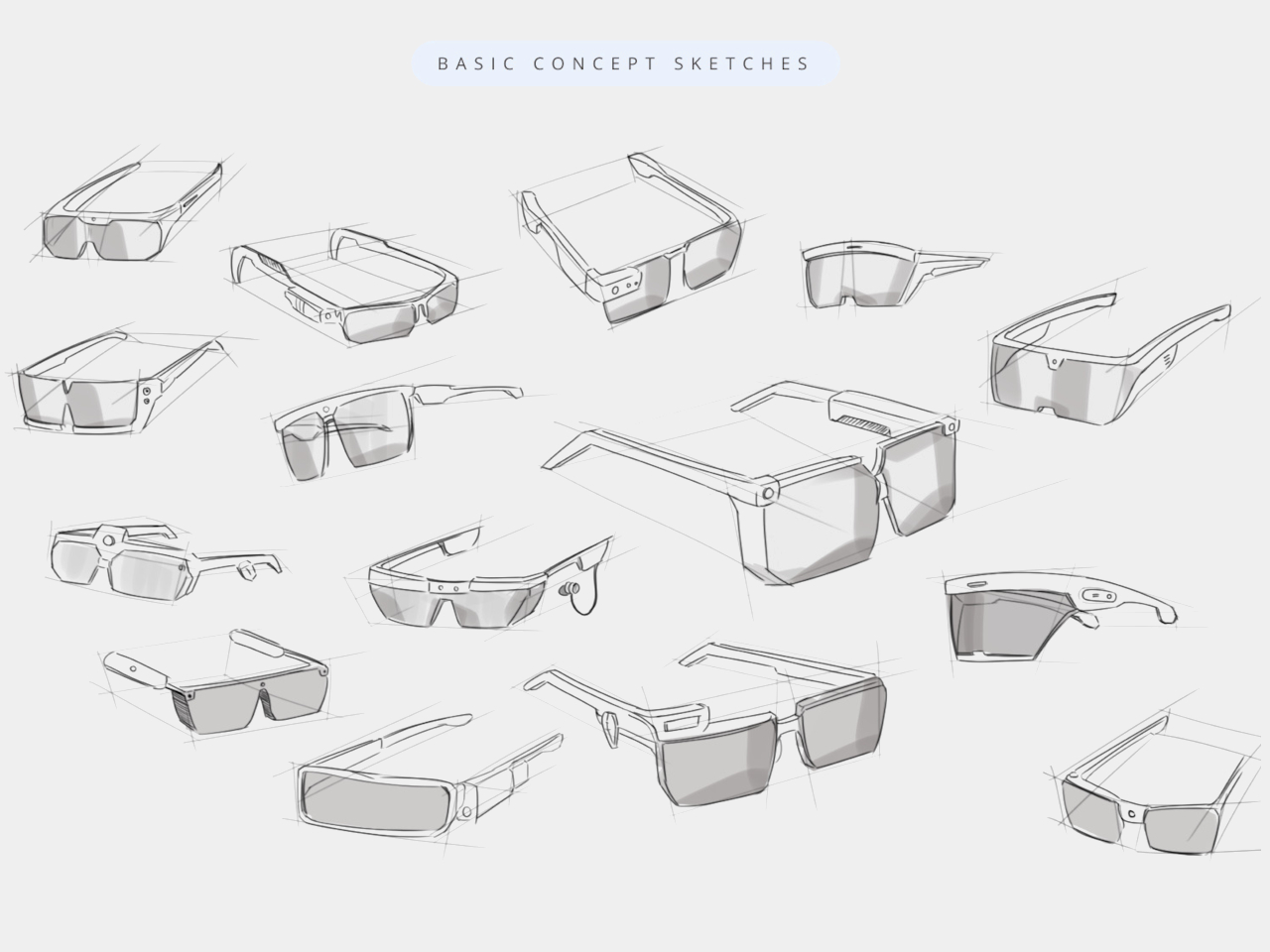
While various assistive technologies exist for the visually impaired, from smart canes to body-mounted cameras, many require additional components like earpieces that create a fragmented user experience. The Vision Aid concept takes inspiration from the most natural form factor for visual assistance: glasses. By building upon an accessory that visually impaired individuals already wear daily, the design creates a seamless integration into existing habits without adding stigmatizing or cumbersome equipment.
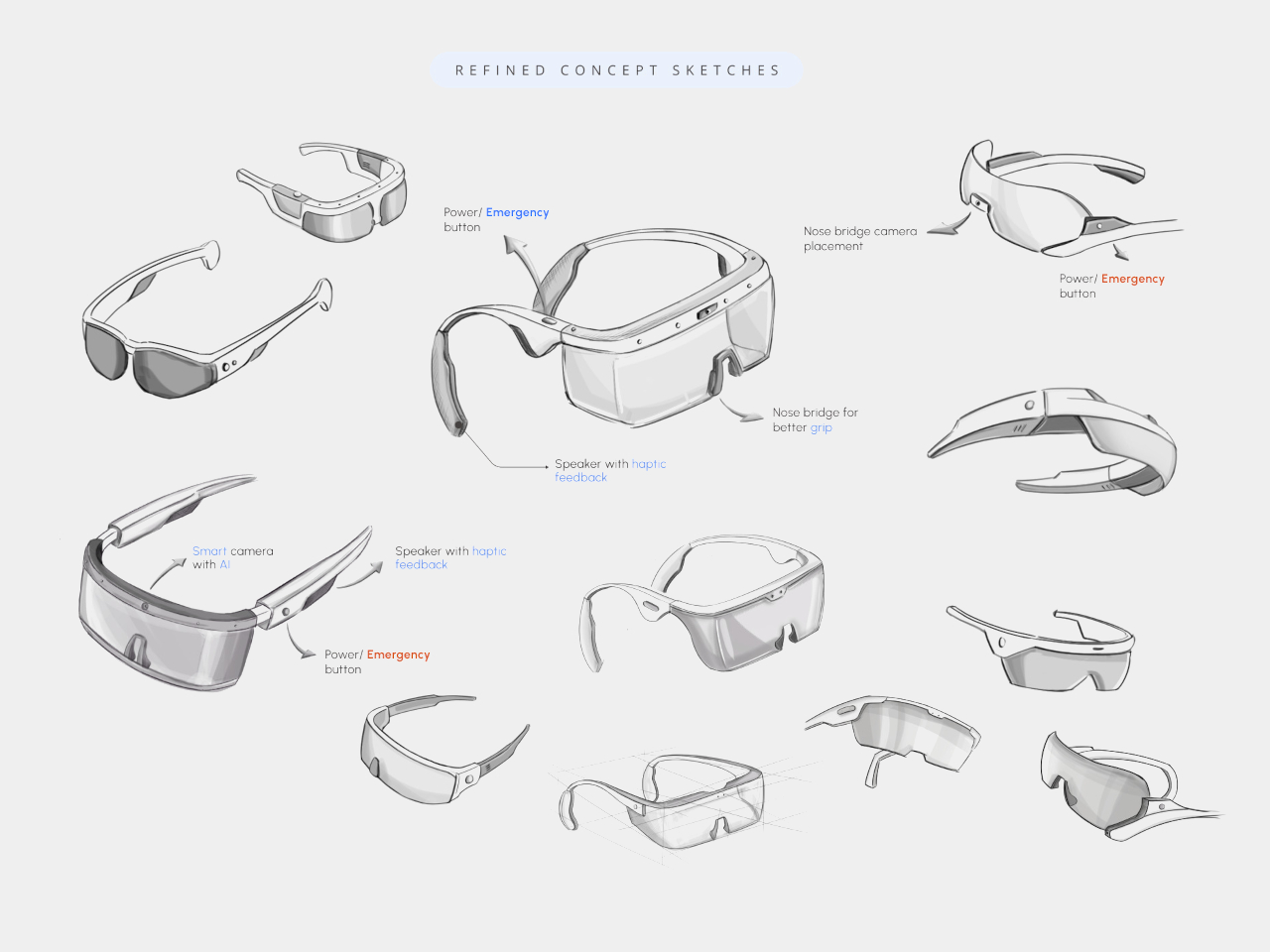
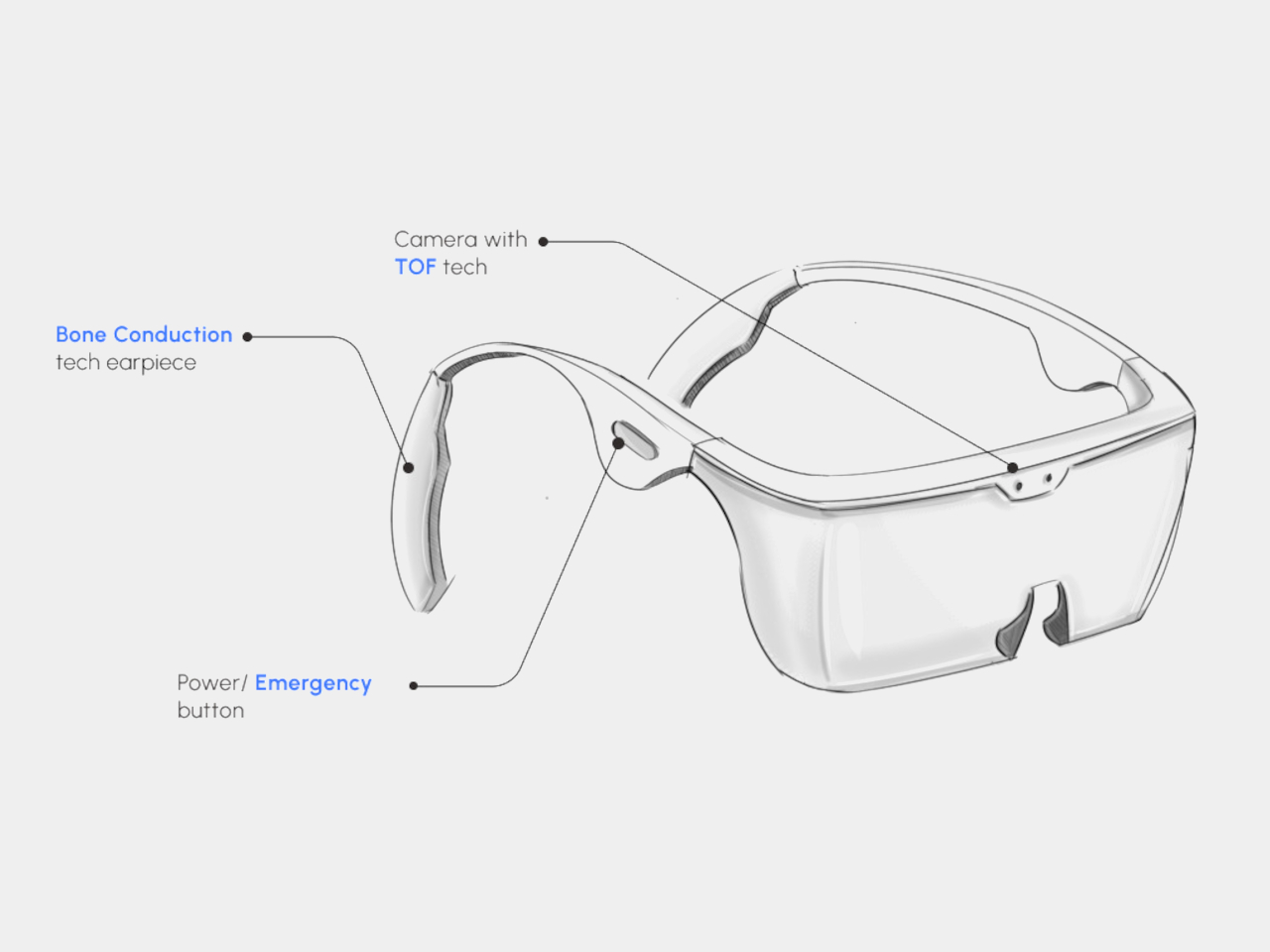
The technical heart of the Vision Aid concept lies in its sophisticated Time of Flight (ToF) cameras positioned at the top near the forehead. These specialized sensors create accurate three-dimensional maps of the surrounding environment, providing precise spatial awareness that traditional visual aids cannot match. This mapping capability works in conjunction with RFID sensors that identify specific objects and locations, creating a comprehensive understanding of the wearer’s surroundings that can be communicated through non-visual means.
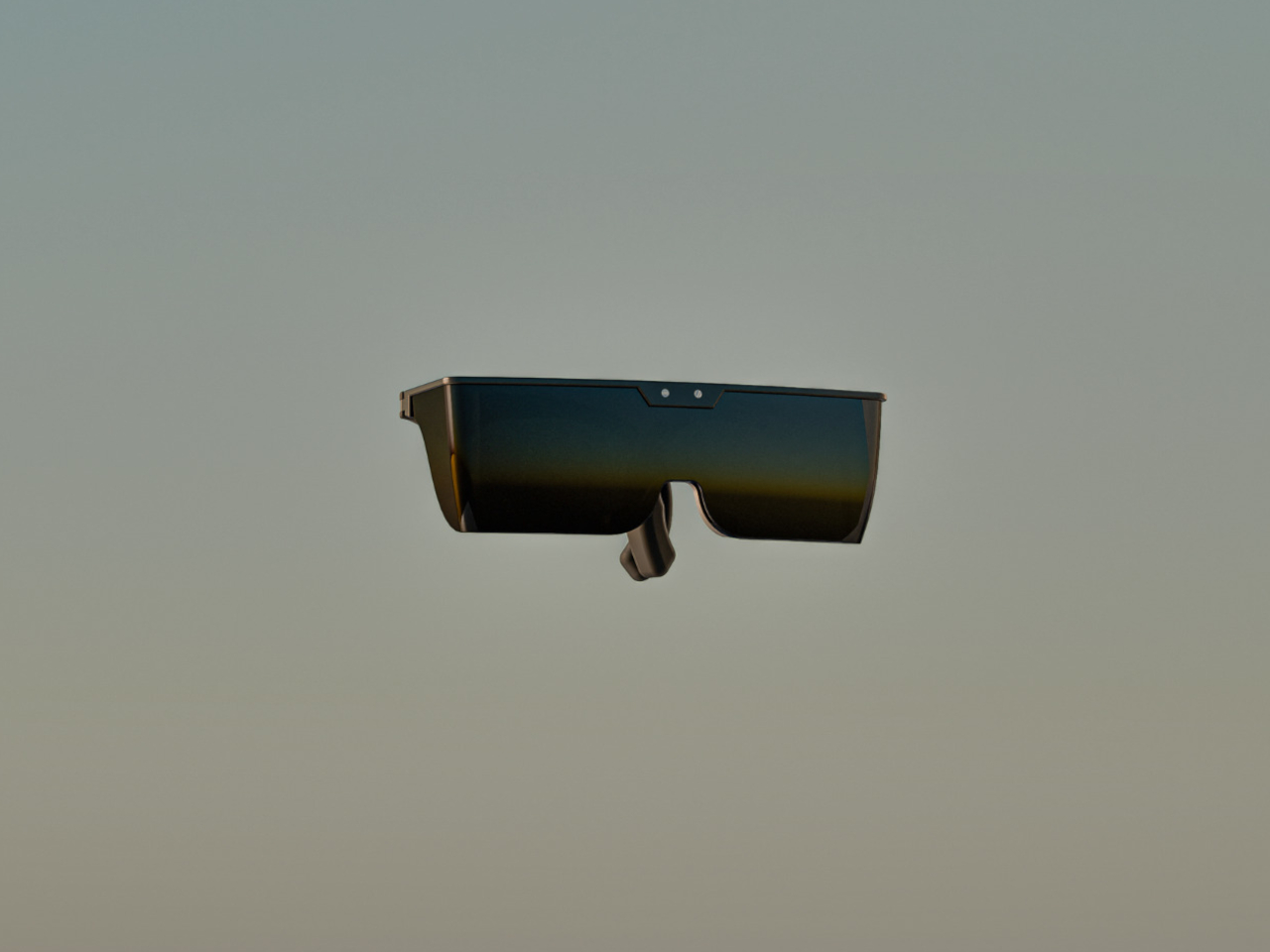
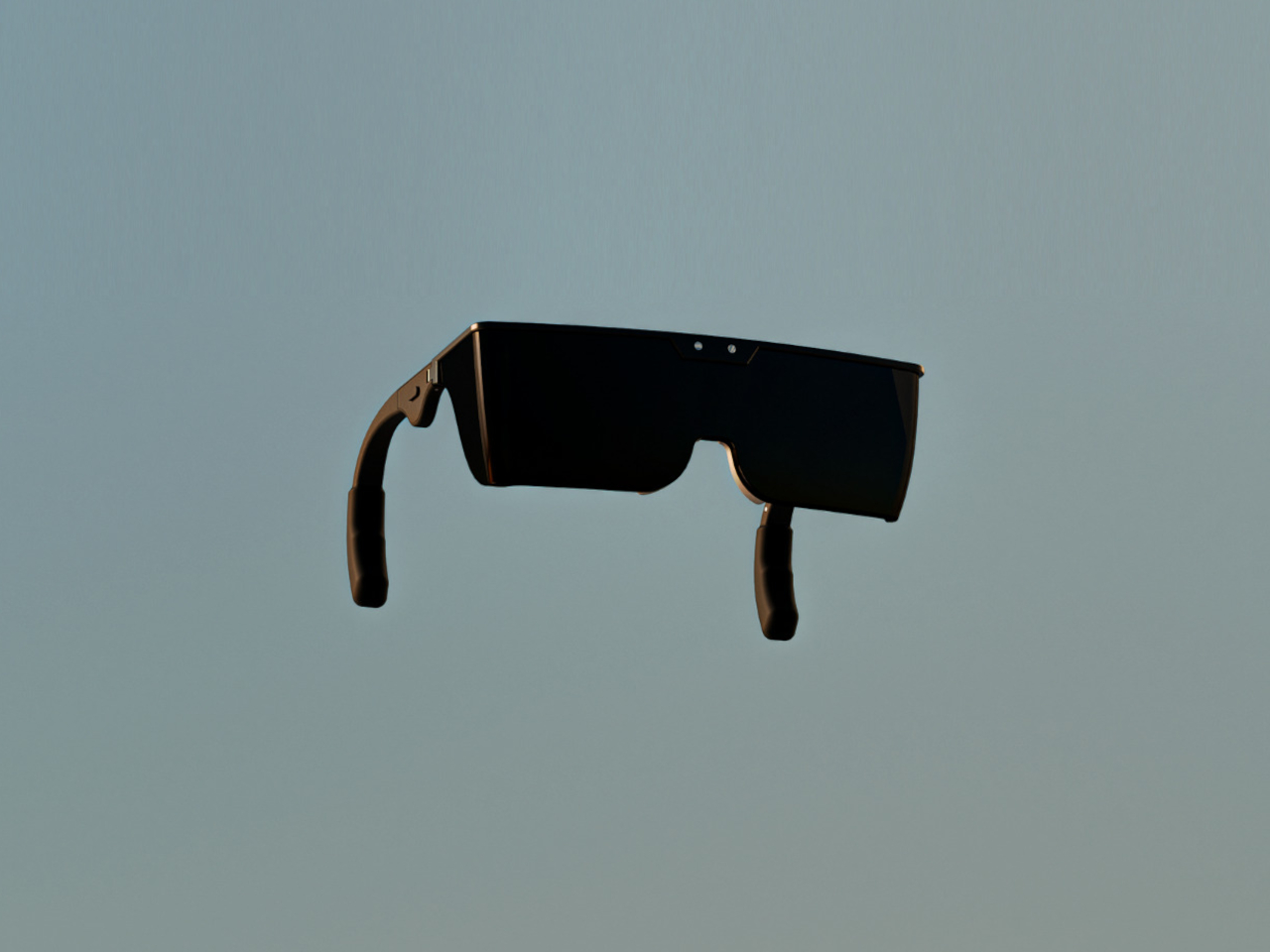
User feedback is delivered through bone conduction technology and subtle vibration patterns, eliminating the need for earpieces that might block important ambient sounds. The sensory feedback preserves the wearer’s ability to hear traffic, conversations, and environmental cues while simultaneously receiving navigational guidance. The dual-channel feedback system allows users to process directional information and object identification simultaneously, creating a richer understanding of their surroundings.
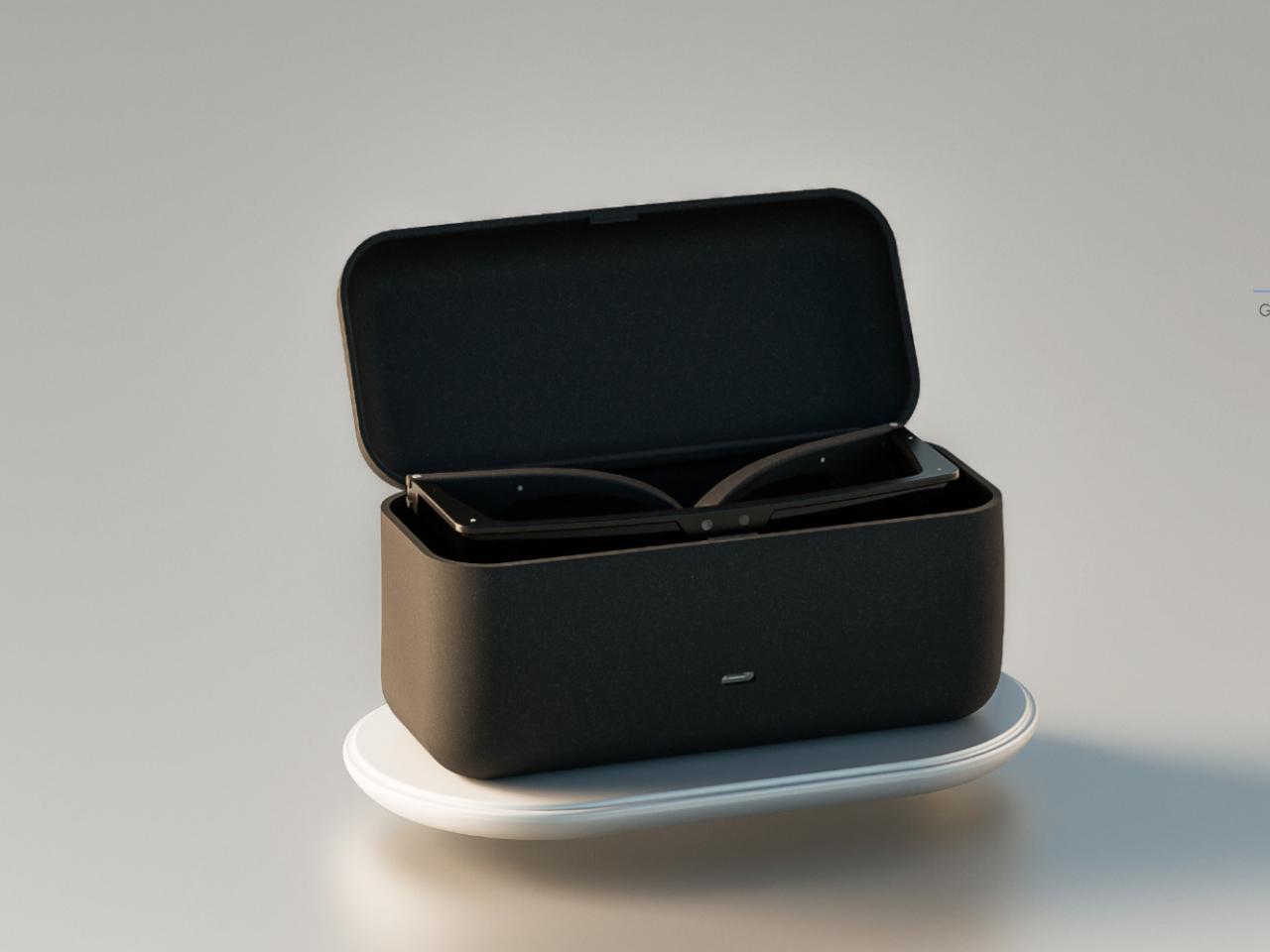
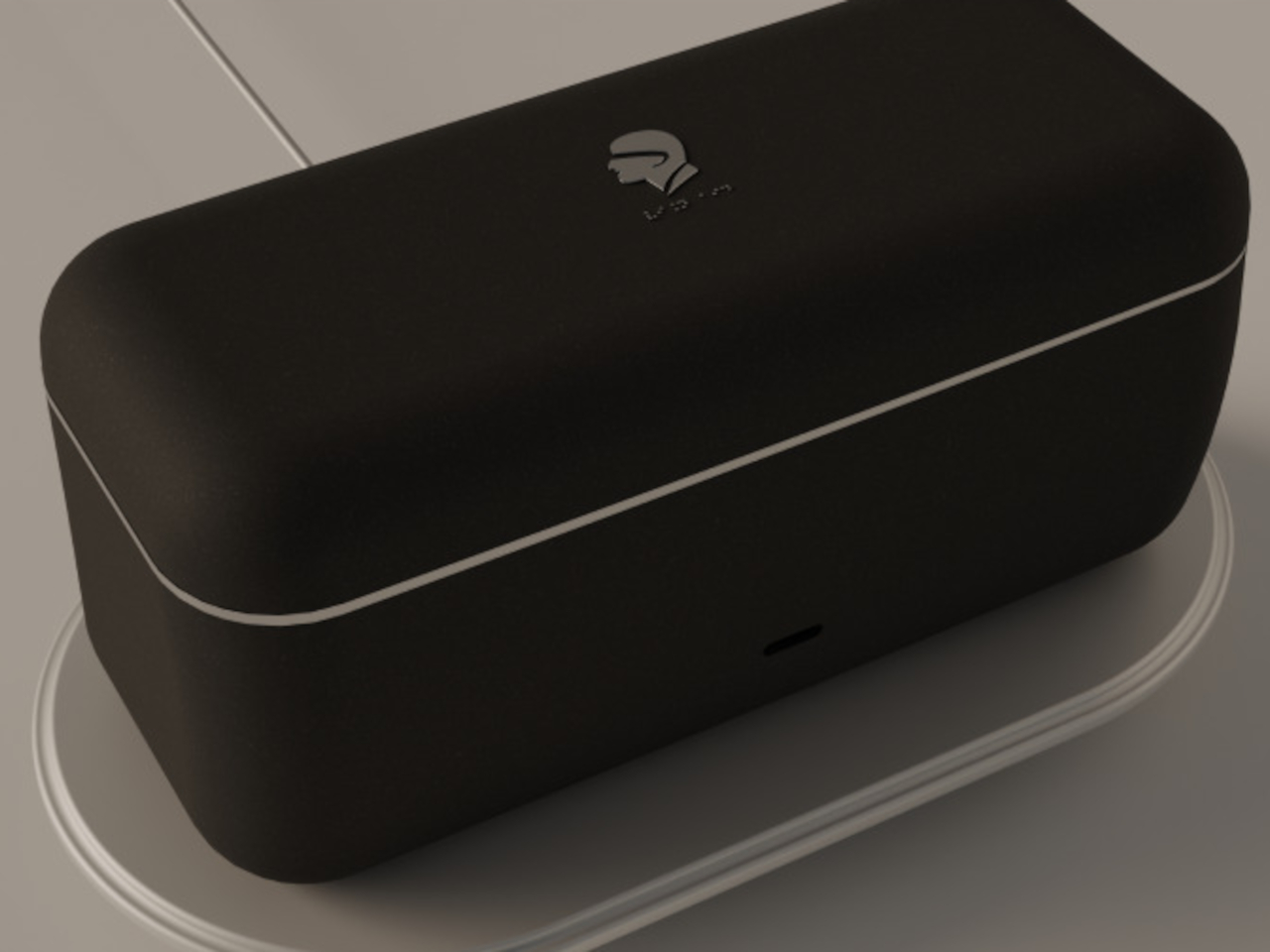
The design incorporates several quality-of-life features that demonstrate deep consideration for real-world usability. A thermal sensor automatically activates the device when worn, eliminating fumbling with power buttons or switches. The recording mode creates a spatial memory of routes traveled, allowing users to confidently retrace familiar paths or avoid problematic areas in future journeys.
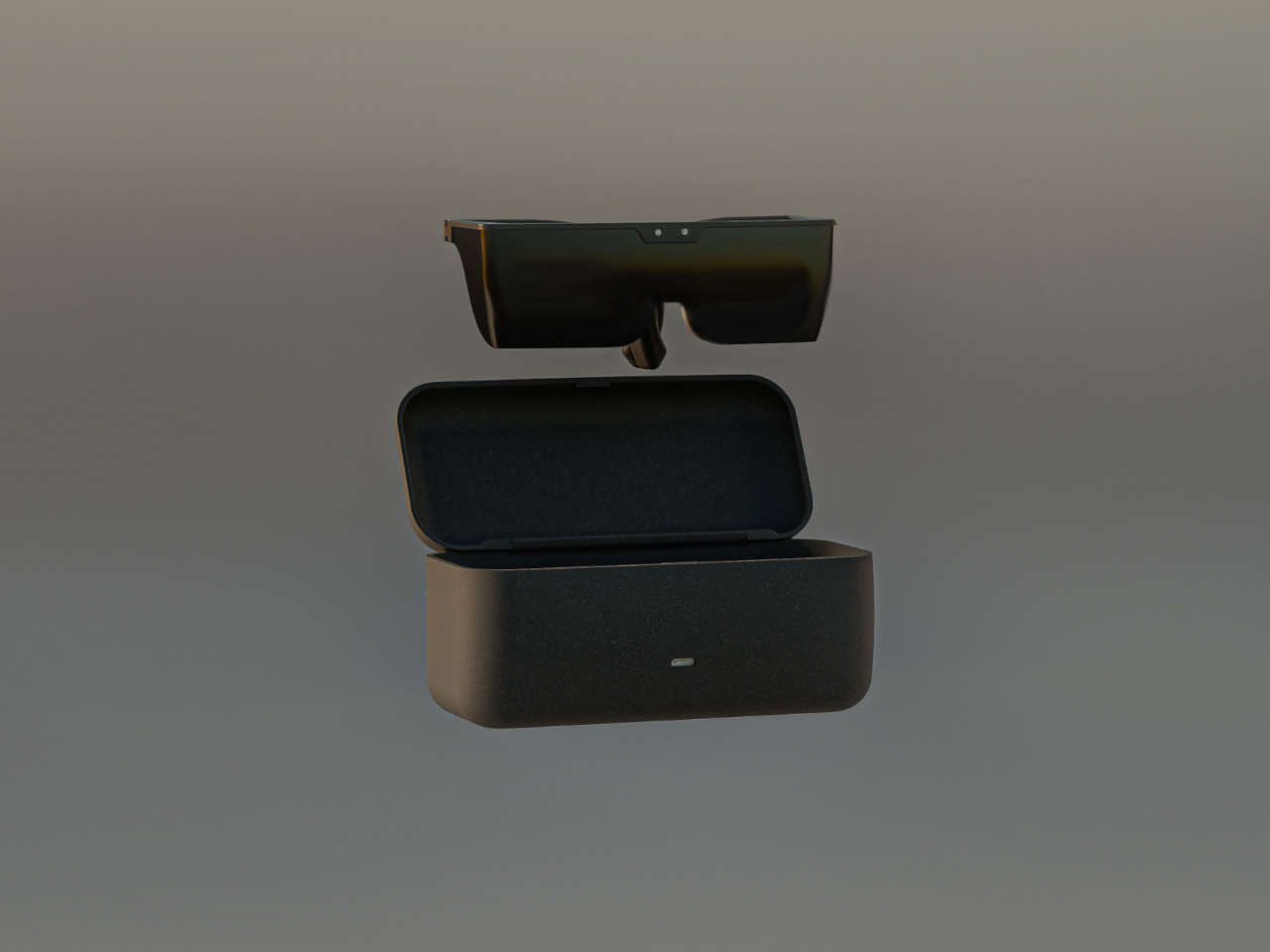
The Vision Aid concept represents a powerful shift in how we think about assistive technology. Rather than treating visual impairment as a condition requiring compensation, the design approaches navigation as a universal challenge that can be addressed through innovative interfaces. This perspective moves beyond mere accessibility to embrace the principle that good design should empower all users to navigate their world with dignity, independence, and confidence.
The post first appeared on .
Related Posts