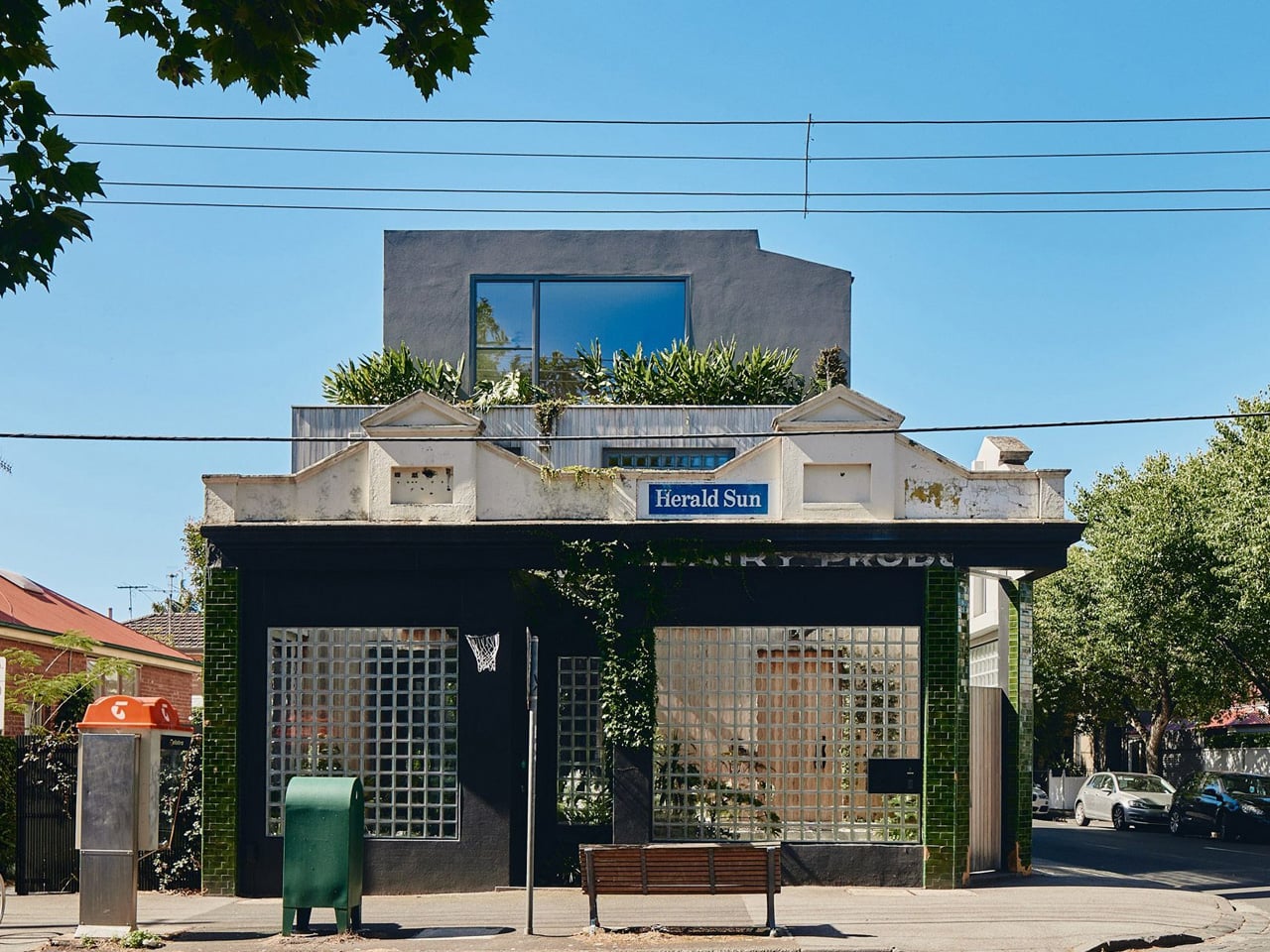
For over a century, a modest corner shop at the intersection of Murray and York streets in Melbourne’s Prahran suburb sold milk, bread, and the kind of everyday essentials that knit neighborhoods together. It closed in 2016, briefly reopened as a café, and then sat waiting. Kister Architects founder Ilana Kister saw something in it — and then decided to move in.
The project, aptly named The Corner Shop, is Kister’s own home, designed for herself and her daughters. It is a three-story residence carved out of the original 287-square-metre plot, expanded by an adjacent 90-square-metre lot that became available during construction and was immediately absorbed into the design as a garden. That garden is not a feature — it is the entire logic of the building.
Designer:
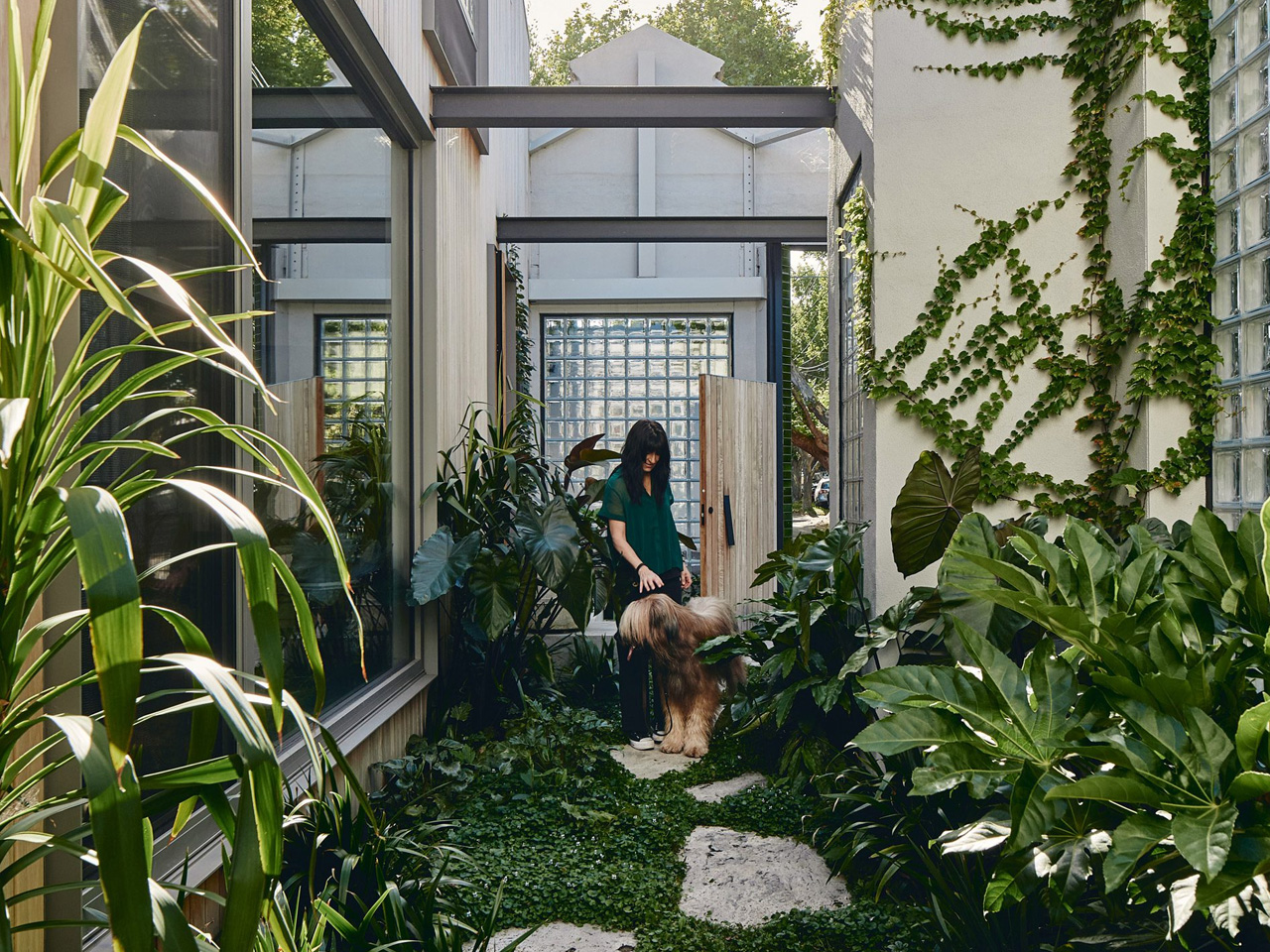
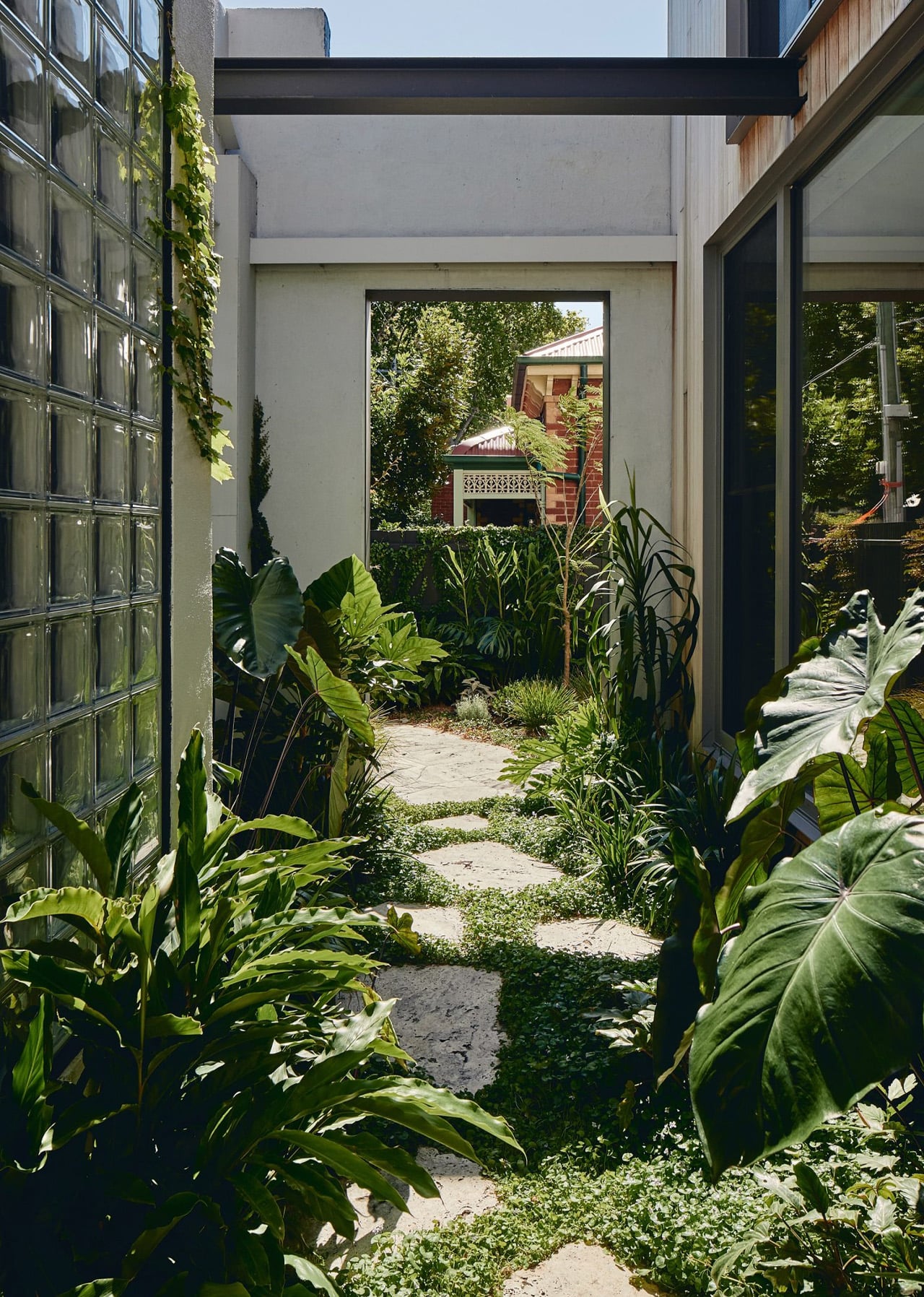
“Making the entry a courtyard was the single most important decision in the project,” Kister told Dezeen. “Entering through the original milk bar door, you land in the garden, not a hallway or foyer. By the time you reach the interior, you’ve already been outside — that sequence sets the tone for the whole house.”
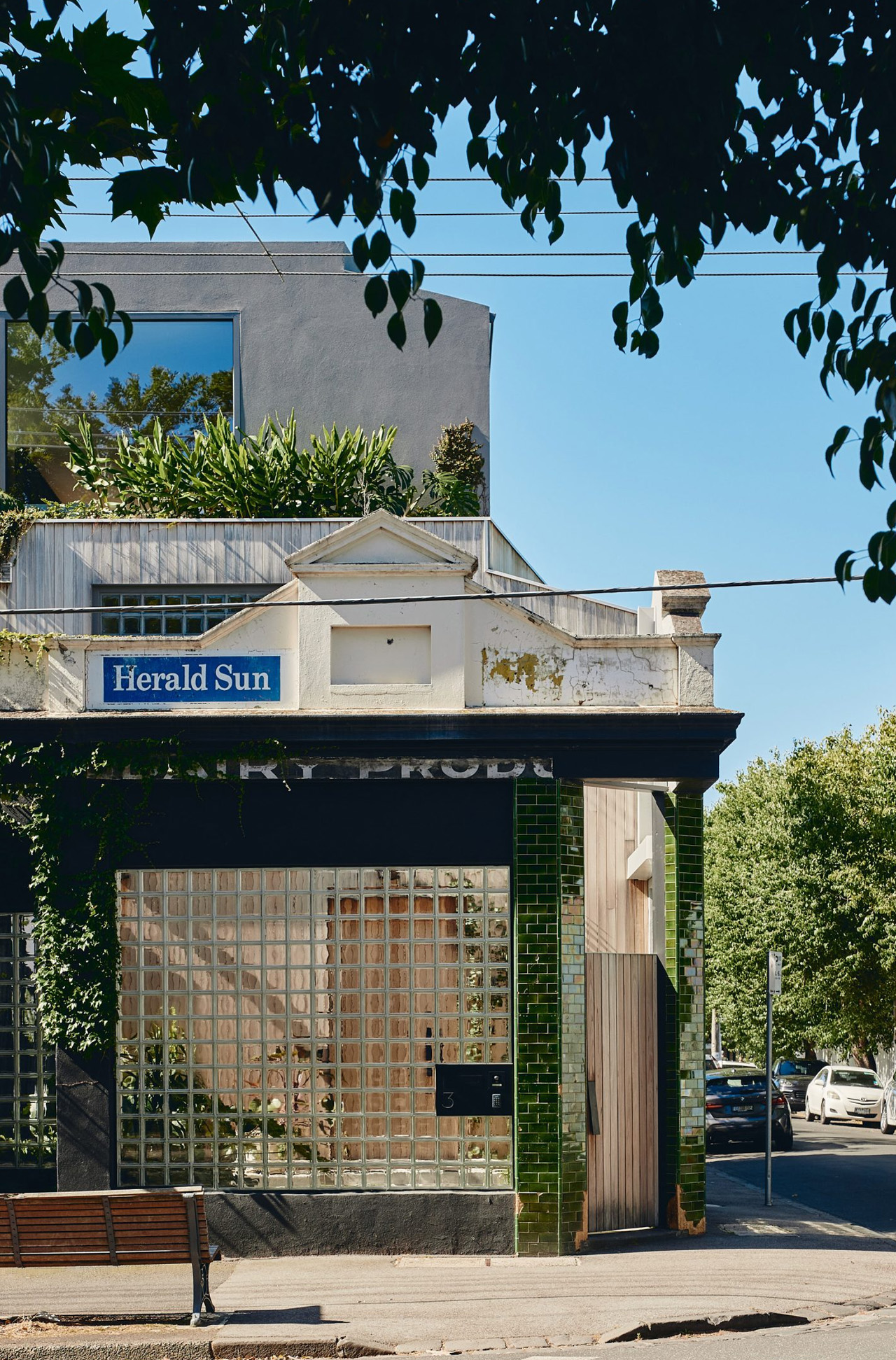
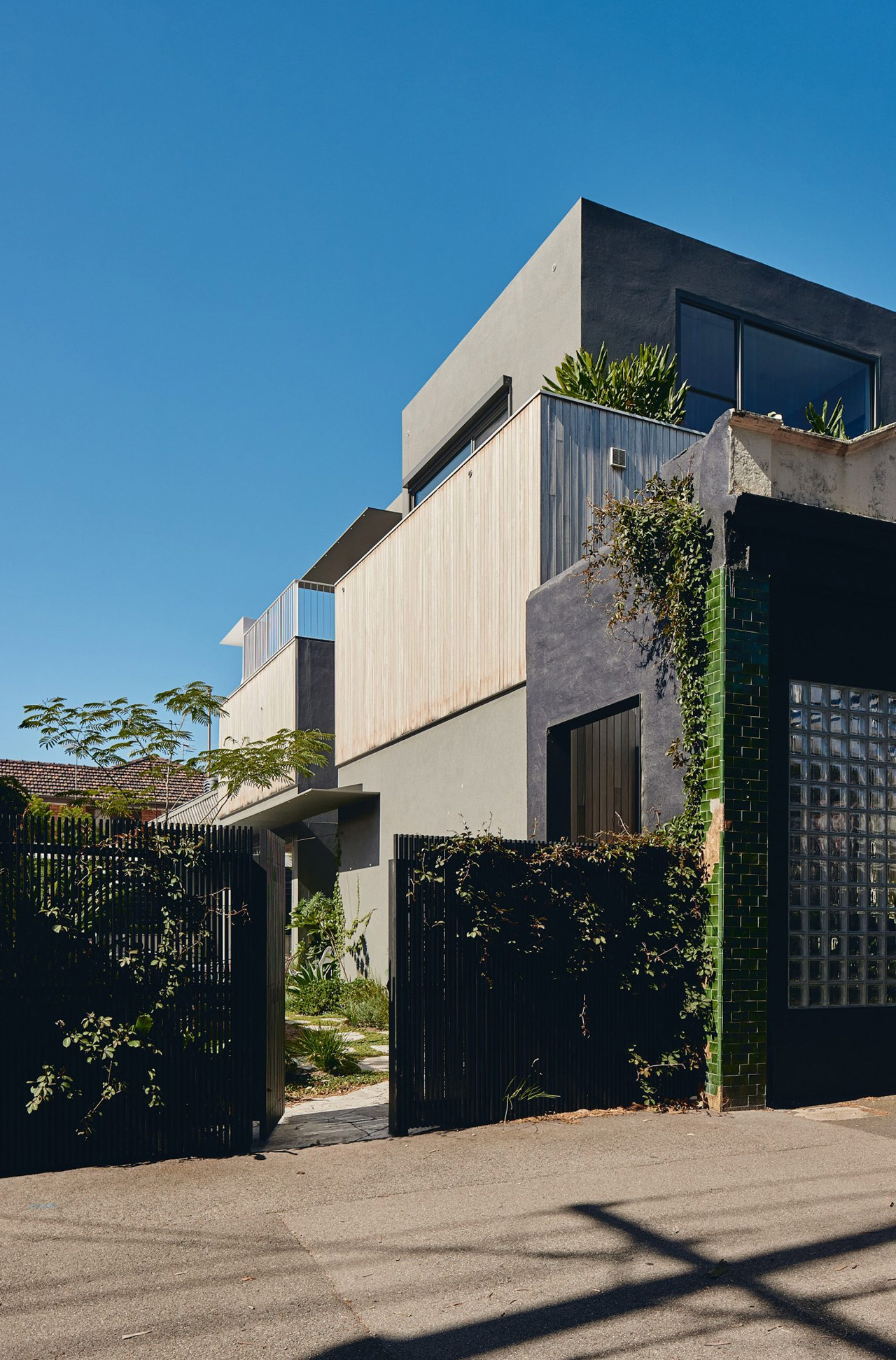
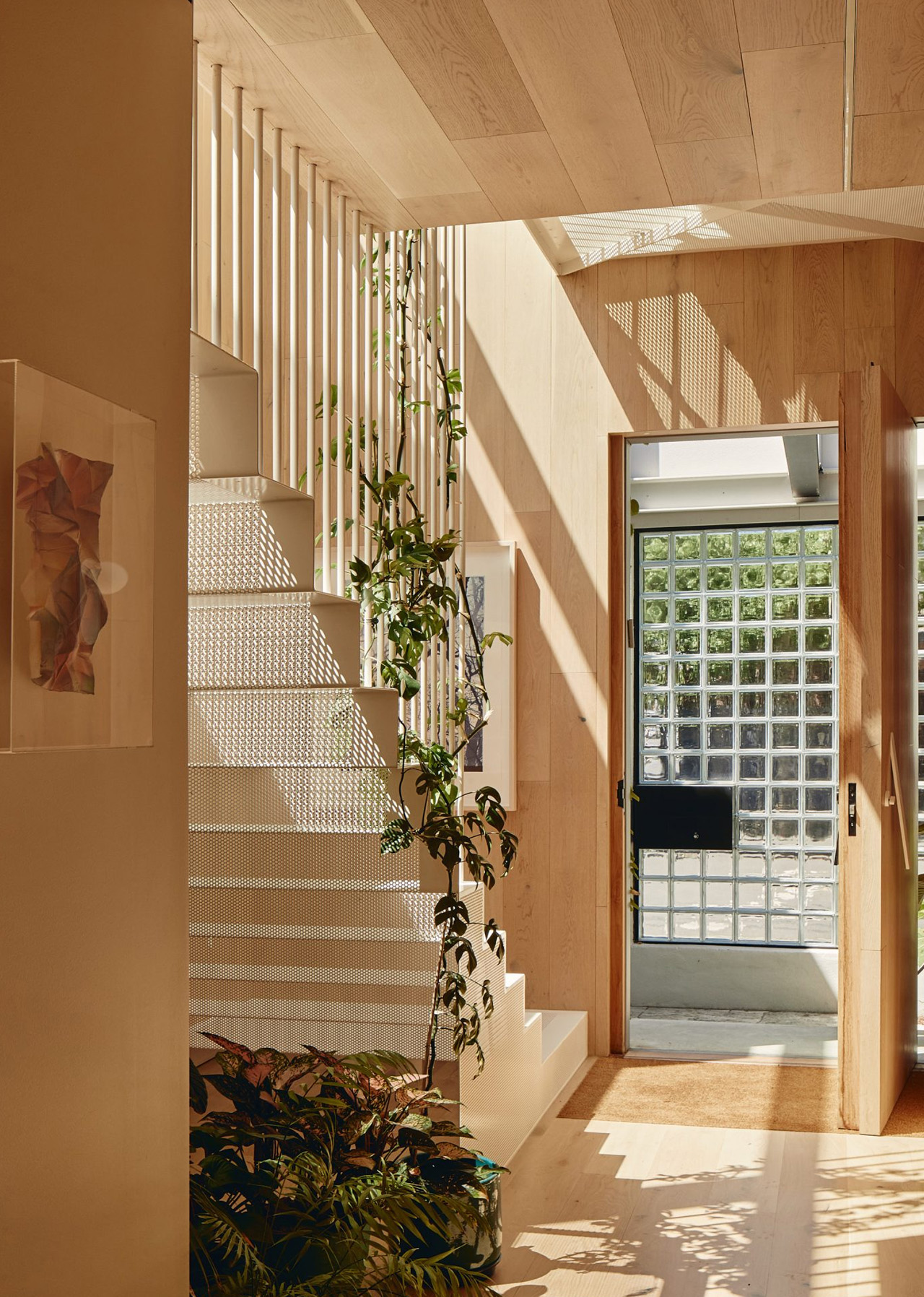
The original shopfront façade has been preserved in full, bottle-green tiles and all. Street-facing windows were replaced with glass bricks — a move that keeps the building reading as a corner shop from the outside while flooding the interior with diffused, dappled light. The external palette layers grey and black render against silvertop ash timber cladding, with climbing vegetation threading through the surface and rooftop planting crowning the upper levels. Wherever you look, something is growing.
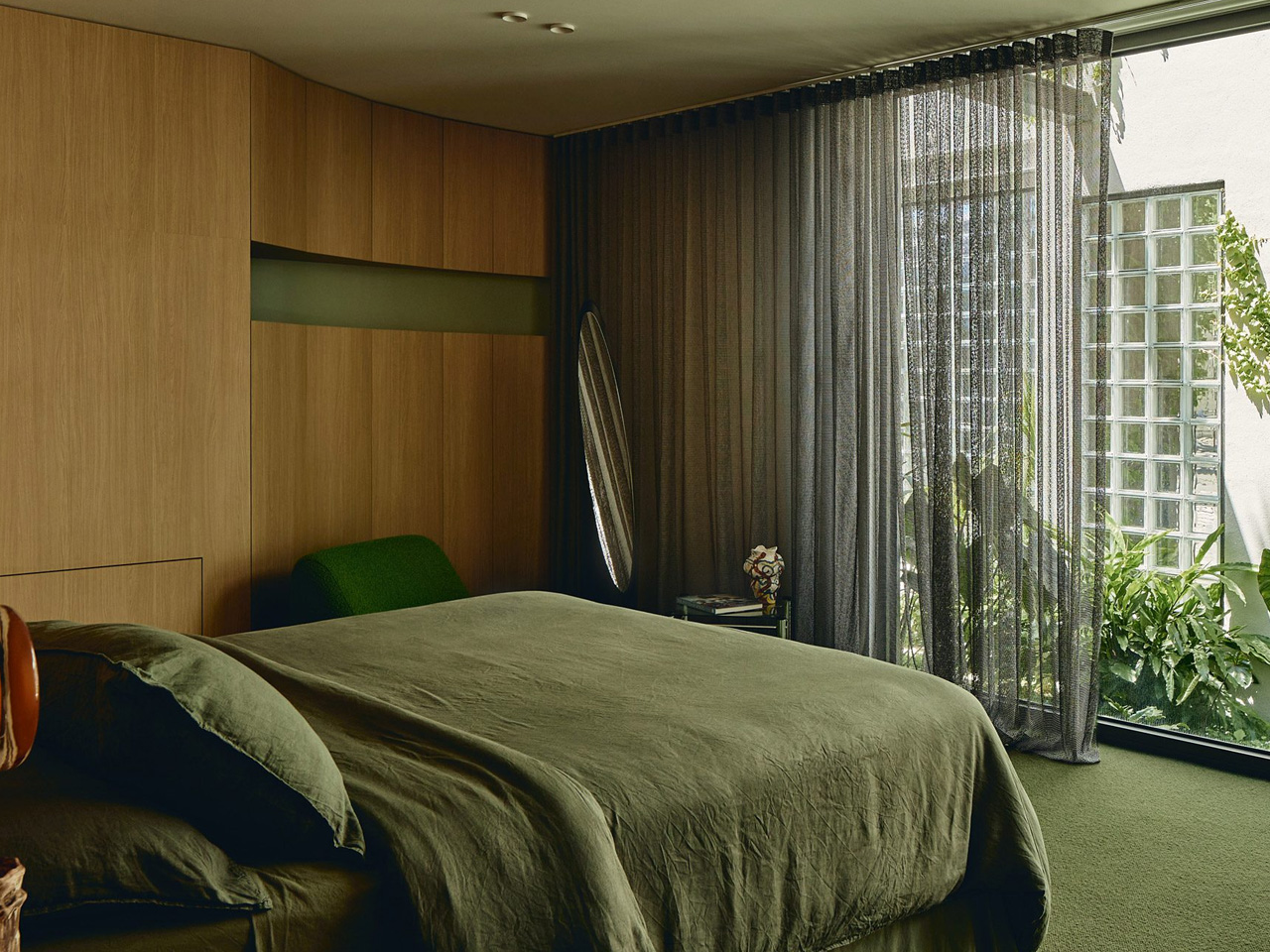
Inside, a white perforated steel staircase rises through all three floors, lit from above by a sequence of triangular skylights. Oak covers the floors, walls, and ceilings, anchoring the interior in warmth. On the second floor, three bedrooms, a family bathroom, and a living space are dressed in timber panelling and mossy-green carpet, with floor-to-ceiling windows drawing the outside in. The colour palette is deliberately restrained — natural materials do the work.
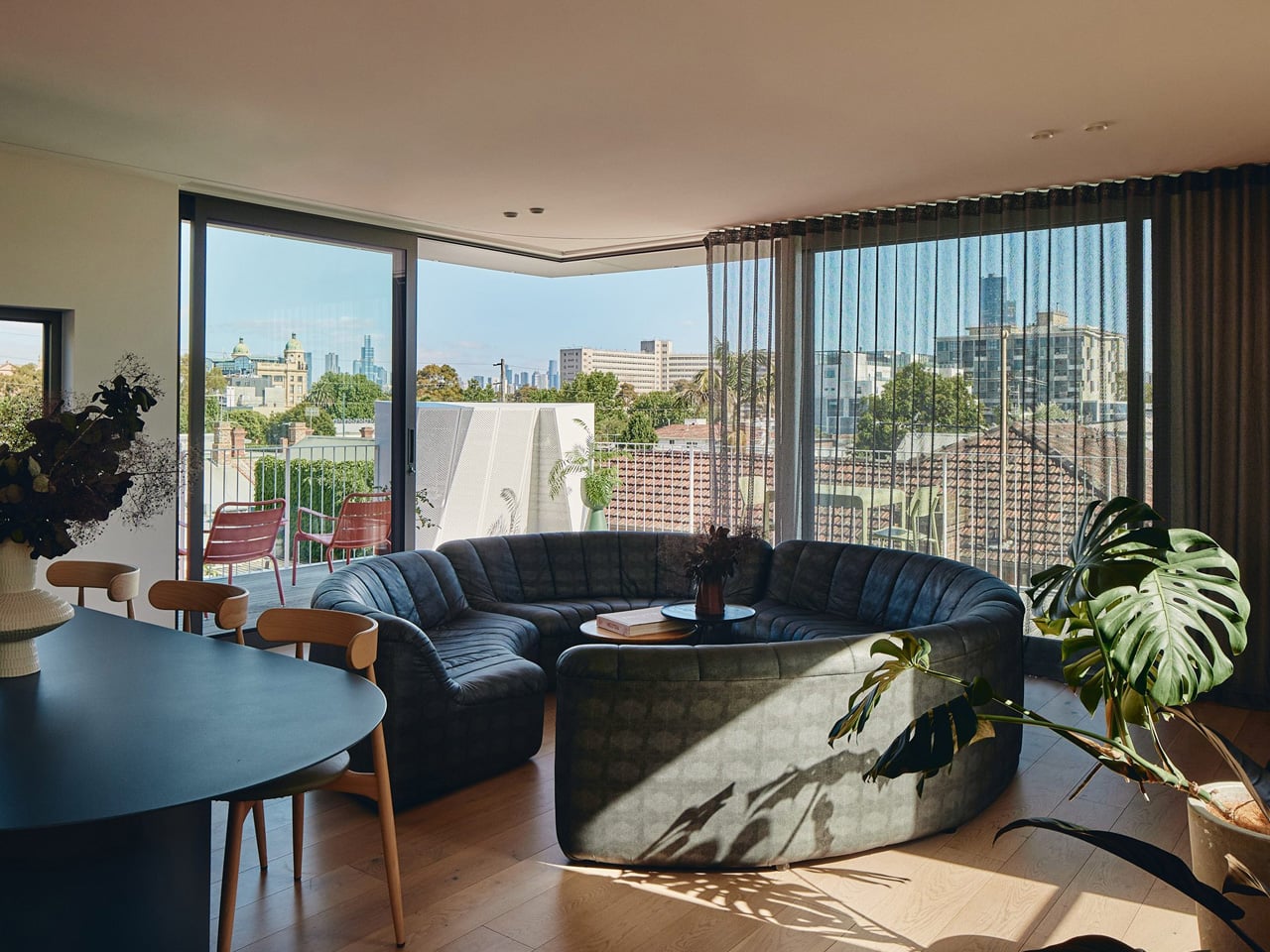
The third floor opens everything up. An open-plan kitchen, dining, and living space spills onto a silvertop ash deck with treetop views and sightlines to Melbourne’s city skyline. Below, the back garden holds a swimming pool, outdoor seating, and the kind of quiet that inner-city addresses rarely afford.
Green roofs, vertical gardens, and planted internal screens mean that no matter where you stand in the house, you can see something alive. That is not incidental — it is the brief. Kister built a home where nature is the architecture, and the century-old corner shop is simply its best possible frame.
The post first appeared on .
Related Posts