Remember when MIT flew that tiny airplane using nothing but ionic wind back in 2018? Steven Barrett and his team managed to get their 2.45-kilogram craft airborne for 60 meters using electroaerodynamic propulsion, basically ionizing air molecules and pushing them backward to create thrust. The plane looked like a weird skeletal kite with a bunch of thin wires, hardly the stuff of sci-fi dreams, but it proved that you could move through air without any moving parts, fuel, or exhaust. The power requirements were brutal though, around 40,000 volts to generate just 3.2 newtons of thrust, which is why that first flight lasted all of 12 seconds and needed a tether to a ground-based power supply.
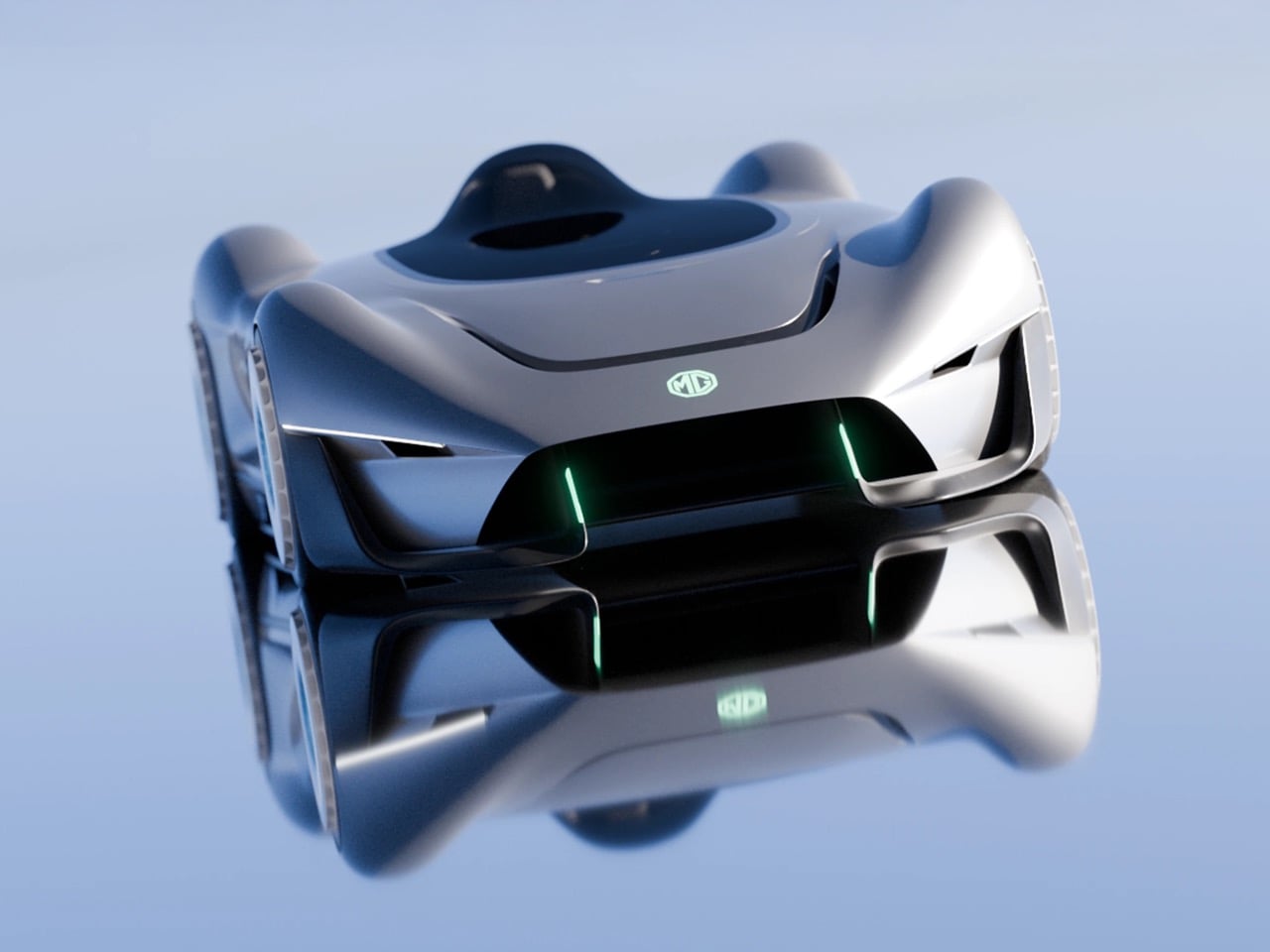
Fast forward six years and Korean designer Hanum Jeong has taken that same ionic propulsion concept and wrapped it in what might be the most gorgeous automotive fever dream I’ve seen all year. The MG EXE ION concept celebrates the British brand’s centennial with a design so radical it makes the Vision GT cars look conservative. Jeong hasn’t just sketched a pretty car and slapped some sci-fi labels on it. Every surface, every lighting element, every aerodynamic channel speaks to the central ionic propulsion theme in ways that actually make visual sense. The glowing teal accents trace paths where ionized air might flow, the rear tunnels suggest massive airflow manipulation, and that central disc behind the cockpit reads like a giant ionic drive ring.
Designer: Hanum Jeong
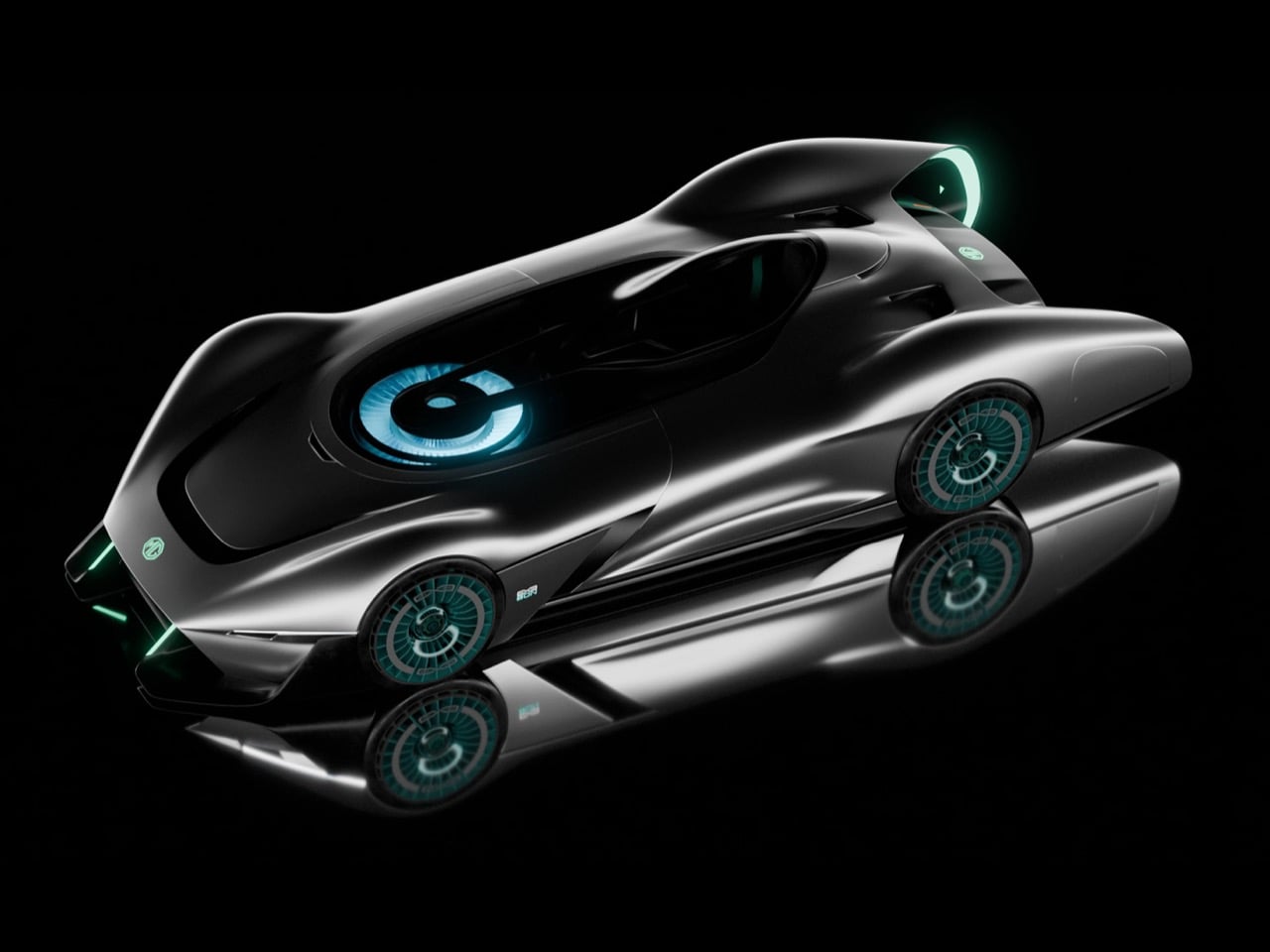
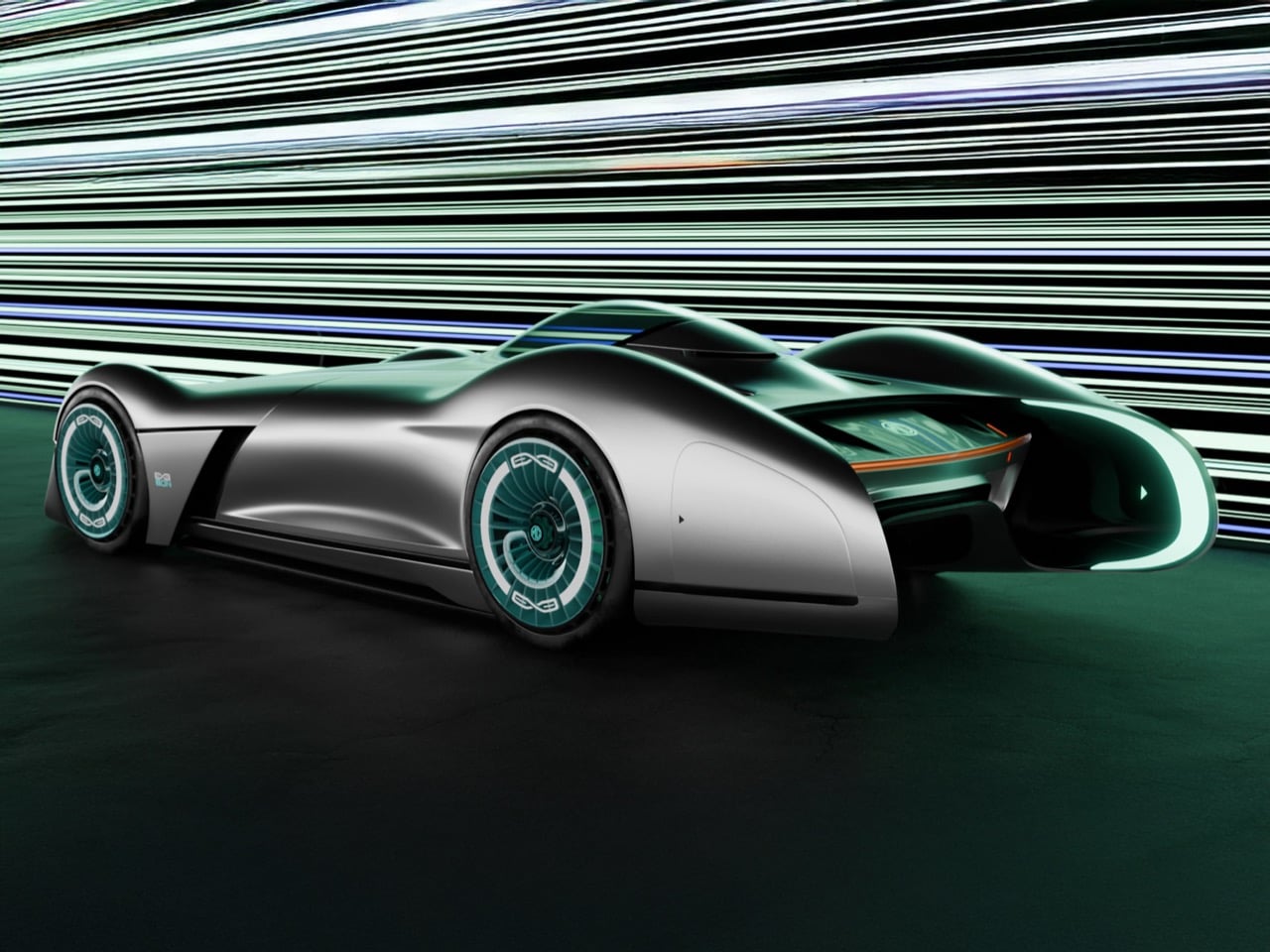
MIT’s plane needed those 40,000 volts because air is a terrible conductor, but Jeong’s design suggests massive surface area for ionization through those rear tunnels and integrated wing elements. The visual language tells a story of a vehicle that doesn’t just push air aside like conventional cars but actively manipulates and charges it. Those teal lighting elements probably represent the high-voltage electrodes needed to ionize nitrogen molecules in the atmosphere. The seamless integration of these elements into the bodywork creates a cohesive narrative that most concept cars completely miss.
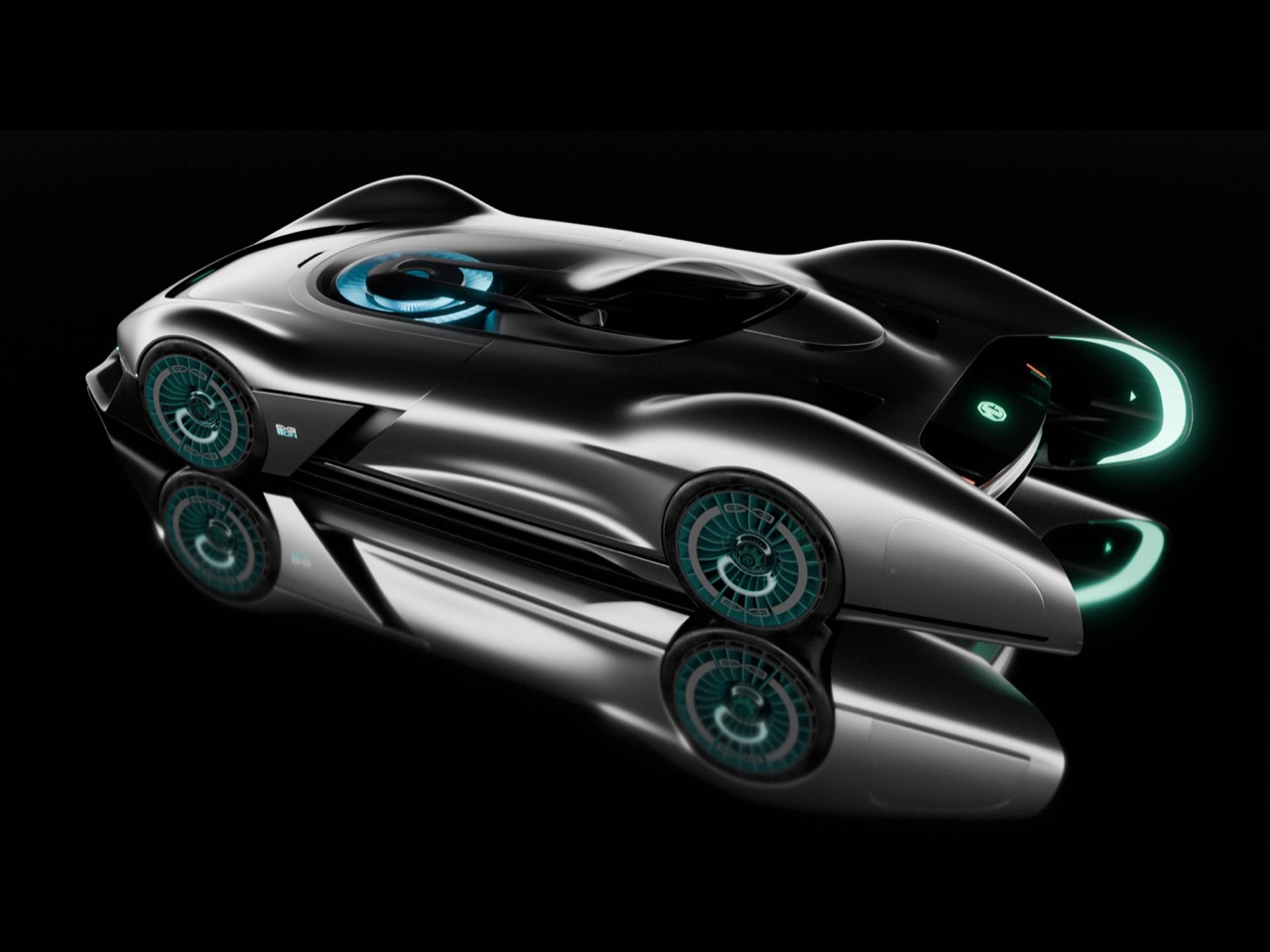
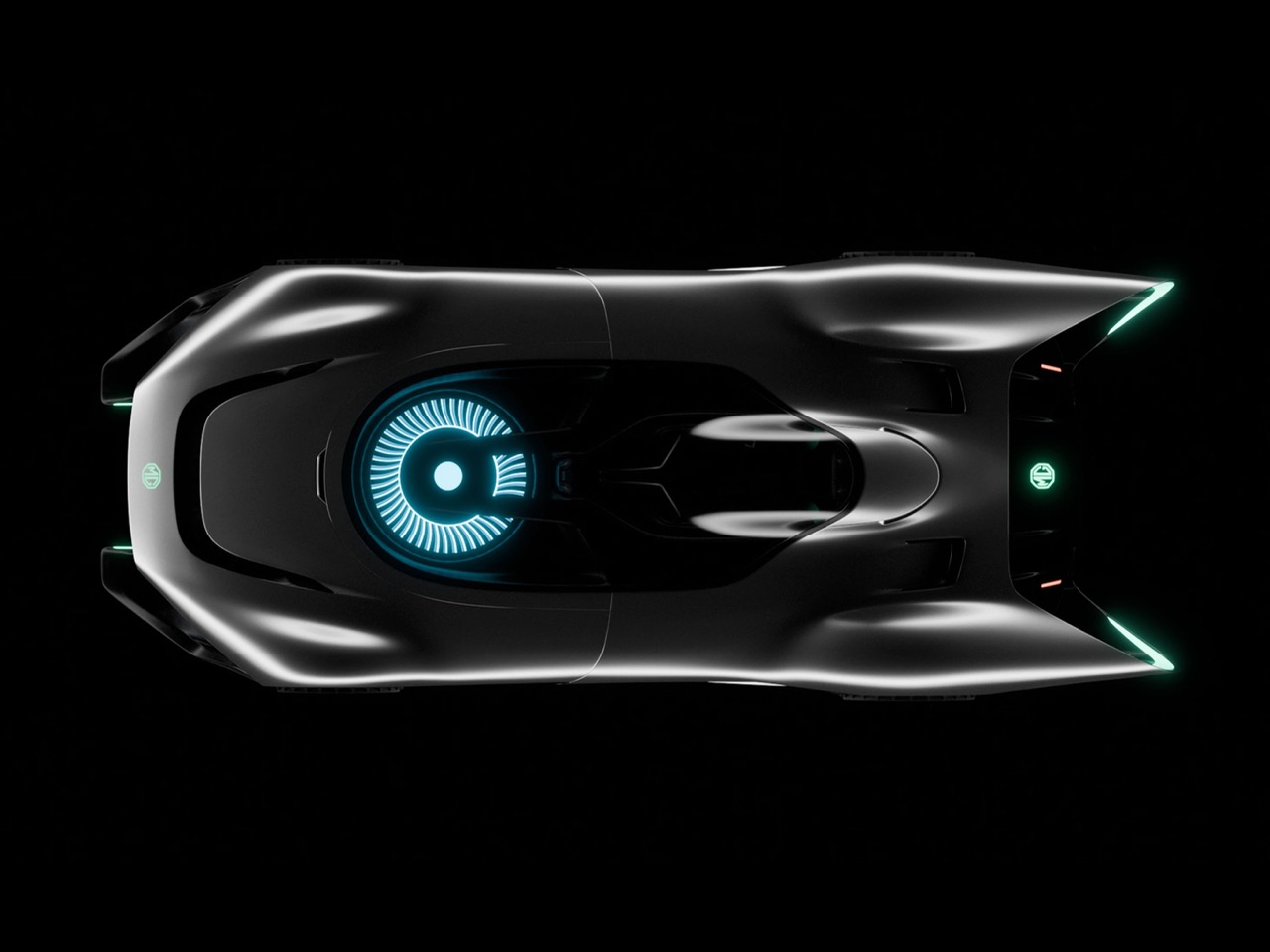
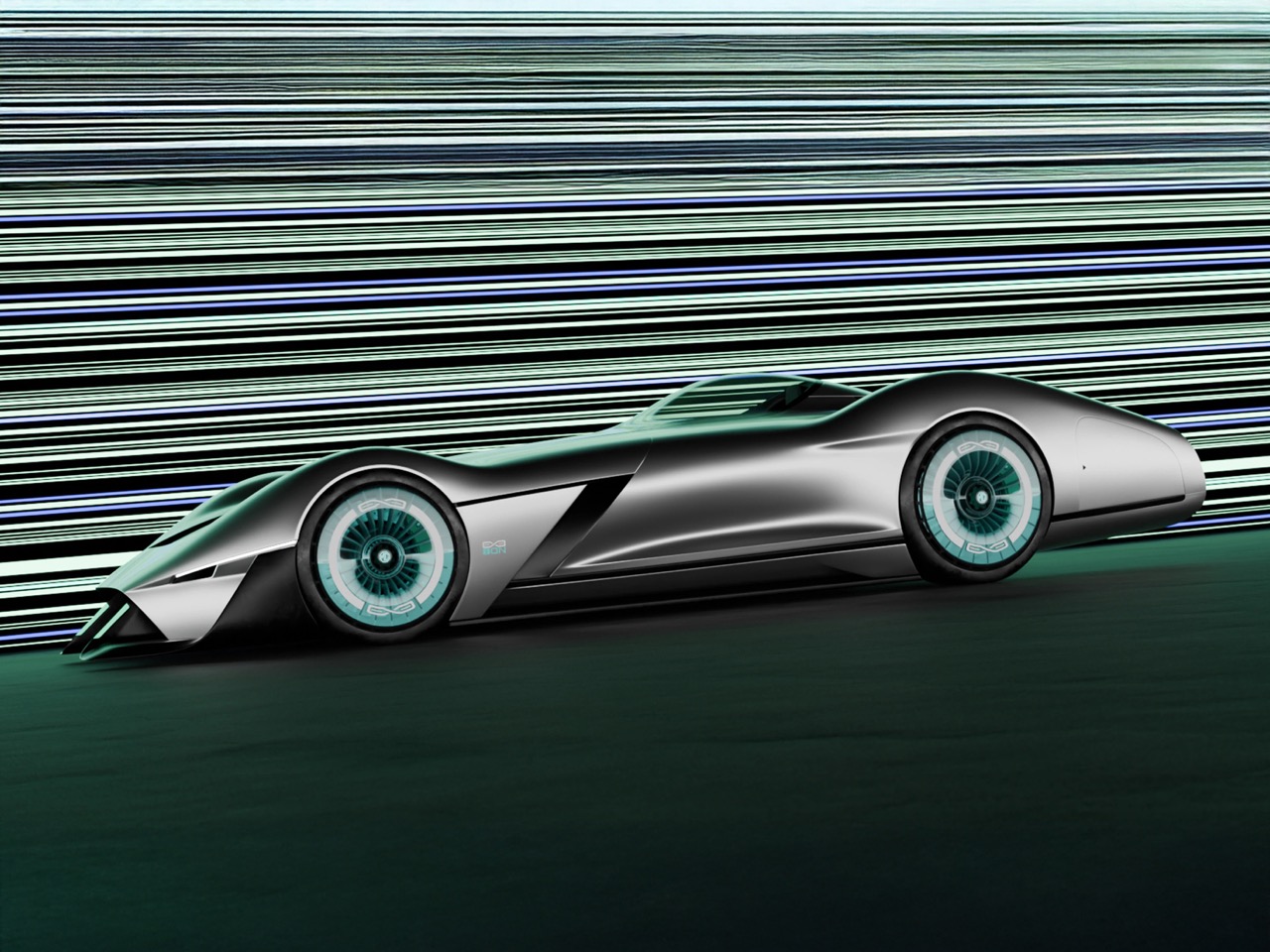
The proportions scream single-seat race car mixed with jet fighter, which makes perfect sense for a propulsion system borrowed from aviation. That ultra-low nose, the pronounced rear deck, and the central cockpit position all optimize for airflow management rather than traditional automotive packaging constraints. Jeong has essentially designed a ground-effect aircraft that happens to have wheels, and the result is stunning. The wheel covers with their radial patterns and matching teal accents reinforce the electrical theme while hiding what are probably conventional motors for low-speed maneuvering. Because let’s be honest, ionic propulsion might work for sustained high-speed flight, but you’re still going to need something to get out of your garage.
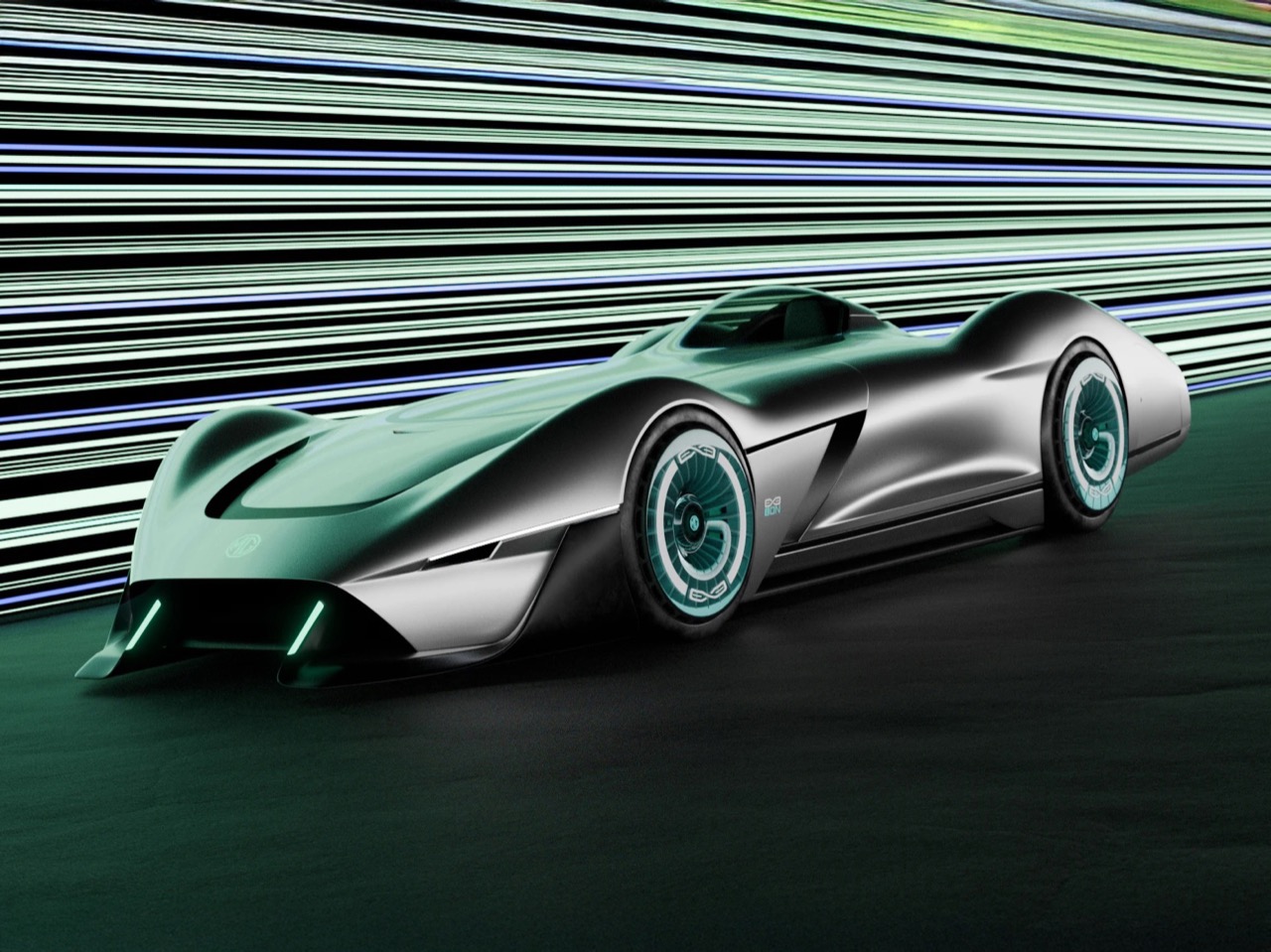
The silver and black paint scheme with those neon teal highlights hits that perfect sweet spot between classic concept car drama and legitimate functional communication. Unlike the overwrought styling exercises we usually see from student designers, every element here serves the ionic propulsion narrative. The mirrored presentation photos emphasize the design’s purity while those motion-blur shots with light streaks actually illustrate how ionic wind might interact with the vehicle’s surfaces. This is how you do concept car photography that enhances rather than distracts from the core idea.
Of course, the physics remain brutal for real-world application. MIT’s plane managed about 2.6% efficiency in converting electrical energy to thrust, compared to 85%+ for electric motors. Scaling that up to move a 1,000-kilogram vehicle would require power levels that make current EV charging infrastructure look quaint. But Jeong’s concept captures something essential about how future propulsion might integrate with vehicle design in ways that current EVs, with their hidden motors and conventional layouts, completely ignore. This design makes ionic propulsion feel inevitable rather than impossible, which is exactly what great concept work should accomplish.
The post first appeared on .
Related Posts