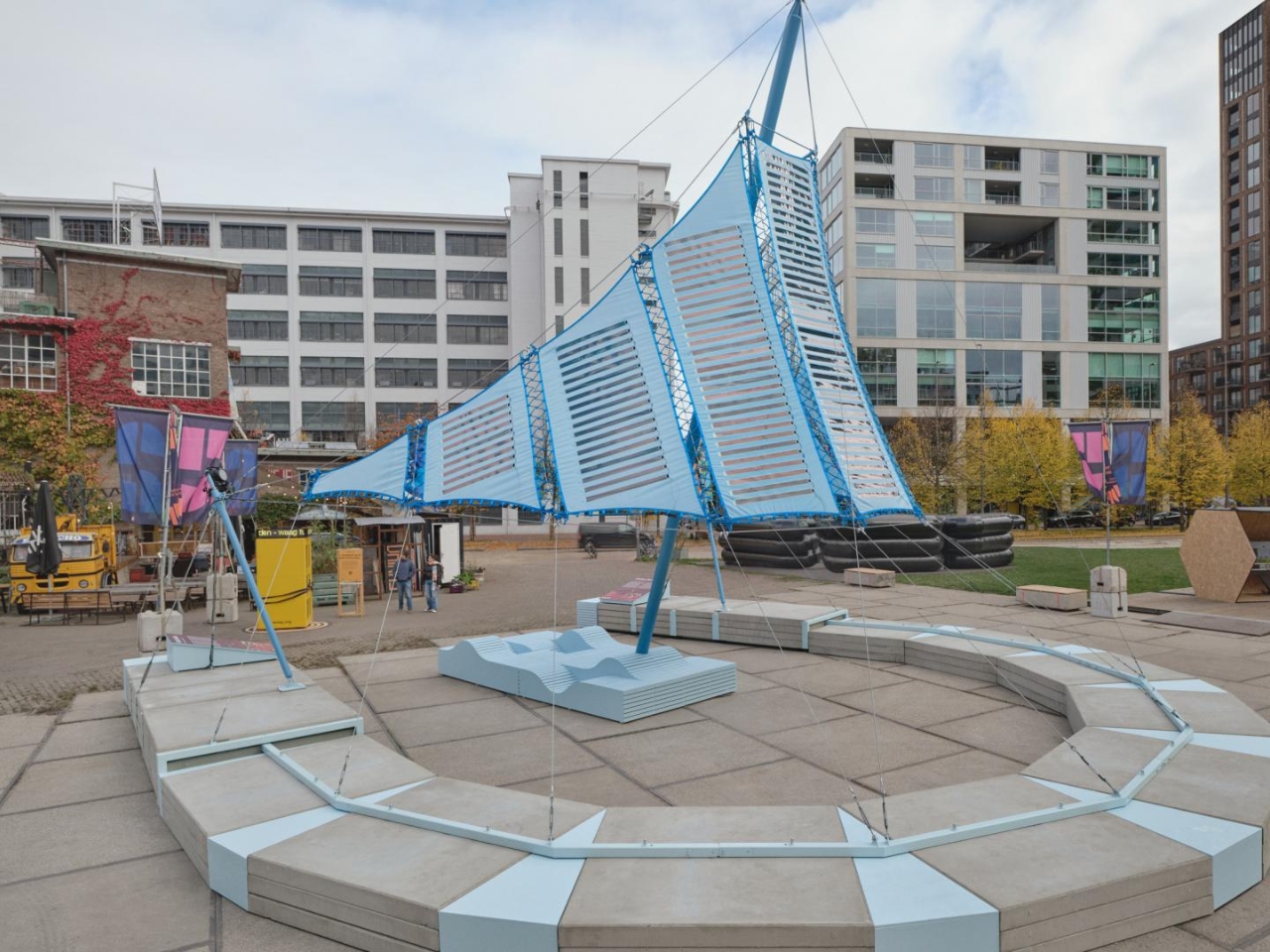
Imagine a world where buildings don’t just sit there consuming energy but actually generate it through their very fabric. That’s exactly what Dutch designer Pauline van Dongen has created with her stunning Umbra Pavilion, and honestly, it might just change how we think about architecture forever.
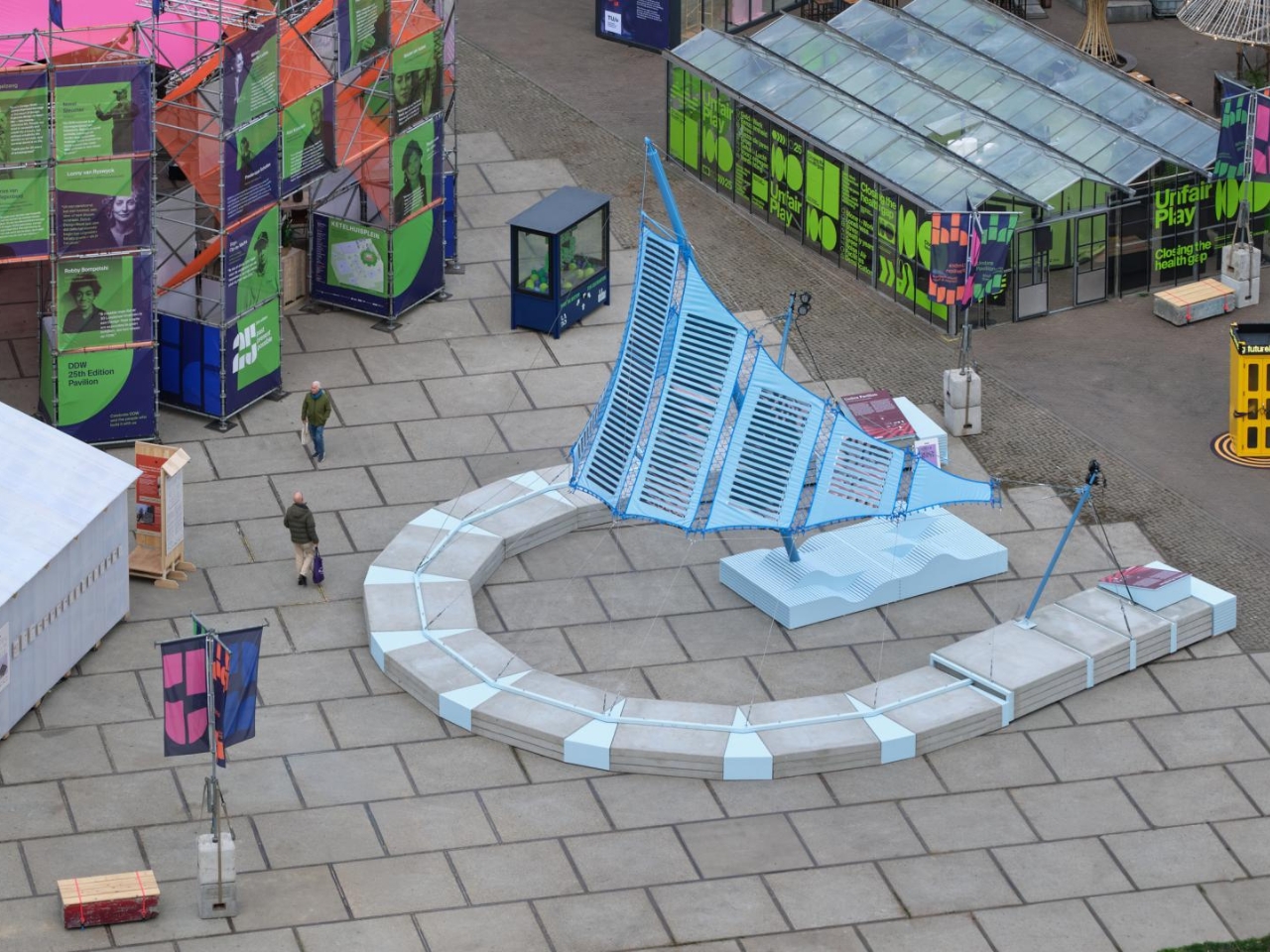
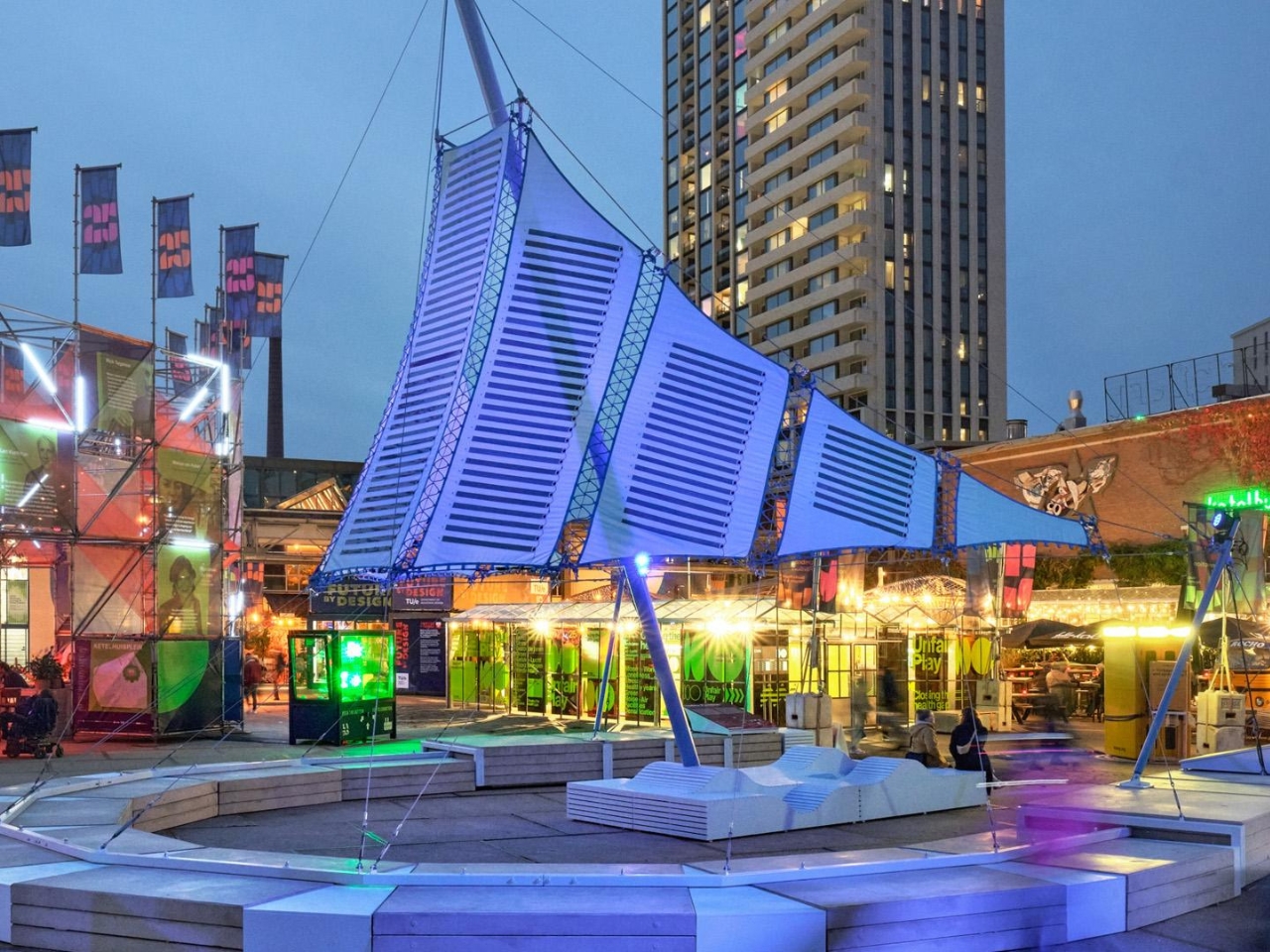
The installation features a sky blue kite-like canopy made from Heliotex, a material that combines recycled polyester yarn woven with 150 organic photovoltaic solar cells. Think of it like wrapping a building in a smart, energy-generating skin that’s as functional as it is beautiful. The pavilion spans 40 square meters with nearly 10 meters in height, housing 147 solar modules and an energy storage capacity of 3,000 watts.
Designer:
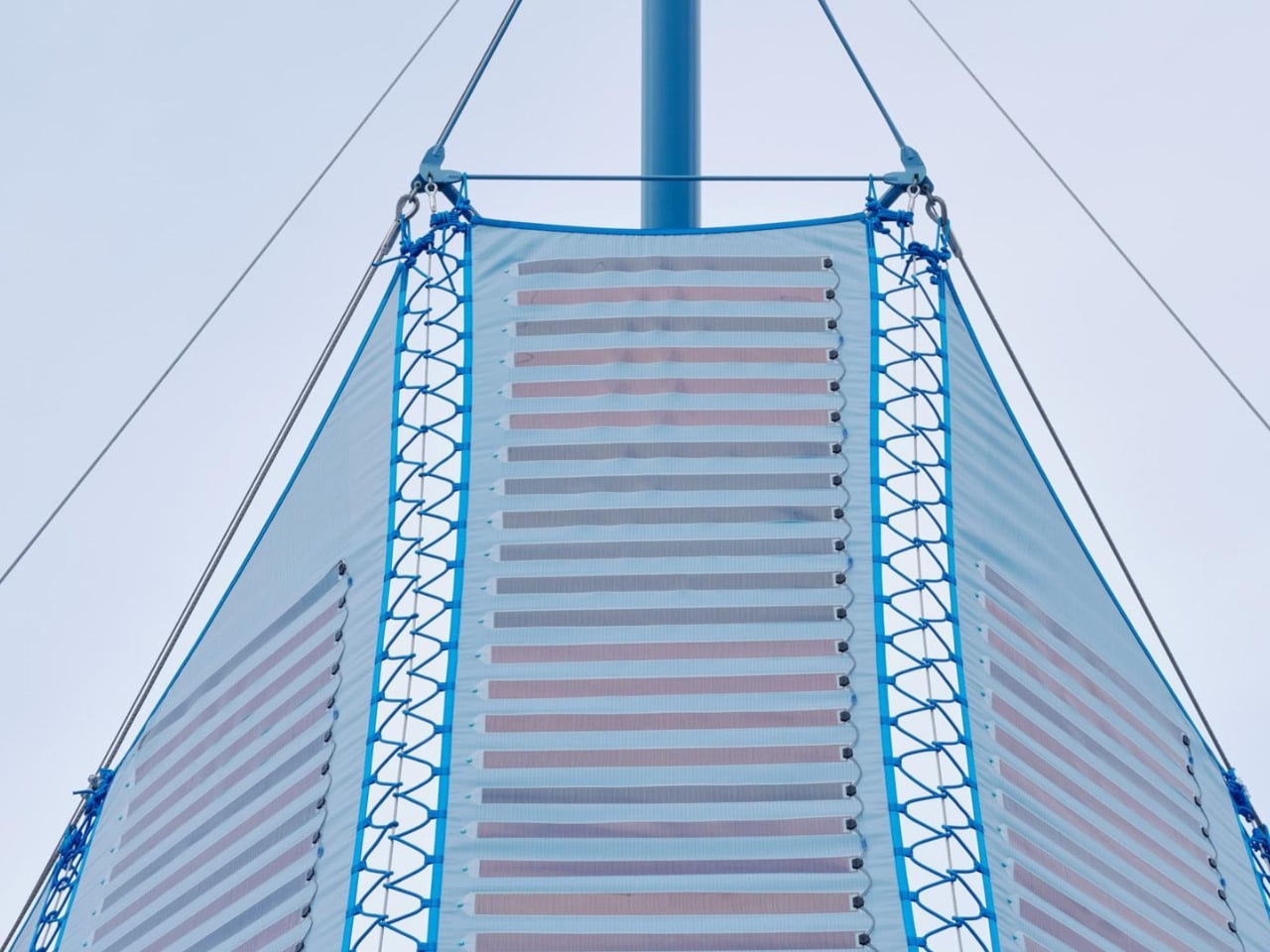
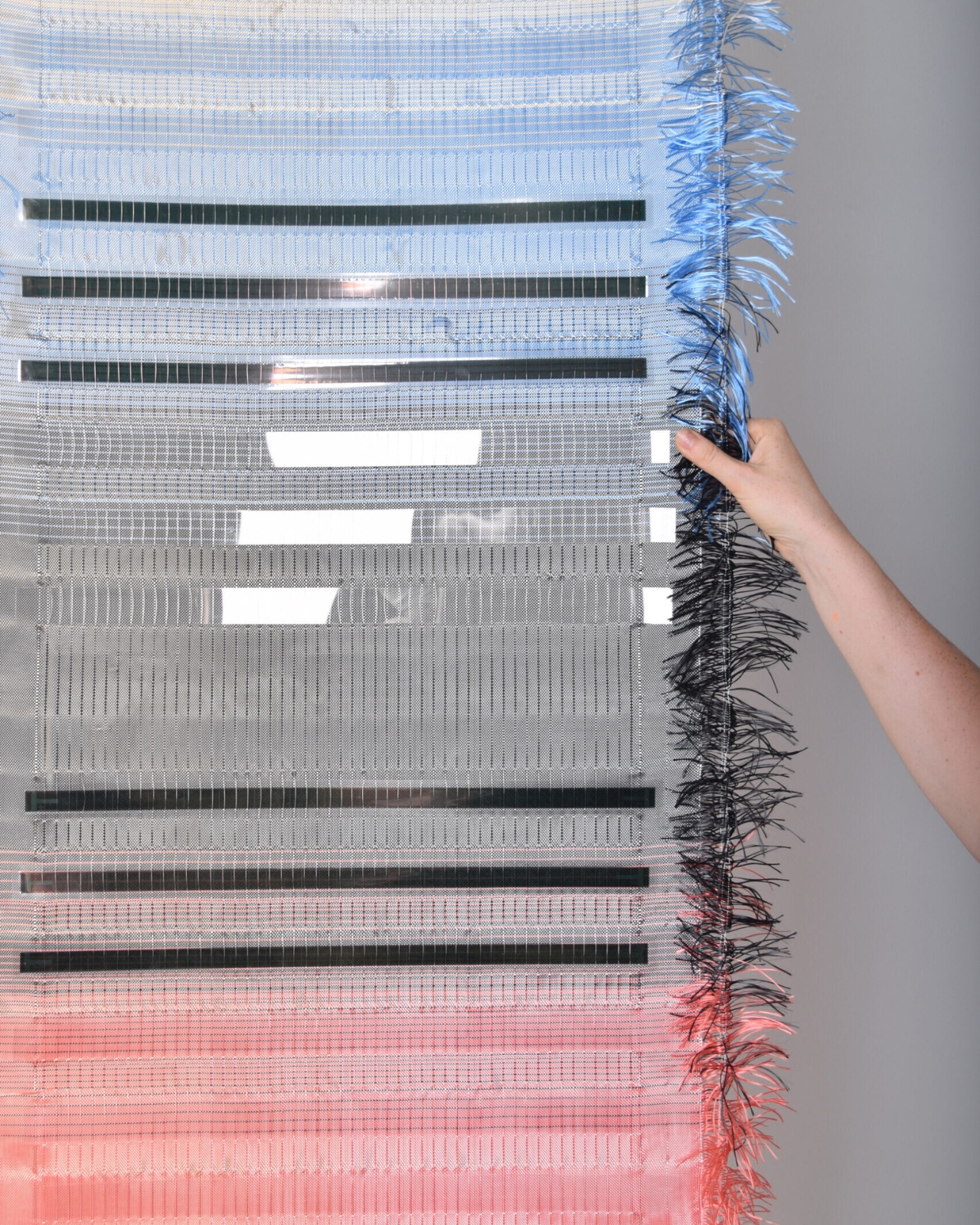
What makes this particularly genius is how van Dongen is rethinking where we put solar panels. Instead of those heavy, rigid panels we’re used to seeing on rooftops, Heliotex weaves organic solar cells directly into fabric, making the material flexible in form and variable in color, pattern and density. It’s basically the difference between slapping a bulky case on your phone and having protection built seamlessly into the device itself.
The designer has been working on this solar textile technology for years, first developing it for wearable fashion like her Solar Shirt that could charge your phone. Now she’s taken that same innovation and scaled it up to architectural proportions. Her studio has collaborated with Tentech over the past four years on developing this solar textile, which is now being applied for the first time on an architectural scale. Here’s where it gets really interesting from a practical standpoint. Van Dongen suggests that buildings that aren’t climate-neutral could get a second skin facade, and if made from textile, it could be a translucent mesh so you could still look out windows without any problems. It’s like giving older buildings a sustainable makeover without the demolition and reconstruction nightmare.
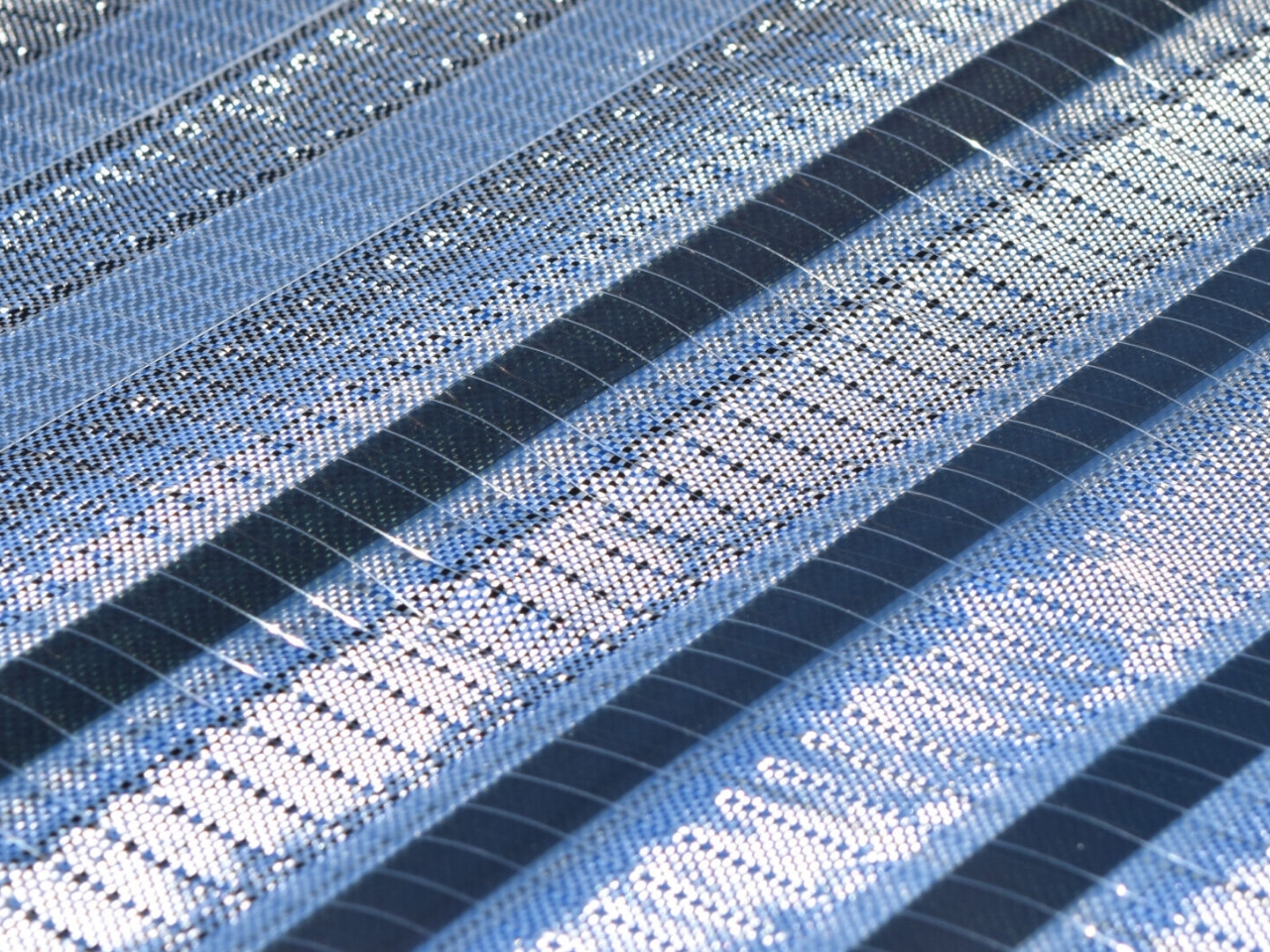
The performance specs are worth noting too. The woven panels currently produce 53 watts of energy per square meter, which is about a fifth of what traditional silicon solar panels can produce. Before you dismiss that as underwhelming, van Dongen has a smart response. She explains they’re applying this textile in places where traditional solar panels wouldn’t be used anyway, so they’re not competing with them. And the efficiency is already improving. Researchers from a Danish university have already doubled that output per square meter in their tests. That’s the thing about emerging technology, it only gets better from here.
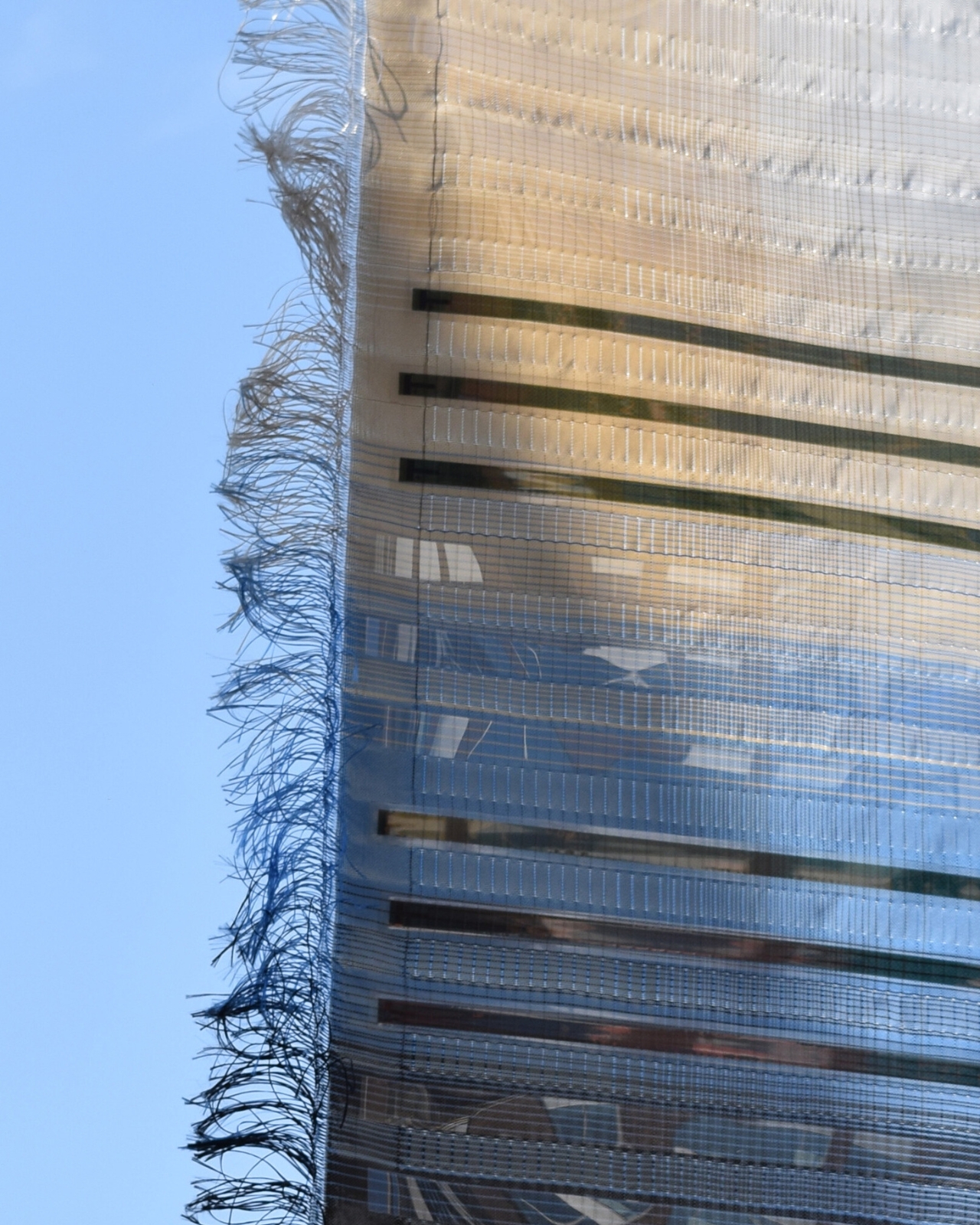
The material itself has been engineered to actually work in the real world. Heliotex was designed to resist weathering and UV radiation and is fire-retardant, and van Dongen specifically avoided using toxic PVC in the coating process. So it’s sustainable on multiple levels, from the recycled materials to the non-toxic finishes.
The Umbra Pavilion, unveiled at Dutch Design Week in Eindhoven, isn’t just a proof of concept sitting in a lab. By day, it offers cooling shade and a place to pause and reflect while its woven solar cells harvest the sun’s energy, then as evening falls, the stored energy returns, enveloping the pavilion in atmospheric light. It’s functional art that actually works. Van Dongen envisions this technology going far beyond pavilions. The technical textile is suited for shading cloths and shade structures for public spaces, building facades, and canopies or tents for festivals. Think about it: every festival tent, every outdoor market canopy, every building facade could be generating clean energy while doing its regular job of providing shade or weather protection.
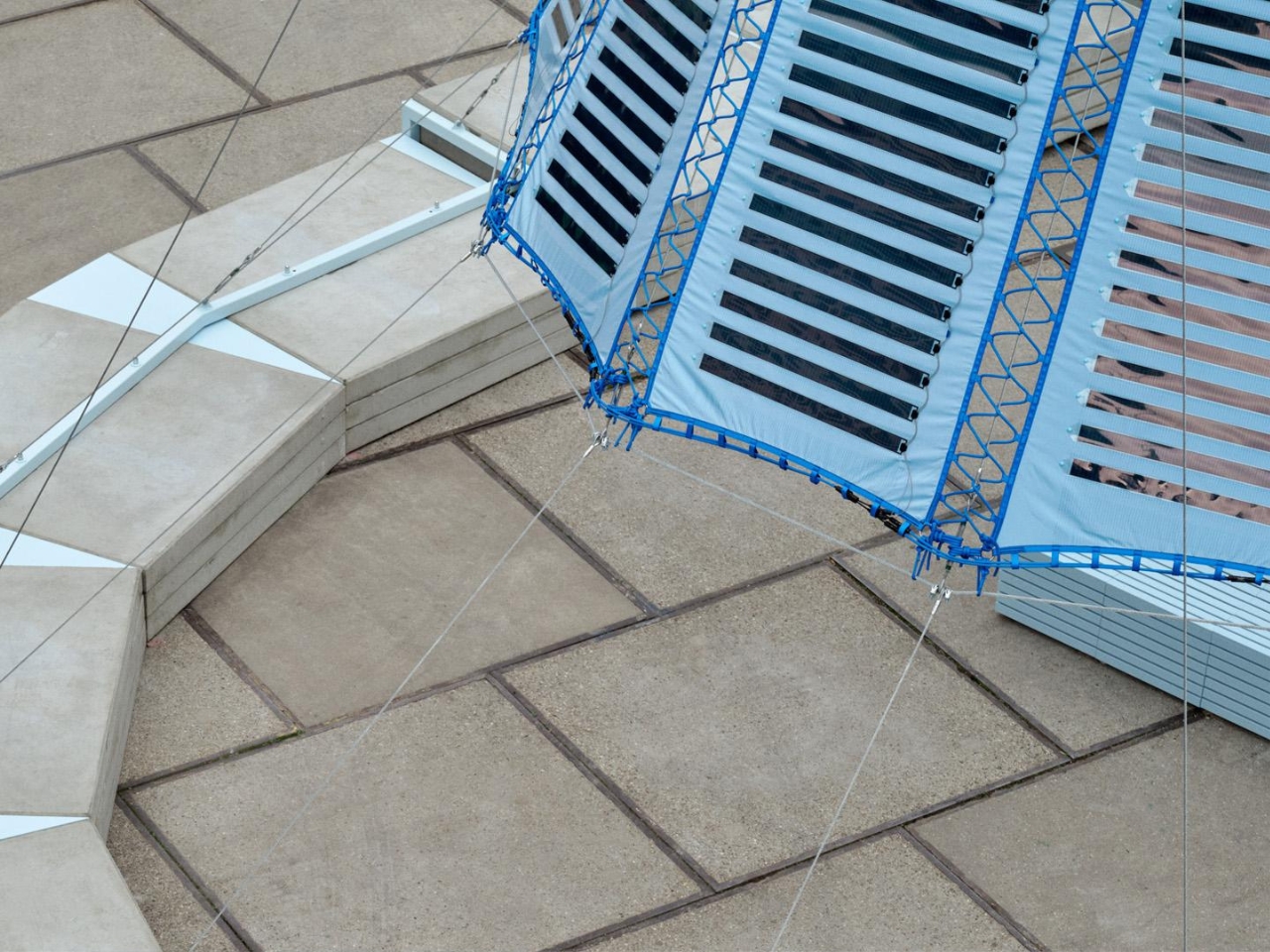
What’s particularly exciting about this project is how it makes renewable energy visible and accessible. Instead of hiding solar technology on rooftops where we forget about it, the pavilion offers a glimpse of a future where solar energy is woven into daily life, tangible, shared, and accessible to all. That’s a future worth getting excited about.
The post first appeared on .
Related Posts