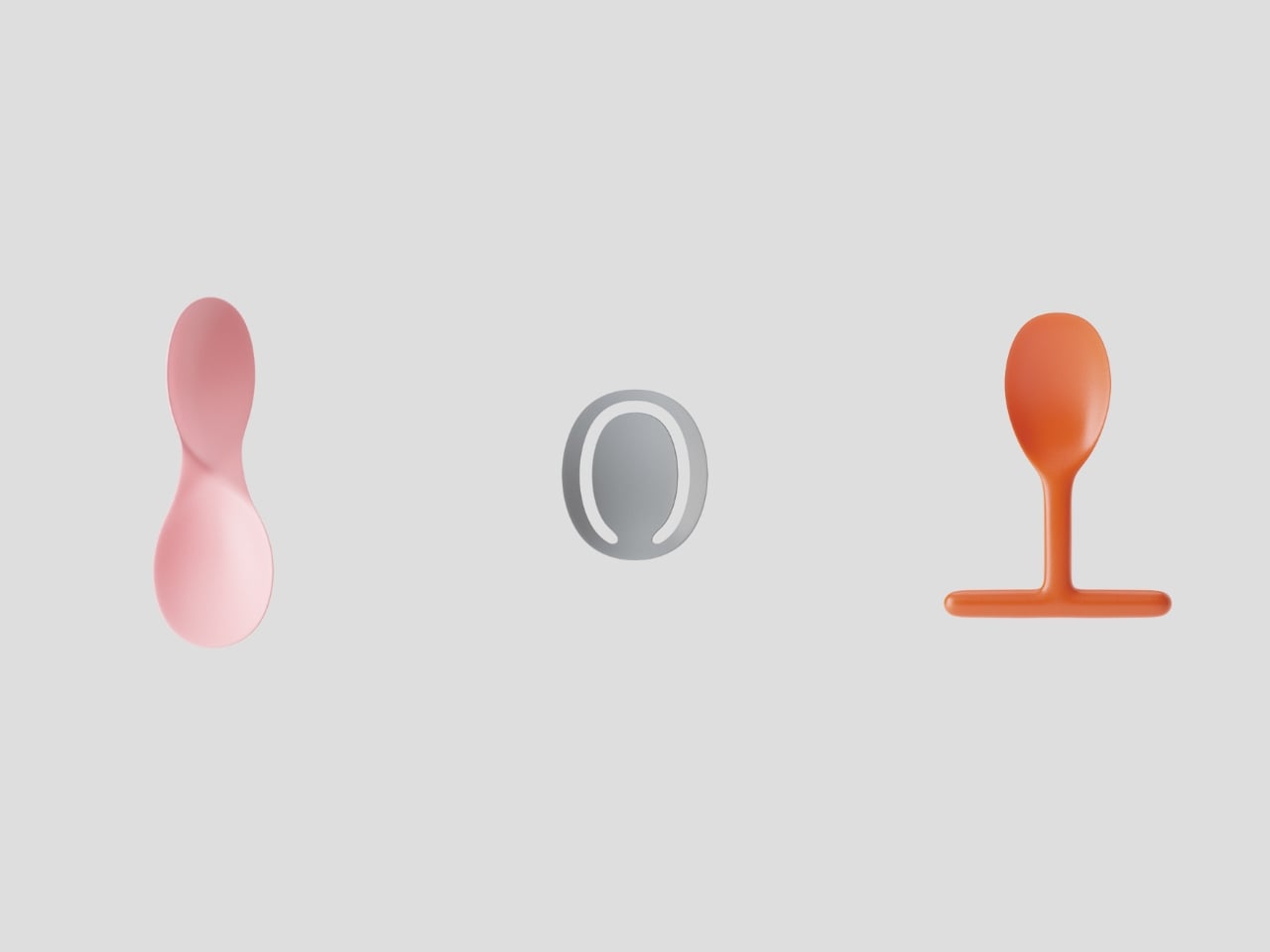
We use spoons dozens of times a day without giving them a second thought. They’re just there, scooping soup, stirring coffee, delivering cereal to our mouths with mechanical reliability. But BKID co asked a question that sounds almost absurd at first: what if spoons were alive? What if they could evolve like living organisms, adapting to their environment through the same forces that shaped every creature on Earth?
The result is Evolving Spoon, a project that treats cutlery like a species subject to Darwin’s rules. It’s part design experiment, part philosophical thought exercise, and entirely fascinating to look at.
Designer:
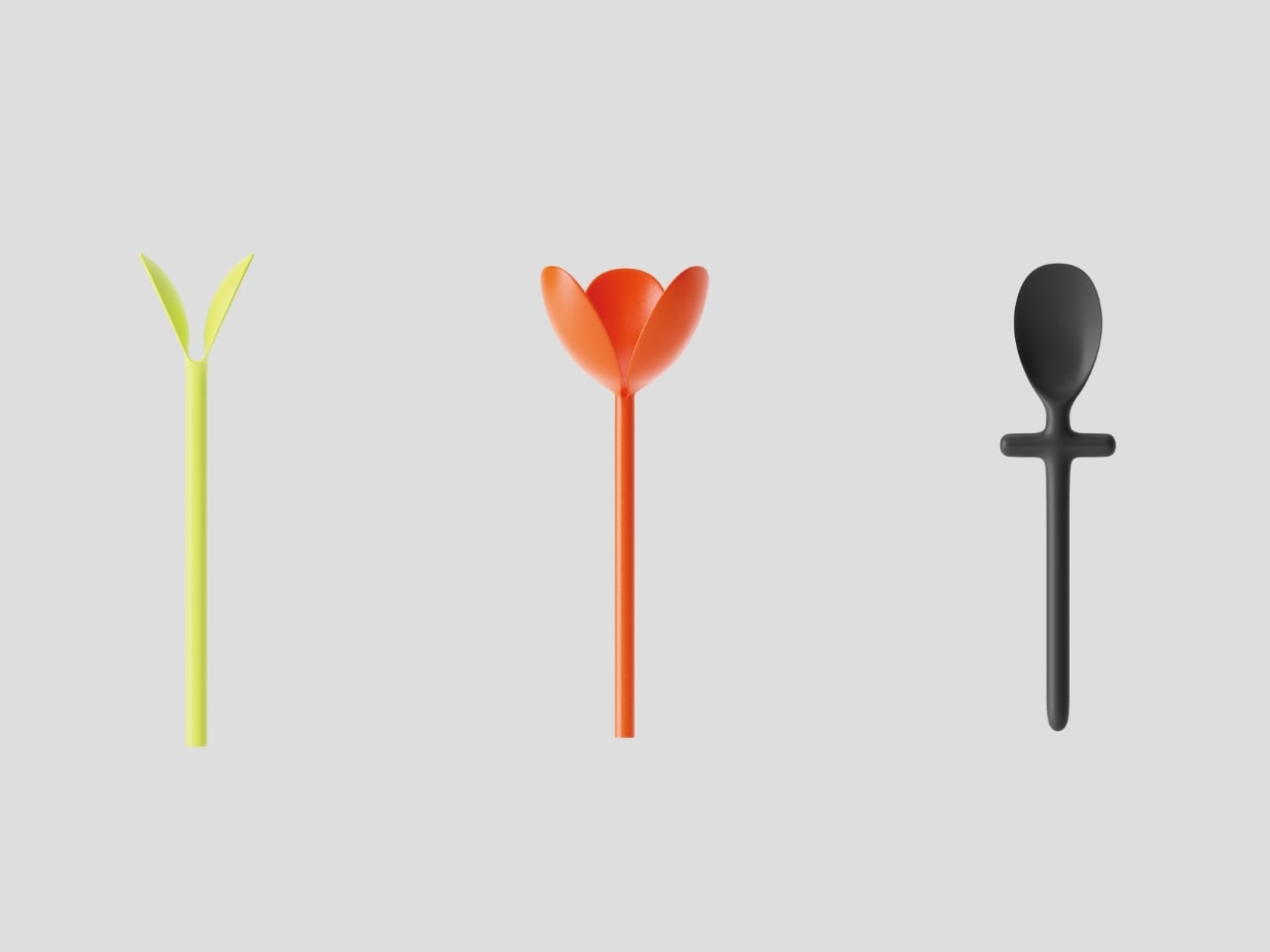
The premise starts with a simple observation. Spoons exist in a constantly changing ecosystem of human behavior. We eat different foods, adopt new dining styles, and our household compositions shift over time. If a spoon were a living thing responding to these environmental pressures, how would it transform? Would it grow branches to grip noodles better? Develop a hook for hanging? Split into multiple heads for sharing?
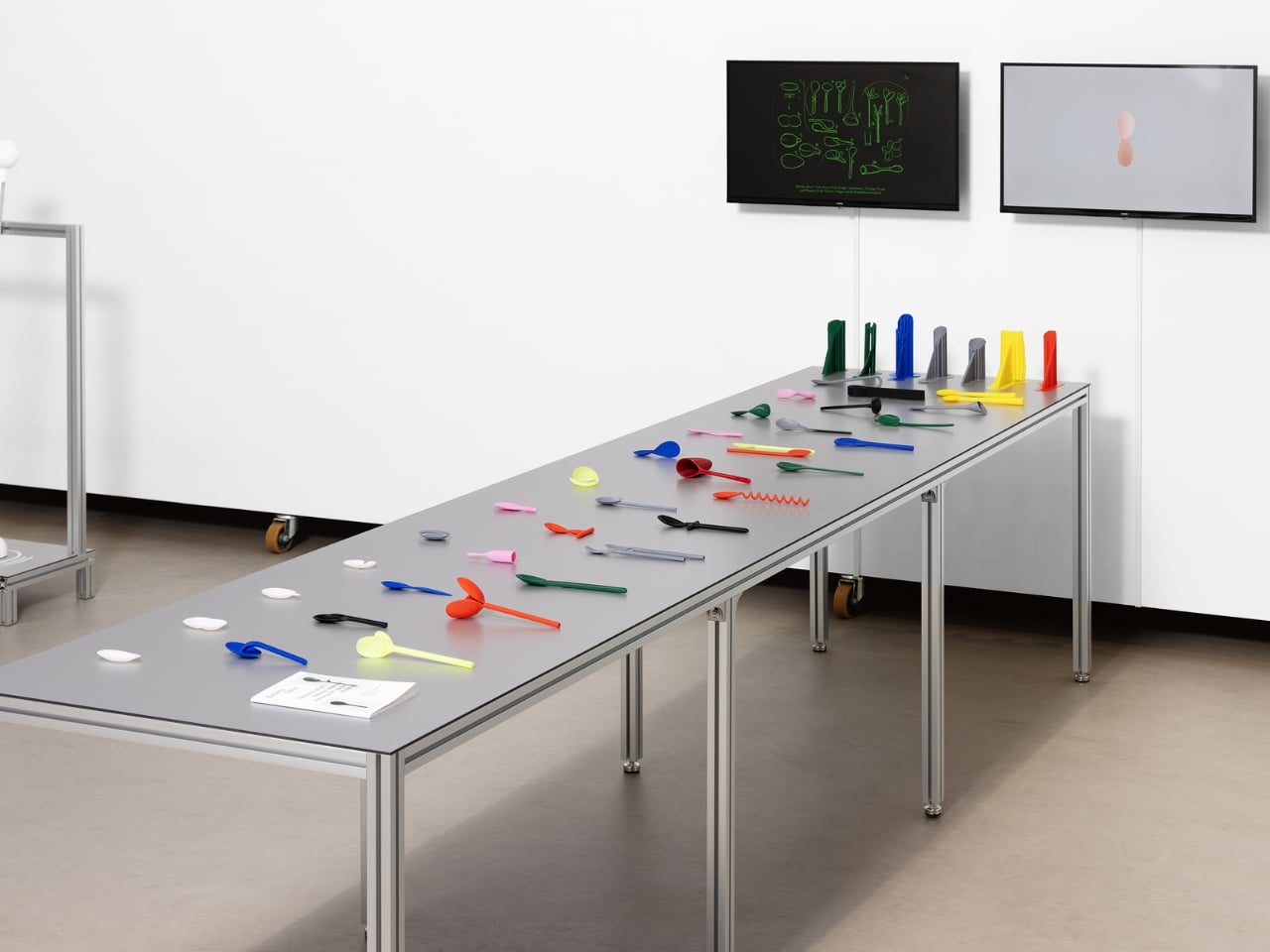
BKID co applied four key principles of Darwinian evolution to answer these questions. Recombination, where traits from different “parent” spoons merge to create hybrid offspring. Mutation, introducing random variations that might prove useful or utterly bizarre. Natural selection, where the most functional forms survive while impractical ones fade away. And the handicap principle, the counterintuitive idea that sometimes a costly trait signals quality, like a peacock’s unwieldy tail.
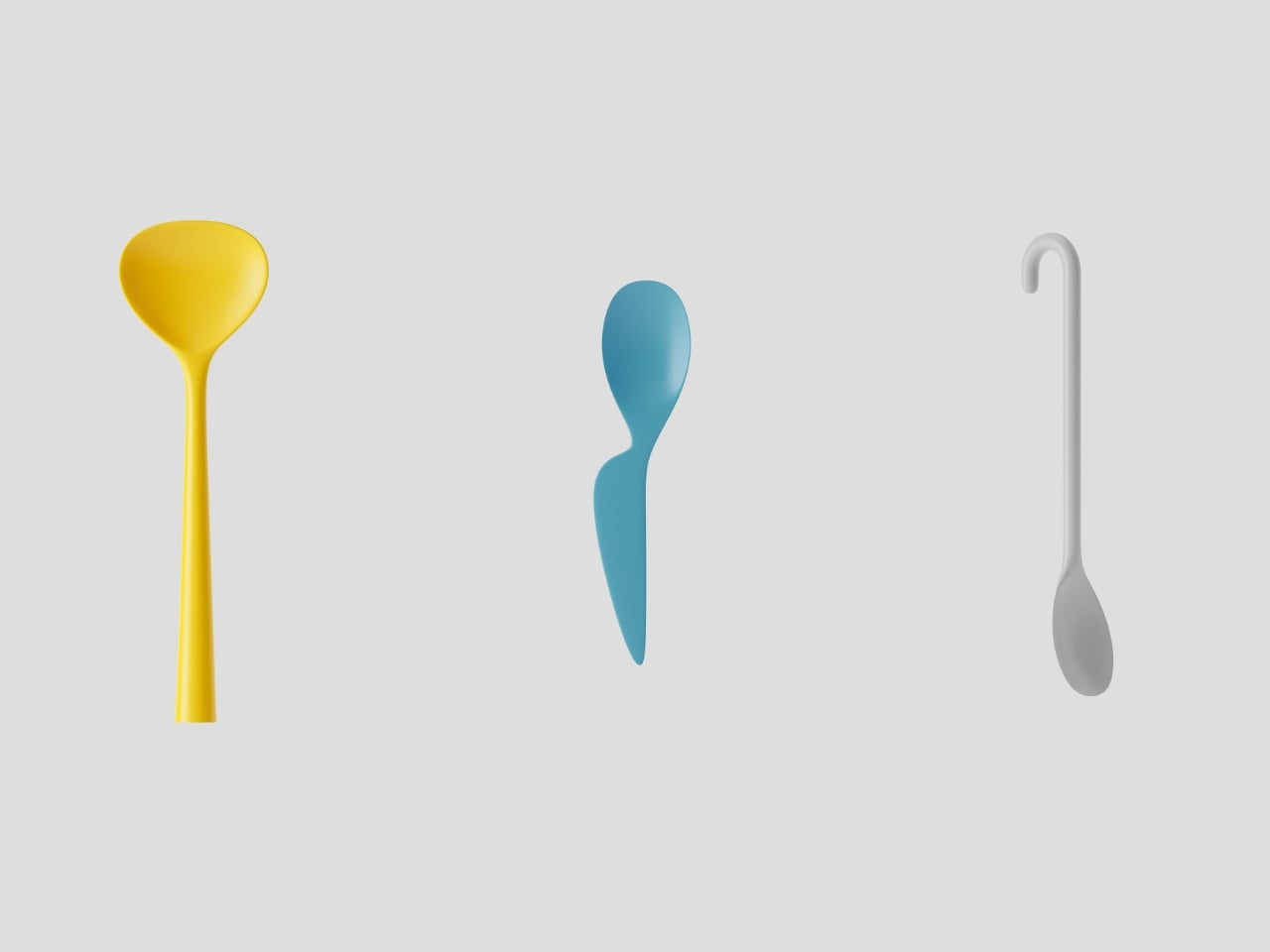
What emerges from this framework is a collection of spoons that look like they belong in a natural history museum of an alternate universe. There’s one with a spiraling corkscrew handle, as if it adapted to stir thick liquids with maximum efficiency. Another splits into a tulip shape at the bowl, perhaps “evolving” to let multiple people eat from the same dish. A green spoon sprouts a small branch from its handle, like it’s halfway between cutlery and plant life.
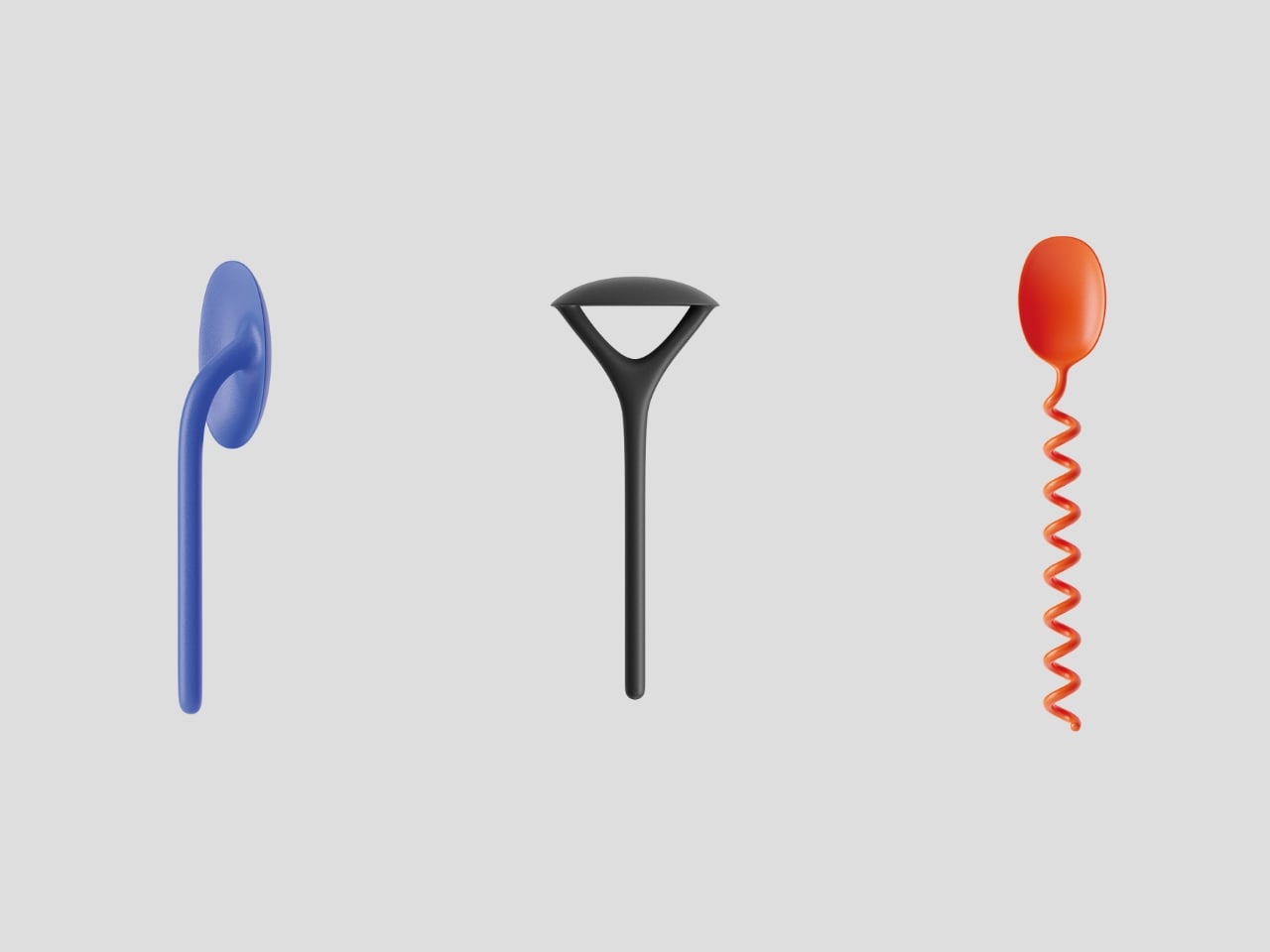
Some designs feel almost uncomfortably organic. A pink spoon curves with an hourglass figure that suggests it mutated for ergonomic grip. A black spoon with a triangular cutout in its handle looks like it underwent natural selection for lighter weight and material efficiency. Others border on the absurd, which is precisely the point. Evolution doesn’t always produce sleek perfection. Sometimes it creates the platypus or the blobfish, creatures that work despite looking deeply weird.
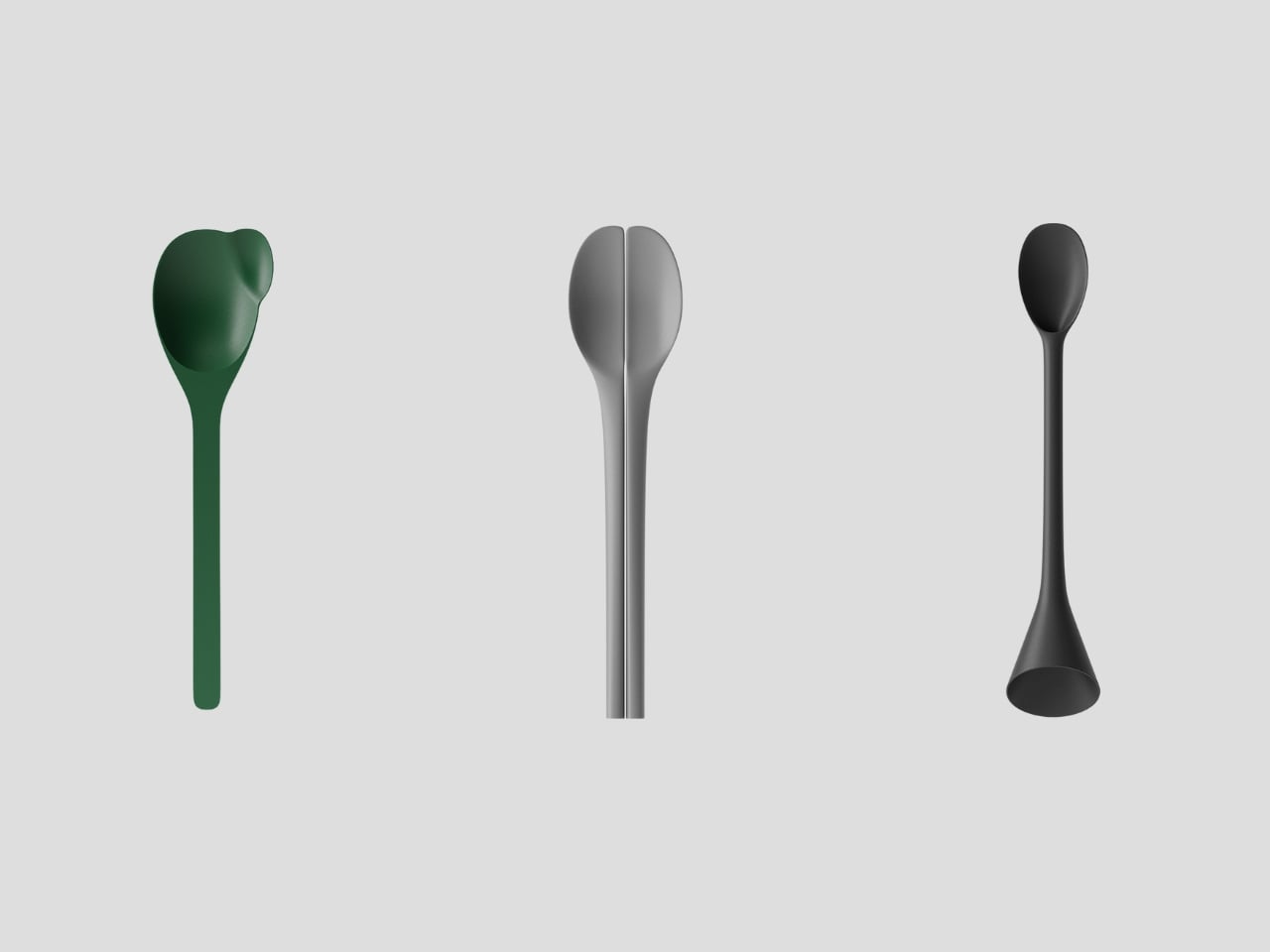
The technical execution deserves attention too. BKID co used FDM 3D printing, a process that deposits material layer by layer, making each spoon a physical artifact of a future that doesn’t exist. The designers describe it as creating fossils of imaginary life forms. That framing transforms these objects from mere design experiments into something more poetic. They’re evidence of parallel evolution, proof that form follows function even in hypothetical scenarios.
The project’s real brilliance lies in how it makes us reconsider the ordinary. We think of spoons as finished objects, perfected centuries ago and now simply manufactured in endless identical copies. But Evolving Spoon suggests that even the most mundane tools exist in dialogue with their environment. They could adapt, specialize, diversify. A spoon for soup doesn’t need to look like a spoon for ice cream, which doesn’t need to resemble a spoon for medicine.
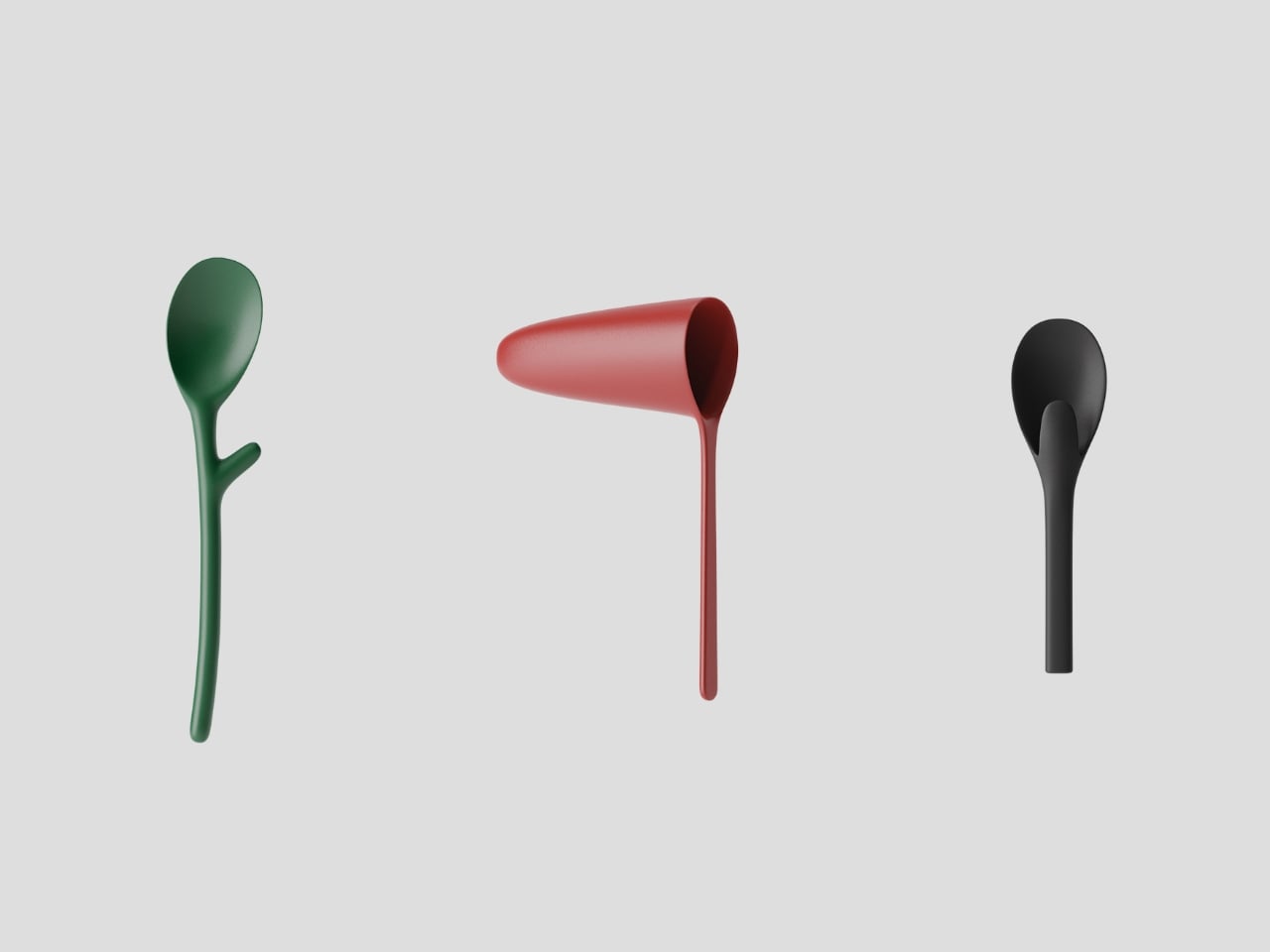
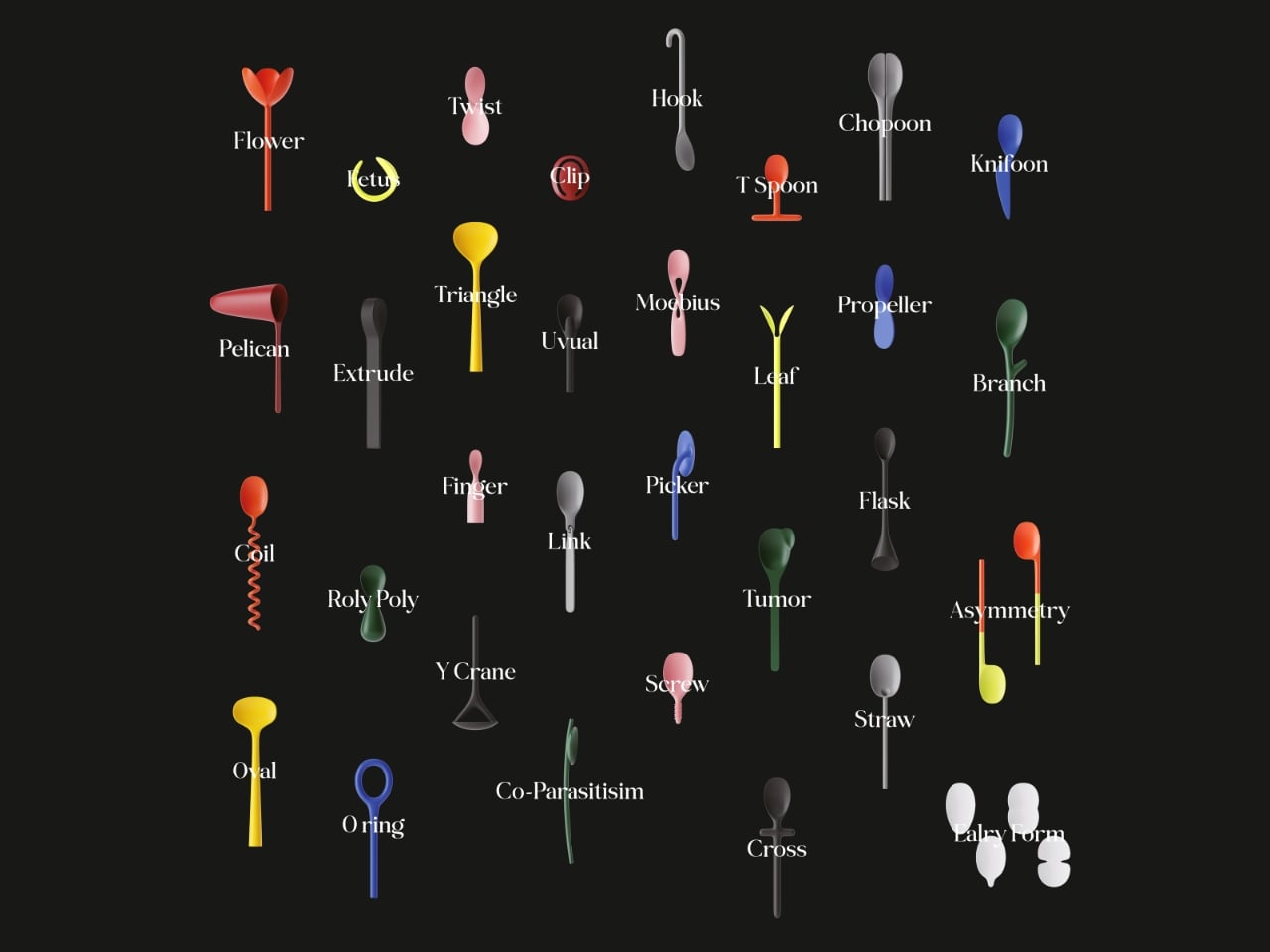
It also raises questions about design philosophy in an age of digital fabrication. When 3D printers can produce any shape as easily as they produce standard forms, why do we keep making the same objects over and over? Evolution thrives on variation. Maybe our material culture should too. Displayed together, these mutant spoons create a taxonomy of possibilities. Some would actually work better than conventional designs for specific tasks. Others are pure speculation, beautiful or strange but not particularly functional. All of them challenge the assumption that objects are static, that a spoon in 2026 should look identical to a spoon from 1926.
BKID co hasn’t just designed weird spoons. They’ve built a bridge between biology and product design, using evolutionary theory as a creative engine. The result is playful, thought-provoking, and visually arresting. It reminds us that even in the mundane act of eating, there’s room for imagination, adaptation, and a little bit of evolutionary chaos.
The post first appeared on .
Related Posts