Winter brings more than just cold temperatures—it puts serious stress on your home’s plumbing system. Frozen pipes, hidden leaks, and sudden bursts can quickly turn into expensive repairs if left unchecked. Understanding how to manage early can save homeowners from unexpected damage, high utility bills, and long-term structural issues.
When temperatures drop, water inside pipes can freeze and expand, increasing pressure and leading to cracks or bursts. This is one of the most frequent causes of water damage during winter. The good news is that with a few preventative measures and timely fixes, you can protect your home and maintain consistent water flow throughout the season.
Why Pipes Fail in Winter
Freezing Temperatures and Pressure Build-Up
Water expands as it freezes. When this happens inside pipes, it creates intense pressure that can weaken or rupture even strong materials like copper or PVC. Pipes located in uninsulated areas—such as basements, attics, garages, and exterior walls—are especially vulnerable.
Poor Insulation and Air Leaks
Homes with inadequate insulation allow cold air to reach plumbing lines. Small gaps around windows, doors, or wall openings can significantly increase the risk of frozen pipes. Sealing these areas is a simple but effective step toward prevention.
Early Warning Signs You Shouldn’t Ignore
Reduced Water Flow
A noticeable drop in water pressure could indicate partial freezing inside a pipe. Acting quickly at this stage can prevent a complete blockage or rupture.
Unusual Noises
If you hear banging, whistling, or gurgling sounds when turning on taps, it may signal trapped ice or pressure irregularities within the system.
Frost on Visible Pipes
Frost buildup on exposed pipes is a clear warning sign that freezing conditions are already affecting your plumbing.
Easy Fixes to Prevent Winter Pipe Damage
Insulate Exposed Pipes
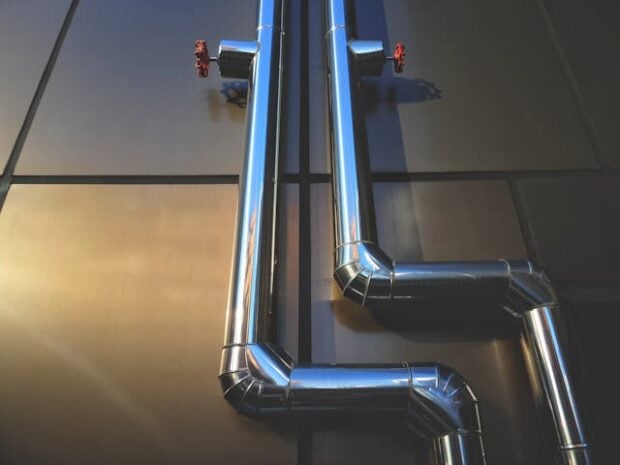
Pipe insulation is one of the most effective ways to prevent freezing. Foam sleeves or heat tape can be easily installed on exposed pipes to maintain a stable temperature.
Keep a Steady Indoor Temperature
Maintaining a consistent indoor —even when you’re away—helps protect your plumbing system. Sudden drops in heat can increase the risk of frozen pipes.
Let Faucets Drip Slightly
Allowing a slow drip during extremely cold nights keeps water moving through pipes, reducing the chance of freezing.
Seal Cracks and Openings
Use caulk or weather stripping to close gaps where cold air can enter. This improves both plumbing safety and overall energy efficiency.
Practical Tips to Stay Ahead of Winter Plumbing Issues
- Insulate pipes in basements, crawl spaces, and garages
- Open cabinet doors under sinks to allow warm air circulation
- Disconnect outdoor hoses and shut off exterior water lines
- Schedule seasonal plumbing inspections before winter begins
- Monitor your thermostat to maintain consistent indoor warmth
When Frozen Pipes Become an Emergency
Thawing Pipes Safely
If a pipe freezes, it’s important to thaw it carefully. Use a hairdryer, heating pad, or warm towels—never an open flame. Gradual thawing helps prevent sudden pressure changes that could cause bursting.
Identifying Hidden Leaks
After thawing, check for leaks or cracks. Even small leaks can worsen over time, leading to mold growth and structural damage if ignored.
Long-Term Prevention Strategies
Upgrade Insulation and Plumbing Layout
Modern insulation materials and improved pipe routing can significantly reduce winter risks. Investing in these upgrades enhances both safety and energy efficiency.
Regular Maintenance Matters
Scheduling routine inspections ensures that minor issues are addressed before they escalate. During these checks, professionals often handle common winter plumbing repairs, ensuring your system is ready to handle colder months without disruption.
Consider Smart Home Solutions
Smart leak detectors and temperature monitoring devices provide real-time alerts, allowing homeowners to respond quickly before problems worsen. These tools add an extra layer of protection, especially for vacation homes or properties left unattended.
The Connection Between Plumbing and Home Comfort
Winter plumbing issues don’t just affect your pipes—they impact your entire home environment. Leaks and bursts can disrupt heating systems, reduce energy efficiency, and create uncomfortable living conditions. By taking proactive steps, you maintain not only your plumbing but also consistent indoor comfort and lower energy costs.
Conclusion
Winter pipe problems can escalate quickly, but they are largely preventable with the right approach. From insulating pipes and sealing drafts to monitoring early warning signs, small actions can make a significant difference. Addressing issues early and staying informed about seasonal maintenance reduces the risk of costly repairs and protects your home’s structural integrity.
A well-maintained plumbing system supports energy efficiency, improves home comfort, and ensures peace of mind during colder months. Taking preventive measures today means fewer emergencies tomorrow—and a safer, more reliable home all winter long.
The post appeared first on .
Related Posts