During NeoCon’s heyday, some of Chicago’s most interesting design discoveries weren’t always happening inside the Merchandise Mart. They were unfolding in rented moving trucks parked along Fulton Market’s industrial streets, where artists and makers transformed cargo spaces into impromptu galleries filled with prototypes, one-offs and experimental ideas. Launched in the mid-2000s by Chicago gallerist Morlen Sinoway, the Guerrilla Truck Show offered an alternative to the polished trade-show floor, giving emerging designers a platform outside traditional exhibition formats.
The Less Than a Truckload competition revived that spirit for Fulton Market Design Days 2026, inviting designers to transform standard 8-by-10-foot shipping containers into engaging installations. This year’s winning entries demonstrate the breadth of contemporary design practice. Across the exhibition, visitors will encounter everything from furniture prototypes to sustainable material research and spatial interventions that blur the line between object and environment. While each proposal approaches the brief differently, all embrace the same premise: that creative constraints often produce the most compelling ideas.
Open throughout Fulton Market Design Days, from June 8-10, the installations offer a chance to experience work from emerging voices and established studios alike. Below, we round up 5 standouts to check out while you’re in town.
Common Object Studio

Drawing on the experimental energy of Chicago’s original truck shows, presents a container-scale environment centred on sculptural 3D-printed furniture. Rather than treating furniture as a finished product, the installation explores it as an immersive experience. The practice, which balances commercial design work with material innovation, sees the project as an opportunity to showcase speculative research rarely exhibited publicly.
The Mula Studio x Plastic Flux

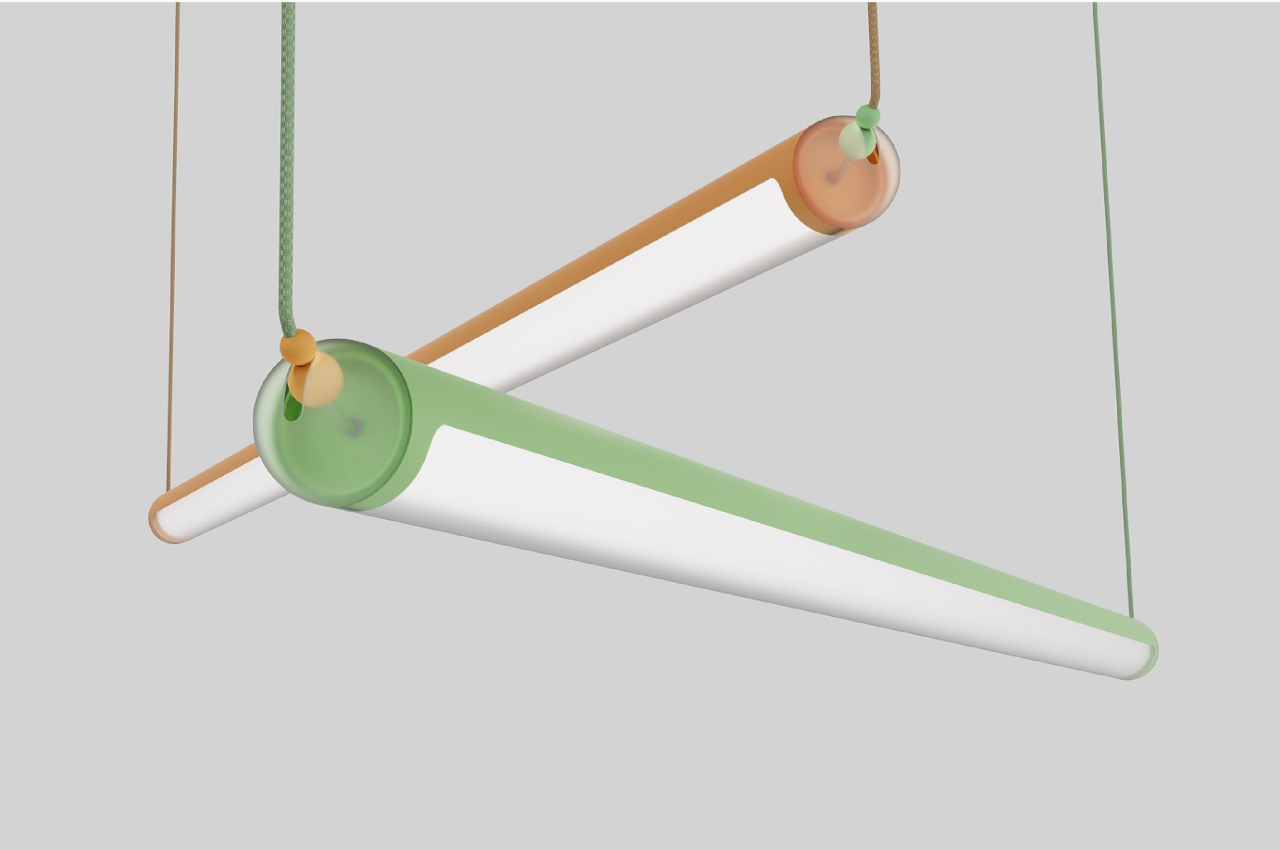
For industrial design student Mateusz Mularz, founder of The Mula Studio, Less Than a Truckload serves as a platform for both emerging talent and circular design. Developed in collaboration with Plastic Flux, the installation features furniture and objects fabricated from recycled plastic containers. Early renderings of the collection reveal a refined material palette: speckled surfaces paired with brushed metal supports take the form of stools, side tables, incense holders and softly glowing lamps that elevate recycled material into something unexpectedly sophisticated. The resulting pieces highlight the aesthetic potential of waste while advocating for more sustainable approaches to furniture production.
Harvard GSD Student Collaborative

Grounded in firsthand observations of Chicago’s evolving urban landscape, the Harvard GSD Student Collaborative responds directly to Fulton Market’s character as a district defined by movement, gathering and public encounter. Their proposal imagines the shipping container as a faceted pink passageway, its reflective surfaces framing views toward the city beyond. The installation transforms a simple container into a highly visible urban landmark, inviting visitors to move through, pause and engage with the surrounding streetscape. Translating academic research into a built experience, the installation explores how design can operate at street level and engage audiences beyond traditional exhibition settings.
Hardgoods Creative

Known primarily for branded activations, Hardgoods Creative approached Less Than a Truckload as an opportunity to explore ideas free from the constraints of a client brief. For the local studio, the project offers a rare chance to turn inward, using the shipping container as a platform for self-expression. It also reflects the community-building spirit that has long defined independent design exhibitions, providing a venue to connect with fellow creatives, potential collaborators and emerging talent during one of the city’s busiest design weeks.
Mxltiply

Chicago-based independent design and furniture platform Mxltiply will showcase new pieces from Herzog & de Meuron. Take the X-Hocker, for instance, a furniture object that explores structure through a distinctive X-shaped profile. Compact yet sculptural, the piece demonstrates how a simple geometric gesture can generate both visual identity and functional performance. Displayed within the intimate setting of a shipping container, the work offers visitors an opportunity to engage closely with objects that sit at the intersection of architecture, furniture and industrial design.
Taken together, the five winning proposals demonstrate how designers are engaging with some of the discipline’s most pressing questions, whether through new materials, new forms of public engagement or new approaches to making. More than a showcase of individual projects, Less Than a Truckload carries forward a tradition that has long been part of Chicago’s design culture: creating space for emerging voices.
This content was published by Azure on behalf of .
The post appeared first on .
Related Posts