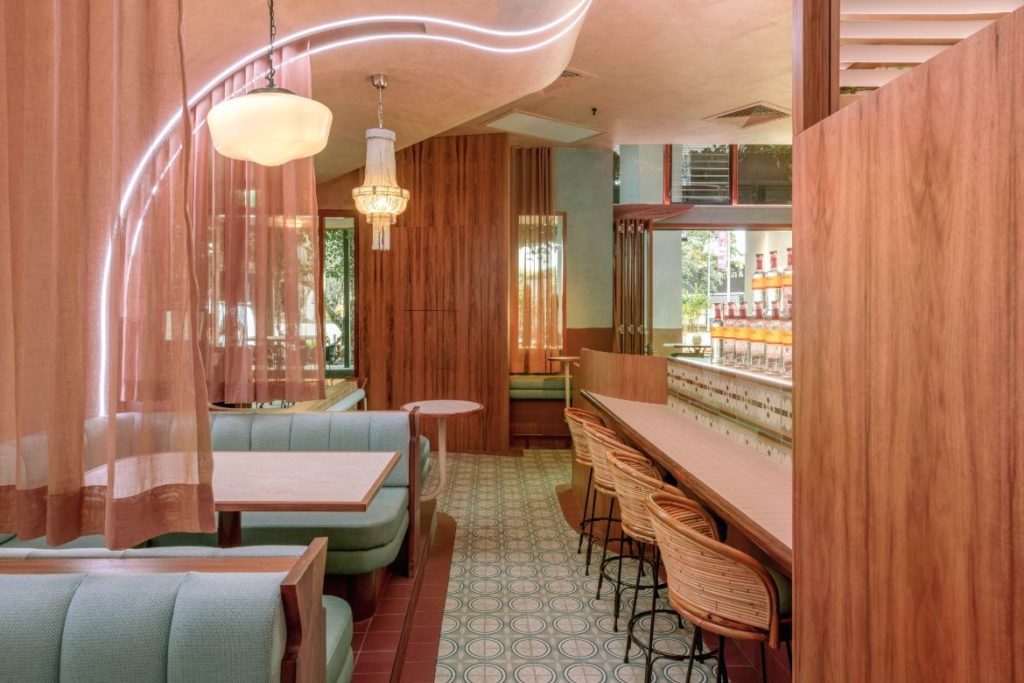
An outdoor conversation area succeeds when people can arrive, sit, stand, and pass through without interrupting one another. Furniture alone does not create that ease. The layout must respond to doors, paths, sunlight, wind, views, and the small movements people make while carrying food, greeting a guest, or changing seats.
Before buying or moving anything heavy, observe the space at several times of day. Mark where people already walk and where they pause. Readers may also want to visit .
Find the movement lines first
Draw the routes between the house, gate, steps, garden, storage, and any outdoor cooking area. Keep these paths clear rather than placing chairs where people naturally cut through. Account for fully opened doors and gates, not just their closed position.
Notice level changes, loose surfaces, roots, drainage points, and edges. A conversation area should not require guests to step backward into a hazard. If the surface is unstable or accessibility needs are unclear, seek appropriate professional advice before making a permanent layout.
Shape a comfortable social zone
Arrange seats so people can see one another without holding a fixed pose. Slight angles often feel more natural than a rigid line. Include a place to set a drink or personal item without forcing someone to reach across a walkway.
Test the area with temporary objects and this checklist:
- main travel routes remain open when every seat is occupied;
- chairs can be moved back without reaching a step or edge;
- no seat blocks a door, gate, vent, or utility access;
- people can join or leave without moving several others;
- shade and glare are acceptable at likely use times; and
- lighting reveals changes in level without shining into faces.
You can also visit for more reading. These elements may have safety, permission, and local-rule requirements beyond ordinary furniture arrangement.
Plan for weather and changing needs
Wind can accelerate around walls and corners, while afternoon sun may make an attractive seat uncomfortable. Test rather than guess. A movable chair or shade element can offer flexibility, but it must remain stable and suitable for outdoor use.
Choose a layout that can contract for a quiet conversation and expand for a larger gathering. A small open edge may accommodate an extra chair without rebuilding the whole arrangement. Keep storage close enough that cushions or lightweight items can be put away when conditions change.
Consider nearby households. Place conversation and speakers away from shared boundaries when possible, and keep lighting directed within the space. For a related read on this site, see .
Run a real-life trial
Use the temporary layout for an ordinary meal or evening before committing to permanent surfaces or built-ins. Notice where people drag chairs, where serving items collect, and whether the path to the house becomes congested. Ask guests what felt awkward rather than only what looked attractive.
Review the trial after dark as well as in daylight. Check that people can identify thresholds and steps, and that cables or portable lights do not create hazards. Keep flames, heaters, and cooking equipment separated and operated strictly according to their instructions.
Include different bodies and preferences
Offer more than one seating type when possible. Some people prefer a firm seat with arms, while others need extra legroom or an easy route to stand. Ask regular users what helps rather than guessing from appearance. Keep at least one position connected to the clearest route and avoid treating accessible placement as an add-on at the edge of the group.
Think about sensory comfort too. Rustling plants, traffic noise, insects, glare, smoke, and strong floral scents affect people differently. A flexible arrangement lets a guest move without feeling that they are leaving the conversation. Do not place the only comfortable seat next to a speaker, smoky cooking area, or constantly opening gate.
When children are present, maintain sightlines without turning a circulation route into a play zone. Secure unstable furniture and remove small hazards. Supervision remains necessary even when the layout appears contained.
Review it seasonally.
Natural movement is the quiet framework of a welcoming outdoor area. When paths come first, seats support comfortable interaction, and the layout adapts to weather and group size, the space becomes easier to use. The best result is not the fullest arrangement, but one that gives people room to settle in and move freely.
The post appeared first on .
Related Posts