Last Updated on March 20, 2026 by
Choosing between asphalt and concrete for a commercial parking lot in Canada depends on several practical factors. Asphalt typically offers quicker installation, lower initial investment, and simpler repairs – making it ideal for businesses that need minimal disruption. Concrete, while more expensive upfront, delivers exceptional longevity and can better handle heavy, constant traffic without rutting. Both materials respond differently to freeze-thaw cycles, snow removal practices, and de-icing chemicals common in Canadian winters.
Table of Contents
- Asphalt vs. Concrete: A Detailed Comparison
- Real-World Scenarios: Which Material Fits Your Business?
- Final Recommendations for Canadian Property Managers
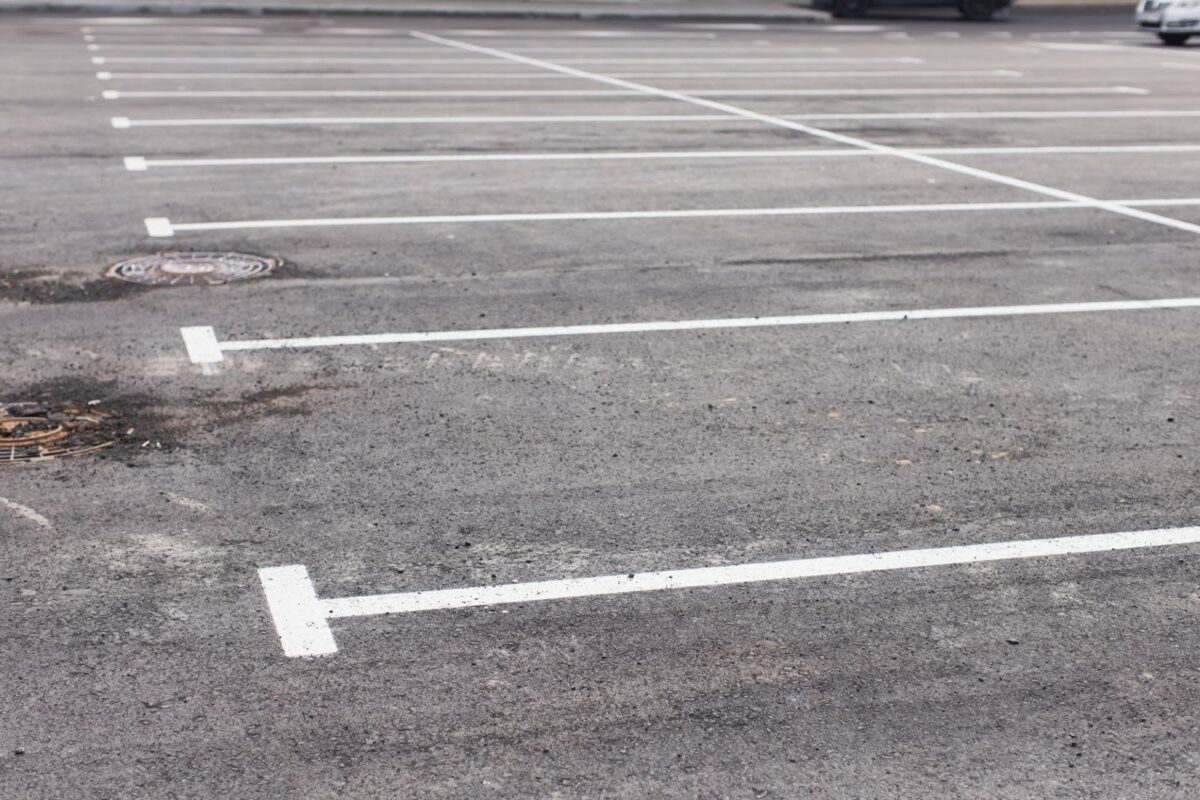
A commercial parking lot is far more than a place to leave vehicles – it’s a high-traffic operational zone that affects safety, accessibility, customer experience, and even municipal compliance. Unlike residential surfaces, these lots must endure daily wear from cars, delivery trucks, snow plows, and harsh winter treatments like salt and sand. Over time, poor drainage, inadequate base preparation, or choosing the wrong paving material can lead to cracking, potholes, and costly liabilities.
Before diving into the asphalt vs concrete parking lot debate, it’s wise to assess your property’s unique demands: average daily traffic volume, vehicle types, local weather patterns, and how quickly the surface needs to be usable after installation. Many Canadian property managers consult paving specialists early in the planning process to evaluate site conditions and explore all viable parking lot paving options. For on what factors matter most when launching a new paving project, you can always reach out to the professionals after reading through this guide.
Asphalt vs. Concrete: A Detailed Comparison
When evaluating the best surface for commercial parking lot applications across Canada, the decision often narrows to two proven materials: asphalt and concrete. Both have stood the test of time, but they serve different operational needs, budgets, and environmental conditions. Let’s break down the key differences across five critical dimensions.
Installation Time and Process
Asphalt can typically be laid and opened to light traffic within 24 to 48 hours, thanks to its rapid curing time – especially when compacted properly in warm, dry conditions. This makes it a practical choice for businesses that can’t afford extended closures.
Concrete, by contrast, requires a curing period of 7 to 14 days before it can safely handle vehicle loads. While this extended timeline may disrupt operations, the trade-off is a harder, more stable surface once fully set.
Upfront and Long-Term Costs
The concrete parking lot cost usually runs 20% to 50% higher than asphalt for initial installation, depending on region and site complexity. This includes material, labour, and formwork expenses. However, concrete’s lifespan – often 30+ years with minimal intervention – can offset that premium over time.
Asphalt, while more affordable upfront, generally needs resurfacing or major rehabilitation every 15 to 20 years. That said, routine maintenance like sealcoating and crack filling can significantly extend its service life without major capital outlays.
Durability in Canadian Climates
Canada’s freeze-thaw cycles pose a unique challenge. Asphalt’s flexibility helps it absorb ground movement without cracking as readily as rigid concrete. However, repeated plowing and de-icing salts can accelerate surface oxidation and ravelling.
Concrete is highly resistant to salt and doesn’t soften in summer heat, but it’s vulnerable to spalling and scaling if not properly air-entrained – a critical specification in cold regions. Joint deterioration is another common issue, especially if water infiltrates and freezes.
Maintenance Needs and Repairs
One of the standout asphalt parking lot benefits is how easy and cost-effective repairs are. Potholes, cracks, and utility cuts can be patched quickly with minimal equipment, often without closing the entire lot.
Concrete repairs, however, are more involved. Fixing a cracked slab usually requires saw-cutting, removal, and replacement – a process that’s both time-consuming and visually noticeable. While concrete needs less frequent attention, when it does fail, the fix is rarely simple.
Environmental and Aesthetic Considerations
Asphalt is 100% recyclable and often reused in new paving mixes – a strong point for sustainability-focused businesses. Its dark surface also helps melt snow faster in spring.
Concrete offers a clean, modern look and reflects more sunlight, which can reduce the urban heat island effect. However, its production has a higher carbon footprint, and recycling options are more limited compared to asphalt.
Quick Comparison at a Glance
| Factor | Asphalt | Concrete |
| Initial Cost | Lower | Higher |
| Lifespan | 15–20 years (with maintenance) | 30+ years |
| Installation Time | 1–2 days | 7–14 days (curing) |
| Winter Performance | Good (flexible, melts snow) | Excellent (salt-resistant) |
| Repair Ease | Simple, fast, low-cost | Complex, noticeable, costly |
| Recyclability | Fully recyclable | Limited recycling options |
| Heat Reflection | Low (absorbs heat) | High (cooler surface) |
Real-World Scenarios: Which Material Fits Your Business?
Not every commercial property has the same operational rhythm or budget horizon. The right choice between asphalt and concrete often comes down to how your lot is actually used. Here’s how different business types might lean based on real-world priorities:
High-Turnover Retail Plazas
If your – think grocery stores, pharmacies, or strip malls – asphalt parking lot benefits like quick repairs and smoother ride quality matter. A pothole near the entrance can be patched overnight without closing access, keeping customer flow uninterrupted. The dark surface also hides oil stains and tire marks better than concrete, maintaining a cleaner appearance with less frequent cleaning.
Industrial or Distribution Facilities
Warehouses, logistics hubs, and manufacturing sites often host heavy trucks, forklifts, and container handling. In these cases, concrete’s superior load-bearing capacity and resistance to tire scuffing make it a compelling long-term investment – despite the higher concrete parking lot cost. The rigid surface won’t rut under repeated heavy loads, reducing maintenance headaches over decades.
Municipal or Institutional Lots
Schools, hospitals, and government buildings prioritize safety, accessibility, and lifecycle cost. While asphalt is common due to budget constraints and ease of re-striping, some institutions opt for concrete in high-visibility zones (like main entrances) for its crisp, professional look and minimal fading. Hybrid approaches – concrete in high-stress zones and asphalt elsewhere – are also gaining traction.
Seasonal or Low-Budget Operations
For seasonal businesses (e.g., summer markets, ski resort overflow lots) or startups managing tight capital, asphalt’s lower entry cost and faster return-to-service are decisive. You can pave in spring and open immediately – something concrete’s curing window wouldn’t allow.
Sustainability-Focused Developments
Developers pursuing green building certifications may lean toward asphalt for its recyclability. Over 95% of asphalt pavement is reclaimed and reused in Canada, aligning with circular economy goals. Concrete, while durable, offers fewer closed-loop recycling pathways at present.
When weighing these scenarios, remember that the best surface for commercial parking lot use isn’t universal – it’s contextual. Your decision should reflect not just today’s needs, but where your business expects to be in 10, 20, or even 30 years. That’s why many property owners start by mapping out their expected traffic growth, maintenance capabilities, and capital renewal cycles before locking in a material.
This strategic lens ensures you’re not just choosing between asphalt vs concrete parking lot options – but investing in a surface that supports your operational reality.
Final Recommendations for Canadian Property Managers

Selecting the right paving material isn’t just a construction decision – it’s a strategic one that affects operational continuity, tenant satisfaction, and long-term asset value. After weighing performance, climate resilience, and lifecycle economics, here are three practical takeaways for Canadian property managers:
1. Match the material to your maintenance capacity.
If your team lacks the budget or bandwidth for major overhauls every 15–20 years, concrete’s “install-and-forget” durability may save headaches down the road. But if you prefer manageable, incremental upkeep – like annual crack sealing and periodic resurfacing – asphalt offers flexibility without surprise expenses.
2. Prioritize proper base preparation over surface preference.
No matter whether you choose asphalt or concrete, the foundation determines longevity. In regions with expansive clay or high water tables (common in parts of Ontario, Manitoba, and the Maritimes), a well-compacted, well-drained sub-base is non-negotiable. Skimping here leads to premature failure – regardless of surface material.
3. Plan for winter from day one.
Specify air-entrained concrete in freeze-thaw zones and avoid over-salting asphalt surfaces. Consider textured finishes for better traction and design drainage to prevent ice dams near curbs. The best parking lot isn’t just strong – it’s winter-smart.
Ultimately, there’s no single “winner” in the asphalt vs concrete parking lot conversation. The best surface for commercial parking lot use depends on your specific mix of traffic, climate, capital planning, and risk tolerance. By treating paving as a long-term investment – not just a repair task – you’ll build a surface that serves your property reliably for decades.
Related Posts