In a significant medical breakthrough, the Texas Heart Institute and BiVACOR have successfully implanted the BiVACOR Total Artificial Heart (TAH) in a human patient at Baylor St. Luke’s Medical Center. This development marks a substantial advancement in treating severe heart conditions, particularly for patients with biventricular and univentricular heart failure, who are unsuitable candidates for traditional devices like left ventricular assist devices.
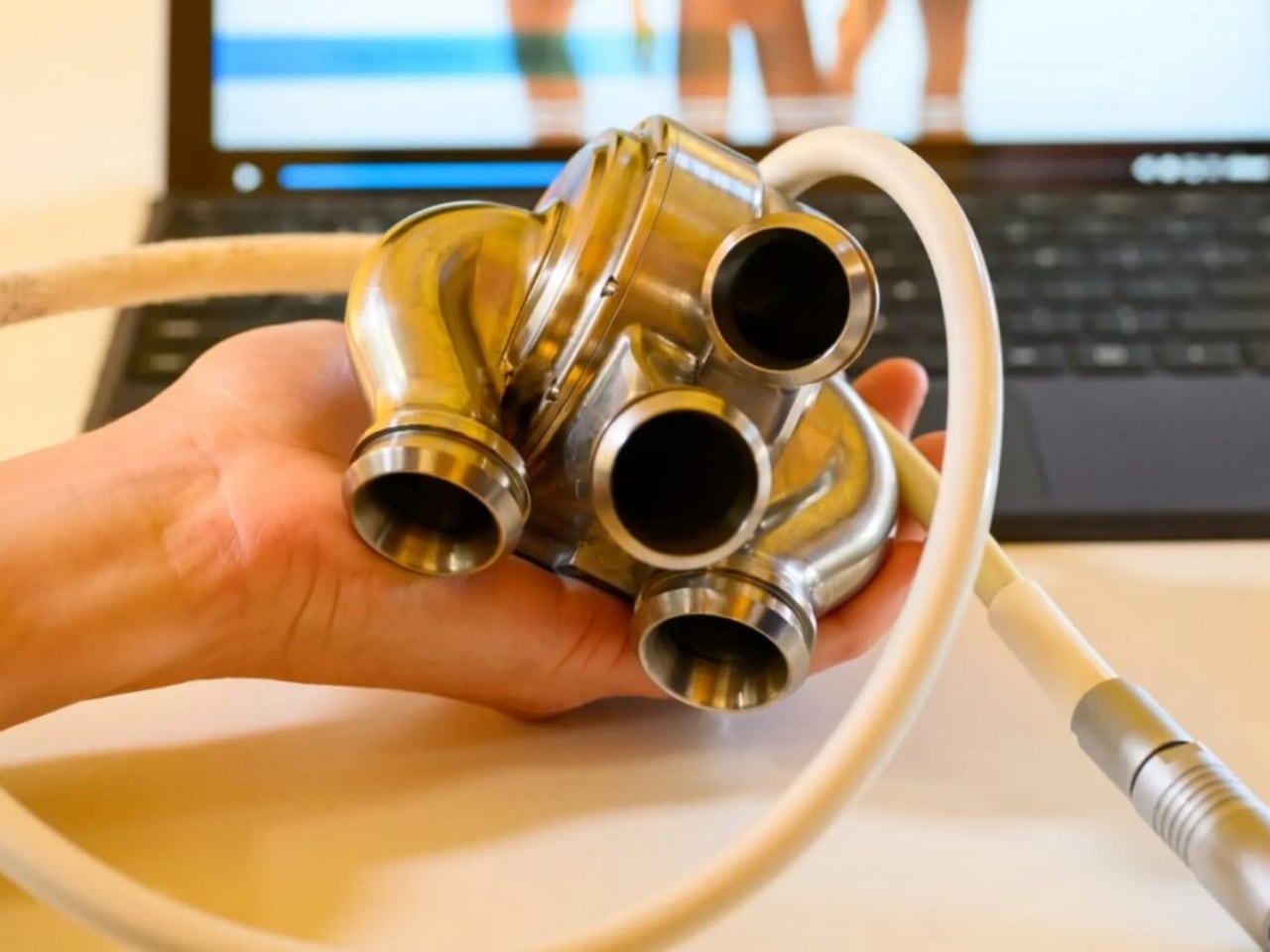
Designer: BiVACOR
The BiVACOR TAH features a titanium rotary blood pump utilizing magnetic levitation technology. This innovation minimizes the wear and tear commonly seen in traditional artificial hearts. With only one moving part, the TAH emulates the human heart’s function by efficiently pumping blood while reducing damage to blood cells.
The maglev technology allows the rotor inside the heart to operate without contacting other parts, reducing friction and extending the device’s lifespan. Inspired by high-speed trains, this technology enables the artificial heart to function quietly and smoothly, enhancing patient comfort. The TAH is designed to sustain patients until a suitable donor heart is available for transplant.
This successful implantation is part of a U.S. Food and Drug Administration study to assess the TAH’s safety and effectiveness in real-world conditions. Daniel Timms, founder and CTO of BiVACOR, noted that this technology brings us closer to providing more options for patients ineligible for traditional heart transplants.
Heart failure is a leading cause of death worldwide, affecting millions. In the U.S. alone, about 6.2 million adults suffer from heart failure. The National Institutes of Health estimate that up to 100,000 U.S. patients could immediately benefit from mechanical heart support like the TAH.
Dr. Joseph Rogers, president and CEO of the Texas Heart Institute, emphasized the importance of this new technology. Collaborating with BiVACOR and Baylor College of Medicine, they aim to revolutionize heart failure treatment and offer new hope to patients in need.
Comparing the Titanium Maglev Heart and the Biological Heart
The titanium maglev heart looks and functions quite differently from a natural human heart. Constructed from titanium, this heart implant features a strong, metallic design, which stands in stark contrast to the soft muscle tissue of a biological heart. The maglev heart’s sleek design includes various ports and connectors that allow it to work seamlessly with medical devices. Meanwhile, a biological heart has a more organic look, with textures and colors that highlight its living nature, without the industrial elements present in the titanium heart.
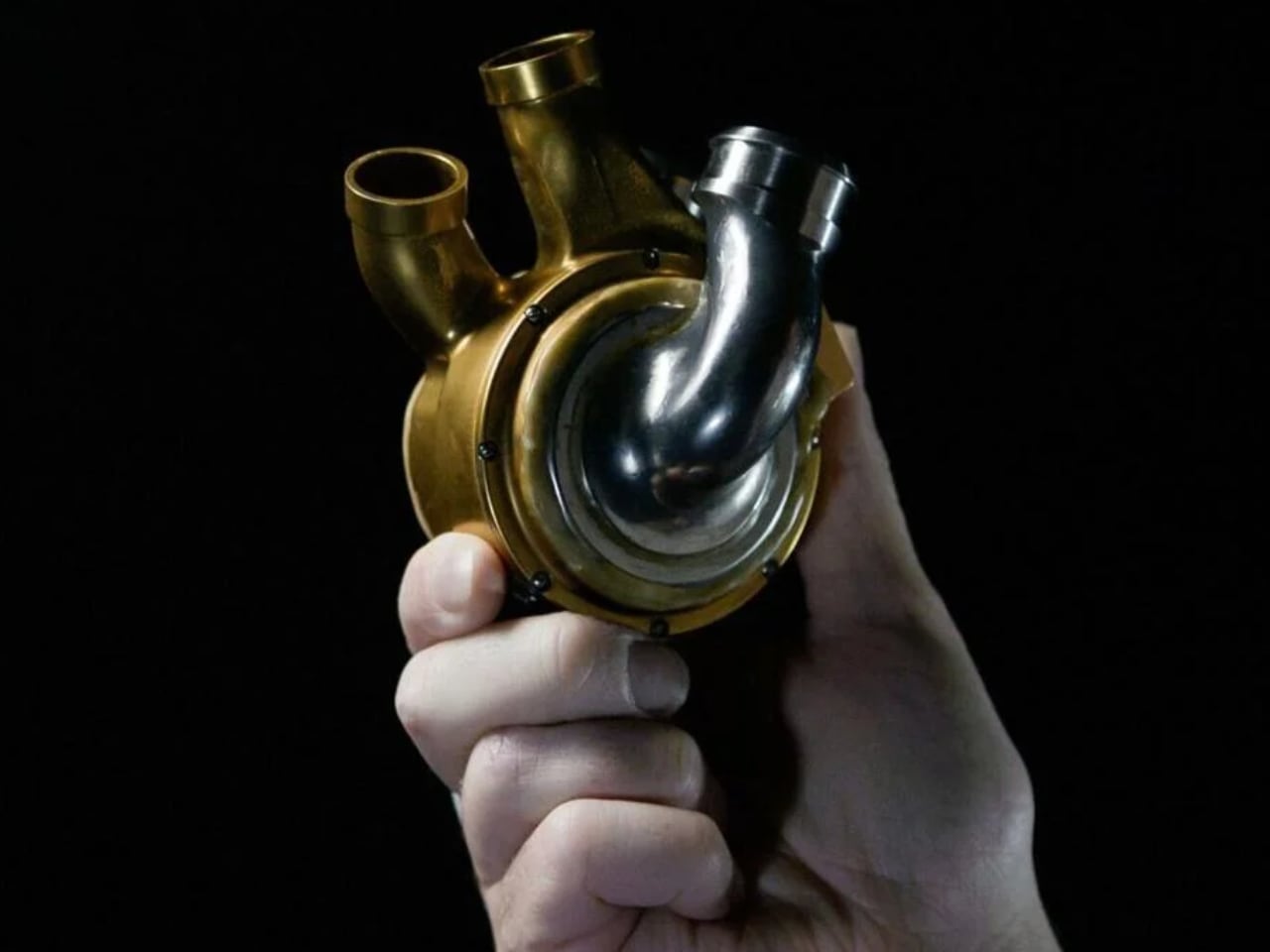
BiVACOR: The Total Artificial Heart, made of titanium
Design-wise, the maglev heart appears more mechanical, with visible joints and parts tailored for specific functions, resembling a machine more than an organ. Conversely, the biological heart is smooth and compact, with chambers and valves seamlessly flowing together without sharp edges or mechanical parts.

Functionally, the maglev heart includes technology for monitoring and control, allowing for potential remote adjustments. Its ports and cables are designed to connect to external devices. In contrast, the natural heart’s connections are biological, including arteries and veins, without external interfaces.
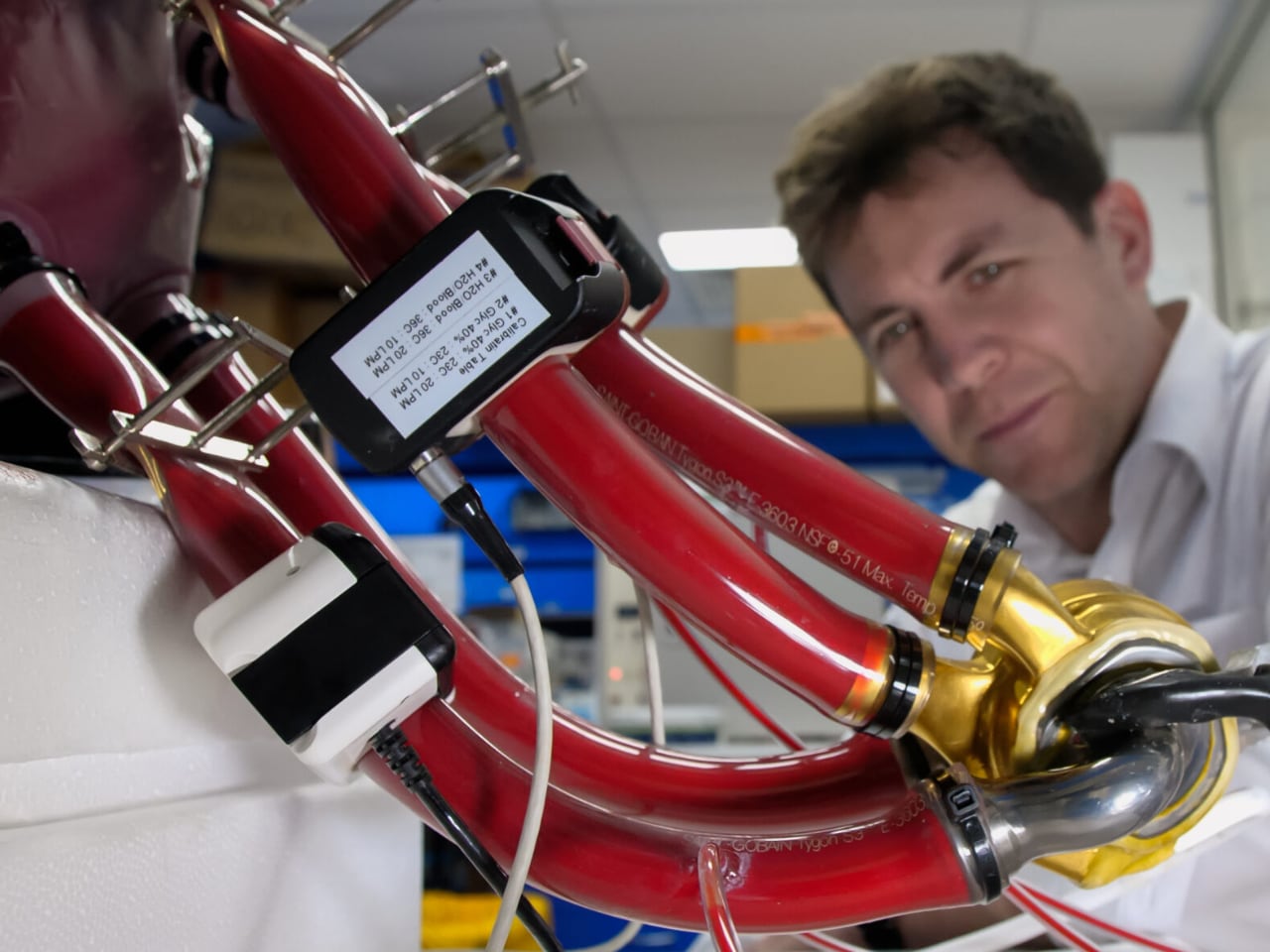
Size-wise, the titanium maglev heart may be larger than a biological heart due to the space required for mechanical components like motors and the magnetic levitation system. A biological heart is typically more compact, fitting efficiently within the chest cavity.
The titanium maglev heart shows how science and engineering can merge to provide new solutions for patients who cannot receive a biological heart transplant. Its design and features highlight advancements in medical devices, offering a promising option for those in need.
The post first appeared on .
Related Posts