What if I told you that the future of sustainable construction might just come down to three simple ingredients: soil, water, and cardboard? It sounds almost too simple to be true, but researchers at RMIT University in Australia have just made it a reality with their breakthrough material called cardboard-confined rammed earth, or CCRE for short.
Here’s the thing. We all know concrete is everywhere in our built environment, but it comes with a hefty environmental price tag. Cement and concrete production accounts for about 8% of annual global emissions. At the same time, Australia alone sends over 2.2 million tons of cardboard and paper to landfills every year. The RMIT team looked at these two problems and saw an opportunity to solve both at once.
Designer Name:
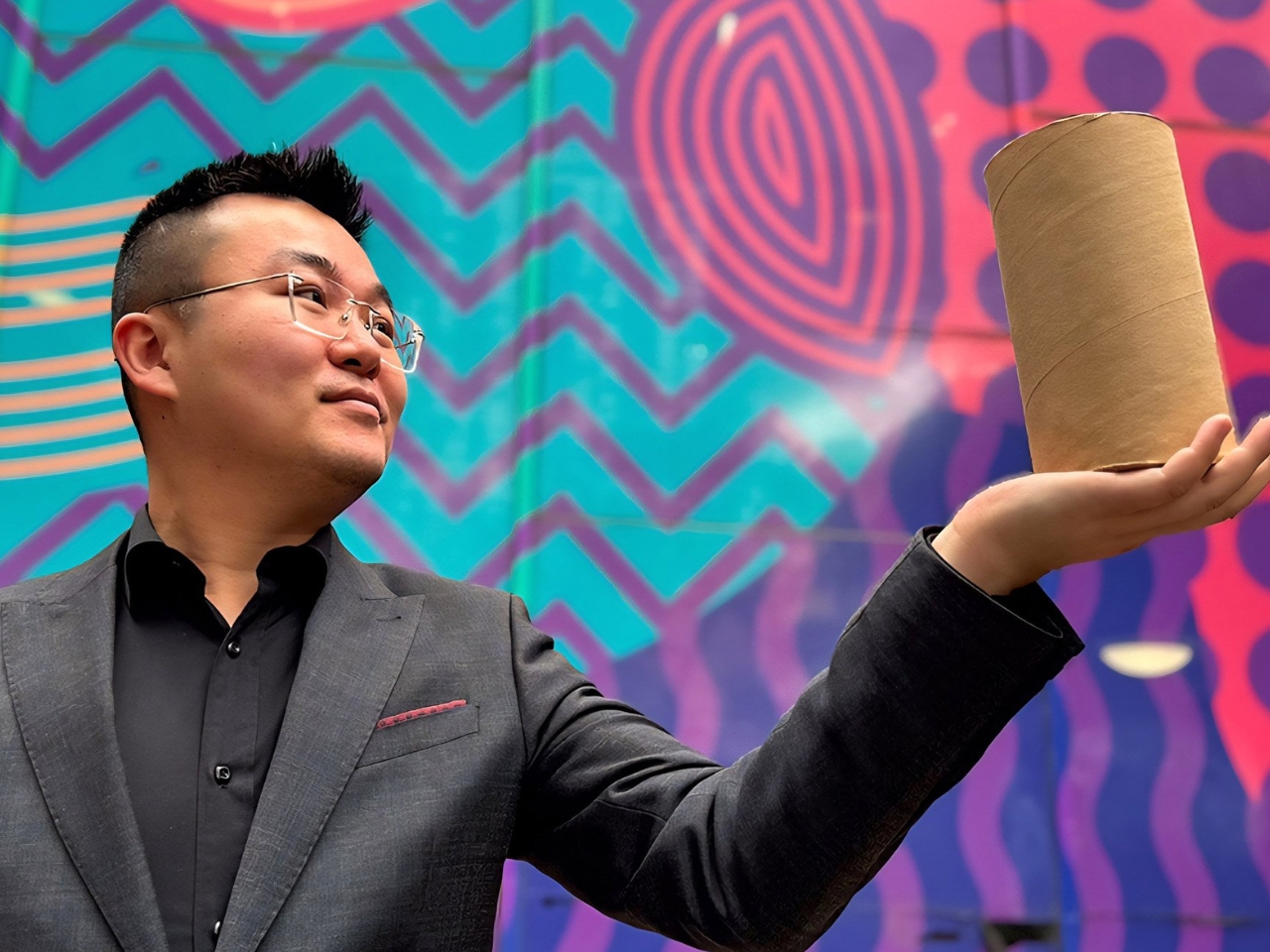
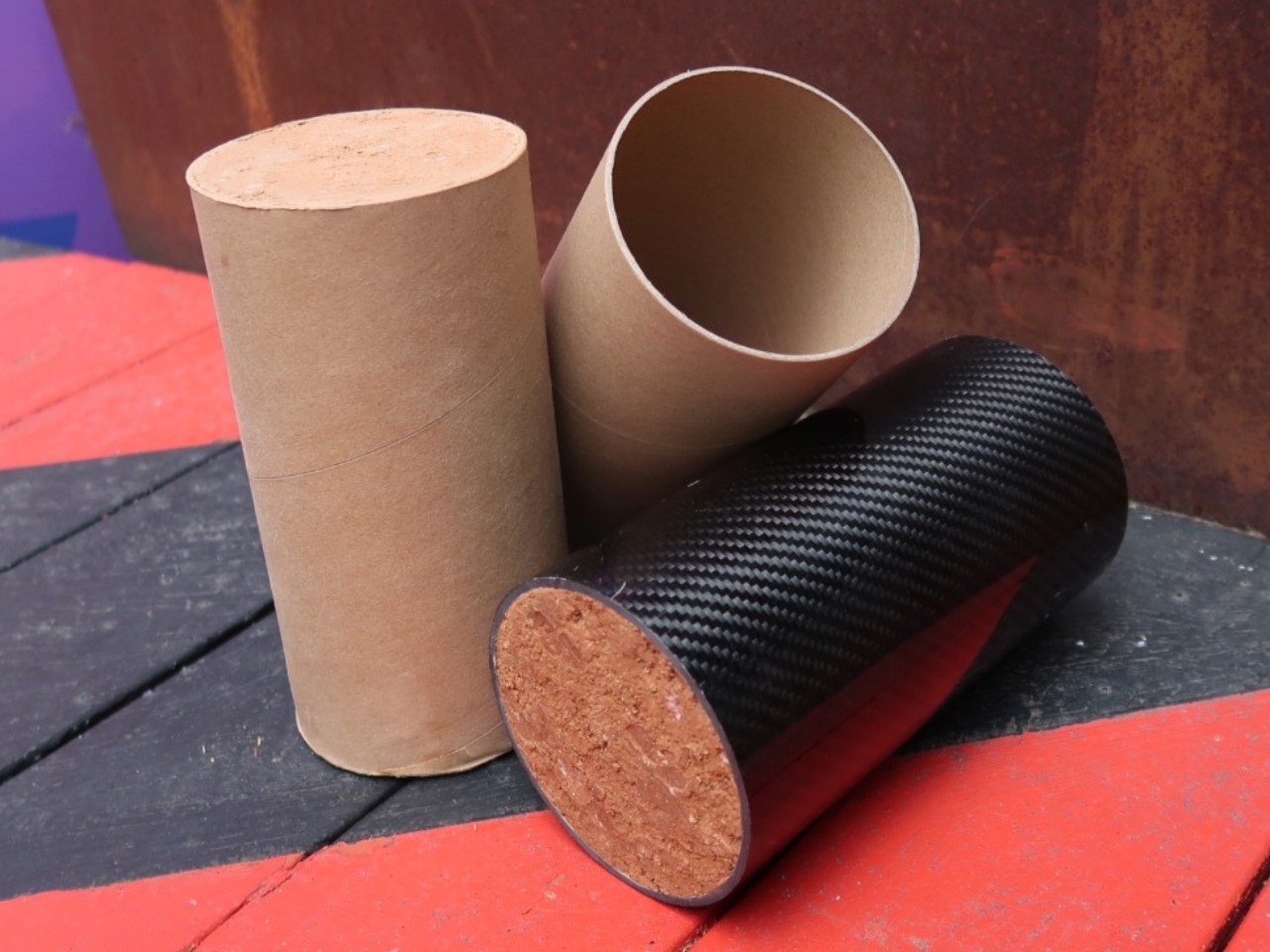
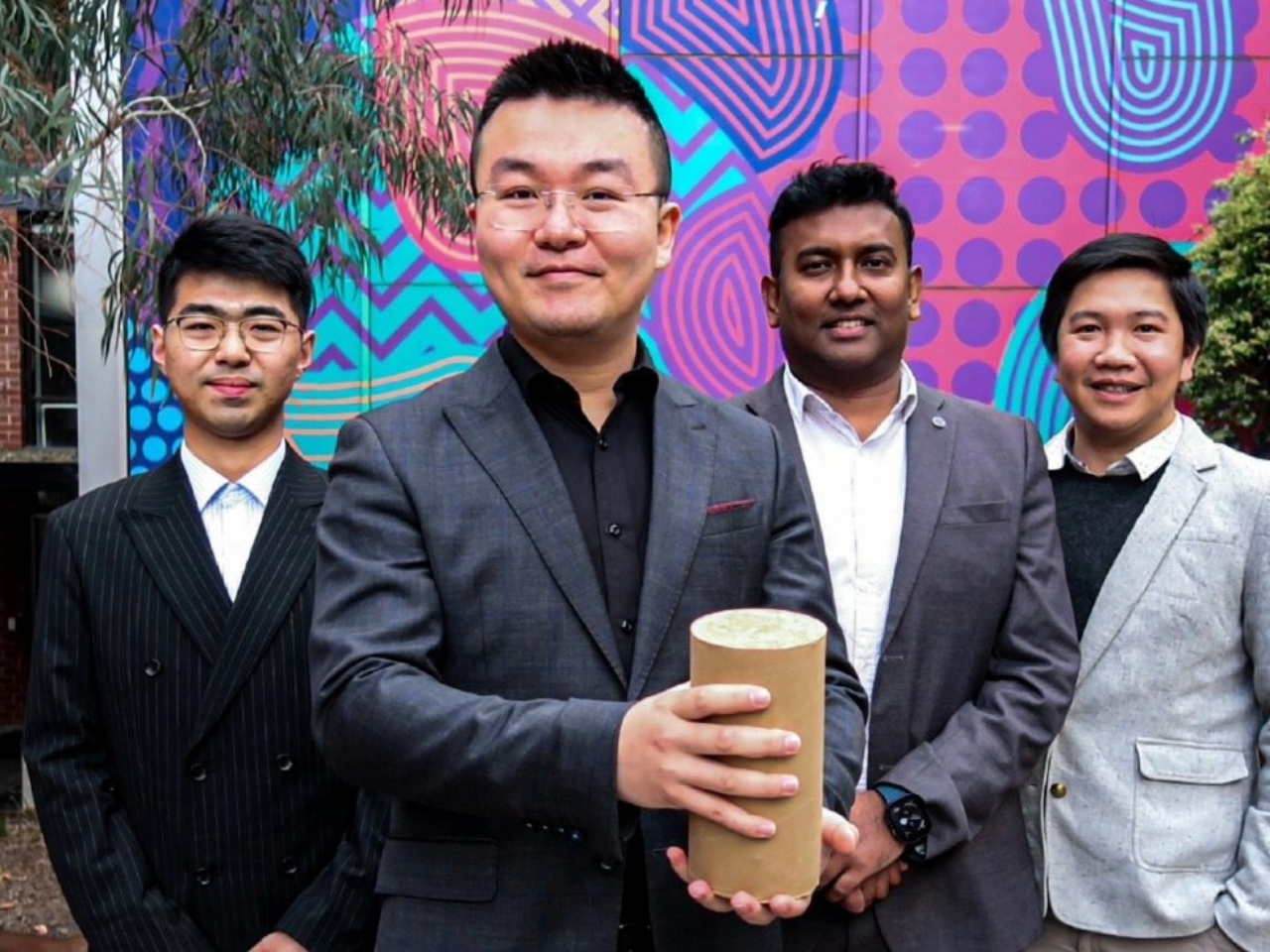
The concept is brilliantly straightforward. Instead of using traditional formwork that gets removed after concrete sets, builders use cardboard tubes as permanent casings. They compact moistened soil inside these tubes, and the cardboard stays in place, continuously confining and strengthening the earth core. Think of it like a structural hug that never lets go. What makes this so exciting is just how sustainable it really is. Dr. Jiaming Ma, the lead researcher on the project, explains that modern rammed earth construction typically adds cement to the soil for extra strength. But with those naturally thick rammed earth walls, that cement is actually overkill. By swapping cement for cardboard, the team created a material with just one quarter of the carbon footprint of concrete at less than one third of the cost. When you break down the numbers, a full-size CCRE column produces only 17.41 kilograms of carbon dioxide equivalent, compared to 77.95 kilograms for ordinary concrete.
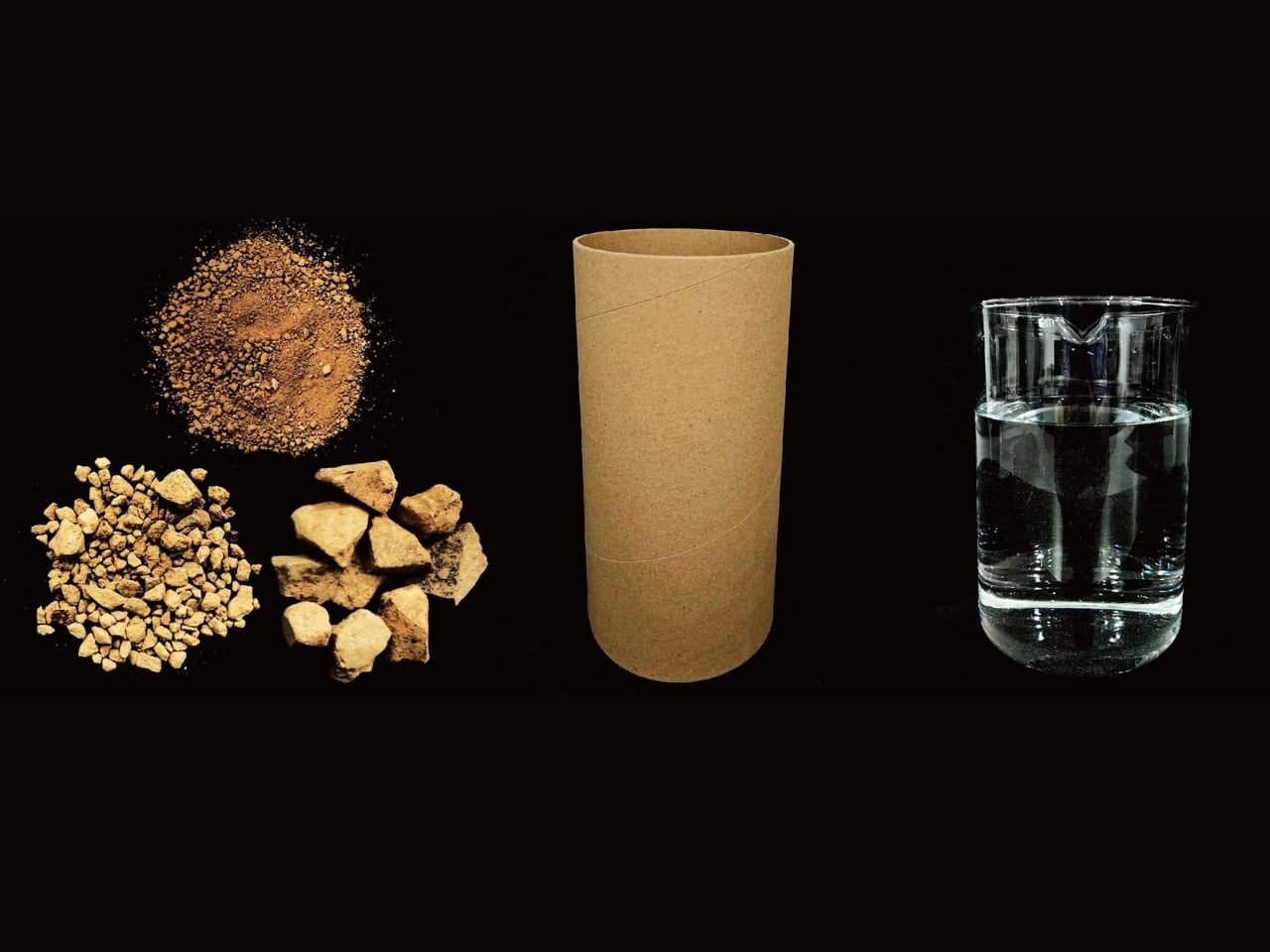
The process itself is remarkably accessible. Construction teams can make CCRE right on site by compacting the soil and water mixture inside cardboard tubes, either by hand or with machines. Professor Yi Min “Mike” Xie points out that instead of hauling in tons of bricks, steel, and concrete, builders would only need to bring lightweight cardboard since nearly all the material can be sourced locally. This is particularly game-changing for remote areas where red soils, which are ideal for rammed earth construction, are readily available.
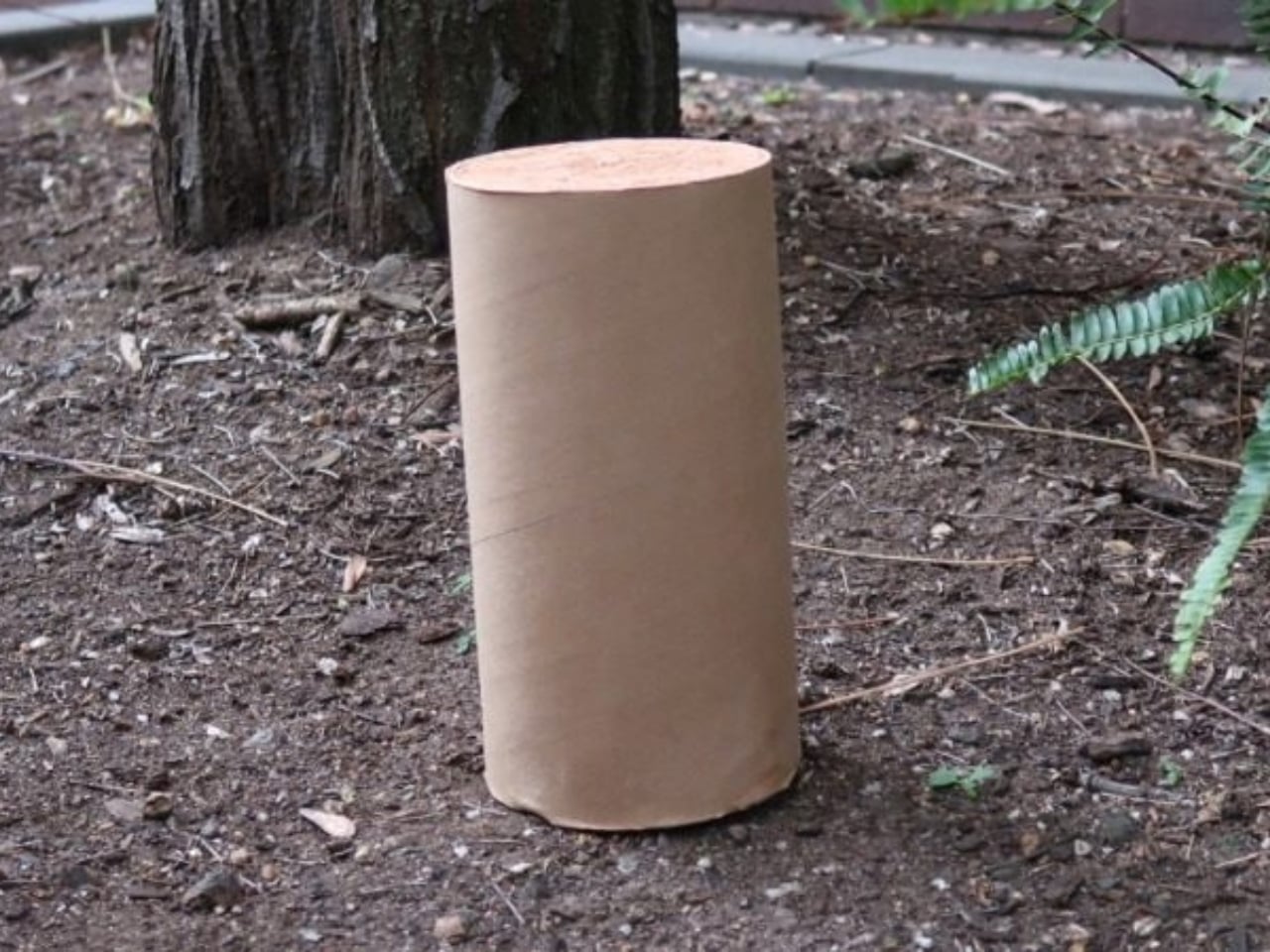
Now, you might be wondering about strength. After all, cardboard doesn’t exactly scream “structural integrity.” But here’s where it gets interesting. The team developed a formula that lets them predict exactly how strong the material will be based on the thickness of the cardboard tubes. After 28 days of drying, compression tests showed that CCRE has comparable strength to conventional cement-stabilized rammed earth. While it’s not quite as strong as typical concrete, it’s more than adequate for load-bearing applications in low-rise buildings. There’s another beautiful benefit to rammed earth construction that doesn’t get talked about enough. These buildings naturally regulate indoor temperatures and humidity thanks to their high thermal mass, which makes them ideal for hot climates. Less mechanical cooling means cutting both energy use and carbon emissions even further.
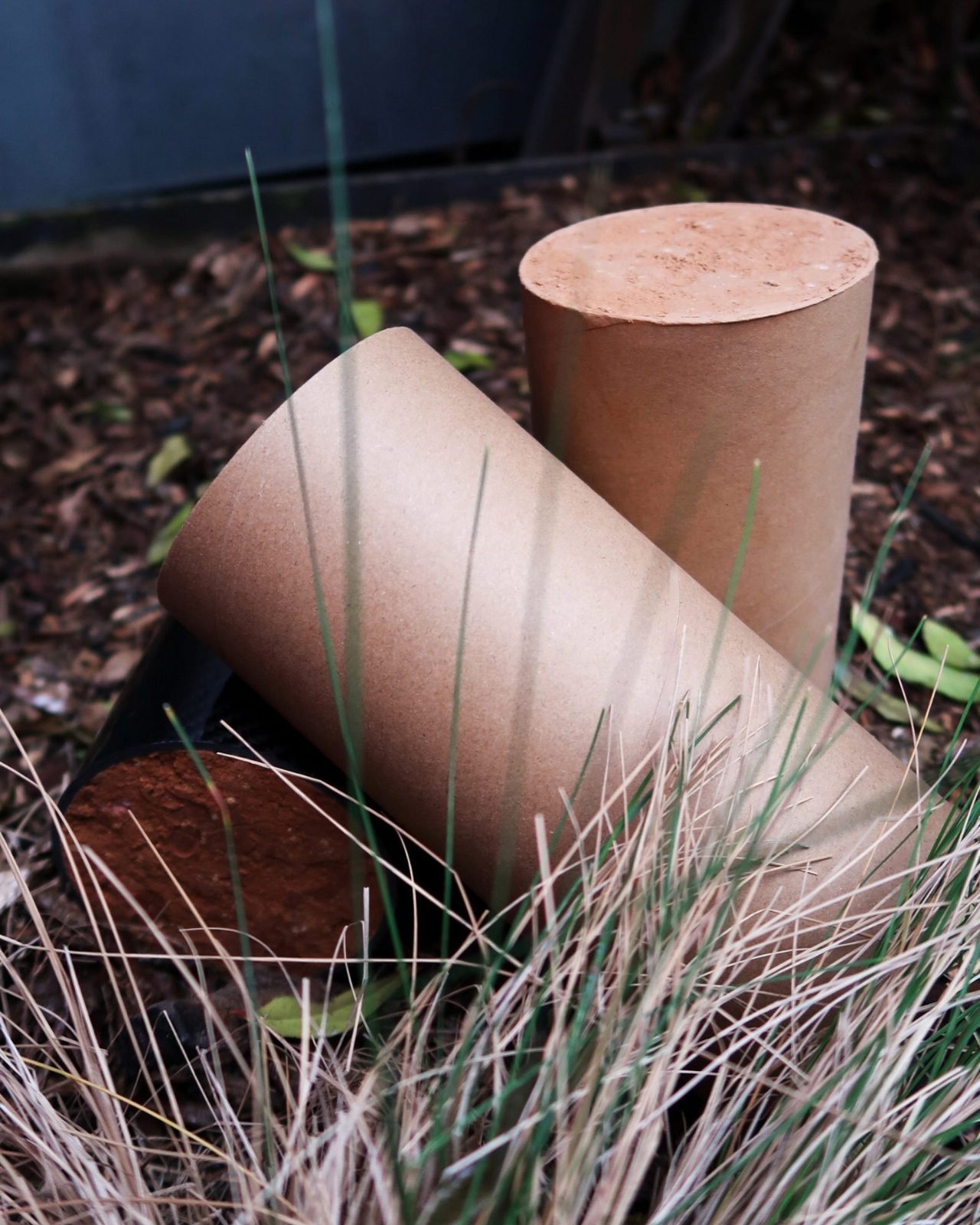
The RMIT team envisions CCRE being perfect for low-rise housing, community buildings, and off-grid projects. It taps into a global revival of earth-based construction driven by net zero goals and growing interest in local, sustainable materials. By transforming waste into structure, this innovation shows us that sustainable building materials can actually be greener, cheaper, and easier to produce all at once. The team is now looking for industry partners to help scale up this material for widespread use. It’s a refreshingly simple solution to a complex problem, proving that sometimes the best innovations come from looking at old techniques through a new, sustainable lens.
The post first appeared on .
Related Posts