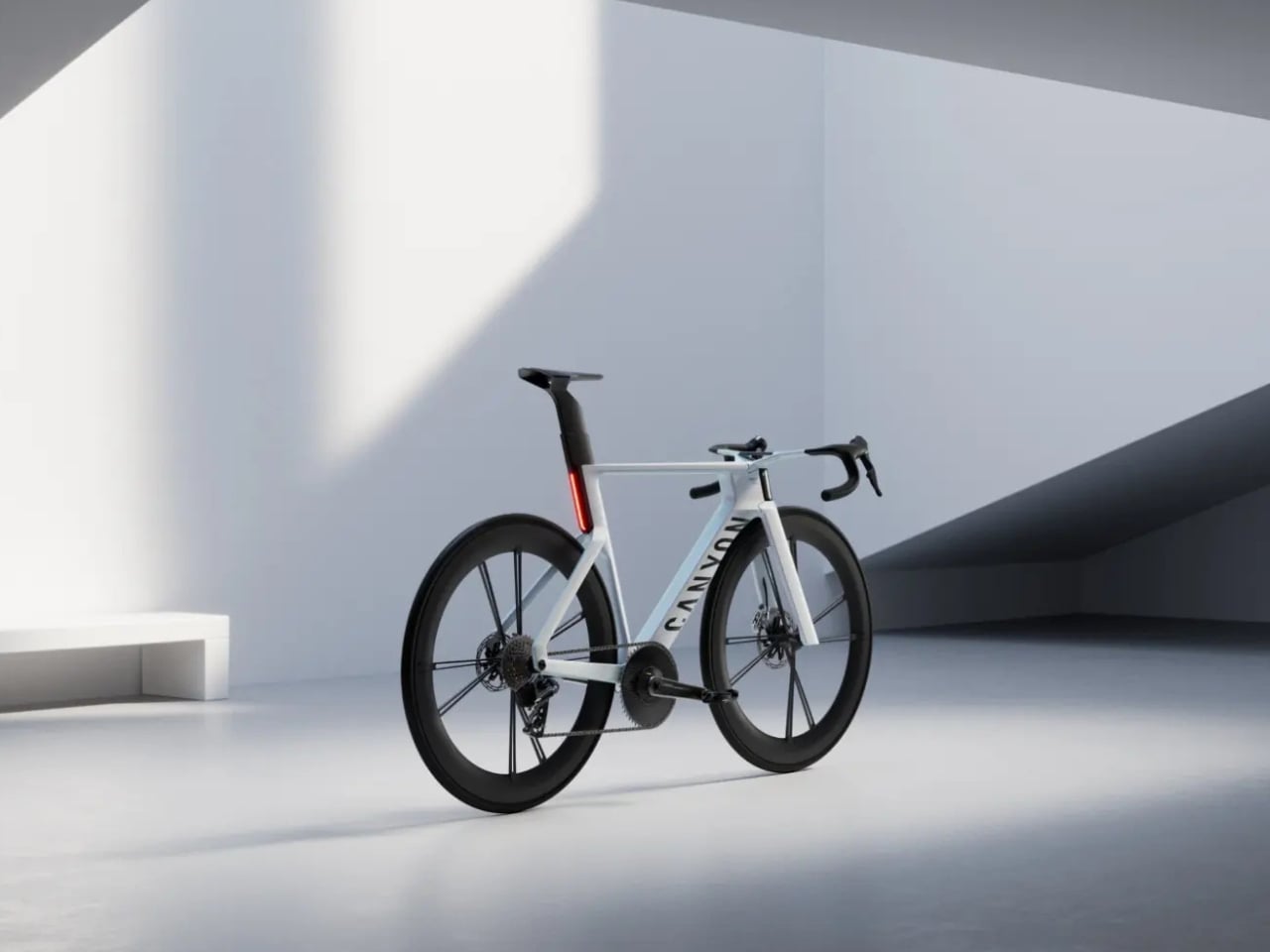
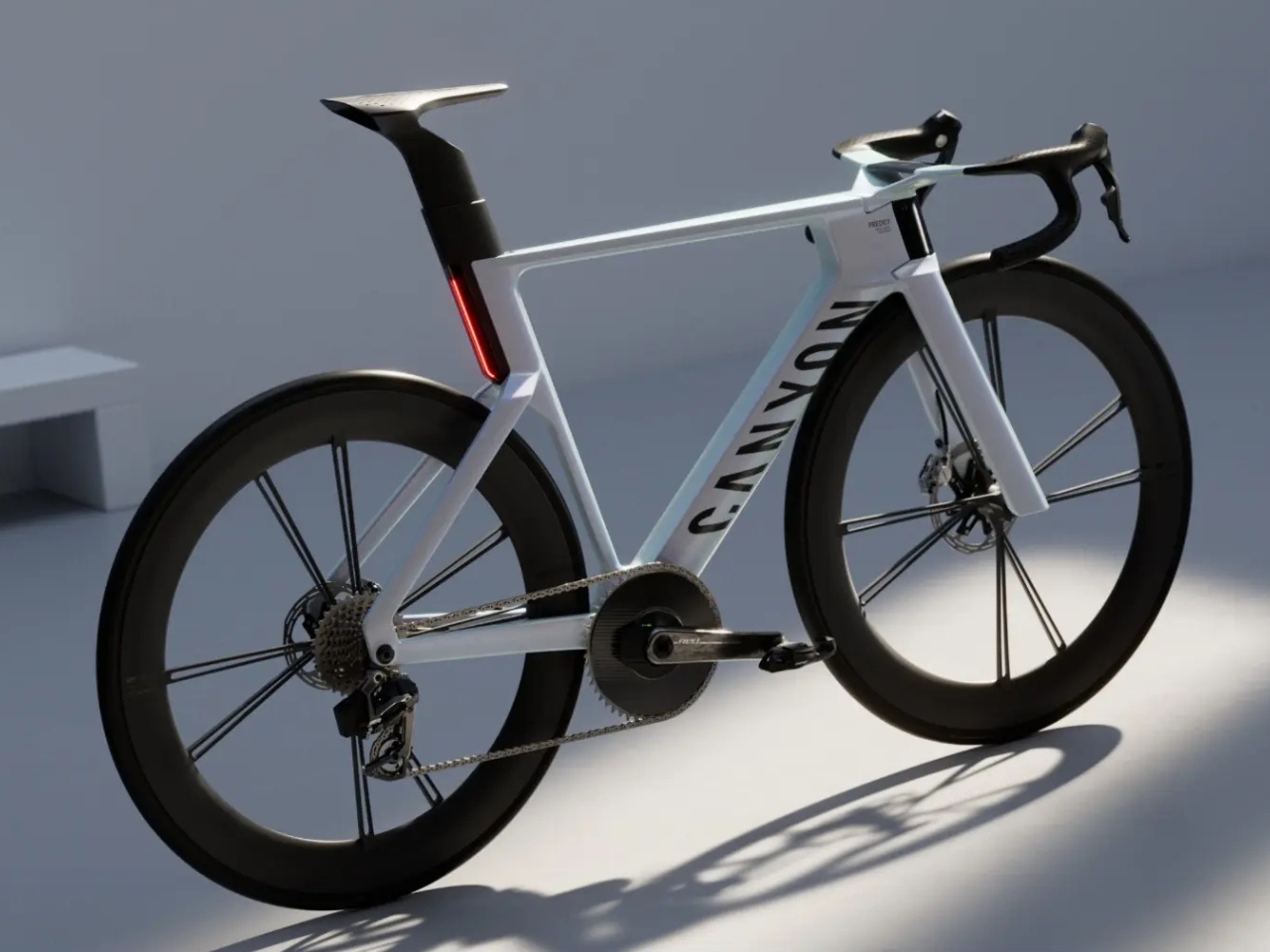
Road cycling has always been a sport that rewards the rider who pays the most attention. You watch the road, you watch the traffic, you watch the rider in front of you. You’re constantly processing information, making micro-decisions at every turn. Which is exactly why Canyon’s Predict concept bike, which made its debut at Eurobike 2026, feels less like a cycling product and more like a quiet but serious rethinking of what a bike is allowed to be.
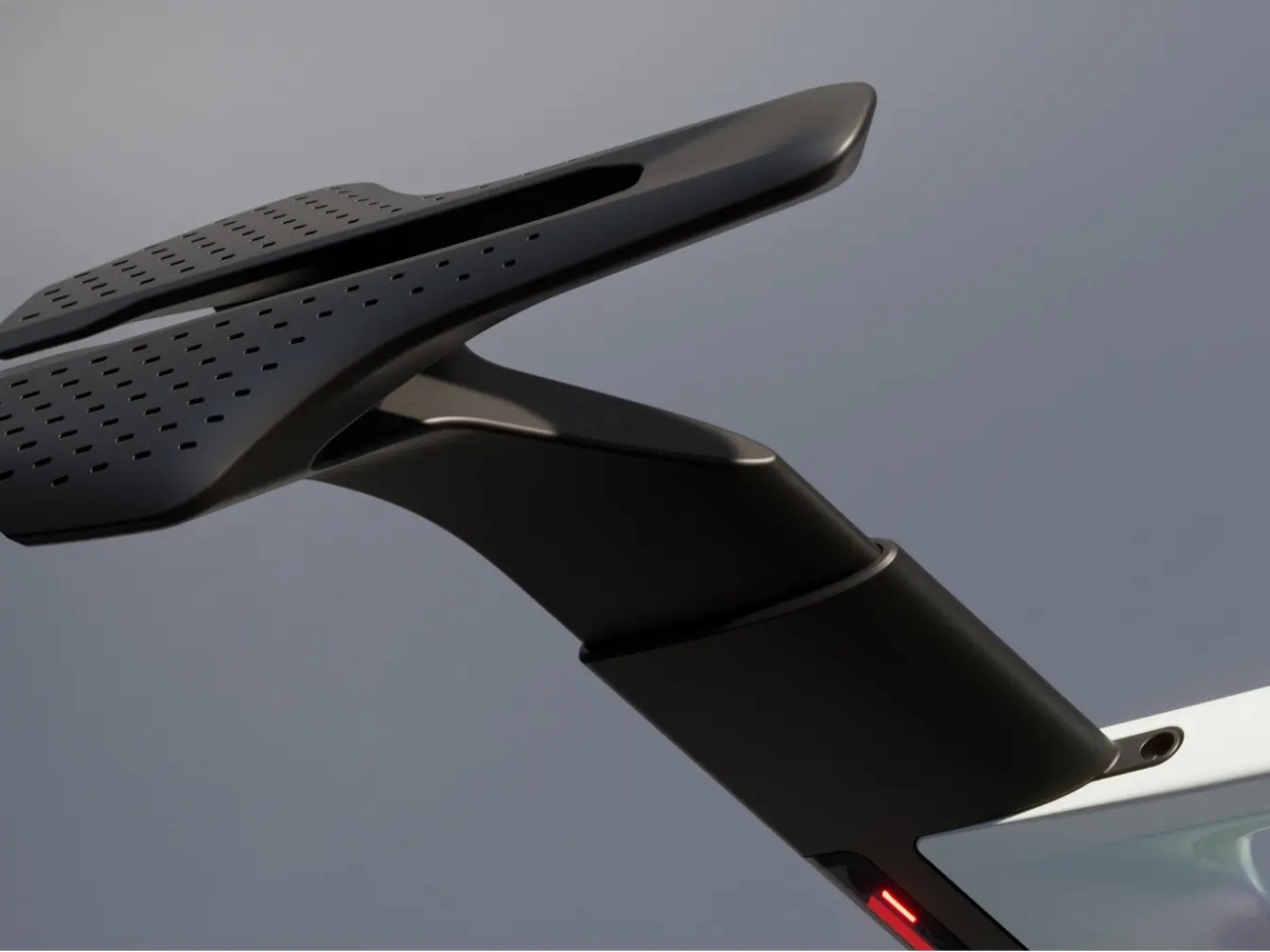
The premise is deceptively simple: rather than reacting to danger, the bike anticipates it. Canyon built the Predict with a 360-degree sensor array, combining radar, cameras, and a multi-dimensional motion sensor, all working together under an Edge AI system that assigns risk scores to what it detects and communicates those scores to the rider in real time. Four radar sensors total, three at the front and one at the rear, plus a data screen built directly into the handlebar. The whole setup is compact, integrated, and far sleeker than you’d expect from something packing this much hardware.
Designer:
What makes the Predict genuinely interesting isn’t the specs list, though. It’s the shift in design philosophy behind it. Cyclists have had cameras and GPS computers bolted onto their bikes for years, but those tools are still fundamentally passive. You look at the screen when you want to. You check the rearview camera on your own time. The Predict doesn’t wait for you to ask. It tracks group-ride dynamics, advises on cornering speeds, and predicts hazardous road surfaces, all before the rider even registers a problem. The bike talks to you through haptic signals in the handlebars, which means your eyes don’t have to leave the road for the alert to land.
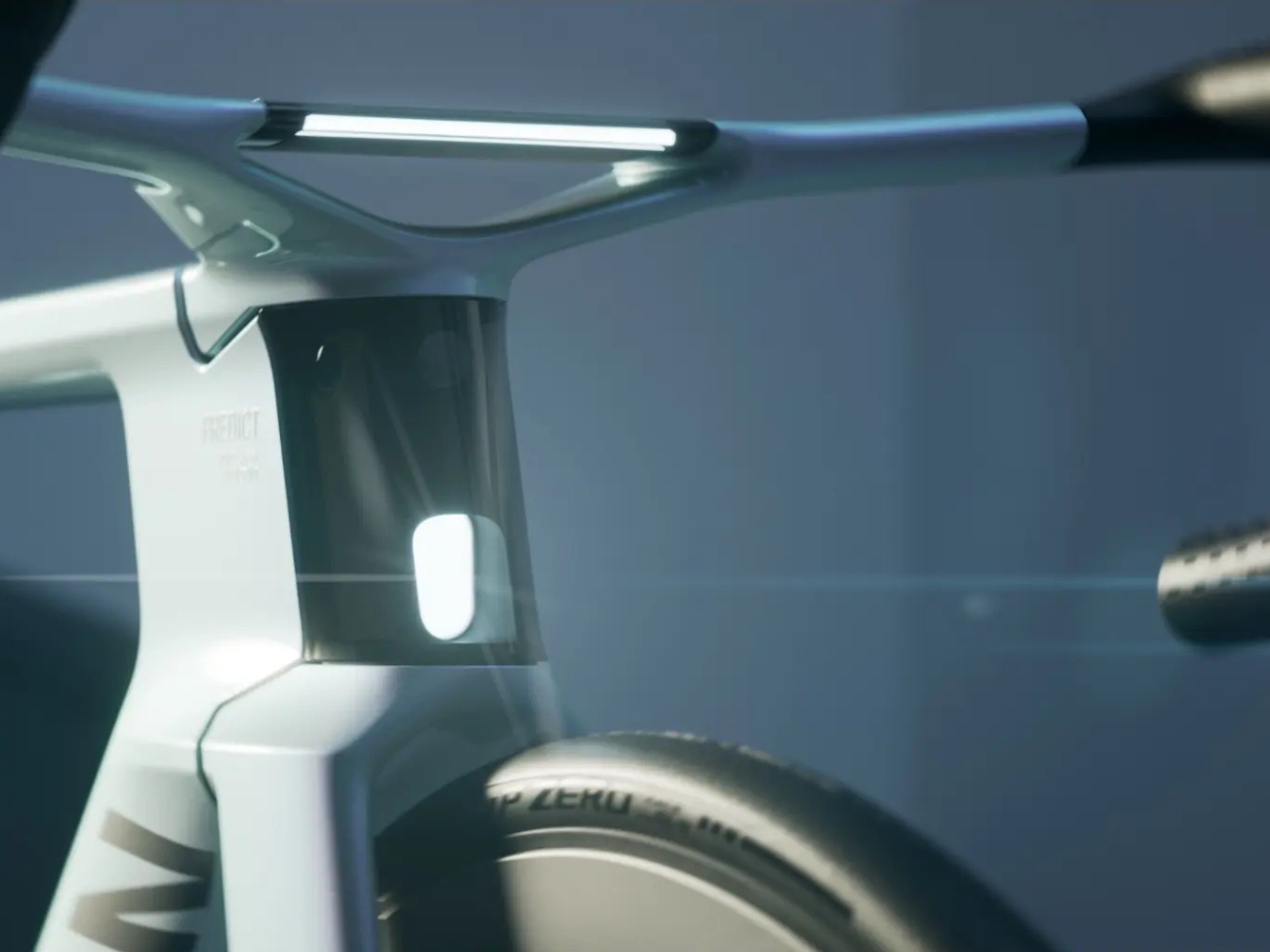
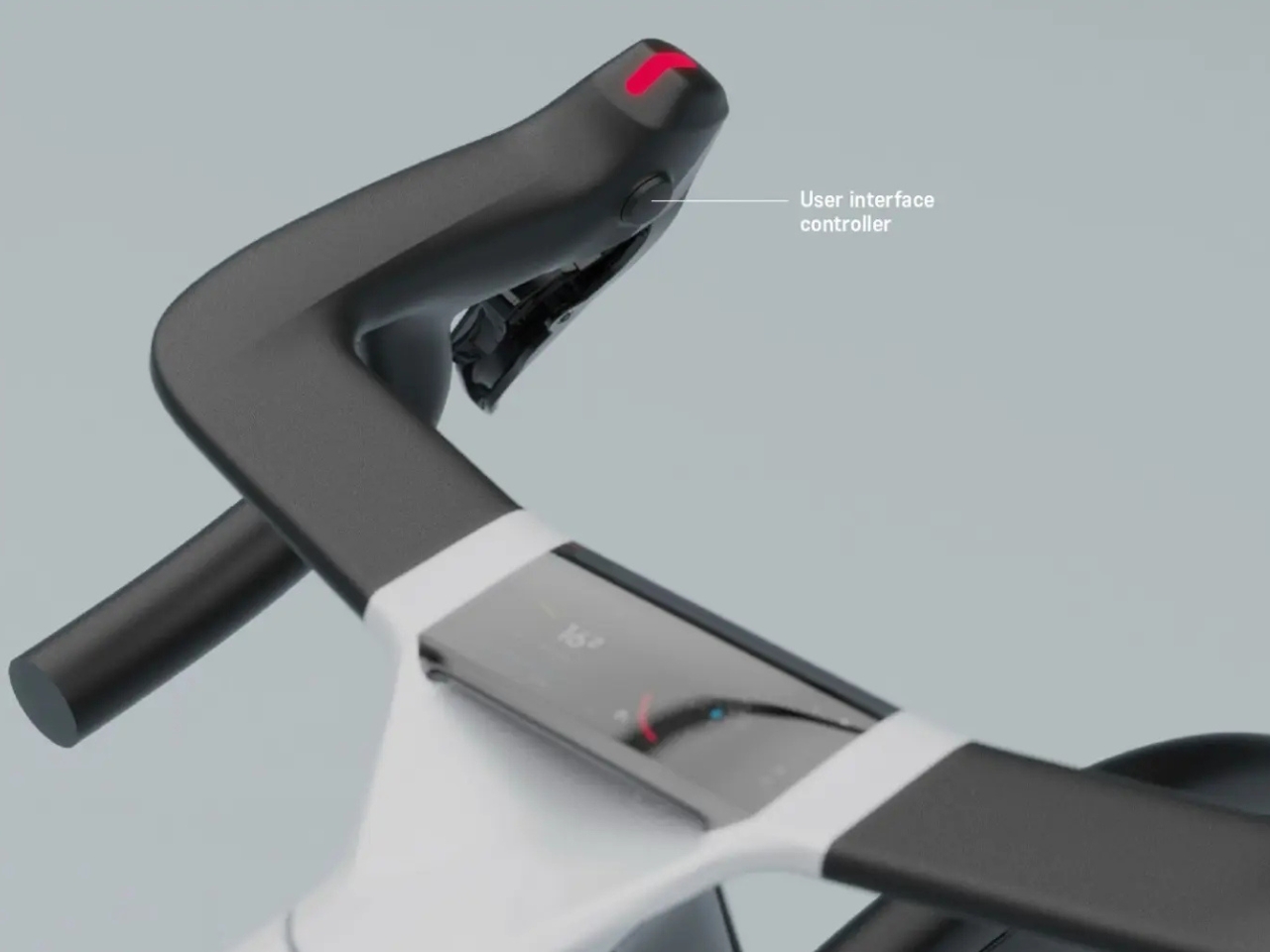
That detail matters more than people might realize. Most cycling safety gear operates on the assumption that the rider has a free moment to process information. The Predict is designed around the fact that sometimes you simply don’t. It’s a subtle but meaningful distinction, and it tells you a lot about where Canyon’s thinking really is right now.
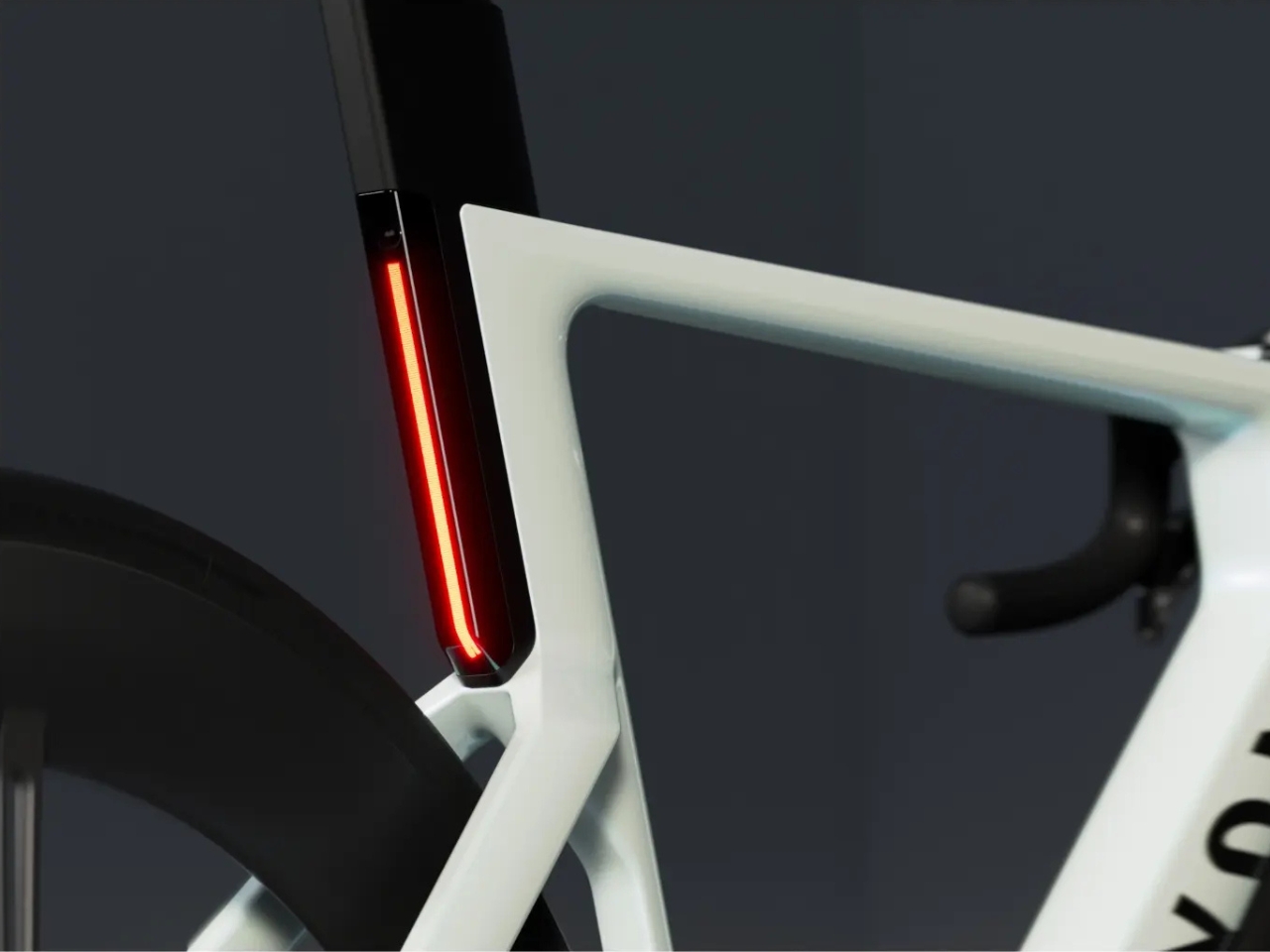
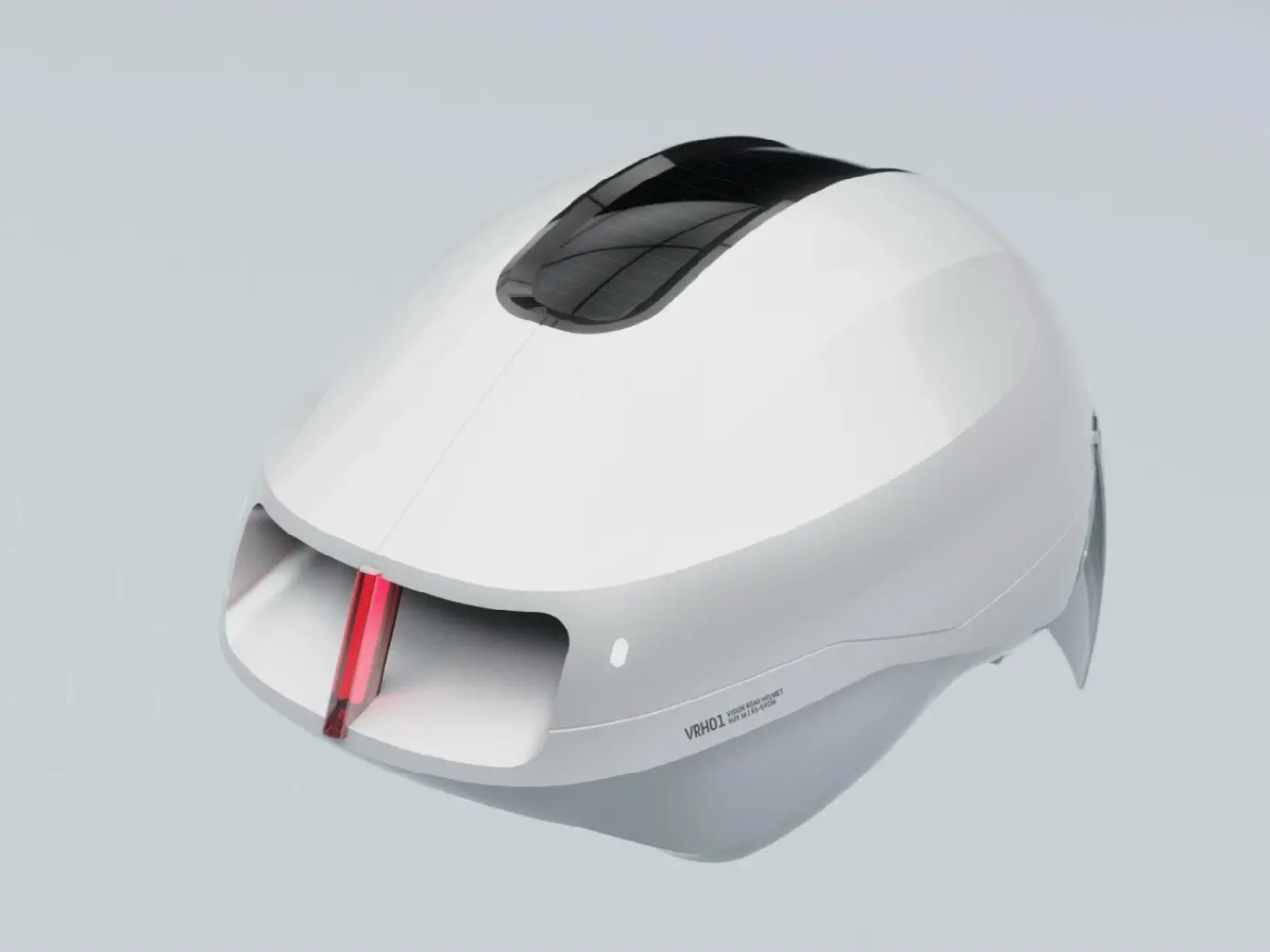
The bike also pairs with the Canyon Stingr Smart Helmet, which features a drop-down visor with its own data visualization screen. Wearing that helmet while riding the Predict, you’d essentially have a full 360-degree awareness system wrapped around you, the kind of setup that until recently existed only in motorsport or military contexts. Seeing it applied to a road bike is either thrilling or slightly unsettling, depending on your disposition. I lean toward thrilling.
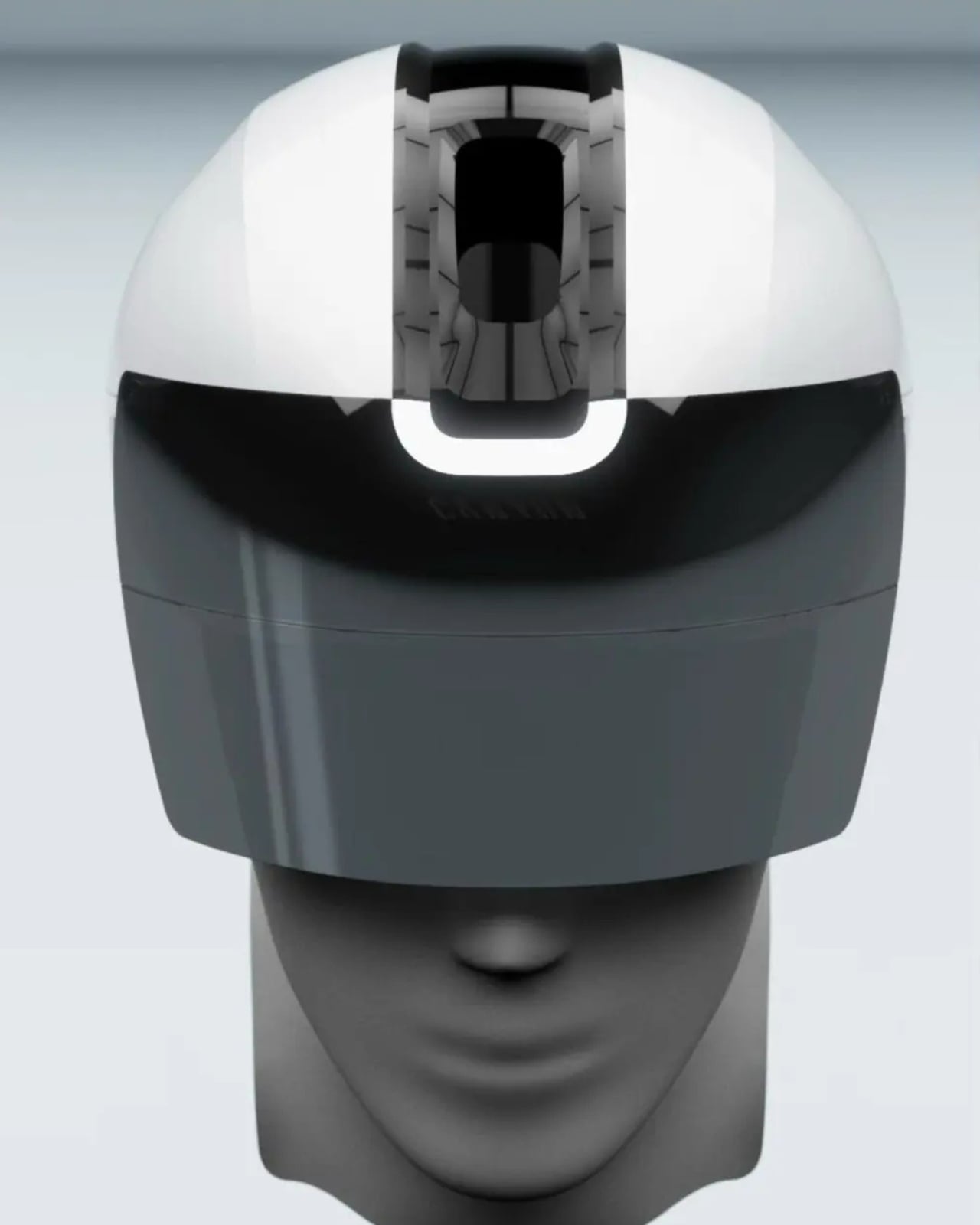
There’s a natural question worth naming directly: at what point does all this technology change the experience of riding rather than just enhancing it? Cycling has a deeply personal quality to it. The appeal, for a lot of people, is the relationship between body, machine, and road, the very human act of reading the environment yourself. The Predict does a portion of that reading for you, and I don’t think that’s a bad thing, but it’s worth sitting with.
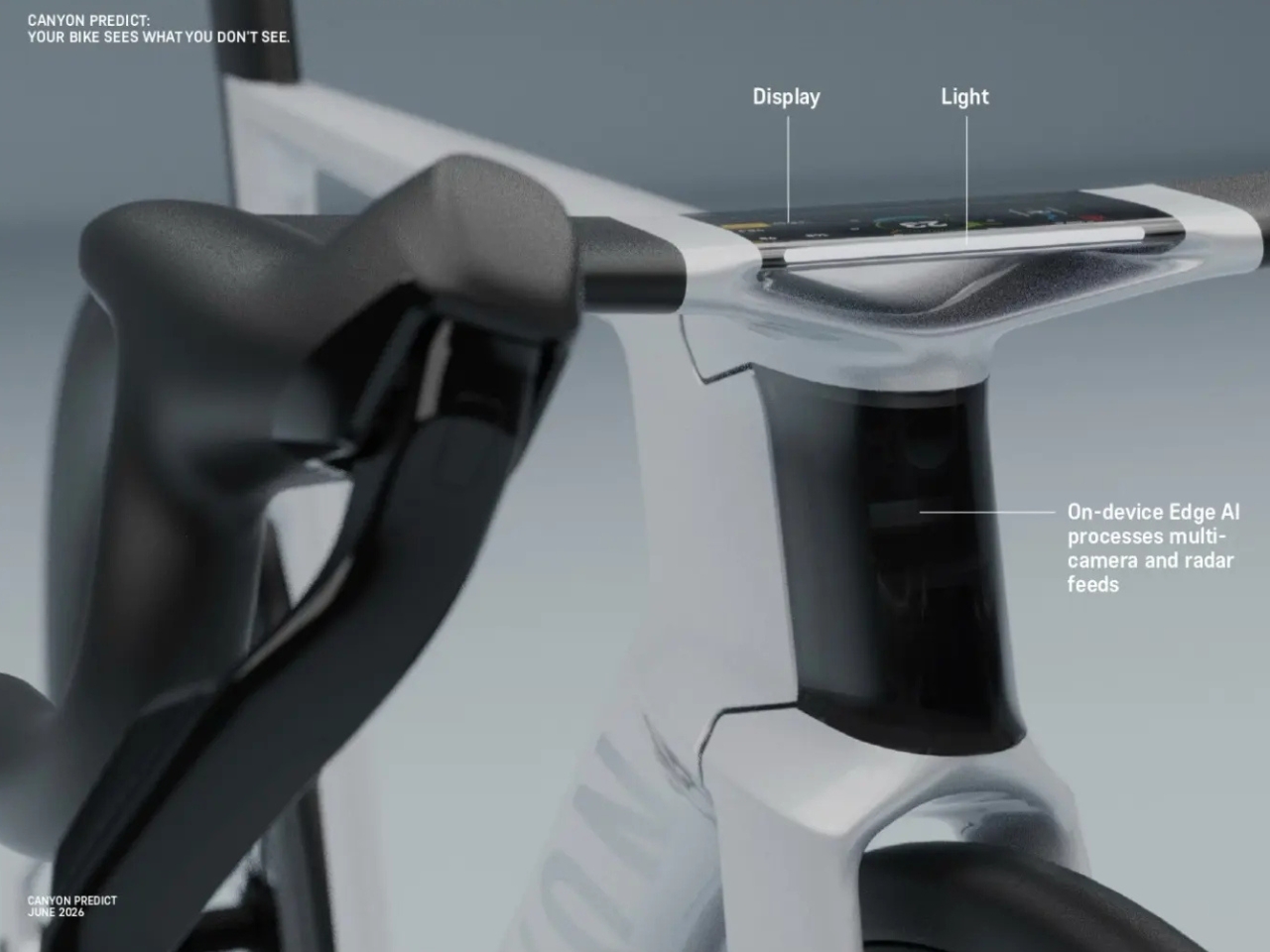
My honest take is that Canyon isn’t trying to automate the rider out of the experience. They’re trying to buy back the rider’s attention for the things that matter most: the road, the ride, the moment. The safety layer runs in the background so you don’t have to. That’s a thoughtful design goal, and it shows in how cleanly the technology is packaged. Nothing about the Predict looks bolted on or retrofitted. It looks like what a bike is supposed to look like, with the tech quietly embedded inside.
The Predict is still a prototype. It’s not heading to market tomorrow, and real-world software testing still stands between this convention floor concept and a commercially viable product. But the hardware is largely functional today, the vision is clear, and the intent is serious. Canyon isn’t just imagining a safer bike. They’re doing the actual work to build one, and that alone is worth paying attention to.
The post first appeared on .
Related Posts