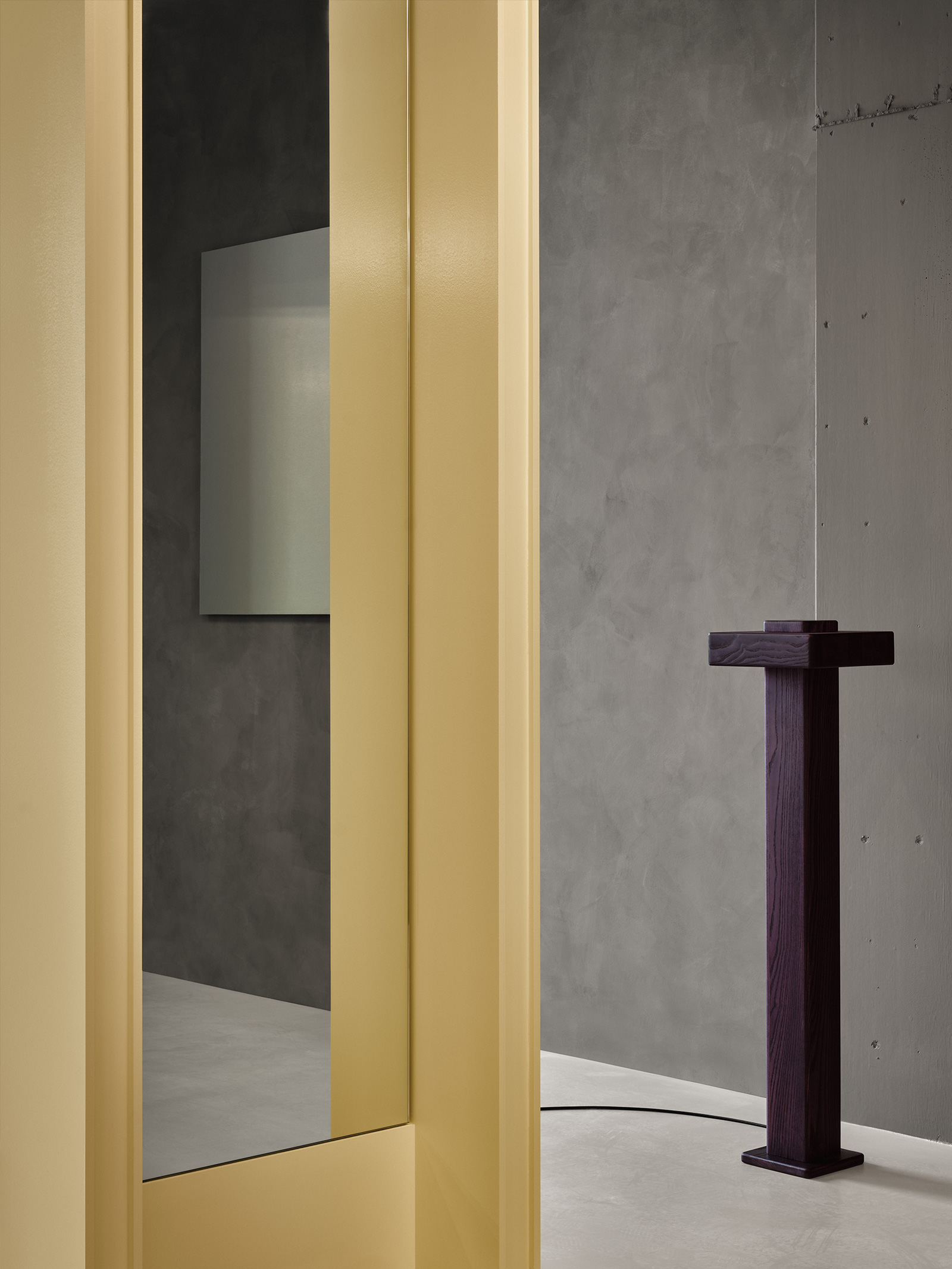
The modern home has taken on responsibilities far beyond rest and domestic leisure. For many people, living spaces now serve as hubs for creative ventures, consulting, and independent enterprise. When your desk sits only steps away from your kitchen table or living room couch, the boundary between professional diligence and domestic calm can easily blur. Without clear physical and mental demarcations, an uncurated workspace expands across the home, cluttering surfaces with stray cables, disorganized papers, and unnecessary hardware that drain focus.
Embracing a minimalist approach to your workspace is not about deprivation or stripping away human comfort. Instead, intentional minimalism is an exercise in thoughtful prioritization. It asks you to keep only the tools and systems that support your best work while releasing visual clutter that steals your attention. By carefully shaping the environment where you spend your productive hours, you cultivate a setting that welcomes deep concentration during the day and allows you to disconnect fully when evening arrives.
Defining the Boundaries of a Domestic Workspace
The first step toward building an effective home office is establishing clear boundaries. When work bleeds into every room of the house, neither work nor leisure feels complete. If you have an entire spare room, establishing this separation is straightforward. However, many urban apartments require you to carve out a functional work nook within a multipurpose living area.
To create psychological distance in a shared space, consider the orientation of your desk. Positioning your workspace to face an uncluttered wall or a window with natural daylight helps shelter your line of sight from household activity. You can also delineate the space using an understated area rug, a low credenza, or distinct lighting. When your desk visually declares itself as a dedicated zone, sitting down signals the beginning of focused effort.
Physical boundaries must also be matched by habitual boundaries. When the workday concludes, step away from the desk and resist the temptation to check peripheral messages from the couch. Packing away portable laptops or closing notebooks at the end of your shift creates a tactile ritual of completion. This transition honors the home as a sanctuary for rest rather than an endless office corridor.
Selecting Purposeful Furniture and Tools
Minimalist design prioritizes utility and proportion over excessive ornamentation. When choosing furniture for your home workspace, look for pieces with clean lines and sturdy construction that fit comfortably within the room without overwhelming the floor plan. A simple wood or matte metal desk provides a durable work surface while maintaining an airy feel.
Every object resting on your desktop should earn its place through daily utility. Rather than crowding your space with specialized desk accessories, focus on a small collection of functional essentials:
- A spacious desk surface with integrated channels to hide power cords.
- An ergonomic chair that supports upright posture without visual bulk.
- An adjustable task lamp that provides warm, directional illumination.
- A single closed drawer unit to store active paperwork and notebooks.
Cable management plays an essential role in preserving visual serenity. Tangled cords running across floorboards create constant visual friction that subtly distracts the eye. Secure cables beneath the desktop using adhesive clips or discreet raceways. Keeping power strips off the floor simplifies cleaning and preserves the unbroken lines that give minimalist rooms their calming character.
Managing Sensory Inputs and Distractions
A workspace shapes your entire sensory experience throughout the day. Natural light is one of the most effective tools for sustaining mental energy. Position your desk perpendicular to windows to maximize daylight exposure while minimizing harsh screen glare. For cloudy afternoons, soft diffused lighting helps prevent eye fatigue without casting stark shadows across your workspace.
Acoustics represent another critical element that is frequently overlooked in domestic work environments. Hard surfaces such as bare floorboards, unadorned plaster walls, and glass tabletops can amplify background noise and cause distracting reverberations. When ambient noise from neighboring rooms threatens your concentration, incorporating subtle sound-dampening textures, heavy curtains, or wool floor coverings makes an immediate difference. Learning how to apply can help you tame harsh echoes without cluttering your walls with foam.
Tactile elements also contribute to an atmosphere of calm. Choose desk surfaces with warm, natural finishes such as oiled oak, walnut, or smooth linoleum rather than cold, reflective glass. Keeping a single ceramic mug and a durable fountain pen nearby introduces craftsmanship into your workflow without generating clutter. When every physical texture feels deliberate, you feel less inclined to accumulate extraneous items.
Aligning Physical Space with Strategic Habits
A well-organized desk cannot compensate for an unstructured approach to daily responsibilities. Minimalist design works best when paired with streamlined professional habits. Before beginning your tasks each morning, take a few minutes to identify your primary objectives that demand your deepest creative energy. By isolating these key priorities, you prevent your daily schedule from becoming as cluttered as an unkempt drawer.
Independent professionals and consultants often face unique challenges when managing their daily operations from home. Without the external framework of a corporate office, you must design your own operational systems, client boundaries, and workflow pipelines. Seeking guidance on operational strategy and business systems from an experienced advisor like can help you structure your weekly milestones, refine client communication, and prevent entrepreneurial fatigue from creeping into your domestic haven.
Digital decluttering is just as important as clearing your physical desk. A clean desktop surface offers little benefit if your computer screen is crowded with dozens of chaotic browser tabs and disorganized file folders. Establish a weekly habit of archiving finished project folders, clearing downloads, and closing inactive software applications. When you open your computer to a clean screen each morning, you start your work with clear intent.
Balancing Focused Output with Creative Rest
Sustained productivity requires periodic mental disengagement. Working in a minimalist home office makes it easy to immerse yourself in deep tasks, but working continuously without pauses leads to creative fatigue. Integrate brief intervals of rest into your workday. Step away from the computer, stretch, drink water, or look out the window to allow your thoughts to settle naturally.
Taking deliberate pauses throughout the workday protects your creative energy. Rather than losing yourself in endless social feeds during short breaks, spend a few mindful moments reading engaging essays or browsing diverse lifestyle perspectives on to refresh your outlook and return to your desk with renewed focus. Engaging with varied narratives during quiet moments stimulates fresh ideas and prevents isolation.
Designing a minimalist home workspace is an ongoing practice of refinement. When you align your physical surroundings with simplicity and intention, your workspace ceases to be a source of tension. It transforms into an inviting sanctuary where purposeful work feels natural, focus comes easily, and the rest of your home remains a tranquil place to live.
The post appeared first on .
Related Posts