Last Updated on April 28, 2026 by
As an owner-builder, every decision you make during construction or renovation directly impacts your budget, your home’s performance, and your peace of mind for years to come. Few elements are as visible—or as functional—as your garage door. It’s not just a giant moving wall; it’s a major part of your home’s thermal envelope, a key security feature, and one of the first things visitors (and potential buyers) notice.
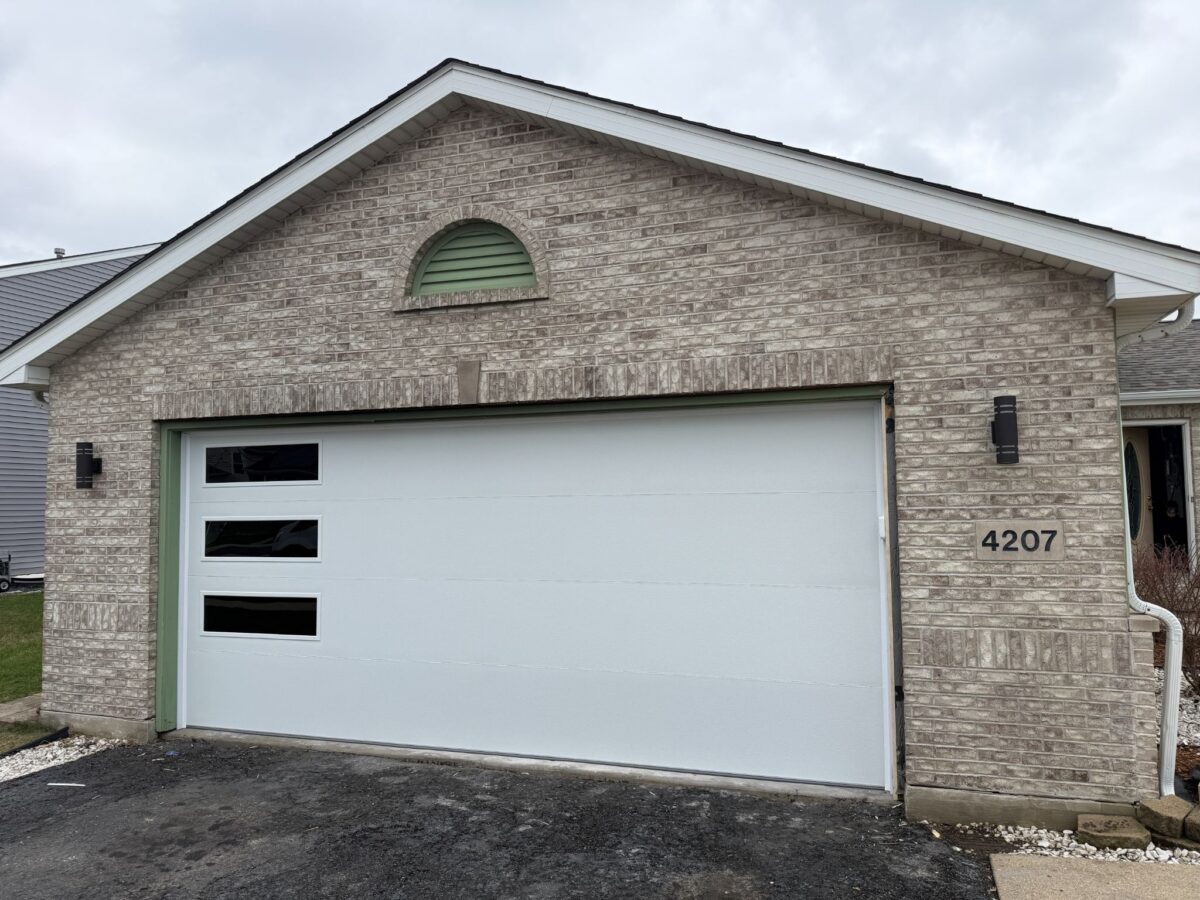
In the Midwest, and especially in the Chicago area, the stakes are even higher. Brutal winters with heavy snow and freezing rain, strong winds off Lake Michigan, and hot, humid summers put serious demands on any garage door. Choosing the wrong one can lead to higher energy bills, frequent repairs, or even safety issues. The good news? With the right information, you can select a door that works with your climate, saves you money over time, and fits perfectly into your owner-built project.
This guide walks you through the practical factors owner-builders need to consider—materials, insulation, installation realities, and long-term value—so you can make a smart, informed choice without overspending.
1. Why Climate Should Drive Your Garage Door Decision in the Midwest
Chicago and the surrounding suburbs sit in USDA Hardiness Zone 5b/6a. That means temperature swings of 100+ degrees Fahrenheit over the year, wind loads that can exceed 90 mph during storms, and repeated freeze-thaw cycles that punish lesser materials.
A poorly insulated or under-built door becomes a giant heat leak in winter and lets in humidity and heat in summer. If your garage shares a wall with living space (very common in owner-built homes), that inefficiency flows straight into your house and drives up heating and cooling costs.
Key climate factors to plan for:
- Extreme cold and snow load — Doors must resist warping, ice buildup on tracks, and frozen springs.
- High wind — Look for wind-rated doors (especially if you’re in a higher-risk suburb).
- Moisture and salt — Road salt and lake-effect humidity accelerate rust on steel components.
- Energy efficiency — Insulated doors reduce the “garage as a refrigerator” effect.
2. Material Choices: What Actually Holds Up in Chicago Weather
Here’s a quick owner-builder comparison of the most common garage door materials:
| Material | Durability in Midwest | Insulation Potential | Maintenance | Cost (mid-range, installed) | Best For Owner-Builders Who… |
| Steel | Excellent | High (with foam core) | Low | $1,200–$2,800 | Want best value & longevity |
| Wood (solid or overlay) | Good (if sealed) | Medium | High | $2,500–$5,000+ | Prioritize traditional look |
| Aluminum | Very good | Medium | Very low | $1,800–$3,500 | Want lightweight & rust-proof |
| Fiberglass/Composite | Excellent | High | Very low | $2,200–$4,000 | Want low maintenance + modern look |
| Vinyl | Fair | Low | Low | $900–$1,800 | Tight budget, mild use |
Pro tip for owner-builders: Steel with a polyurethane foam core is the sweet spot for most Chicago-area homes. It’s strong, affordable, and offers the highest R-values. Avoid cheap non-insulated or thinly insulated steel if your garage is attached to living space.
3. Energy Efficiency and R-Value: The Numbers That Matter

R-value measures how well a material resists heat flow. For garage doors in the Chicago region, here’s the practical breakdown:
- R-0 to R-6 — Basic or no insulation. Fine for detached garages or very mild use, but you’ll feel it on your energy bill.
- R-8 to R-12 — Entry-level insulated doors. Acceptable for many owner-builders on a budget.
- R-13 to R-18 — The sweet spot for most Chicago homes. This range delivers the best balance of cost, comfort, and energy savings. Many local experts recommend this for attached garages.
- R-18+ — Premium polyurethane-filled doors. Worth it if you have living space above the garage or want maximum efficiency.
Polyurethane insulation is denser and more effective than polystyrene (the white beadboard type). It also adds structural rigidity to the door panels. Look for doors that advertise both a high R-value and a low U-factor (the overall system efficiency rating).
Additional efficiency boosters:
- Full perimeter weatherstripping and bottom seals
- Reinforced hinges and high-cycle springs (important for daily use)
- Integrated window options with low-E glass
A well-insulated door can cut garage-related energy loss by 30-50% in Midwest winters—money that stays in your pocket instead of heating the outdoors.
4. Style, Security, and Long-Term Value
Owner-builders often focus on curb appeal because it’s one of the highest-ROI upgrades you can make. Popular 2025–2026 trends in the Chicago suburbs include:
- Matte black or charcoal finishes
- Carriage-house style with decorative hardware
- Modern flush-panel designs
- Glass or frosted inserts for natural light
Don’t forget security and convenience:
- Impact-resistant sections for wind-prone areas
- Battery backup openers (power outages are common in winter storms)
- Smart monitors and cameras
A quality door with a good warranty (10–25 years on panels, lifetime on springs in some cases) will easily last 20–30 years with minimal maintenance. That’s real long-term value when you’re building or renovating your own home.
5. Installation: DIY vs. Professional — When to Call in the Experts
Many owner-builders successfully tackle framing, siding, and even roofing. Garage door installation, however, is one area where the risks often outweigh the savings.
DIY pros:
- You save $400–$800 in labor
- Full control over the timeline
DIY cons (and they are significant):
- Garage doors operate under high spring tension — improper handling can cause serious injury or damage.
- Misalignment can lead to noisy operation, premature wear, or the door coming off its tracks.
- Some manufacturers may limit or void warranties if installation guidelines aren’t followed.
- Local building codes and wind-load requirements can be complex without experience.
Professional installation typically adds $500–$1,200 but includes proper spring calibration, safety system setup, and overall system balancing.
If you’re unsure about structural requirements, insulation performance, or local code compliance, consulting a qualified garage door professional can help ensure your system is installed safely and performs reliably over time.
6. Actionable Checklist for Your Owner-Built Project
Before you order your garage door:
- Measure your rough opening twice (width, height, headroom, and side room).
- Decide on the insulation level based on how the garage connects to living space.
- Check wind-load ratings if you’re in a higher-risk suburb.
- Get at least three quotes and compare R-value, warranty, and installation details.
- Plan for future maintenance access — make sure tracks and springs are reachable.
- Consider adding a separate man-door or service door during framing if you haven’t already.
Final Thoughts
Your garage door is one of those “pay now or pay forever” decisions in owner-builder projects. Invest a little extra time and money upfront in the right material, proper insulation, and professional installation, and you’ll enjoy lower energy bills, better curb appeal, fewer repairs, and a safer, more comfortable home for decades.
As you move through your build or renovation, remember: the best garage door isn’t the cheapest or the flashiest — it’s the one engineered for your exact climate, usage, and long-term goals.
Related Posts