As a young boy growing up in Taree on the north-eastern coast of New South Wales, was surrounded by nature. His parents owned a tropical nursery and this was Cornish’s playground. His father, as a craftsman, could turn his hand to making almost anything, while his mother is a painter of repute.
So, love of the natural environment and making were intrinsic to his development in his early years. However, it wasn’t until he attended high school, and was inspired by a teacher who saw his potential, that Cornish really considered studying industrial design.
He attended the University of Technology Sydney to study industrial design and under the guidance of two of Australia’s iconic designer/makers, and , his passion for craft matured. He came to understand that it wasn’t just the design that mattered, the object had to be tested, to work and to accomplish its task. He then decided to further his knowledge, moving to Melbourne to study industrial design at RMIT University.
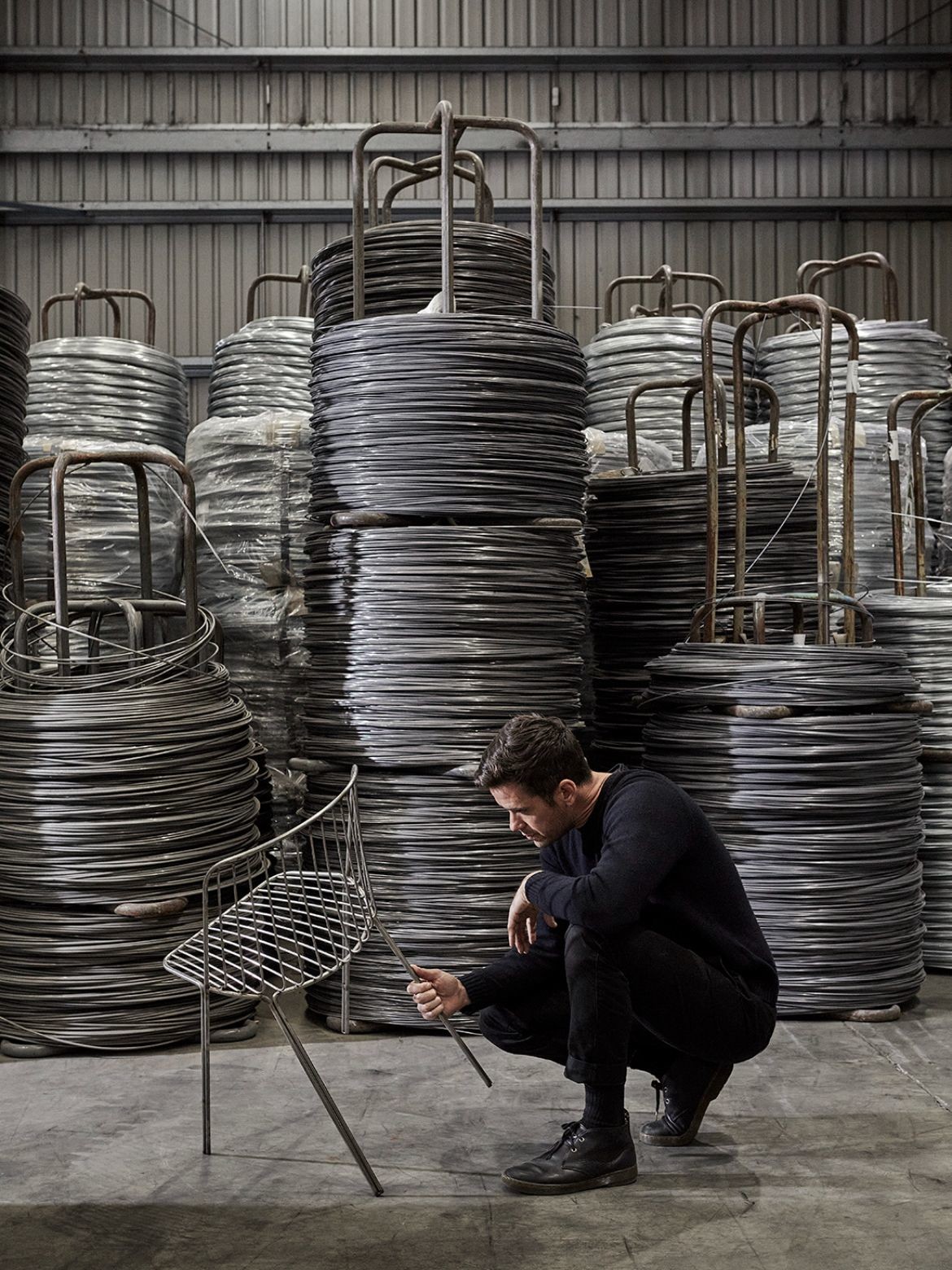
As fortune would have it, Cornish came into the sphere of the legendary . Grant, an industrial designer, architect and artist, was renowned for his work and, as a teacher, for helping to guide young and exceptional students to achieve their potential. Under Grant’s mentorship Cornish flourished. Grant instilled in him but also brought Cornish in line, to be early for appointments, to be diligent and conscientious.
Grant’s influence was incalculable as he offered Cornish the opportunity to join his team of up-and-coming design students to travel to Milan to attend the Salone del Mobile and SaloneSatellite. This was in 2011 and Cornish arrived at the mecca of Italian furniture design with the prototype of his and
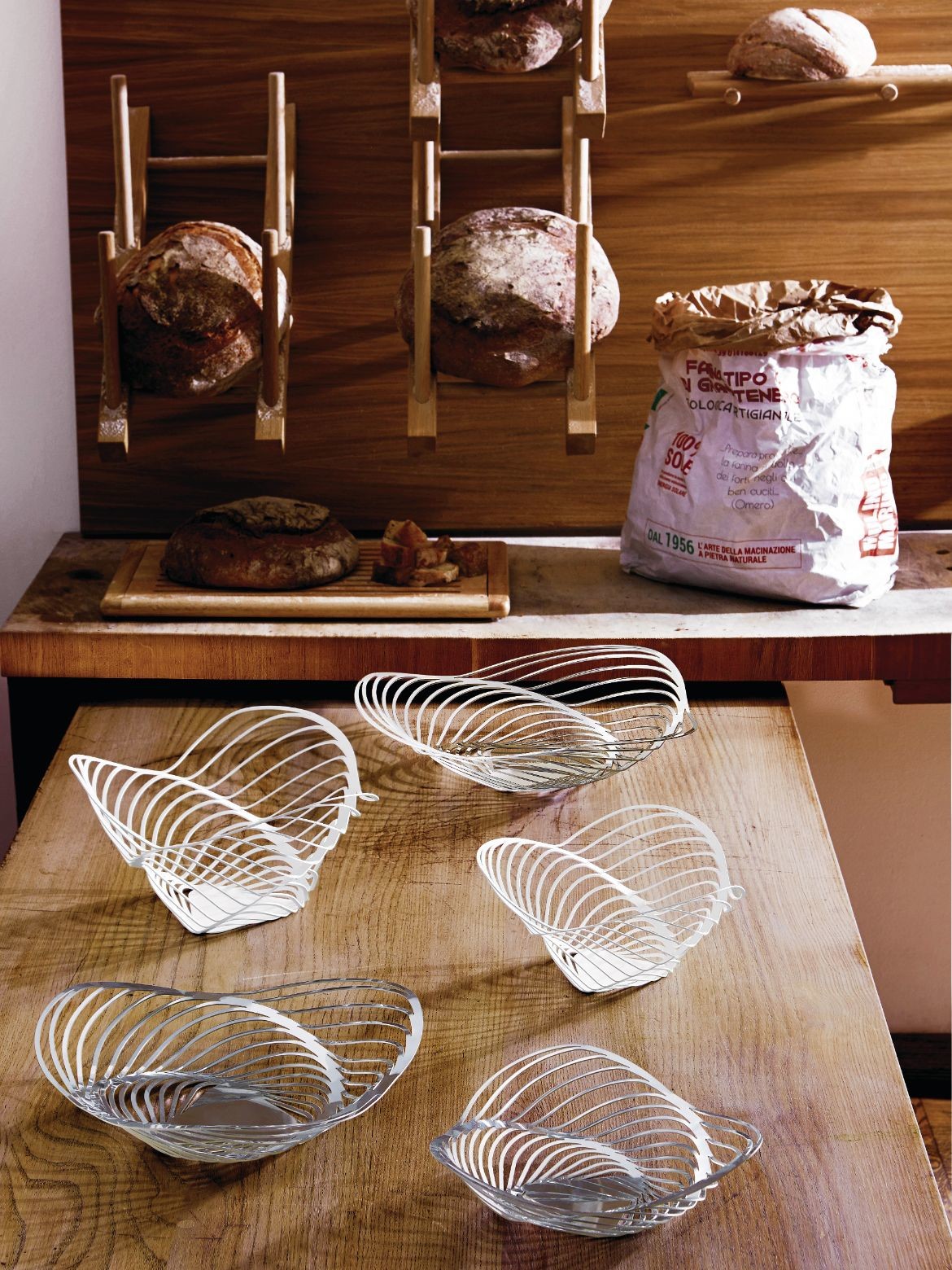
It was an overnight success, and soon, the young designer was meeting and mixing with some of the greats of the global design scene such as Giuiio Cappellini of and Paola Antonelli, senior curator of art at . This visit also saw his Trinity bowl picked up by Alessi and it was soon in production.
Related:
Cornish had indeed arrived and the accolades kept coming as he returned to Salone del Mobile in subsequent years however, in 2013, other fortuitous meetings occurred that were to change the design direction of his newly established practice.
Meetings with Australian-based design heavyweights , and Gordon Tait of , helped Cornish to realise that he didn’t really need to travel but could live and work at home, in Australia.
Now it is taken for granted that Australian industrial design is world’s best, but back in the 2010s, overseas designers and furniture, in particular Italian and Scandinavian, were king. For Cornish to think about designing in Australia it was apparent that a change was at last coming and the cultural cringe would be, hopefully, a thing of the past.
and his peers had led the charge of change and Cornish was one who followed in these footsteps, designing products and ranges in Australia. Now studios, such as , design, manufacture in Australia and export to the world as a given.
From this incredible base of experience, knowledge, travel and understanding, Cornish and his team at adamcornish design are creating products that are setting the tone and scope for timeless design.
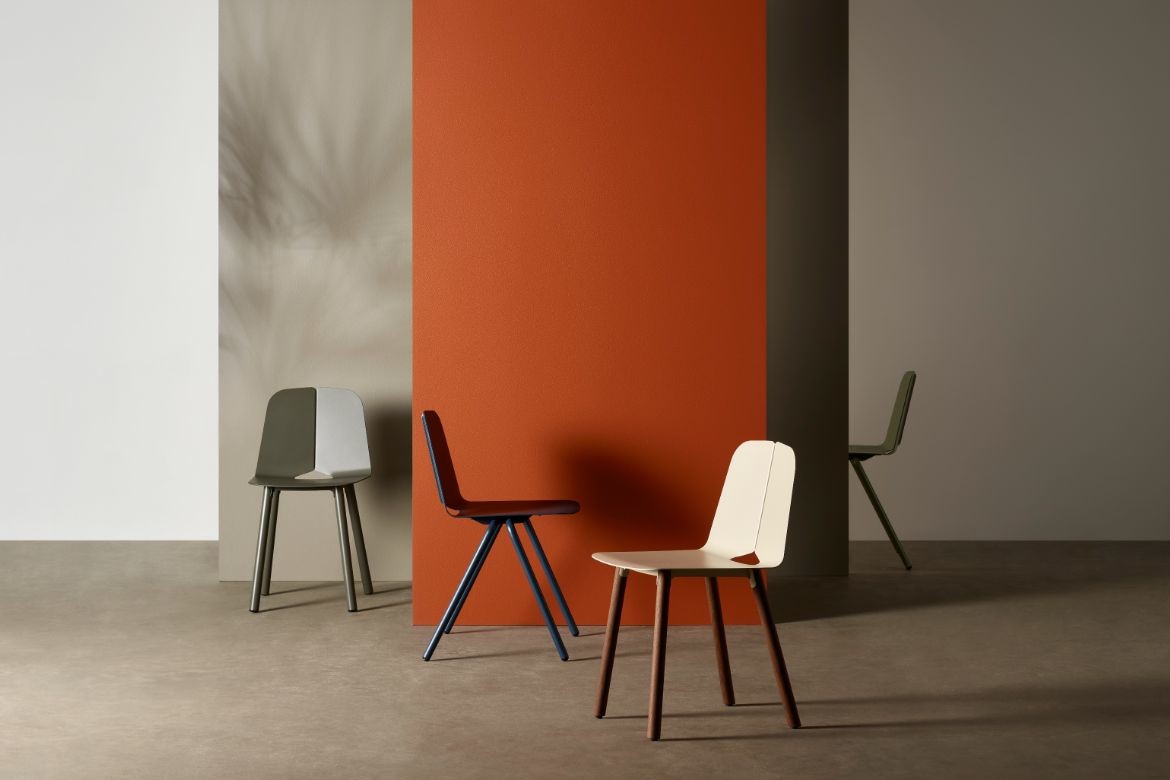
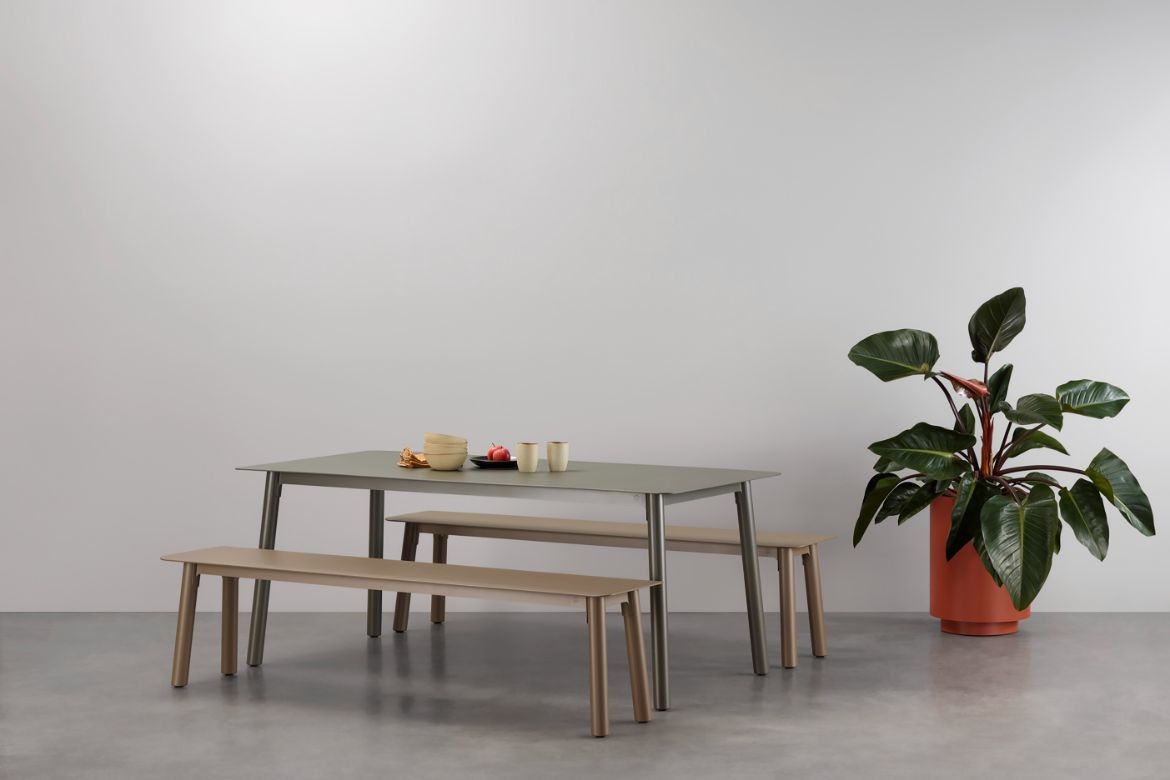
There is the Strand Bistro chair and Rev stool for , the Seam collection for Tait, the Stoneware and Layer Lights, Folia Tile for and, of course, the iconic Trinity bowl for . At the moment, there is a collaboration with for a modular soft seating range that integrates nature and the manmade.
Returning full circle, the new designs bring nature and plants front and centre incorporated into furniture.
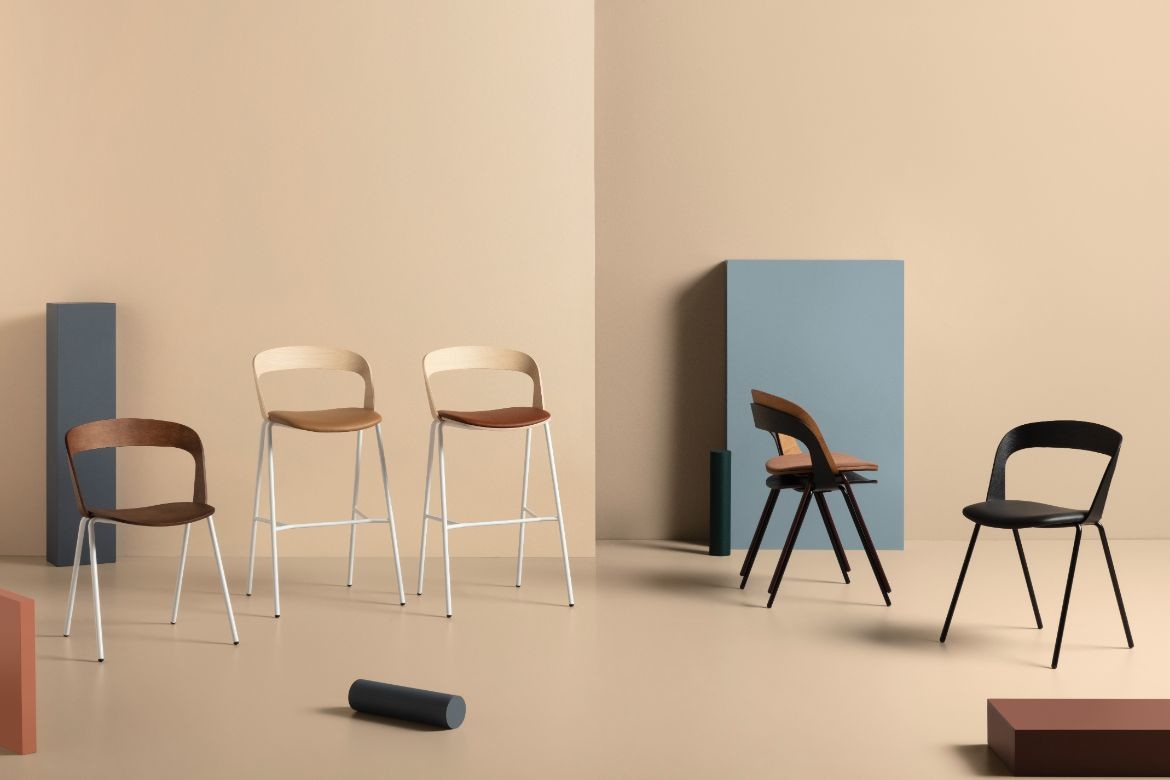
“I am lucky to work with like-minded, passionate people and the District collaboration is a great example of a company asking questions and creating an environment that encourages experimentation and exploration. The resulting unique product collaboration was born from this mutual trust,” says Cornish.
Cornish has a very focused idea of the way and process of designing and this begins with the premise of, where is the need, how do you improve the design of an object and creating to problem solve. His constant desire is to find a simpler way to design, always investigating “Why can’t I do this?” when it hasn’t been done before, is integral to his process.
Cornish elaborates, “I think it’s important to not look at things as what they are but what could they be and what are they trying to facilitate. And when you look at it that way, there’s so much scope to improve, to have new ideas. Whereas if you look at it, just as, I’m designing a chair, then you’re just trying to make a chair for the sake of being different and to me that’s not where I like my design to go.”
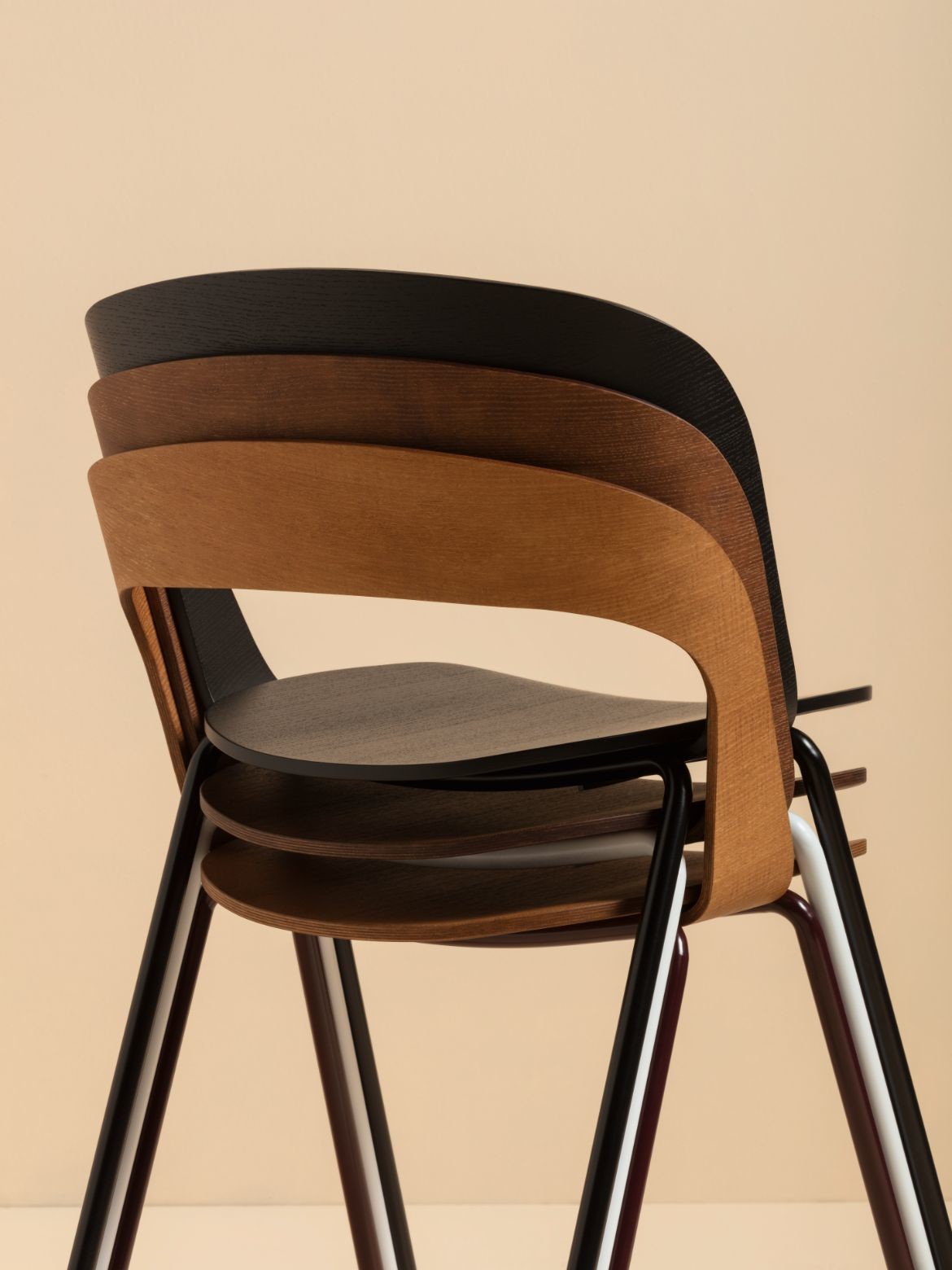
He encapsulates these ideas saying, “Once you’ve framed a problem, or a question, I feel like it’s only a matter of time before your creativity will take care of the rest.”
For Cornish, the last two years have had their ups and downs. As everyone has, he experienced the personal isolation, as well as the artistic aloneness, but this also gave rise to the silver lining such as reviewing priorities and taking stock, a more relaxed attitude and thinking about design from different viewpoints.
It also afforded the opportunity to explore and develop his incredible artistic ability through drawing. He finds that drawing helps develop his artistry and he loves the more instantaneous gratification once a drawing is complete – drawing takes hours compared to the many years required to design and manufacture a new product.
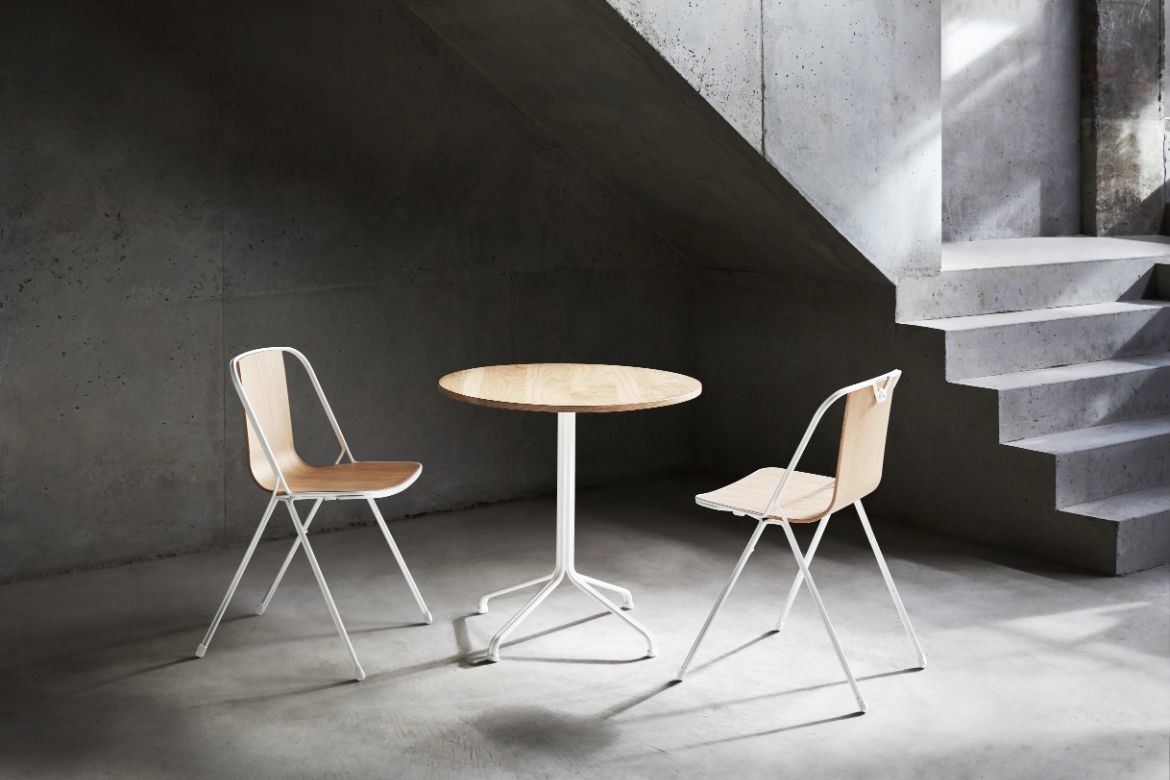
As a designer with a multitude of talents Cornish has certainly achieved and continues to shine. He is in demand creating singular products and beautiful artworks that are world’s best not just Australia’s. Add to this that he is also a thoroughly lovely human being, great gardener and cook and you couldn’t ask for anything more!
Adam Cornish designs his way through life and is ever-evolving and growing but, rest assured, success is always the outcome for this exceptional Australian designer.
Adam Cornish

We think you might like this story about the .
The post appeared first on .
Related Posts