Sustainable Architecture and Green Building Design.
In a world grappling with the consequences of climate change, sustainable architecture, and green building design have emerged as beacons of hope. Architects and designers are embracing innovative approaches to create structures that not only provide functional spaces but also contribute to a greener, more sustainable future. In this blog post, we’ll explore the principles and practices of sustainable architecture and green building design, showcasing some remarkable examples along the way.
Defining Sustainable Architecture:
Sustainable architecture is a holistic approach that seeks to minimize a building’s environmental impact while enhancing the well-being of its occupants. It goes beyond the incorporation of energy-efficient technologies and materials, taking into account the building’s entire life cycle. Sustainability in architecture considers factors such as site selection, water efficiency, energy use, and materials, all with an eye toward reducing waste and emissions.
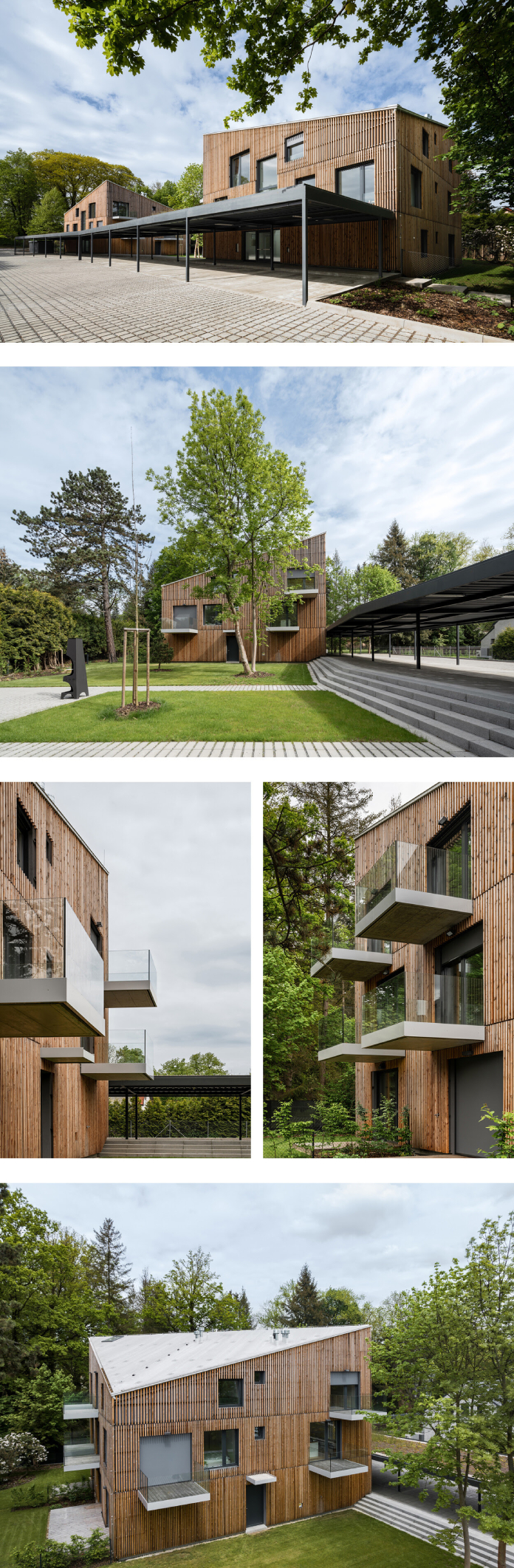
A Good Example of Sustainable Architecture: Two Villas by NEW HOW architects
The Pillars of Green Building Design:
- Energy Efficiency: Sustainable buildings are designed to use less energy through better insulation, passive solar design, and efficient HVAC systems. Renewable energy sources like solar panels are often integrated.
- Resource Efficiency: Sustainable architects aim to reduce waste and use materials efficiently. This can include reusing or recycling materials and selecting products with low environmental impacts.
- Water Efficiency: Green buildings incorporate features like low-flow fixtures and rainwater harvesting systems to minimize water consumption.
- Indoor Air Quality: The health and comfort of building occupants are paramount. Sustainable design often involves better ventilation and the use of non-toxic building materials.
- Site and Location: Thoughtful site selection can minimize environmental disruption. This includes choosing previously developed sites and promoting urban density to reduce transportation emissions.
Case Studies in Sustainable Architecture:
- Bosco Verticale, Milan: A stunning example of vertical forests, the Bosco Verticale features thousands of trees and plants on its facades. These living buildings not only provide habitat for wildlife but also improve air quality and reduce the urban heat island effect.
- One Angel Square, Manchester: This building is designed to be one of the most sustainable office buildings in the world. It uses natural ventilation, LED lighting, and a trigeneration plant for power, heat, and cooling, significantly reducing its carbon footprint.
- The Edge, Amsterdam: Dubbed the “greenest building in the world,” The Edge boasts a smart lighting system that adjusts to individual preferences, reducing energy usage. Its rainwater collection system flushes toilets and waters plants, further conserving resources.
Challenges and the Road Ahead:
While sustainable architecture has made significant strides, challenges remain. Cost, local regulations, and a lack of awareness can hinder its adoption. However, as the world grapples with climate change, the importance of green building design cannot be overstated. With increased awareness, evolving technology, and a growing commitment to sustainability, the future looks promising.
Sustainable architecture and green building design aren’t just about reducing our carbon footprint; they’re about creating spaces that inspire, nurture, and connect with the natural world. As architects and designers continue to push the boundaries of what’s possible, we move closer to a future where every building, from residential homes to towering skyscrapers, contributes to a more sustainable and harmonious world. It’s not just about buildings; it’s about designing a greener, healthier, and more vibrant tomorrow.
All images © by and . Don’t hesitate to find more on WE AND THE COLOR.
Subscribe to our newsletter!
The post appeared first on .
Related Posts