Last Updated on March 12, 2026 by
Choosing between DIY and professional driveway sealing isn’t just about cost – it’s about longevity, effort, and risk. If your driveway has minor wear, you’re handy, and the area is small, DIY can work. But for larger surfaces, deep cracks, or if you’ve never handled sealants before, hiring experts saves time and prevents costly errors. A properly sealed driveway can easily last 25 years or more – so your choice now impacts decades of performance.
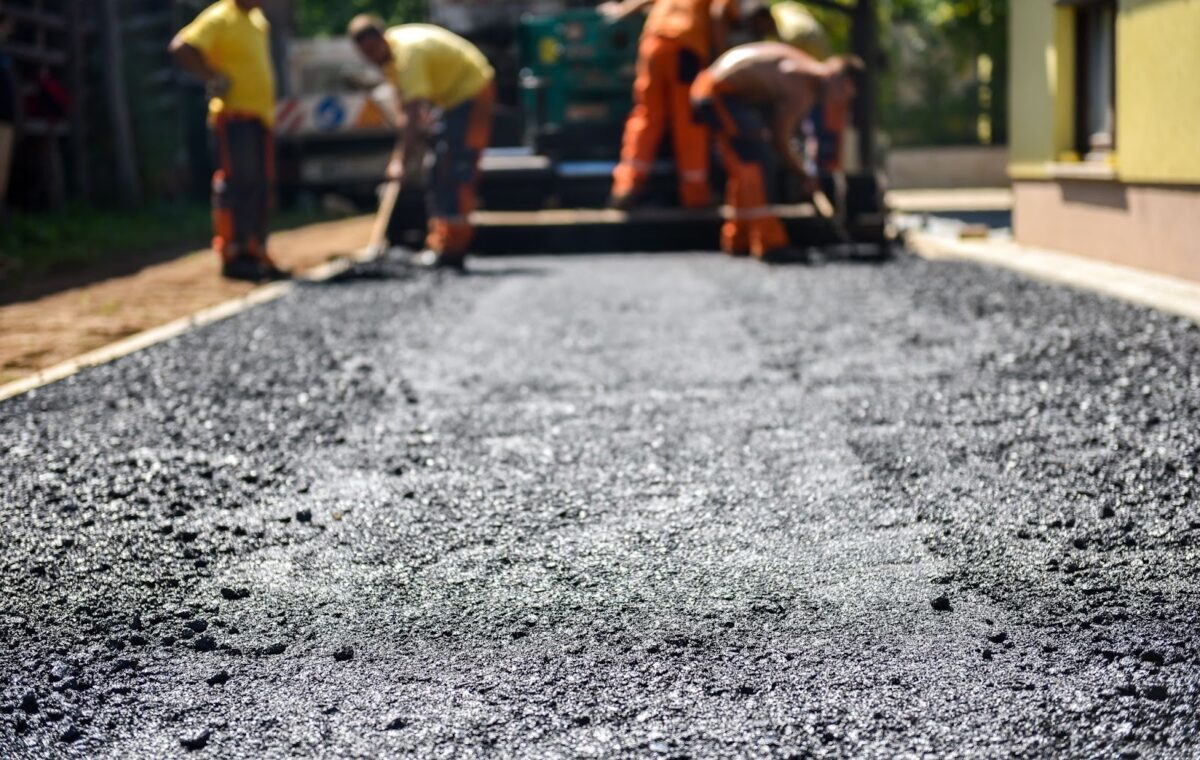
Winters in a cold climate like Calgary’s don’t forgive weak surfaces. Freeze-thaw cycles, road salt, and heavy snow loads turn minor driveway flaws into major headaches – fast. That’s why sealing isn’t optional; it’s essential maintenance. But should you grab a brush and bucket yourself, or call in the pros? The answer depends on your time, tools, and tolerance for trial-and-error.
Many homeowners start with good intentions, only to realize halfway through that demands more than YouTube tutorials can offer. The truth? Some driveways are DIY-friendly. Others? Not even close. Whether you’re staring at hairline cracks or full-on crumbling edges, your next move should be informed – not impulsive.
Why Your Driveway’s Condition Dictates Your Next Move
Before you even think about buckets, brushes, or booking a crew, you need to honestly assess the current state of your driveway. This isn’t just about spotting cracks – it’s about understanding what those cracks mean, how deep they go, and whether surface-level sealing will actually solve the problem.
A driveway with shallow surface wear, minimal flaking, and no structural shifting is often a good candidate for DIY sealing. But if you’re seeing wide fissures, pooling water, crumbling edges, or areas where the base feels spongy underfoot, you’re dealing with more than a cosmetic issue. Here’s what to check before deciding your path:
- Crack Width: Hairline cracks under ¼ inch? Manageable. Anything wider likely needs patching or grinding before sealing.
- Surface Texture: Is the aggregate showing? That’s advanced wear. Sealer won’t bond well without prep.
- Drainage Issues: Water sitting for hours after rain? That’s a red flag for base failure – sealing won’t fix it.
- Previous Sealant: Peeling, flaking, or bubbling old sealant must be fully removed. DIYers often skip this – and regret it.
- Size of the Area: Driveways over 800 sq. ft. become physically exhausting and technically harder to seal evenly without experience.
If you tick more than two boxes in the “serious damage” category, driveway sealing DIY or professional isn’t really a debate – it’s a risk assessment. Even the most motivated homeowner can’t compensate for foundational issues or improper surface prep.
DIY Driveway Sealing vs Professional: The Ultimate Breakdown
This is where most homeowners pause – weighing the satisfaction of doing it yourself against the reliability of hiring asphalt sealing companies. Let’s strip away the guesswork and compare both paths across four critical dimensions: readiness, cost, common pitfalls, and long-term value.
Tools, Time, and Temperament – Are You DIY-Ready?
Many homeowners ask, “?” – and the honest answer is: it’s not technically complex, but it is physically demanding, detail-sensitive, and unforgiving of shortcuts. DIY driveway sealing isn’t just about buying a bucket of sealant. It’s a full-day (or weekend) project that demands physical stamina, attention to detail, and weather cooperation. Here’s what you’ll need:
- Pressure washer or stiff-bristle broom.
- Crack filler and patching compound.
- Squeegee, brush, or sprayer (depending on product).
- Protective gear: gloves, goggles, knee pads.
- Tape and plastic to protect adjacent surfaces.
- 24–48 hours of dry, warm weather (ideally 15°C+).
If you’re missing tools, time, or ideal conditions, your results will suffer. Professionals arrive with industrial-grade equipment, climate-tested products, and crews trained to work efficiently – rain-or-shine scheduling isn’t part of their vocabulary.
Cost Comparison: DIY Savings vs. Long-Term Value
At first glance, DIY looks like the budget winner. A 5-gallon pail of sealant costs $80–$150. Add tools and supplies, and you’re under $300 for a standard two-car driveway. Hiring local driveway sealers? Expect $1.50–$3.00 per sq. ft., so roughly $600–$1,200 total.
But here’s what the receipt doesn’t show:
| Factor | DIY | Professional |
| Prep Work | Often skipped or rushed | Thorough, includes grinding, crack repair |
| Product Quality | Consumer-grade, thinner formulas | Commercial-grade, UV-resistant, longer-lasting |
| Labour Hours | 8–12+ hours (your time) | 2–4 hours (crew efficiency) |
| Mistake Cost | Risk of peeling, streaks, wasted materials | Usually guaranteed; redone at no cost |
| Lifespan | 2–4 years if done perfectly | 5–7+ years with proper curing and materials |
The math shifts when you factor in longevity. A pro job may cost double upfront but lasts nearly twice as long – saving money over time.
When Pros Bring More Than Just a Brush – Skill & Warranty
Asphalt sealing companies don’t just show up and slap on sealant. They assess, prep, repair, apply, and inspect. Many offer:
- Free on-site evaluations.
- Manufacturer-backed materials.
- Multi-year warranties on labour and materials.
- Cleanup included.
- Advice on maintenance cycles.
They also know regional challenges – like the freeze-thaw patterns that occur in, for example, Calgary – and adjust techniques accordingly. Their experience means fewer callbacks, fewer surprises, and surfaces that cure correctly under local conditions. If your driveway is older, heavily used, or exposed to harsh elements, professional intervention isn’t a luxury – it’s insurance.
What to Do After Sealing: Maintenance Tips & Local Services

You’ve sealed your driveway – whether DIY or pro – and now it looks sleek, dark, and protected. But your job isn’t over. What you do in the weeks, months, and years after sealing determines how long that protection lasts. A well-maintained sealed driveway doesn’t just look better – it performs better, resists damage longer, and delays the need for costly repairs.
Here’s your post-sealing action plan:
Immediate Care (First 48 Hours)
- Keep vehicles, bikes, and foot traffic off the surface.
- Avoid dragging objects (lawn chairs, trash cans, snow shovels).
- Shield from rain if possible – premature water exposure weakens the cure.
- Don’t apply de-icing salt or chemicals for at least 30 days.
Seasonal Maintenance Checklist
1. Spring:
- Sweep away sand, gravel, and winter debris.
- Rinse with a low-pressure hose to remove salt residue.
- Inspect for new cracks or sealant wear – patch early.
2. Summer:
- Reapply sealant every 3–5 years (DIY) or 5–7 years (pro).
- Avoid parking in the same spot daily – rotate tire positions.
- Hose down oil or fluid spills immediately – they eat through sealant.
3. Fall:
- Clear leaves before they rot and stain.
- Trim overhanging branches – sap and berries degrade sealant.
- Check drainage paths – redirect downspouts if water pools.
4. Winter:
- Shovel snow gently – no metal blades. Use plastic or rubber.
- Never use rock salt – opt for calcium chloride or sand for traction.
- Avoid snow blowers with metal augers – they scrape sealant.
When to Call Local Driveway Sealers (Even After DIY)
Even if you sealed it yourself, there are moments when calling in local driveway sealers makes sense:
- You notice bubbling or peeling within the first year – could indicate prep failure.
- Water starts pooling in new areas – may signal settling or drainage issues.
- Sealant wears unevenly – pros can spot underlying surface defects.
- You’re preparing to sell – a professionally refreshed driveway boosts curb appeal.
Many asphalt sealing companies offer inspection-only services or maintenance packages – no full reseal required. A quick checkup every 18–24 months can extend your driveway’s life significantly.
Final Takeaway: Protect Your Investment the Smart Way
Your driveway isn’t just a path to your garage – it’s one of the most heavily used, weather-beaten, and underappreciated parts of your property. Whether you choose DIY driveway sealing vs professional, the goal is the same: extend its life, maintain its function, and preserve your home’s curb appeal. But “saving money” shouldn’t mean cutting corners that cost you more later.
If properly sealed and cured, you can expect the lifespan of your concrete driveway to last for at least 25 years or longer. That kind of durability doesn’t come from luck. It comes from making informed choices, maintaining consistently, and knowing when to call in help.
Related Posts