Last Updated on March 12, 2026 by
If you’ve ever left a neighbourhood meeting thinking, “That could have been an email,” you’re not alone.
In many residential communities, communication problems don’t stem from a lack of meetings. They stem from unclear messages, inconsistent updates, and information that doesn’t reach the right people at the right time.
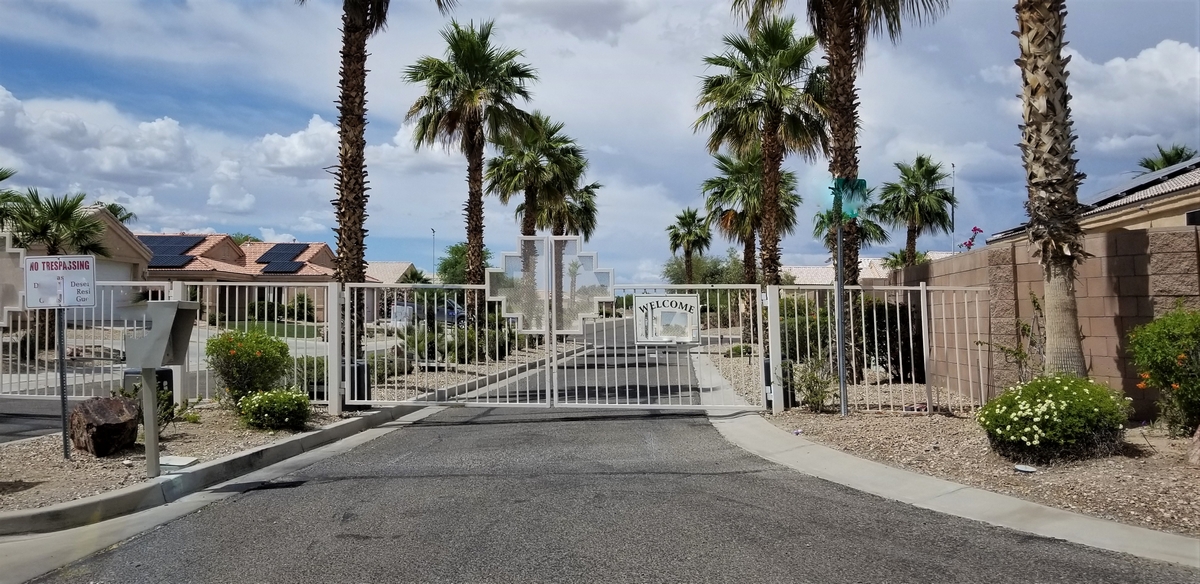
Strong isn’t about adding more discussions to the calendar. It’s about creating simple, reliable systems that keep residents informed without overwhelming them. When communication improves, tension decreases, complaints drop, and communities feel more connected — all without extending meeting times.
Here’s how to make that happen.
Shift From Reactive to Proactive Updates
Most communication breakdowns happen because residents feel surprised.
They weren’t told about:
- A maintenance schedule
- A rule change
- A temporary closure
- A fee adjustment
By the time they find out, frustration has already formed.
Instead of waiting for complaints, build a habit of proactive updates:
- Send a brief monthly summary email
- Share maintenance schedules in advance
- Notify residents early about upcoming decisions
- Provide timelines, even if they’re tentative
People are far more understanding when they feel informed ahead of time.
Keep Messages Short and Structured
Long, dense emails often go unread.
To improve engagement:
- Use clear subject lines
- Break content into bullet points
- Highlight action items
- Include deadlines clearly
For example:
Maintenance Update – Pool Area
- Cleaning scheduled: 15 March
- Closure duration: 8:00 am – 3:00 pm
- Reopening: Same day
Simple formatting makes information easy to absorb.
Create One Central Information Hub
grows when information lives in multiple places.
Instead of scattering updates across:
- Social media groups
- Email threads
- Noticeboards
- Messaging apps
choose one primary source of truth.
This might be:
- A community portal
- A dedicated website section
- A centralised document archive
When residents know exactly where to check for updates, fewer questions surface.
Set Clear Response Expectations
One of the biggest communication frustrations is uncertainty.
Residents often wonder:
- Did my message get received?
- When will I hear back?
- Who is responsible for responding?
Establish clear response guidelines, such as:
- All enquiries acknowledged within 48 hours
- Maintenance requests reviewed within five business days
- Urgent matters handled immediately
Even automated confirmations can reduce anxiety.
Replace Some Meetings With Written Briefs
Not every update requires a gathering.
Instead of scheduling a meeting for minor updates, consider:
- A quarterly community report
- A short board summary
- A budget snapshot with clear explanations
These written briefs allow residents to absorb information at their own pace and reduce unnecessary back-and-forth.
If questions arise, they can be handled individually rather than in a crowded forum.
Encourage Two-Way Communication — Without Chaos
Open dialogue strengthens communities, but it needs structure.
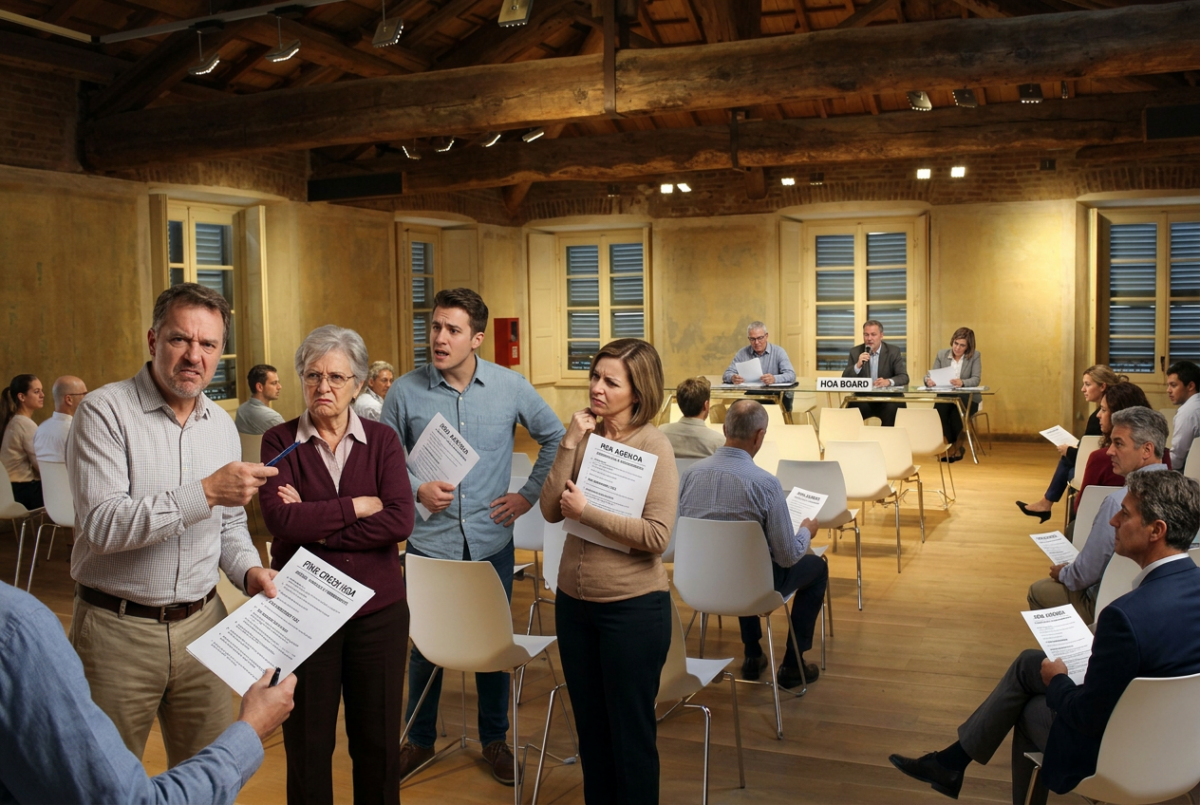
Create controlled channels such as:
- A designated feedback form
- A suggestion submission window
- Scheduled Q&A periods
that quickly become unproductive.
When feedback is organised and acknowledged respectfully, residents feel heard without conversations spiralling.
Use Plain Language, Not Legal Language
Overly formal communication can feel distant or defensive.
Instead of:
“Pursuant to Section 4.3 of the governing documents…”
Try:
“Our community guidelines require…”
Clear, conversational language builds trust and reduces misunderstanding.
Residents shouldn’t need to decode updates.
Provide Context, Not Just Rules
Rules without explanation often lead to resentment.
If a new policy is introduced, briefly explain:
- Why it’s needed
- What problem it addresses
- How it benefits the community
For example:
“To reduce repair costs and improve safety, we’re updating parking guidelines in shared areas.”
Context builds cooperation.
Train Board Members on Communication Basics
Not everyone naturally communicates clearly under pressure.
Simple training in:
- Conflict resolution
- Email clarity
- Tone awareness
- Active listening
can dramatically improve outcomes.
A calm, structured response prevents escalation far more effectively than a reactive one.
Measure What’s Working
Improvement requires feedback.
Ask residents occasionally:
- Are updates clear?
- Do you feel informed about community changes?
- What communication method works best for you?
Short surveys provide valuable insight without requiring a meeting.
You may discover that residents prefer email summaries over in-person sessions, or vice versa.
Small Adjustments That Make a Big Difference
Often, communication improves with minor tweaks:
- Send reminders before deadlines. A short reminder email or message a few days before an important date can prevent confusion and reduce the number of last-minute questions residents ask. Many homeowners simply forget deadlines when they are managing busy schedules, so a simple reminder can dramatically improve response rates for payments, forms, or community notices.
- Use consistent branding and templates. When notices, newsletters, and emails follow the same format each time, residents quickly recognise official communication and are more likely to read it carefully. Consistent layouts, colours, and headings make messages easier to scan and help important information stand out. Over time, this familiarity builds confidence that the communication is organised and reliable.
- Share visual timelines for major projects. Major repairs or upgrades can feel disruptive when residents do not understand the schedule. A simple visual timeline showing start dates, key milestones, and expected completion helps everyone understand what to expect. When people can clearly see how a project will unfold, they are often more patient with temporary inconvenience.
- Avoid sending important updates late at night. Messages sent late in the evening can easily be missed or misunderstood, especially if residents read them quickly on their phones. Scheduling updates during normal daytime hours gives people time to review the information calmly and ask questions if needed. Clear timing also signals that the communication is intentional and well considered.
Consistency creates familiarity. Familiarity builds trust.
Better communication doesn’t require more hours around a table. It requires clarity, consistency, and thoughtful delivery.
When residents know where to find information, when to expect updates, and how to raise concerns, friction decreases naturally. Meetings become shorter because fewer issues escalate. Decisions feel smoother because fewer surprises arise.
In well-managed communities, communication feels steady and predictable — not reactive or chaotic. And that stability often matters far more than another item on the meeting calendar.
Over time, this steady approach creates an environment where residents feel informed, respected, and confident that the community is being managed responsibly. Even small communication habits, when applied consistently, can shape a stronger and more cooperative neighbourhood culture.
Related Posts