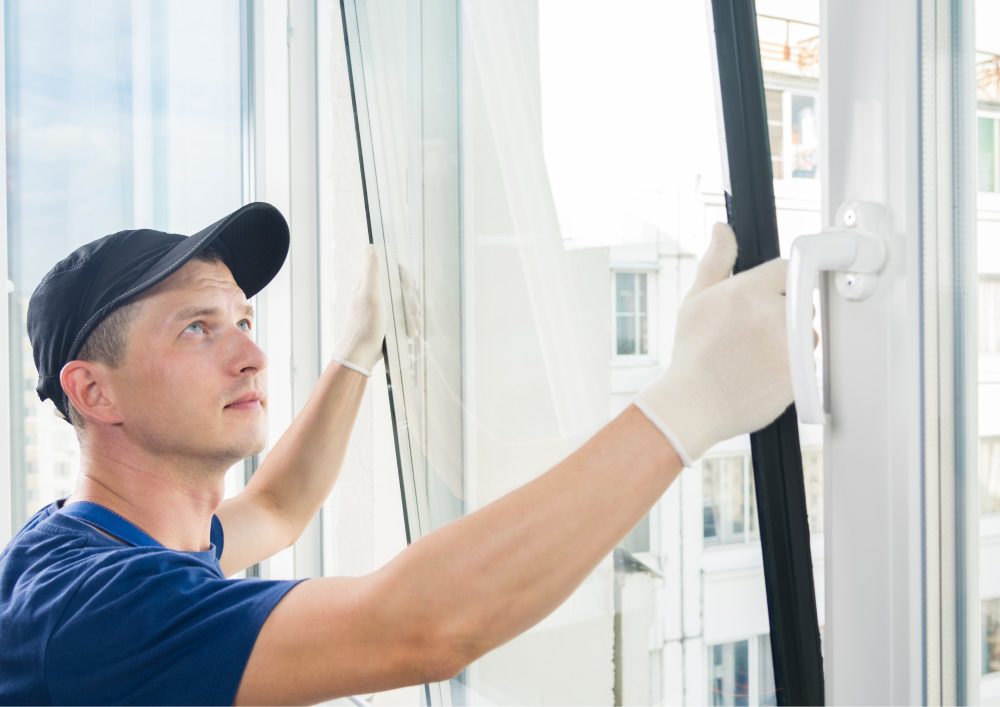
Keeping the temperature of your home high during the coldest month of the year or low during the hottest tends to hit your electric bills badly. Energy-efficient windows are the answer to making your home comfortable throughout the year.
Continue reading our energy-efficient windows guide to know why adding them to your home is worth it.
Why Invest in Energy-Efficient Windows
Replacing your windows is a big investment, especially when replacing them with energy-efficient ones. Below are the reasons why these energy-efficient windows are worth the effort and money:
Lower Your Electrical Bills
Money is usually the reason to have an energy-efficient home. If your house stays warm in winter or cools in summer, there is no reason to turn on the heater or air conditioner.
An energy-saving window lets you see a significant drop in your utility bills a month after installing it. Not only is this good news for your wallet, but it is also great for the environment when your house has a low carbon footprint.
Lower Condensation
Have you ever seen water droplets on your window? That’s condensation. It can lead to mold and wood rot on your wooden furniture or worse. Energy-efficient windows cut down on this problem and prevent any expensive repairs. They keep your window surface warm, so less condensation forms.
Improve Home Value
A home with energy-efficient windows is a hot property. People like saving money on bills. These energy-efficient windows can boost your home’s value. You are also likely to get a call from home buyers if your house is marketed as energy-efficient. It’s a win-win when you decide to sell your house or want to boast about your house’s value among your friends.
Add Sound Insulation
Noise can be annoying for anyone. Imagine sleeping in on the weekend, and your neighbor decides it is a good time to install a new fence. For anyone working from home, noise is always bad.
Energy-efficient windows can block out most sounds coming from the outside. They have multiple layers that act like a sound barrier. You get peace inside your home, sleep in on weekends undisturbed, and do not get interrupted during your virtual meetings.
Protection from UV Rays
While sunlight is great for your plants and the natural lighting of your home, UV rays are bad for your furniture and belongings. Consistent exposure to these rays can wipe out the color of your objects and make photographs fade.
The filter on most energy-efficient windows shields the interior space of your home from UV rays. With this type of window installed, you prolong the colors of your furniture, decorations, and other objects.
Types of Energy-Efficient Windows
There are a surprising number of E-windows types. Below are the common ones you will find in the market.
Gas Filled Windows
What They Are
Gas-filled windows have two or more glass panes with a layer of gas, like , sealed between them. The gas sandwiched between the glass is an insulator that allows light through while keeping away the heat.
Advantages
The gas acts as a thermal barrier. It reduces heat transfer, so your home stays warm in winter and cool in summer. This can lower your energy bills. Apart from being a thermal barrier, the gas keeps out the noise.
Disadvantages
Gas-filled windows are pricey. And over time, the gas can leak out. When that happens, the window loses its insulating power. You’ll need to repair or replace it, which is more money out of your pocket.
Energy Star Windows
What They Are
Energy Star windows are certified by the U.S. Environmental Protection Agency. These fixtures come with various features that provide insulation to your home. The windows come in different styles but must all pass strict tests for efficiency.
Advantages
These windows use low-emissivity (Low-E) glass coatings. The coating prevents the heat from escaping during the winter period. In summer, it reflects heat away, lowering cooling costs. Tax credits are often available, making them a bit more affordable.
Disadvantages
The upfront cost can be high. Plus, not all Energy Star windows offer the same level of efficiency. Some are good for colder climates, others for warmer areas. You must pick carefully, or you won’t get the full benefits.
Glazed Windows
Glazed windows have two or three glass layers with a space between them. The space traps air as a thermal buffer to help control indoor temperature.
Advantages
The insulating air between the glass layers stops heat from entering or escaping the home. As a result, you can turn the thermostat to the lowest setting when the day gets cold or hot. The multiple glass layers also act as a soundproof barrier to remove the noise.
Disadvantages
The construction of glazed windows makes it considerably heavy. With the weight of multiple glass layers, the window could push down on weak frames. Seals from these old frames could become undone, allowing heat to escape or enter your house.
Low Emission Glass
Low-emission glass windows, known as Low-E, come with a special metallic oxide coating. The coating is usually applied to one of the internal glass surfaces.
Advantages
The metallic oxide coating reflects heat back into your home during the colder months and reflects it away during warmer months. This feature can significantly lower your heating and cooling costs.
Disadvantages
While effective, Low-E glass comes at a higher price point compared to standard glass. The coating also slightly tints the incoming light, which may not be appealing to everyone. Scratches on the coating can reduce the window’s ability to insulate effectively.
Double/Triple Pane
Double and triple-pane windows feature two or three layers of glass. A space separates these layers, sometimes gas-filled, for added insulation.
Advantages
Multiple glass panes trap air or gas between them, providing excellent thermal insulation. This feature helps stabilize your home’s internal temperature, lowering energy costs. More panes also mean less noise gets through.
Disadvantages
The extra panes make the window unit heavier and more expensive. Also, moisture can build up between the panes if a seal fails. This will reduce the window’s insulating power and may require a costly replacement.
Solar Heat Gain Coefficient
Windows with a Solar Heat Gain Coefficient (SHGC) rating have a special coating. This coating measures how well the window blocks heat from the sun.
Advantages
A low SHGC rating means less solar heat gets into your home. It simply means the hot UV rays that increase the temperature are blocked by the window. A high SHGC is good for colder climates, as it allows more heat in, reducing heating costs.
Disadvantages
Windows with extreme SHGC ratings can be more expensive. In addition, many SHGC windows do not look as great in most homes as other energy-efficient ones.
Fiberglass Windows
Fibreglass windows are built from a blend of glass fibers and resin. These windows have a small space in between the glass, which acts as an insulator to trap or stop the heat.
Advantages
The material’s insulating power keeps your home cozy. The less your heater or air conditioner runs, the lower your bills will be. Fiberglass is also great because it doesn’t rot or warp, saving you money on upkeep.
Disadvantages
While they last a long time, fiberglass windows cost more to install. Also, these may not be your first choice if you want many style options. The design range can be limited.
Smart Glass Windows
Smart glass windows use advanced technology to change their state. You can turn the glass from clear to tinted with a click, controlling how much light and heat enter your home.
Advantages
The cool part is you can control these windows manually or set them to change automatically. This keeps your home comfortable and can also cut your . In addition, the look of a smart glass fixture can give your home a modern look. This type of window can make most houses attractive to property buyers.
Disadvantages
What makes smart glass windows the last choice for most homeowners is the premium price. Installation can be a hassle since they need an electrical hookup. If the power goes out or the system fails, the smart features won’t work.
Installation Tips
When you plan to install an E-window, below are some tips to consider.
Choosing the Right Installer
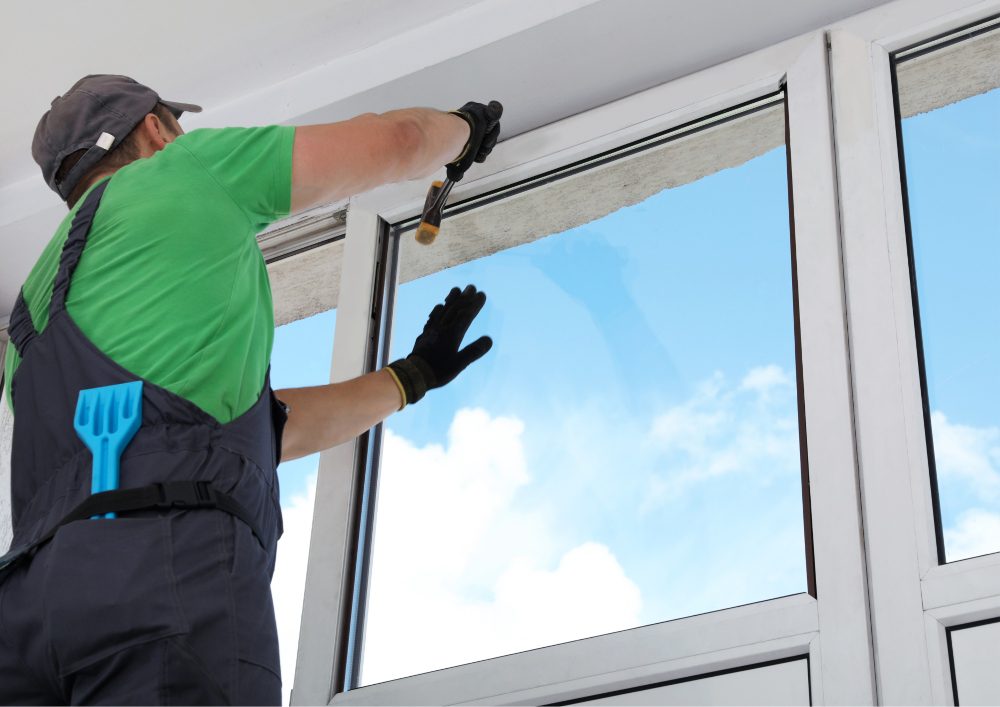
Do Your Homework
Start by researching potential installers in your area. Look for those who have experience specifically with energy-efficient windows. Reviews from past customers can provide valuable insights into an installer’s skill level and reliability.
Ask for Recommendations
Friends, family, or neighbors who have recently replaced their windows are a good resource. They can give firsthand accounts of their experiences and may even allow you to see the installer’s work in person. This can give you a clearer picture of what to expect.
Get Multiple Quotes
Price should be one of several factors you consider. Get quotes from at least three different installers. Ensure each quote includes the same items, like labor and materials so that you can compare them fairly.
Certifications and Insurance
An installer should be certified and insured. This protects you in case something goes wrong during the installation. Don’t hesitate to ask for proof of certifications and insurance for your peace of mind.
Prepping the Area
Clear the Way
Before the installer arrives, clear all furniture and decor from around the windows. This includes tables, chairs, and any decorative items that could get in the way. A clear area allows the installer to work more efficiently and safely.
Remove Window Treatments
Take down curtains, blinds, or any other window treatments. This gives the installer unobstructed access to the window and speeds up the installation process.
Protect Your Floors
Lay down protective covering on the floors near the windows. This can be old sheets or specialized floor protectors. Installers usually bring their own, but it’s good to be prepared. If you have hardwood flooring, consider buying furniture sliders. let you move heavy furniture without harming your floors.
Inform the Neighbors
If the installation is noisy or workers need to access your neighbor’s property, give them a heads-up. A little courtesy can go a long way in maintaining good neighborly relations.
During Installation
Stay On-Site
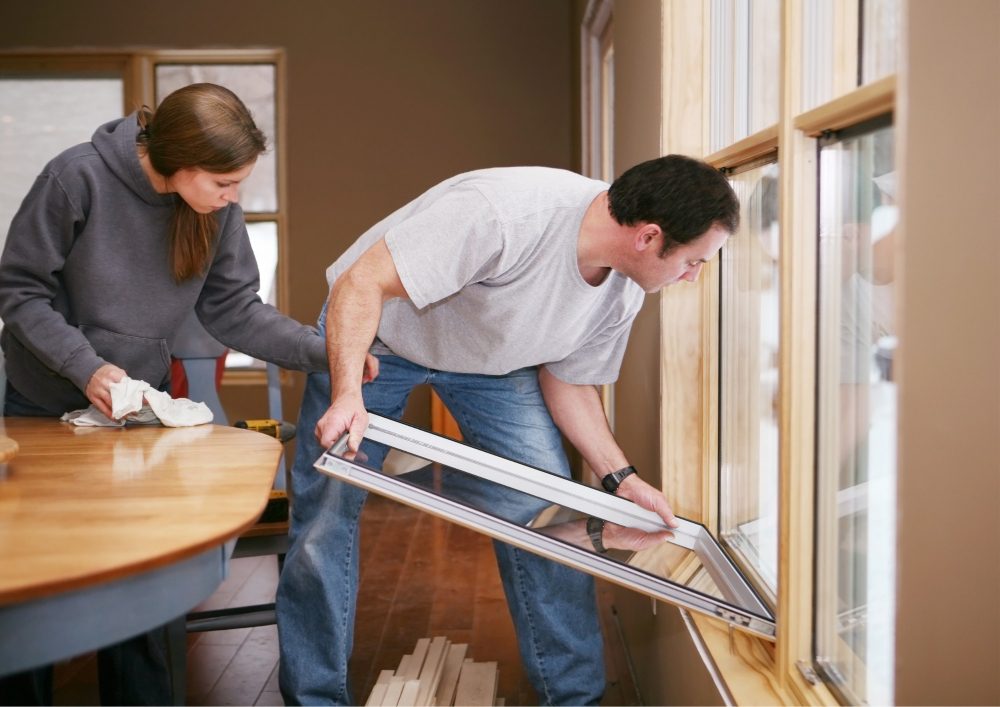
It’s a good idea to be home during the installation. This allows you to keep an eye on the process and ensures the work is meeting your expectations. If any issues arise, you can address them on the spot.
Ask Questions
Don’t hesitate to ask the installer questions. Whether it’s about the tools they’re using or the steps they’re taking, your understanding will make you more confident about the quality of the work.
Check for Gaps and Drafts
As each window gets installed, take a moment to check for any gaps or drafts around the frame. Point them out immediately so the installer can adjust before moving on to the next window.
Confirm Functionality
Each window should be tested to ensure it opens, closes, and locks as it should. Verify this with the installer to avoid any headaches later.
Post-Installation Checks
Inspect the Work
After the installer has packed up, go through each window to ensure it’s installed correctly. Open and close each one, lock and unlock them, and inspect the seal around the frames.
Check the Seals
Windows are sealed to the frame with caulk. Make sure the caulk line is even, and there are no gaps. Imperfections can lead to drafts and water damage.
Review Paperwork
Go through the warranty and any other paperwork provided by the installer. Understand the terms and conditions to know what’s covered and how long.
Schedule a Follow-Up
Sometimes, issues don’t show up right away. It’s good to schedule a follow-up with the installer a few weeks after the job. This allows you to address any concerns that may have cropped up.
Conclusion
Are energy-efficient windows a solid investment? They most definitely are since they cut down on your energy usage, protect the color of your belongings, and boost your house value.
Team OBN highly recommends putting the time and effort into finding a trusted contractor. This way, your energy-efficient windows are guaranteed to last a long time.
The post appeared first on .
Related Posts