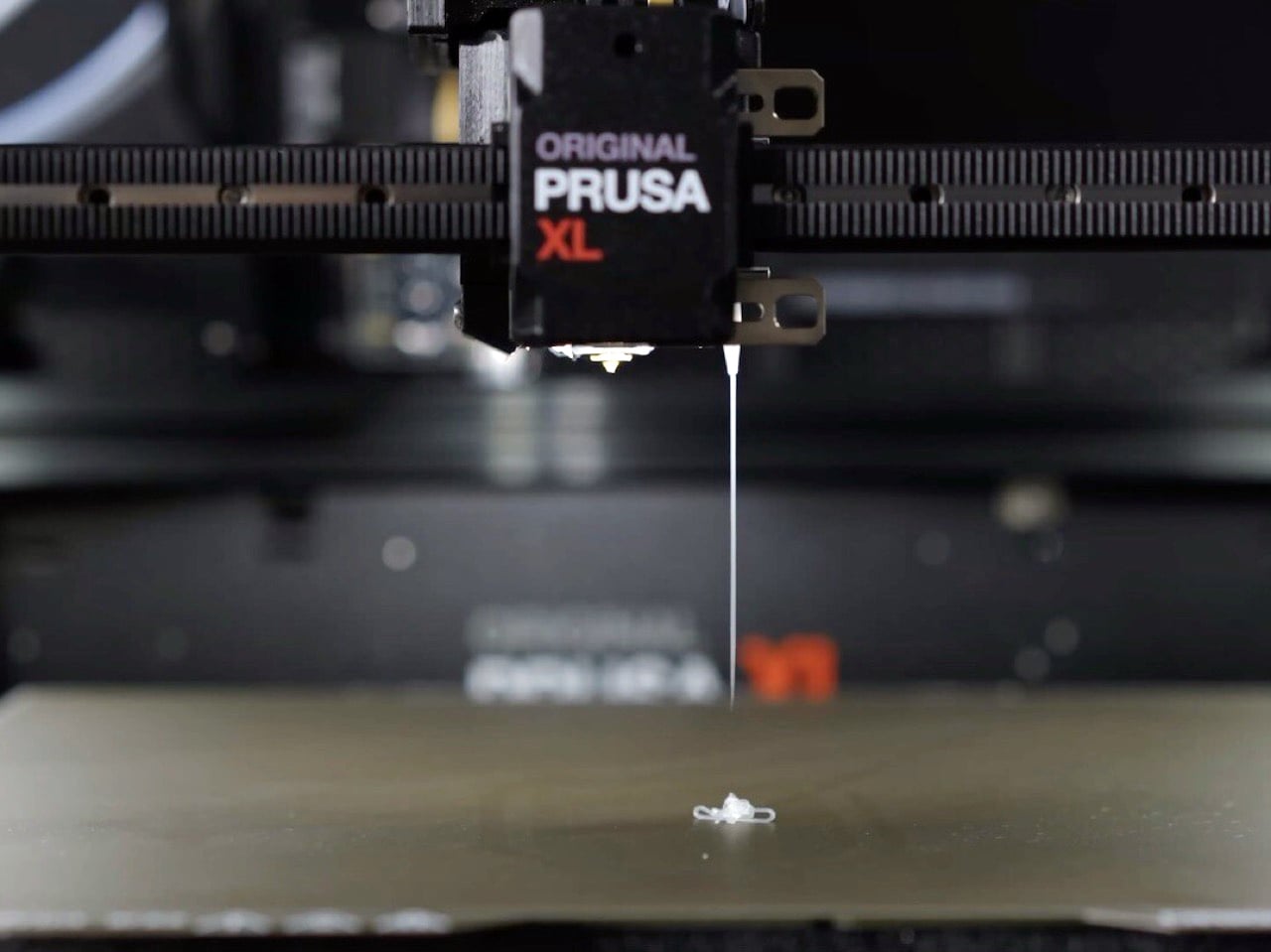
Anyone who’s worked with flexible 3D printing filaments knows their limitations; TPU and TPE only go so far, and nothing on the desktop market has matched the heat resistance and elasticity of real silicone. We’ve been stuck making parts that feel rubbery but fail the moment they get too warm or need to seal properly. That’s all changed with the arrival of Prusa’s new XL printhead, developed in collaboration with Filament2. This toolhead uses a pioneering dual-filament system to produce actual, industrial-grade silicone prints, a feat that moves desktop printing into a whole new category of material science.
Instead of extruding a simple thermoplastic, this system feeds two liquid-core filaments into the nozzle, where their outer sheaths are stripped away. The liquid silicone components are then mixed and cured in real time as they are deposited. This is not some rubber-like substitute; it is genuine silicone with all its useful properties, created right on the print bed of a standard Prusa XL. The elegance of containing the entire two-part mixing process within a clean, self-contained filament and toolhead system is a massive engineering win, solving the mess and complexity that has kept liquid printing out of reach for most people until now.
Designer: Prusa
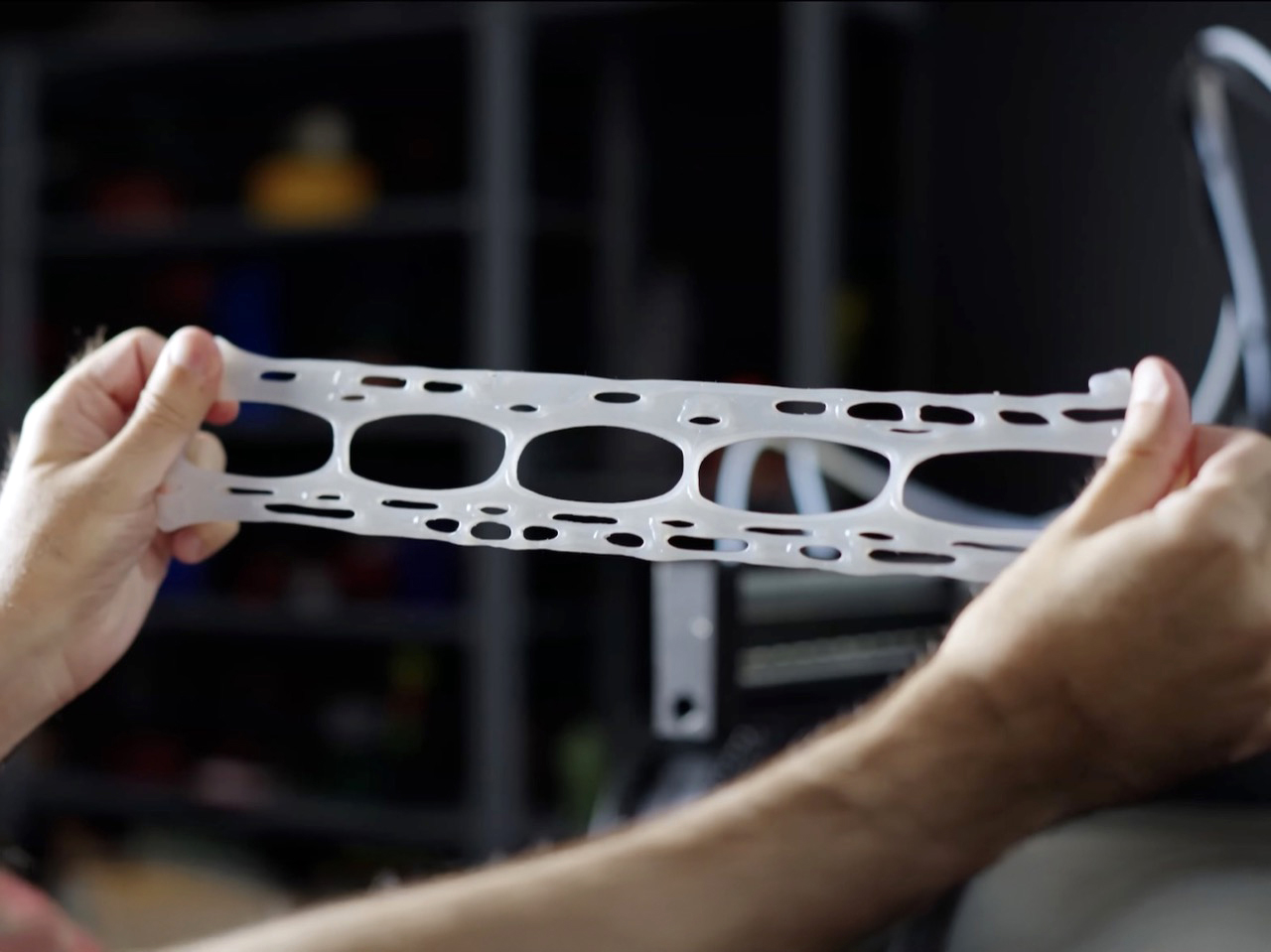
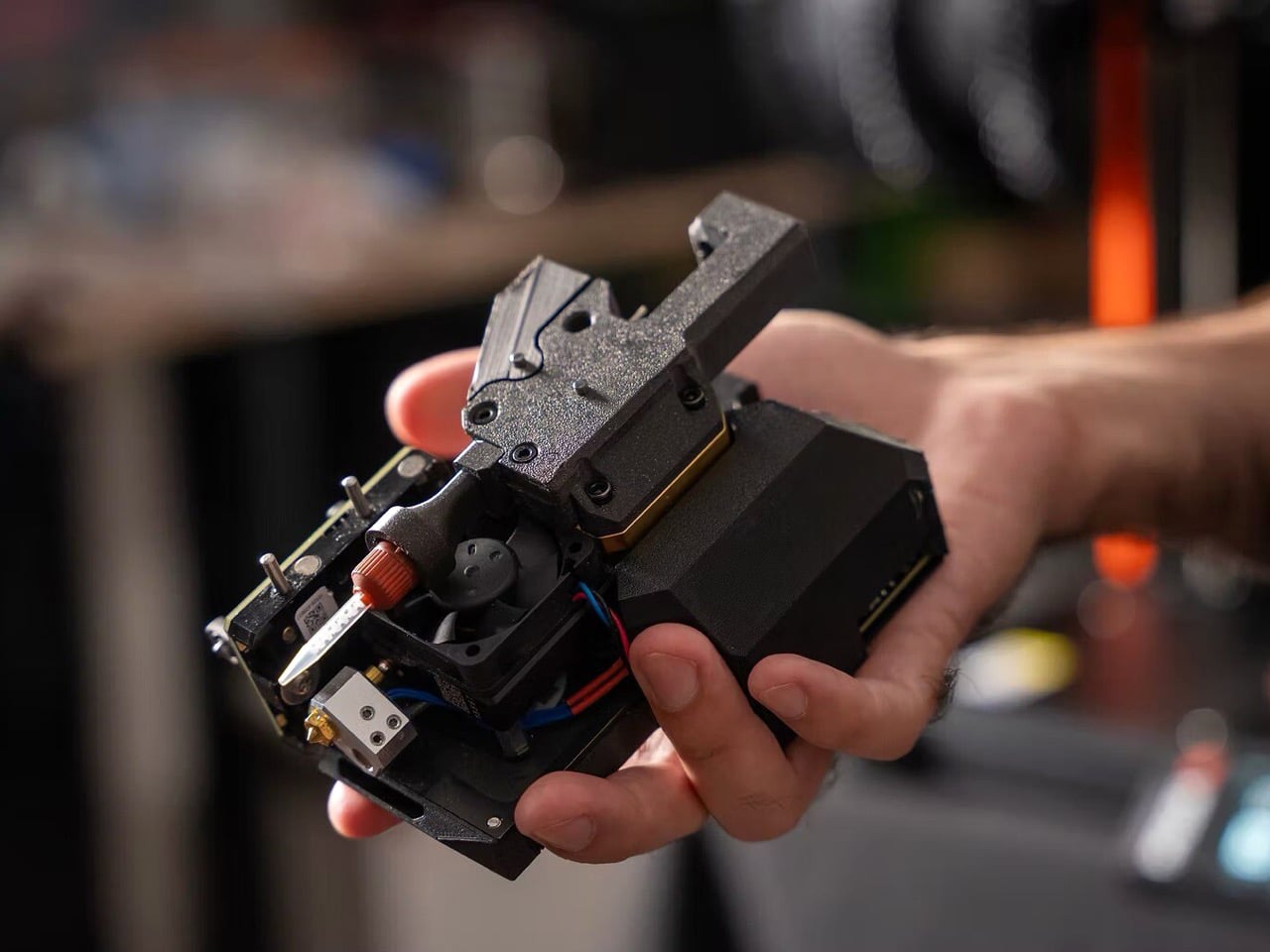
This method completely sidesteps the need for the clumsy pumps and reservoirs seen in previous experimental liquid printers. The genius is in the filament itself. By encasing the two liquid parts in a stable sheath, Filament2 has created something that handles just like a standard spool of PLA. The printhead does the heavy lifting, performing a micro-scale version of what you would do with a two-part epoxy, but with incredible precision. You get the benefits of a reactive polymer without the hazardous mess, which opens up a world of possibilities for creating functional, end-use parts, not just look-alike prototypes.
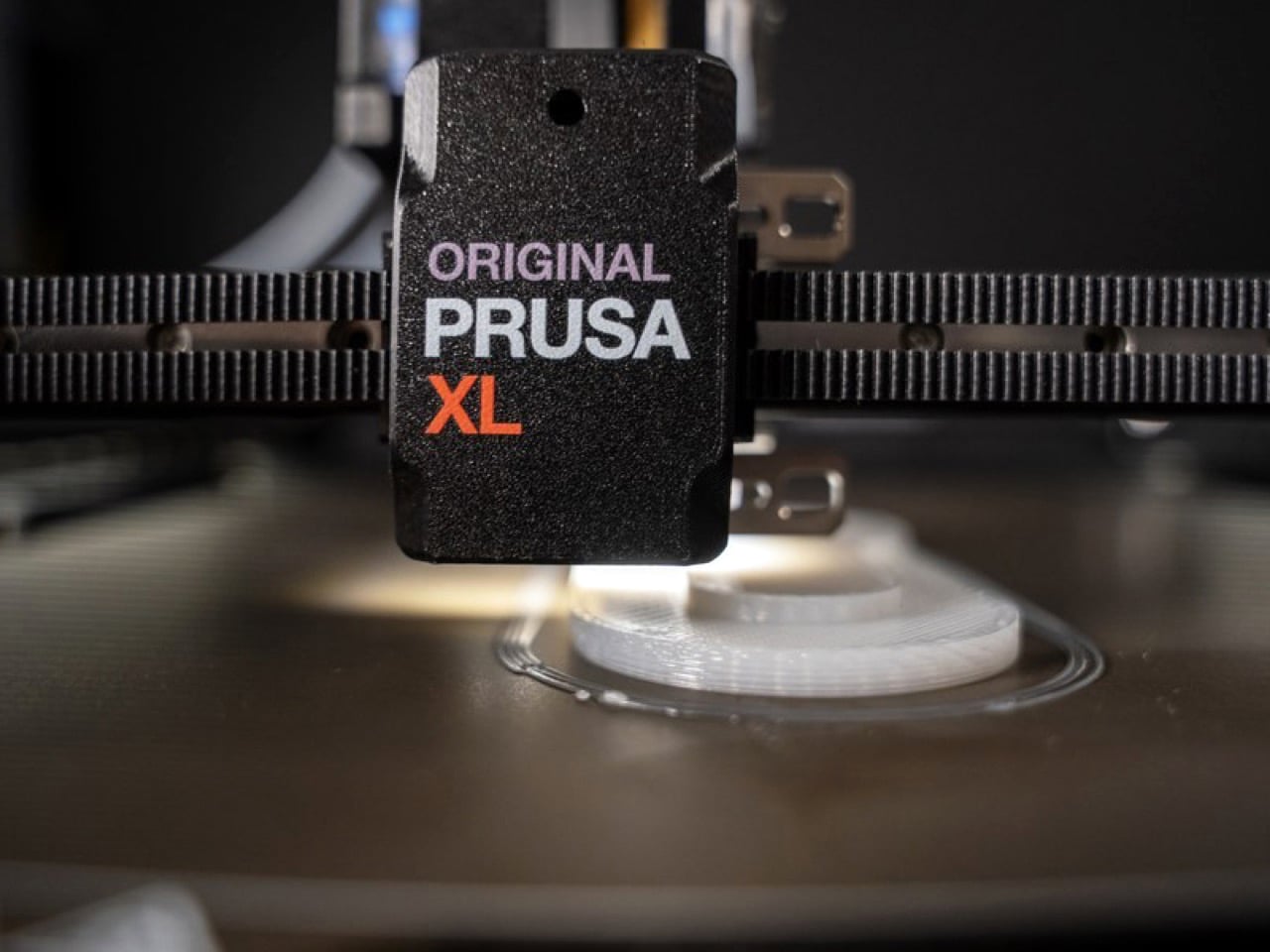
Think about the immediate applications for this technology. In the automotive world, the ability to print custom, one-off silicone gaskets, seals, and vibration dampeners is a game changer for restoration and prototyping. No more waiting weeks for a custom mold or settling for a close-enough part. For product designers, this means creating truly functional prototypes with soft-touch grips, flexible waterproof seals, and even custom ergonomic components for wearables. Because silicone is skin-safe and can be sterilized, it also opens up possibilities for custom medical models and assistive devices. We are talking about end-use parts, not just look-alike models.
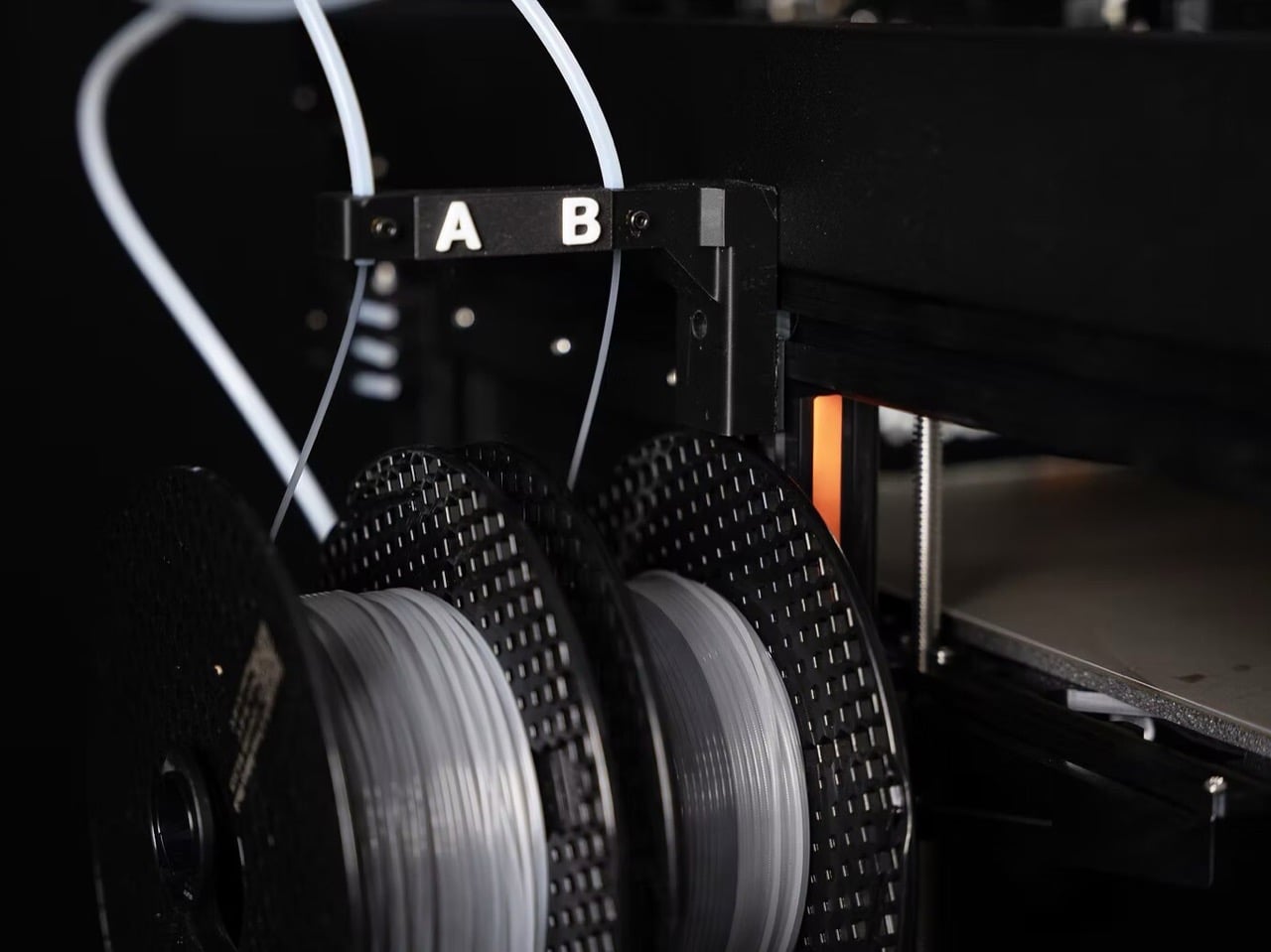
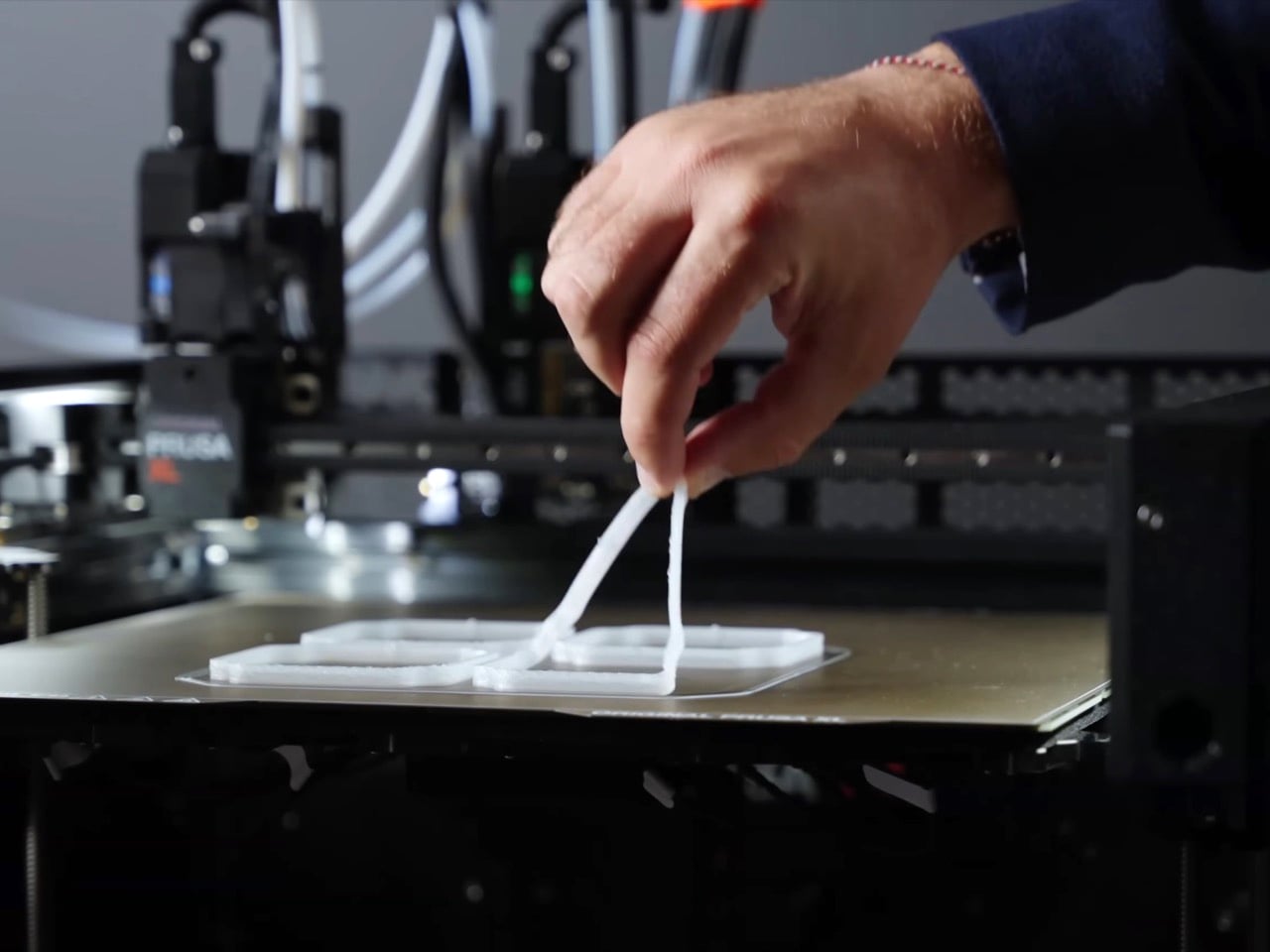
The choice to launch this on the Prusa XL platform is also incredibly clever. The XL’s main selling point is its automatic tool-changing capability, which suddenly makes it the perfect machine for true multi-material fabrication. You could print a rigid nylon housing with one toolhead, then have the printer automatically swap to the silicone head to print integrated waterproof seals and vibration-dampening feet onto the same part in a single, uninterrupted job. This elevates the machine from a multi-color printer to a genuine multi-property manufacturing station. It’s a level of automation and material integration that was previously reserved for machines costing tens of thousands of dollars.
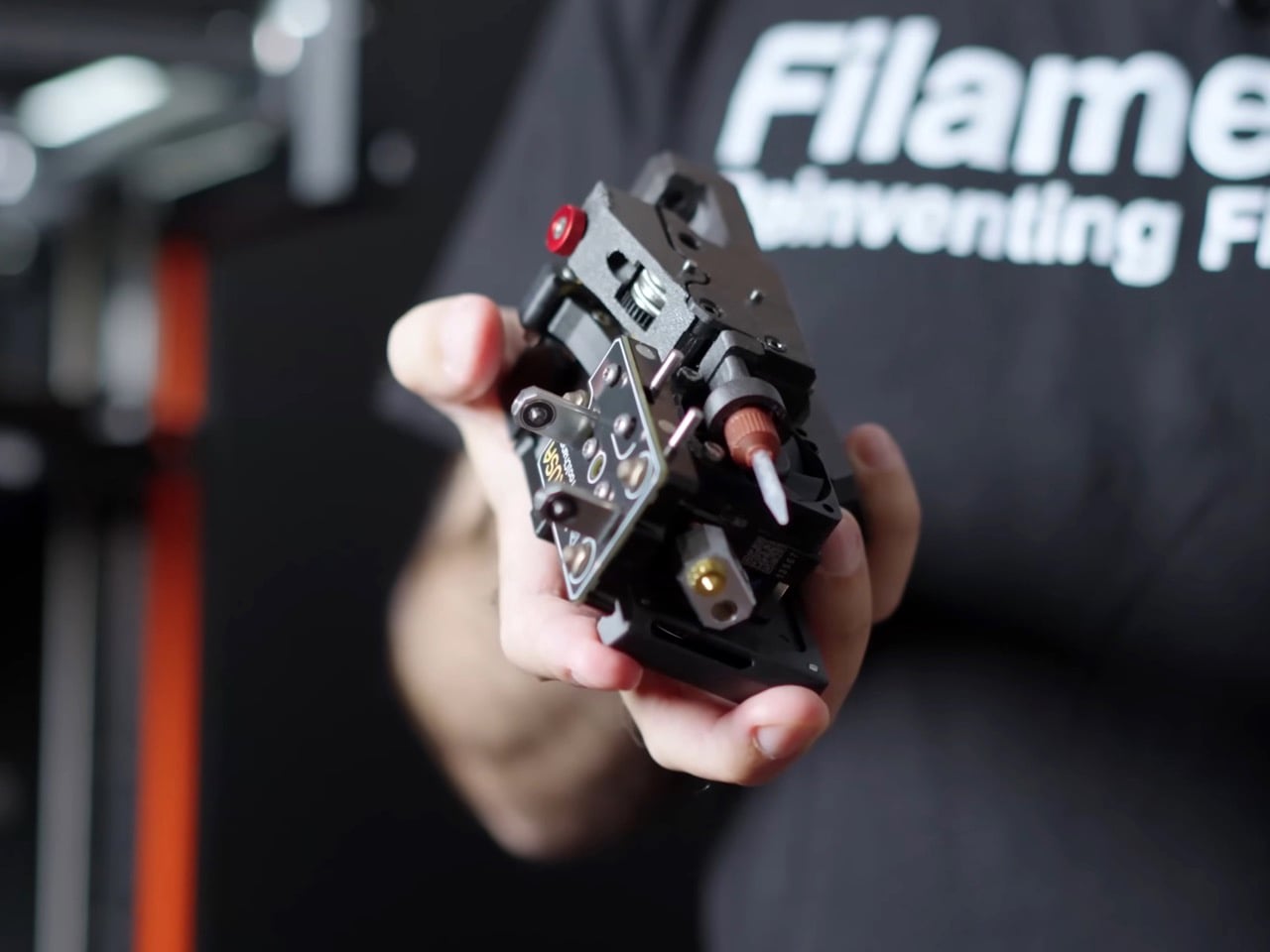
Now, it’s important to keep expectations grounded. This will not be as simple or cheap as printing with standard PLA. The specialized filament from Filament2 will undoubtedly carry a premium price, and I anticipate a learning curve. The process requires incredible precision; any imbalance in the mixing ratio or inconsistency in the liquid cores could lead to failed prints where the silicone doesn’t cure properly. We still need to see long-term reliability data and learn about the maintenance requirements for a printhead that handles what are essentially reactive adhesives. Still, even as a niche application, it pushes the entire industry forward by showing what’s possible when you rethink the entire printing process, from the filament spool to the nozzle tip.
The post first appeared on .
Related Posts