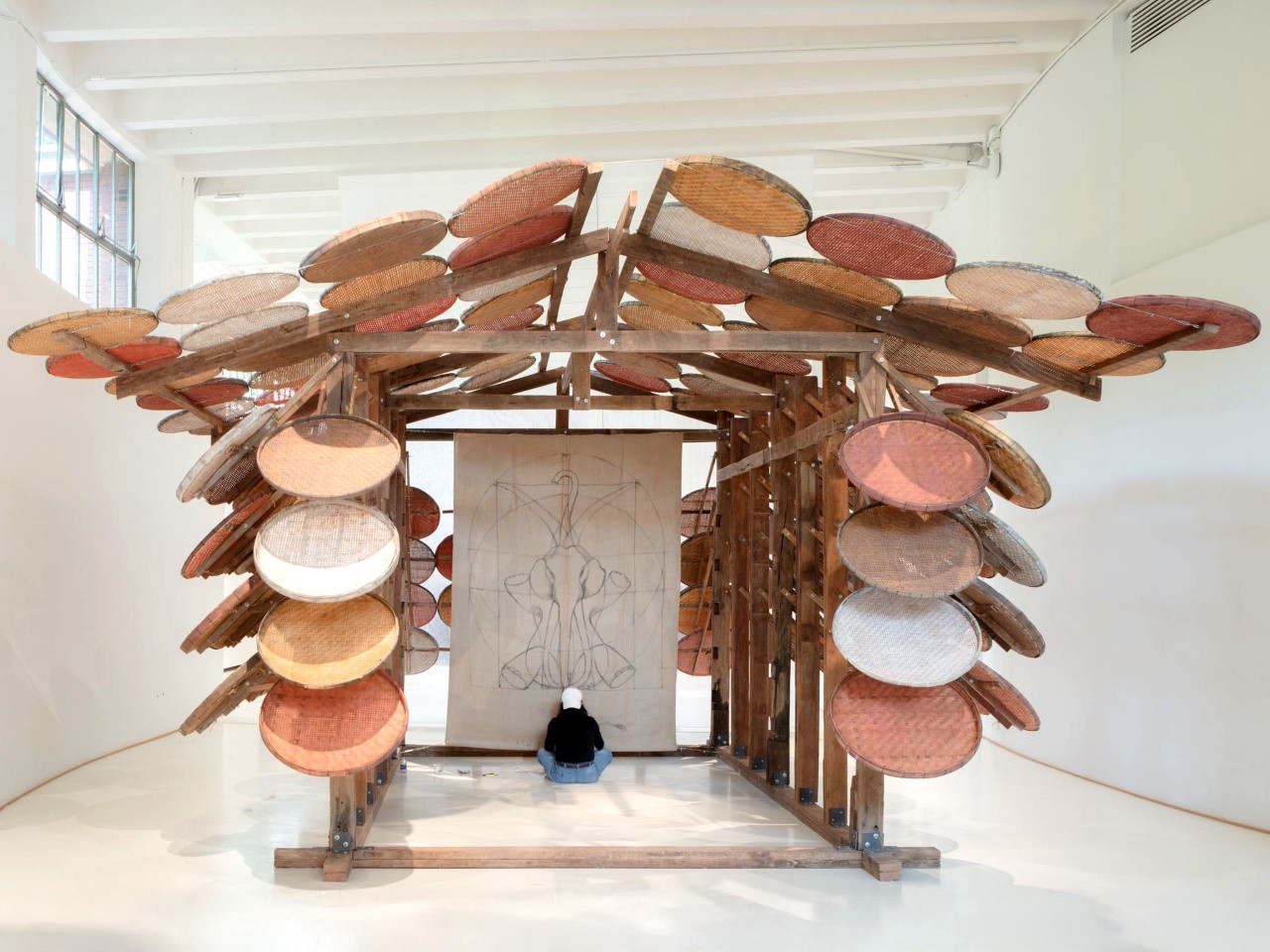
In the heart of northeastern Thailand’s Taklang Village, where humans and elephants have coexisted for over four centuries, a quiet architectural revolution is taking shape, one rooted in empathy, ecology, and interspecies care. Thai architect and designer Boonserm Premthada brings this powerful vision to the global stage with Elephant Food House, presented at the 24th International Exhibition of Triennale Milano under the theme Inequalities.
Premthada’s project is more than an architectural showcase; it is a call to action, responding to the deepening crisis of elephant food scarcity in Thailand. With forests depleted by deforestation, urban sprawl, disrupted crop cycles, and climate change, the elephants of Taklang Village, now numbering over 200, face dwindling sources of nutrition. The surrounding forest, once a generous provider of sustenance, no longer meets the needs of these giants. In this increasingly strained landscape, Premthada offers a gentle, yet radical solution: architecture that nourishes.
Designer:
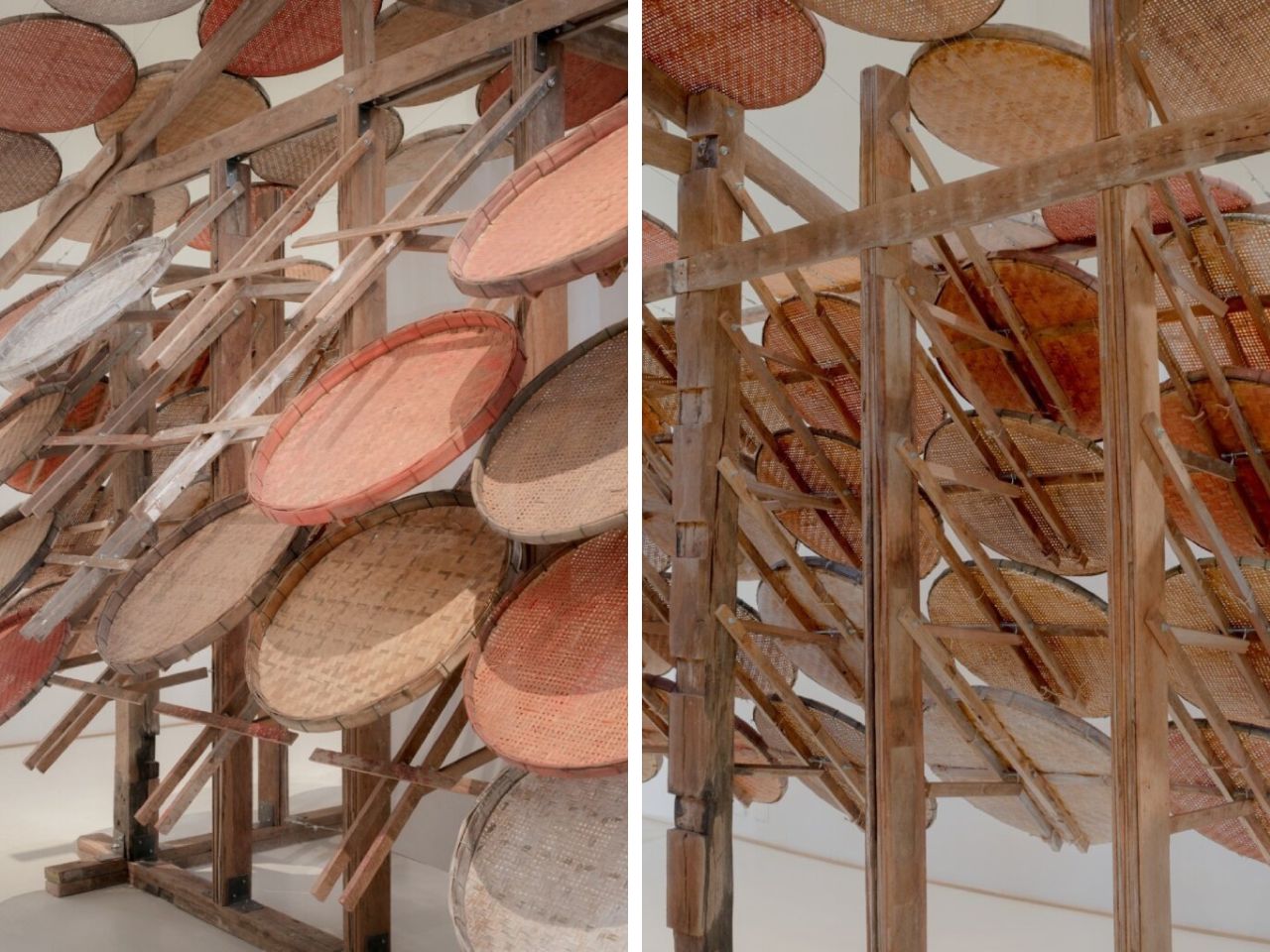
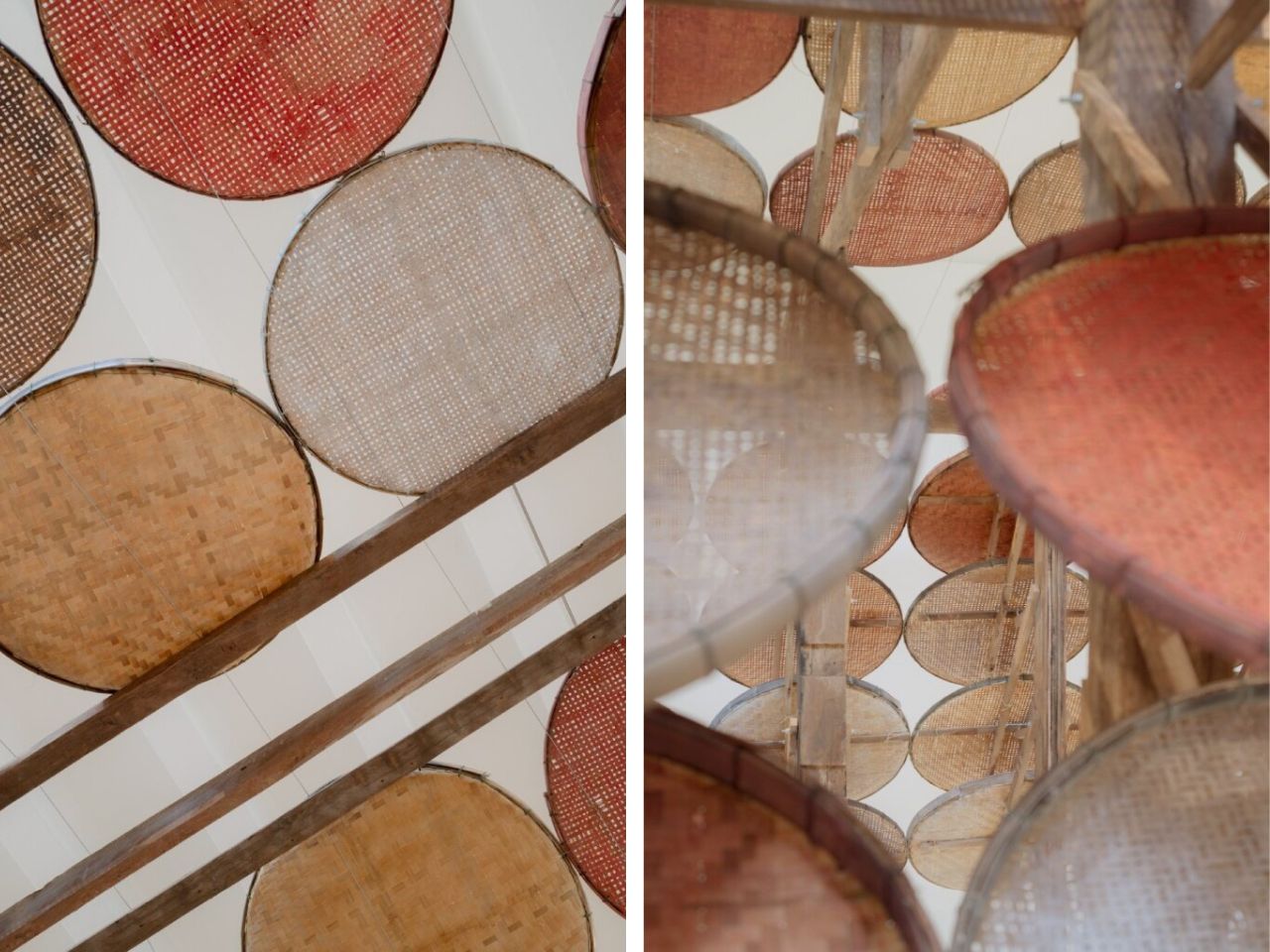
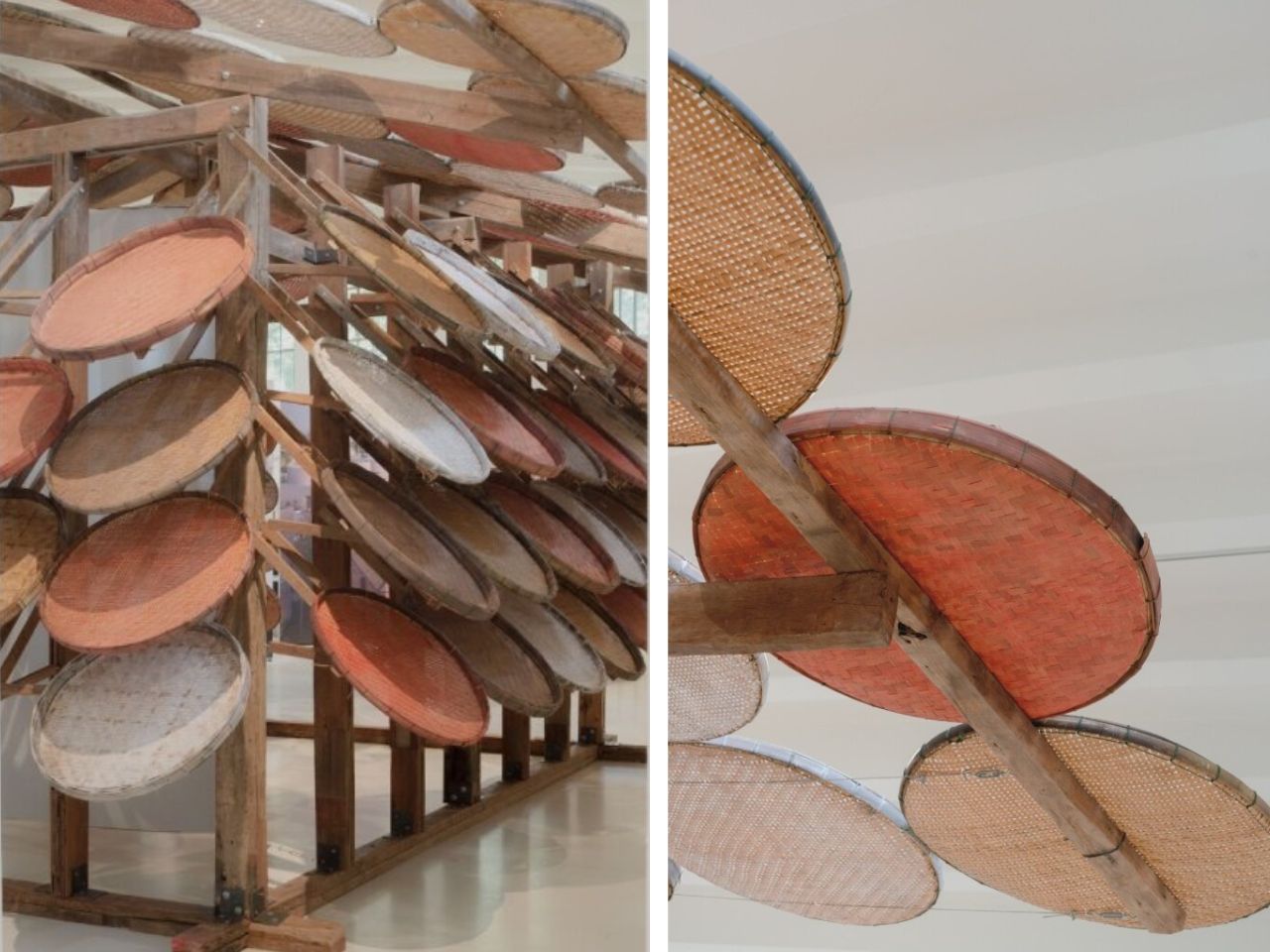
At the center of this proposal are traditional Thai rice barns, once vital for storing grain for human consumption, now reconfigured to serve as shelters for elephant food. These barns, reimagined as Elephant Food Houses, are scattered along forest paths, functioning as collection points where villagers bring bundles of fresh plants. Designed with sensitivity to both form and function, they are constructed with timber frames and encased in handwoven bamboo winnowing baskets, agricultural tools from the region that have been scaled up and recontextualized. Their breathable, lightweight surfaces offer protection and natural ventilation, making them ideal resting points for both elephants and their human companions during long walks through the forest.
This act of walking, of movement through space and shared environment, is intrinsic to the project’s success. The treks to the shelters aid in the elephants’ digestion and promote their overall health, restoring a rhythm once defined by seasonal migration and free foraging. Along these routes, the shelters offer not just nourishment, but shade, pause, and connection. In this way, the architecture fosters mutual reliance, a humble form of interdependence between species.
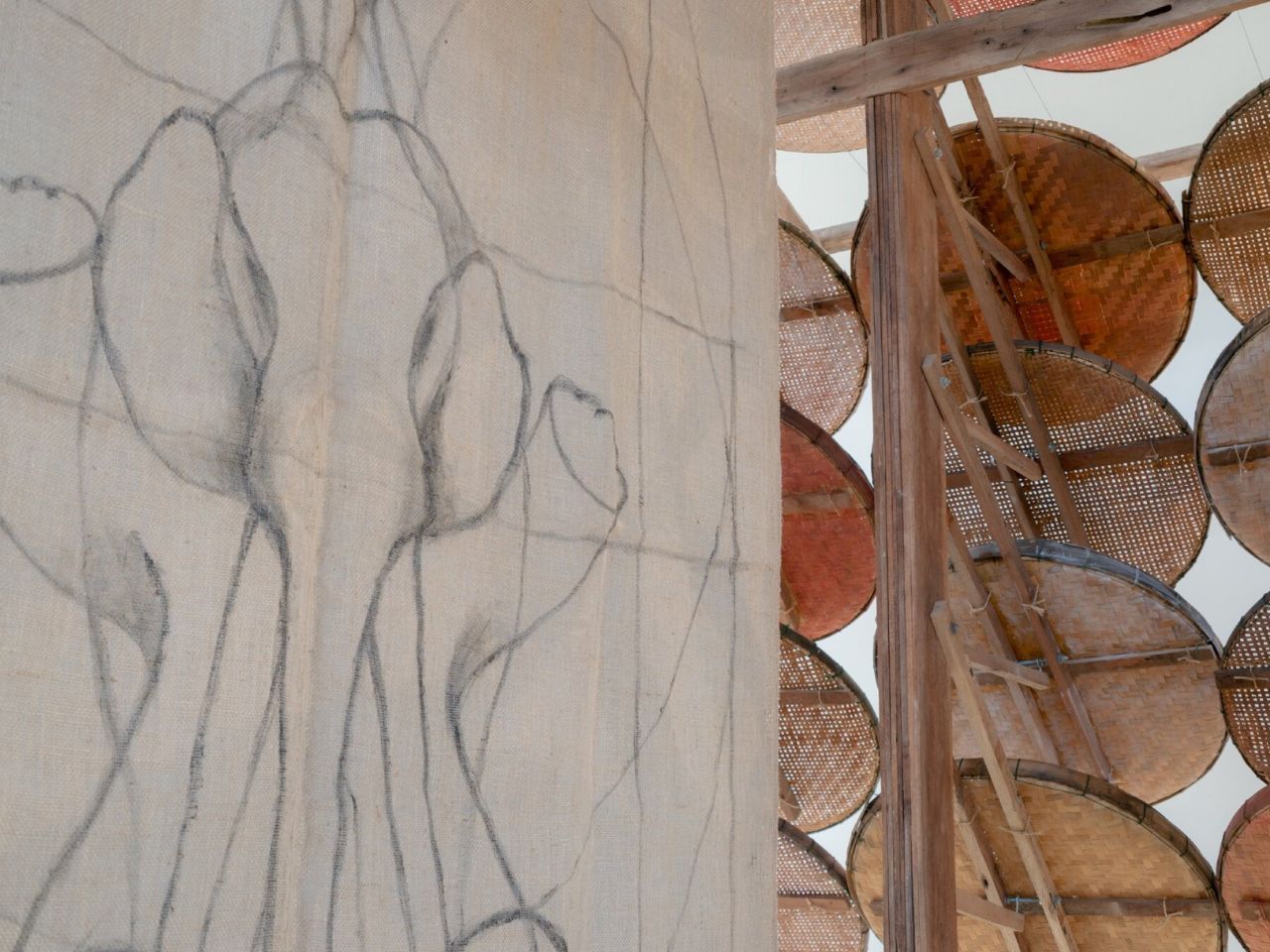
At Triennale Milano, Premthada distills the essence of this project into a compelling installation. A partially enclosed timber structure replicates the airy barns of Thailand, with the woven bamboo facade foregrounding regional craft. Inside, a striking figure commands attention: a Vitruvian Elephant, inspired by Leonardo da Vinci’s famous Vitruvian Man. This sculpture, made from paper crafted using elephant dung, reflects the cyclical nature of waste and nourishment. “The very material where my elephant-centered and nature-centered design began,” Premthada notes, using this symbol to illustrate his belief that the built environment must embody empathy and sustainability.
For Premthada, inequality is not limited to the human realm; it is also about how we treat the non-human lives we share the planet with. His design promotes an ethos of care, not dominion. “Inequality, in my view, is not about granting rights to animals but about fostering empathy that humans should have for other living beings,” he shares. The Elephant Food House thus becomes a physical and philosophical framework, a shelter built not just of bamboo and timber, but of compassion and ecological wisdom.
By repositioning a structure traditionally reserved for humans into a shared, interspecies resource, Premthada opens a broader conversation about architecture’s role in a world of entangled ecologies. He calls this vision a Human and Non-Human Nation , a recognition that humans are not separate from nature, but part of a larger, interconnected system. The Elephant Food House does not seek to dominate that system, but to honor it. It does not monumentalize architecture, but softens it, allowing it to breathe, to nurture, to coexist.
As it stands in Milan, half a world away from the forests of Taklang, the Elephant Food House brings with it the voices of elephants and villagers, the scent of bamboo and dung paper, and the soft sound of empathy woven into every wall. It is a reminder that meaningful architecture doesn’t always build up. Sometimes, it humbly shelters.
The post first appeared on .
Related Posts


