Throughout the year, we’ve been focusing on more intimate events that facilitate depth in discussion and quality connections between people in the industry. It starts with scale — no more than 15 guests or so — and it comes to fruition with a specific, selective topic. In earlier in the year, we considered the idea of ; moving to , it was all about getting highly specific to the workplace dynamics of the Victorian city.
Hosted by our Editor Timothy Alouani-Roby, Melbourne, where are you working? brought together representatives from Bates Smart, Gray Puksand, Architectus, FK, Grimshaw, Wildflower and Graham Nicholas for a breadth of perspective. Moving away from generic workplace themes, the focus turned to the home-office dynamics specific to Melbourne. Attendees discussed how companies are enticing workers back into offices, CBD occupancy rates, the evolution of hybrid work and the influence of . In keeping with the setting, the conversation also moved between scales to consider the importance of commercial furniture in the workplace.
Questions centring on human connection in the workplace felt like the most pertinent, urgent part of the discussion. This was prompted by the topic of AI use in the workplace generally and design practice more specifically. The group all reported the unavoidable presence of AI at work but, perhaps counter-intuitively, many suggested that its presence in fact increases the value and importance of moments or spaces for human connection.
Relatedly, a compelling point was made about the importance of design — the spaces we work in — even in a world where AI and other technologies might, on the surface of things, allow for that work to take place just about anywhere. A notable example was a solo brainstorming session with AI that is nevertheless enriched by taking place within a sensitively designed private space. What we do at work might change drastically, but the spaces in which we do it still matter.
These insights formed part of a wider response to the question of how Melbourne CBD workplaces are enticing people back to the office. Another point that stood out here was the presence of strong hospitality options within and alongside workplace design. Businesses continue to incorporate cafés, dining areas, chef-prepared meals, breakout spaces and wellness amenities to create environments people enjoy spending time in. In general, the sense from the design experts seems to be that the Melbourne scene engages in more experimental approaches to workplace design than Sydney in a post-pandemic, hyper-hybridised context.
Related:
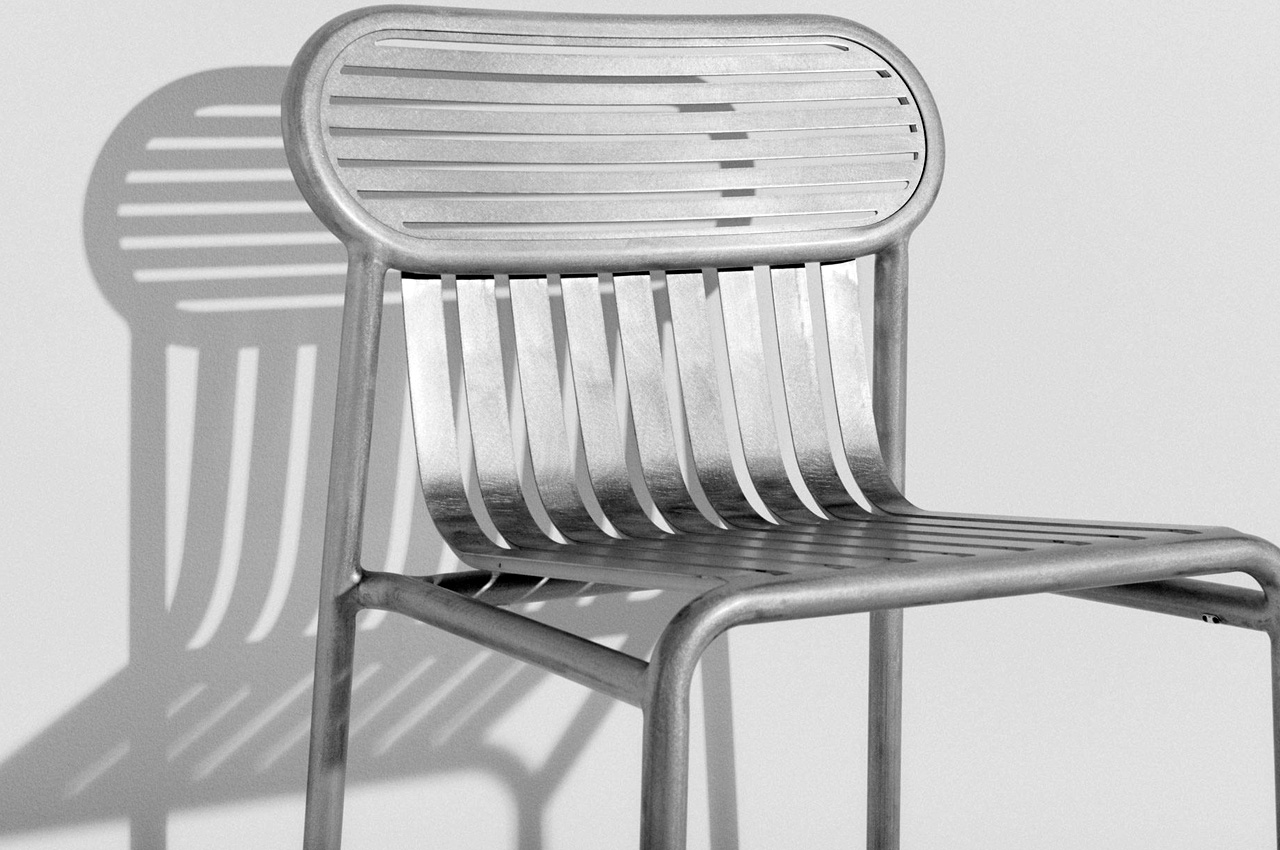
Emphasising the importance of reuse and recyclability, it was also clear that strong commercial furniture is a crucial part of the wider package that makes a workplace appealing or not. Indeed, the discussions — group summaries and breakout conversations — took place using a wide range of Wilkhahn products in the showroom, from flexible stools and work benches to drawing boards and of course the WiChair.
Overall, Melbourne, where are you working? provided valuable insights on workplace design in the city while also affirming that the trends observable there are by no means distinct or totally separate from anywhere else in Australia or indeed the wider Asia-Pacific region. Designers were proud to say that Australian workplace design continues to punch above its weight and even lead internationally, with human connection perhaps the single clearest unifying thread running through the whole event.
Wilkhahn
The post appeared first on .
Related Posts