When a fashion brand turns its most iconic textile technology into a lampshade, you pay attention. That’s the short version of what A-POC ABLE ISSEY MIYAKE and Swiss design studio atelier oï managed to do with the O Series, the latest chapter in their ongoing TYPE-XIII collaboration. Portable, pleated, and quietly radical, these lamps feel like proof that the best design ideas rarely stay confined to one category for long.
The project started in 2024, built on a deceptively simple question: what happens when clothing technology meets light? A-POC ABLE ISSEY MIYAKE is known for its A-POC (A Piece of Cloth) philosophy, which treats fabric as a continuous, considered whole rather than something to be cut and assembled. From that foundation came Steam Stretch, a process where pattern and structure are woven directly into a single piece of recycled polyester fabric. Heat is then applied to specific areas, causing them to contract and bloom into a dimensional, pleated form. No additional construction. No extra pieces. The texture is built into the material itself.
Designers:
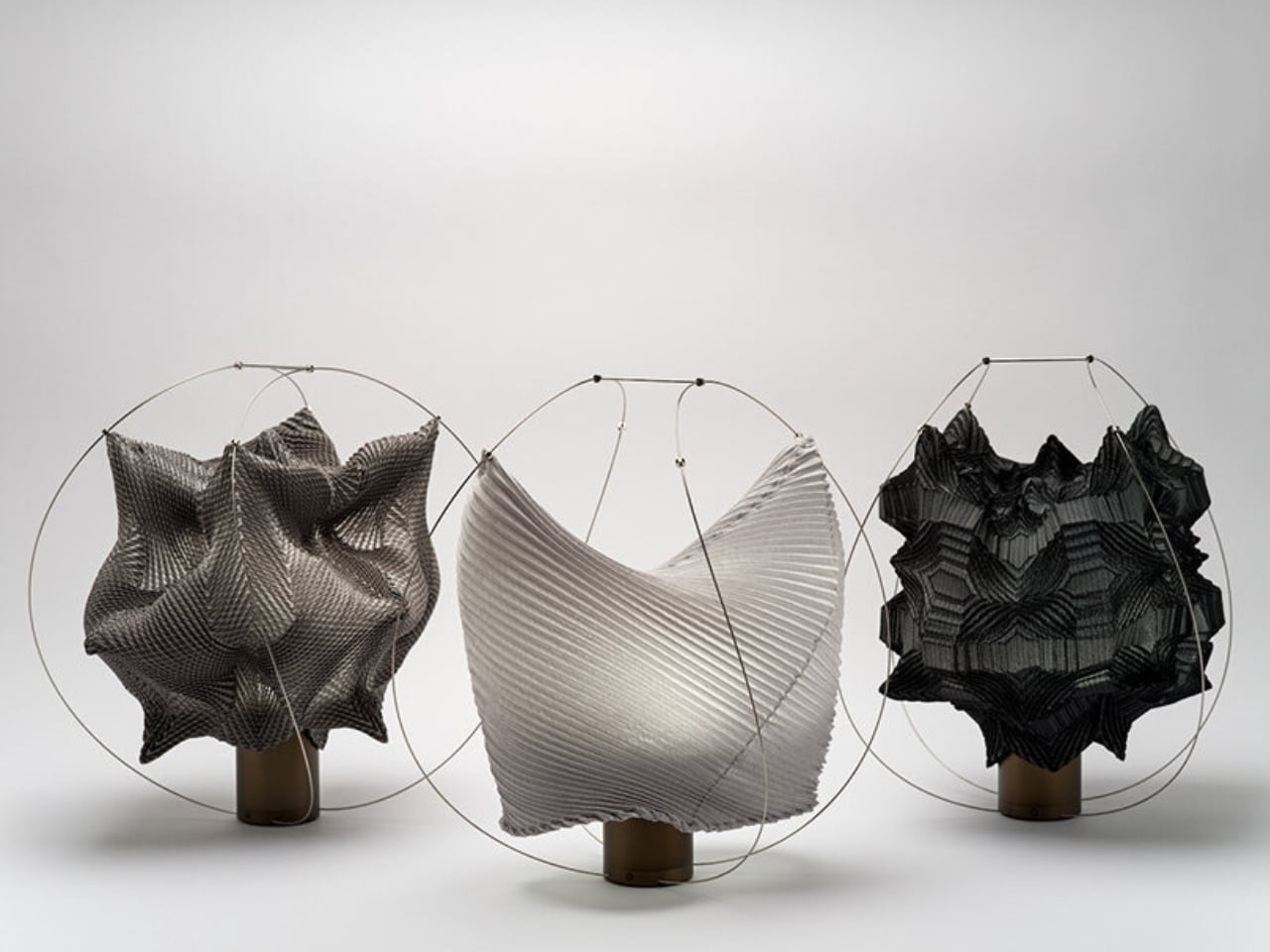
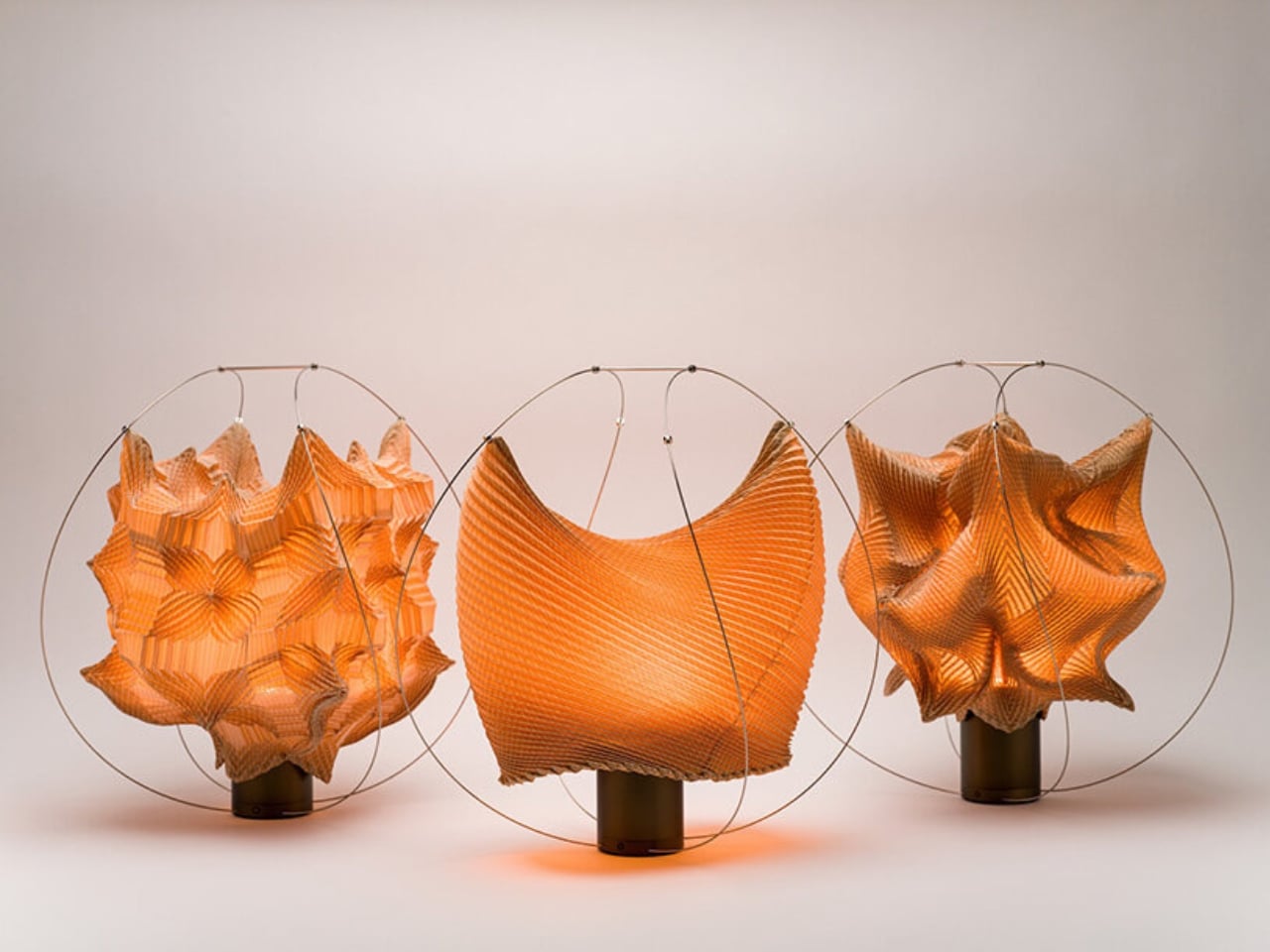
For the O Series, that same pleated textile becomes a lampshade. Atelier oï, the Swiss studio with a practice spanning architecture, interiors, and product design, contributed the oval wire frame that holds it all together. The shade is designed to be detached and swapped out, which means the lamp can shift its mood depending on what material, color, or texture you choose. It’s modular in the quietest, most intentional way: not a gimmick, but a reflection of how both studios think about longevity and use.
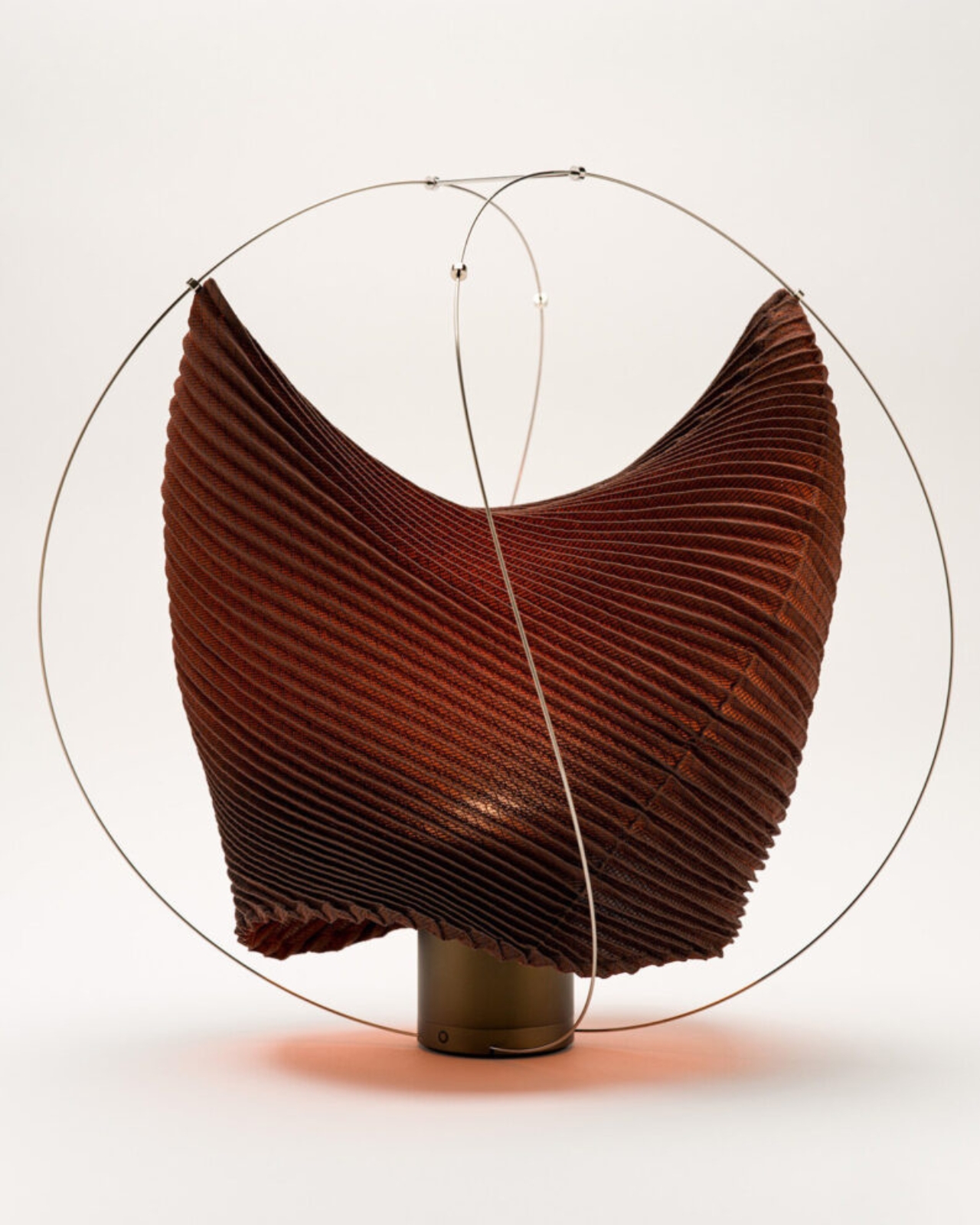
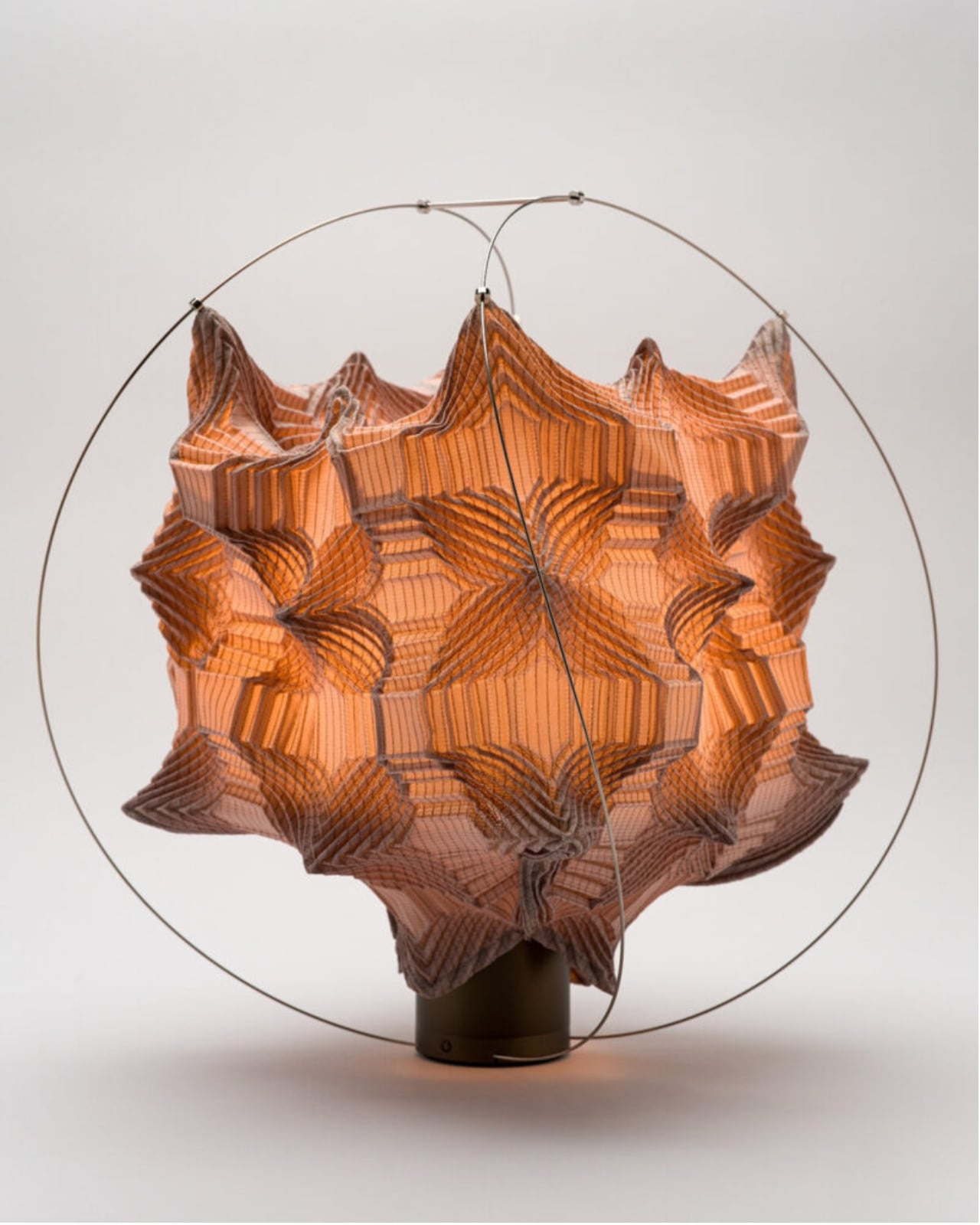
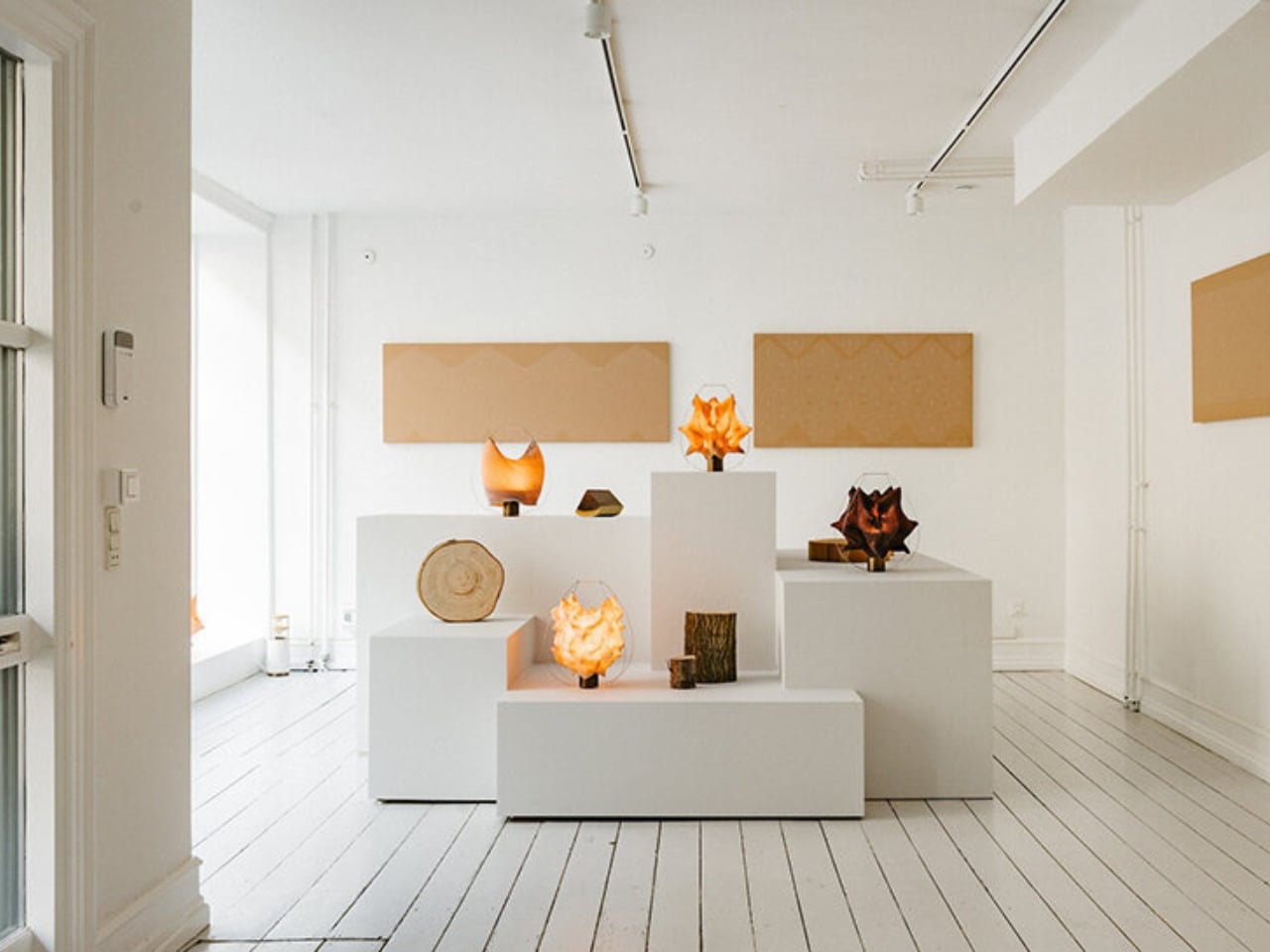
The second edition of the O Series was presented at 3 Days of Design in Copenhagen this past June, marking A-POC ABLE ISSEY MIYAKE’s debut at the festival. The new colors were inspired by nature, which feels right for a material that transforms through something as elemental as heat. The exhibition at Gallery 2112 was set up so visitors could actually handle the lamps rather than just look at them from a careful distance. That decision says a lot about the confidence behind the design. When you make something this considered, you want people to touch it.
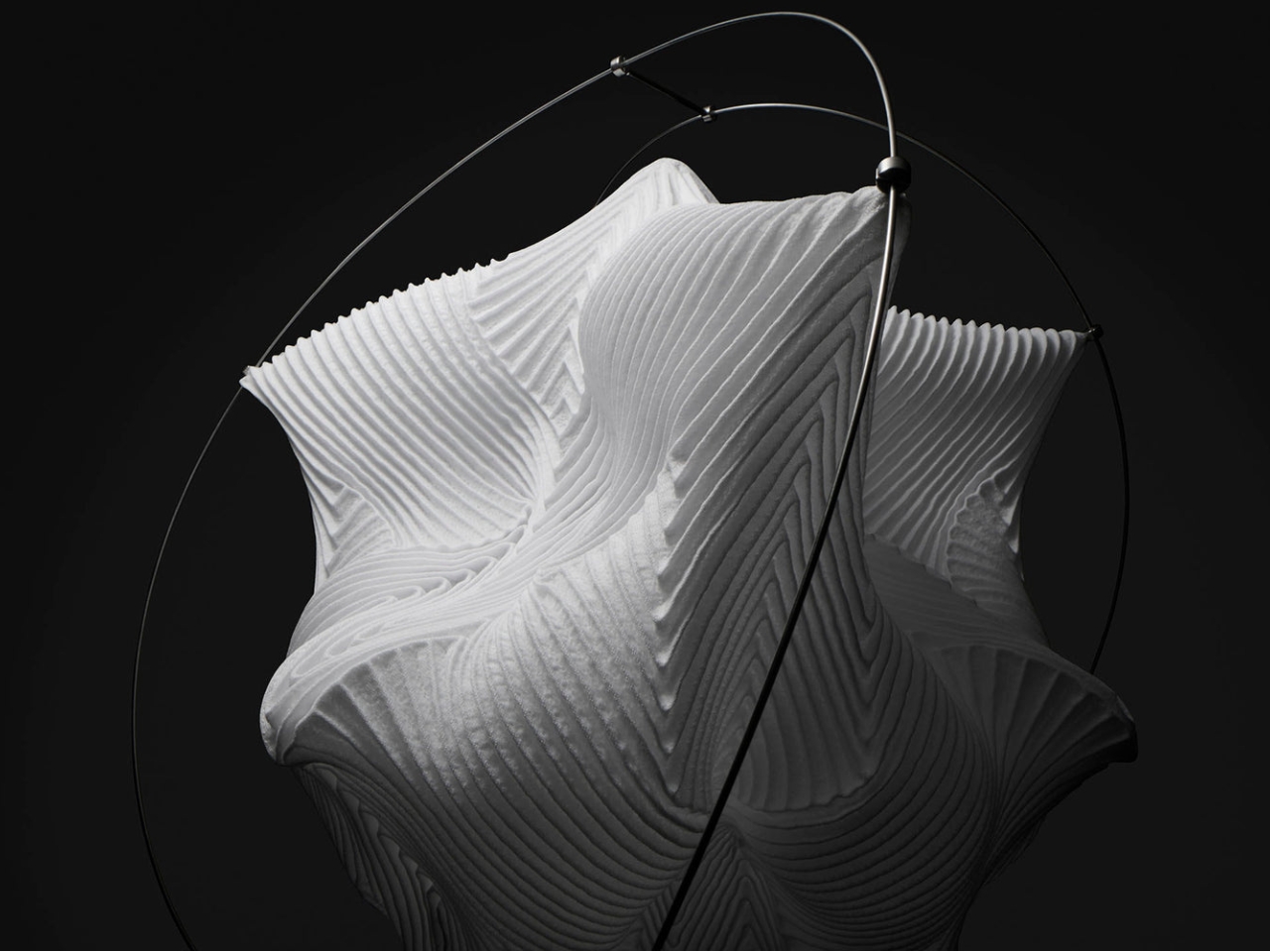
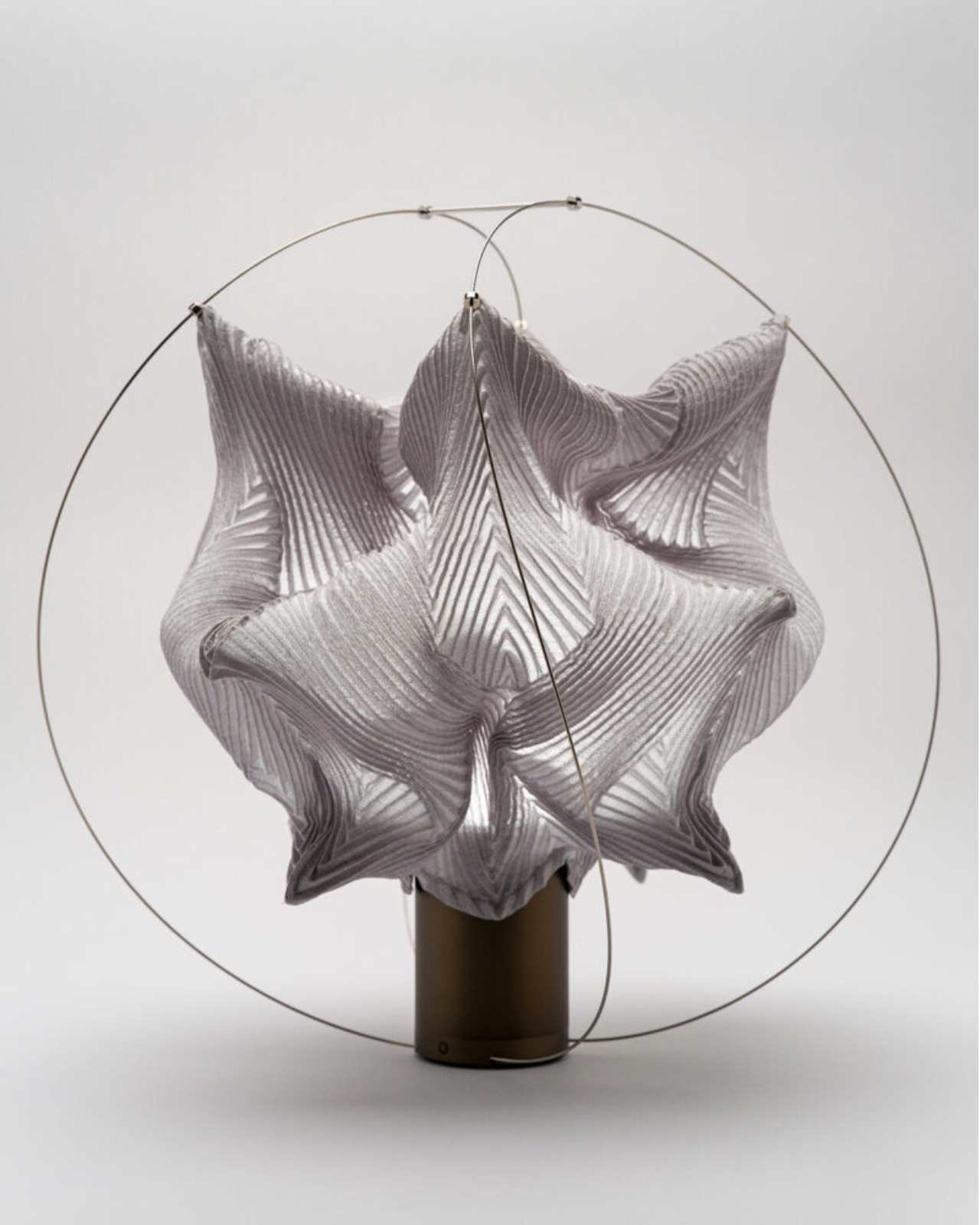
The collaboration is credited to designer Yoshiyuki Miyamae of A-POC ABLE ISSEY MIYAKE, working alongside atelier oï, with lighting expertise brought in from Ambientec. The TYPE-XIII project first debuted at Milan Design Week 2025, so Copenhagen represents a growing body of work rather than a one-off moment. That continuity matters. It suggests the two studios are genuinely exploring this territory rather than producing a collection for the press and moving on.
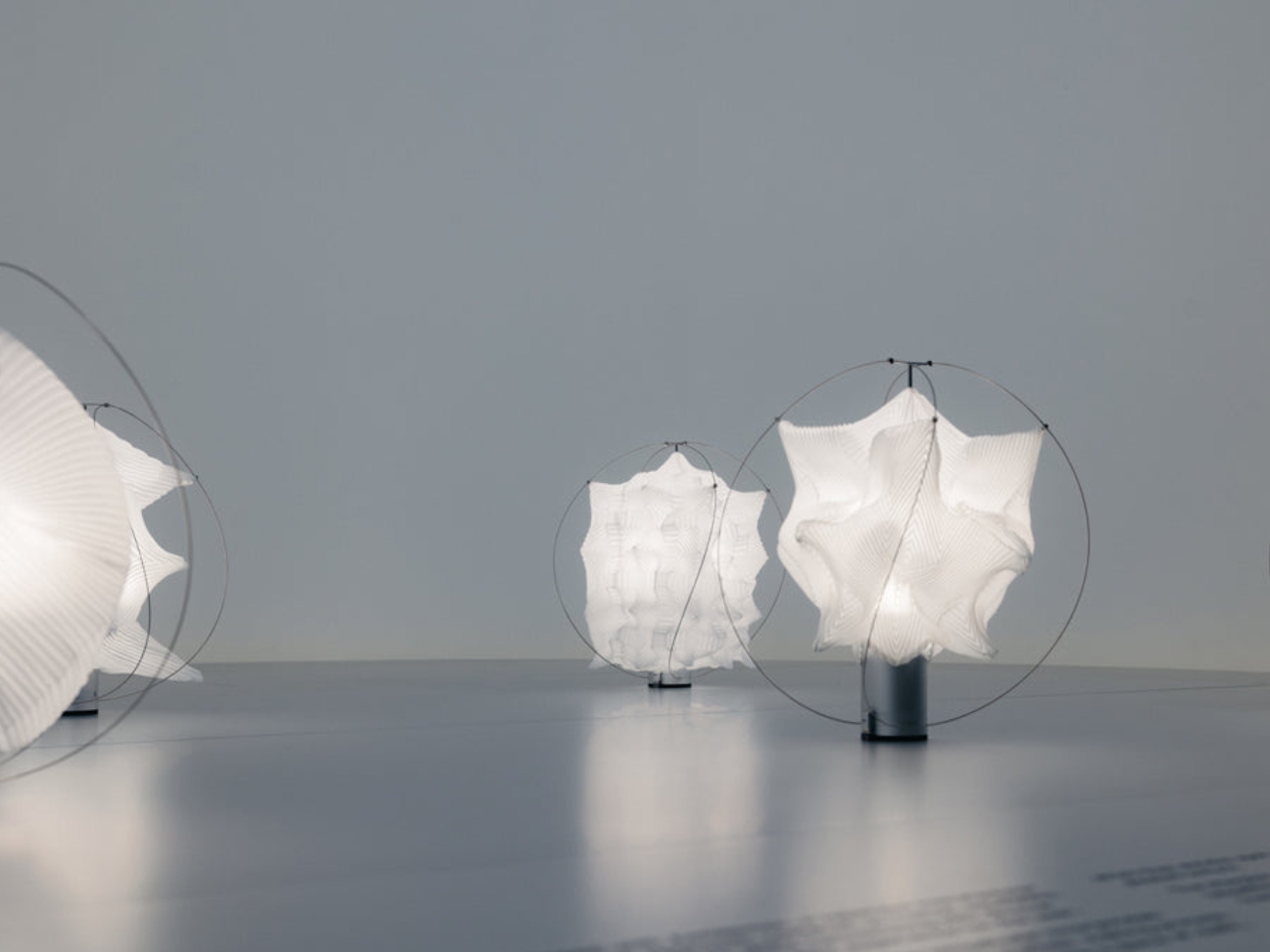
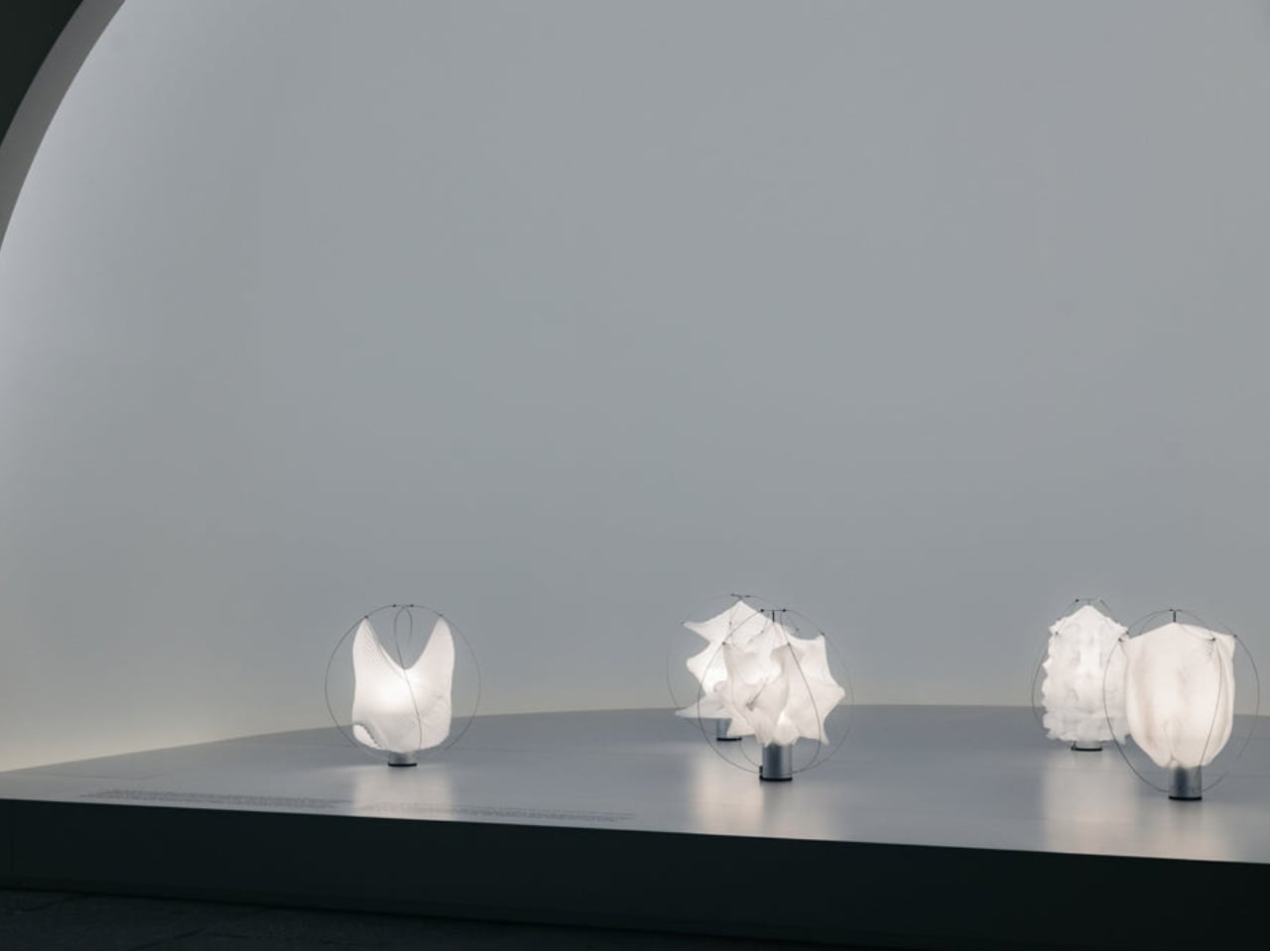
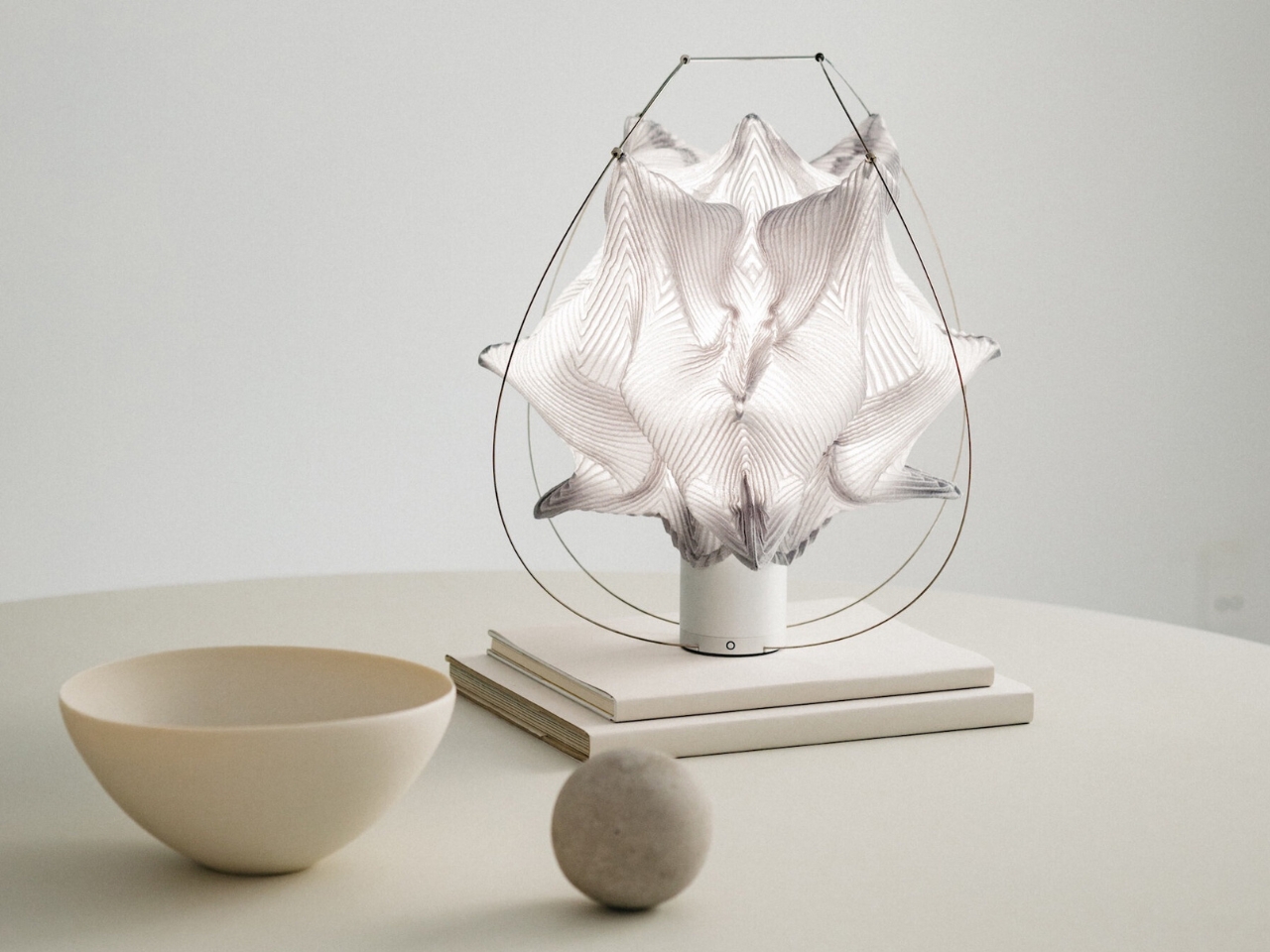
Somewhere in the details of the O Series is an idea that fashion has understood for decades: what you put in a room, like what you put on your body, can shift with context. The lampshade is interchangeable, almost seasonal. But unlike a cushion cover or a tablecloth, it arrives carrying real process. The structure comes from heat and fiber rather than scissors and glue, which gives it a kind of intellectual weight that most lighting objects simply don’t have.
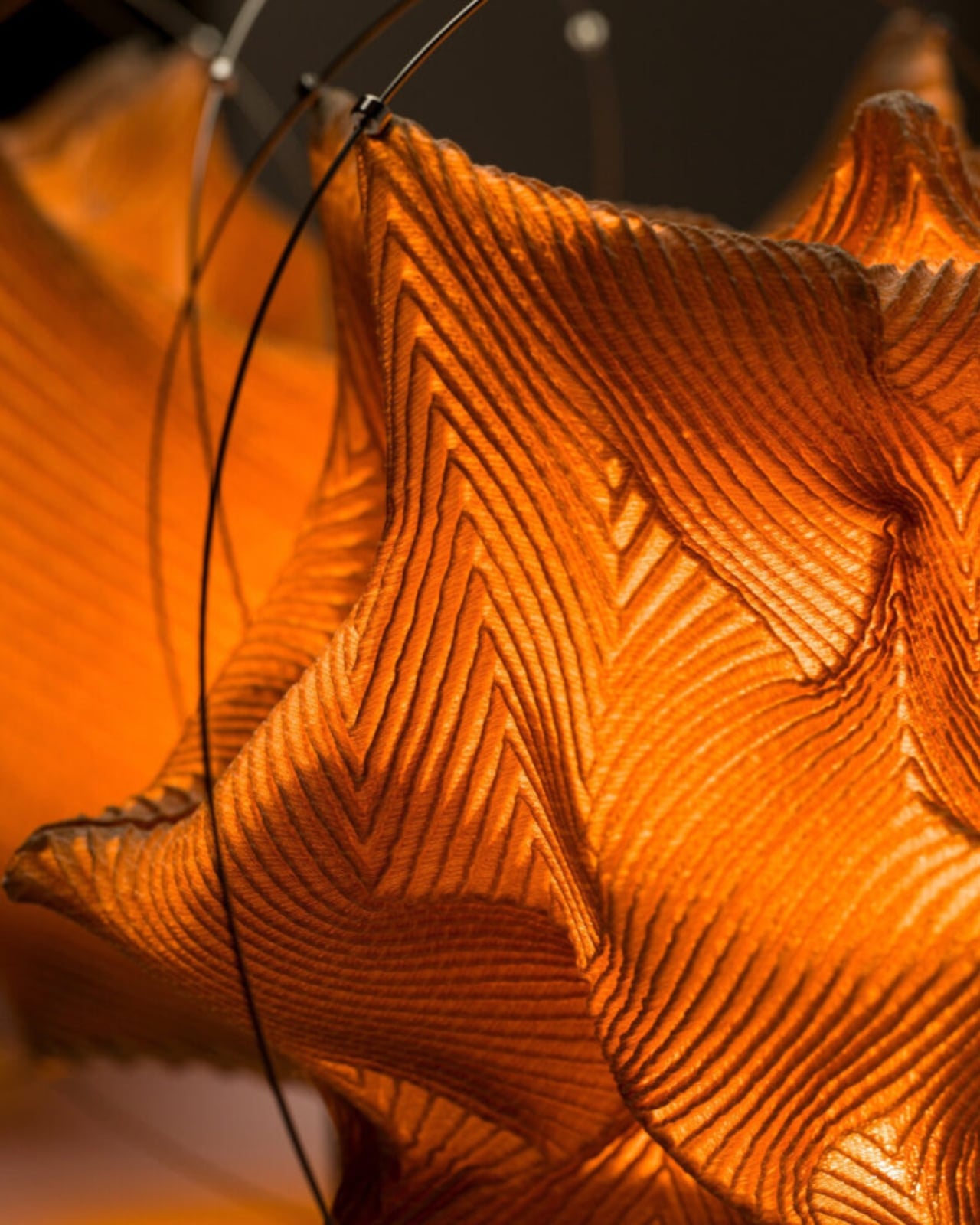
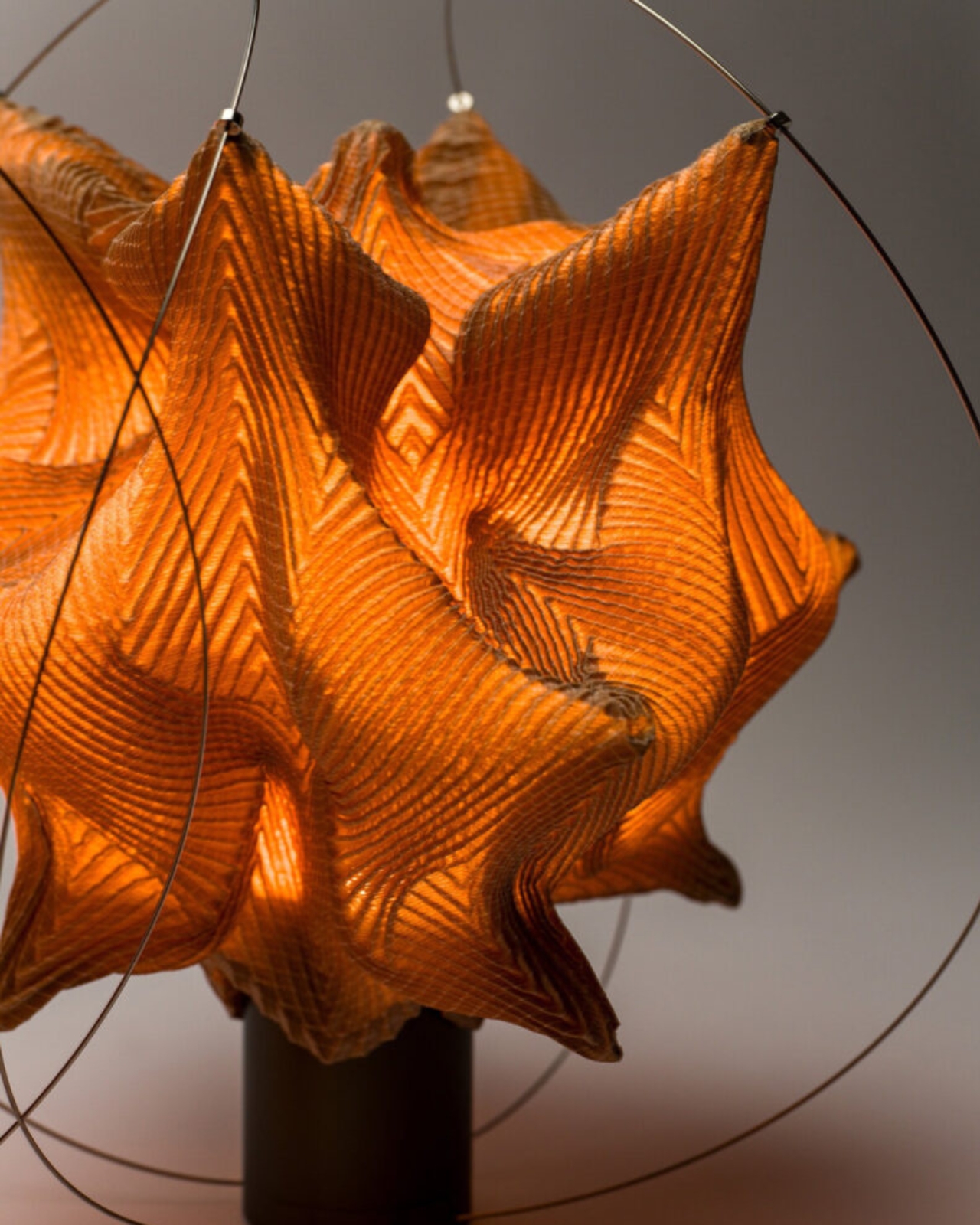
It’s also worth saying that the lamps are just beautiful. The pleating catches light with the same kind of movement and depth you’d expect from an Issey Miyake garment, and the oval wire frame reads as restrained and precise without being cold. The portable format means they’re not anchored to a single room or a fixed power source, which opens up how and where you might actually use one.
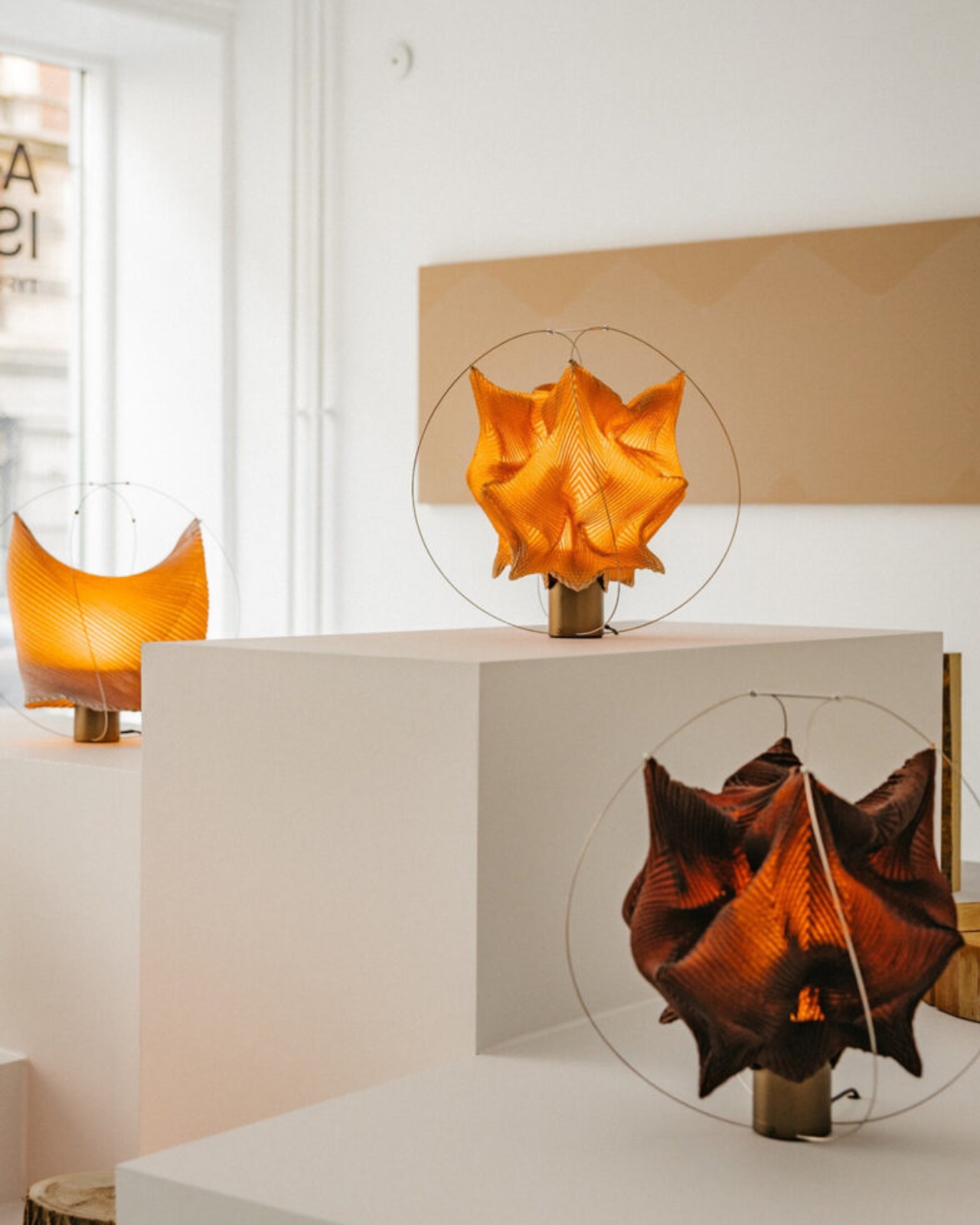
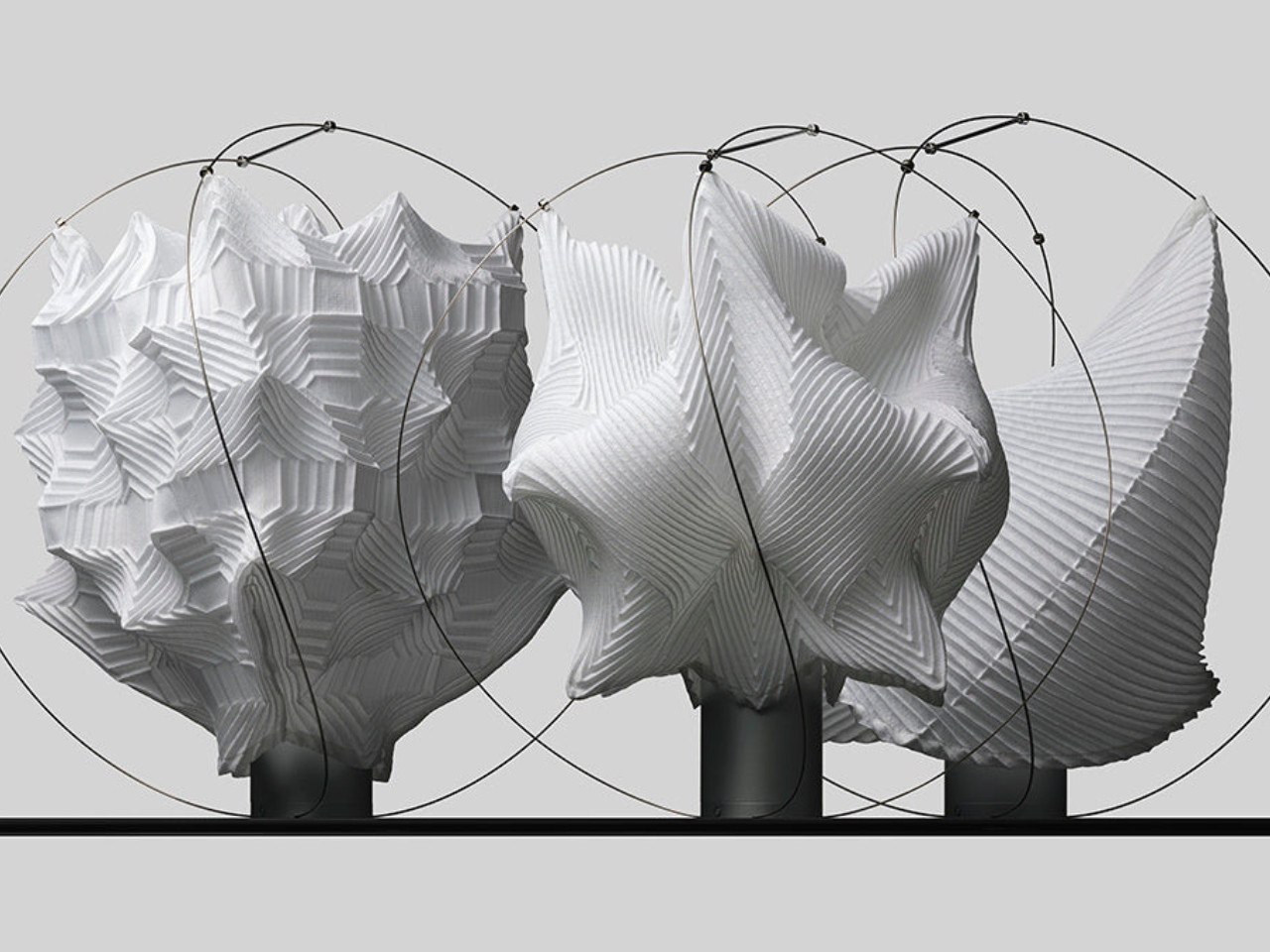
Design collaborations between fashion and other disciplines can easily feel like branding exercises, two logos on one object with little else to show for it. The TYPE-XIII Atelier Oï project is not that. It’s a real conversation between two studios that understand materials deeply, and the O Series is the kind of outcome that makes you reassess what a lamp can actually be. Cloth and wire. Pleat and light. Sometimes the most interesting objects are the ones with the fewest elements.
The post first appeared on .
Related Posts