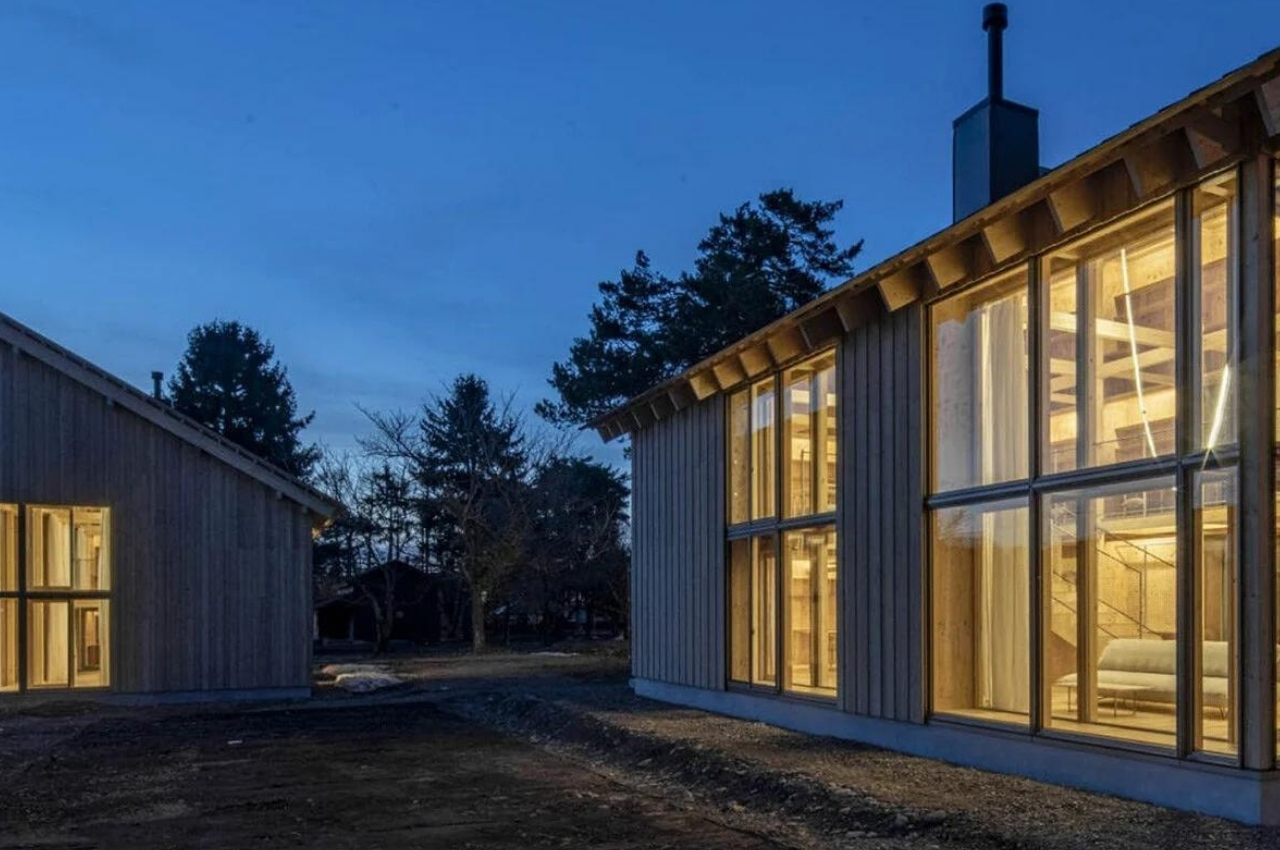
When you think of co-working spaces, you see either stark, minimalist interiors or more Google-like fun spaces if you’re more into having creative energy around you. But what if you could work in a space that is actually connected to your community and environment and brings nature to you (if that’s what actually surrounds you). And what if it’s the kind of office that you don’t mind actually temporarily living comfortably in that space?
Designer: Kengo Kuma
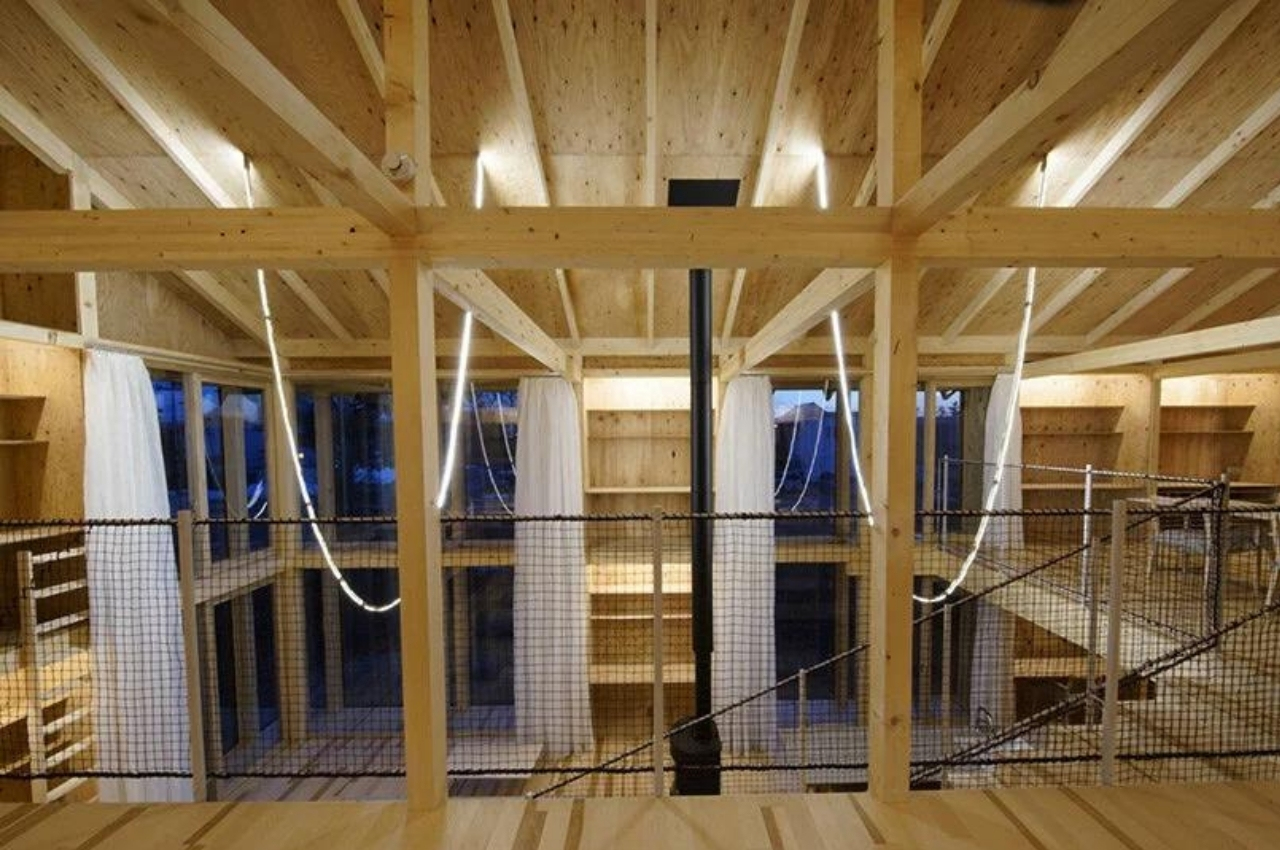
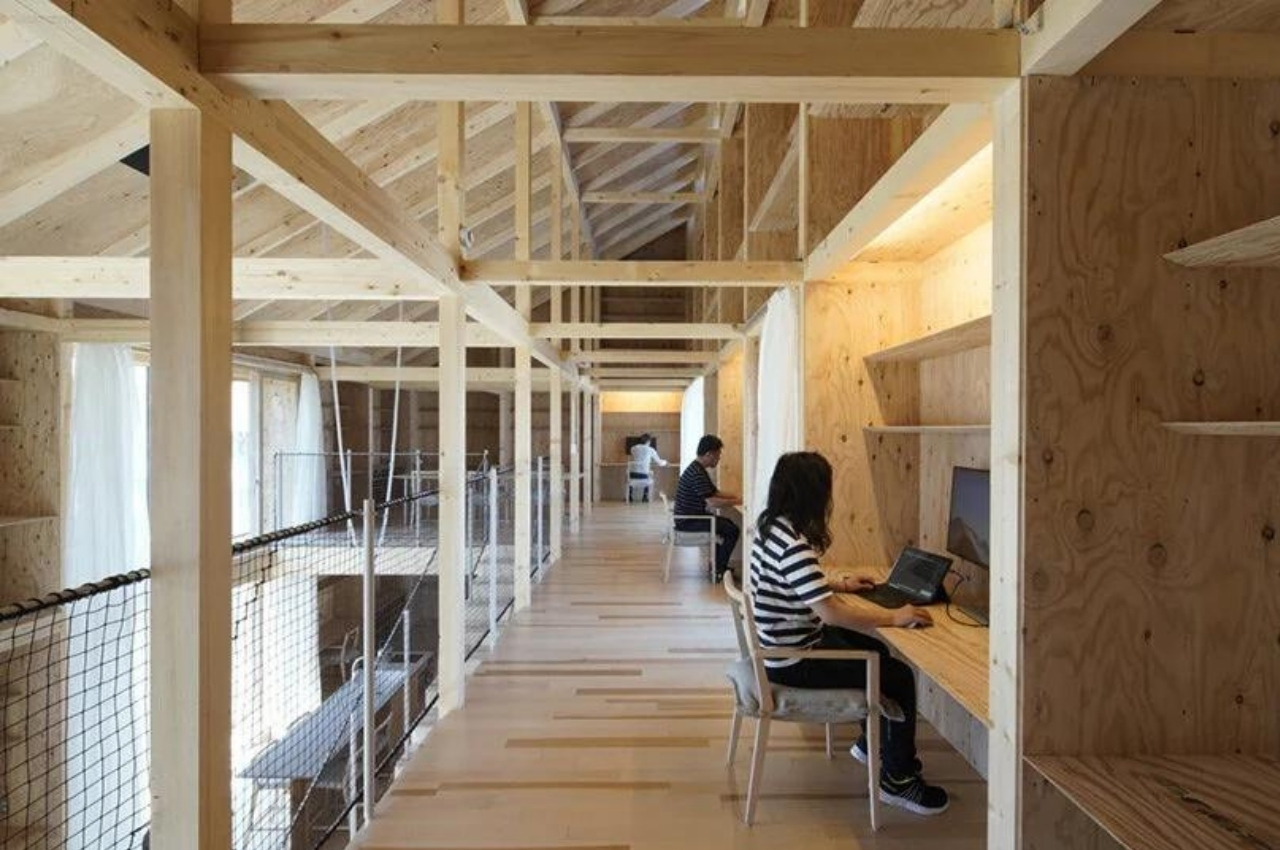
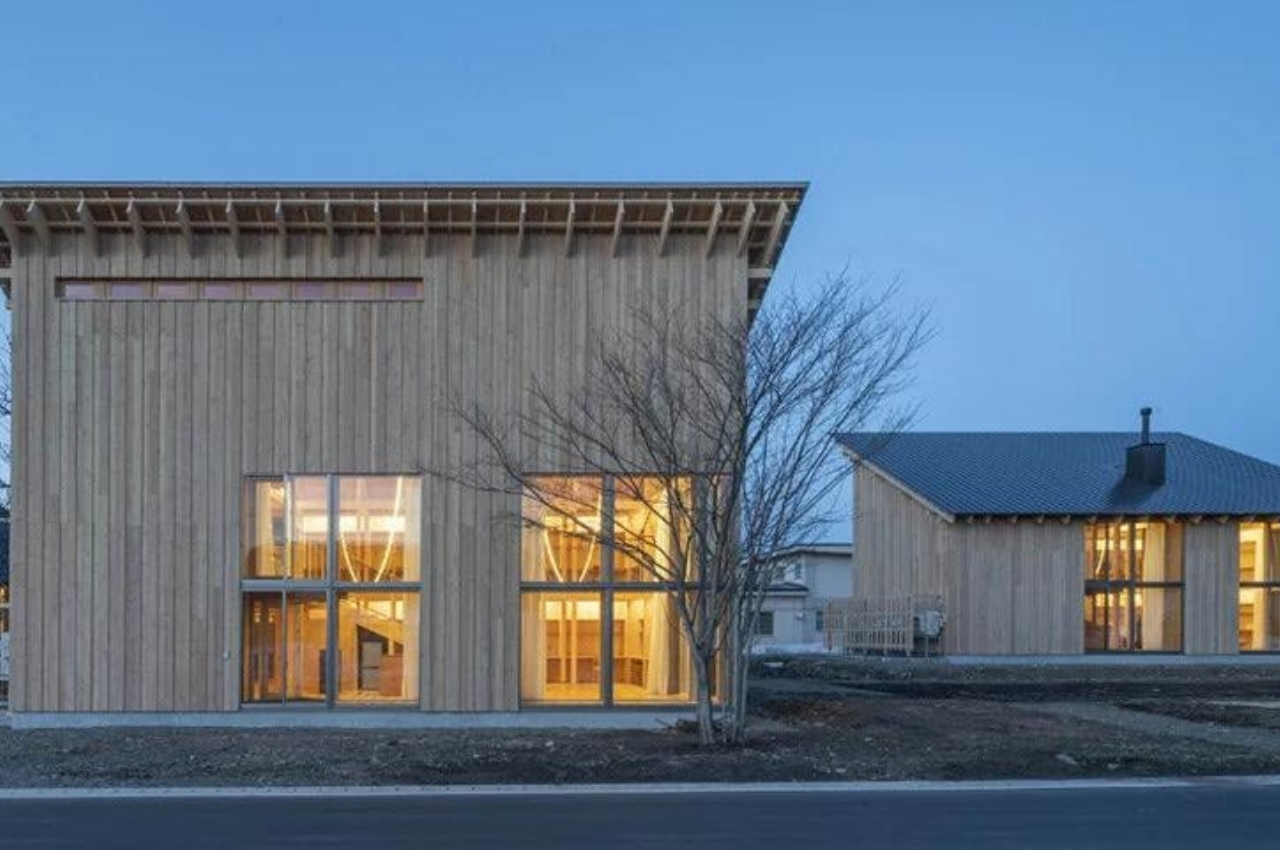
The Kuma Mobile Offices or KuMo Offices are satellite co-working spaces to be built around various places in Japan. These are not just for the employees of the architectural firm Kengo Kuma but can also be used by other people looking for temporary workspaces if they apply for membership. The first satellite office that they created is in Higashikawa, a city in the Hokkaido area. The place is known for wood production and has several furniture factories, some of which they collaborated with to create these offices.
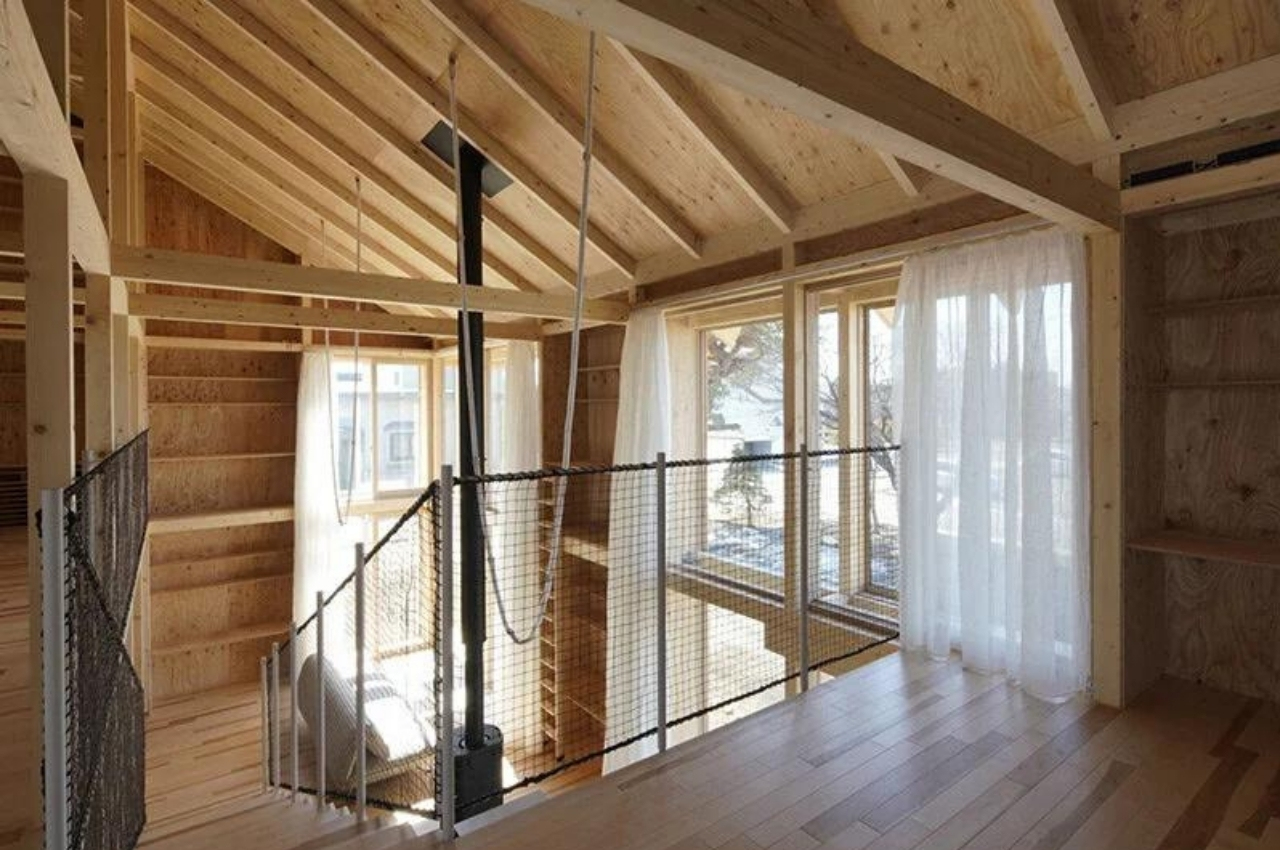
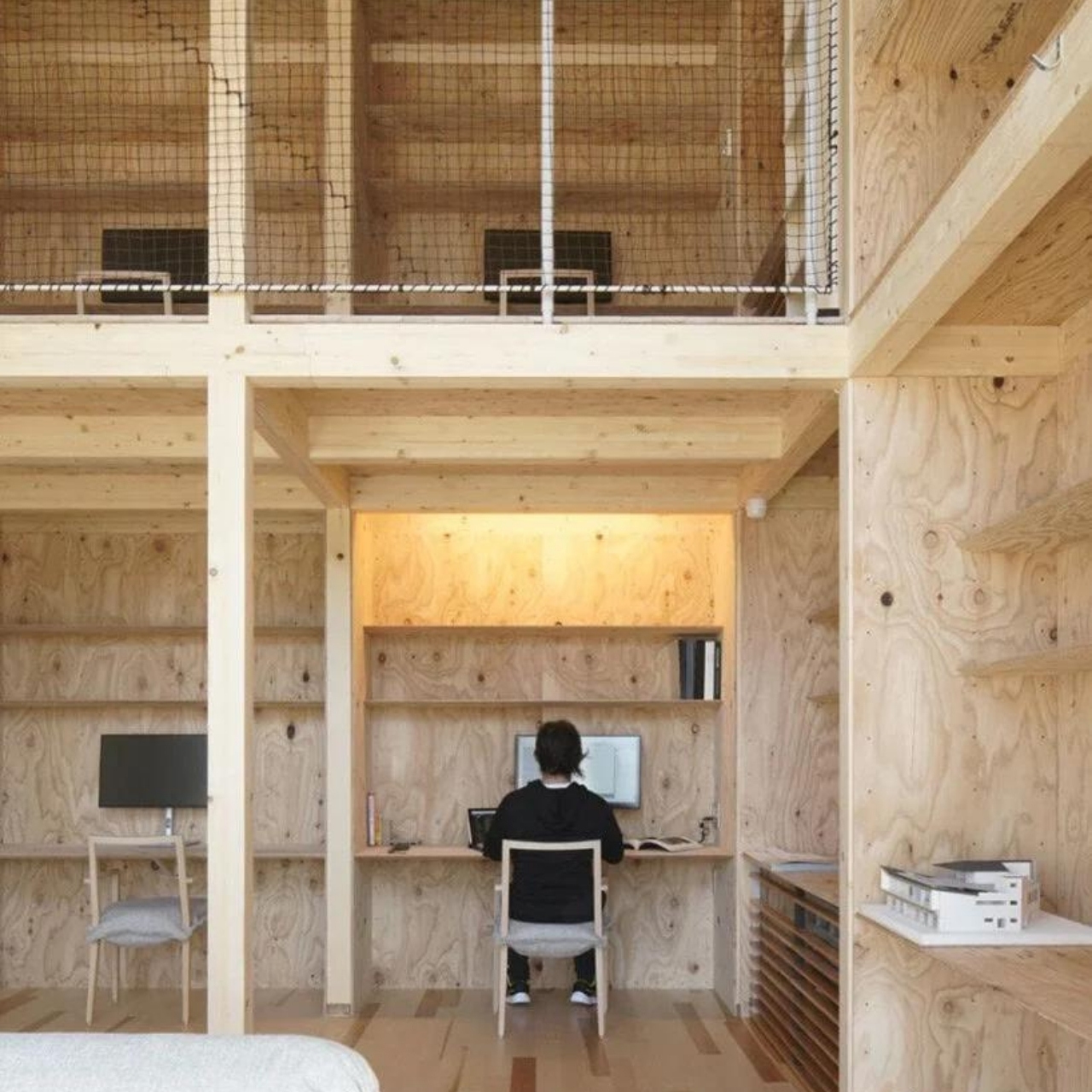
What makes them different is that these are wooden workspaces in keeping with the environment where they are standing. The materials that they used to build the cluster of three units are wood from Hokkaido, including the exterior walls and some of the interior elements. Each unit has a kitchen, restrooms, living area, and of course since this is an office, a meeting room. Each building can fit around 12 people and it is connected to the existing city street. The offices will of course be interconnected as well.
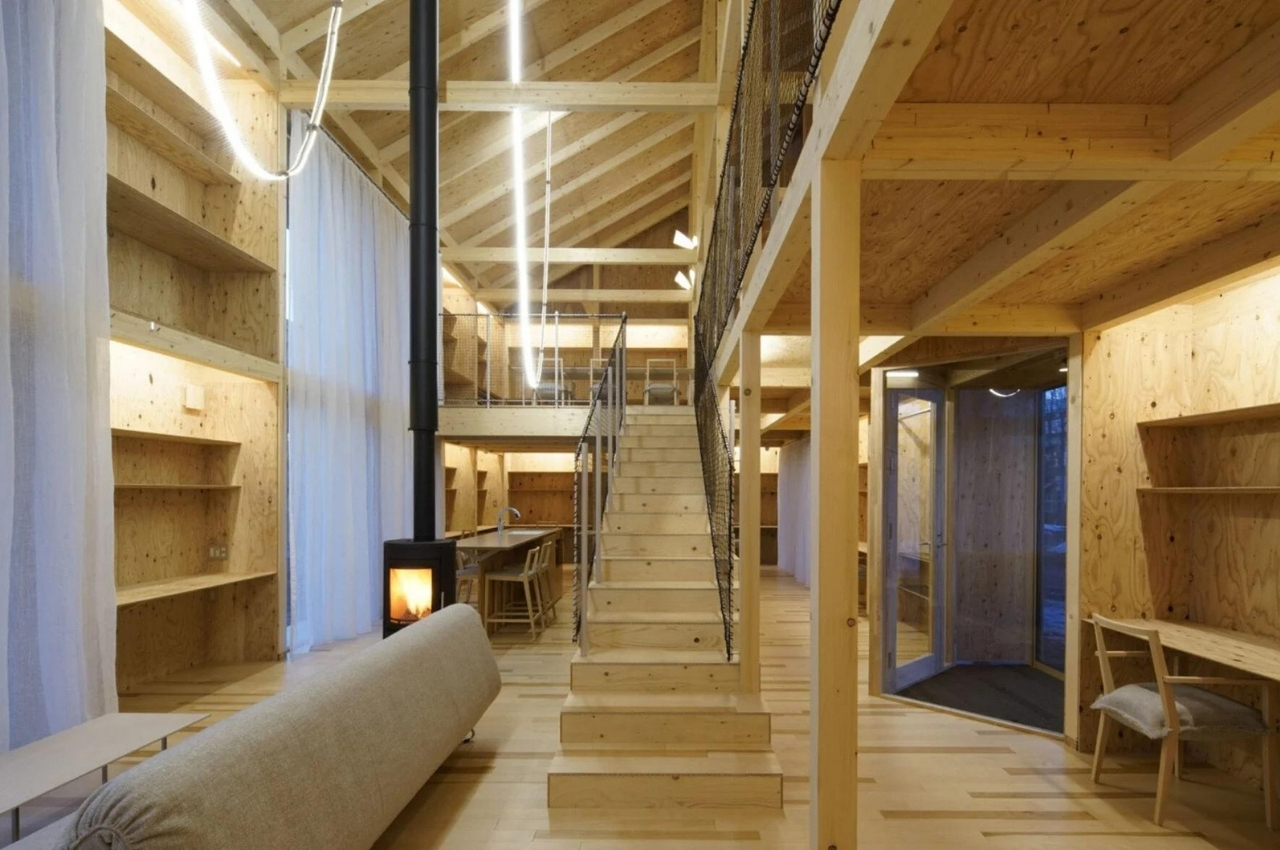
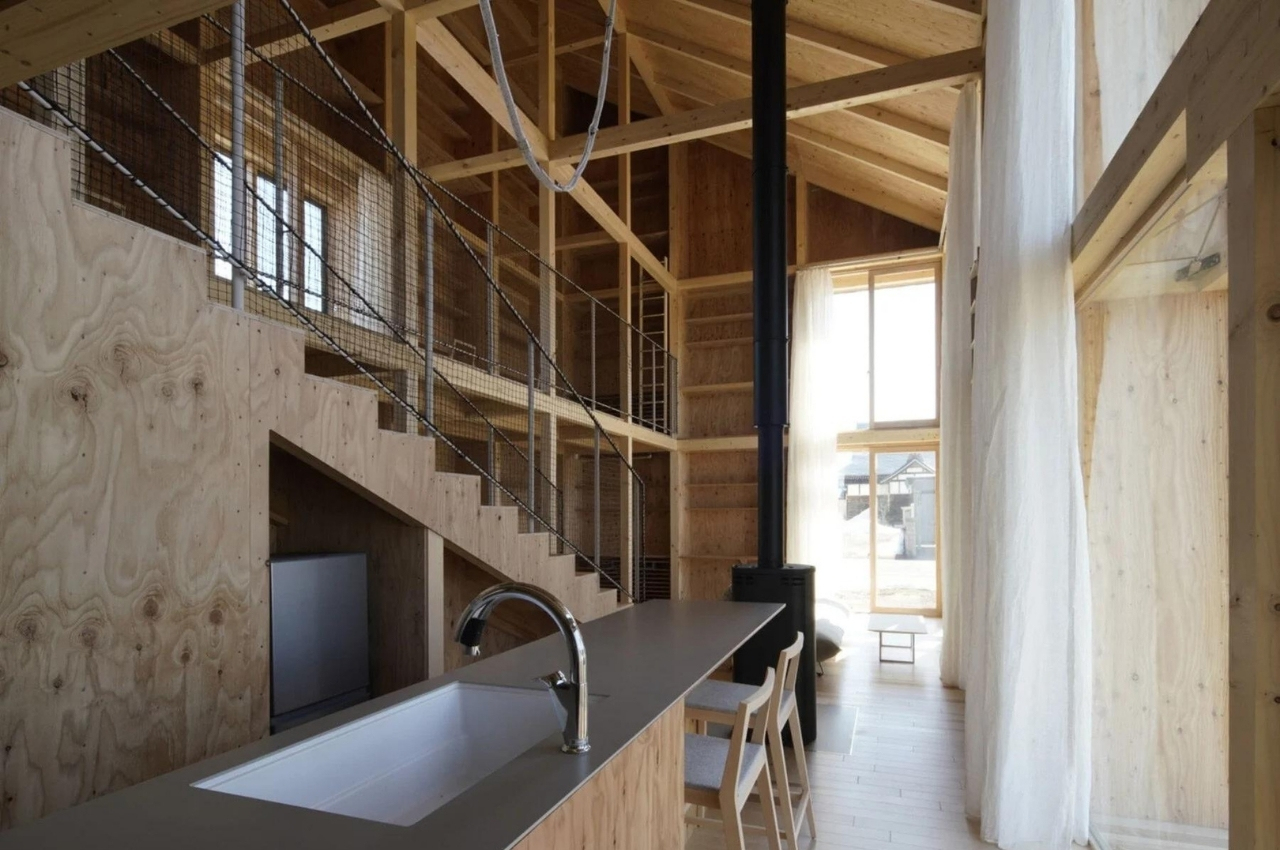
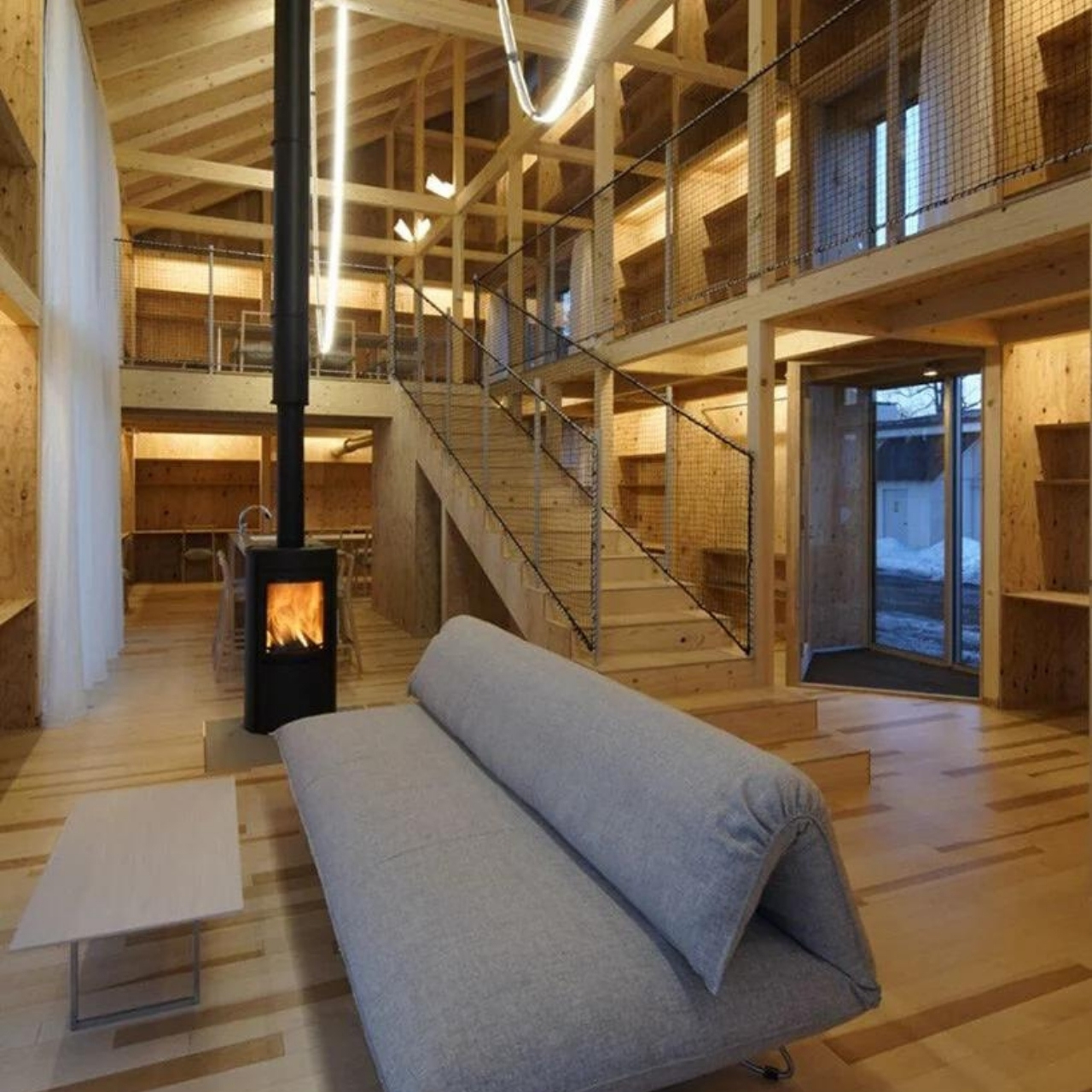
One of the pieces of furniture they built in the office serves as a shelf and a work area and it is actually integrated into the building. This is part of how they designed the workspaces to be integrated into their environment, seamlessly blending into the wooded surroundings of the city. The KuMo Offices are also connected to the municipal library adjacent to it. They are planning to create more spaces like this in other places in Japan so we’ll see how they can integrate it into their respective environments as well.
The post first appeared on .
Related Posts