I have lost count of how many lamps I have tossed simply because one piece failed. A shade cracked, a joint snapped, a cord frayed, and the whole object went in the trash even though ninety percent of it still worked fine. That is the quiet math behind most home lighting today: a single point of failure decides the fate of the entire piece.
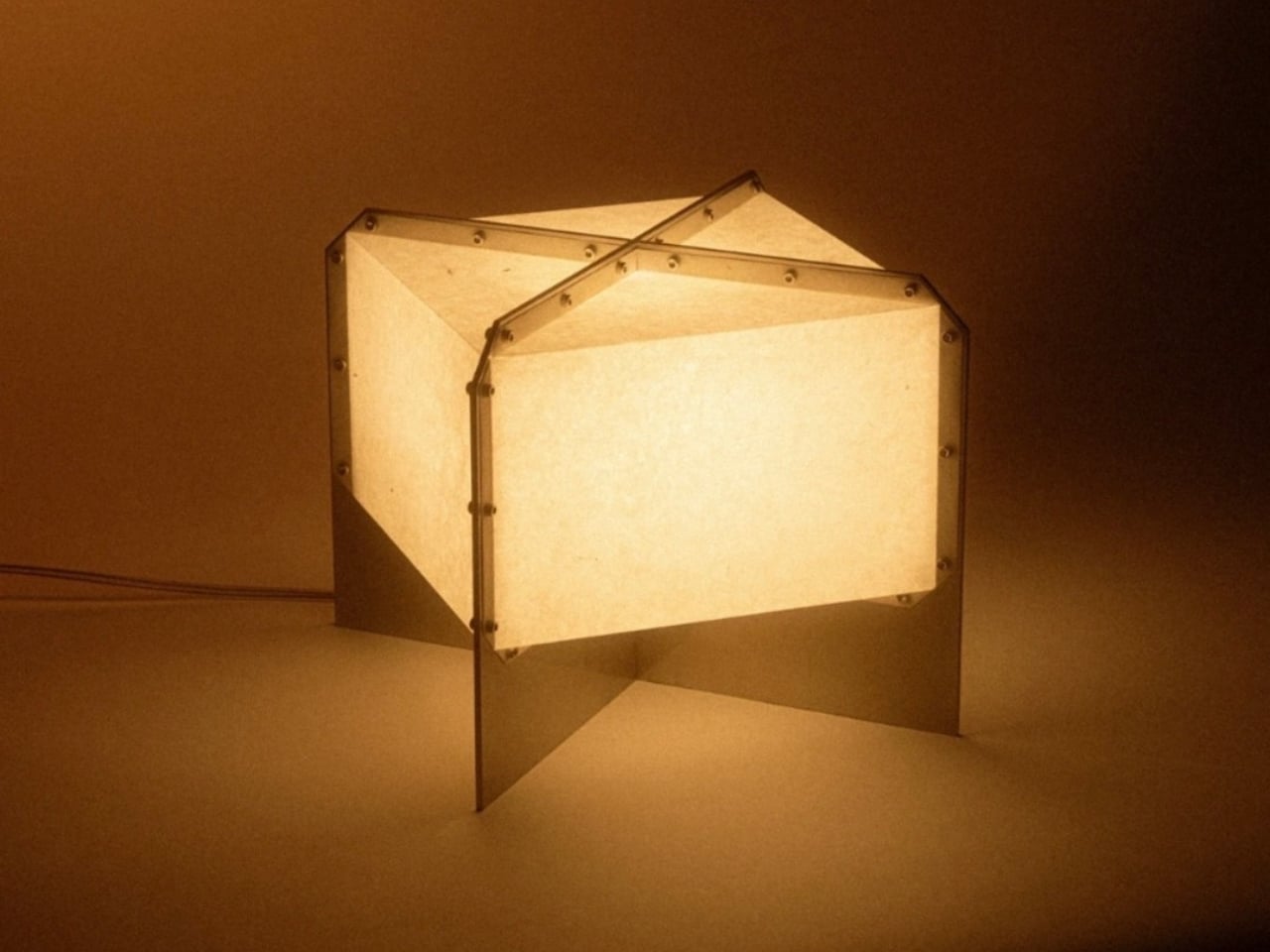
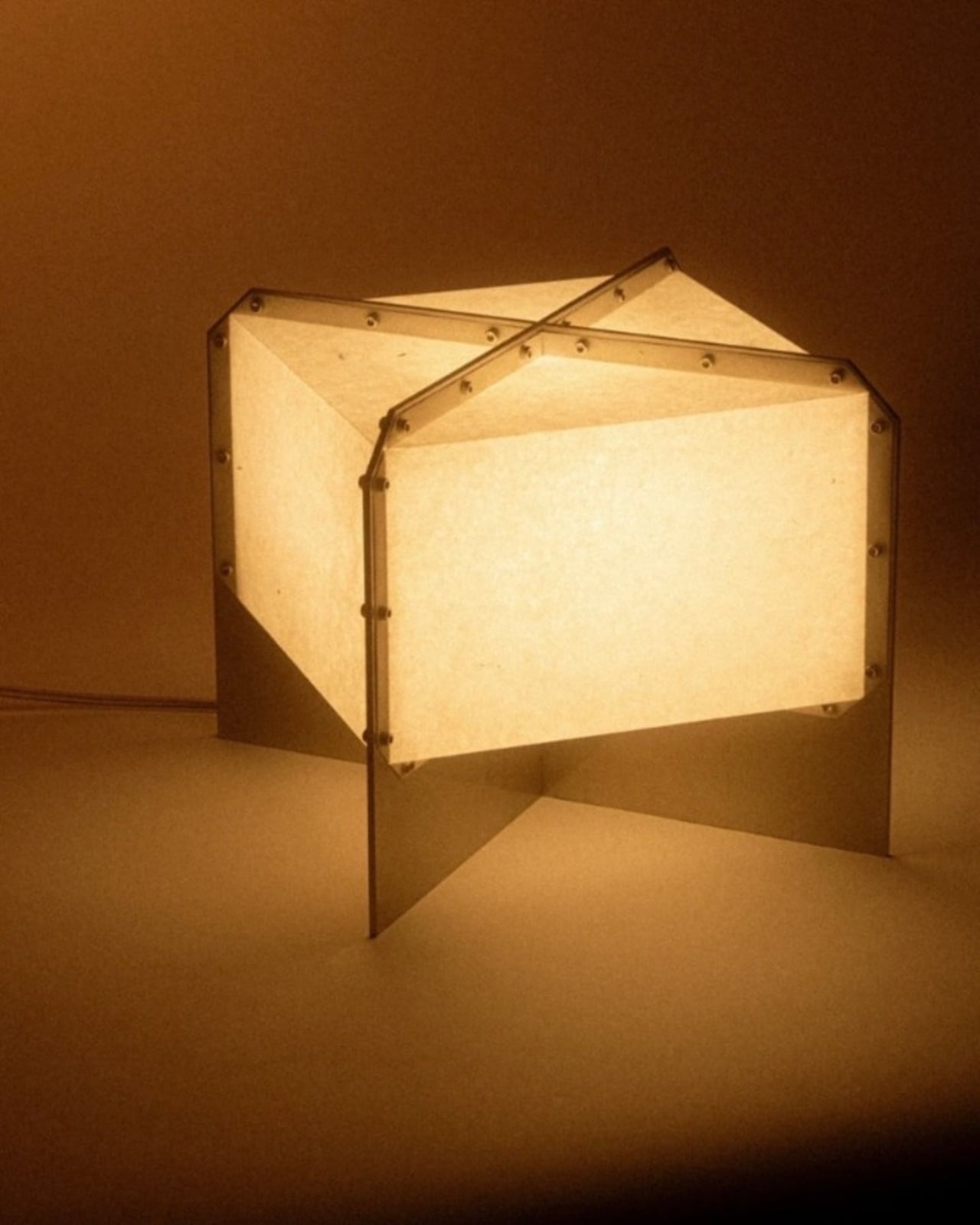
German designer Luis Frey seems to have noticed the same thing, and he built an actual answer to it. His ORI Lamp, developed in 2025 as part of his graduation project RECONNECT at the University of Applied Sciences in Munich, pairs a handmade abaca paper shade with an on-demand manufactured stainless steel frame. The idea sounds simple until you realize what it actually fixes. If the paper panel yellows, tears, or just gets boring, you replace the panel. Not the lamp. Not the wiring. Not the frame that took skilled fabrication to produce.
Designer:
I like that this distinction was intentional. Frey’s broader design practice, as he describes it, looks at how objects can “regain significance and emotional value” in a culture built on mass production and fast consumption. That is not a small ambition for a table lamp, but ORI backs it up with actual construction choices rather than a mission statement pinned to a product page.
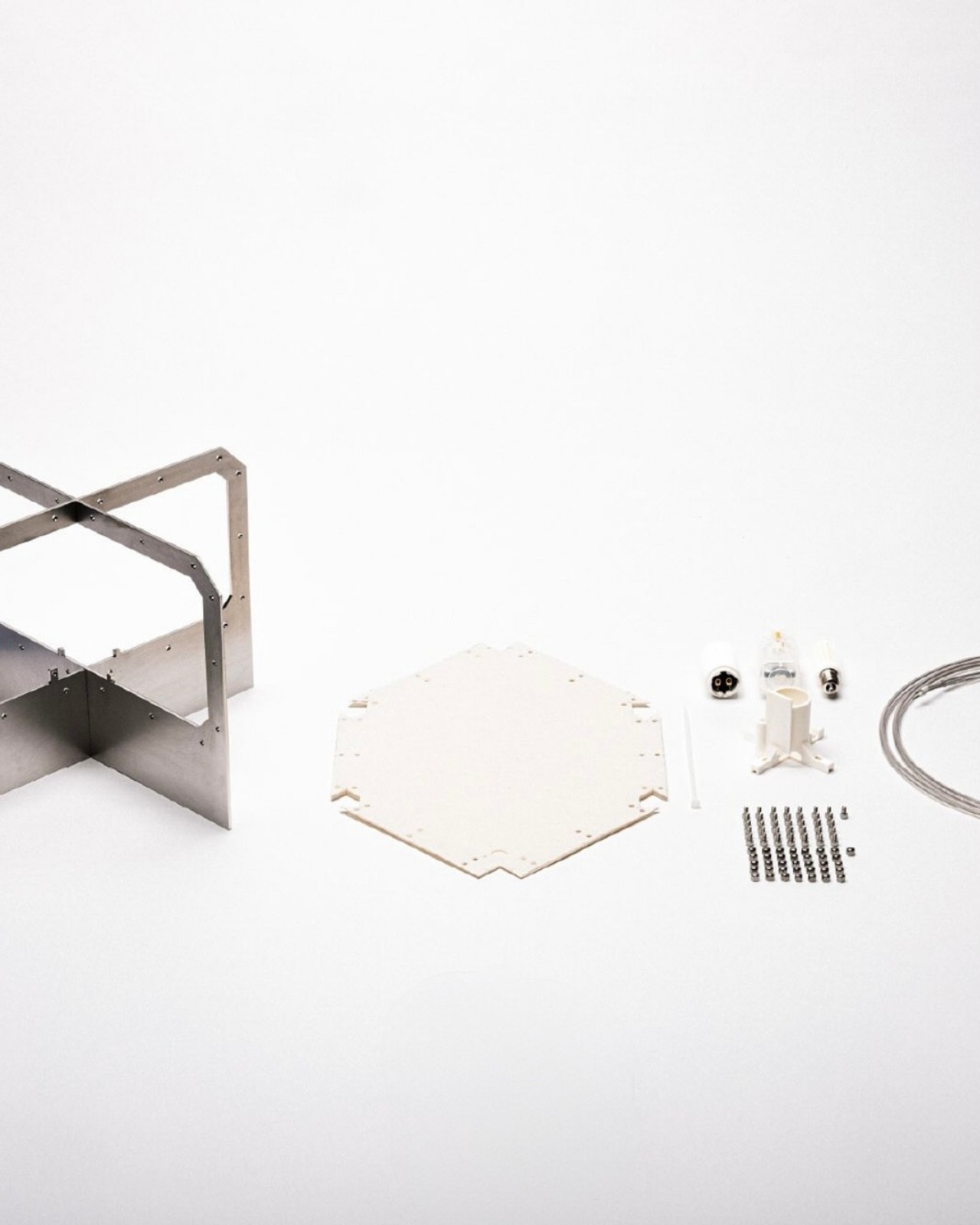
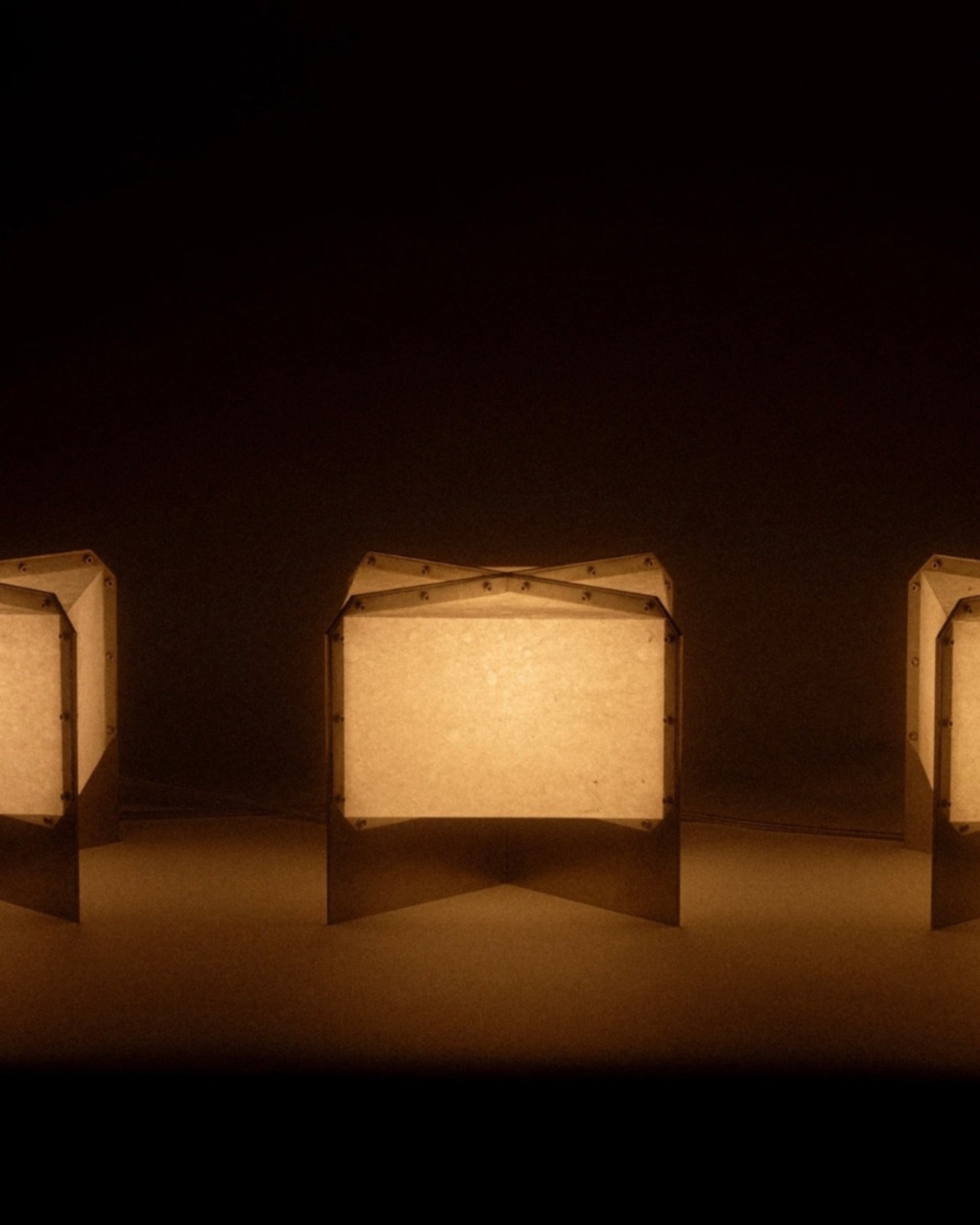
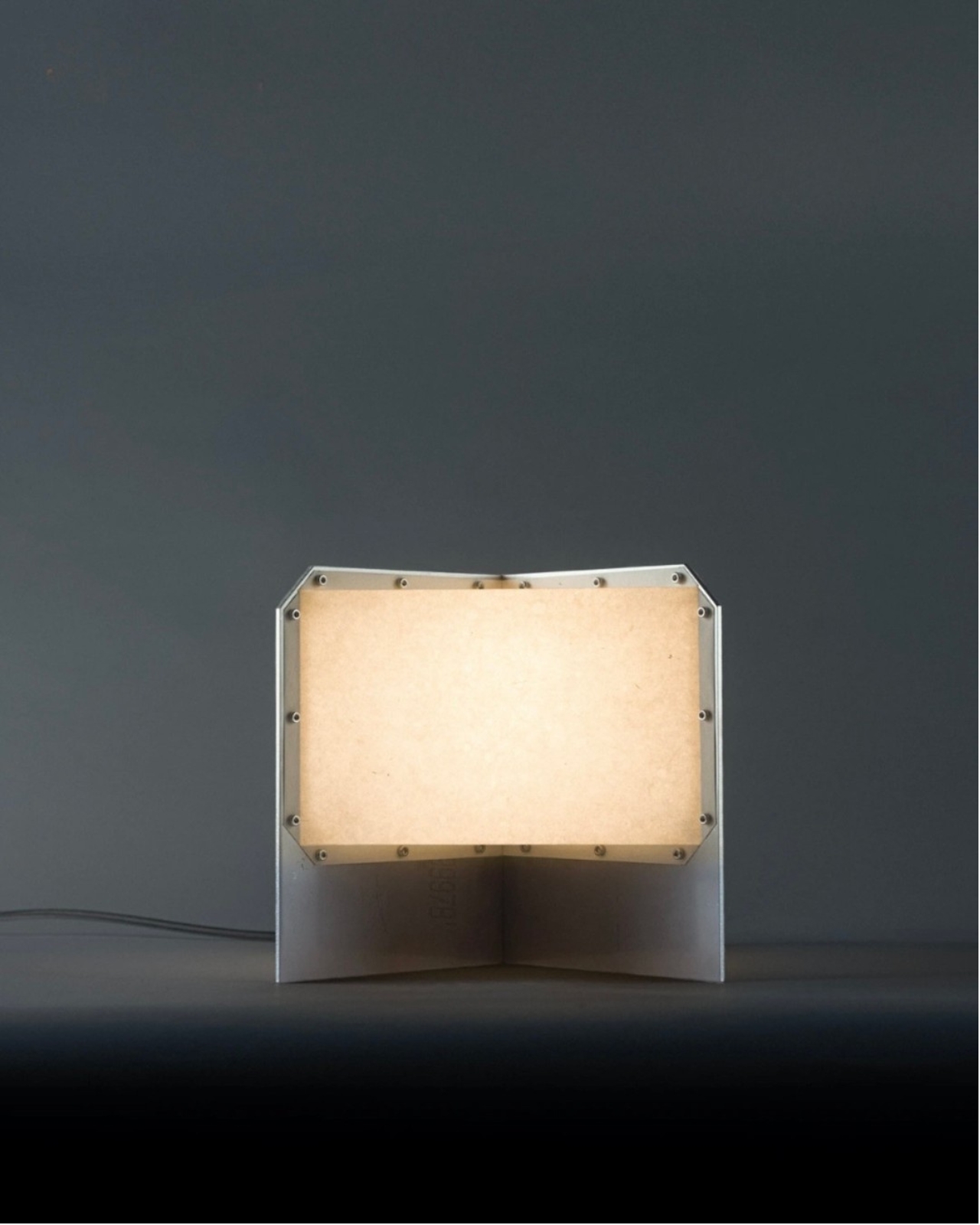
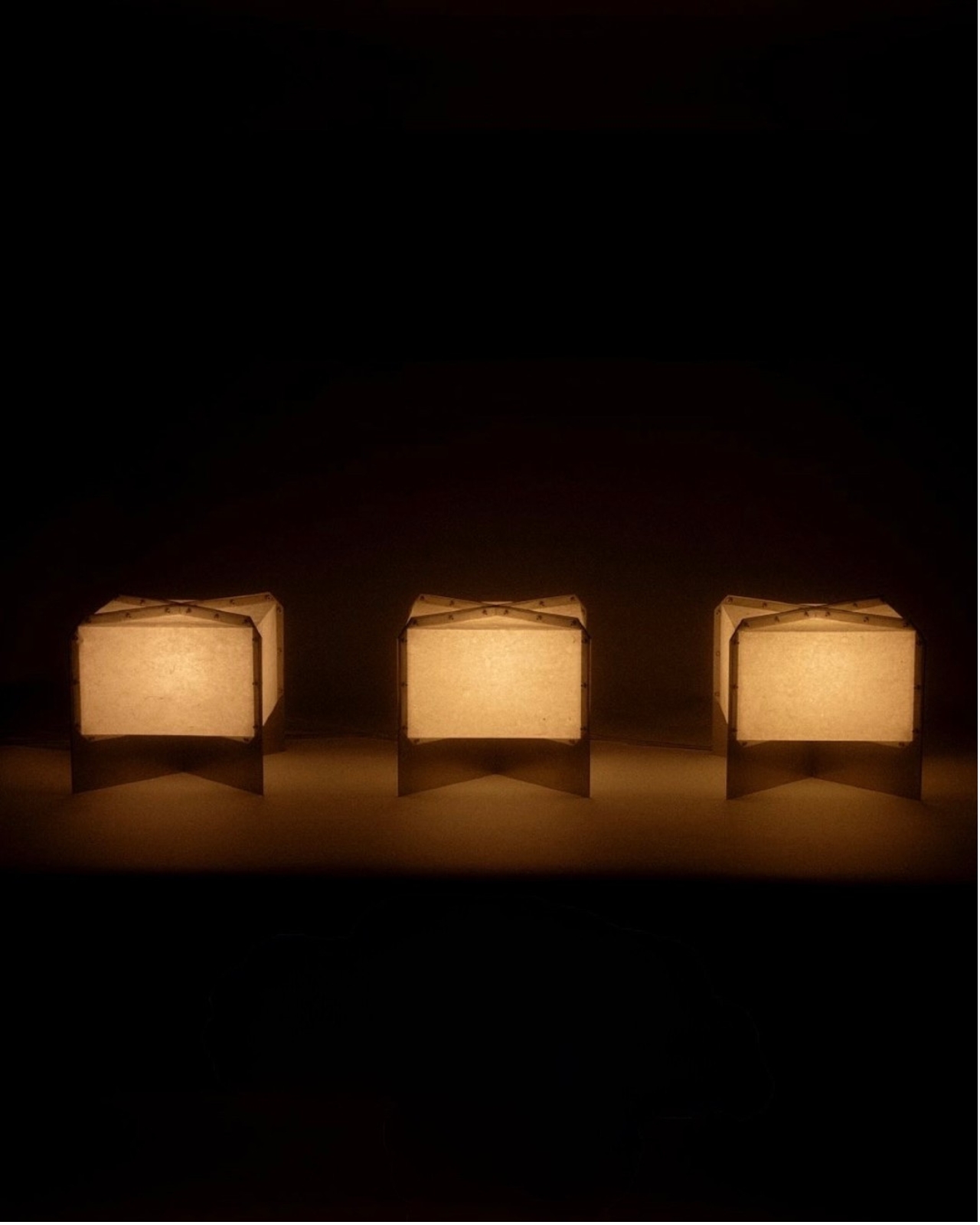
The name gives away the mechanism. “Ori” is the Japanese root for folding, and the lamp leans into that fully. The steel frame itself folds flat, the same geometry that lets the paper shade wrap into a faceted, almost crystalline form when the light is on. It photographs beautifully, all warm amber glow through fibrous paper, but the fold is not just there for looks. A frame that folds flat is a frame that ships flat, cutting down on the bulky packaging that usually accompanies anything with actual structural steel in it.
What actually got my attention was the kit. One of Frey’s images lays out every component separately: the folded steel skeleton, a single hexagonal paper panel, a socket, a bulb holder, a coil of cord, and a small pile of screws. No proprietary connectors, no glued seams you would need a factory to undo. It reads less like a finished product and more like an instruction set, the kind of transparency that flat-pack furniture promises but rarely delivers once you actually try to fix something years later.
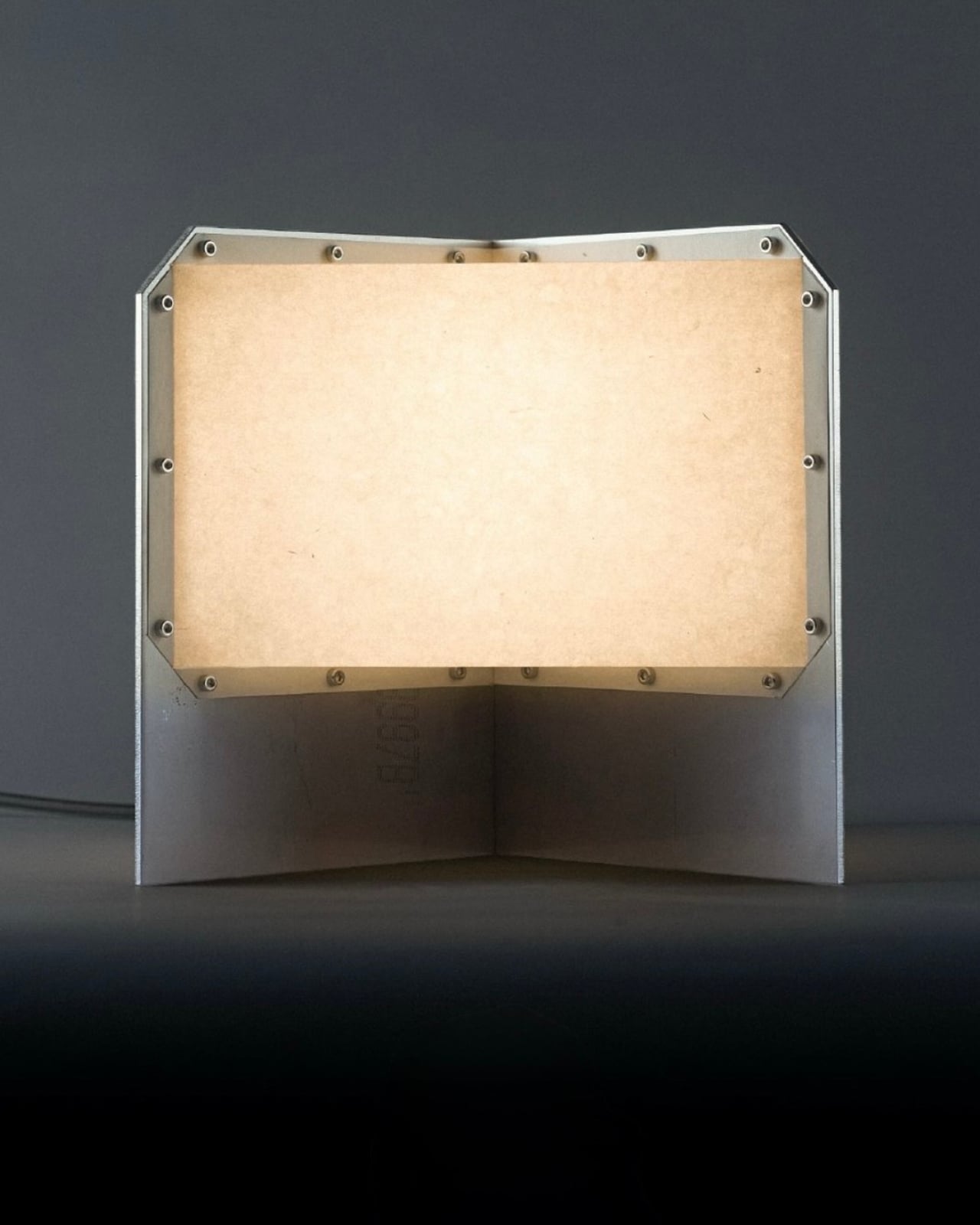
That transparency is the part worth sitting with. American shoppers have spent the last decade buying into cheap, fast home goods, Wayfair hauls and Amazon lamps that cost less to replace than to repair. It has been convenient, and it has also quietly trained us to treat lighting as disposable rather than durable. ORI pushes against that without lecturing anyone about sustainability. Most lamp designers never even tried.
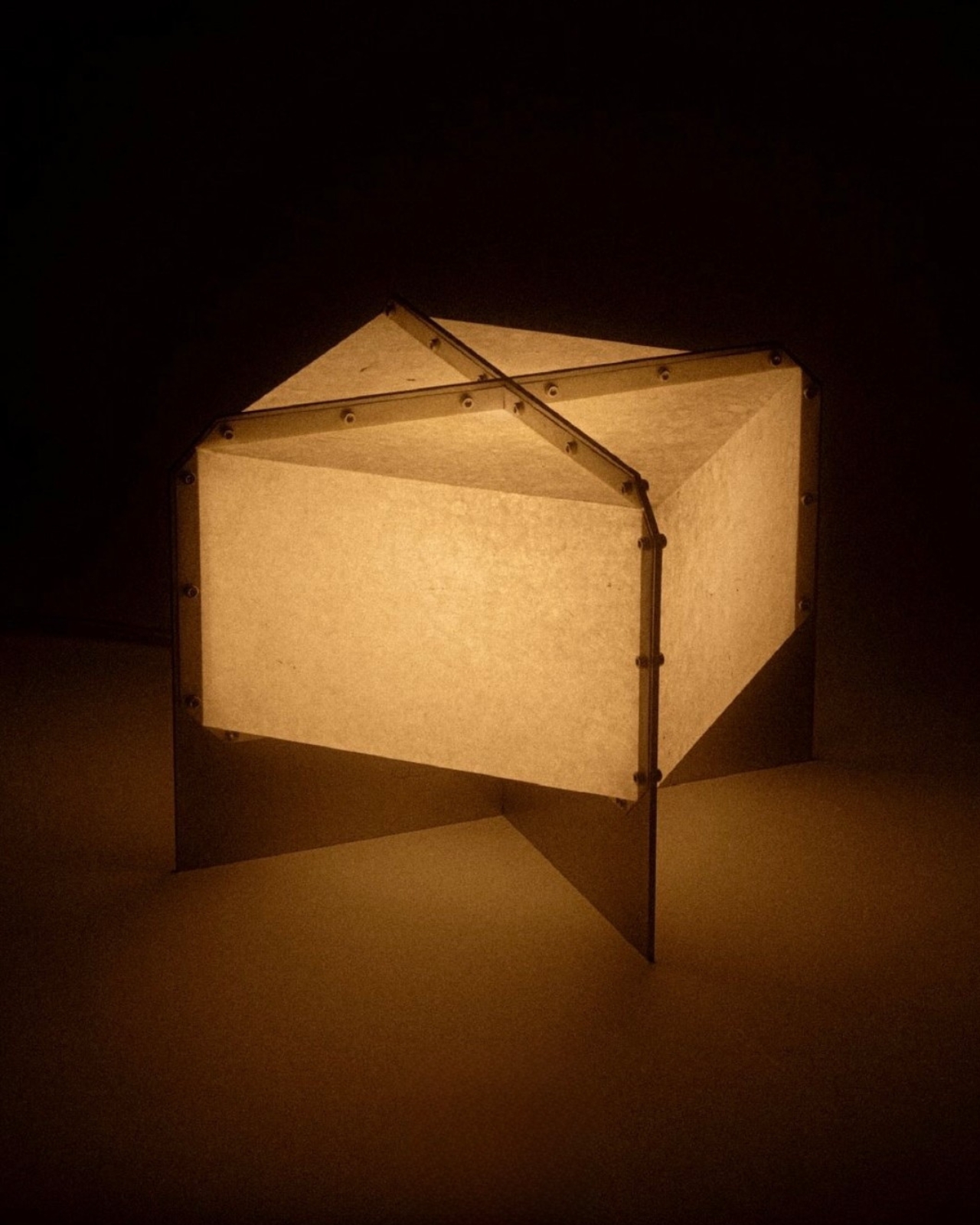
The abaca paper itself deserves credit too. It is handmade, fibrous, slightly uneven in a way that machine-cut materials never are, and it diffuses light with a softness that plastic shades cannot fake. There is an obvious nod to traditional washi and shoji lighting in the warm, paper-filtered glow, but the steel skeleton keeps it from reading as a costume of another culture’s craft. It feels more like a genuine hybrid, industrial precision holding up something handmade and imperfect on purpose.
None of this makes ORI a mass-market fixture yet. It is still a graduation project, shown at a few design exhibitions rather than sitting on store shelves. But it points at something the lighting industry has mostly ignored: repairability as a design feature rather than an afterthought. I would rather own one lamp I can maintain for a decade than five I replace every two years, and ORI is the only piece I have seen lately that actually treats that preference as worth designing for, not just marketing around.
The post first appeared on .
Related Posts