Last Updated on February 16, 2026 by
Most people think about building a deck when the weather gets nice. You’re outside more, you notice your neighbor’s new setup, and suddenly you’re browsing Pinterest for deck ideas. But here’s something most homeowners don’t realize: building during the off-season can save you anywhere from 15% to 40% on your total project cost. That’s real money. On a typical $15,000 deck, we’re talking about $2,000 to $6,000 staying in your pocket instead of going to inflated peak-season prices.
The concept is straightforward. When demand drops, prices follow. Contractors aren’t booked solid, material suppliers want to move inventory, and everyone’s more willing to negotiate. Plus, you’ll actually get your contractor’s attention instead of being one of fifteen jobs they’re juggling.
Understanding Seasonal Pricing in Deck Construction
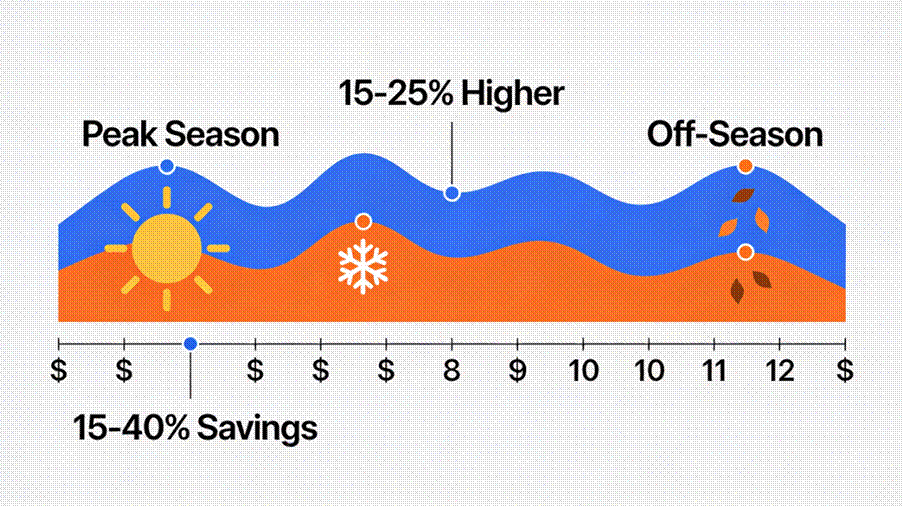
During peak season (roughly May through August), contractors know they can charge top dollar. They’ve got more work than they can handle, so why would they discount? Material suppliers also experience a similar spike in demand. Lumber yards, composite manufacturers, and hardware distributors all raise prices when everyone’s buying.
Off-season is a different story. A contractor with an empty calendar in November is a motivated contractor. They’ve got crews they want to keep busy and bills that don’t stop just because it’s cold outside. Many will drop their labor rates by 15% to 25% just to keep work flowing. Materials follow a similar pattern, with distributors offering discounts of 10% to 30% off retail prices to clear inventory.
Here’s what that looks like in real numbers. Say you’re planning a standard 300-square-foot deck with composite decking. Peak season, you’re looking at around $15,000 total. Build the same deck in late fall or winter, and you might pay $11,000 to $13,000. That’s $2,000 to $4,000 saved, just by being smart about timing.
Fall: The Sweet Spot for Deck Building

September through November is probably your best window. The weather’s still decent, materials behave properly, and the pricing advantages kick in hard.
Why fall works so well:
- The temperature is ideal for construction not too hot, not freezing
- Lower humidity means adhesives and sealants cure properly
- Contractors have time to focus on your project without rushing
- Material suppliers run aggressive clearance sales (20-40% off)
- Building departments process permits faster with less volume
- Your deck is ready when spring arrives, while others wait in line
The contractor situation inthe fall is night and day compared to summer. That builder who couldn’t return your call in June? In October, they’re calling you back within hours. You’re not competing with twenty other homeowners for their time.
Permitting goes faster, too. Building departments aren’t slammed in the fall, so your application actually gets reviewed instead of sitting in a pile for three weeks. Less waiting means your project starts sooner and finishes before the ground freezes.
Winter Building: Maximum Savings with Strategic Planning

December through February offers the absolute lowest prices you’ll see all year, but it comes with complications. If you’re in a mild climate or you’re smart about how you approach it, winter can work.
Labor rates bottom out because contractors are desperate for work. Material costs drop even further than fall. Nobody’s buying decking in January, so suppliers will deal.
Winter construction challenges:
- Frozen ground prevents digging post holes or pouring footings
- Shortened daylight hours limit productive work time
- Weather delays from snow, ice, and freezing rain
- Some adhesives won’t cure properly below 40 degrees
- Pressure-treated lumber can be brittle when freezing
Where winter works best: mild climates, decks on existing foundations, or using the time for planning and permitting while locking in winter prices for spring construction. That last option is brilliant. You contract with a builder in January at January prices, finalize all details and permits, then they break ground in March when conditions are workable.
Late Winter/Early Spring: Beating the Rush

March and April are the “early bird” window. You’re not getting rock-bottom winter pricing anymore, but you’re still well below peak season rates. More importantly, you’re first in line before things get crazy.
Contractors are starting to book up, but they’re not full yet. If you reach out to a deck-building near you in early March, you’re grabbing one of the first available slots. Pricing hasn’t hit summer peaks yet you might save 10% to 20% compared to June rates.
Weather’s workable but not perfect. The ground has thawed in most places, so footings can go in. But you’re dealing with mud season in some regions, and spring rain can cause delays.
The real win is timing. Your deck gets finished by May or June, which means you get full summer use while other people are still waiting for their contractor to even start.
How to Maximize Off-Season Savings
Smart strategies for bigger discounts:
- Book 2-3 months ahead, even for off-season projects
- Sign up for supplier emails and jump on end-of-season clearance sales
- Give contractors flexible date ranges for a 5-10% additional discount
- Bundle planning and permits in winter, construction in early spring
- Ask directly about off-season promotions (most don’t advertise them)
- Get three quotes minimum to ensure competitive pricing
- Consider buying materials yourself during major sales if the contractor allows
- Negotiate payment terms; some offer discounts for upfront winter payment
Watch for material sales and act fast. One homeowner saved $3,000 on composite decking just by buying during a November closeout sale. If you can say “sometime between October 15 and November 15” instead of demanding a specific start date, many contractors will discount just for the scheduling flexibility.
Actually, ask about off-season promotions. Most contractors don’t advertise them, but they exist. When you’re getting quotes in fall or winter, straight-up ask if they offer off-season discounts. Worst case, they say no. Best case, they knock 15% off without you even having to negotiate.
Making Your Decision
Off-season deck building isn’t complicated. You’re trading perfect weather for serious money savings and better contractor attention. Fall gives you the best balance of good conditions and low prices. Winter maximizes savings but adds risk, especially in cold climates. Early spring lets you beat the rush while still getting decent pricing.
The difference between smart timing and impulse building can be thousands of dollars. That’s real money that could go toward better materials, a larger deck, built-in features, or just staying in your bank account.
Don’t wait until you see your neighbor’s finished deck in July and panic-call contractors. Plan ahead. Start making calls, get quotes, and lock in those off-season advantages while they’re available. When becomes the hot topic next spring, you’ll either already have your deck finished or you’ll have secured your spot at last year’s prices while everyone else is paying a premium and waiting in line. Strategic timing with deck building can transform what seems expensive into genuinely affordable.
Related Posts