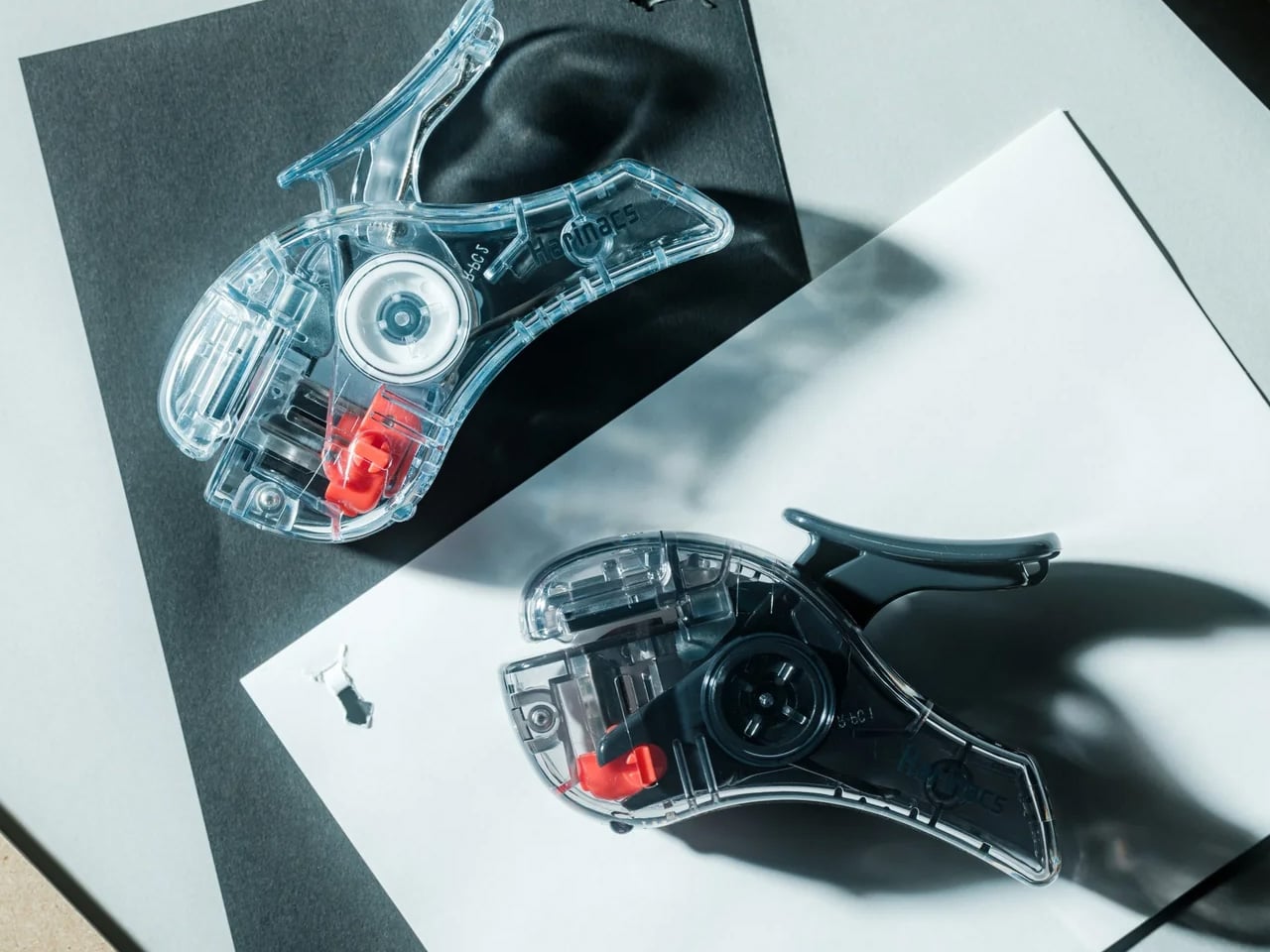
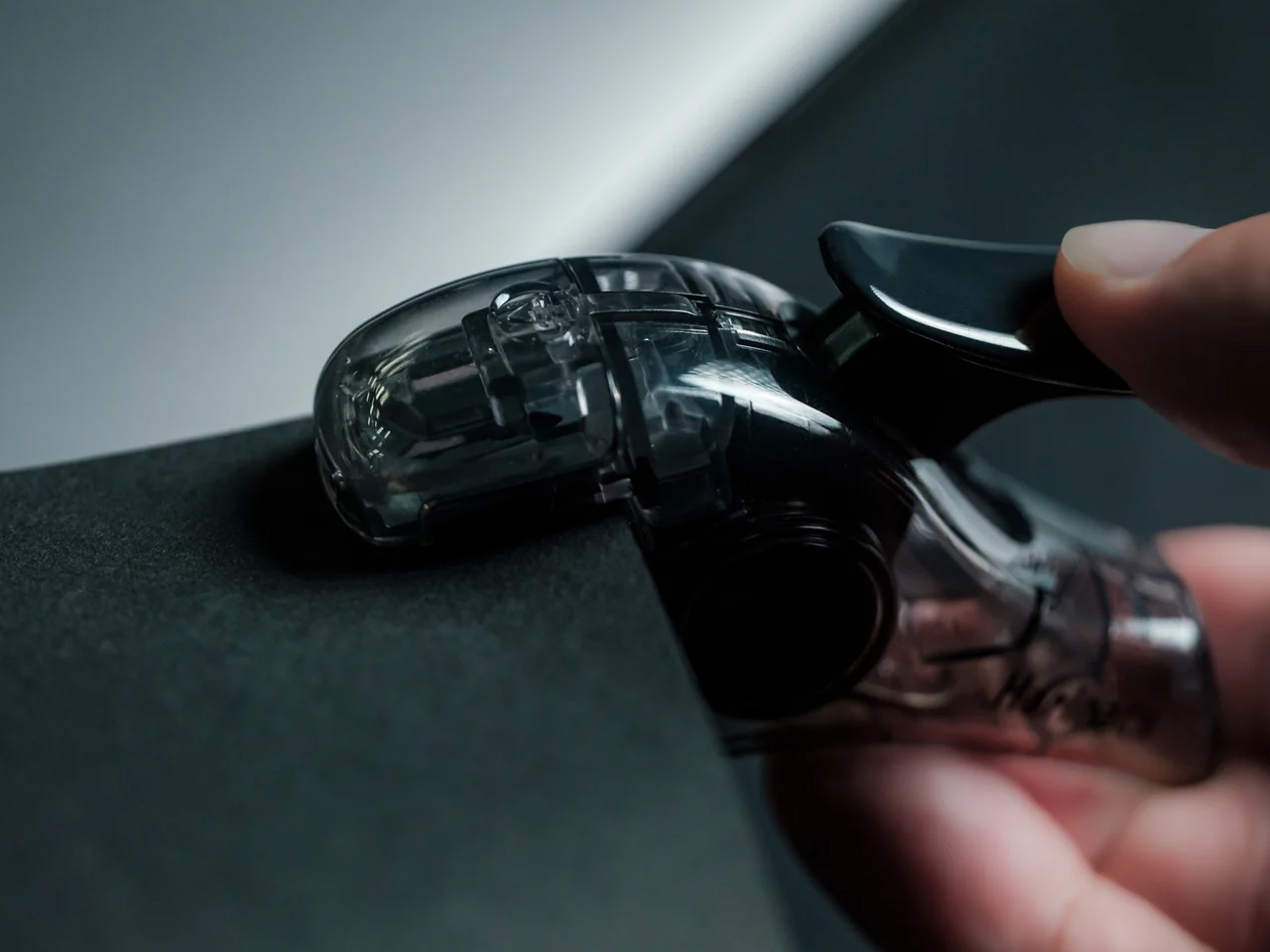
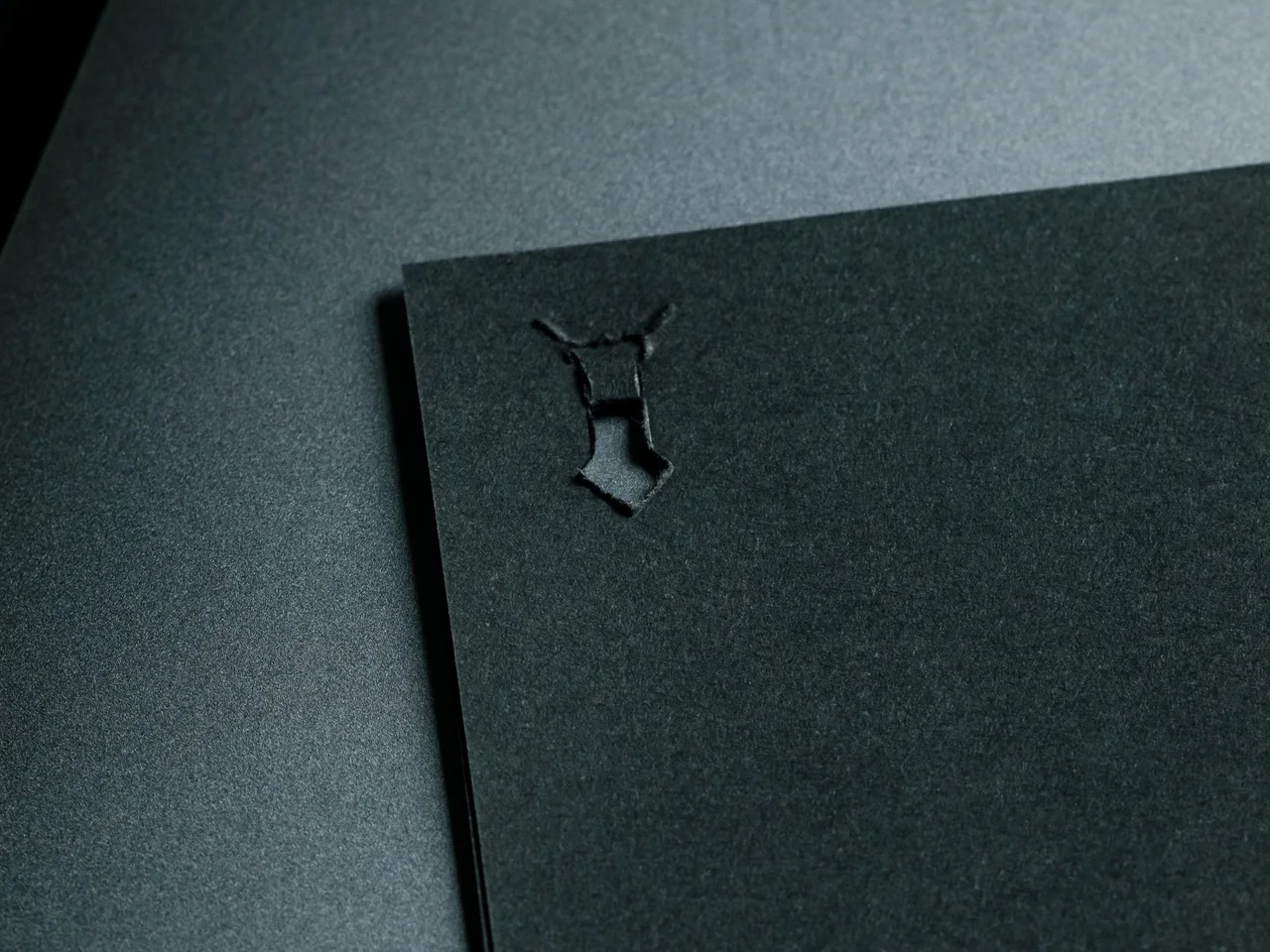
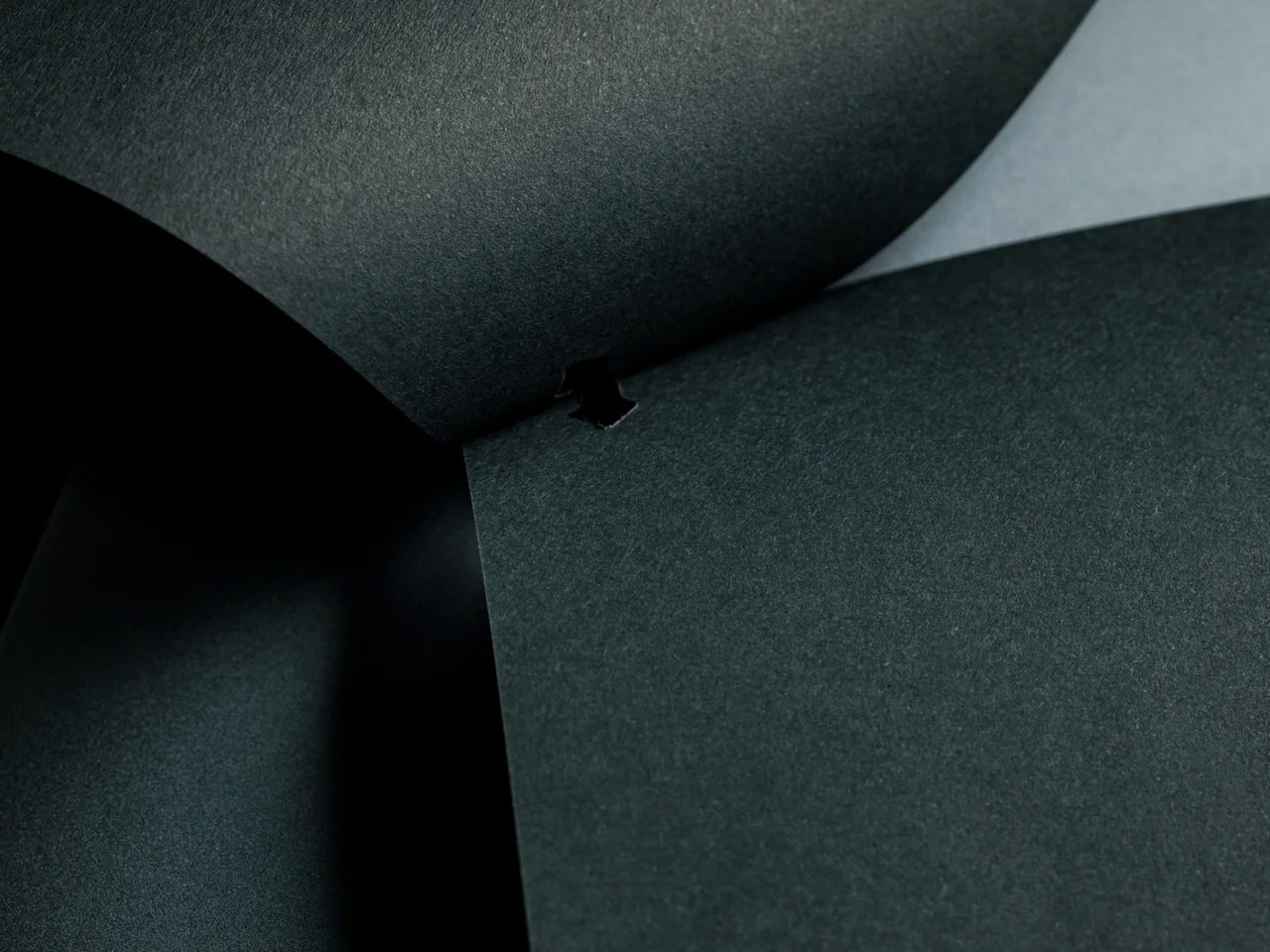
The mechanism behind PaperLock is simple, in the way good design is simple. Press the lever and a small cutting element punches through the stack, folding the paper back through itself to create an interlocked join. No metal passes through the page. No staple is added. The paper becomes the fastener, which means nothing catches against other sheets, nothing stays on the page before shredding, and nothing needs removing before the documents go into recycling.
The binding holds up to five sheets at a time, which covers the majority of everyday stacking without asking the mechanism to do more than it was built for. Whether it is meeting notes, a printed contract, or a packet of instructions, the join sits flat and stays clean. No crinkled staple corners. No misfire leaving a second hole and a bent edge. The result is a page stack that looks as composed as the documents printed on it.
A Design That Shows Its Work
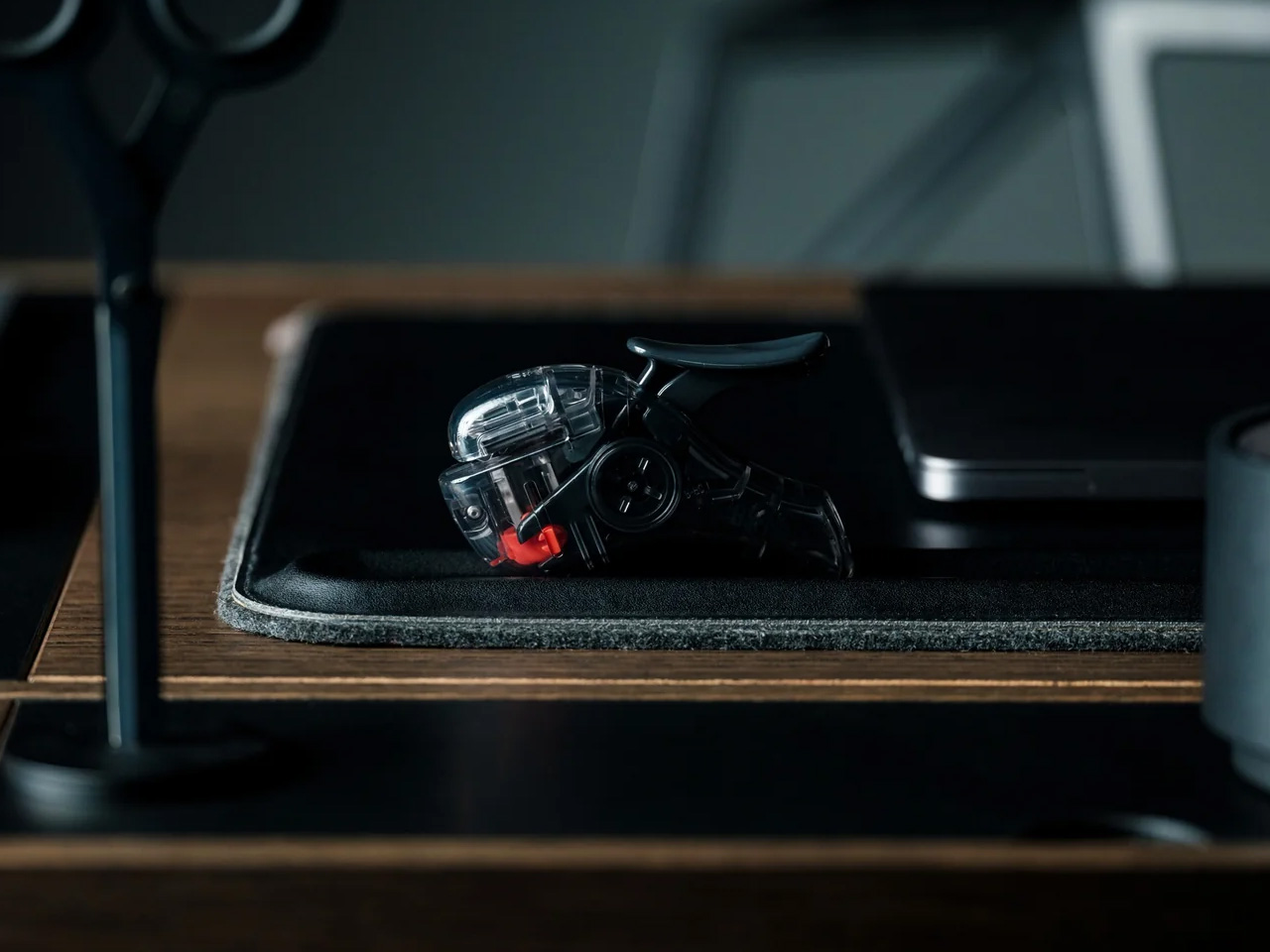
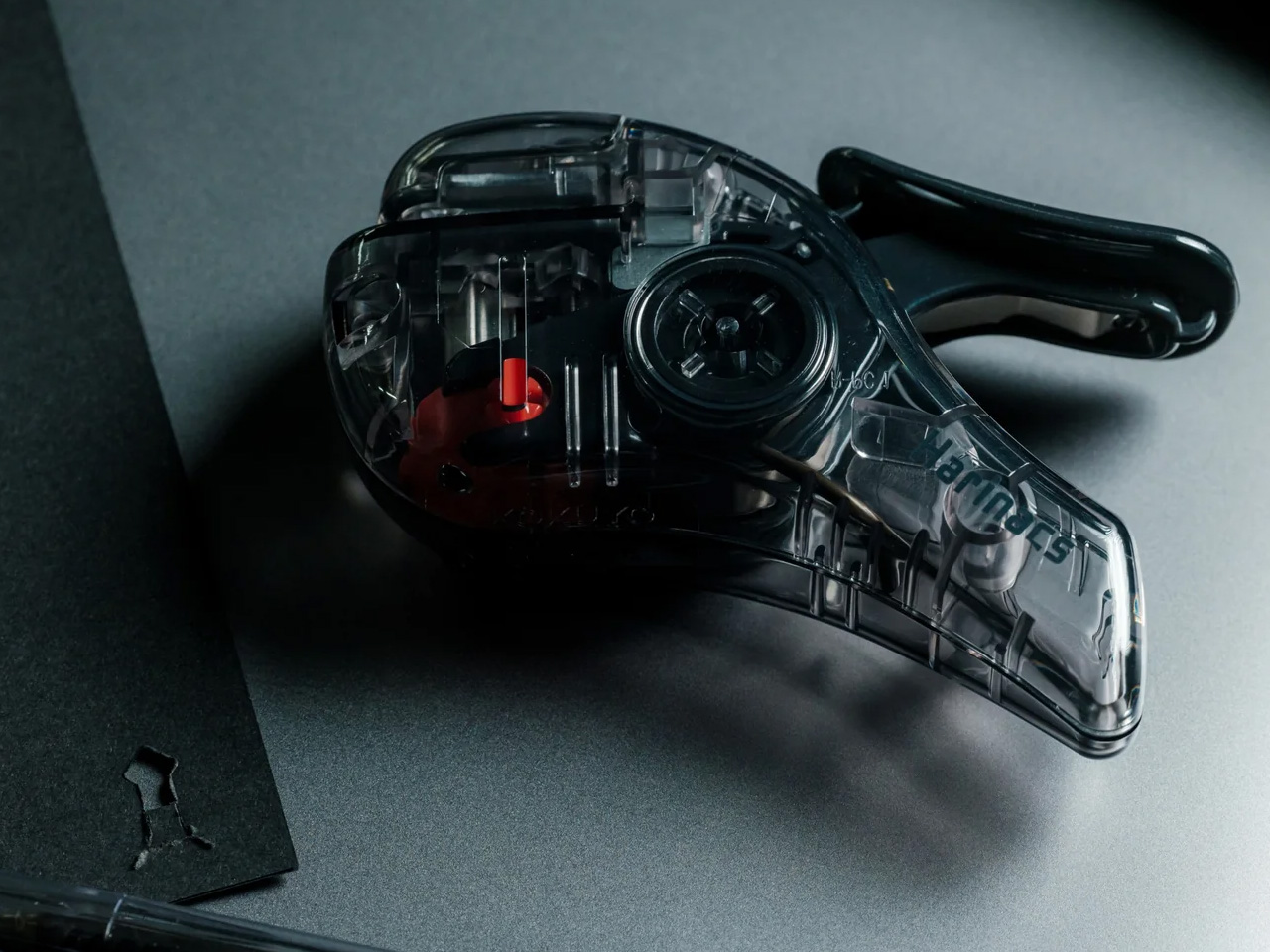
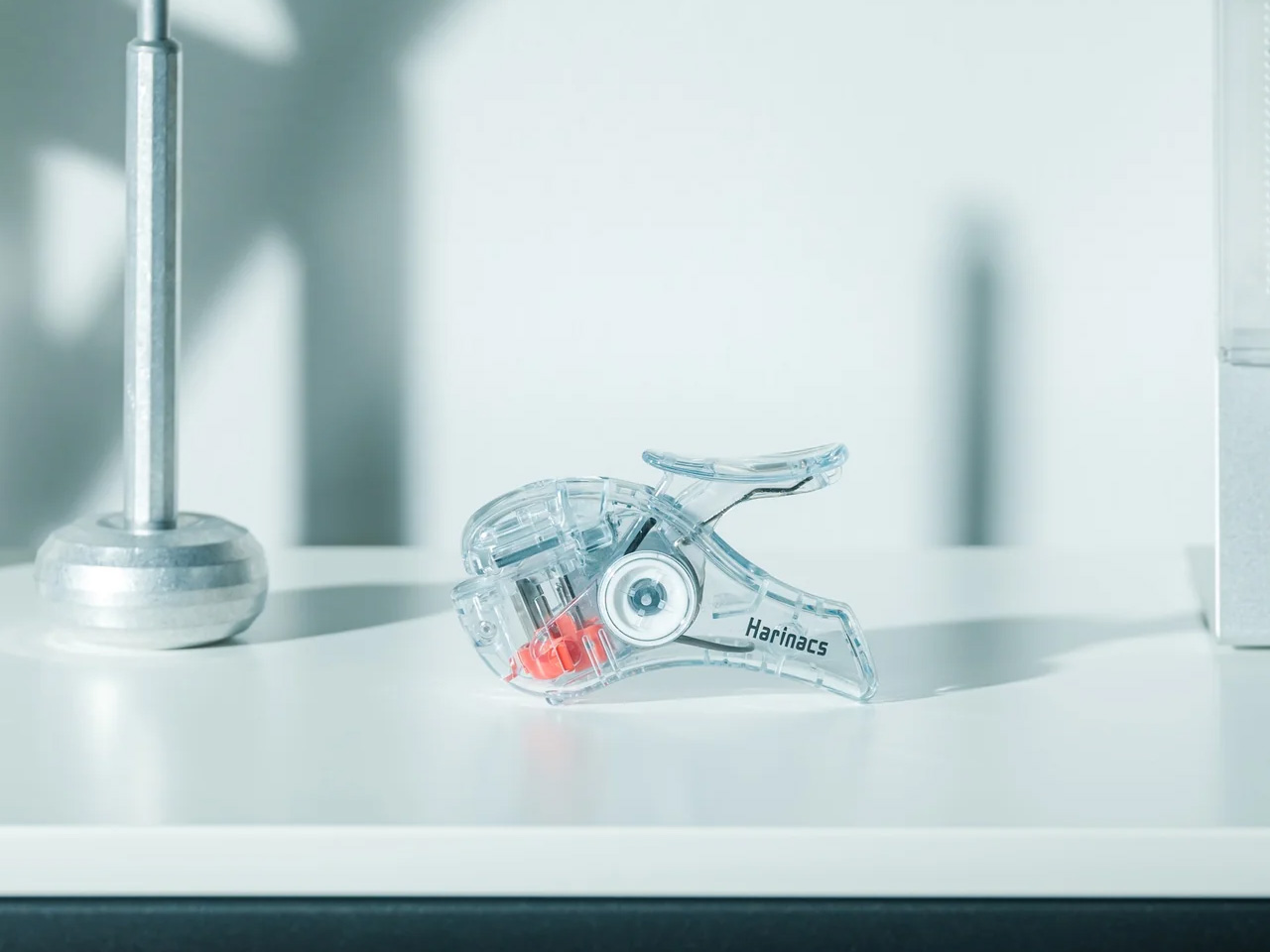
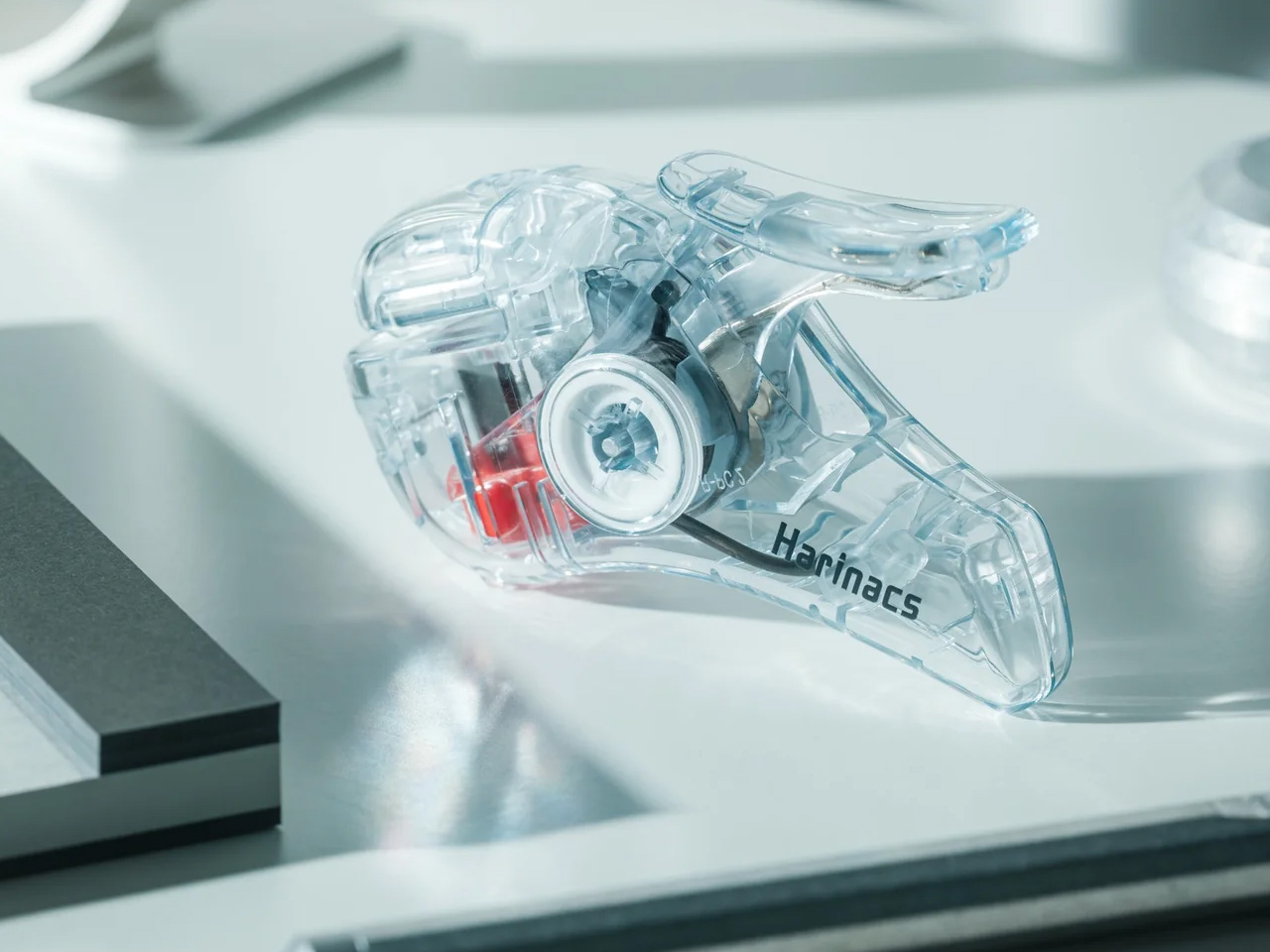
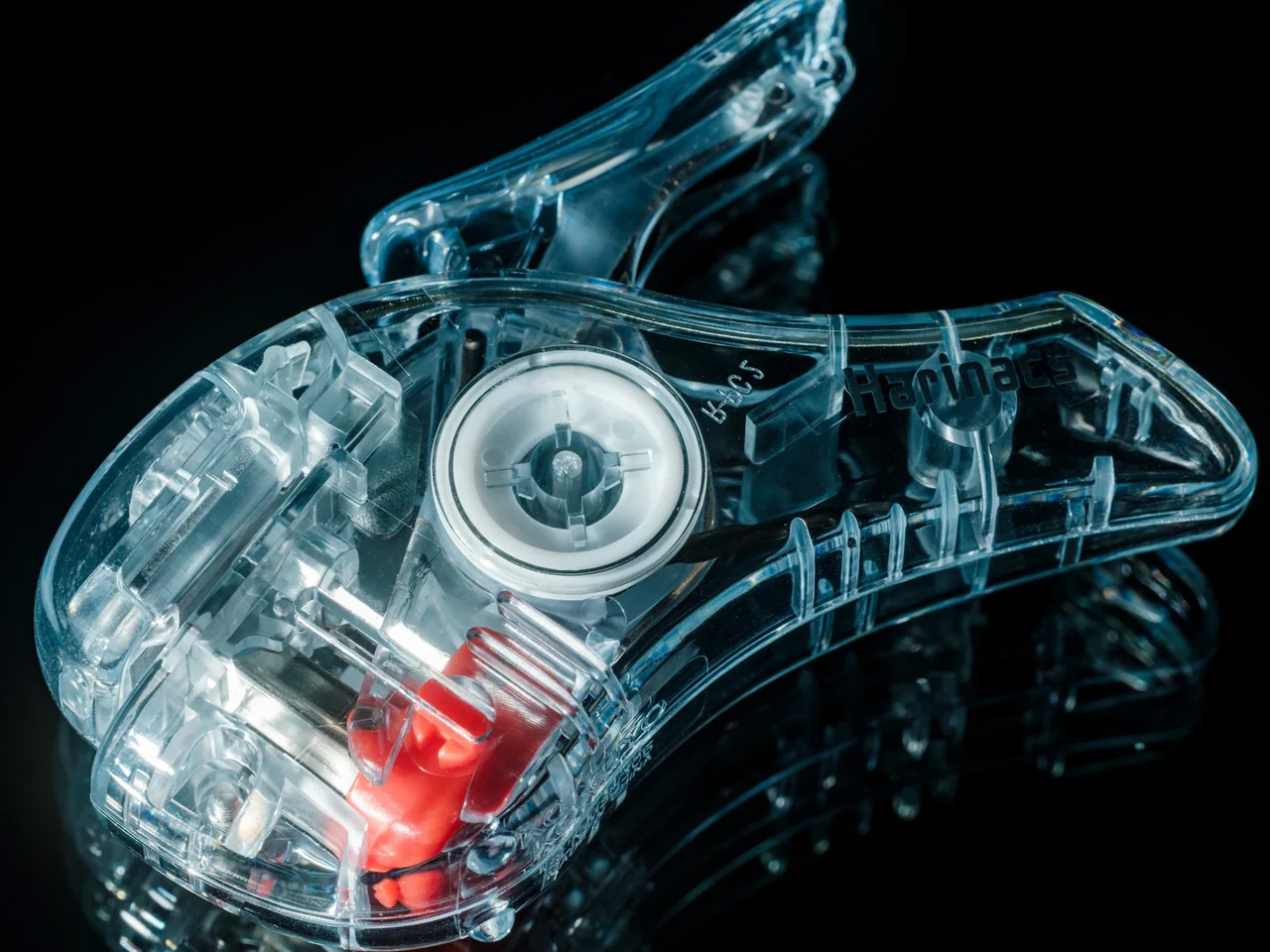
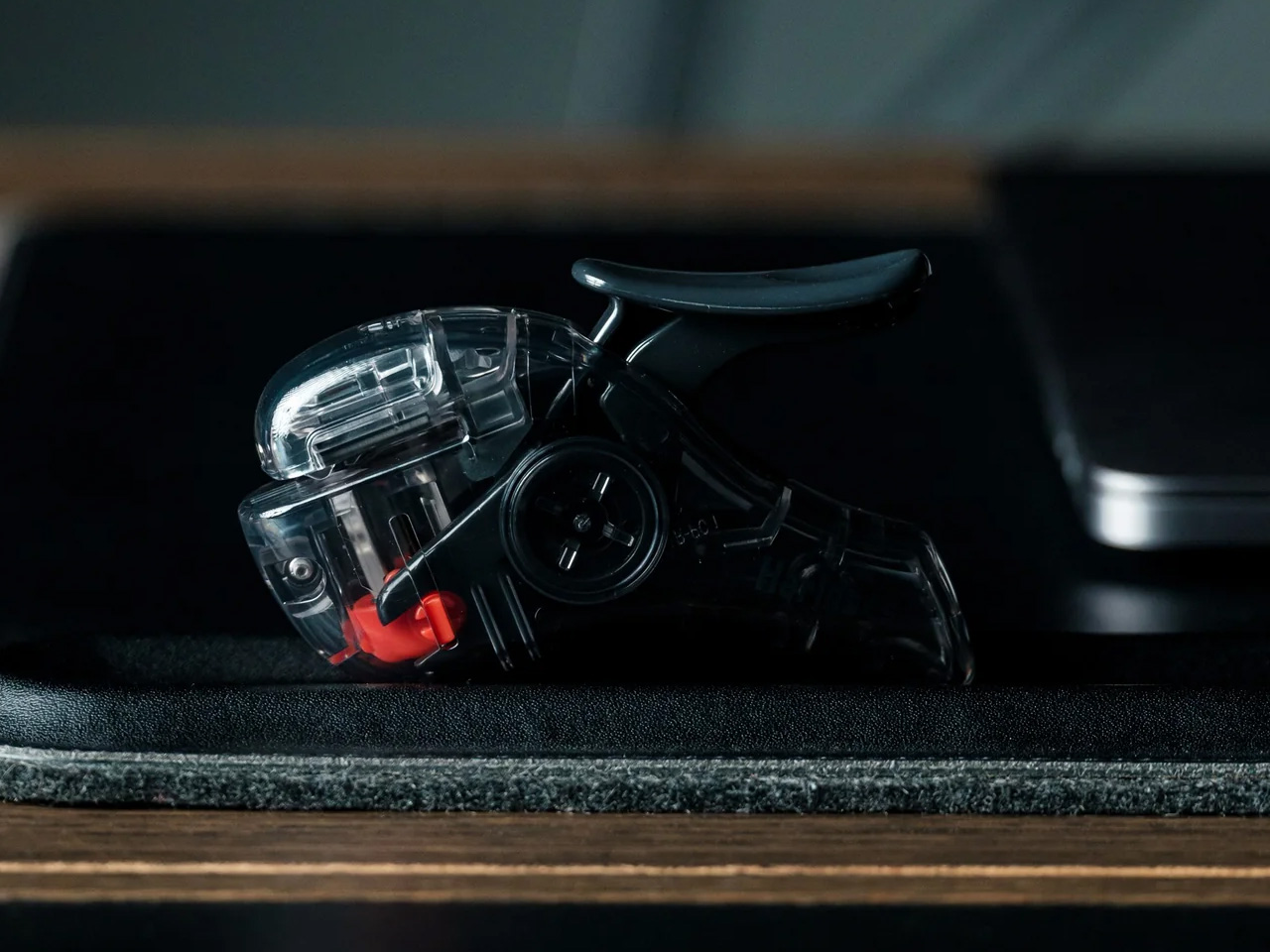
Most desk tools keep their mechanisms out of sight. Usually that just means there is nothing worth showing. PaperLock does the opposite. The transparent body puts the internal parts in view, and pressing the lever becomes something closer to watching a small, well-built machine operate than running a piece of office equipment. It is a minor pleasure, but it is a real one, and it makes the tool feel more honest than its category usually manages.
A viewing window above the binding point shows exactly where the join will land before you press, and the built-in corner guide keeps placement consistent across an entire stack of documents. The lever works two ways: press it down against a surface with the thumb, or squeeze it in the palm with no adjustment required between the two. PaperLock adapts to the motion rather than enforcing one, which is exactly the kind of detail worth noticing in a tool this small.
What We Like
- Staple-free binding mechanism: cuts and interlocks the paper itself, leaving no metal on the page and nothing to load, manage, or run out of at a deadline
- Transparent body: puts the internal mechanism on full display with every press, turning a routine desk task into something worth paying attention to
- Dual-grip lever: works pressed down with the thumb against a surface or squeezed in the palm with no setup or adjustment required between the two
- Viewing window and corner guide: the window shows where the bind will land before it happens, and the guide keeps corner placement consistent across the entire stack
What We Dislike
- Five-sheet capacity: handles everyday stacks cleanly, but anything thicker requires a second pass or a different tool, which limits its range for larger document sets
- Less reversible than a metal staple: separating paper-locked pages without tearing takes more care than pulling a standard staple free, which matters when a binding mistake needs to be undone
The One That Is Always Ready
PaperLock was built for the version of the workday where tools are supposed to disappear into the background. Documents printed, pages gathered, binding done. No pause to check the staple level, no drawer rifled for a refill, no bent staple requiring a do-over. That kind of reliability does not announce itself. It shows up in the fact that the tool is always ready when you reach for it, which turns out to be the most useful feature any desk accessory can have.
For a desk where the details are worth considering, PaperLock earns its place by removing a friction point most people have accepted as normal. The transparent construction, the clean paper-lock join, the mechanism that works every single time without a consumable behind it. These are what make a good tool. from the YD Select Shop and take one small problem off the list of things that can go wrong.
The post first appeared on .
Related Posts