Could the most efficient VTOL design of the 21st century have been sitting in a patent office since 1928? Willard Ray Custer thought so, and spent decades trying to prove it. His channel wing concept, which set propellers into semicircular cutouts in each wing to blast high-velocity air across the lifting surface at low forward speeds, worked well enough that his team demonstrated near-vertical liftoff decades before the term eVTOL existed. Aviation’s mainstream never adopted it, partly because the aircraft of that period were too heavy and partly because the jet age arrived and swept most unconventional configurations off the table. The concept sat in aerospace history books, occasionally surfacing in academic papers and NASA wind tunnel tests, never finding its way into a production aircraft.
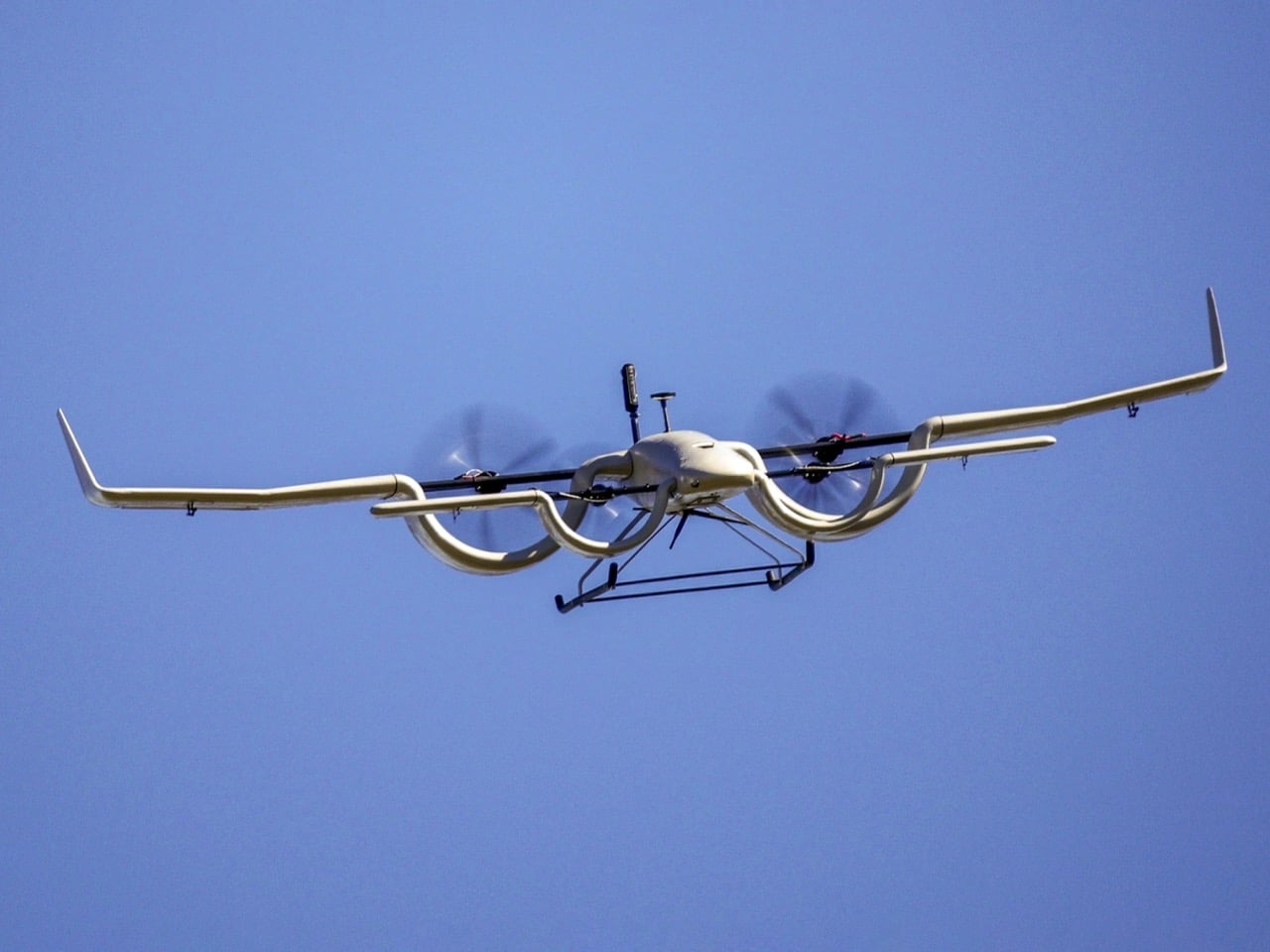
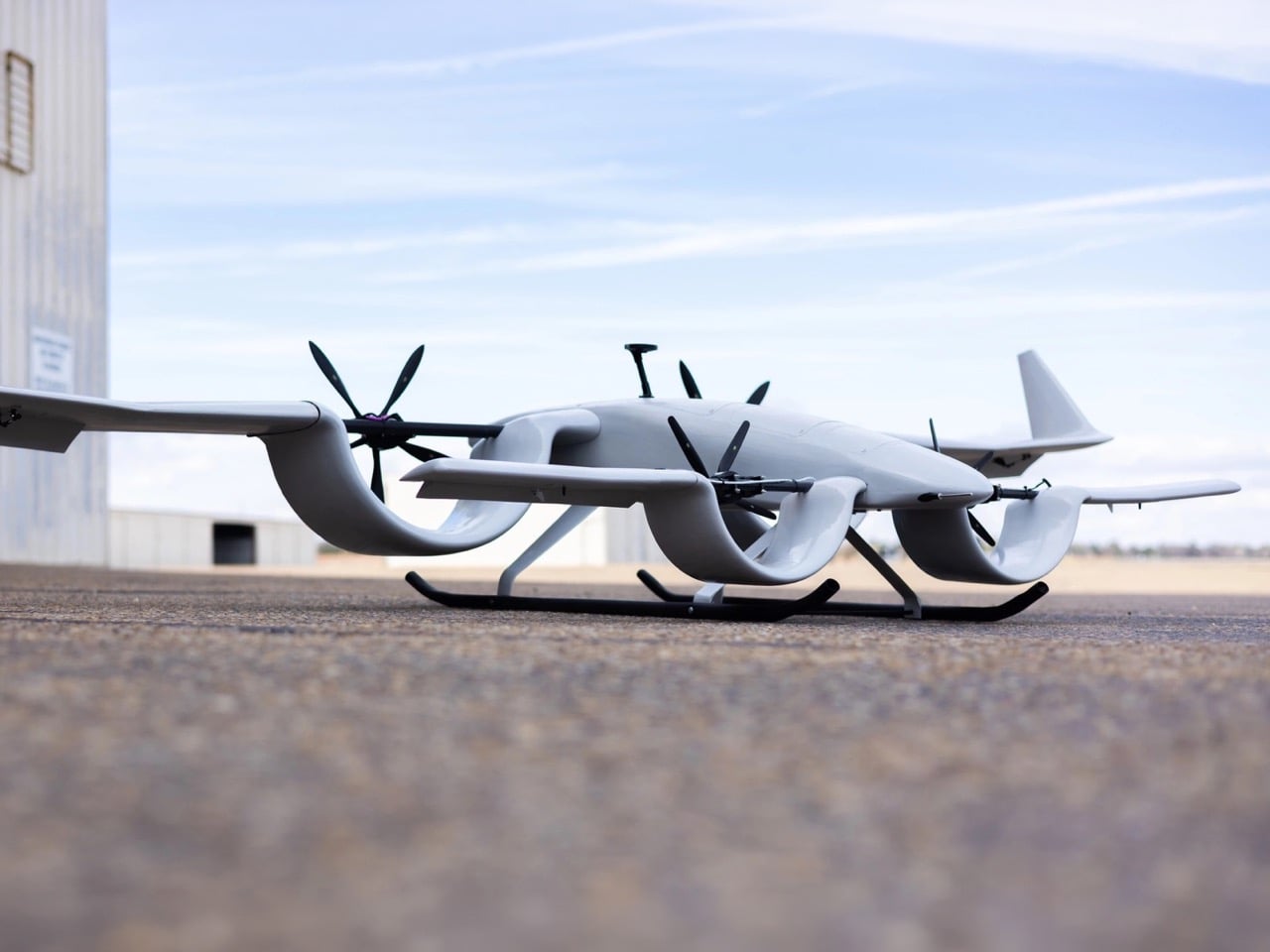
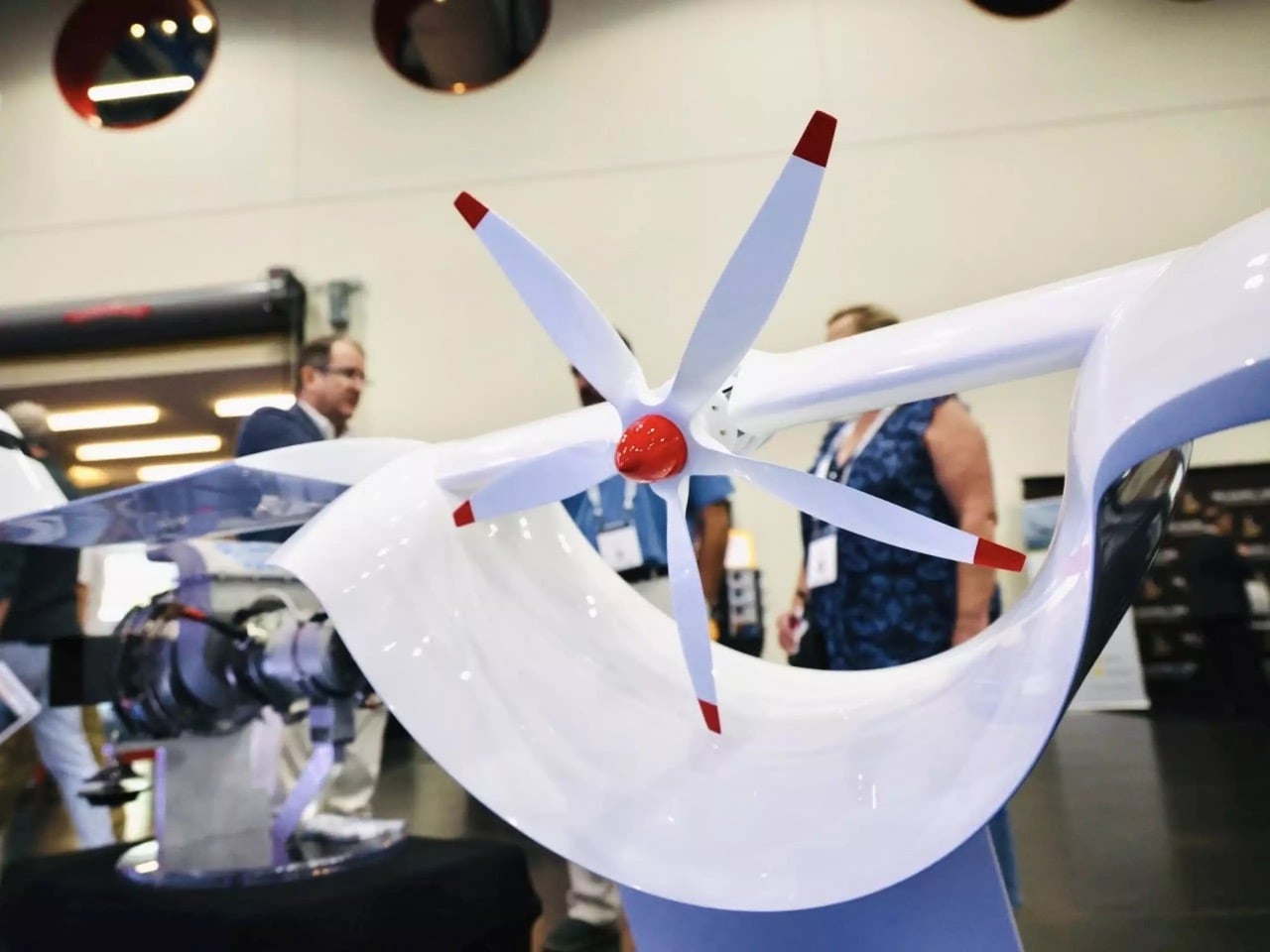
HopFlyt is the company making the argument that the wait is finally over. Founded in 2016 by Rob Winston, a former NASA engineer and Marine Corps test pilot, the Maryland-based startup has built the Cyclone, a hybrid VTOL drone that pairs Custer’s channel wing geometry with pivoting mounts, modern composites, and a hybrid electric-fuel drivetrain. The channels orient rearward for vertical takeoff, pivot beneath the wing for forward cruise, and can even act as aerodynamic brakes on descent. HopFlyt claims the configuration cuts climb power consumption by a third compared to conventional VTOLs, holds fuel burn to under three gallons per hour, and enables cargo runs of 250 lbs across 800-plus miles of range. A 2027 commercial launch is the target, aimed squarely at naval resupply, offshore energy logistics, and medical delivery markets.
Designer: HopFlyt
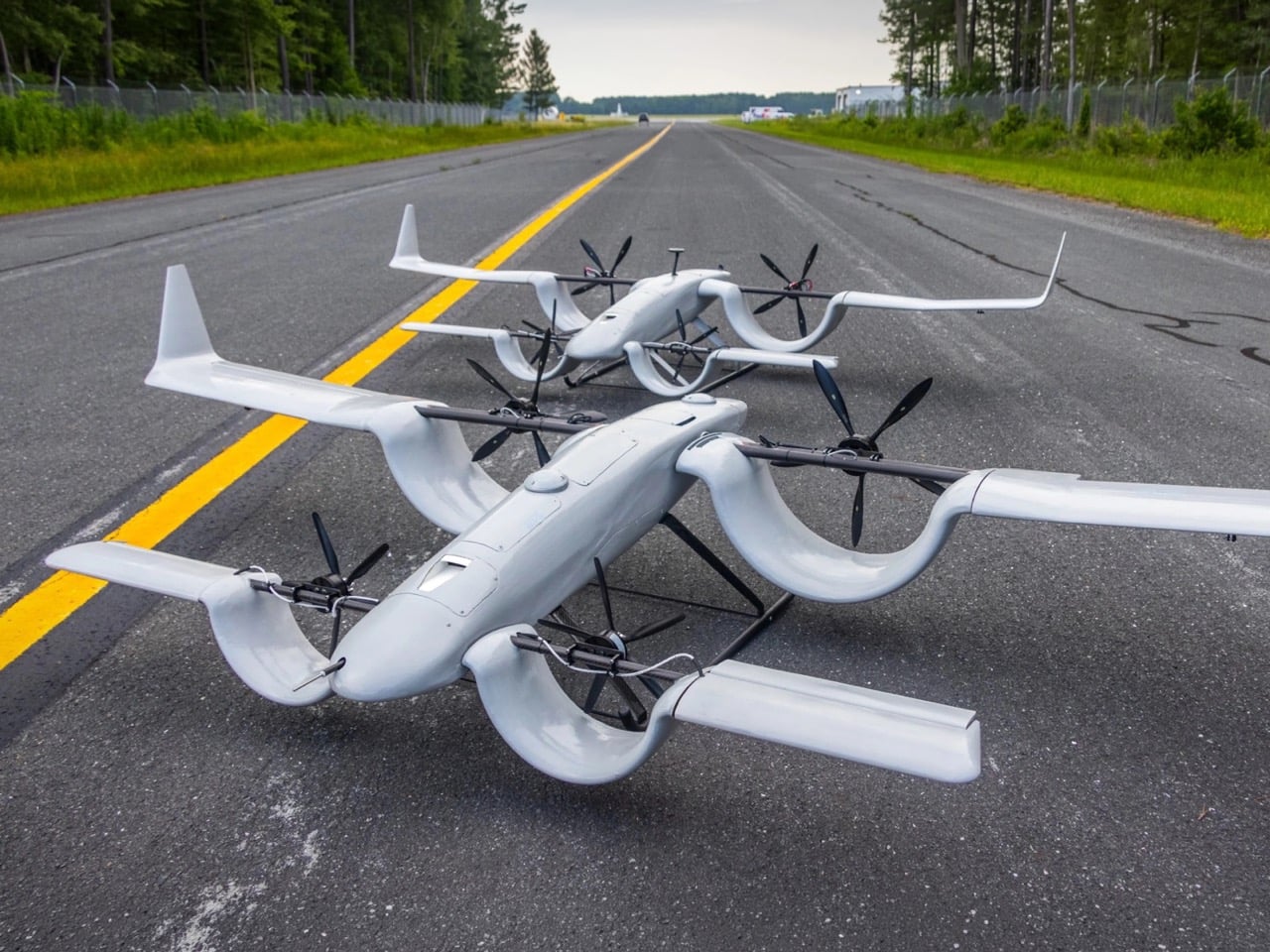
The engineering logic behind the channel wing is cleaner than it might first appear. A conventional fixed wing generates lift by moving through air fast enough for pressure differentials to do their work, which means you need significant forward velocity before the wing becomes useful. Custer’s insight was to bring the air to the wing instead, using a propeller seated inside a curved half-channel to accelerate flow across the lifting surface regardless of forward speed. HopFlyt’s pivoting channel takes this further, allowing the geometry to optimize for hover and cruise independently rather than compromising between them. Chief Engineer Neil Winston, whose background spans NAVAIR flight test, puts it plainly: the ideas were always there, but the digital control systems, electric motors, and lightweight materials needed to execute them simply did not exist until now.

The hybrid drivetrain is what gives the Cyclone its range credentials and separates it from the crowded field of pure-electric eVTOLs currently chasing urban air taxi certifications. Battery power handles the vertical takeoff and hover phases, where the channel wing’s efficiency advantage is most pronounced, while a turbogenerator takes over for forward cruise, extending endurance far beyond what any battery pack realistically supports today. HopFlyt puts the operational cost savings at 90 percent compared to helicopters performing equivalent missions, a figure that, if it holds up under real-world conditions, makes the Cyclone genuinely disruptive in sectors where helicopter logistics are currently the only viable option. Offshore energy platforms and naval resupply operations run on helicopter economics right now, and those economics are punishing.
HopFlyt has reached this point on a fraction of the capital that comparable advanced air mobility startups have burned through, operating out of a private hangar in Maryland with a team whose combined aerospace experience runs to over a century. The company is currently in a Series A raise to fund hybrid-electric prototype development and initiate flight demonstrations ahead of that 2027 target. Whether the Cyclone becomes the aircraft that finally vindicates Willard Ray Custer’s century-old intuition depends on what those demonstrations produce. The aerodynamics have always been sound. Now the rest of the technology has caught up.
The post first appeared on .
Related Posts