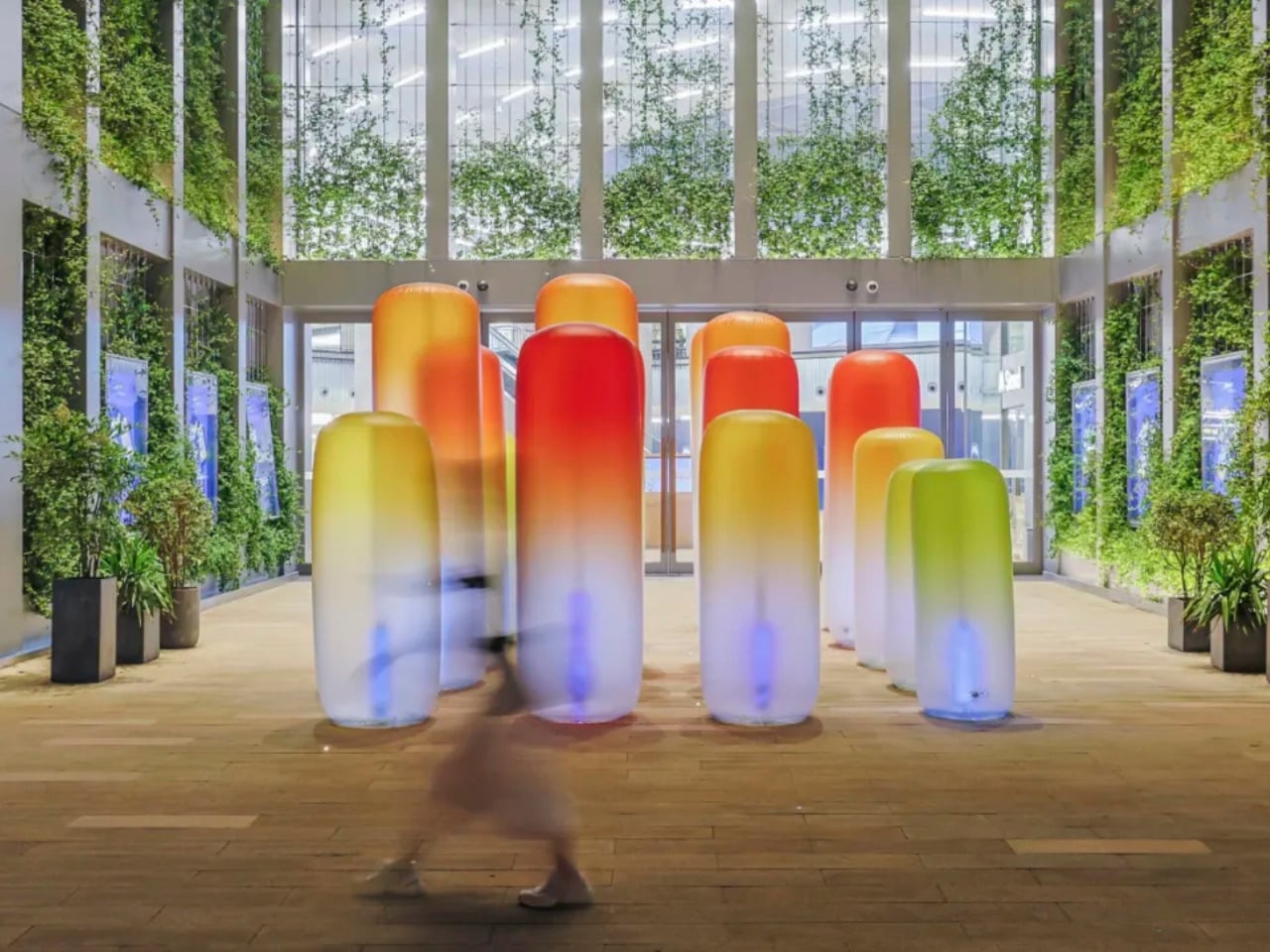
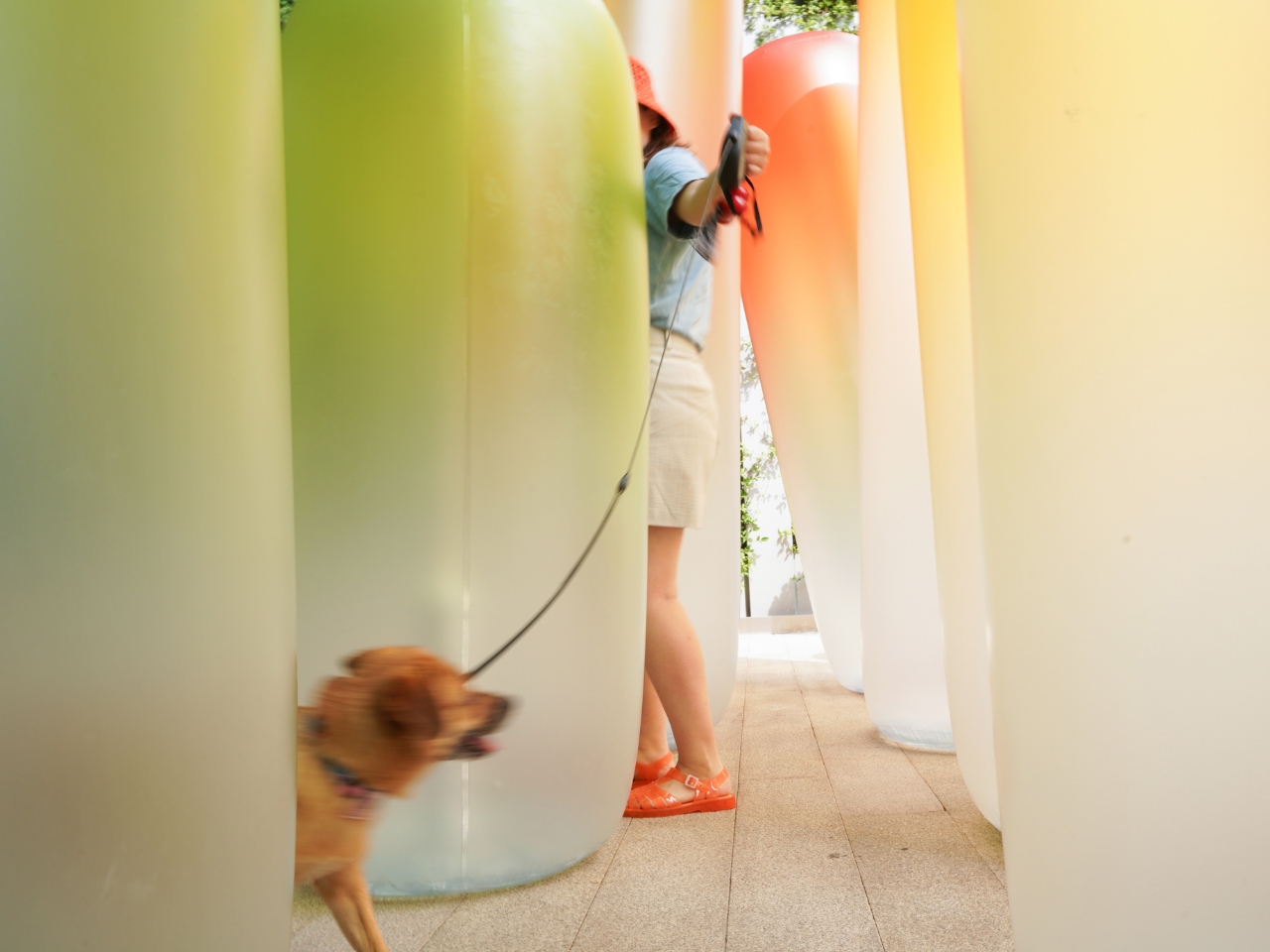
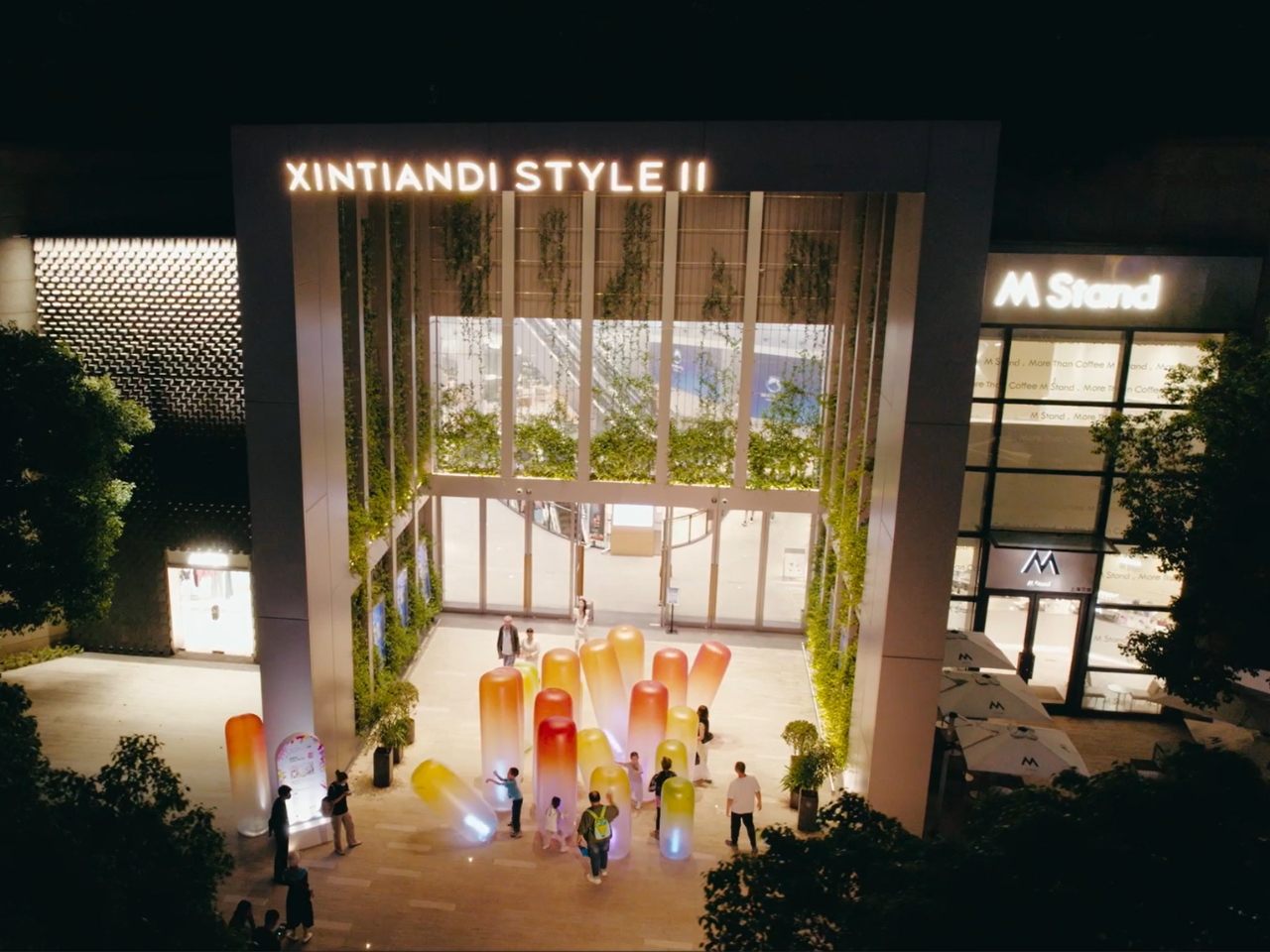
Not every design earns its attention. SHUOKE’s Light Me UP! is exactly the kind of work that makes you stop, look twice, and genuinely want to understand what you’re standing inside. And you are standing inside it. That’s the first thing to understand. Light Me UP! is not a sculpture you circle or a screen you observe from a polite distance. It is an enterable artificial seascape, a field of large inflatable forms installed at Xintiandi Style II in Shanghai, built at a scale that makes you feel genuinely small.
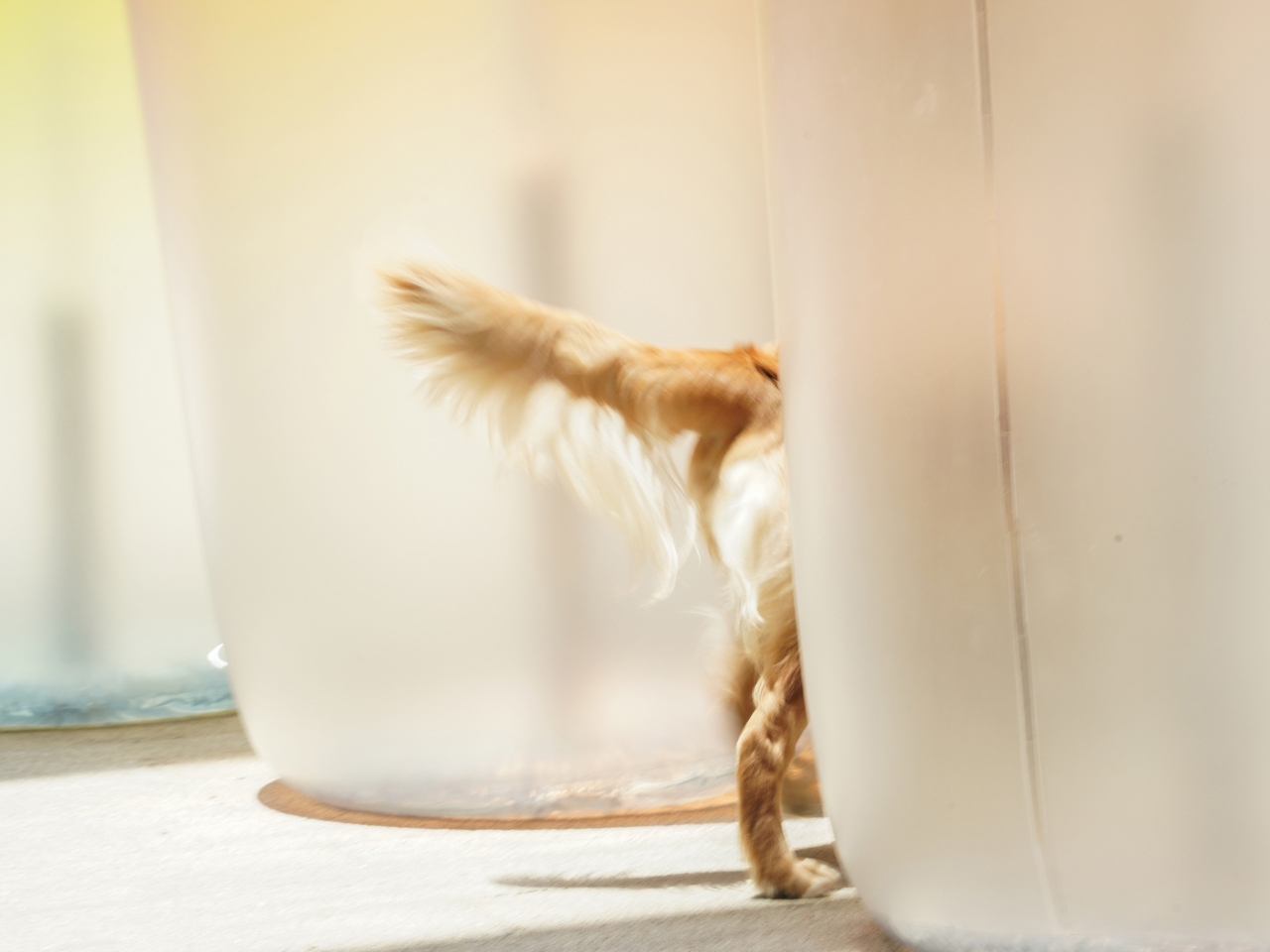
The columns are rounded and organic, their silhouettes somewhere between coral, sea anemone, and something you might find drifting in deep water. Their gradient coloring moves from deep orange and red at the crown down through warm yellow, then into a pale, almost translucent white at the base, where internal lights pool in cool blues and purples. During the day, they read as bold and almost playful. At night, they glow like living things. That quality, the sense that the installation is alive, is not accidental. It is the entire point.
Designer: Shuoke
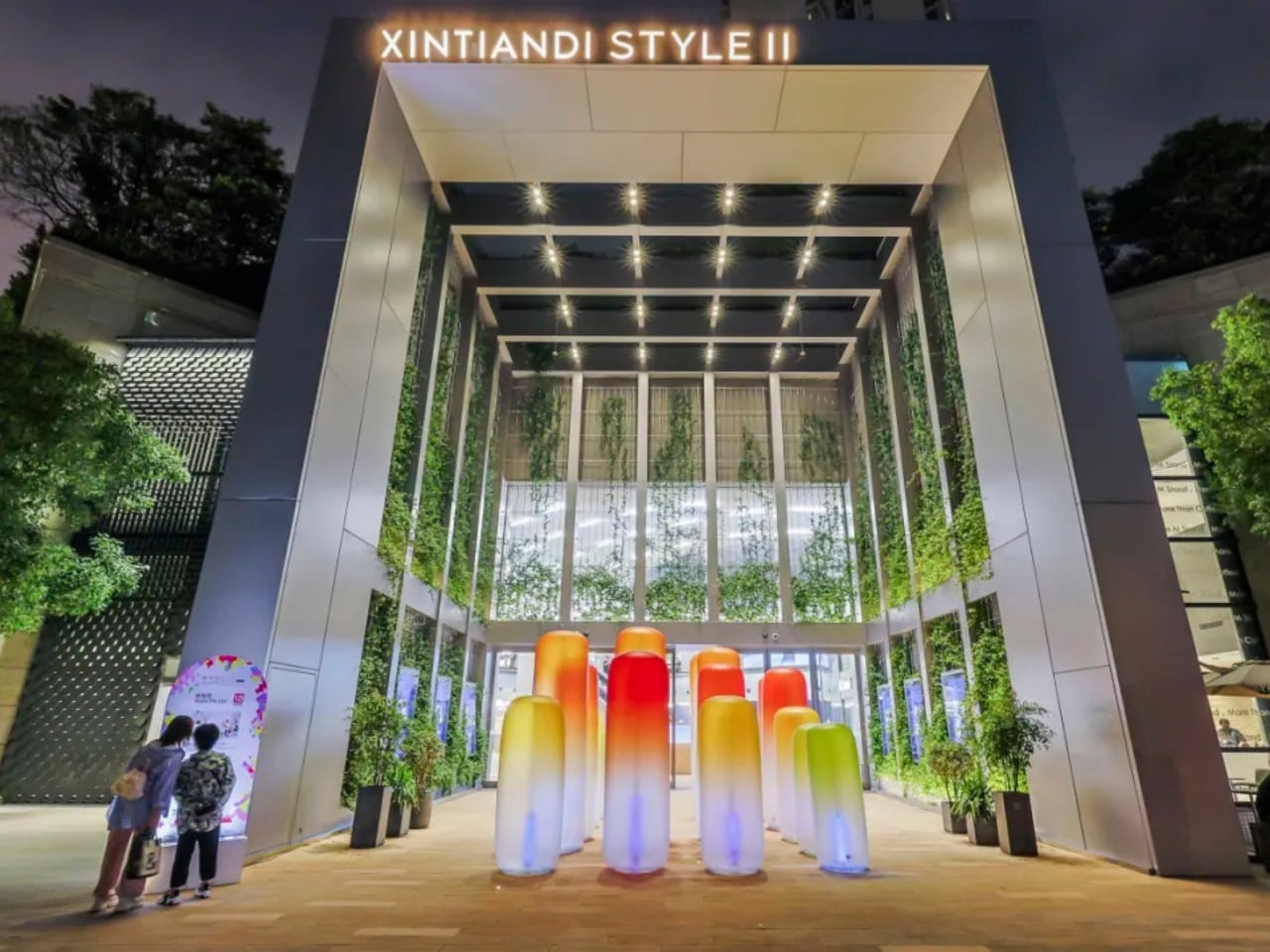
Each form carries internal lighting that shifts in a breathing rhythm, expanding and contracting with a pulse that is slow enough to feel biological. The effect is subtle but deeply convincing. You stop noticing the material and start noticing the breath. When you touch one of the columns, or press through the narrow gaps between them, the light responds. The moment of contact produces a shimmer, a flicker of acknowledgment, that genuinely reads as reciprocal. SHUOKE described an earlier version of this logic as wanting the experience to feel more like interacting with a living thing than with a device, and Light Me UP! lands exactly there.
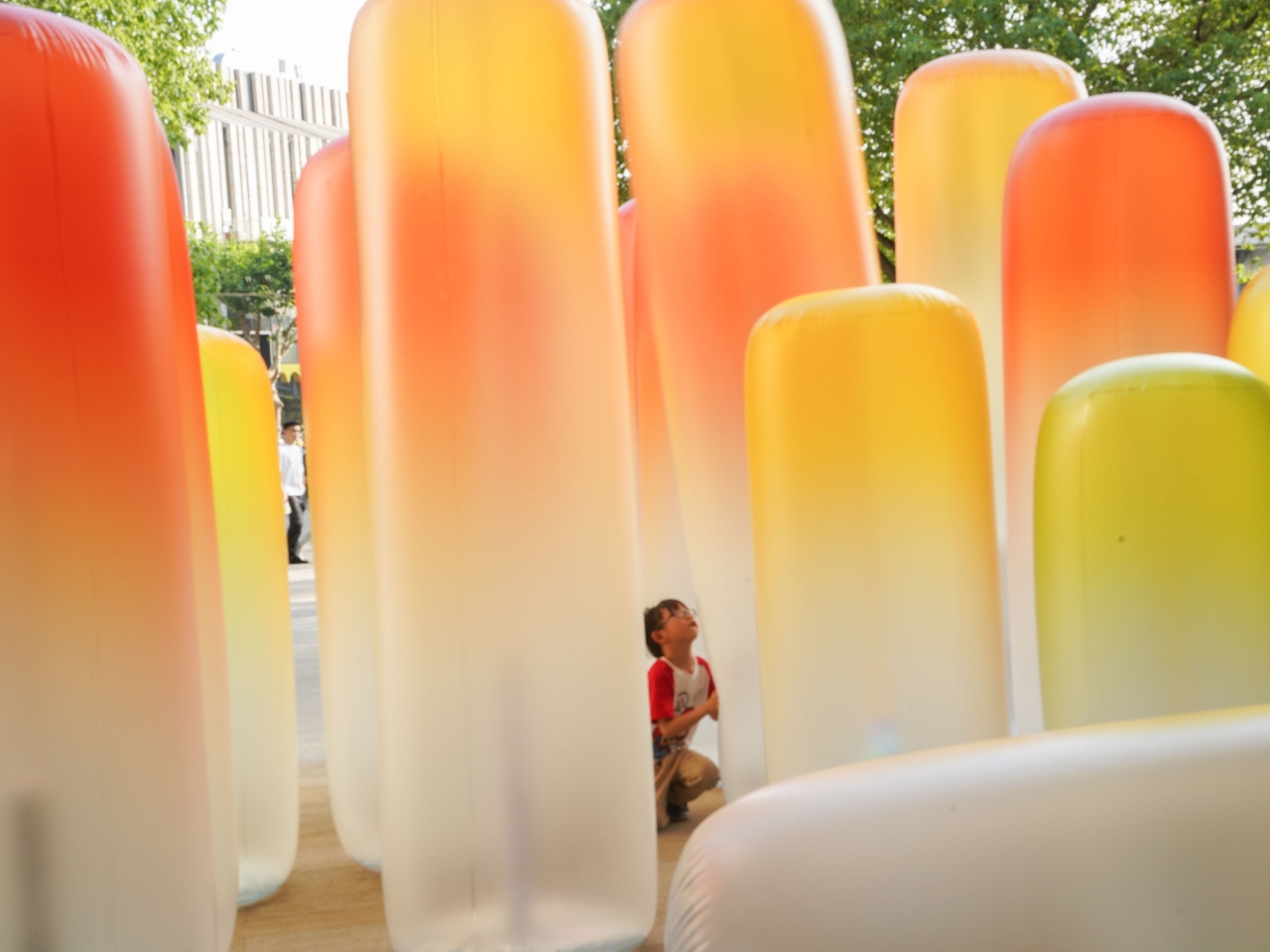
But here is where the design gets genuinely interesting, and where SHUOKE moves well beyond the usual boundaries of interactive installation work. The responsiveness has a limit, and that limit is intentional. Moderate interaction, a gentle touch, a slow movement through the space, draws the light out and activates the installation’s vitality. But push too hard, too aggressively, too much, and the light begins to fade. The structures appear to deteriorate. The environment dims and falls into stillness. The installation does not simply reward participation. It responds to the quality of it.
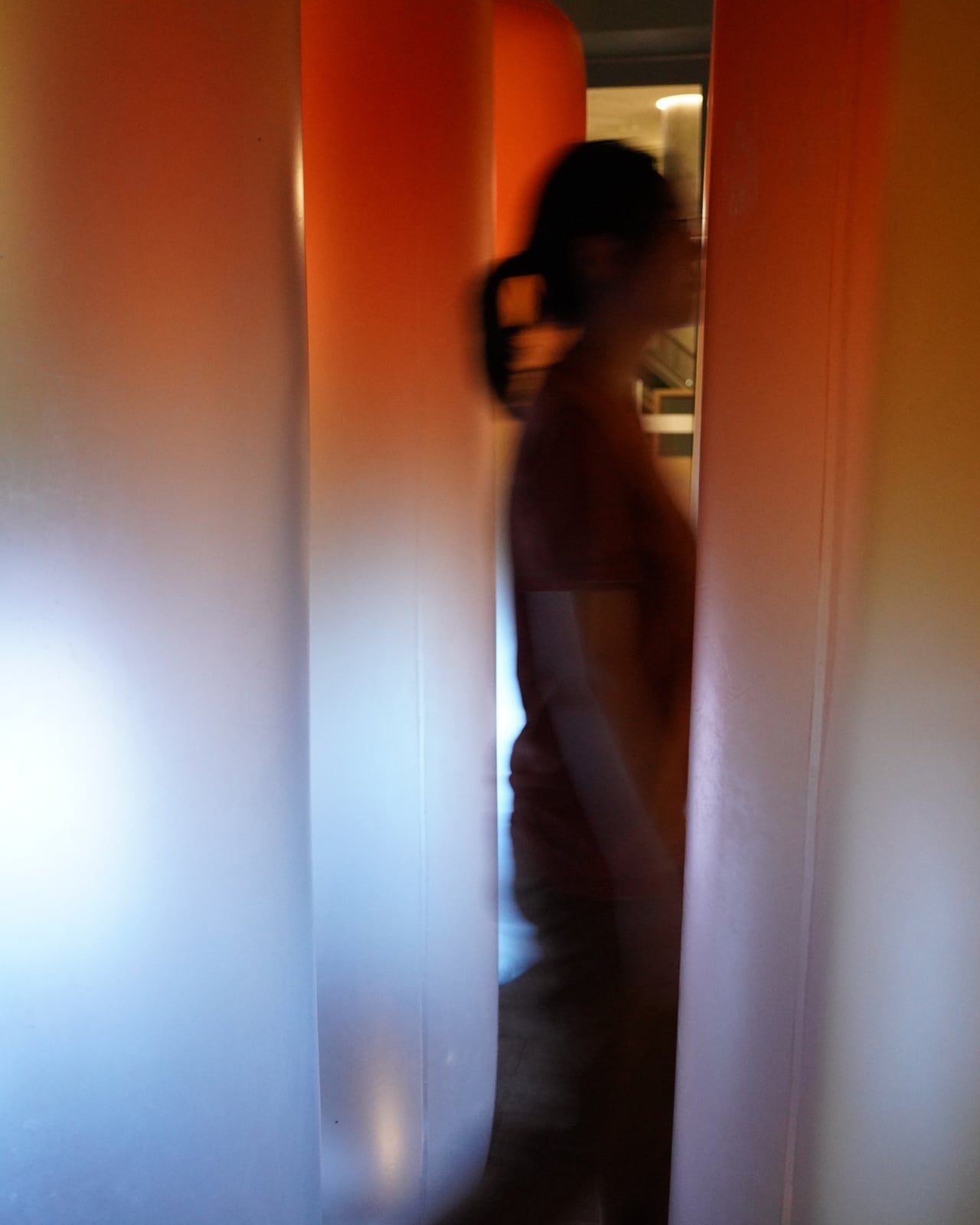
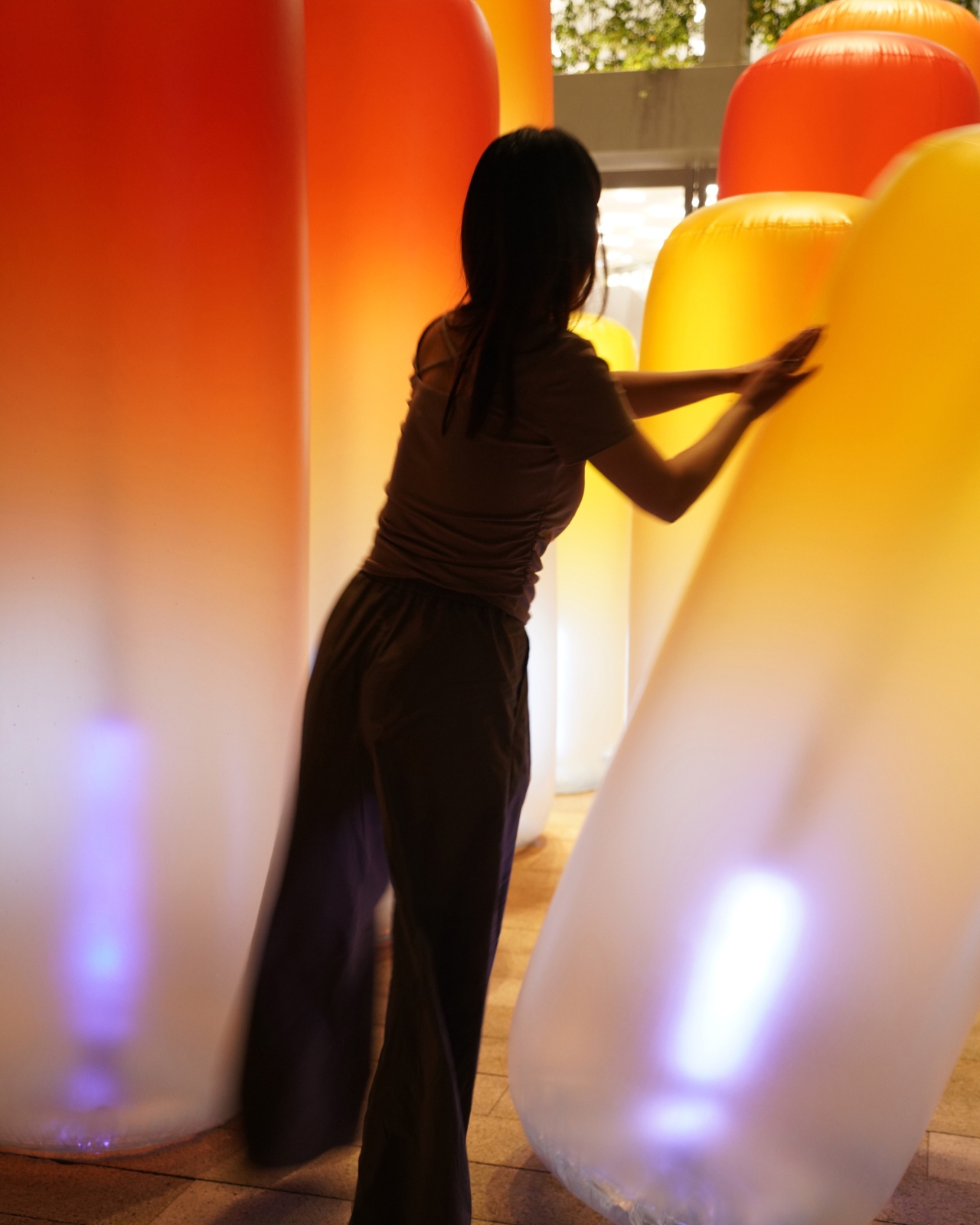
This is the marine ecology metaphor embedded directly into the interactive logic, and it is a clever and meaningful piece of design thinking. The ocean, like Light Me UP!, sustains and nurtures life up to a point. Past that point, it retreats. It diminishes. What SHUOKE has done is translate a genuinely complex environmental idea into a physical, embodied experience that anyone can feel without needing it explained. You don’t read the metaphor. You live it, in the span of a few minutes, with your hands and your body in a public space in Shanghai.
I think this matters more than it might initially seem. Environmental messaging in design has a tendency to stay on the surface: a recycled material here, a sustainability claim there. Light Me UP! goes somewhere different. It puts you in the position of the human who has the capacity to either nurture or exhaust the thing in front of them, and it gives you real-time feedback on which one you’re doing. That is a far more honest and demanding kind of design.
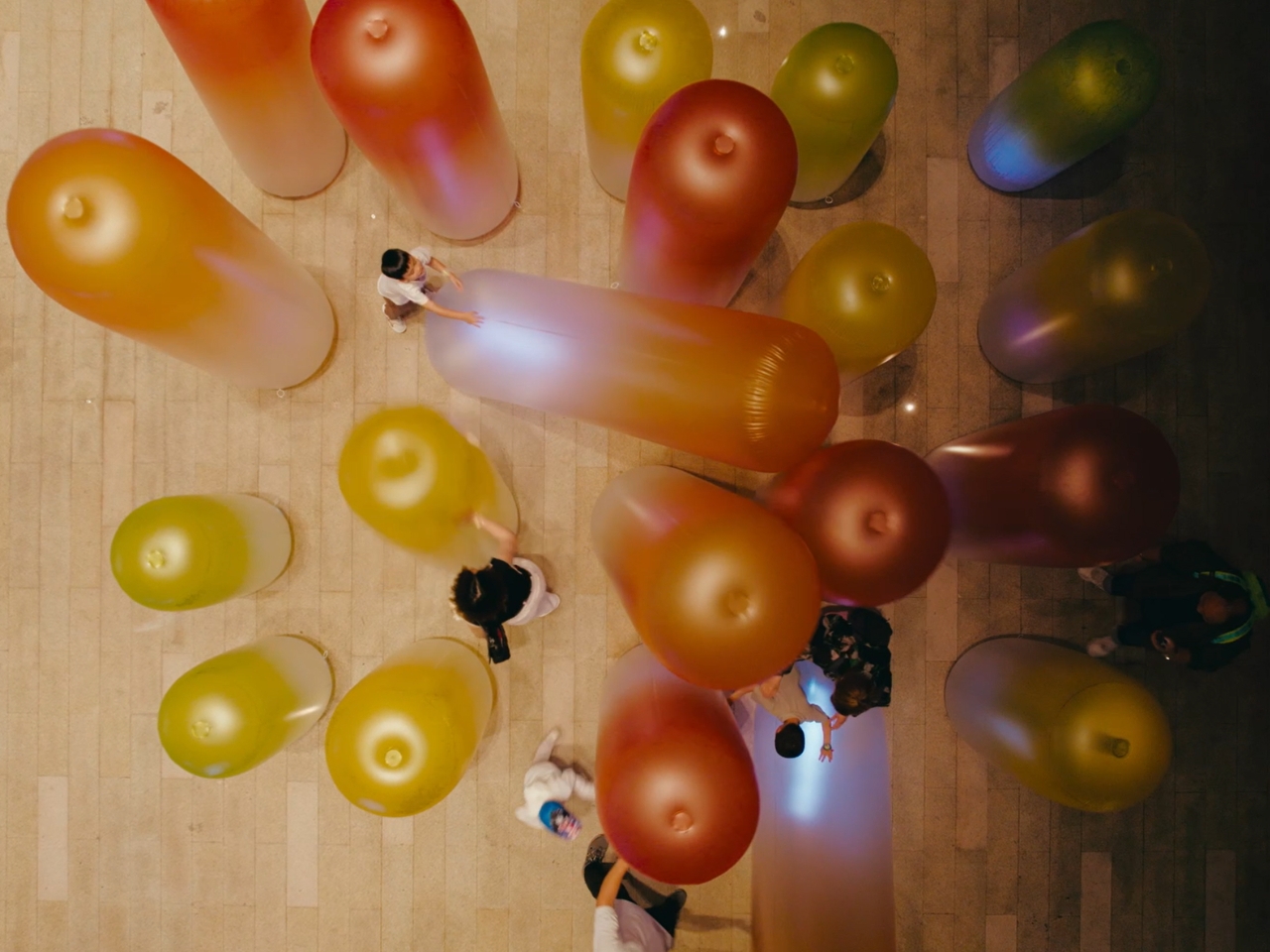
The forms themselves deserve more credit too. SHUOKE chose inflatable structures for a reason. They are soft, yielding, and slightly unpredictable. They move when pressed. They hold air the way living organisms hold breath. The choice of material reinforces the biological quality of the whole installation without ever having to announce it. The colors, warm and gradient and unmistakably aquatic at night, do the same work quietly.
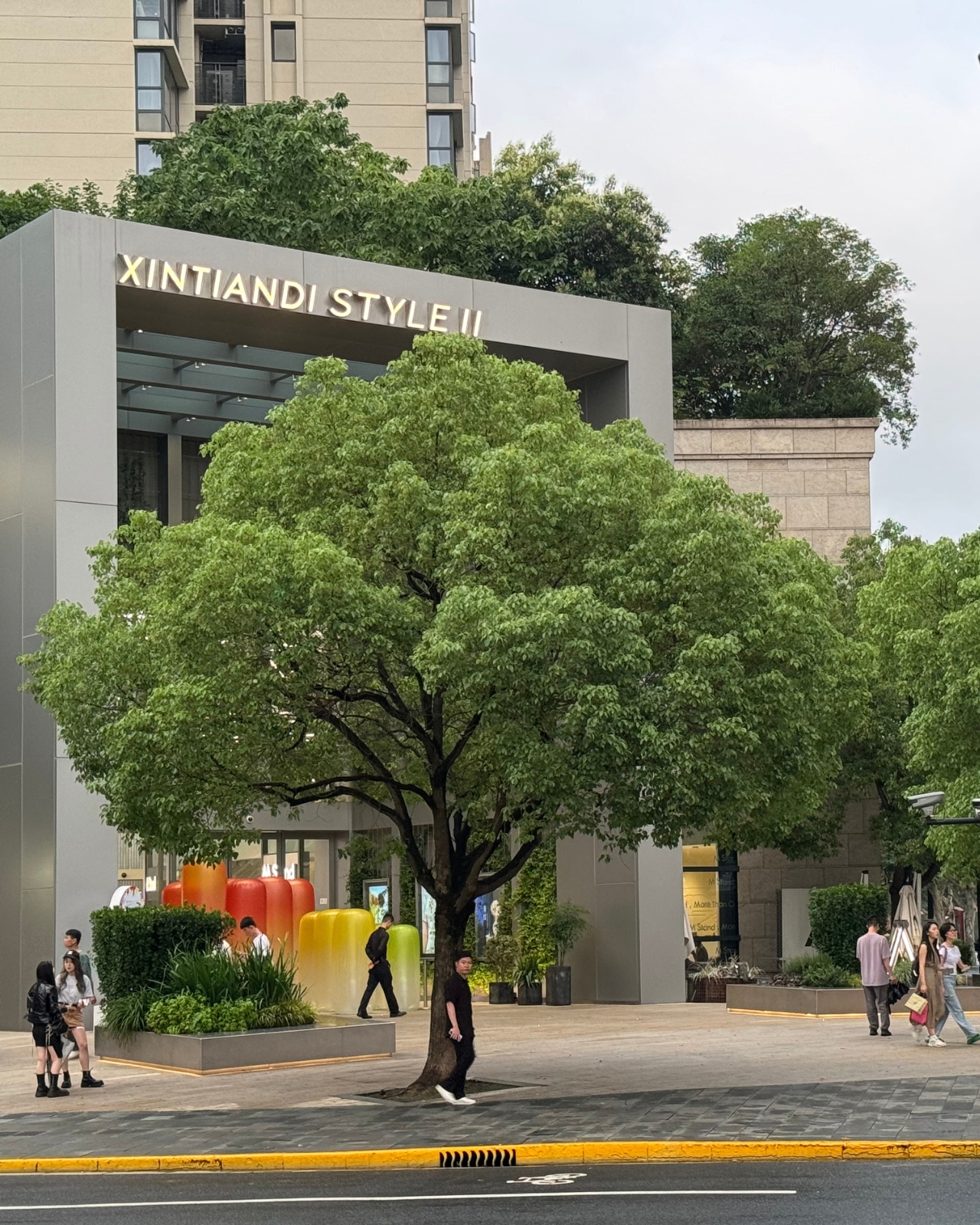
Light Me UP! is the kind of design that operates on multiple registers at once: visually arresting from the street, physically immersive once you’re inside it, and conceptually coherent in a way that holds up the more you think about it. That combination is rarer than it should be, and when it shows up, it’s worth paying attention to.
The post first appeared on .
Related Posts