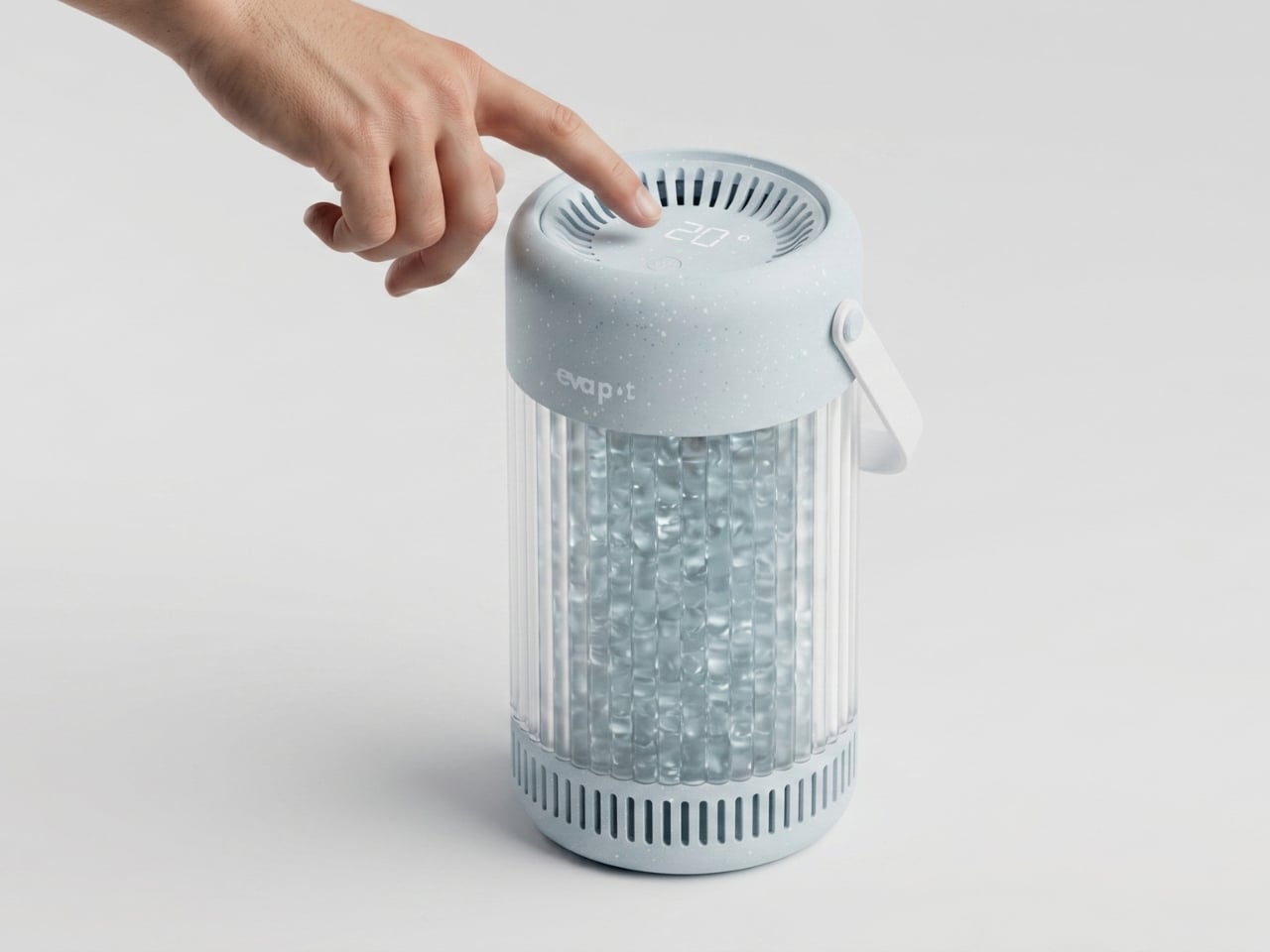
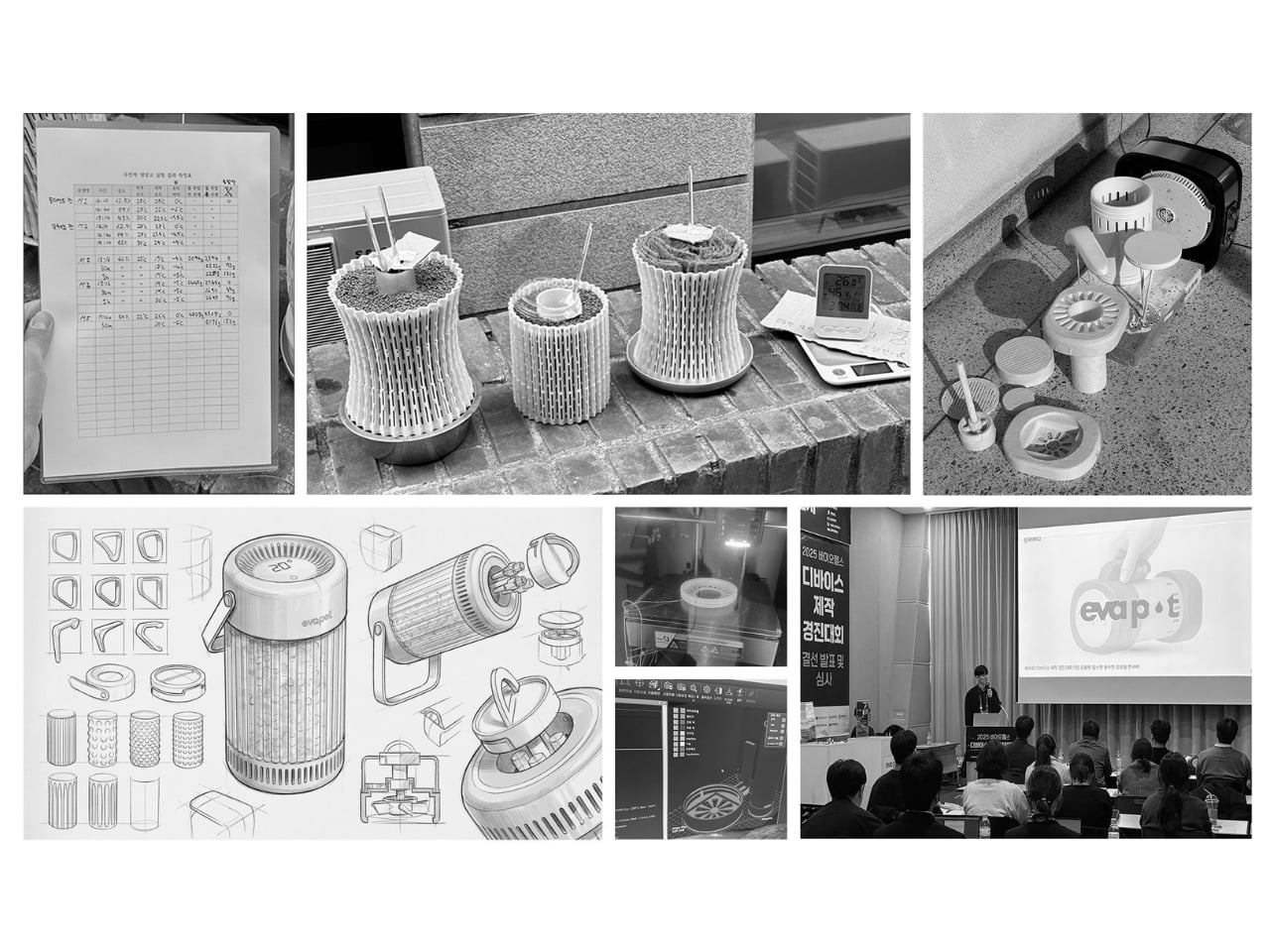
Korean industrial designer Yongwon Kim just posted a concept on Behance that made me stop my scroll completely. It’s called EVAPOT, and it’s a medical fridge. But the way it works is what makes it genuinely remarkable.
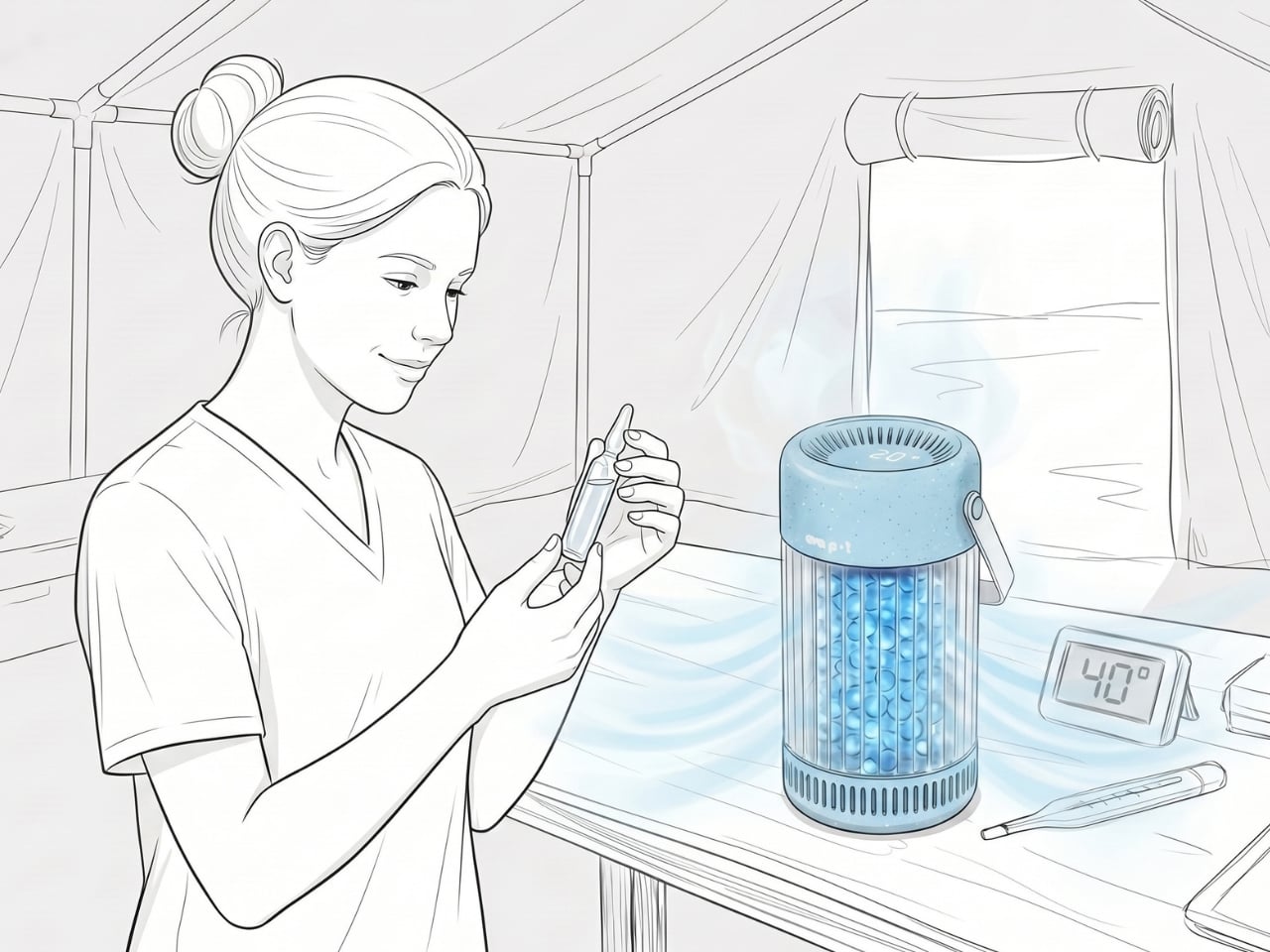
EVAPOT is an evaporative medical fridge, meaning it uses the natural physics of water evaporation to maintain cool temperatures. No compressor hum. No refrigerant gases. No power grid dependency. Just water, air, and a design principle that humans have been quietly exploiting for thousands of years.
Designer:

The technique EVAPOT draws from is ancient. The pot-in-pot cooler, also known as a zeer pot, dates back to civilizations in ancient Egypt and Persia who understood that when water evaporates, it pulls heat away from whatever it surrounds. The very basic version: put a smaller clay pot inside a larger one, fill the gap with wet sand, and the inner pot stays significantly cooler than the ambient air. No electricity. No moving parts. In the 1990s, Nigerian teacher Mohammed Bah Abba revived and scaled the concept, earning him a Rolex Award for Enterprise and changing food storage for thousands of rural families. What Kim has done with EVAPOT is take that foundational logic and redirect it toward one of the most pressing, underserved areas in global healthcare: medical cold storage.
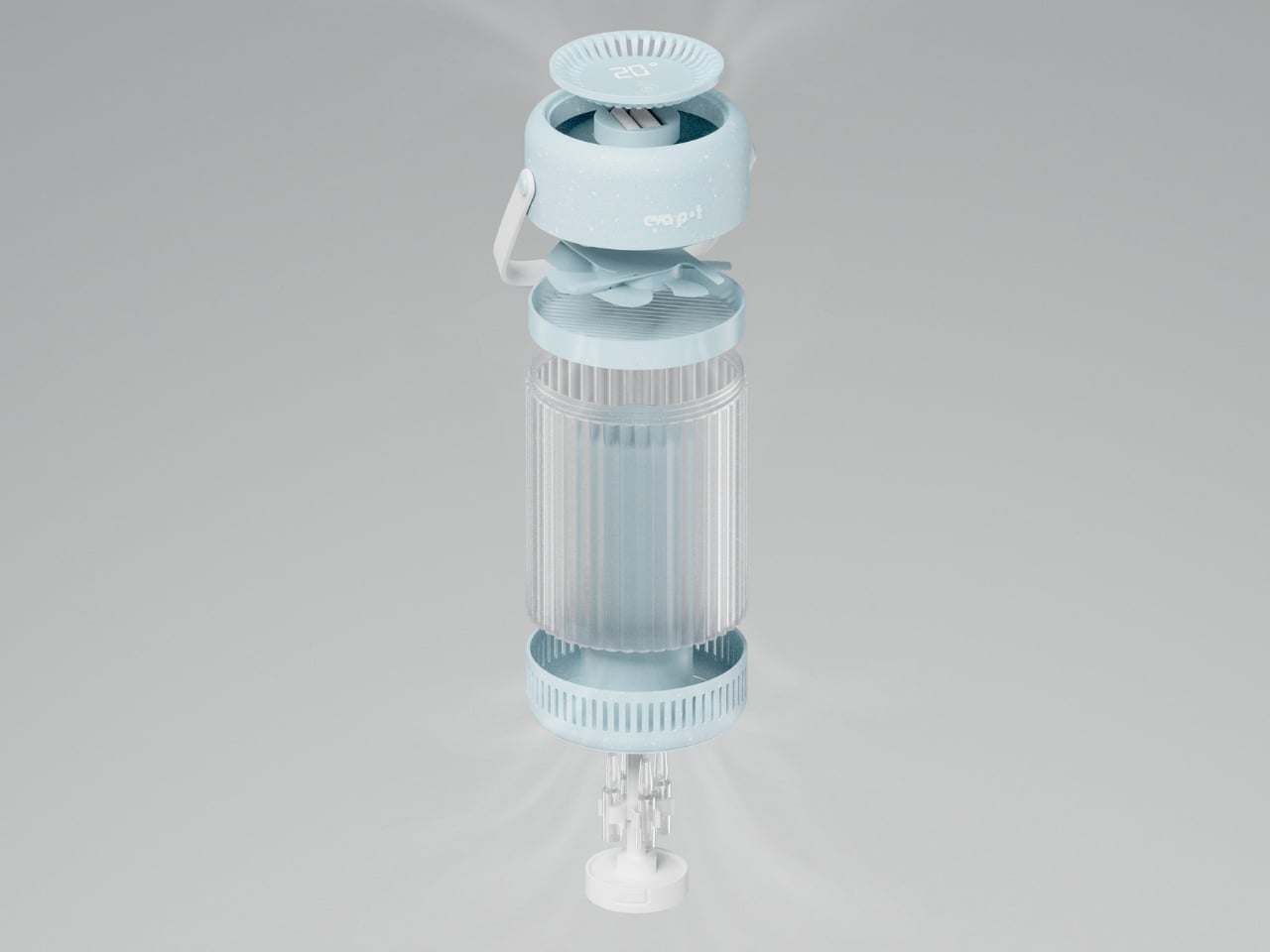
Cold chain failure is a problem that doesn’t get nearly enough attention in design conversations. Vaccines, insulin, blood products, certain diagnostic samples: all of them require refrigeration at specific temperatures to remain viable. And when the power goes out, or when clinics operate in areas where the power never reliably came on to begin with, those materials are compromised. The pharmaceutical industry is estimated to lose billions of dollars annually due to temperature-related failures. The human cost of that, measured in spoiled vaccines and interrupted treatments, is harder to quantify but far more significant.
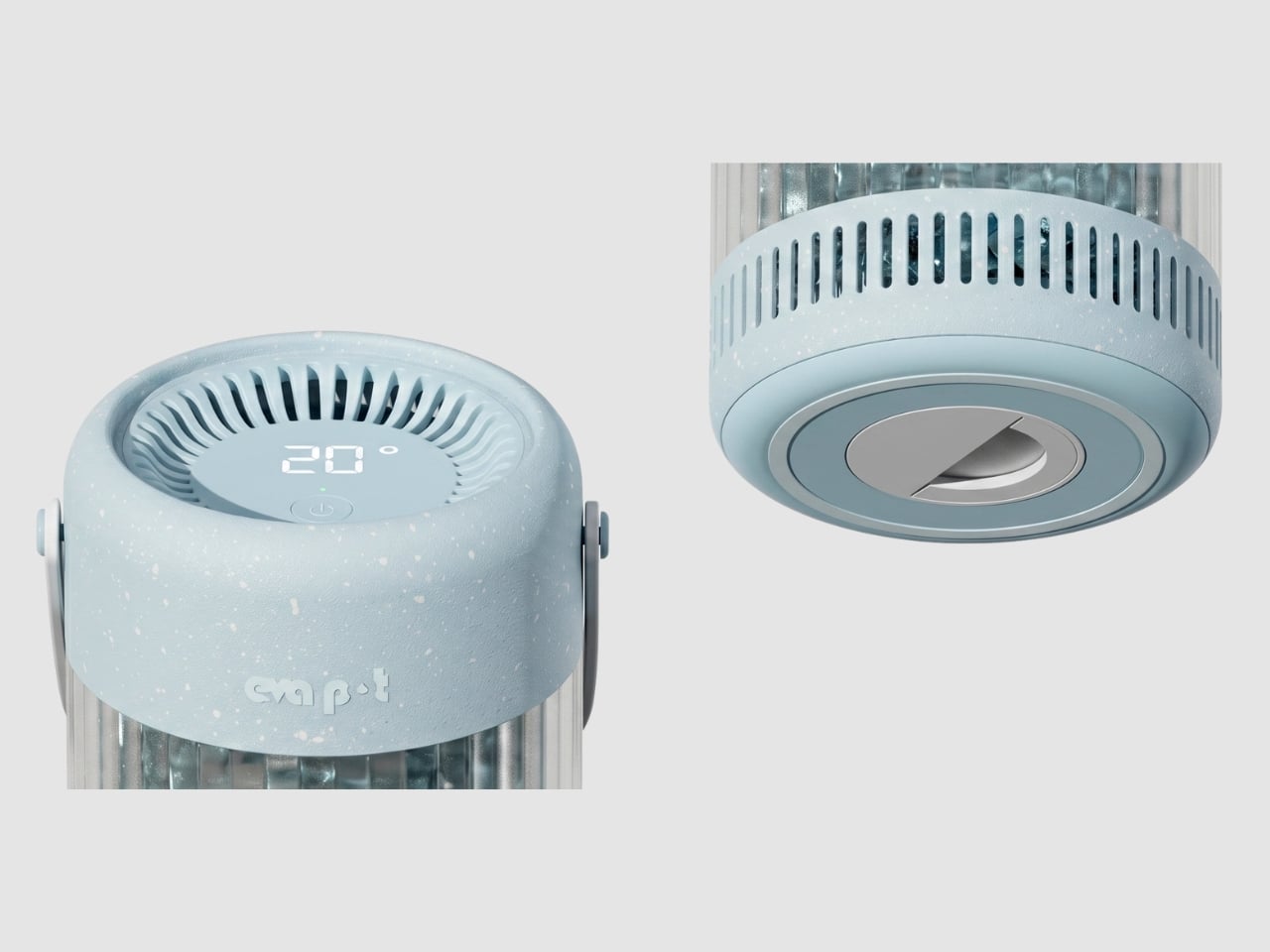
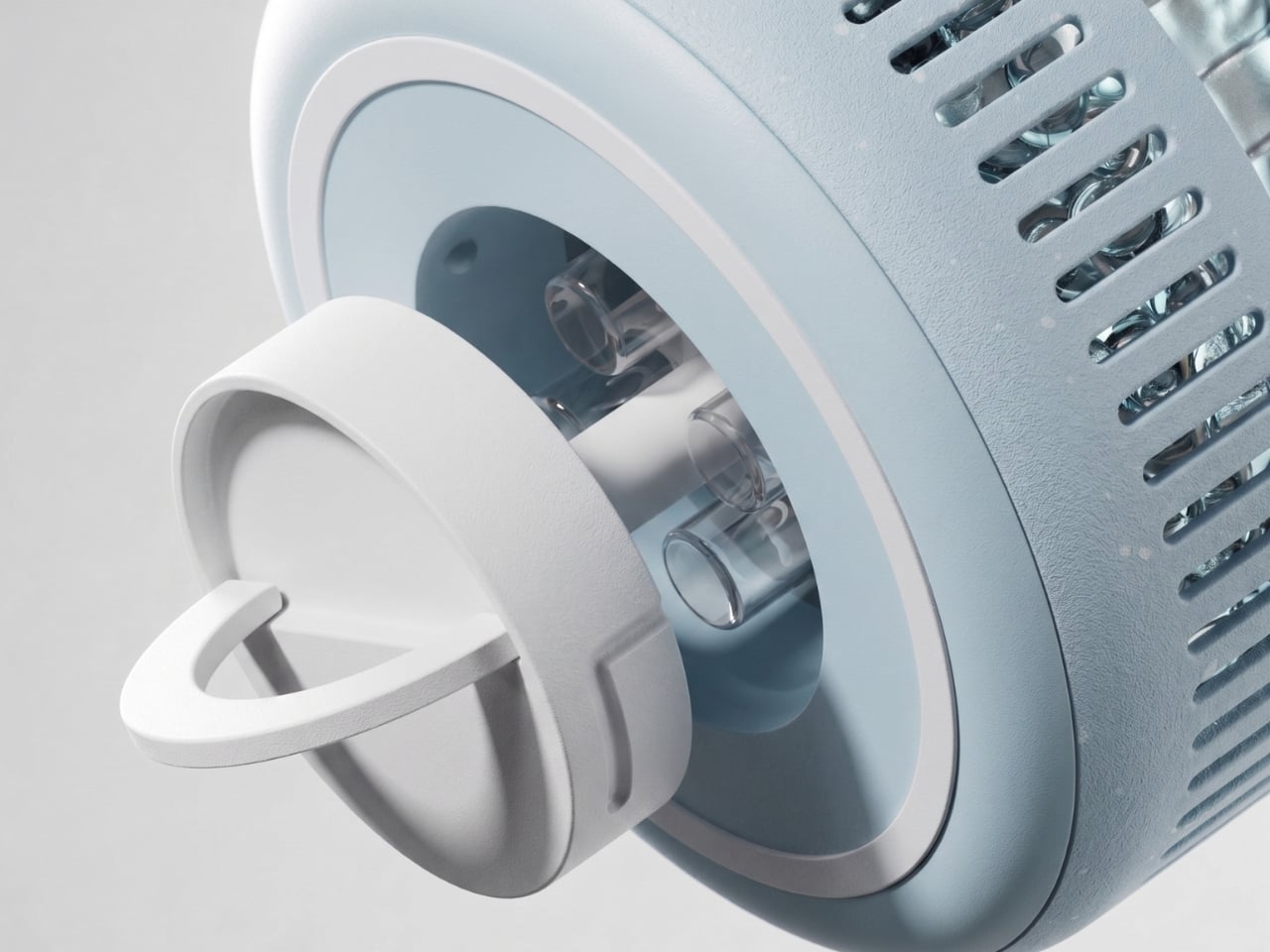
That’s the space EVAPOT is designed to occupy. A cooling unit that doesn’t depend on electricity to stay functional. Visually, the renders on Kim’s Behance are striking. The form carries a clean, sculptural quality that doesn’t look like what you’d normally associate with medical equipment. Most clinical refrigerators look like they belong in a break room. EVAPOT looks like it belongs at a design fair, which is probably what will get it in front of the right eyes.
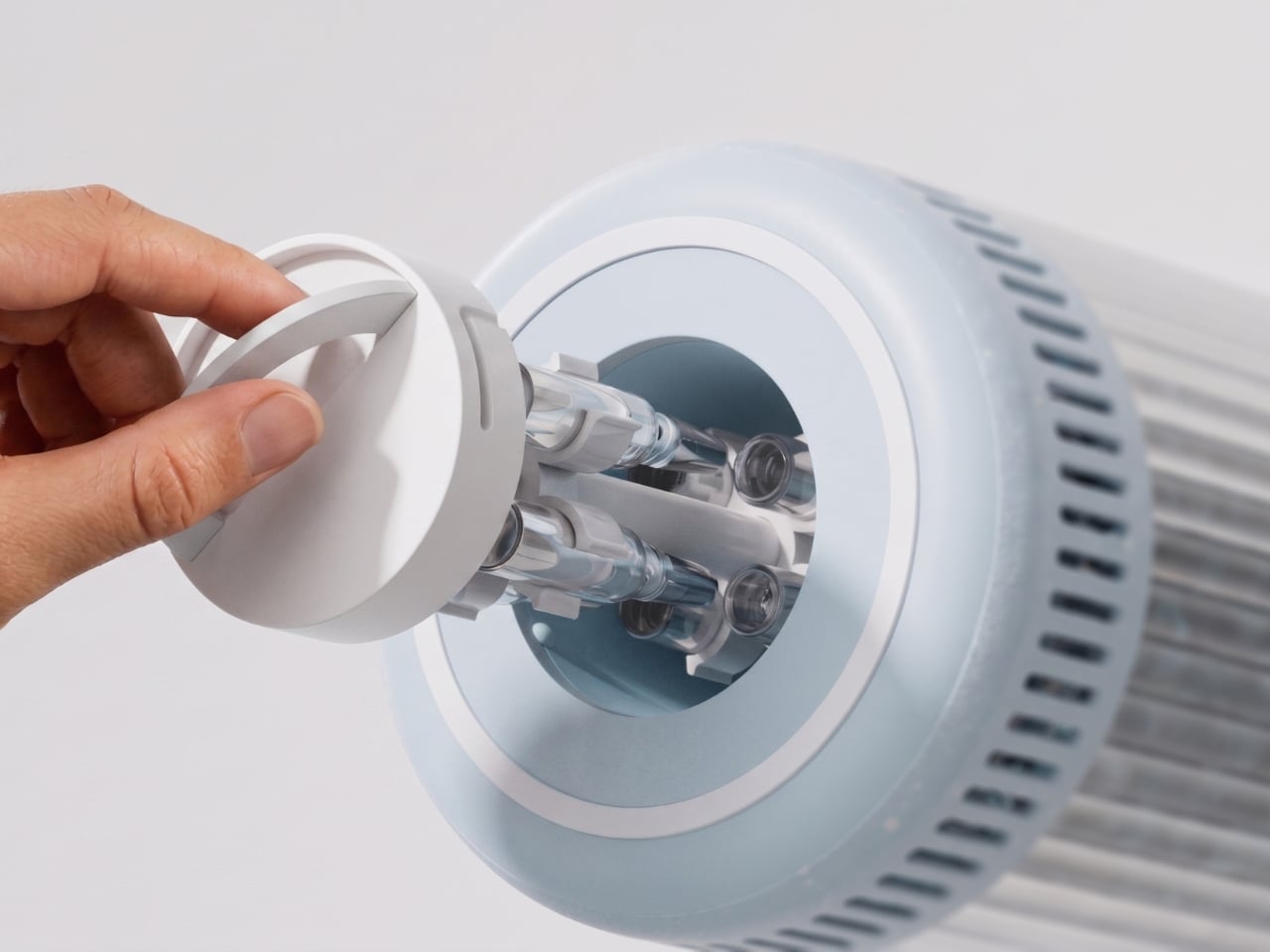
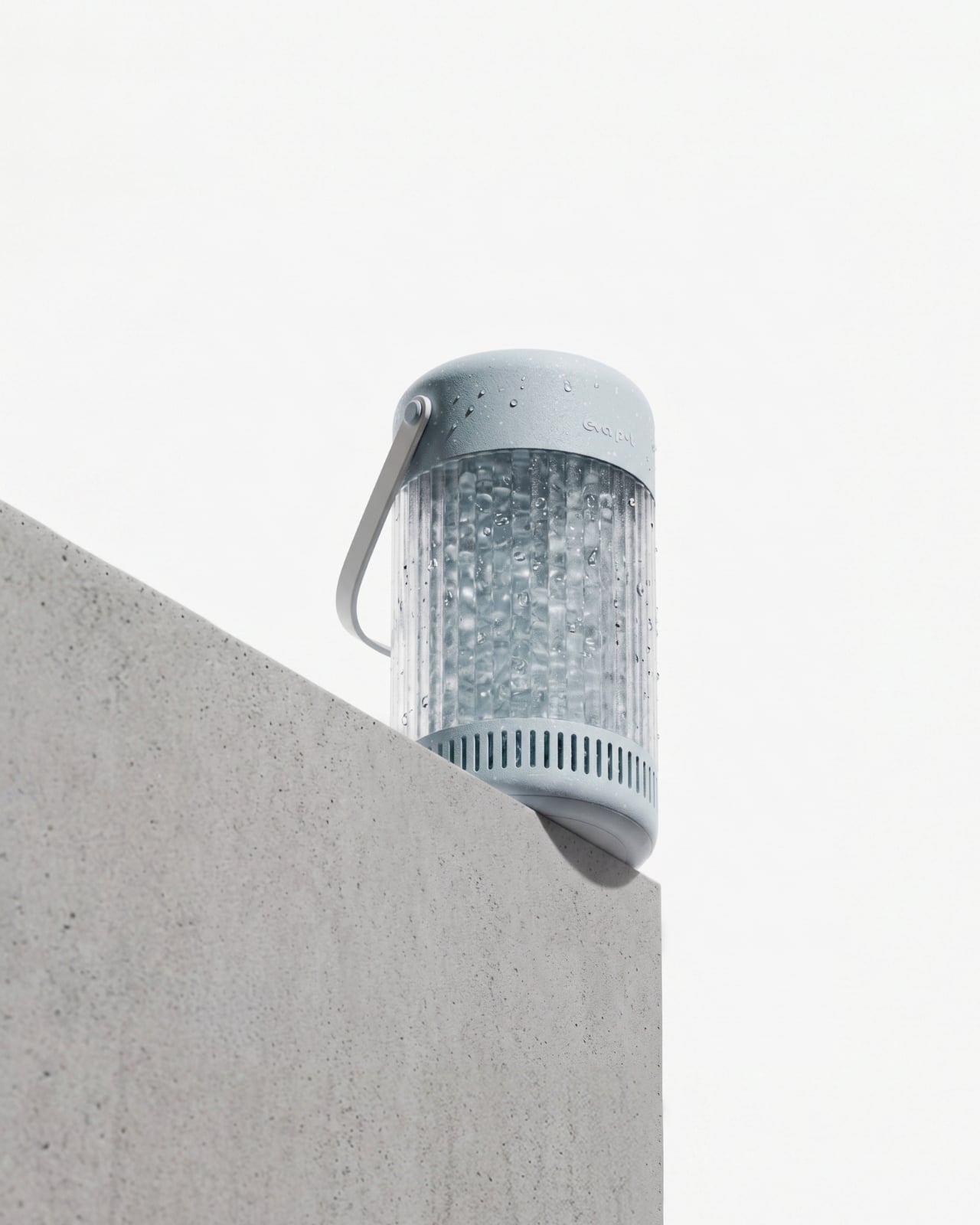
Kim’s concept is a smart synthesis of two things the design world talks about constantly but rarely manages to connect: ancient ingenuity and contemporary need. The materials suggested, the form factor, the application to medical storage rather than food, these are all choices that feel deliberate and considered. It signals that the designer wasn’t just playing with an interesting visual, but was genuinely thinking about where this gap exists in the world and who it serves.
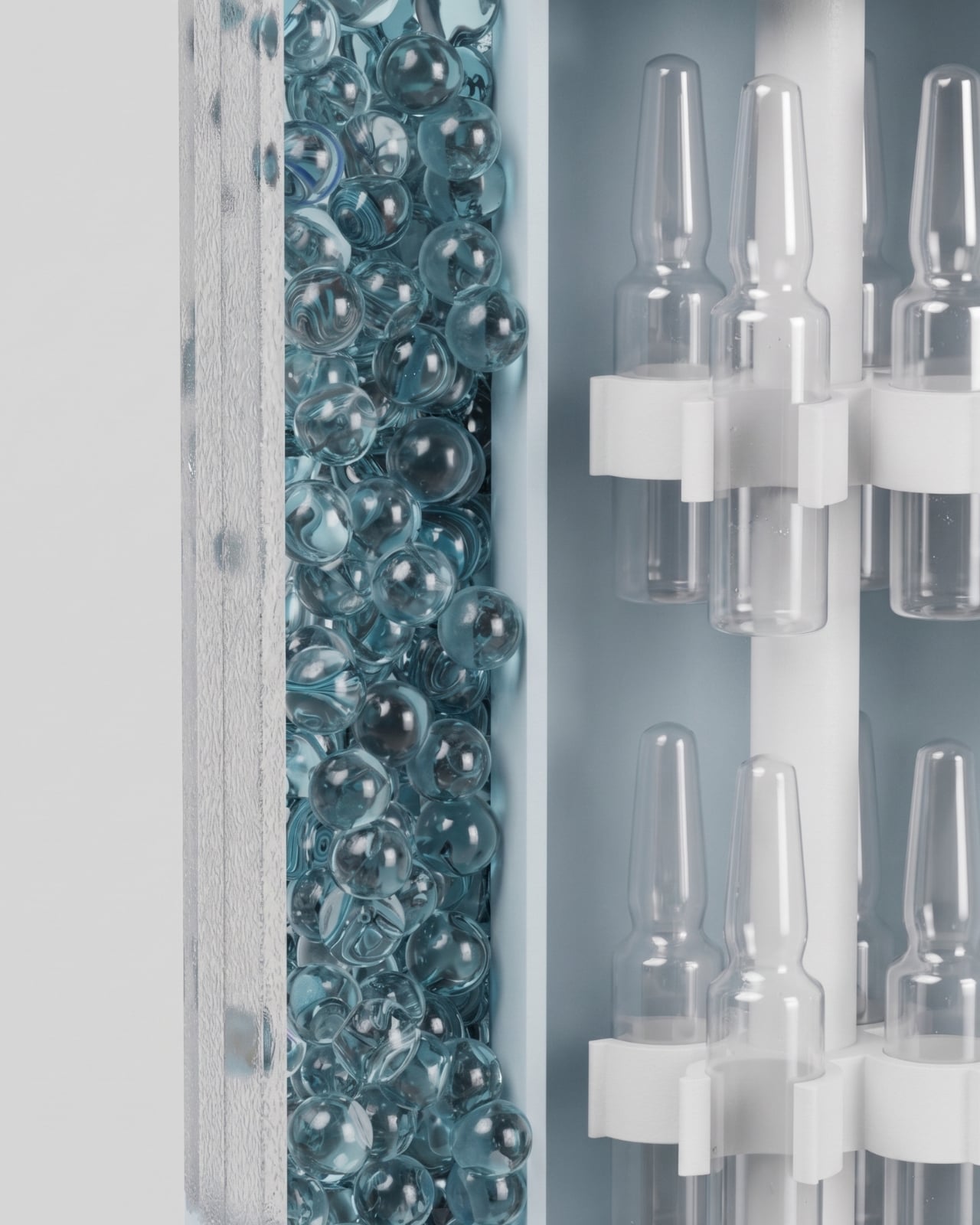
I’ll be honest: the concept is exciting, and it also deserves serious critique alongside the applause. Evaporative cooling works best in dry climates. Humidity is its natural enemy, and many of the regions most in need of off-grid medical cold storage are tropical or coastal, where ambient moisture in the air significantly reduces the efficiency of evaporative systems. That’s a real engineering challenge that any production version of EVAPOT would need to solve if it’s going to be more than a beautiful idea. But beautiful ideas have started more revolutions than fully engineered ones, and this is still a concept stage.
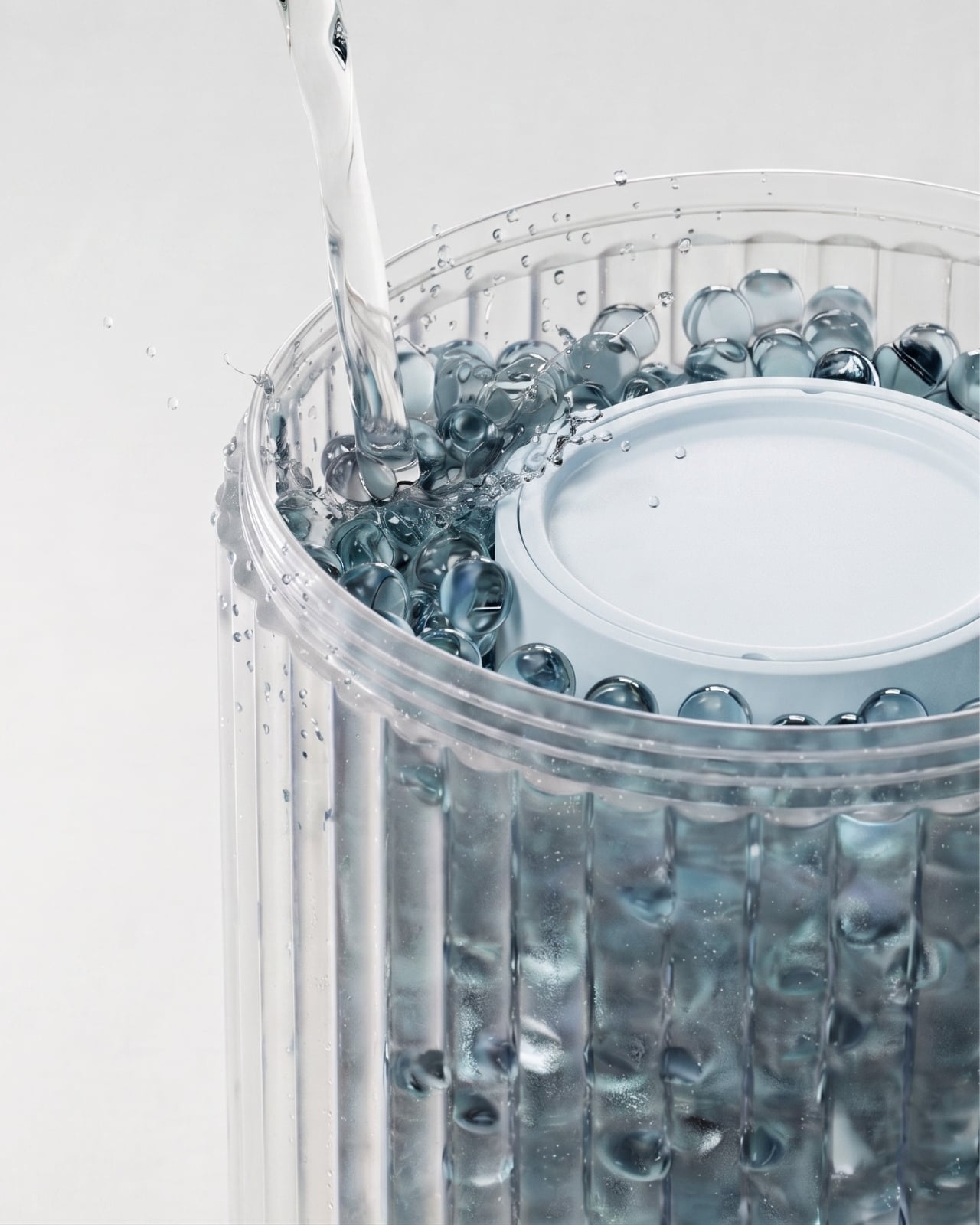
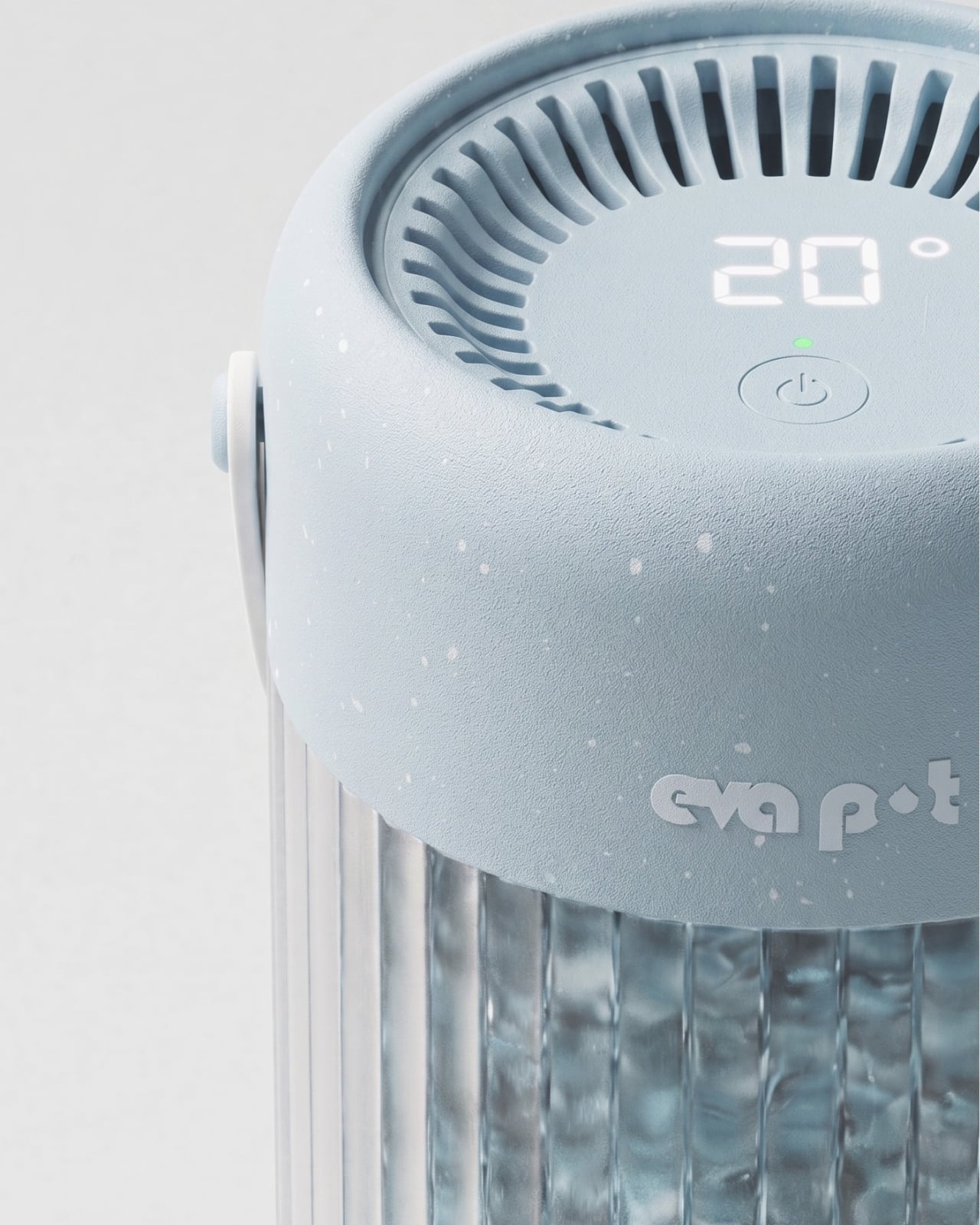
What Kim has done is put a compelling, well-rendered proposal into public conversation, and that has value. Sometimes the job of a designer at the concept phase is not to answer every question but to ask a better one. The question EVAPOT poses, whether ancient, low-tech cooling logic can be reimagined for modern medical use, is absolutely the right one. It’s the kind of thinking that comes from looking sideways at a problem instead of straight at it. And maybe that’s where the most interesting design is always living. Not in the obvious upgrade, but in the unexpected detour through history.
The post first appeared on .
Related Posts