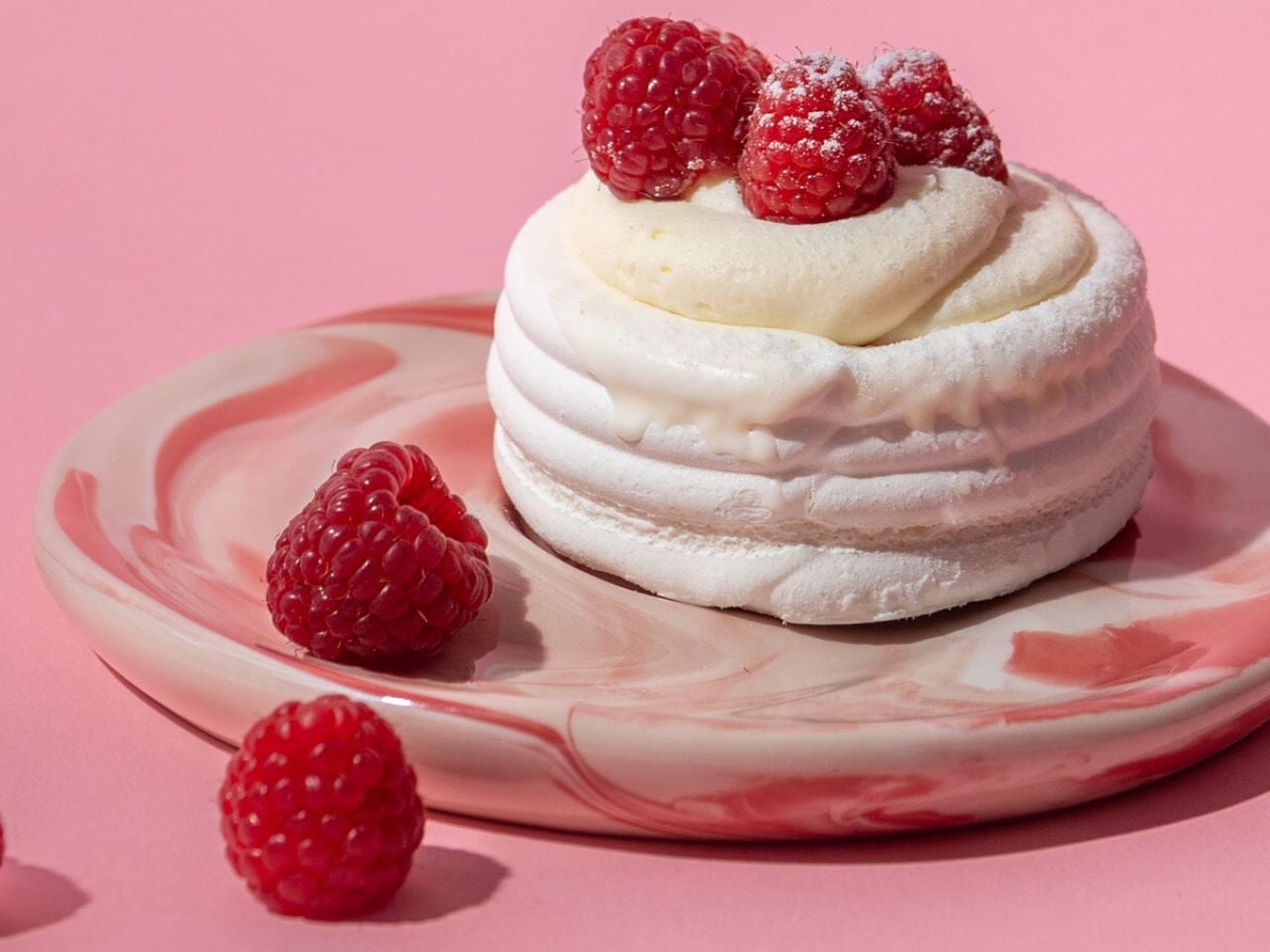
HAK Studio’s UMA Tableware Collection represents a poetic union of design, neuroscience, and sensory wellness. Developed through in-depth research in gastrophysics, the study of how sensory stimuli shape our perception of flavor, the collection transforms everyday dining into a multisensory experience. Each piece in the series explores how color, texture, and form can subtly manipulate taste expectations and amplify the enjoyment of food, particularly for those whose sense of taste has diminished.
Drawing inspiration from the pioneering work of Professor Charles Spence at the University of Oxford, UMA stems from the understanding that the brain forms flavor expectations before a meal is even tasted. Visual and tactile cues such as surface gloss, hue, or material finish can psychologically intensify sweetness, saltiness, or richness. This opens a new path toward healthier eating, where design itself can reduce the reliance on excessive sugar or salt while maintaining sensory satisfaction.
Designer:
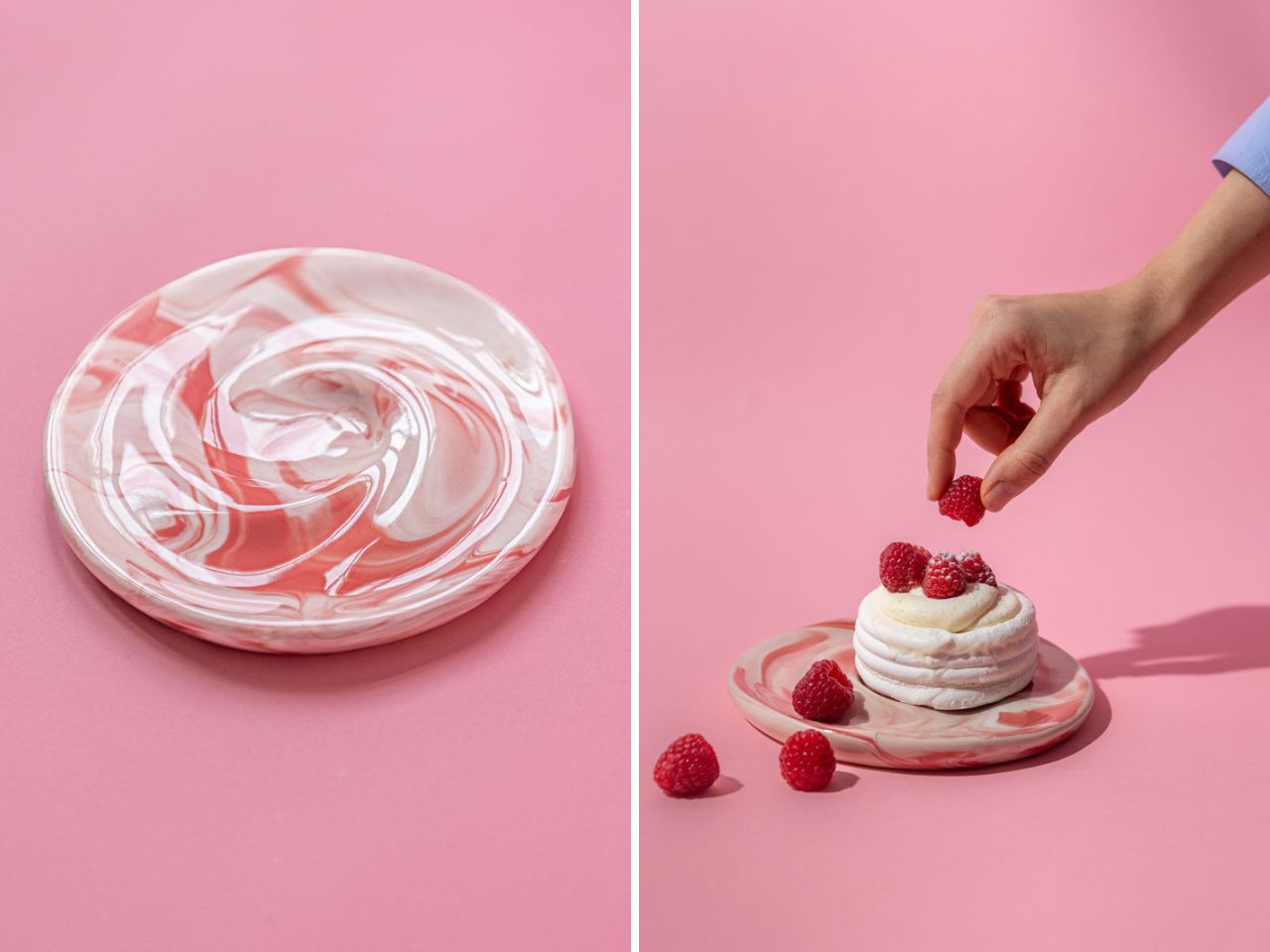
The collection also serves as a powerful reminder of how deeply intertwined our senses truly are. It is fascinating to see how something as intangible as texture can profoundly affect taste, demonstrating that as designers, we must learn to holistically engage all five senses of the human mind and body to craft truly wholesome, resonant experiences. When sight, touch, smell, sound, and taste align, the result transcends functionality; it becomes emotional, memorable, and restorative.
Equally important is the recognition that sensory perception is not universal; it is shaped by culture. The perception of texture and visual appeal carries deep cultural cues and associations. For instance, what one culture perceives as luxurious gloss may, in another, feel overly artificial or indulgent. UMA’s design sensitivity embraces this nuance, balancing universal neuroscientific principles with local craftsmanship traditions to ensure the pieces evoke comfort and familiarity across diverse cultural contexts.
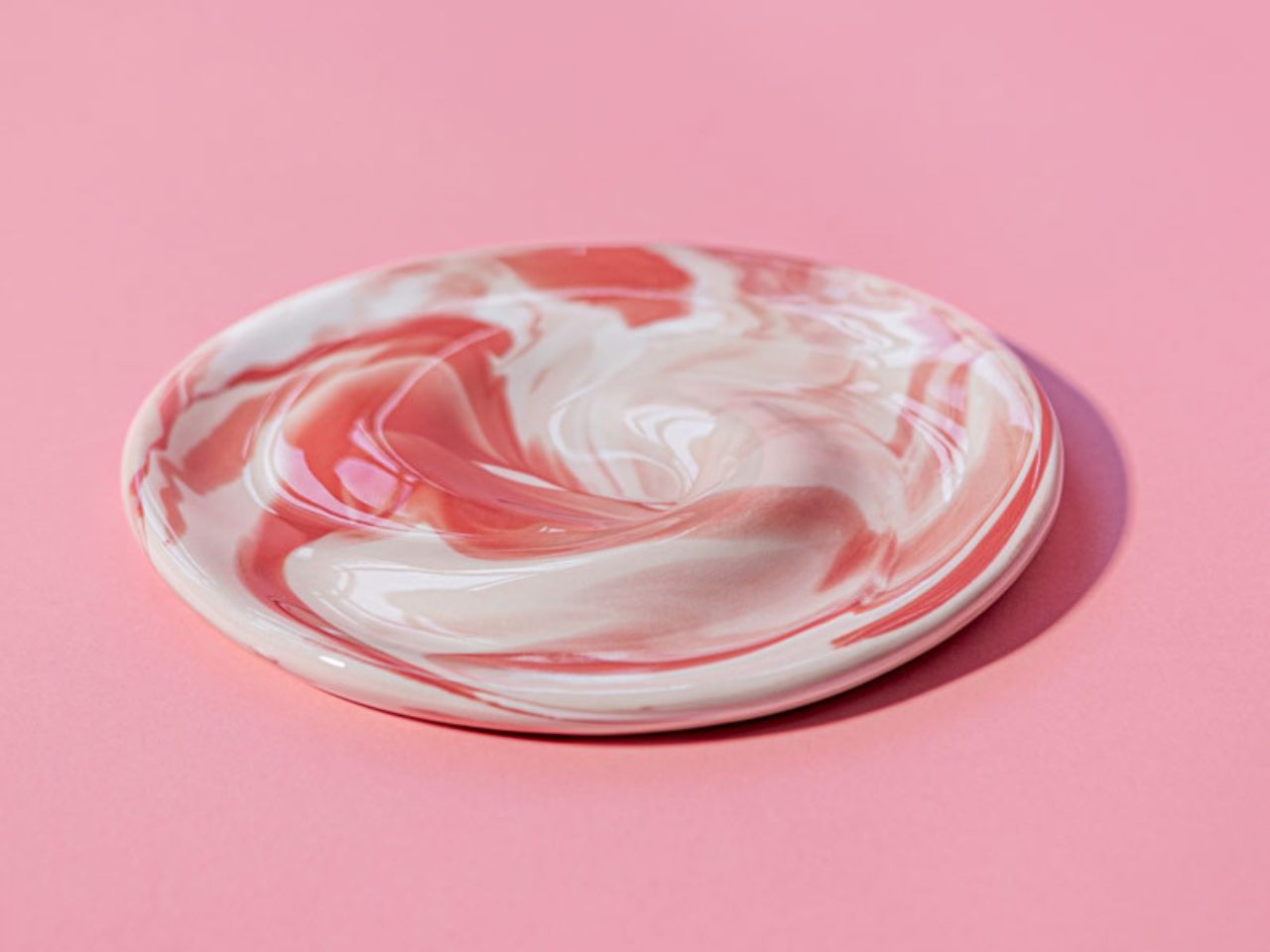
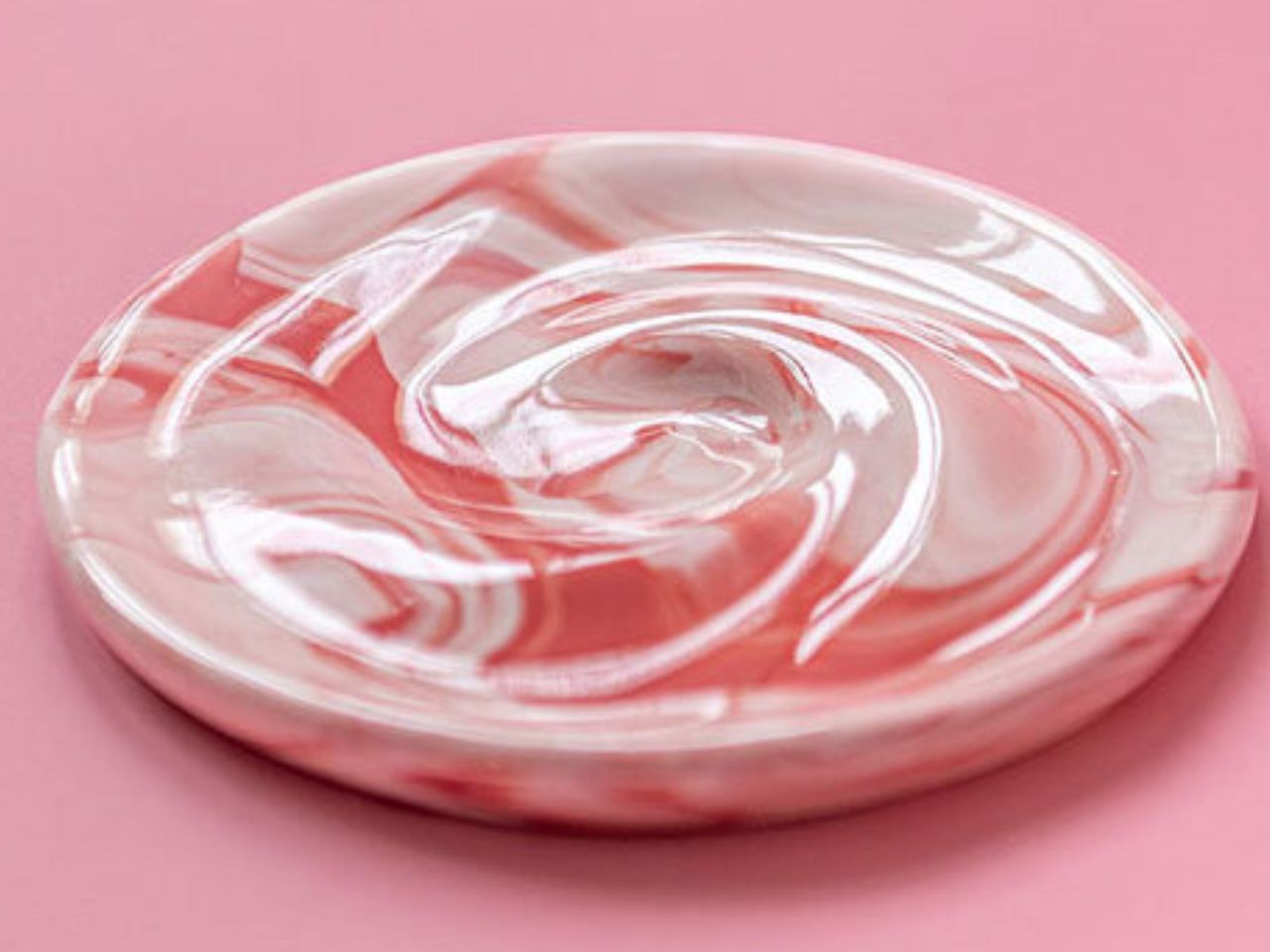
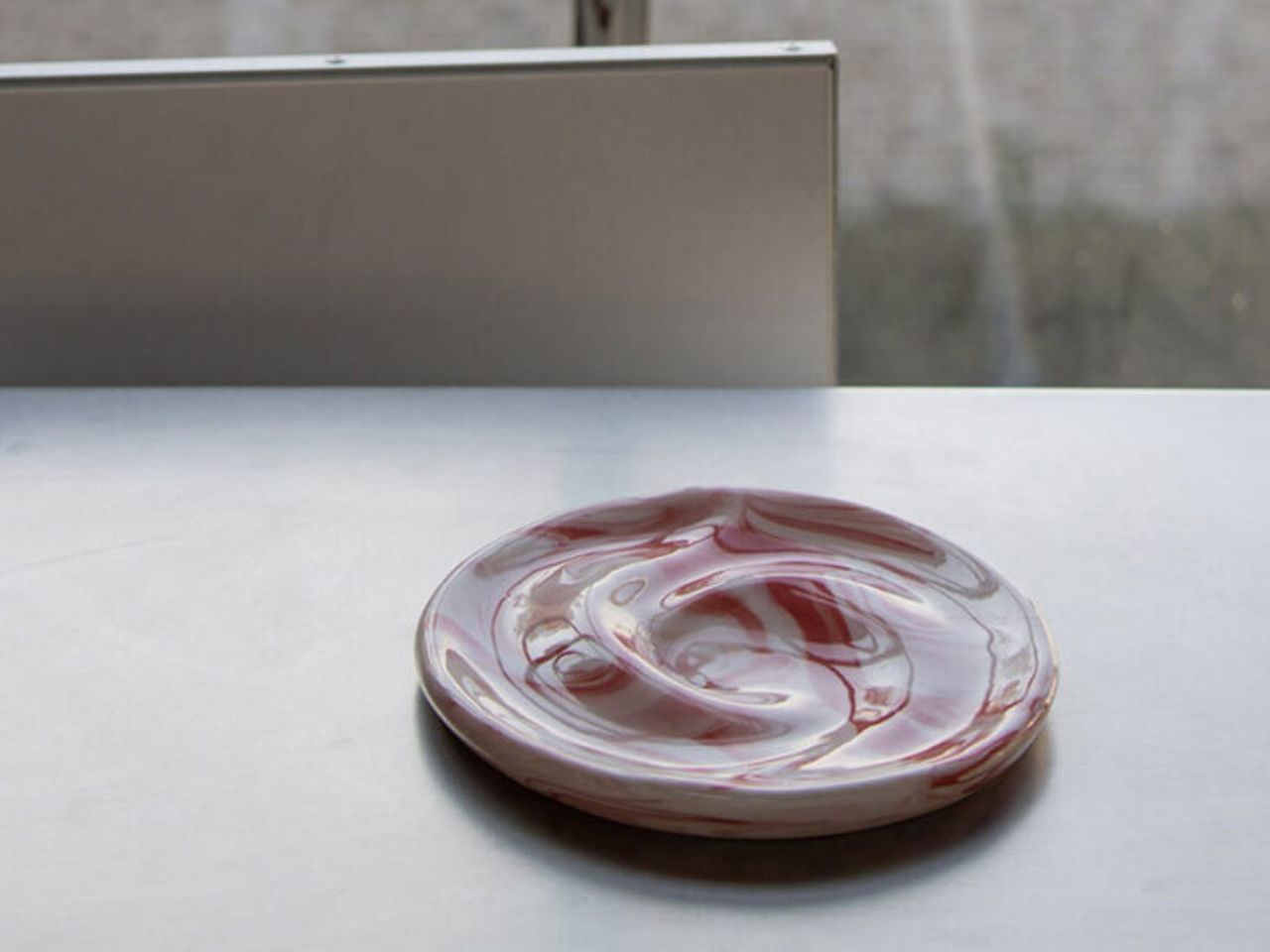
The centerpiece of the collection, a swirling porcelain dessert plate, is crafted to heighten the perception of sweetness. Its glossy, candy-like glaze swirls in shades reminiscent of toffee and strawberry cream, echoing the visual memory of confectionery indulgence. The undulating pattern and reflective surface emulate the fluidity of melted chocolate, activating sweet associations even before the first bite. Each plate is individually hand-finished using a color-mixing technique that ensures no two pieces are ever alike, making every dessert experience unique and personal.
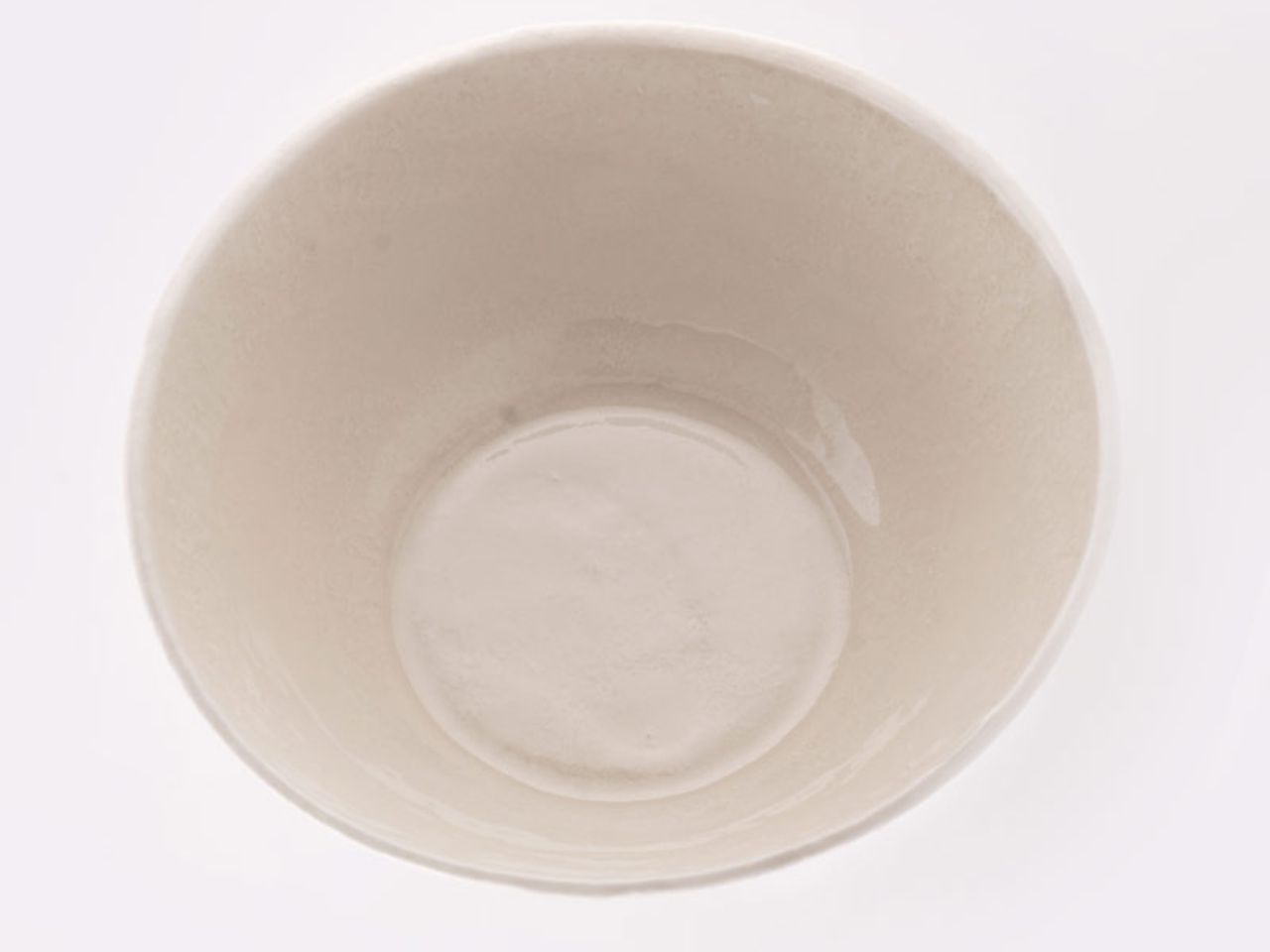
Complementing this is the salty bowl, a tactile exploration of contrast. Its rough, unglazed exterior invites the hand to explore a texture resembling crystallized salt, while the smooth, quartz-glazed interior provides a gentle counterpoint. The interplay between the two surfaces encourages sensory engagement; what you feel begins to influence what you taste. Rooted in Japanese tableware traditions, the bowl’s balanced proportions make it ideal for comforting dishes such as soups, stews, and rice-based meals, where warmth and texture combine to enhance savoriness.
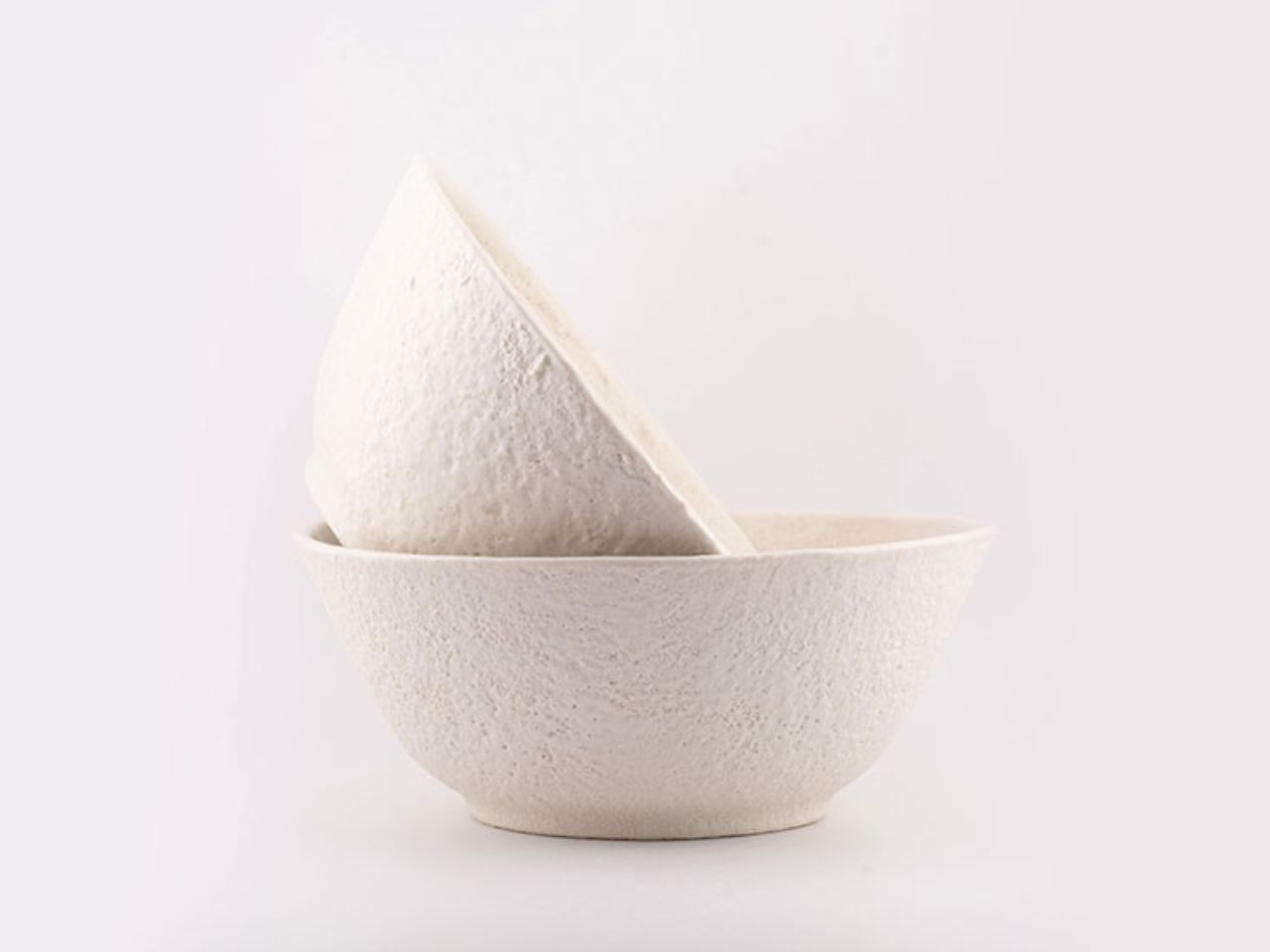
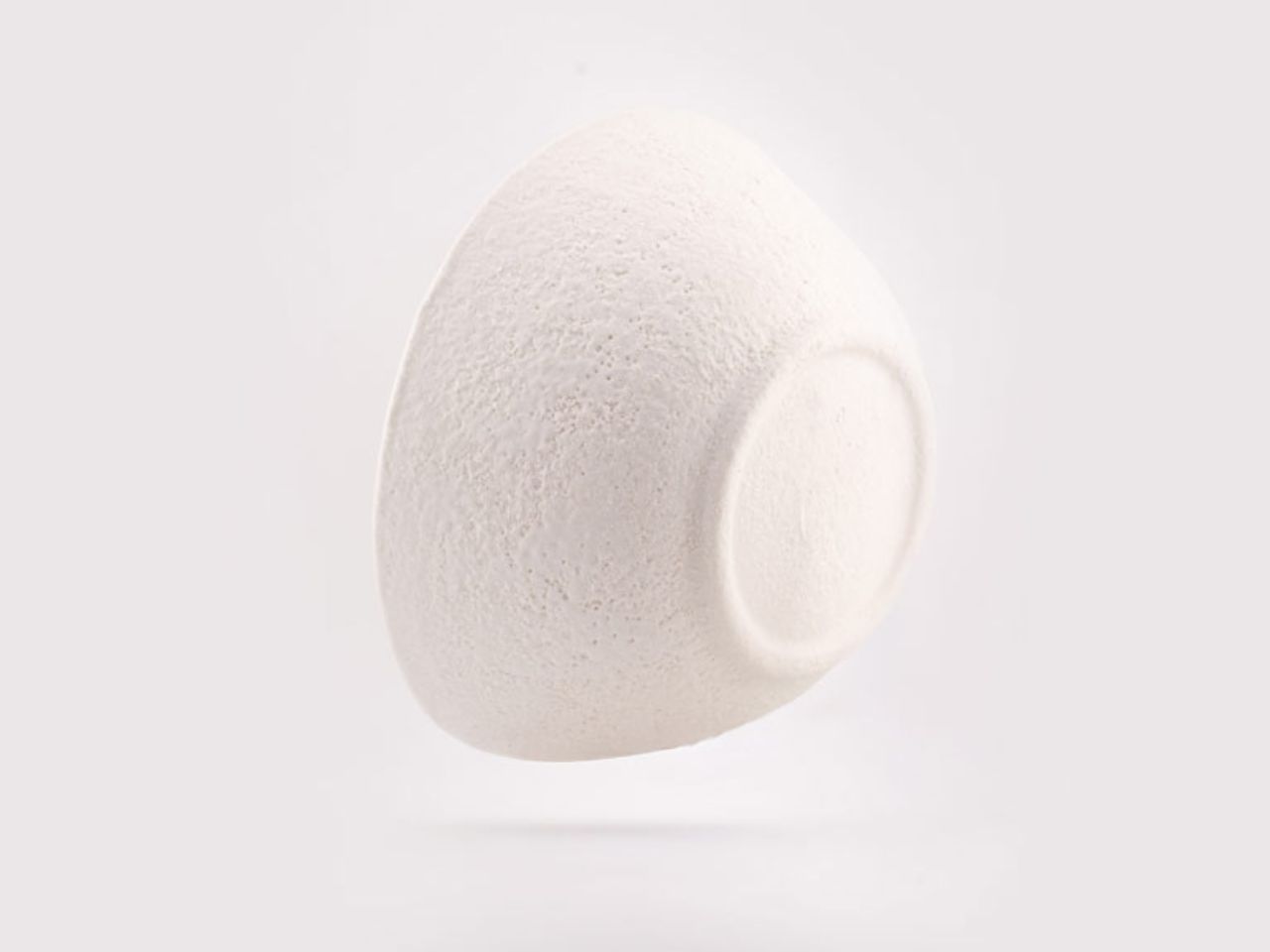
To test UMA’s effectiveness, HAK Studio conducted interviews with 20 participants, including older adults and individuals recovering from COVID-19–related taste loss. Their feedback consistently confirmed that using or even observing the prototypes enhanced their sensory awareness and overall perception of flavor.
Produced in Copenhagen, UMA exemplifies how craftsmanship and neuroscience can intertwine to serve both aesthetic and functional goals. It’s not just tableware, it’s a sensory instrument, a quiet bridge between the scientific and the emotional. Through thoughtful form, material honesty, and cultural sensitivity, HAK Studio demonstrates how design can become a powerful agent of sensory restoration and well-being, turning the act of eating into a mindful, multisensory ritual.
The post first appeared on .
Related Posts