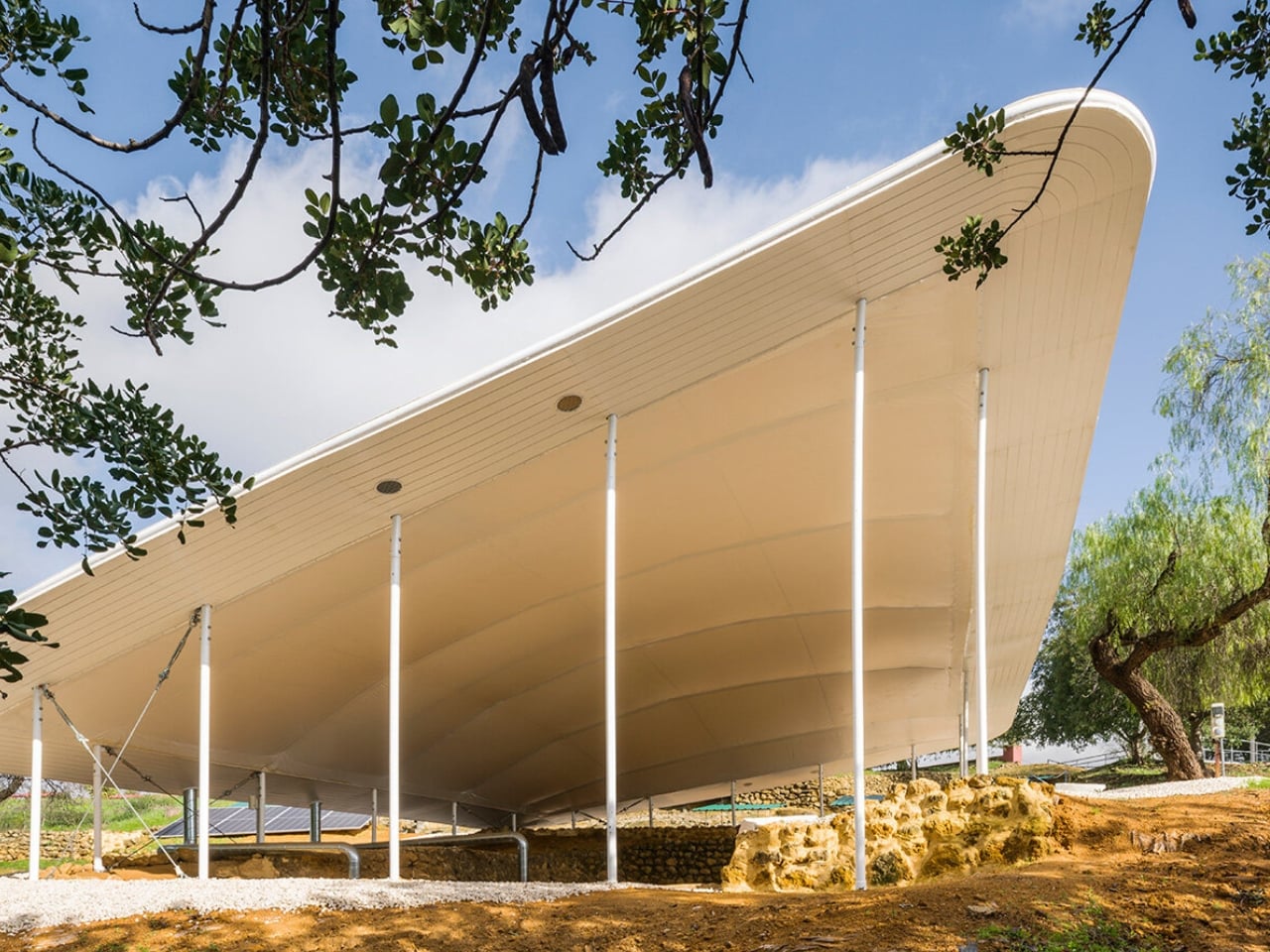
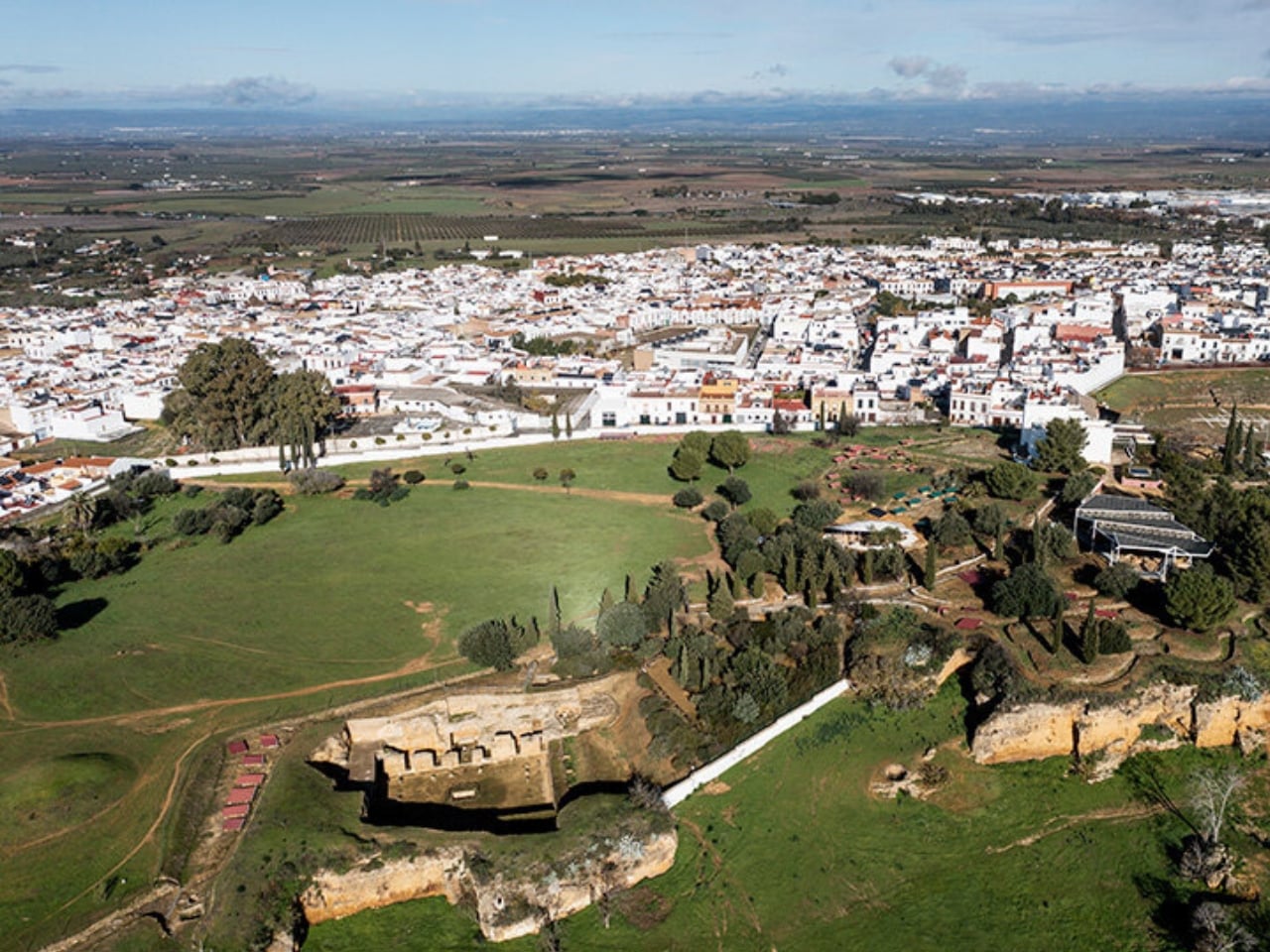
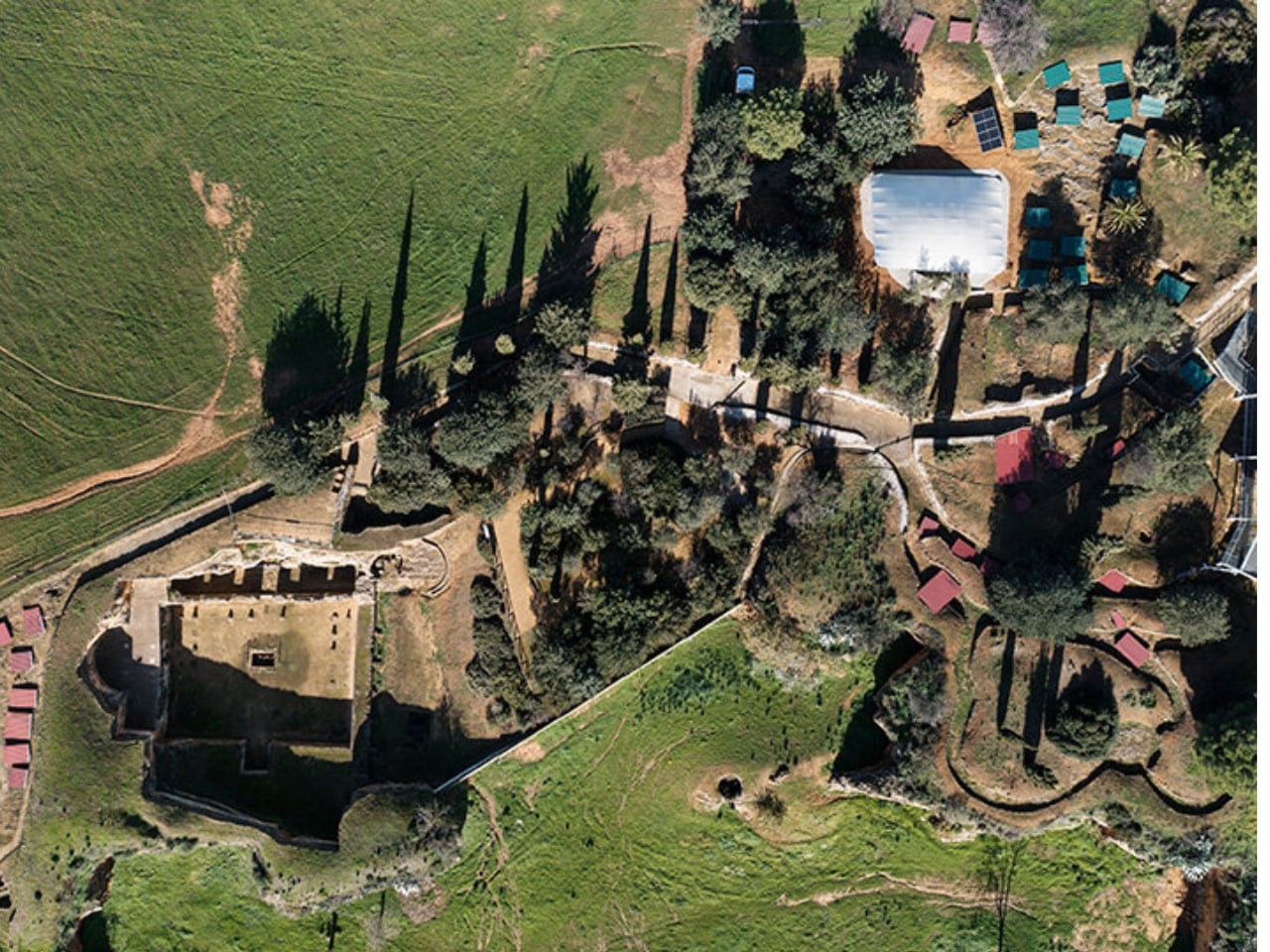
There’s something beautiful about watching cutting-edge technology come to the rescue of ancient artifacts. At the Archaeological Complex of Carmona in Spain, architects Juan Carlos Gómez de Cózar and Manuel Ordóñez Martín have created a stunning example of this intersection by designing a 3D-printed canopy that protects Roman tombs while barely making its presence known.
The project tackles a challenge that archaeologists face worldwide: how do you preserve delicate historical sites without turning them into enclosed museum pieces? These Roman tombs have survived centuries, but exposure to the elements continues to threaten their integrity. The solution needed to be protective yet unobtrusive, functional yet respectful of the site’s historical significance.
Designers: Juan Carlos Gómez de Cózar and Manuel Ordóñez Martín (photography by )
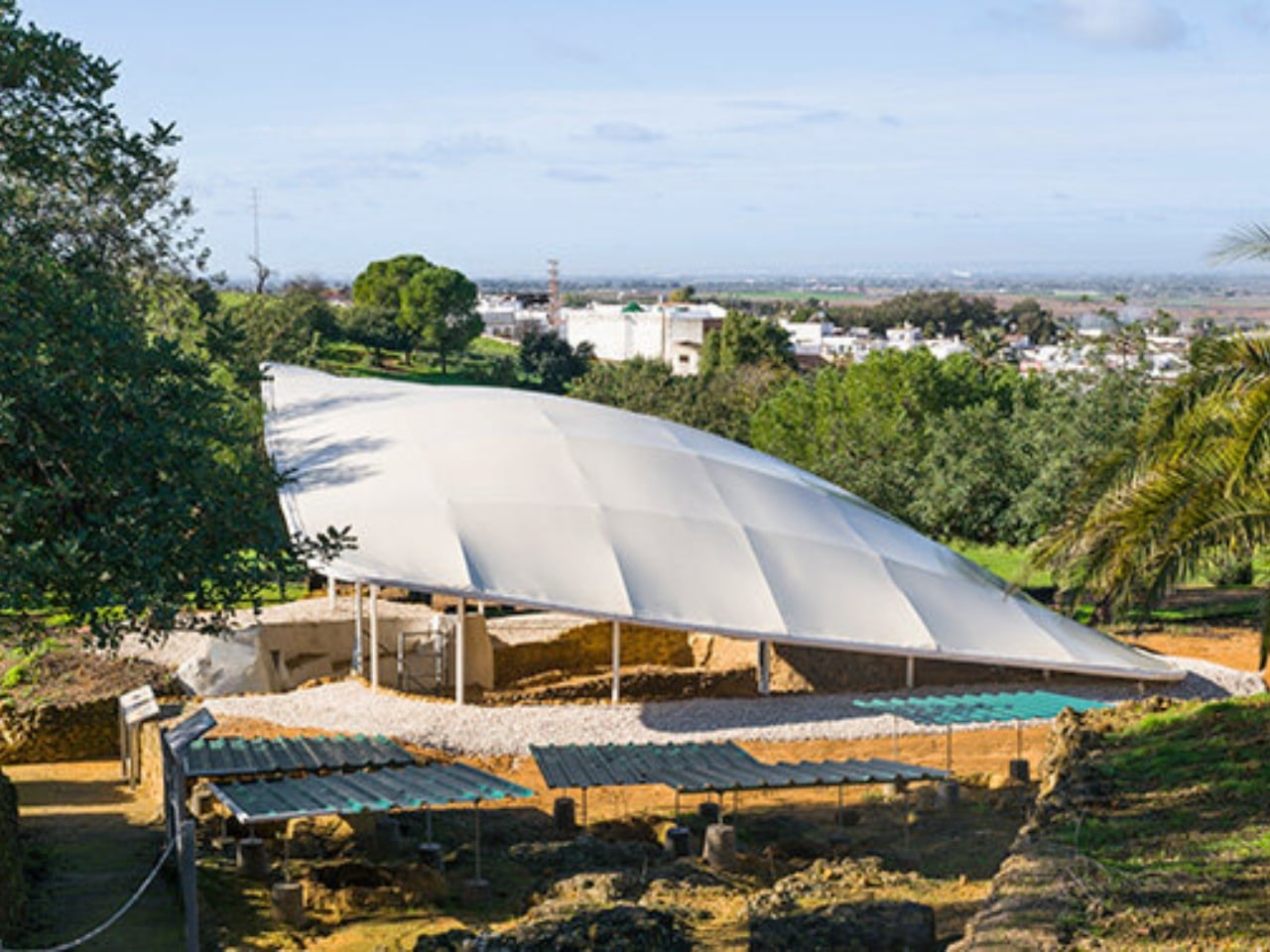
What makes this canopy special isn’t just that it uses 3D printing technology, though that’s certainly impressive. It’s the way the designers thought about the entire system. Rather than simply throwing a roof over the tombs and calling it a day, they created what’s essentially a climate-control system disguised as architecture.
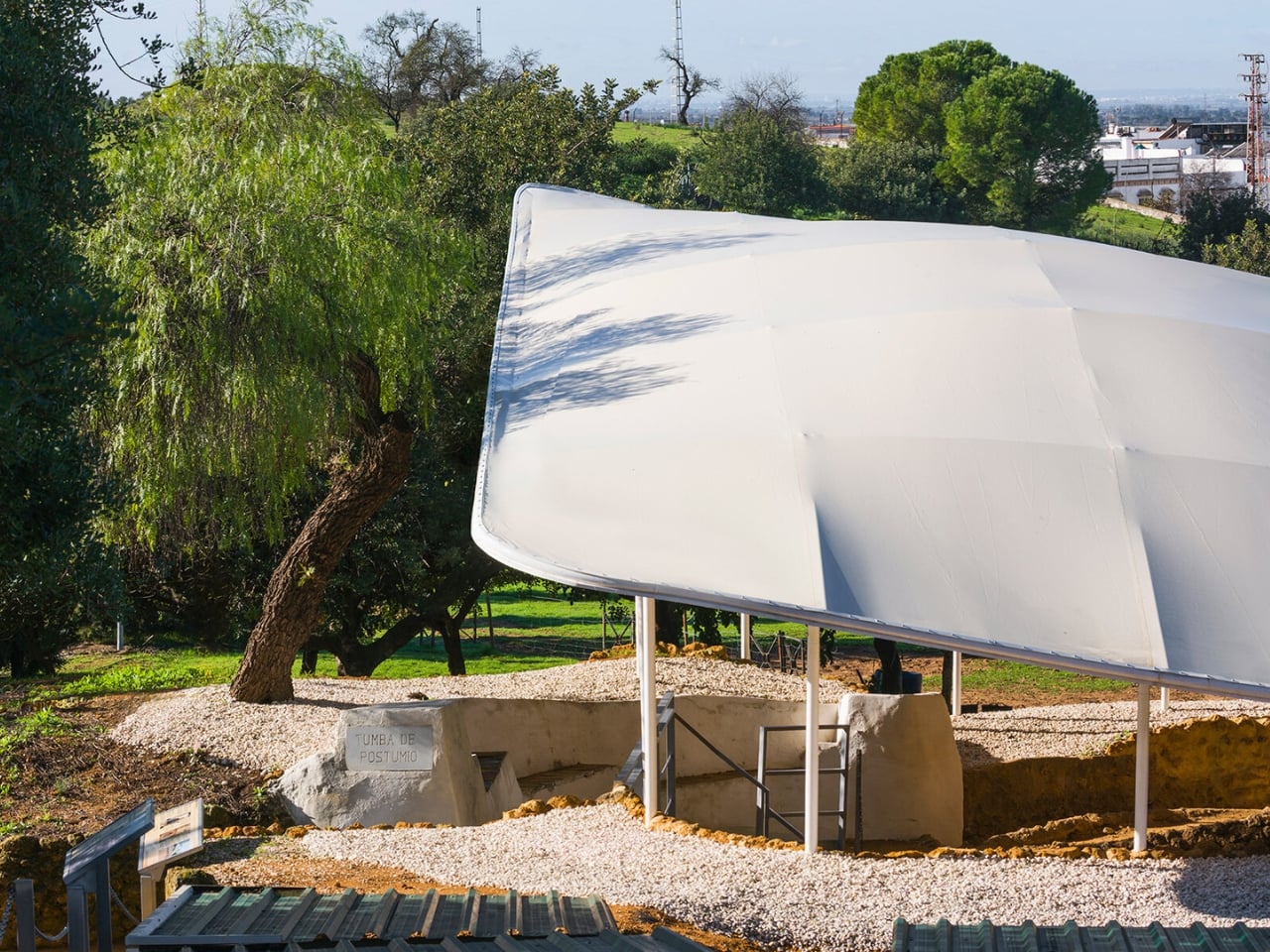
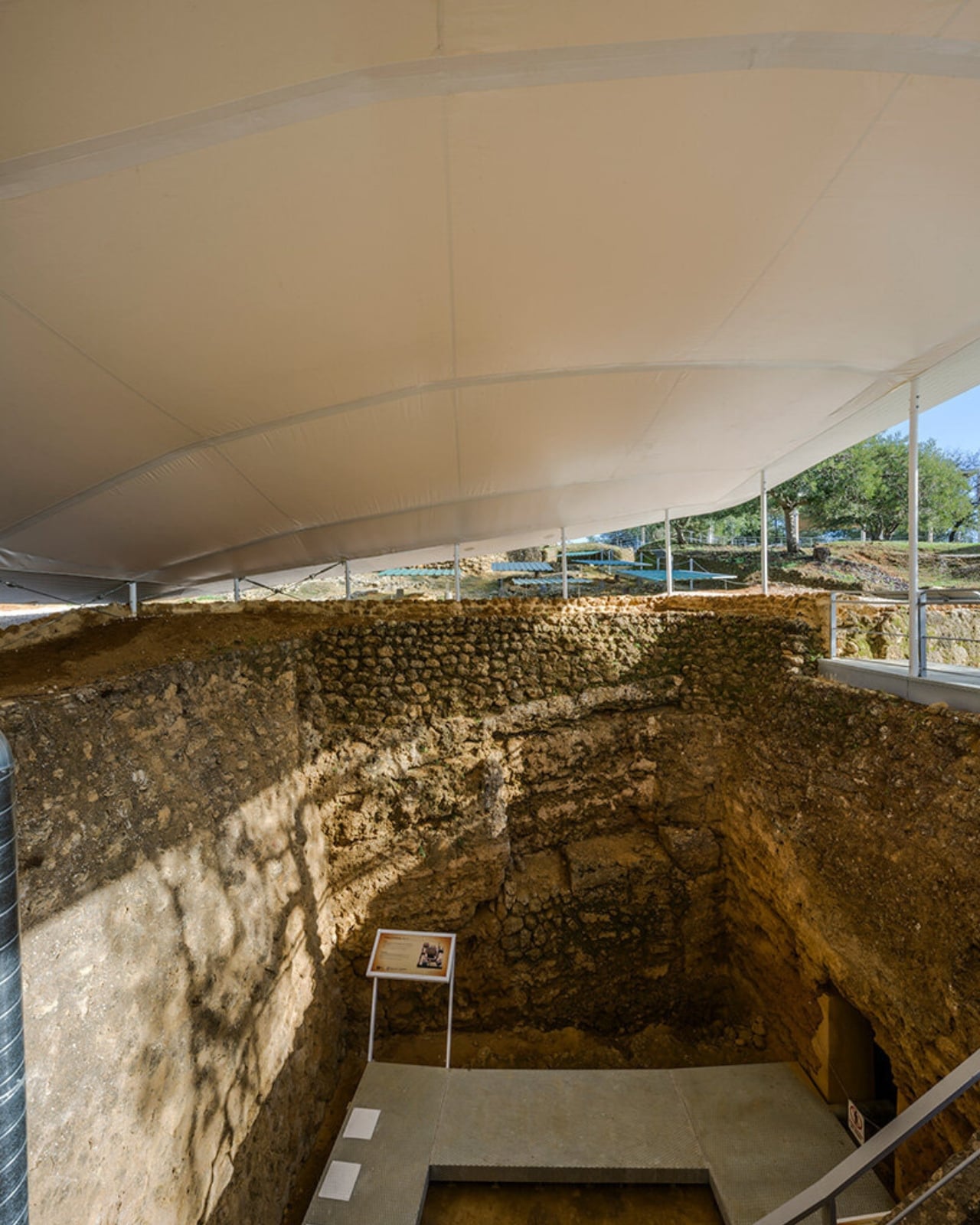
The canopy features a double-layer envelope that does way more than keep rain off ancient stone. Built into this roof are ventilation and air extraction components that actively regulate temperature and humidity. Think of it like a thermostat for history, maintaining the stable conditions these tombs need to survive another few centuries. The system works passively, meaning it doesn’t require constant energy input to function, which is both environmentally smart and practical for a site that needs long-term, low-maintenance protection.
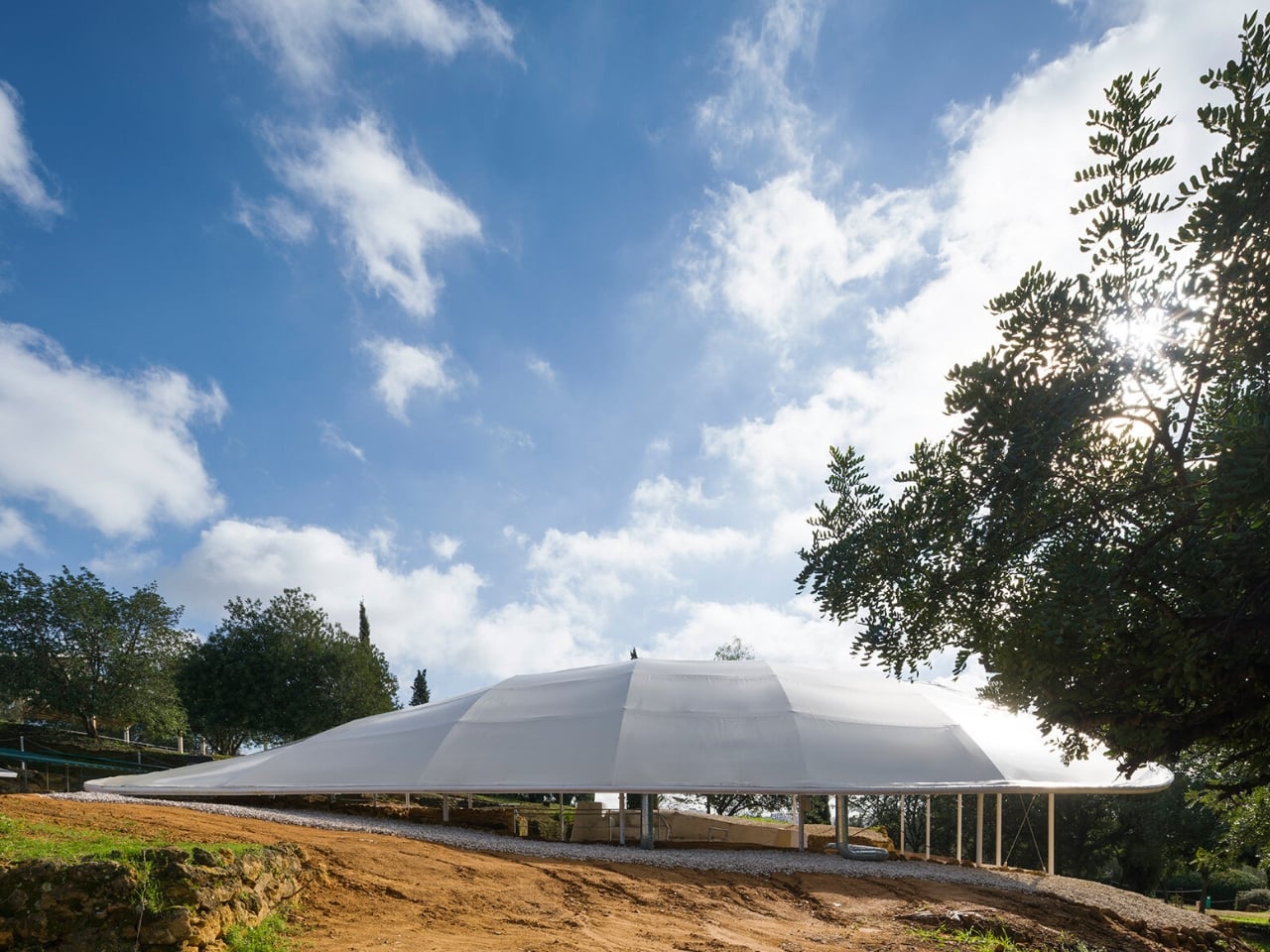
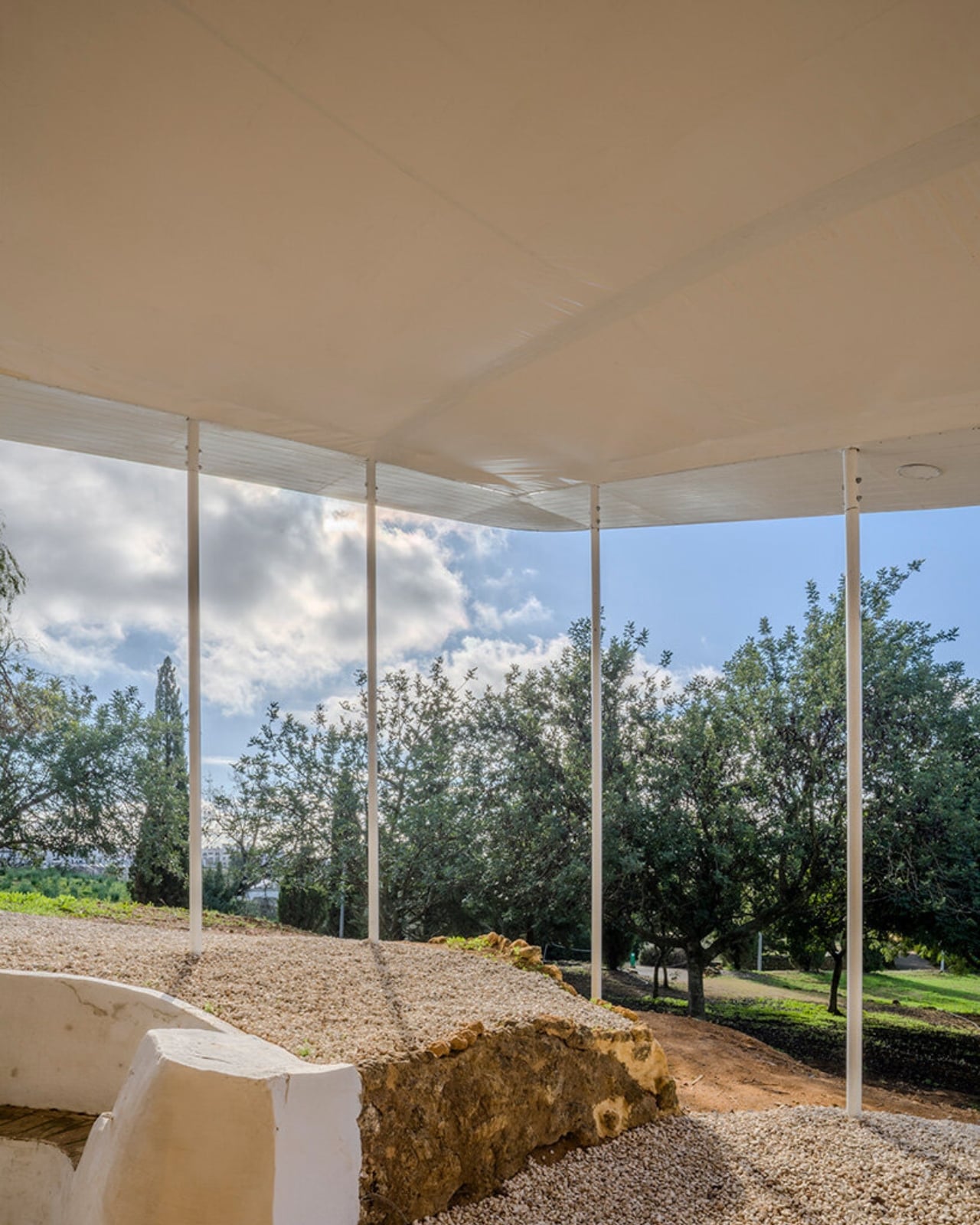
From a design perspective, the structure manages to be both present and invisible. The architects minimized the number of supports needed, creating an open, continuous space above the tombs rather than a forest of columns that would obstruct views and interrupt the spatial experience of the site. When you’re standing there, you get shelter and the tombs get protection, but the visual focus remains on the archaeology, not the modern intervention.
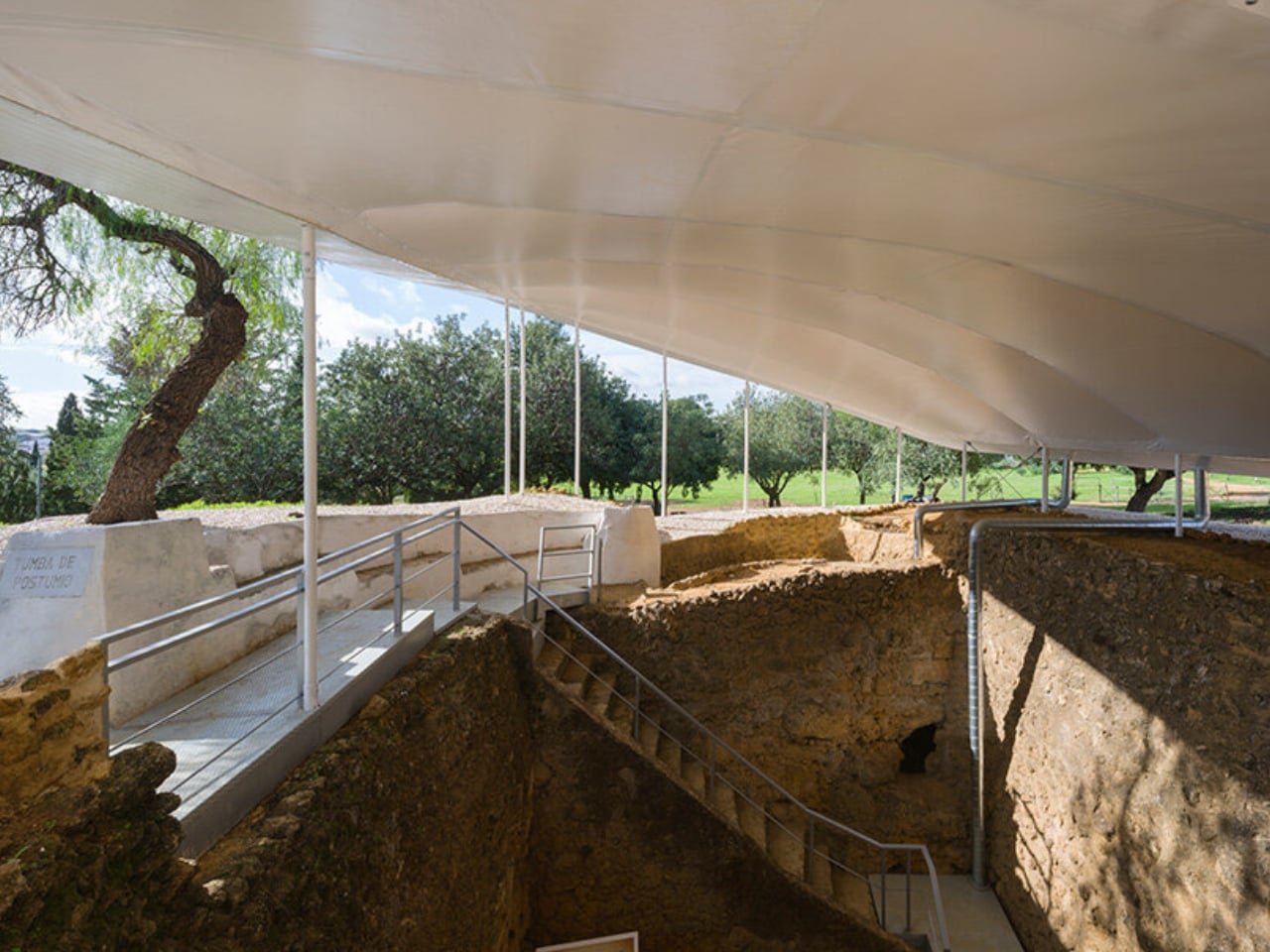
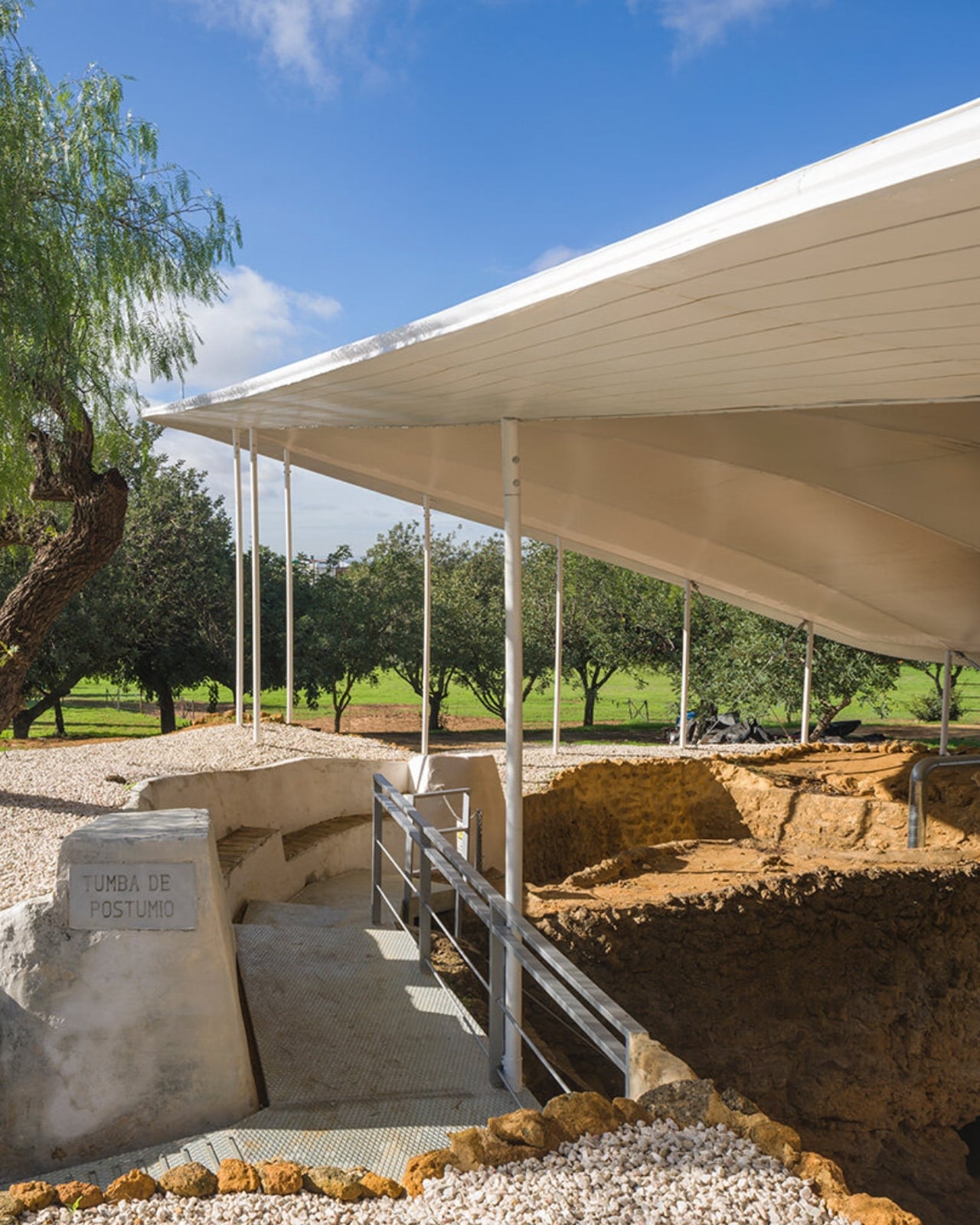
The use of 3D printing technology opens up possibilities that traditional construction methods can’t match. The canopy’s components could be fabricated with complex geometries optimized for both structural efficiency and environmental performance. This level of customization would be prohibitively expensive or simply impossible using conventional building techniques. Plus, the printing process allows for precision and repeatability, ensuring each element fits together exactly as designed.
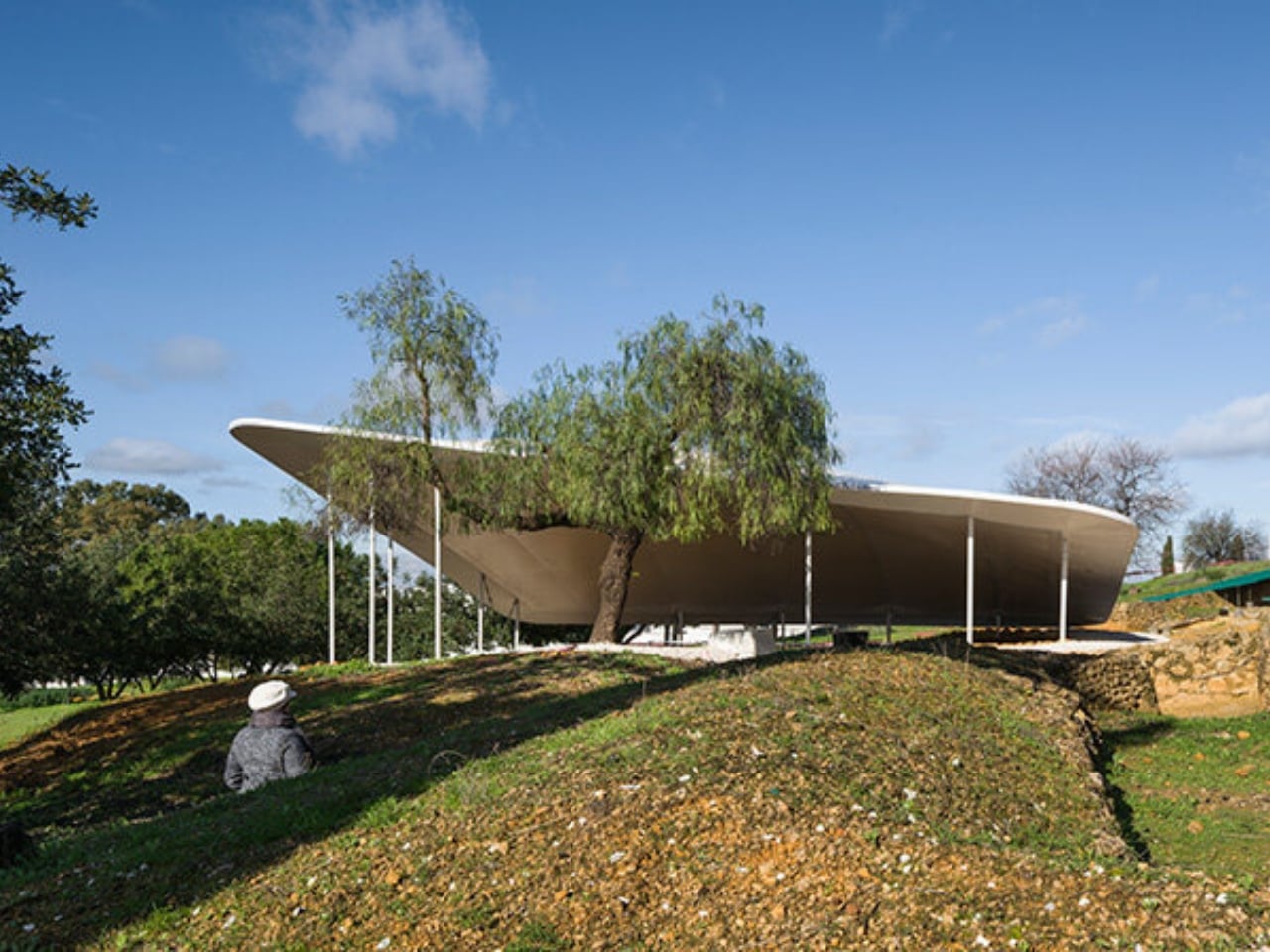
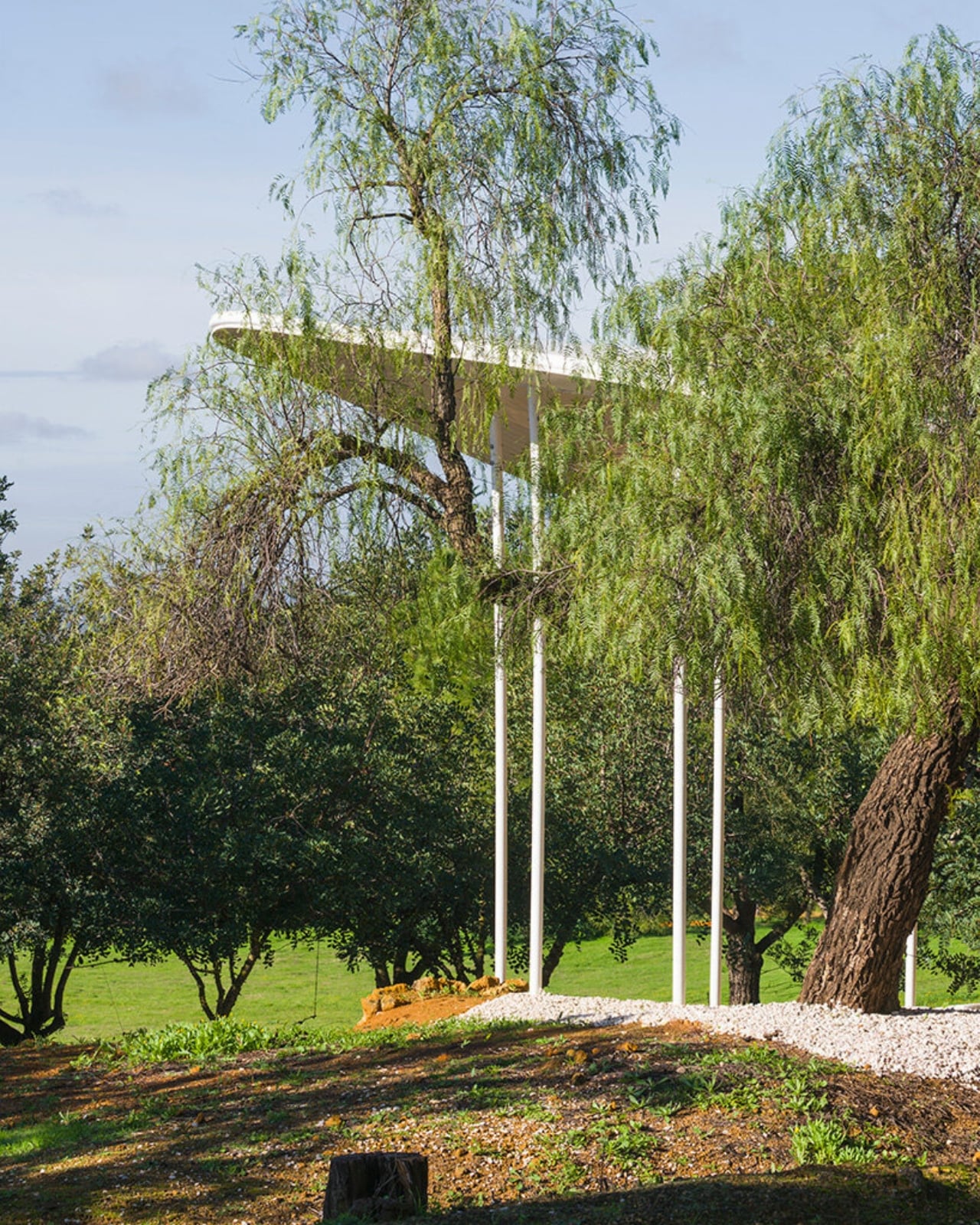
Another thoughtful touch is that the entire system is reversible. This might not sound exciting, but it’s actually a big deal in heritage conservation. The principle of reversibility means that if better technology comes along, or if the site’s needs change, this intervention can be removed without damaging the original tombs. It’s a humble approach to design, acknowledging that today’s cutting-edge solution might be tomorrow’s outdated method.
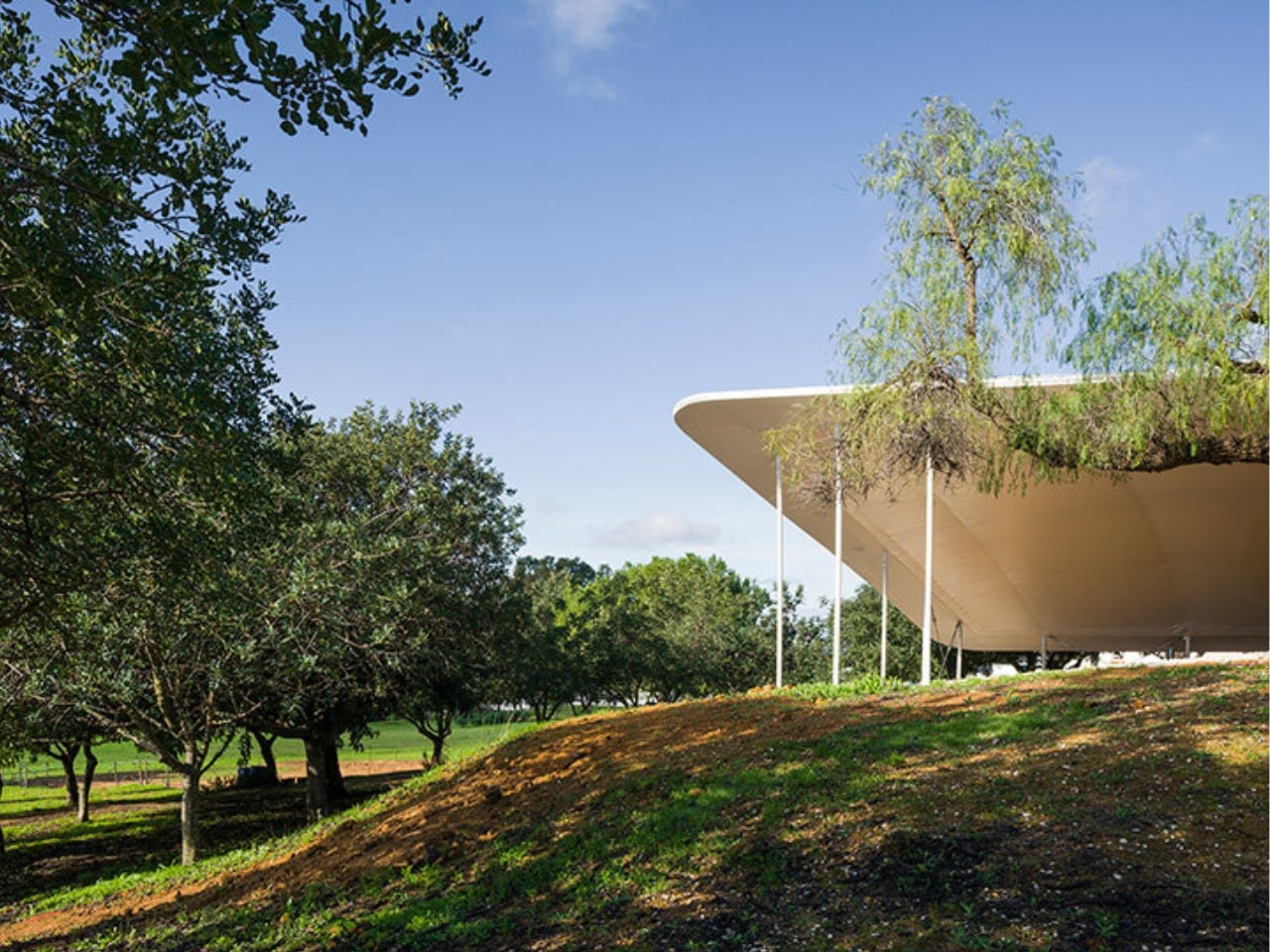
This project sits at a fascinating crossroads of disciplines. It required archaeological expertise to understand the site’s needs, architectural skill to design an elegant solution, engineering knowledge to make it structurally sound, and technological savvy to leverage 3D printing capabilities. The fact that two PhD architects pulled this together speaks to the increasingly interdisciplinary nature of modern design work.
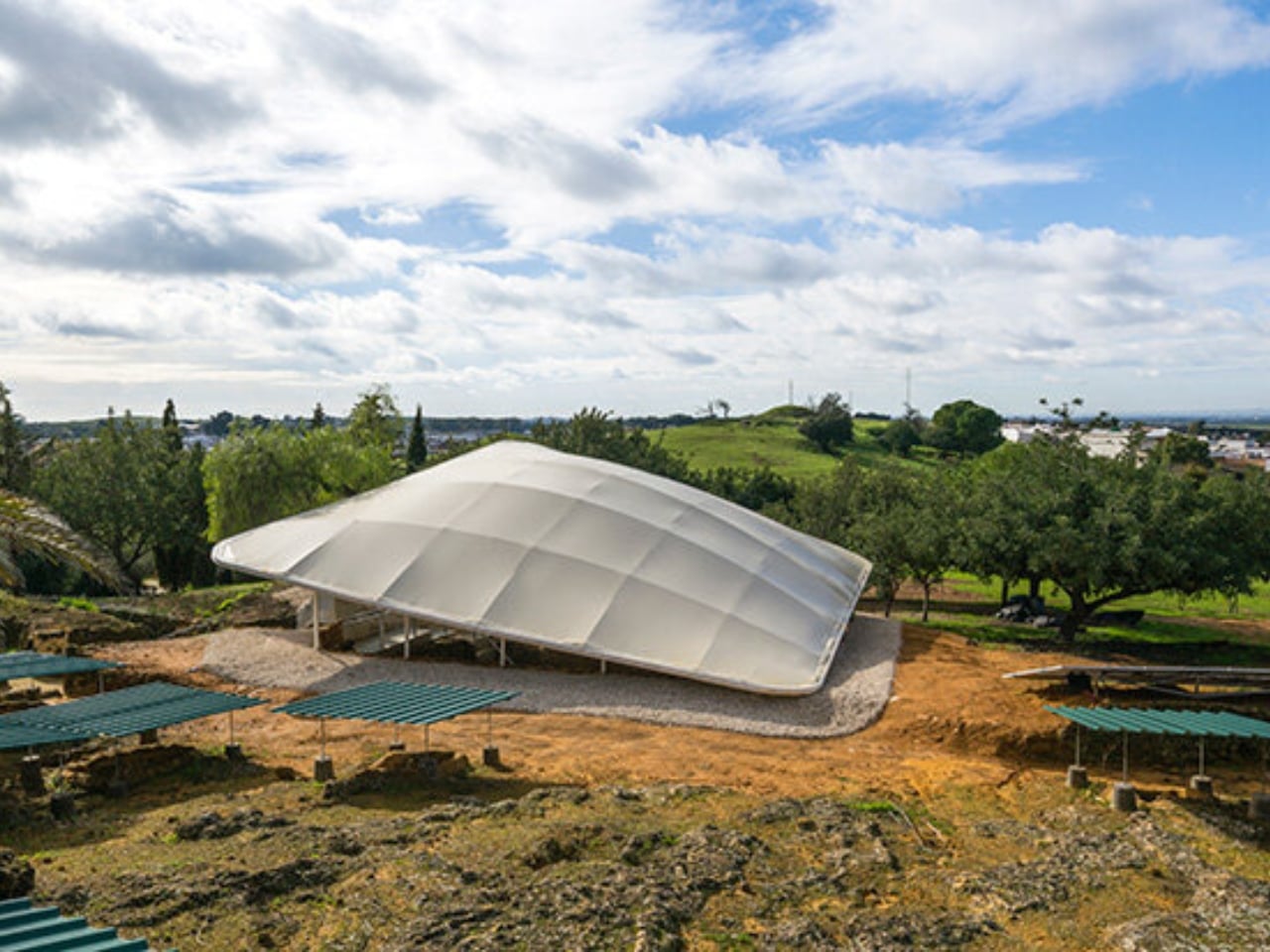
For anyone interested in how technology shapes our relationship with the past, this canopy offers a compelling case study. It proves that preservation doesn’t have to mean freezing things in time or hiding them away. Instead, smart design can create conditions where ancient sites remain accessible and experiential while getting the protection they need.
As 3D printing technology becomes more accessible and sophisticated, we’ll likely see more projects like this one. The ability to create custom, site-specific solutions for complex problems is exactly what heritage sites need. These tombs in Carmona are getting a second chance at longevity, wrapped in a protective embrace that honors both their ancient origins and our modern capabilities.
The post first appeared on .
Related Posts